
A polar bear drifting past on a pan of sea ice. A penguin colony so loud you can hear it before you can see it. Both images live at the ends of the Earth, but they do not live on the same trip.
It is the first question almost every polar traveller asks us, and it deserves a better answer than "both are amazing." The Arctic and Antarctica differ in wildlife, seasons, landscapes, culture, logistics, and price. Choosing well means knowing which pole matches the experience you actually want.
Here is how to decide.
Two Poles, Two Opposite Worlds
The simplest way to remember the difference is this: Antarctica is a continent surrounded by ocean, while the Arctic is an ocean surrounded by continents.
Antarctica is a landmass roughly one and a half times the size of Europe, almost entirely covered in ice, with no permanent human population. Everything you see there belongs to wildlife, weather, and a handful of research stations.
The Arctic is the frozen surface of the Arctic Ocean, ringed by the northern coasts of Canada, Greenland, Norway, Iceland, and Russia. People have lived there for thousands of years. Your expedition will pass living communities, hunting cultures, and towns alongside the ice.
That single difference shapes everything else on this list.
The Wildlife Is Not Interchangeable
This is where most travellers should start, because the headline animals do not overlap.
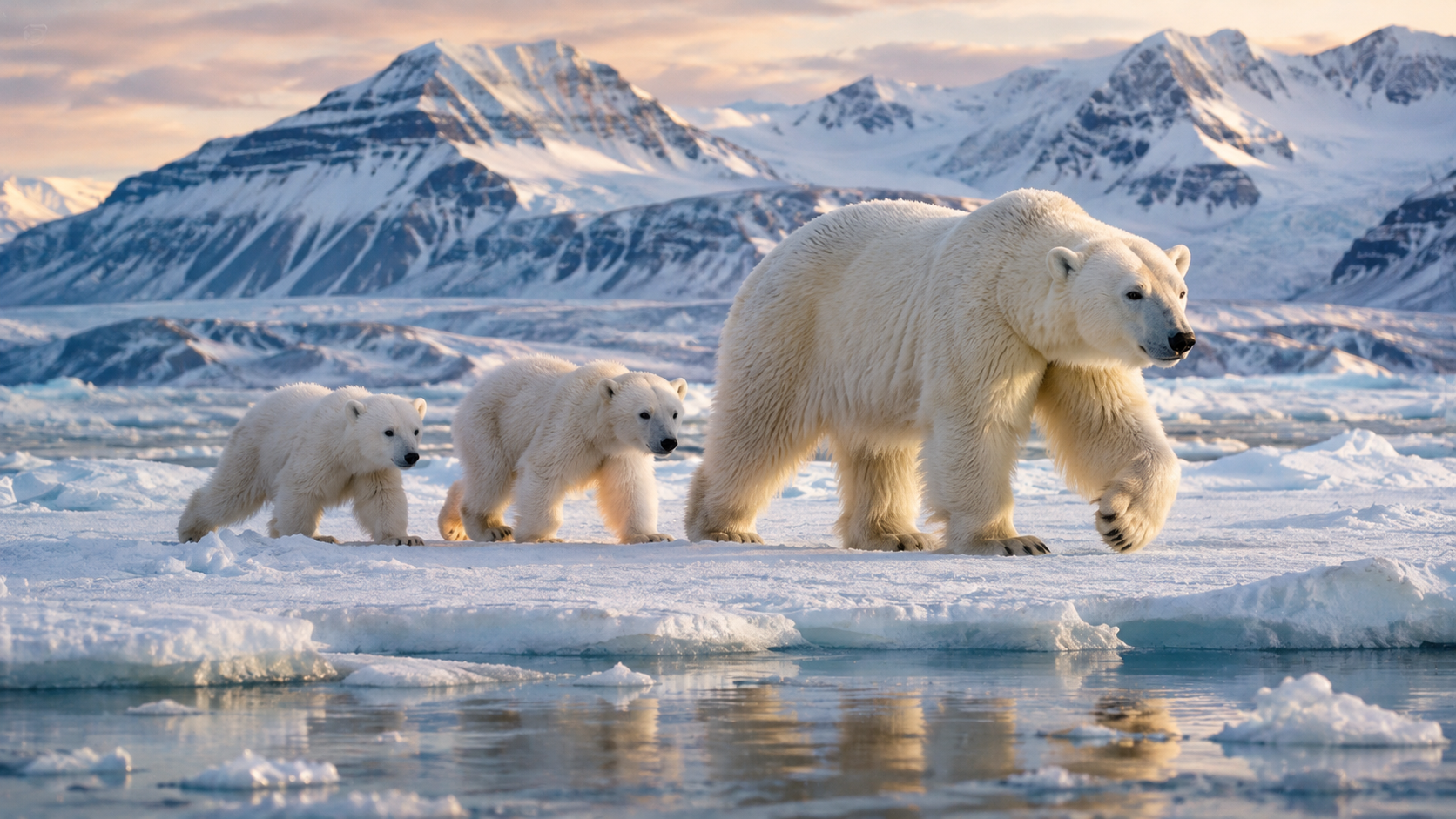
Only in the Arctic: polar bears, the undisputed monarchs of the north. Svalbard, Greenland, and the Canadian Arctic offer your best chances, always from a respectful distance and always on nature's schedule. The north also gives you walrus, muskoxen, Arctic foxes, reindeer, beluga whales, and, if fortune smiles, the narwhal, the unicorn of the sea.
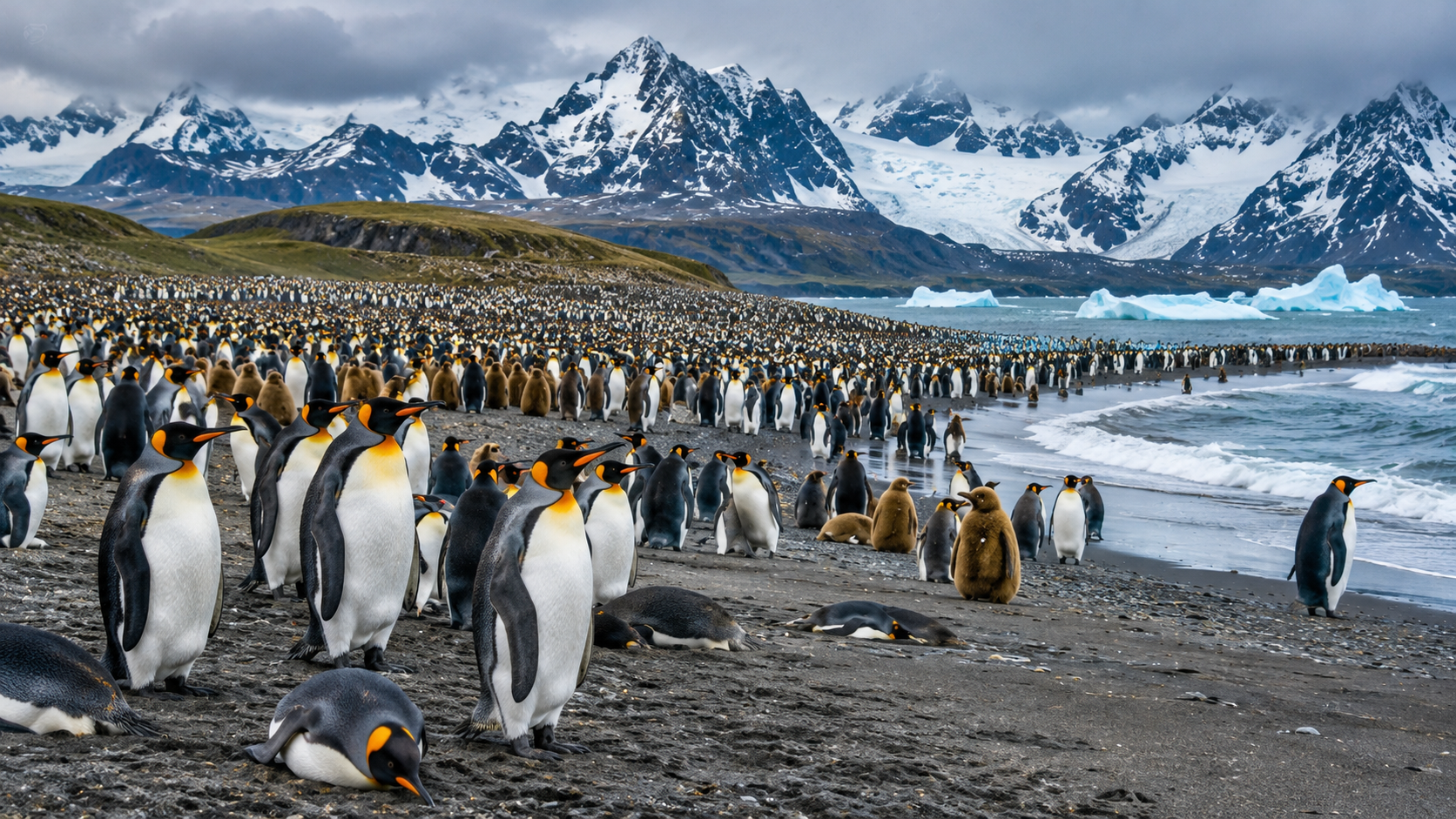
Only in Antarctica and the sub-Antarctic: penguins in the wild, in colonies that can number in the hundreds of thousands. Gentoo, chinstrap, and Adélie penguins crowd the Antarctic Peninsula, while South Georgia hosts vast king penguin colonies that have to be seen to be believed. Add leopard seals, crabeater seals, and orcas hunting in the channels.
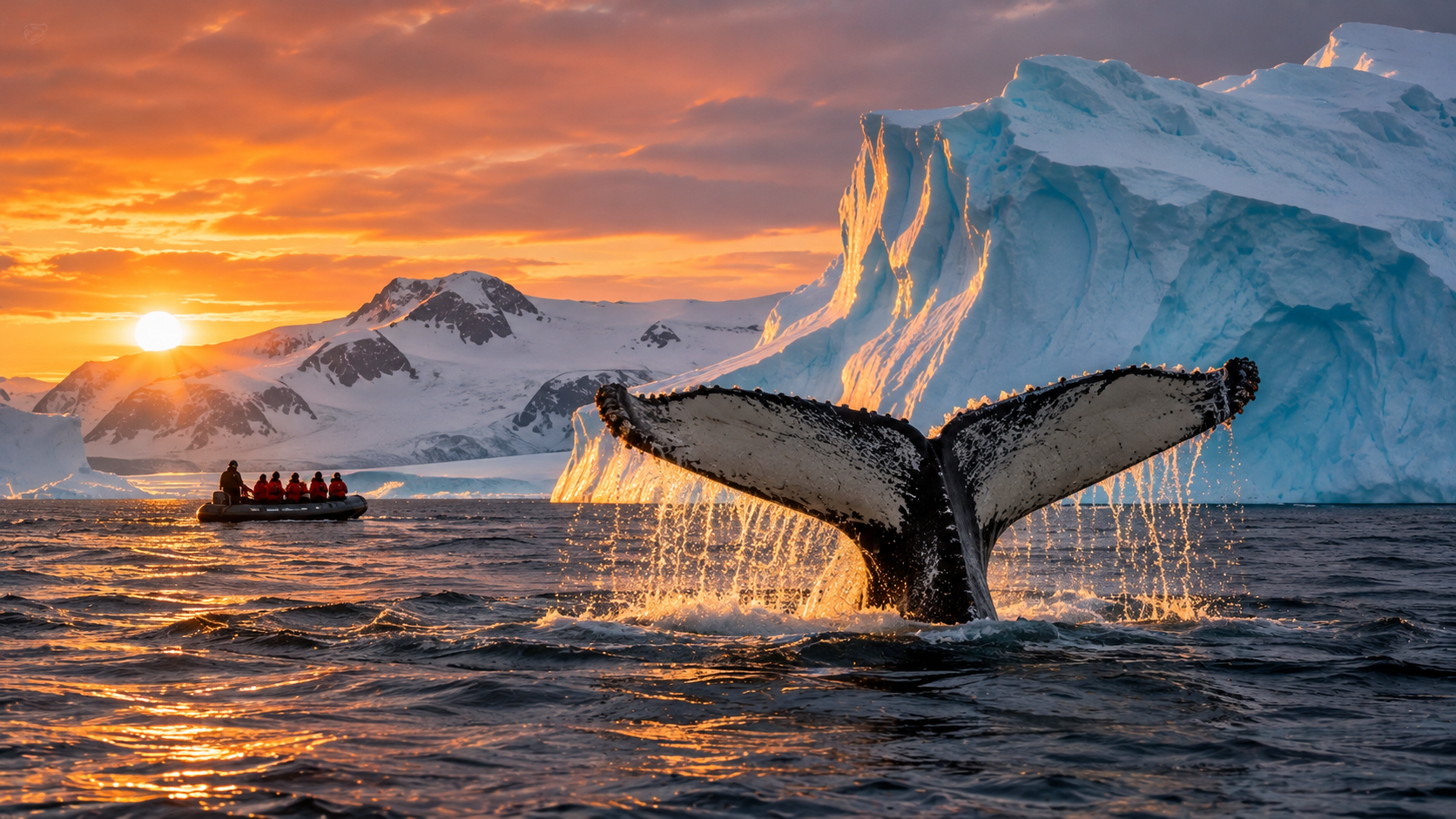
Both poles: whales, including humpbacks feeding in rich polar waters, dramatic seabird life, and seals hauled out on the ice. If whales are your priority, timing matters more than hemisphere: February and March in Antarctica, midsummer in the Arctic.
Our recommendation: If one animal is non-negotiable, let it choose your pole. Bears mean north. Penguins mean south. There is no itinerary that honestly promises both.
The Seasons Run in Opposite Directions
Polar travel follows the light, and the two poles take turns.
Antarctica opens during the southern summer, roughly from late October to March. November brings pristine snow and penguin courtship, December and January bring hatching chicks and nearly endless daylight, and February and March bring peak whale watching and golden, low-angled light.
The Arctic opens during the northern summer, roughly from May to September depending on the region. Early season means sea ice, snowmobiling, and the best polar bear viewing in some areas. Midsummer brings the midnight sun and open water. Late August and September add fall colours on the tundra and the first chances at the northern lights.
The practical gift of opposite seasons: a traveller with a flexible calendar can do one pole this year and the other next, without ever travelling in winter at home.
Getting There Is Part of the Choice
Antarctica usually begins with a flight to Ushuaia, Argentina, followed by the famous Drake Passage crossing, about two days each way across some of the most storied water on Earth. Fly-cruise options skip the Drake by flying from Punta Arenas, Chile, directly to King George Island, trading the crossing for a weather-dependent flight and a higher price. Longer voyages add the Falkland Islands and South Georgia, and they are worth every extra day if your schedule allows.
The Arctic is logistically gentler and more varied. Svalbard is reached by a commercial flight to Longyearbyen. Greenland pairs naturally with Iceland. The Canadian Arctic and the Northwest Passage are expeditions in the truest sense, remote and ice-dependent. Many Arctic voyages can also be combined with time in Norway, Iceland, or Scotland.
If you are prone to seasickness, note that neither pole guarantees rough water, but the Drake has earned its reputation. A fly-cruise or an Arctic itinerary may be the kinder first step.
Landscapes, Ice, and Atmosphere
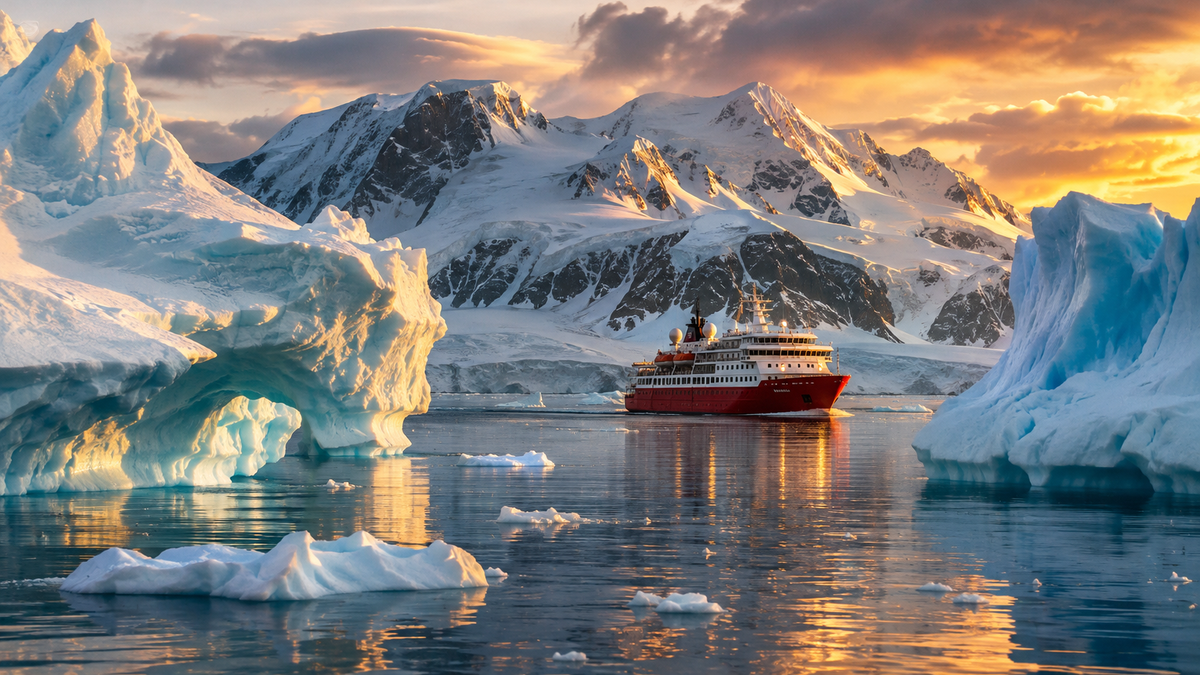
Antarctica is monumental: cathedral icebergs, glaciers calving into black water, and mountains that rise straight out of the sea. The scale feels geological, almost lunar, and the silence is unlike anywhere else on the planet.
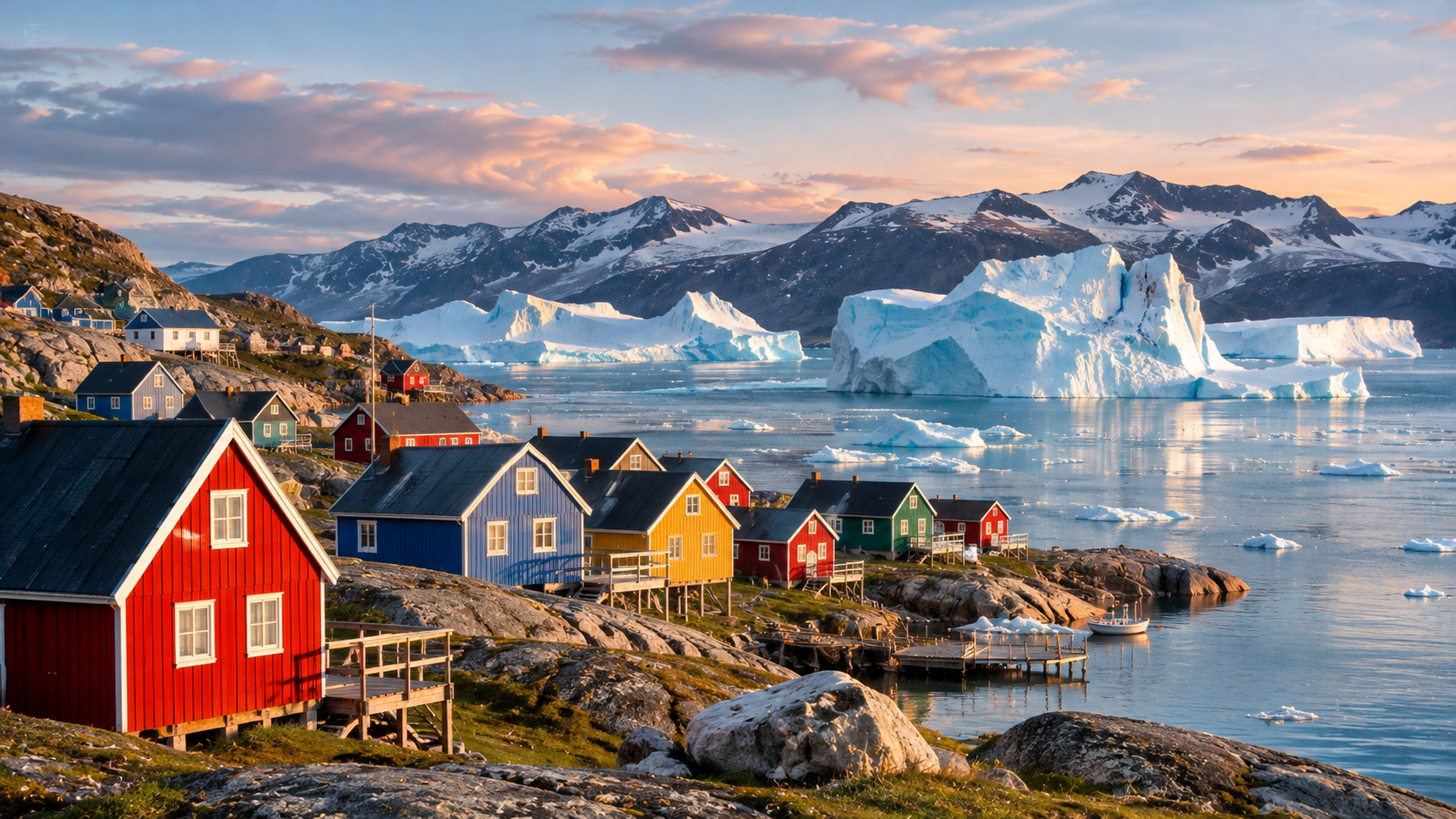
The Arctic is intimate by comparison: fjords, tundra valleys dotted with wildflowers in summer, small communities with colourful houses, and ice that shares the landscape with land and life. Many travellers find the Arctic warmer in spirit, Antarctica grander in scale.
Photographers, take note. Antarctica offers sculptural ice and wildlife density. The Arctic offers bears, cultural scenes, and, in late season, aurora. Both will fill a memory card faster than you expect.
Culture and History
In Antarctica, the human story belongs to the heroic age of exploration: whaling stations rusting on sub-Antarctic shores, research stations, and the long shadow of Shackleton. Nobody's ancestors are buried in an Antarctic village, because there are no villages.
In the Arctic, culture is alive and present. Inuit and Greenlandic communities, Sami heritage in northern Norway, and centuries of Norse and exploration history share the map with the wildlife. For travellers who want people and stories woven into their expedition, the Arctic offers something Antarctica, by definition, cannot.
A Quick Guide to Choosing Your Pole
| Your main priority | Pole to choose |
|---|---|
| Polar bears in the wild | The Arctic |
| Penguin colonies | Antarctica (add South Georgia for king penguins) |
| Living cultures and communities | The Arctic |
| Monumental ice and total remoteness | Antarctica |
| Northern lights | The Arctic, late August to September |
| Peak whale watching | Antarctica in February and March, or the Arctic in midsummer |
| Avoiding a long ocean crossing | The Arctic, or an Antarctic fly-cruise |
| Travelling between November and March | Antarctica |
| Travelling between May and September | The Arctic |
Note: Wildlife encounters are never guaranteed at either pole. Ice, weather, and the animals themselves always have the final word, which is exactly what makes a sighting unforgettable.
So, Which Pole Is Right for You?
Imagine the single moment you would most regret missing.
If it is a polar bear crossing the ice with her cubs, start looking north, at Svalbard, Greenland, or the Canadian Arctic. If it is standing inside a colony of a hundred thousand king penguins while whales surface offshore, start looking south, and give South Georgia the days it deserves.
Then compare the complete voyage, not just the destination: the ship's size, the expedition team's depth, the time spent off the ship each day, and how the route matches your priorities. Small ships land more often. Longer routes reach further. The details decide what you actually experience.
At ÆRIA Voyages and ÆRIA Expeditions, we plan polar voyages the way we would plan them for family: honestly, patiently, and around the moment you most want to live.
Ready to plan your polar expedition?
Connect with an expedition specialist today!
Yvan Junior Blanchette
Travel and Cruise Specialist
ÆRIA Voyages | ÆRIA Expeditions
☎️ 1 888 460-3388 or 450-820-9720
✉️ yvanblanchette@aeriavoyages.com
🌐 aeriavoyages.com

Member discussion: