
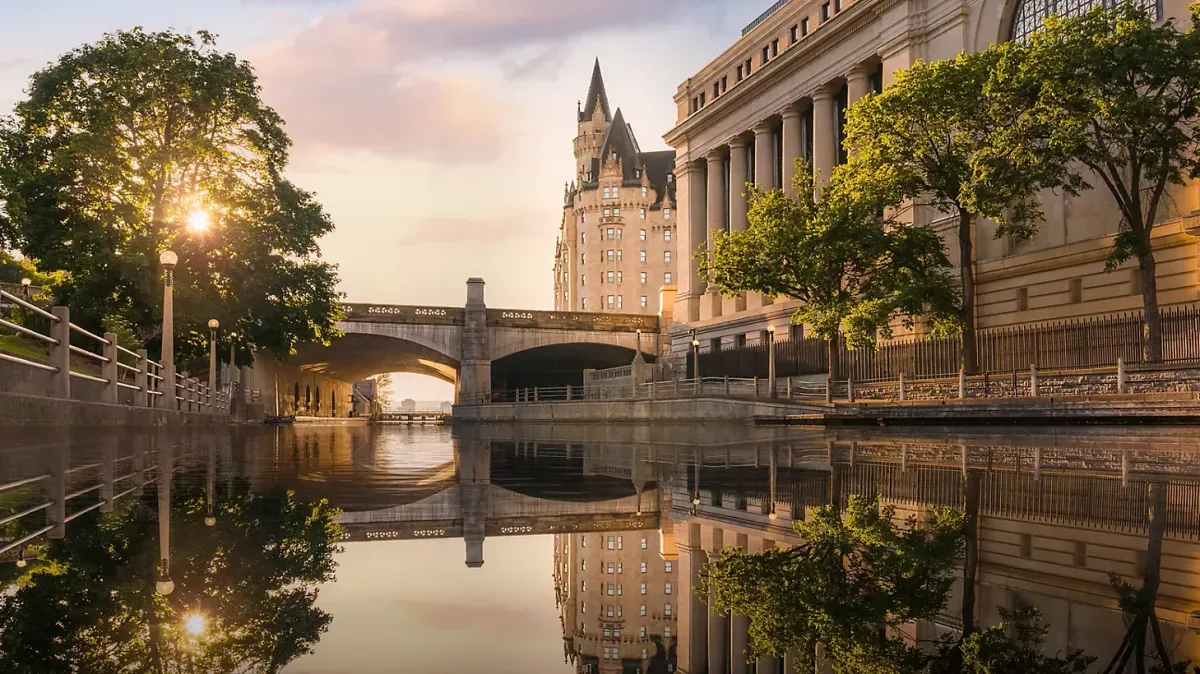
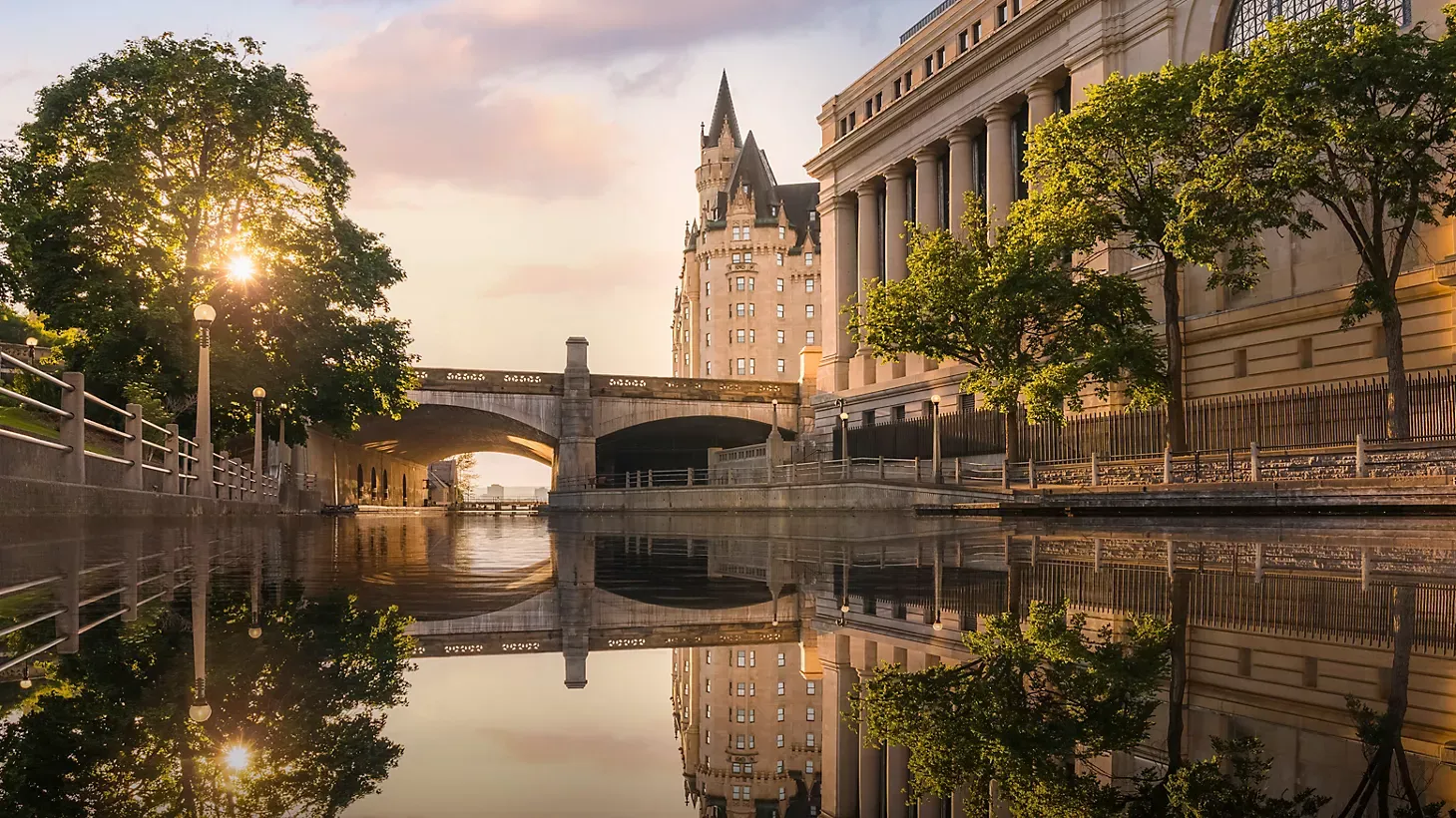
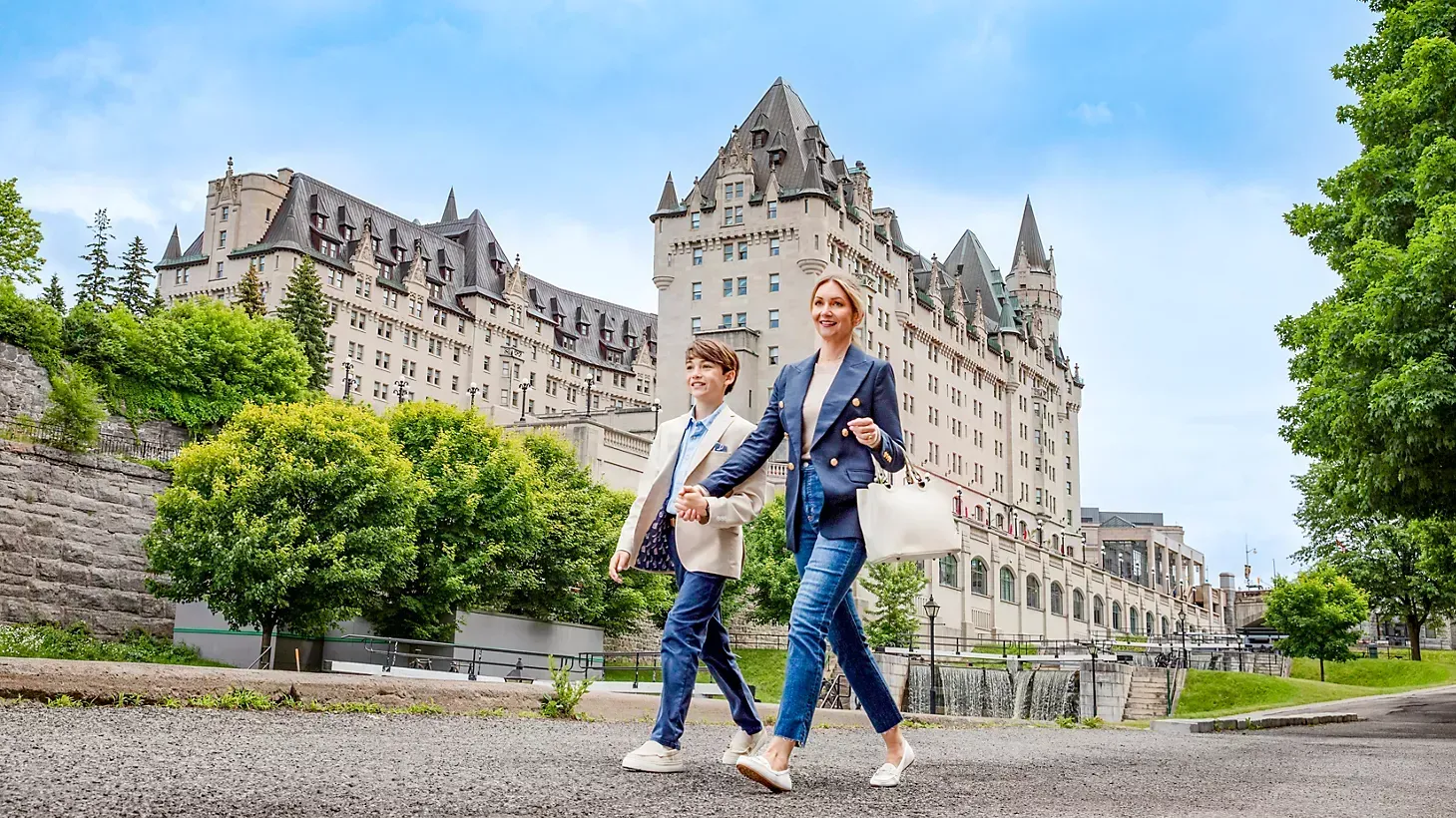
Standing beside the Rideau Canal locks and across from Parliament Hill, Fairmont Château Laurier appears less like a hotel than a building Ottawa was designed around. Its limestone walls, copper roof, dormer windows and French château silhouette have watched over the capital for more than a century.
Its story begins with a railway baron, an unfinished hotel and a voyage aboard the most famous ship in history. It continues through Canadian politics, royal visits, wartime photography, whispered ghost stories and a mysterious knock at the door of room 148.
This is not simply one of Ottawa’s finest hotels. It is a monument to the age when Canada built railways across a continent, then placed castles beside the tracks.
Table of Contents
- Why Château Laurier matters
- A castle built for the railway
- Charles Melville Hays and the Titanic
- The opening of Ottawa’s grand hotel
- Architecture and design
- Yousuf Karsh and the portraits of history
- Political life inside the Château
- Rooms, suites and Fairmont Gold
- Dining and afternoon tea
- The Art Deco swimming pool
- Myths, legends and ghosts
- Our experience in room 148
- What to see inside the hotel
- What to visit nearby
- What to know before staying
- Is Château Laurier worth it?
- The railway journey continues
Why Château Laurier matters
Some hotels are luxurious. Others are historic. A smaller number become inseparable from the identity of the city around them.
Fairmont Château Laurier belongs to that final category.
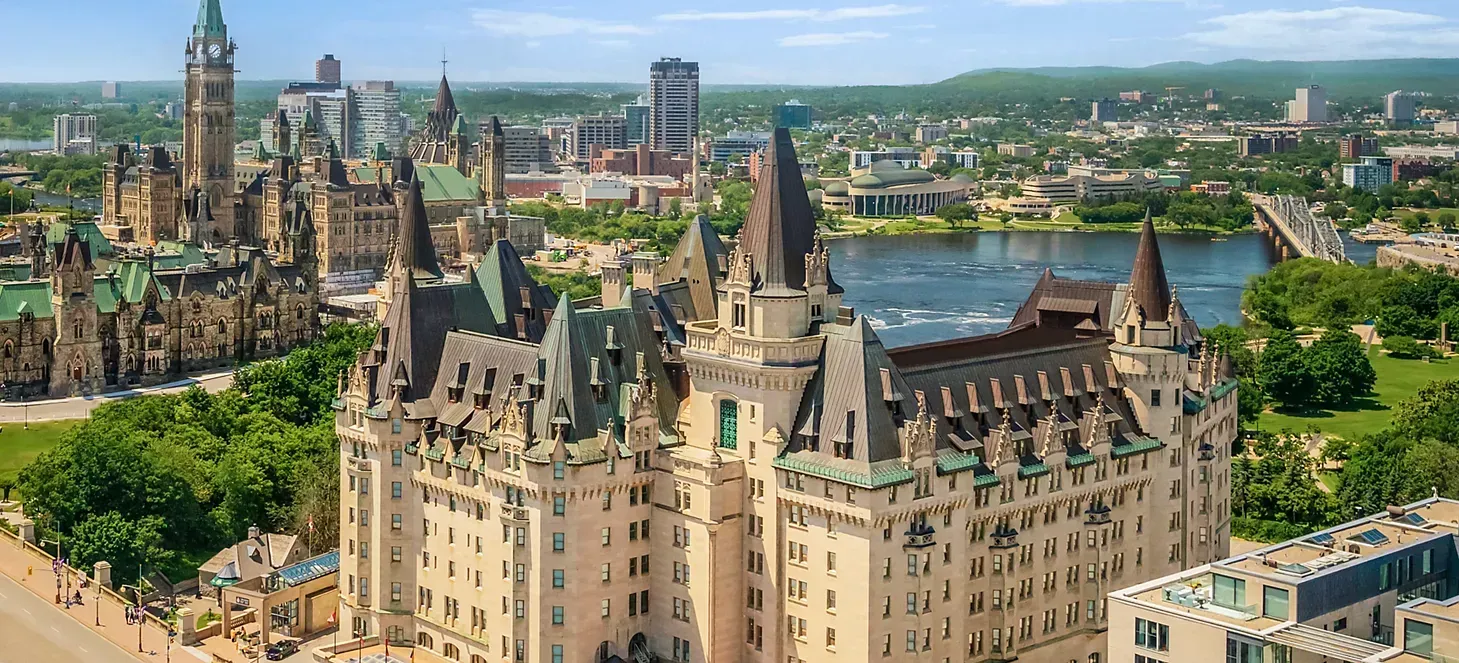
Its location alone would make it exceptional. The hotel stands between the Rideau Canal, Major’s Hill Park and the ByWard Market, directly across from Parliament Hill and beside Ottawa’s former Union Station. From certain rooms, guests can look over the canal locks toward the Parliament Buildings. From the eastern side, the view opens toward the park and the Ottawa River.
Yet location explains only part of its importance.
The Château has hosted monarchs, heads of state, prime ministers, actors, musicians, diplomats and journalists. Political decisions have been discussed in its suites. Celebrations and scandals have unfolded in its ballrooms. One of the greatest portrait photographers of the 20th century lived and worked inside the building for nearly two decades.
Long before Fairmont placed its name above the entrance, the Château Laurier was conceived as part of a much larger ambition: to build a railway across Canada and surround the journey with hotels worthy of an empire.
A castle built for the railway
At the beginning of the 20th century, Canada’s railway companies were not merely transporting passengers between cities. They were helping to create the destinations those passengers would visit.
The Canadian Pacific Railway had already understood the formula. Build a railway through spectacular scenery, construct an extraordinary hotel at the most beautiful point along the route, then encourage affluent travellers to make the journey.
The Grand Trunk Railway wanted its own transcontinental network and its own collection of prestigious hotels. Charles Melville Hays, the company’s American-born president, became one of the principal forces behind that vision.
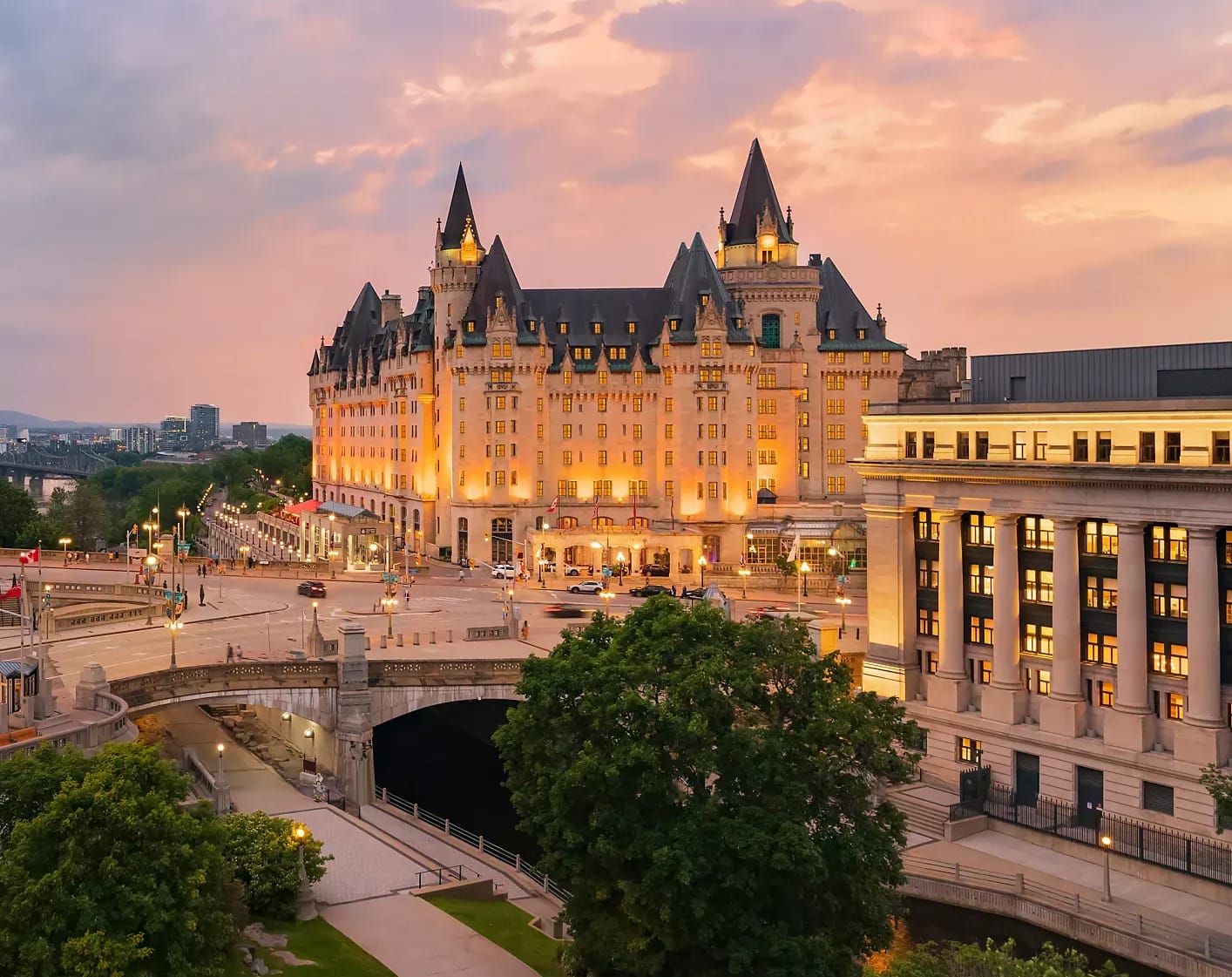
Hays commissioned the Château Laurier in 1907. The location was strategic. The hotel would stand beside the Grand Trunk’s new Ottawa railway station, allowing passengers to arrive in the capital and walk almost directly from the train into a grand hotel.
The station still exists today, although trains no longer arrive there. The building became the Government Conference Centre and later the temporary home of the Senate of Canada.
The hotel and the station were conceived as architectural companions, two monumental buildings announcing that Ottawa had entered a new age of transportation, tourism and national confidence.
Construction began in 1909. Granite, Indiana limestone, Italian marble and a copper roof were used to give the building a sense of permanence. This was not intended to be a fashionable hotel that would look dated within a generation. It was designed as a landmark.
Before Hays could see his vision completed, however, he made a decision that would forever connect the hotel to the Titanic.
Charles Melville Hays and the Titanic
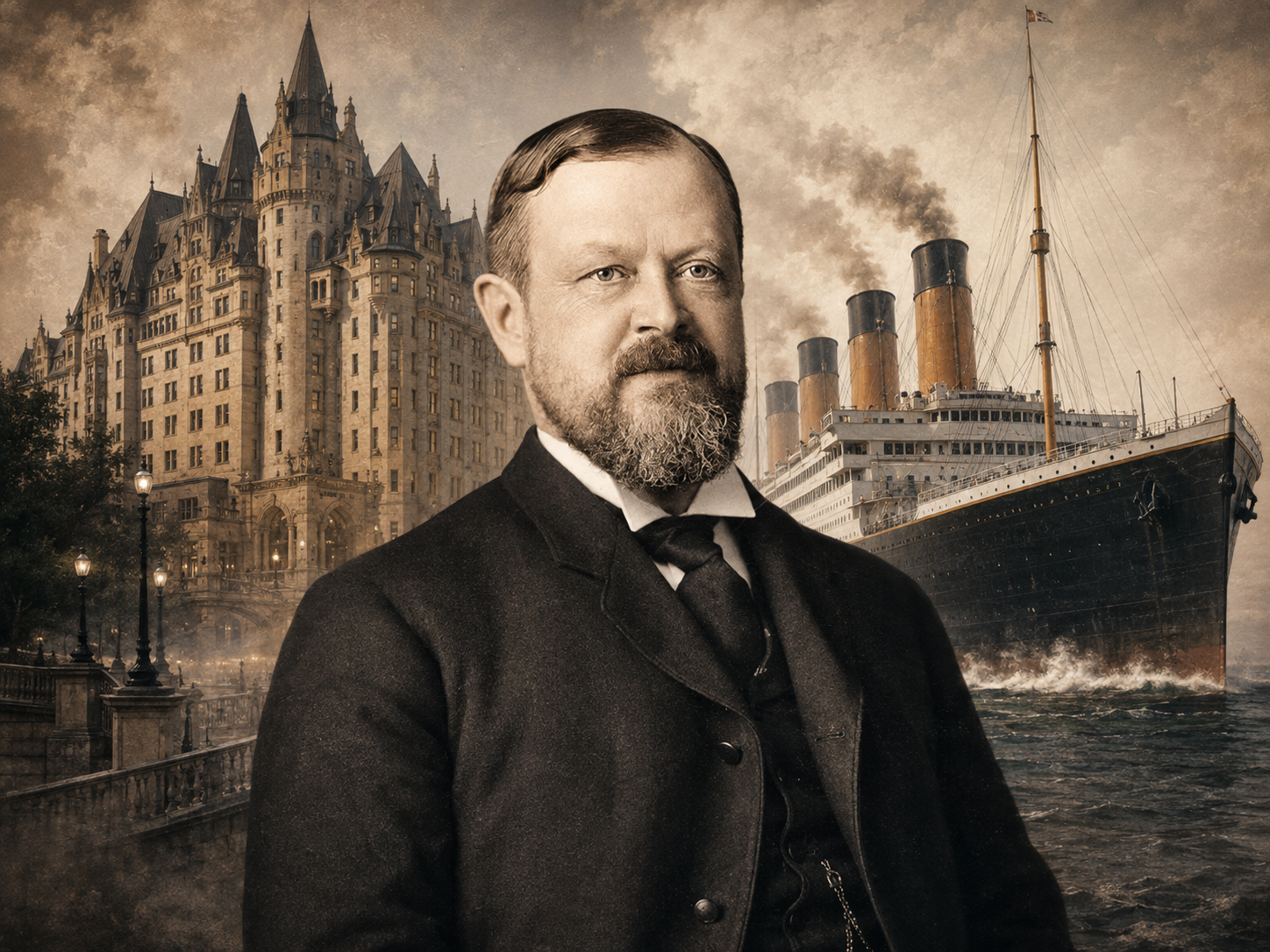
In the spring of 1912, Charles Melville Hays was in England on railway business. The Château Laurier was nearing completion in Ottawa and its official opening was scheduled for April.
Hays needed to return to Canada.
He travelled with his wife, Clara, their daughter Orian, their son-in-law Thornton Davidson, his secretary Vivian Payne and their maid, Mary Anne Perreault. Paul Chevré, the French sculptor who had created the bust of Sir Wilfrid Laurier intended for the hotel, was also aboard the ship.
For the Atlantic crossing, they boarded the newest and most celebrated ocean liner in the world.
RMS Titanic departed Southampton on April 10, 1912, on its maiden voyage to New York.
Hays had professional connections with J. Bruce Ismay and the White Star Line. The railway executive reportedly discussed the possibility of coordinating steamship and railway services, creating a continuous journey between Europe, North America and Asia.
The Titanic represented the same faith in speed, scale and technological progress that had driven railway development across Canada.
According to accounts associated with the voyage, Hays expressed concern about the increasingly fierce competition between shipping companies and their desire to build ever larger and faster ships. He reportedly warned that the trend could eventually end in disaster.
Several hours later, shortly before midnight on April 14, Titanic struck an iceberg.
As the ship was evacuated, Clara Hays, Orian Davidson and Mary Anne Perreault entered a lifeboat and survived. Charles Hays, Thornton Davidson and Vivian Payne remained aboard and died when the ship sank.
Hays’s body was recovered by the cable ship Minia on April 26. It was returned to Montréal aboard his private railway car and buried at Mount Royal Cemetery.
The opening of the Château Laurier was postponed.
The man who had imagined Ottawa’s great railway hotel would never see it completed.
The opening of Ottawa’s grand hotel
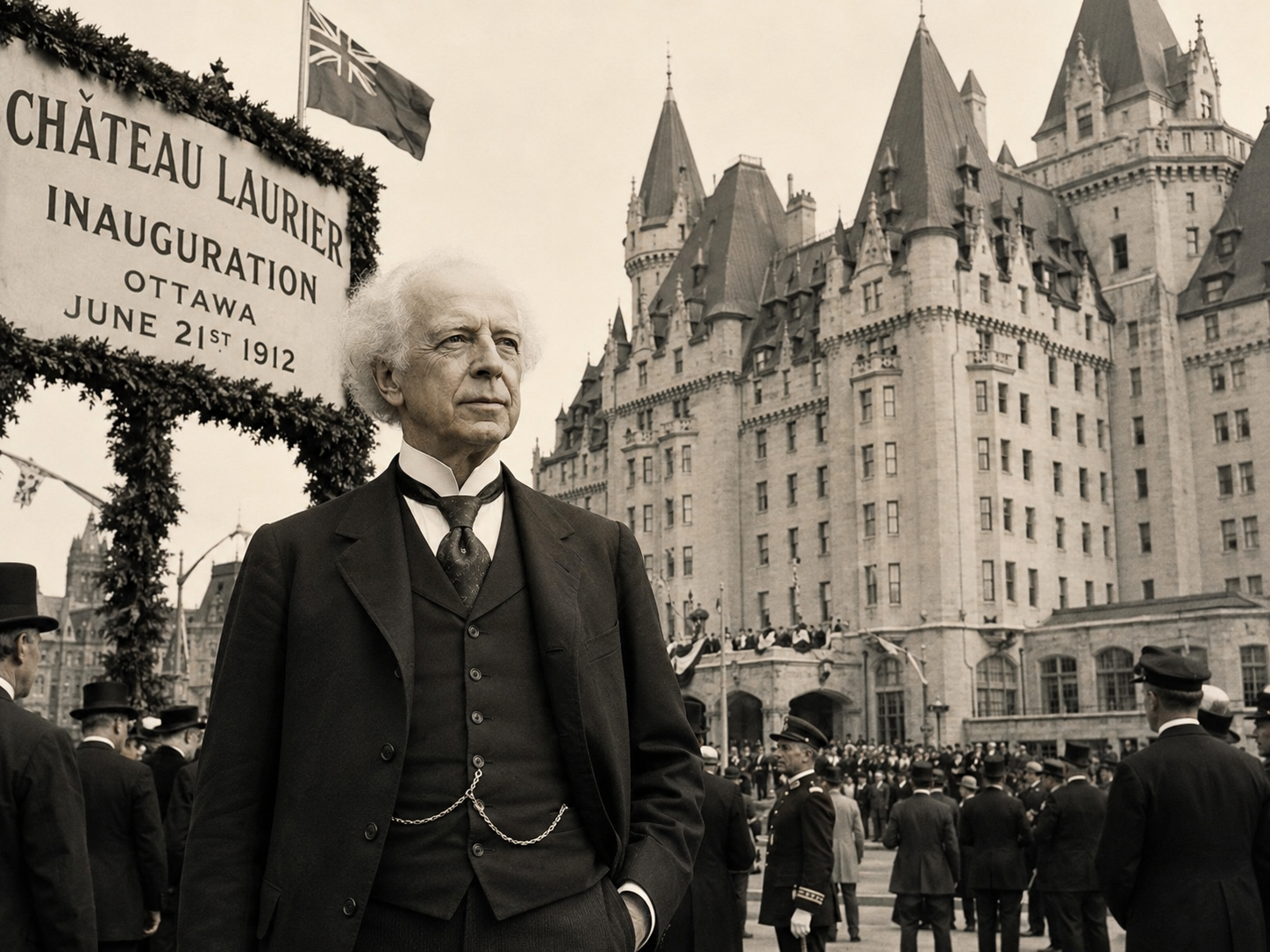
The Château Laurier eventually opened in June 1912, under the shadow of the Titanic disaster.
Sir Wilfrid Laurier, the former prime minister for whom the hotel was named, attended the official opening. His likeness, sculpted by Paul Chevré, remains part of the hotel’s collection.
The completed Château contained more than 300 rooms, along with public salons, dining rooms and elaborate spaces intended for political gatherings, diplomatic receptions and grand social occasions.
The hotel cost approximately $2 million to construct, an extraordinary investment at the time. Its interiors featured marble, carved plasterwork, dark wood, decorative columns and carefully proportioned public rooms.
The Château quickly became one of Ottawa’s principal gathering places. Its role extended well beyond accommodation. In a capital city that was still developing its social and political institutions, the hotel became a meeting place for the people who governed, reported on and visited Canada.
The Grand Trunk Railway did not survive as an independent company. Following financial difficulties, its operations were absorbed into Canadian National Railways during the early 1920s. The Château Laurier subsequently became one of Canadian National’s most prominent hotels.
Canadian National Hotels and Canadian Pacific Hotels were eventually brought together under the Fairmont name, uniting many of Canada’s historic railway properties within the same collection.
Architecture and design
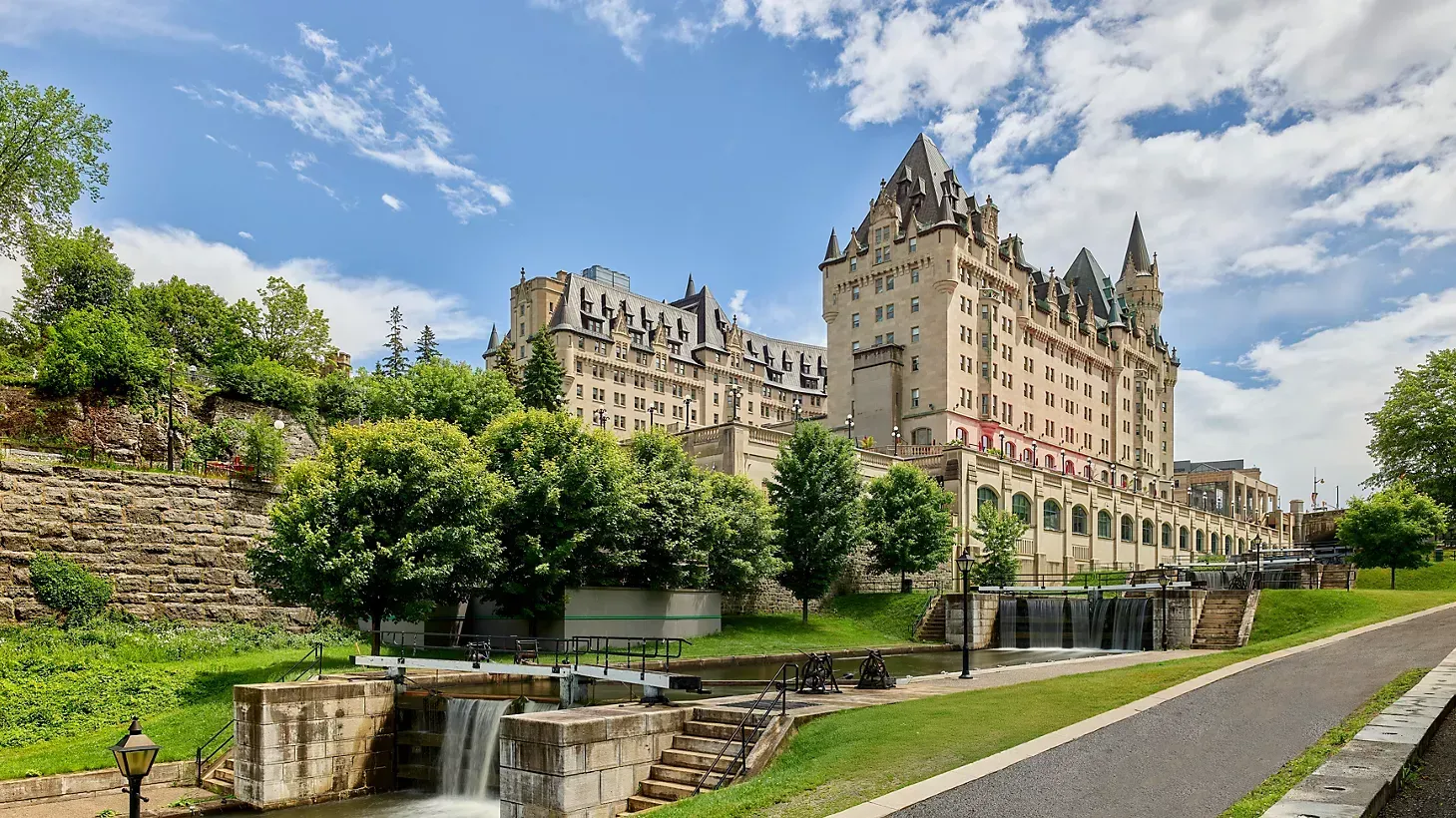
The Château Laurier is often described as a French Gothic Revival building, although its design combines several architectural influences.
Its steep copper roofs, turrets, dormer windows and irregular silhouette evoke the great châteaux of the Loire Valley. Its vertical lines and Gothic details allow it to stand comfortably beside the Parliament Buildings, rather than appearing architecturally disconnected from them.
The exterior is faced primarily in pale Indiana limestone. Over time, the copper roof has oxidized into the familiar green colour now associated with many of Canada’s most recognizable public buildings.
Inside, the atmosphere changes from monumental to intimate. Marble floors, columns, chandeliers and decorative ceilings establish the grandeur, while narrower corridors, unexpected turns and variations between rooms reveal the building’s age.
This is not a perfectly symmetrical contemporary hotel. The Château has evolved through expansions, renovations and changing expectations of luxury. Room configurations vary, corridors occasionally feel labyrinthine and some spaces carry more historical character than others.
That irregularity is part of the experience. The building feels accumulated rather than manufactured.
Yousuf Karsh and the portraits of history
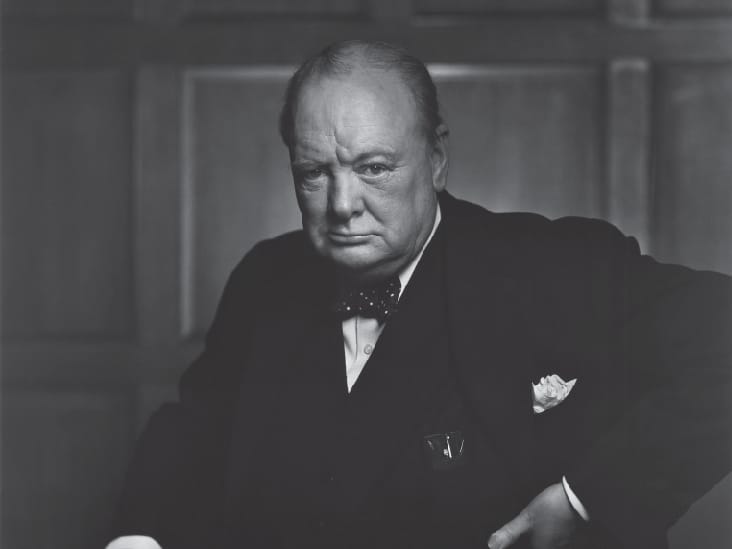
One of the most important chapters in the Château Laurier’s history belongs to Yousuf Karsh.
The Armenian-Canadian photographer established his studio inside the hotel and worked there for many years. Karsh became internationally renowned for portraits that revealed both the public authority and private character of his subjects.
His most famous photograph, the 1941 portrait of Winston Churchill known as The Roaring Lion, was taken after Churchill addressed the Canadian Parliament. The story behind the image has become almost as famous as the portrait itself.
Churchill was holding a cigar and refused to put it down. Karsh approached him, removed the cigar, then returned to his camera. The expression captured immediately afterward, defiant, irritated and unmistakably Churchillian, produced one of the defining portraits of the 20th century.
Karsh photographed royalty, political leaders, scientists, writers, actors and artists. His subjects included Queen Elizabeth II, Albert Einstein, Ernest Hemingway, Pablo Picasso, Audrey Hepburn and Nelson Mandela.
Several Karsh portraits remain displayed inside the Château Laurier, particularly around Zoe’s lounge and the Karsh Suite. They should not be treated merely as hotel decoration. Together, they form a compact gallery of 20th-century history.
Political life inside the Château
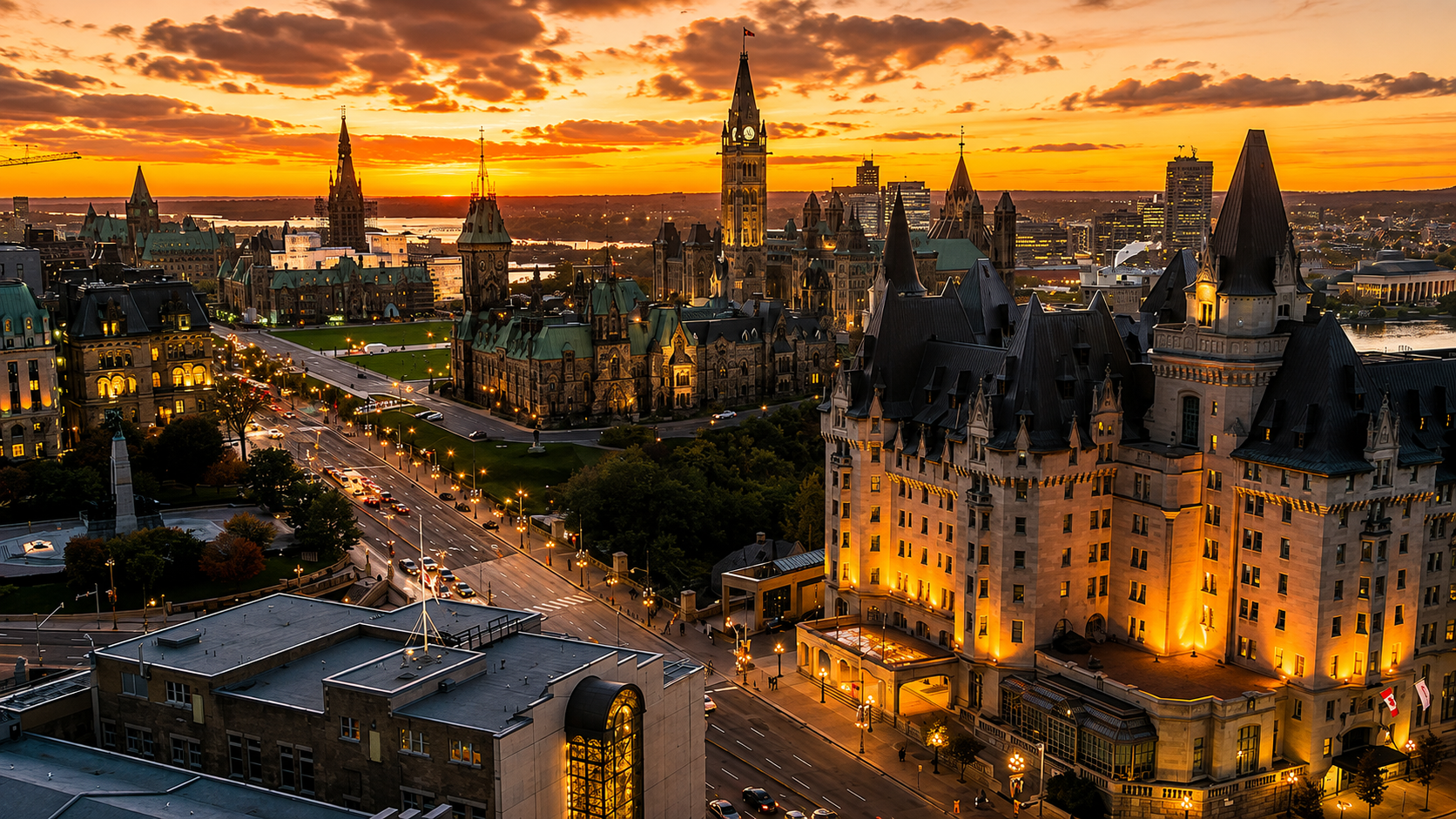
Few hotels have been as closely connected to a national government as Château Laurier.
Parliament Hill is only a short walk away. For generations, politicians, journalists, civil servants, diplomats and visiting dignitaries have used the hotel as an unofficial extension of Ottawa’s political institutions.
Prime ministers have stayed there. Election nights have been followed from its rooms. Political strategies have been discussed over drinks, and journalists have cultivated sources in its public spaces.
The hotel’s proximity to Parliament made it particularly useful during periods of political transition, international conferences and state visits. It also provided something government buildings could not always offer: privacy disguised as ordinary hospitality.
A conversation in a hotel lounge could appear social even when it was anything but.
The Château has also welcomed members of the Royal Family and numerous international figures. Its guest list forms a parallel history of Canadian diplomacy, one written in reservation books, banquet menus and photographs rather than legislation.
Rooms, suites and Fairmont Gold
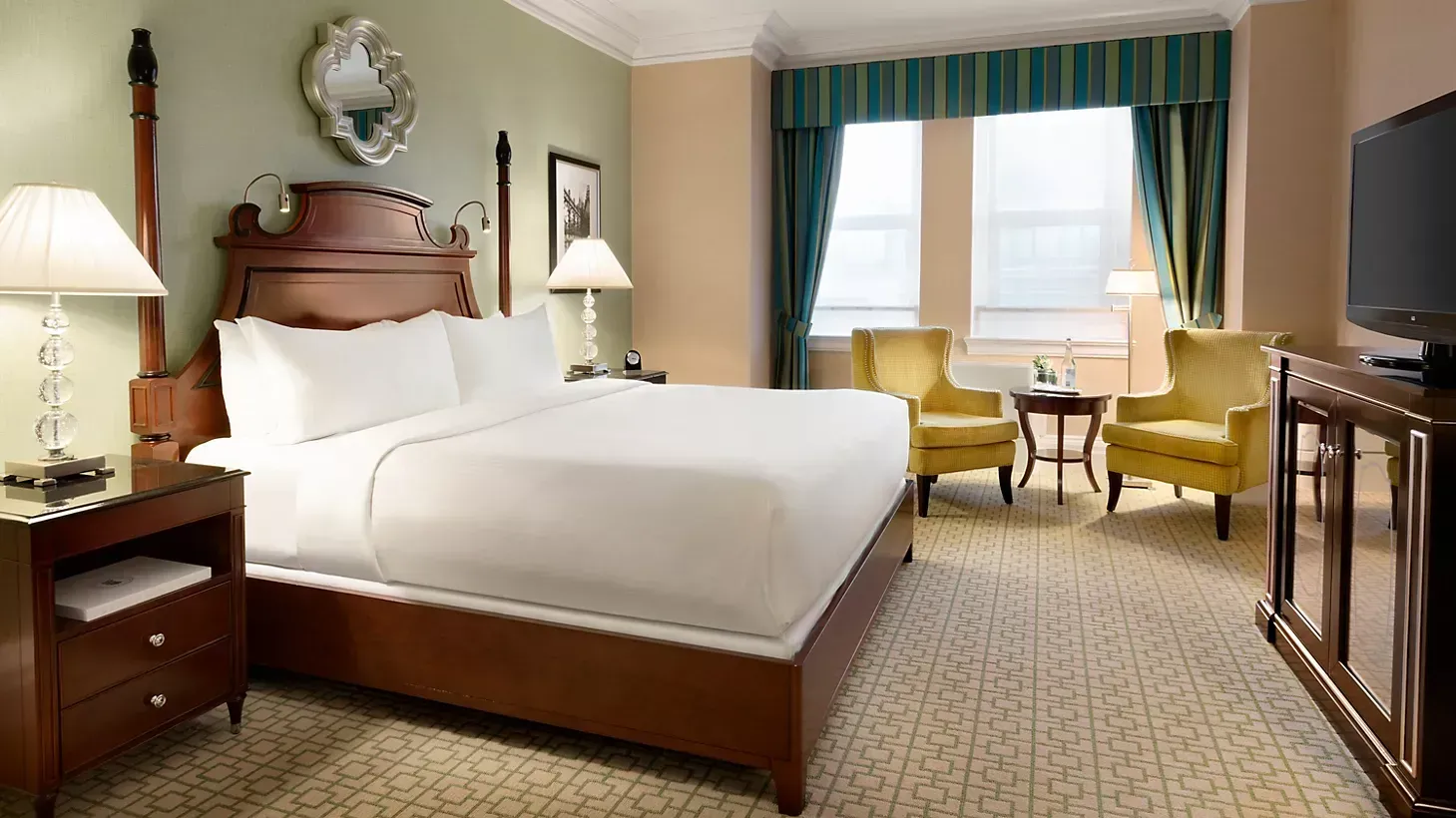
Fairmont Château Laurier currently offers a broad range of rooms and suites. Because the building is historic, dimensions and layouts can vary even within the same category.
Standard Fairmont rooms provide the most accessible way to stay inside the landmark, although travellers expecting the generous dimensions of a modern luxury hotel should examine room descriptions carefully.
Fairmont View rooms offer one of the property’s most important upgrades. Depending on their location, these rooms can overlook Parliament Hill, the Rideau Canal locks or other parts of central Ottawa.
Signature and Deluxe rooms generally provide additional space or more distinctive layouts. Corner suites take advantage of the building’s architecture and may offer some of its best views.
The hotel also offers an expansive Presidential Suite, along with the Hays Suite, named in honour of Charles Melville Hays.
For guests seeking a more refined experience, Fairmont Gold functions as a hotel within the hotel. Gold accommodations include access to a private lounge, dedicated service, breakfast and evening canapés. The value depends on the rate difference and how much time the guest expects to spend at the property, but it can meaningfully improve a short luxury stay.
For many travellers, the best use of the budget is not necessarily the largest room. A carefully selected room with a Parliament or canal view may provide a more memorable experience than a larger room facing an interior courtyard.
Dining and afternoon tea
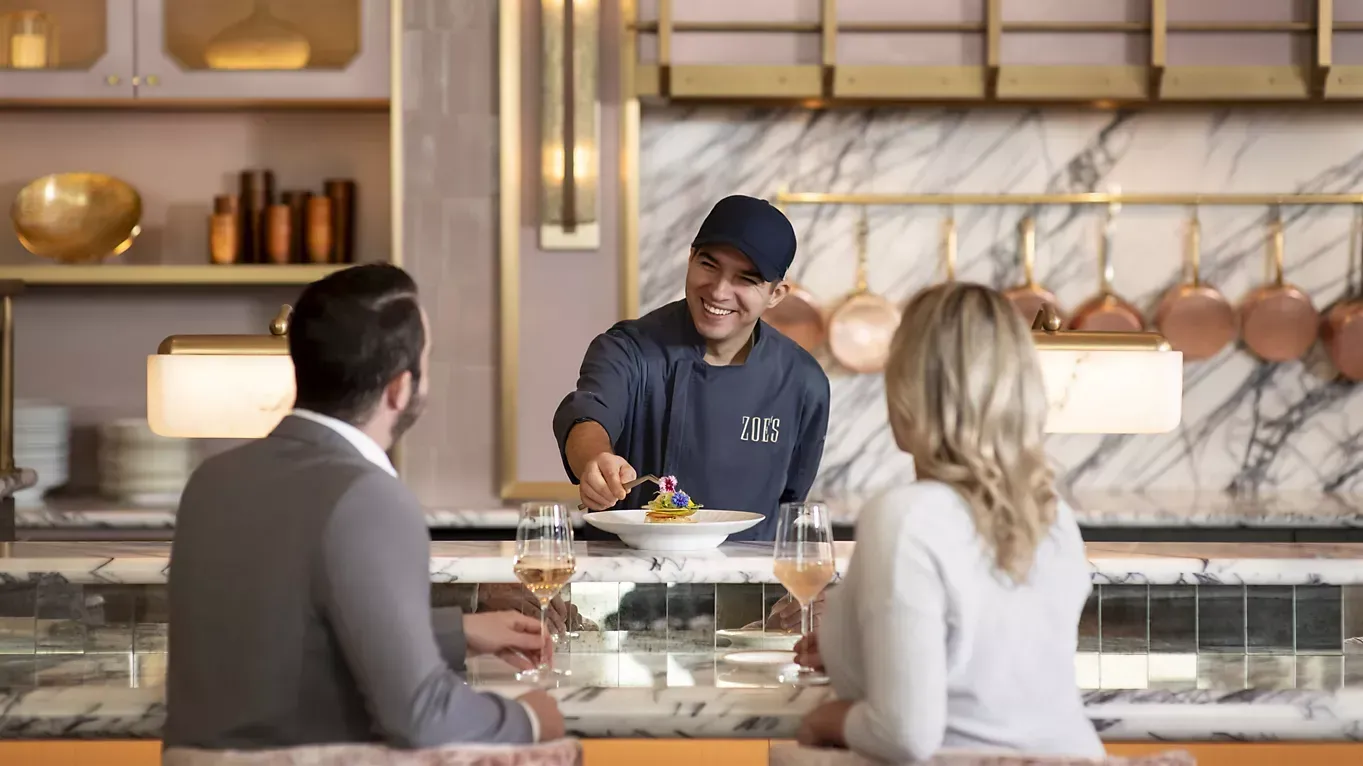
Zoe’s is the hotel’s principal lounge and one of its most elegant public spaces. It serves cocktails, light meals and the Château’s traditional afternoon tea.
Afternoon tea is especially well suited to the hotel. English scones, savouries, pastries and carefully selected teas are presented in a setting that connects naturally with the building’s history.
It is not an inexpensive experience, and reservations are advisable, particularly on weekends and during holiday periods. However, it provides a way for visitors who are not staying overnight to experience the interior and atmosphere of the Château.
La Terrasse operates seasonally and offers outdoor dining with views toward Parliament and the canal. Its location is difficult to surpass on a warm Ottawa evening.
The hotel’s culinary program evolves, so menus, venues and operating schedules should always be verified before arrival.
The Art Deco swimming pool
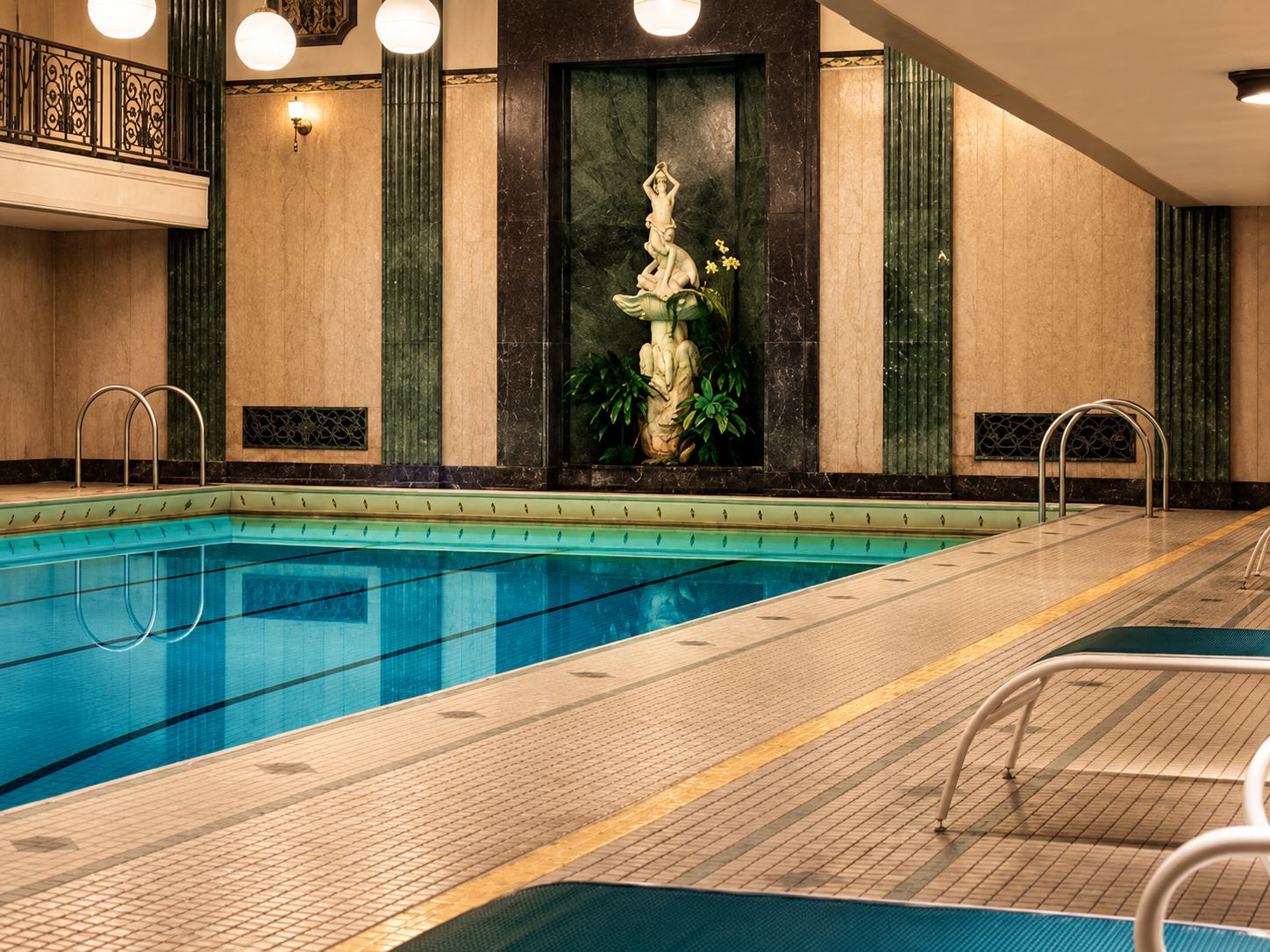
One of the Château Laurier’s most atmospheric amenities is hidden below the main public floors.
Its indoor swimming pool features an Art Deco design, with geometric lines and a restrained elegance quite different from the château-inspired exterior. The pool is part of the hotel’s health club and is available to registered guests.
It is not a resort pool with slides, elaborate cabanas or expansive outdoor areas. Its appeal comes from its architecture, quiet atmosphere and sense of being concealed inside the foundations of a century-old landmark.
The hotel also operates a fitness centre and offers spa treatments through Relax Luxe Spa.
For families, the indoor pool adds meaningful value, particularly during Ottawa’s colder months. For adults, it provides one of the most unusual spaces in the building.
Myths, legends and ghosts
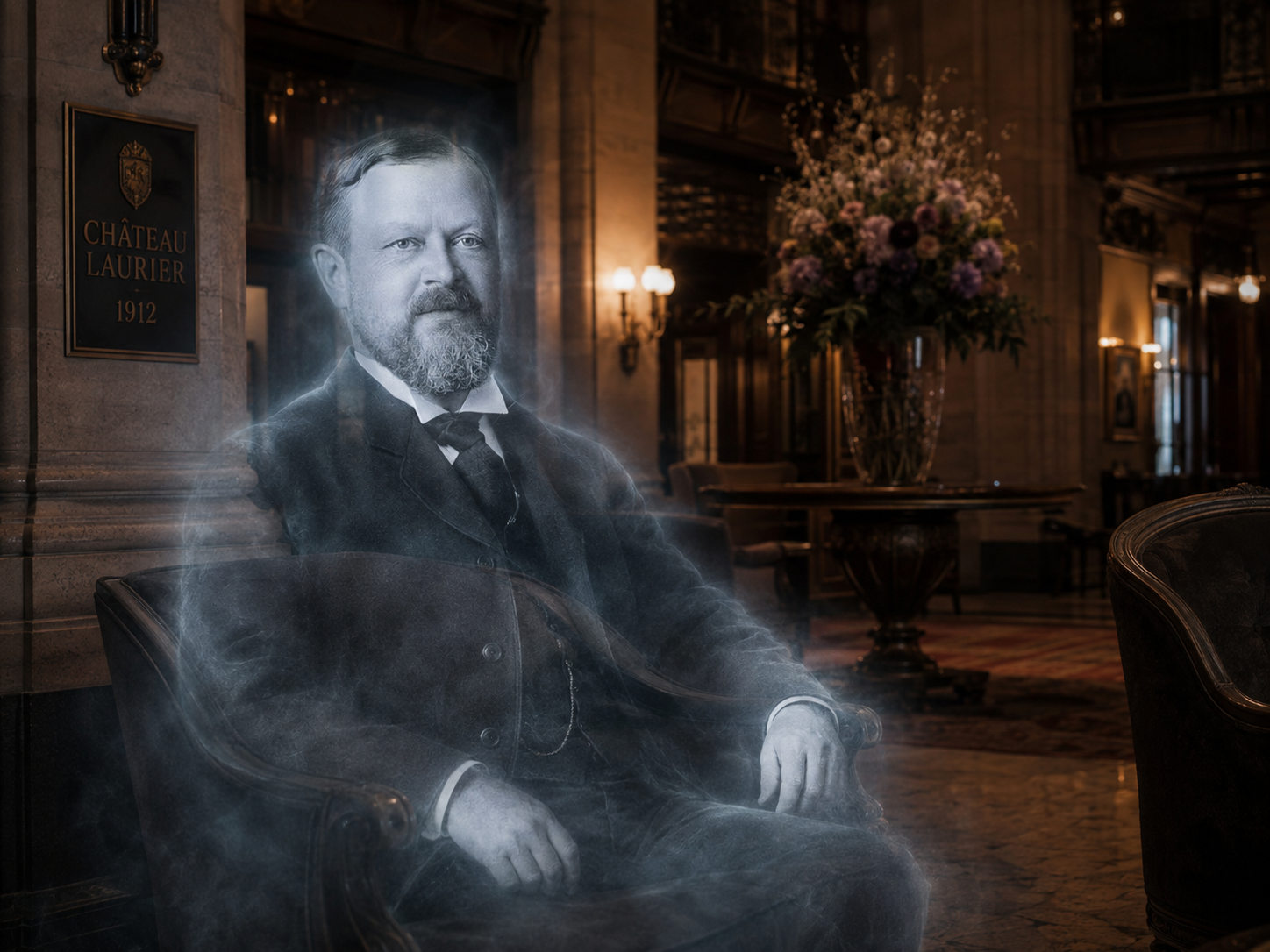
No Canadian railway castle seems able to survive more than a century without acquiring at least one ghost.
At Château Laurier, much of the paranormal reputation centres on the fifth floor. Visitors and employees have reported footsteps in empty corridors, doors moving without an obvious cause, unexplained noises and the impression that someone is present when no one can be seen.
Some stories identify the mysterious figure as Charles Melville Hays.
The narrative is almost irresistible. Hays imagined the hotel, oversaw its development and was returning to Canada for its opening, yet died before he could enter the completed building. According to the legend, he eventually returned to inspect the Château in another form.
There are also stories concerning Clara Hays.
During an authorized historical tour of the hotel, our guide explained that Clara took over the reins of the Château after her husband’s death and later died inside the hotel.
The historical record available publicly presents a different version. The Château belonged to the Grand Trunk Railway, rather than to Charles Hays personally. Clara’s documented biography states that she died in Montréal in 1955 and does not identify her as the hotel’s manager.
That does not necessarily mean the guide invented the story. It may reflect an internal tradition, a role Clara played informally after her husband’s death or the gradual combination of several stories over more than a century.
This is where history and hotel folklore meet.
The confirmed facts are dramatic enough. Charles Hays died aboard Titanic before the hotel opened, while his wife and daughter survived. The rest belongs to the oral history of the Château, passed from one guide, employee or guest to another.
Whether Charles Hays haunts the fifth floor cannot be proven. In a building that has accommodated more than a century of political intrigue, celebration, grief and human drama, however, the complete absence of ghosts might be the less believable story.
Our experience in room 148
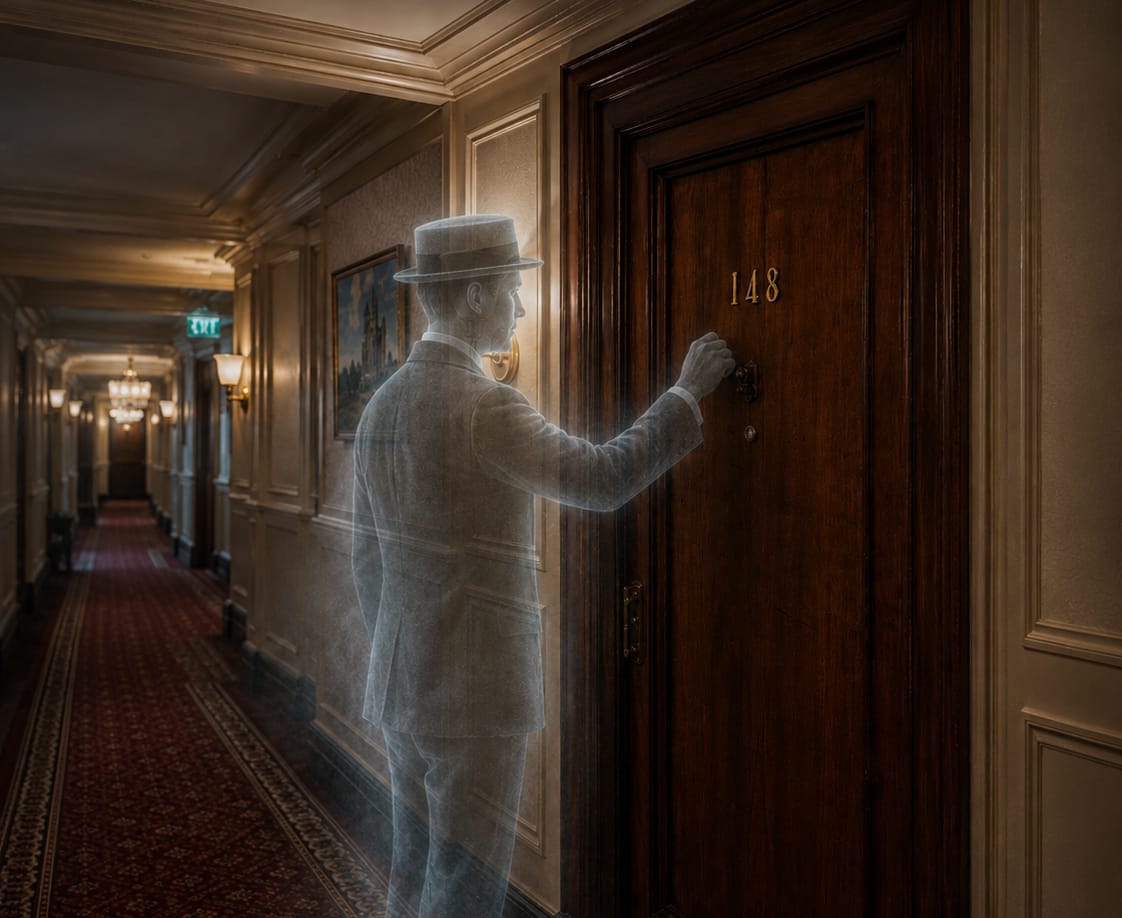
During our four-day stay at Château Laurier, we did not see any apparitions. No shadowy railway baron crossed the corridor, and Charles Melville Hays, if he continues to inspect his hotel, remained remarkably discreet.
Something unusual did happen in room 148.
On two separate nights, we clearly heard someone knocking at our door.
Several of us were inside the room and heard the same knocks. This was not a faint sound noticed by one half-asleep guest. We opened the door, but no one was standing in the corridor.
After the incidents, we contacted the front desk and asked whether a member of the hotel staff had been sent to our room. We were told that no employee had come to the door and that the hotel had no explanation for what we had heard.
There are several rational possibilities.
Another guest may have knocked on the wrong door and left quickly. Children may have been playing in the corridor. A sound from a neighbouring room could have travelled through the walls or been distorted by the acoustics of an old building.
Historic hotels produce strange sounds. Heavy doors close, pipes move, floors settle and long corridors make it difficult to identify where a noise originated.
Still, the knocks were clear, everyone in the room heard them and the corridor was empty both times.
We cannot claim to have encountered one of Château Laurier’s ghosts. If someone, or something, visited room 148 during our stay, our mysterious caller simply did not wait long enough to introduce itself.
What to see inside the hotel
Even travellers who are not staying overnight can appreciate several parts of the Château.
The main lobby
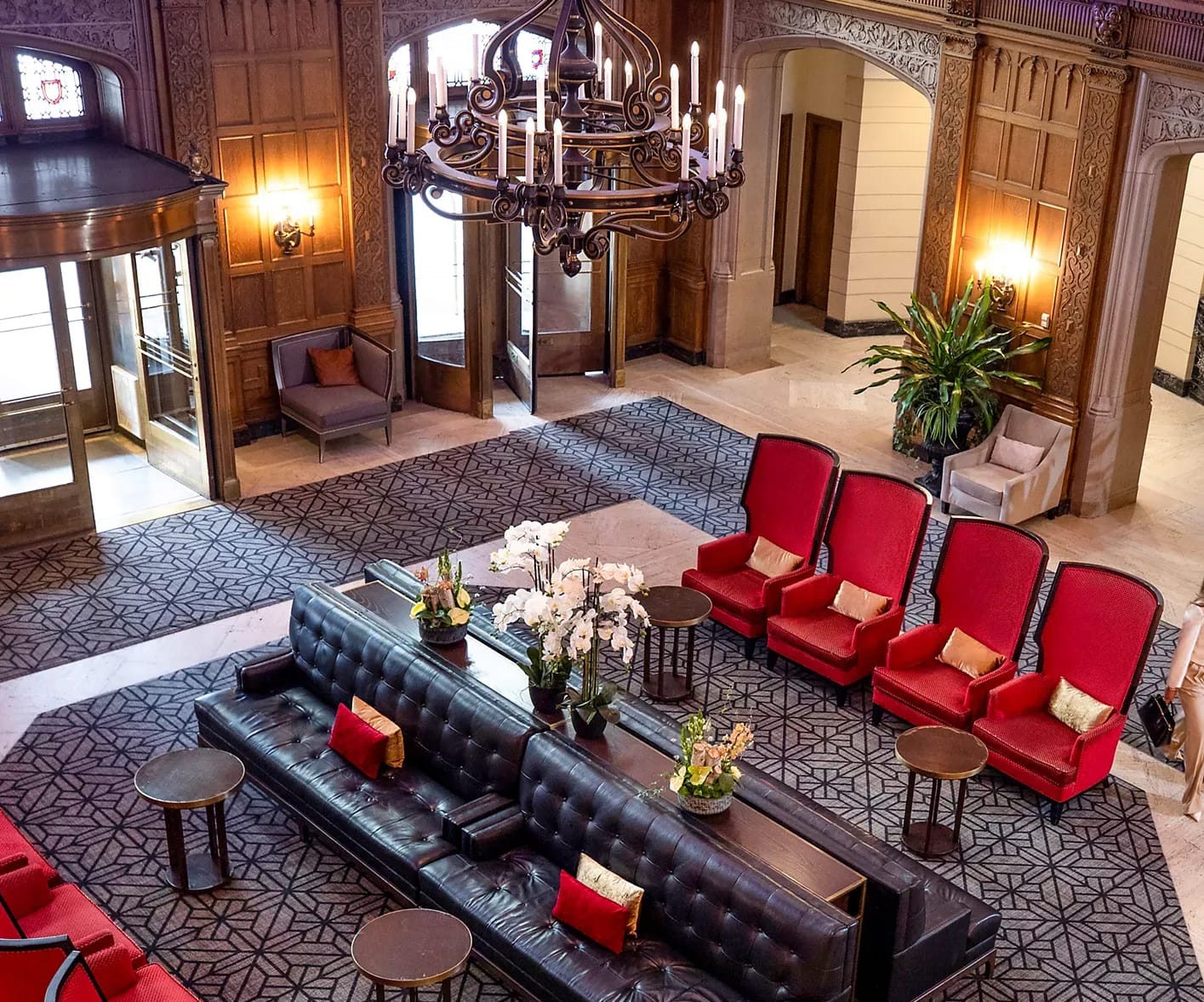
The lobby establishes the architectural character of the hotel, with stone, marble, columns and chandeliers creating the atmosphere of a European château.
The Karsh portraits
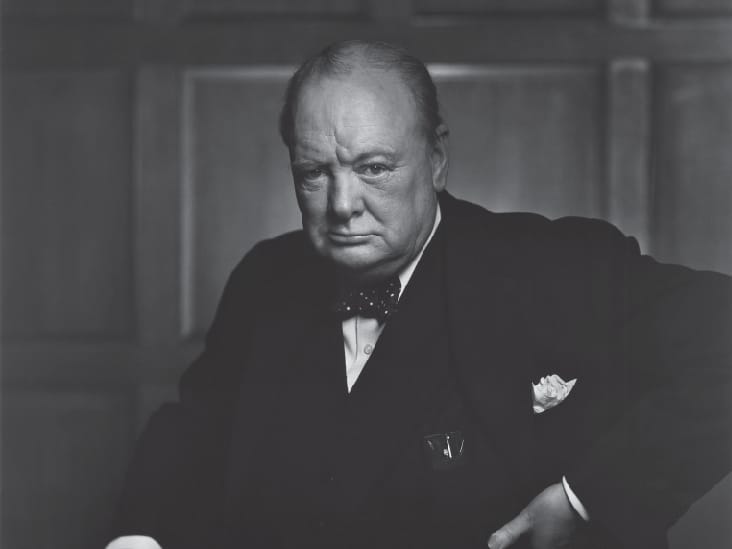
The portraits displayed around Zoe’s and other public areas form one of the hotel’s most important cultural collections.
The Laurier bust
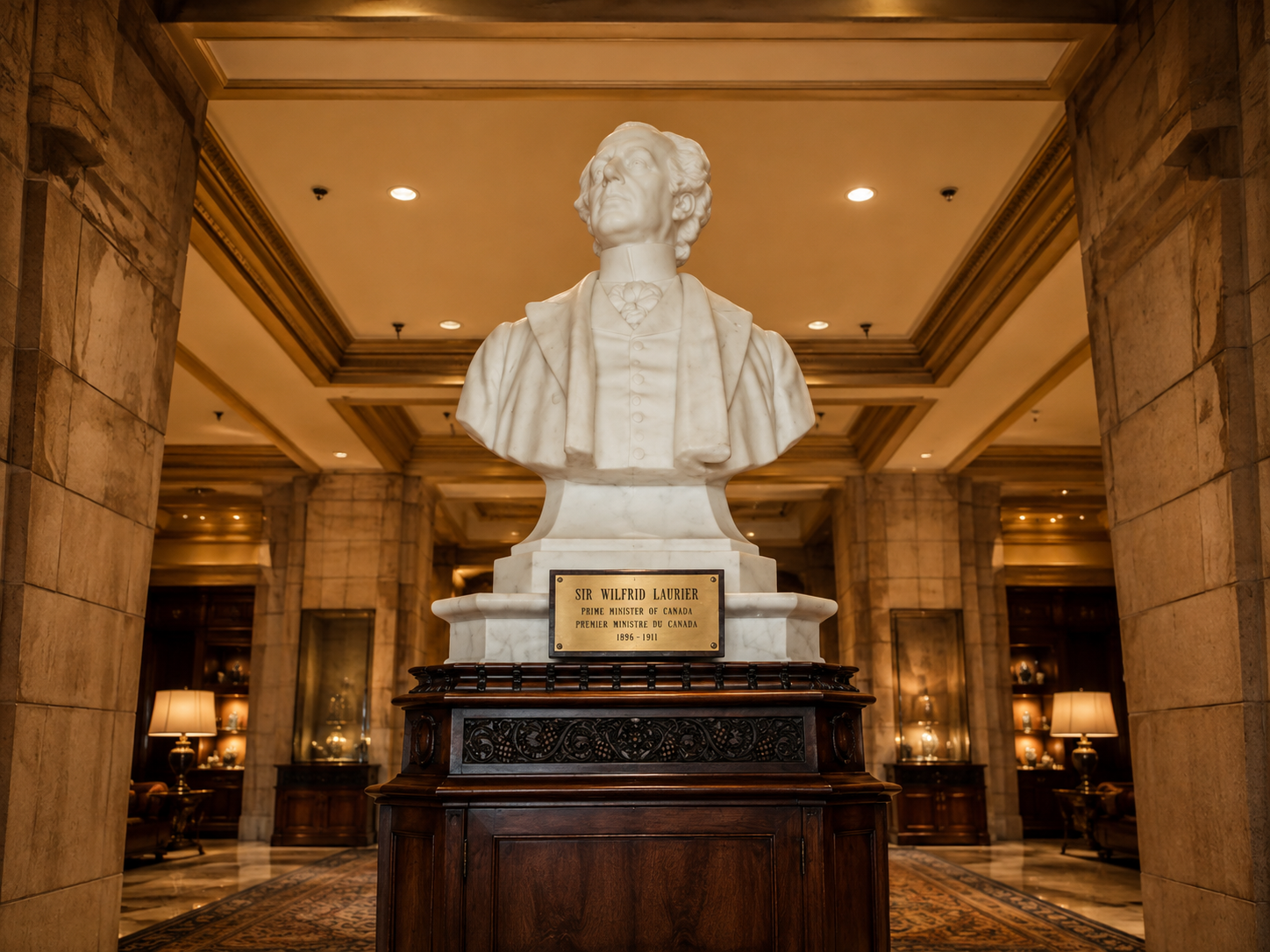
The bust of Sir Wilfrid Laurier recalls both the hotel’s namesake and its connection to sculptor Paul Chevré, who survived the Titanic.
The ballrooms and event spaces
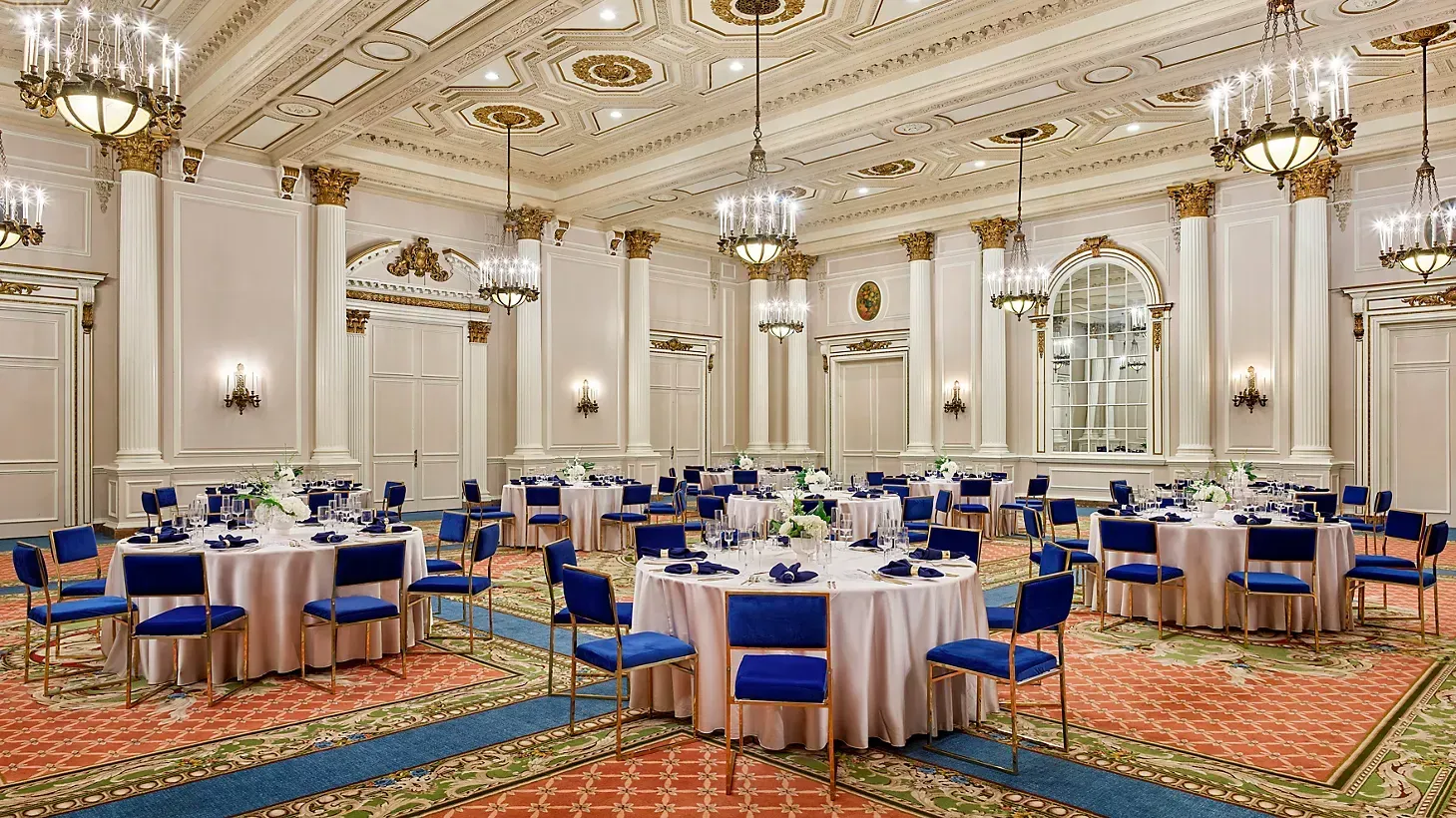
Access may depend on private events, but the historic reception rooms reveal the scale of the hotel’s social role.
The Art Deco pool
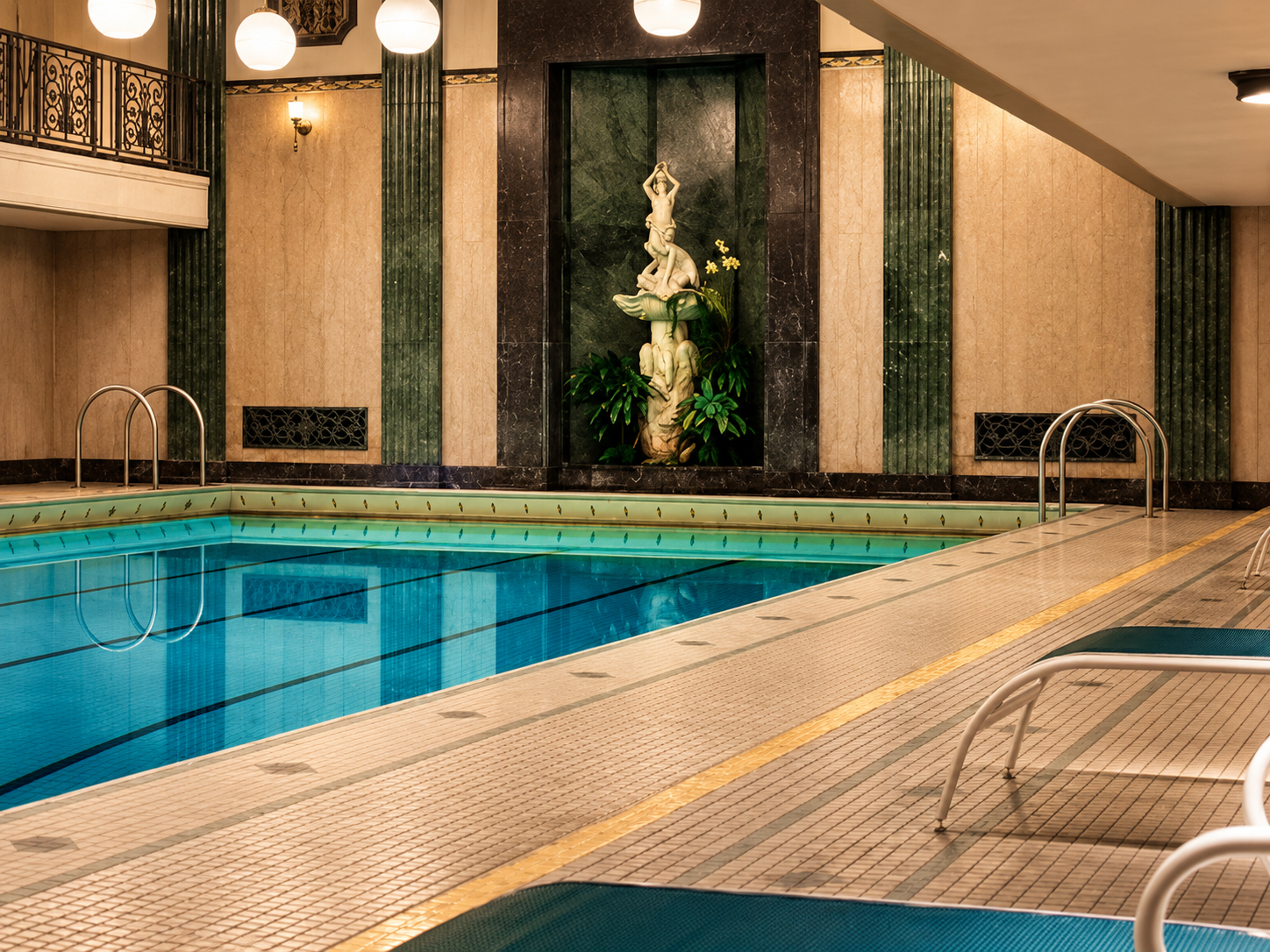
The pool is generally reserved for hotel guests, making it one of the benefits of staying rather than visiting.
The exterior from Major’s Hill Park
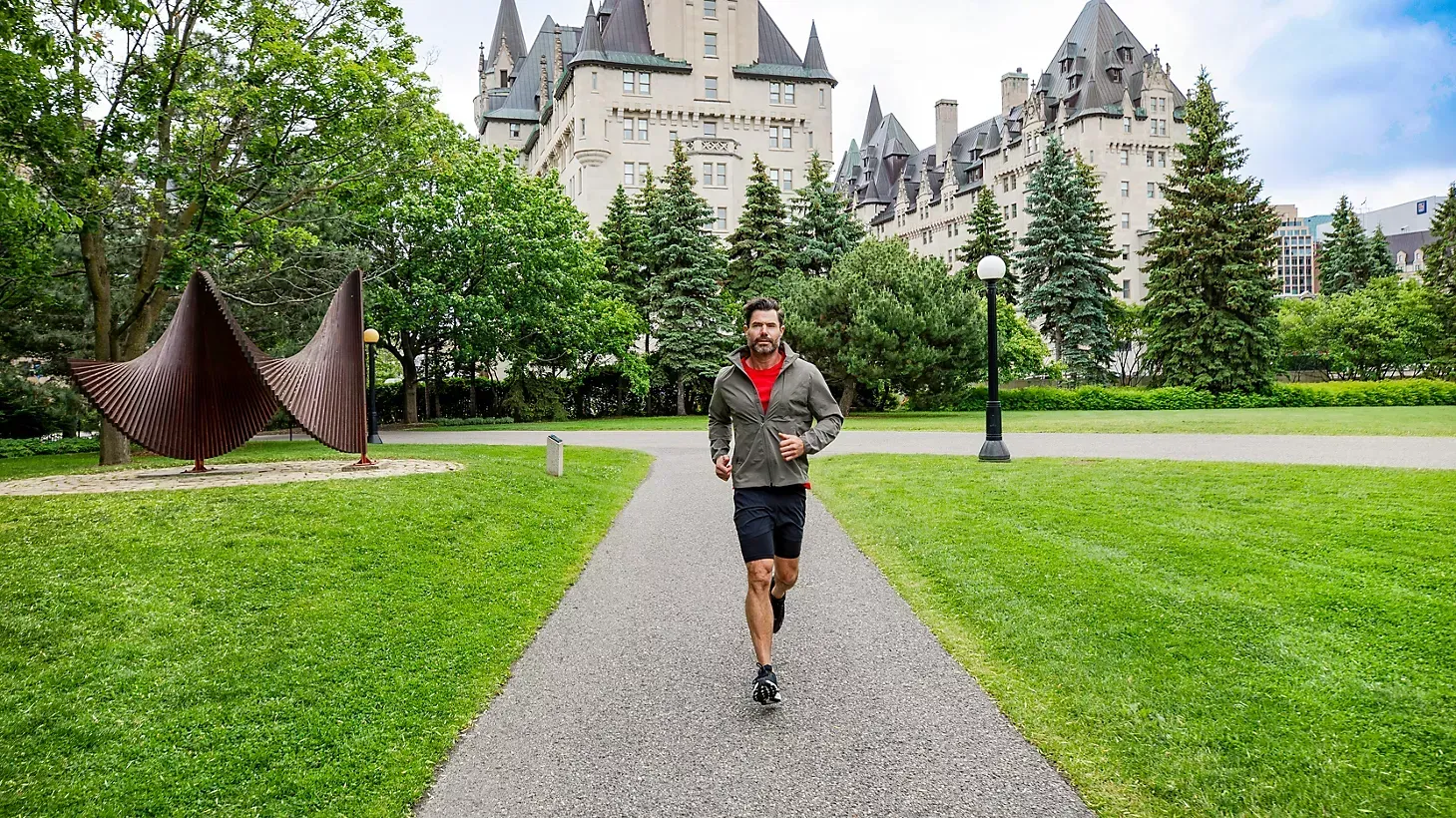
One of the best views of the Château is from the paths and lawns of Major’s Hill Park. From this angle, the roofline and turrets can be appreciated without the traffic and activity of Rideau Street.
What to visit nearby
Château Laurier has one of the strongest locations of any hotel in Canada. Many of Ottawa’s principal attractions are reachable on foot.
Parliament Hill
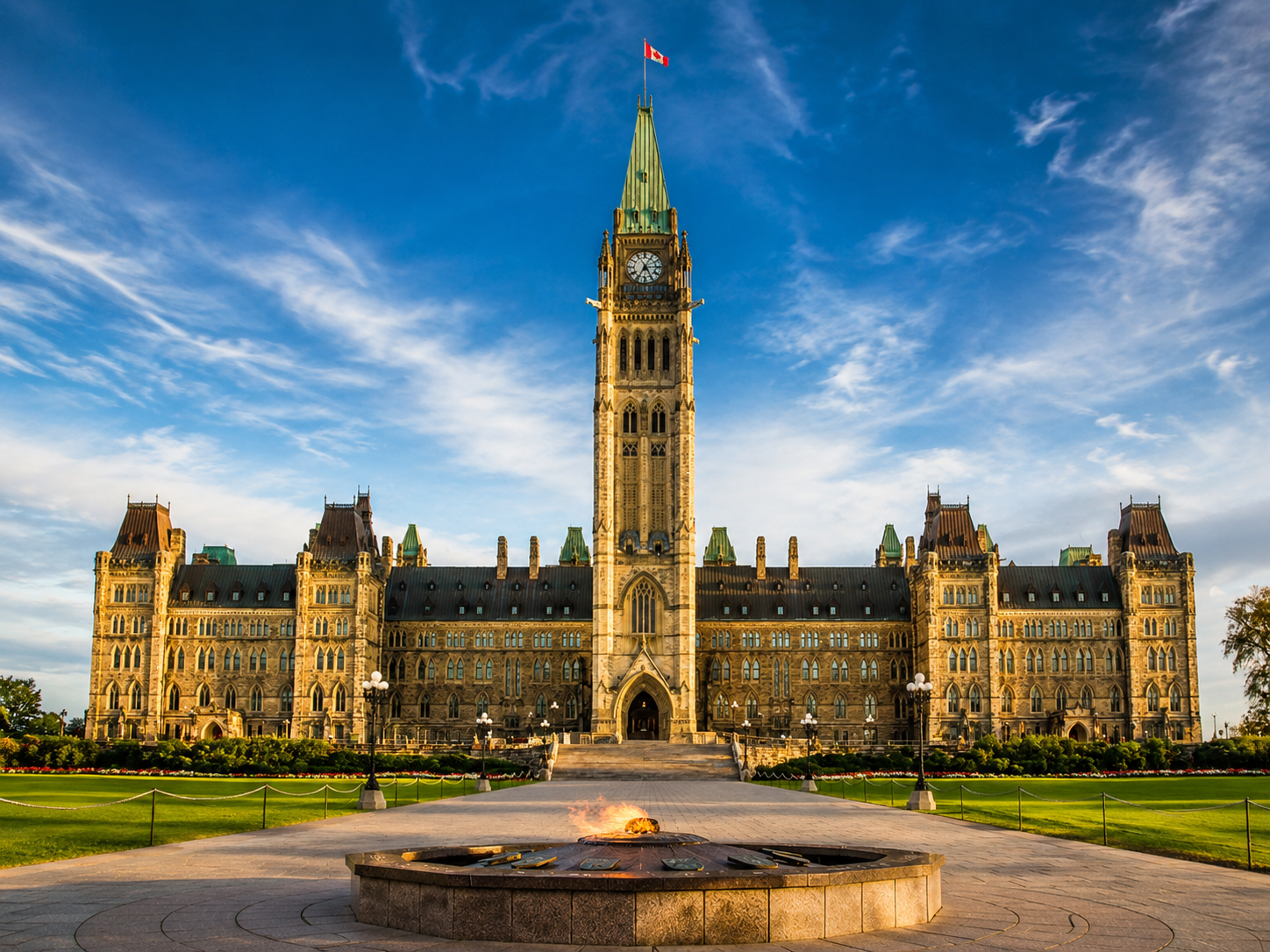
The centre of Canada’s federal government stands directly across from the hotel. Guided visits vary according to parliamentary operations and ongoing construction, so reservations should be made in advance.
Rideau Canal locks
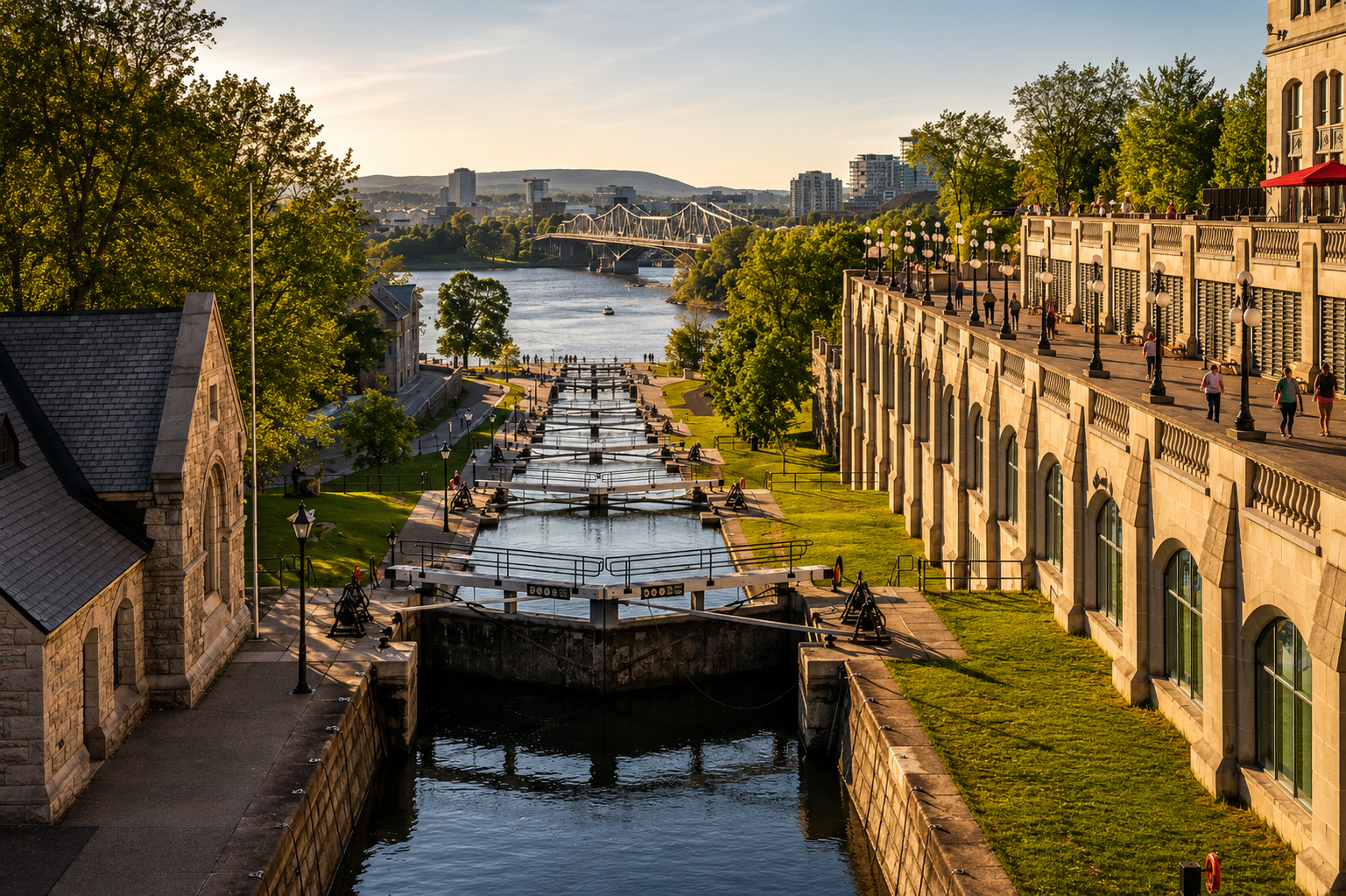
The first locks of the Rideau Canal descend beside the hotel toward the Ottawa River. The canal is a UNESCO World Heritage Site and one of the defining features of the capital.
Major’s Hill Park
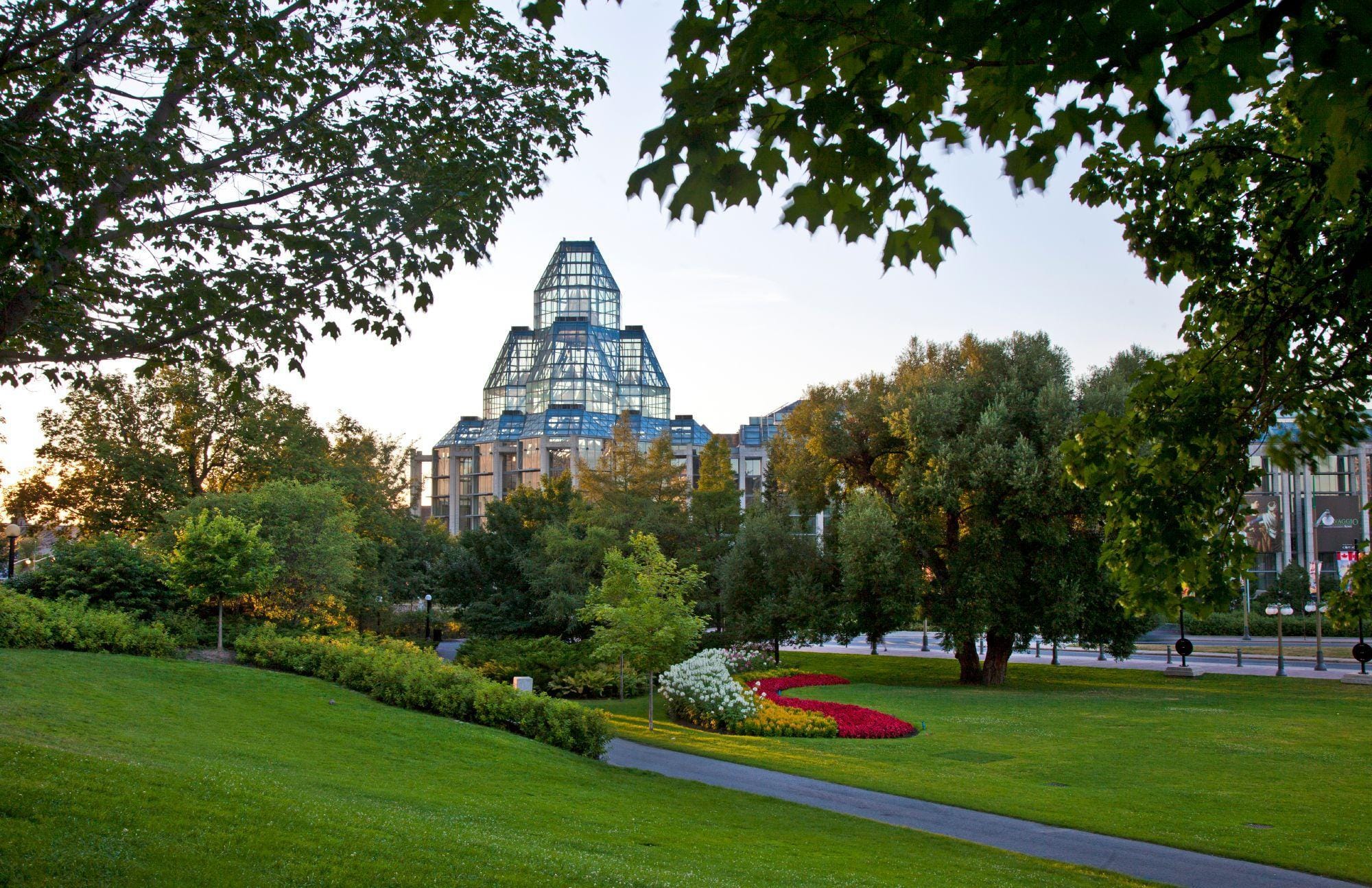
Immediately behind the Château, the park offers walking paths, river views and excellent perspectives of both the hotel and Parliament.
ByWard Market
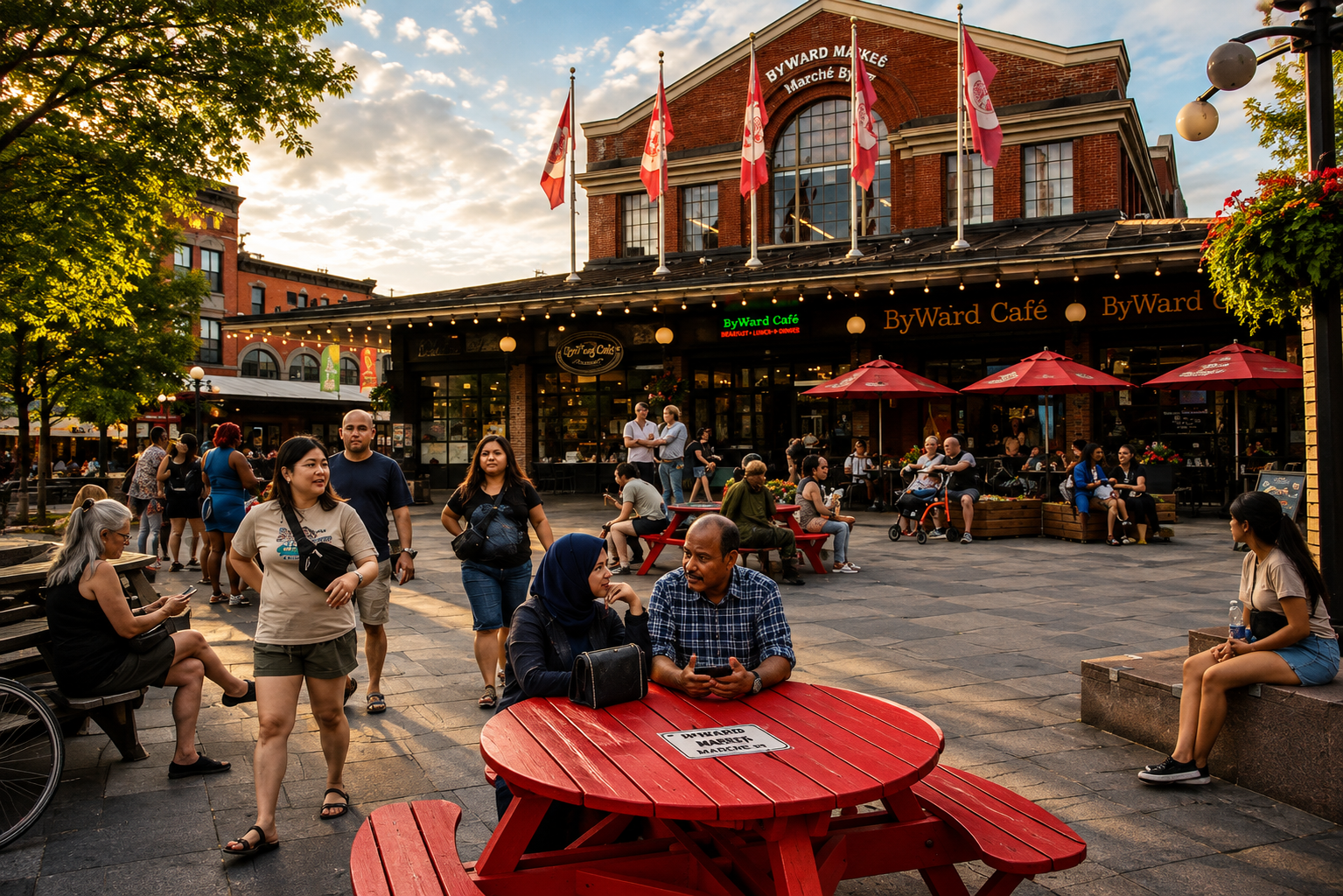
Restaurants, bars, food shops and market stalls begin only a few minutes from the hotel. The area becomes particularly lively in the evening.
National Gallery of Canada
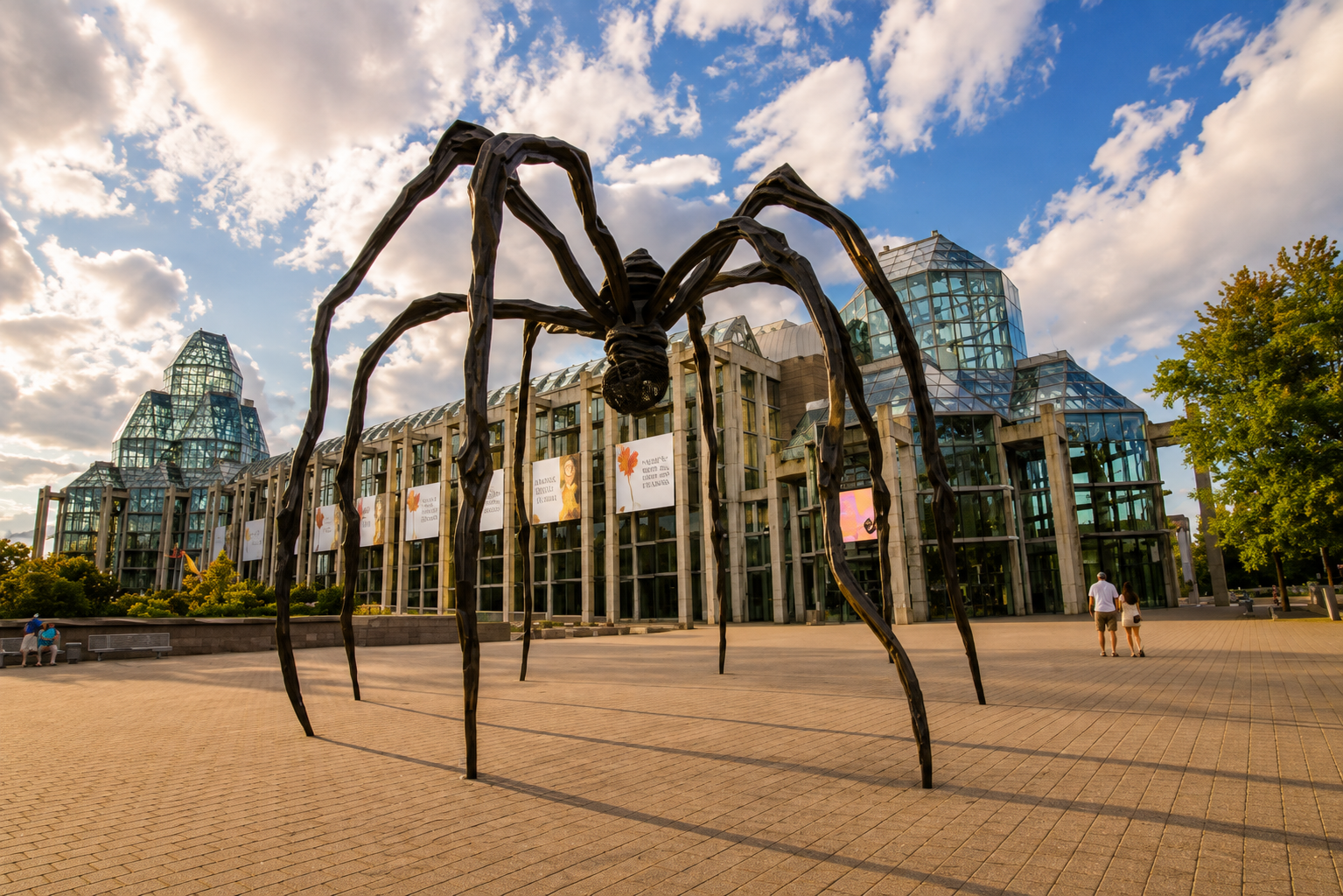
The gallery is within comfortable walking distance and contains one of the country’s most important collections of Canadian, Indigenous and international art.
Notre-Dame Cathedral Basilica
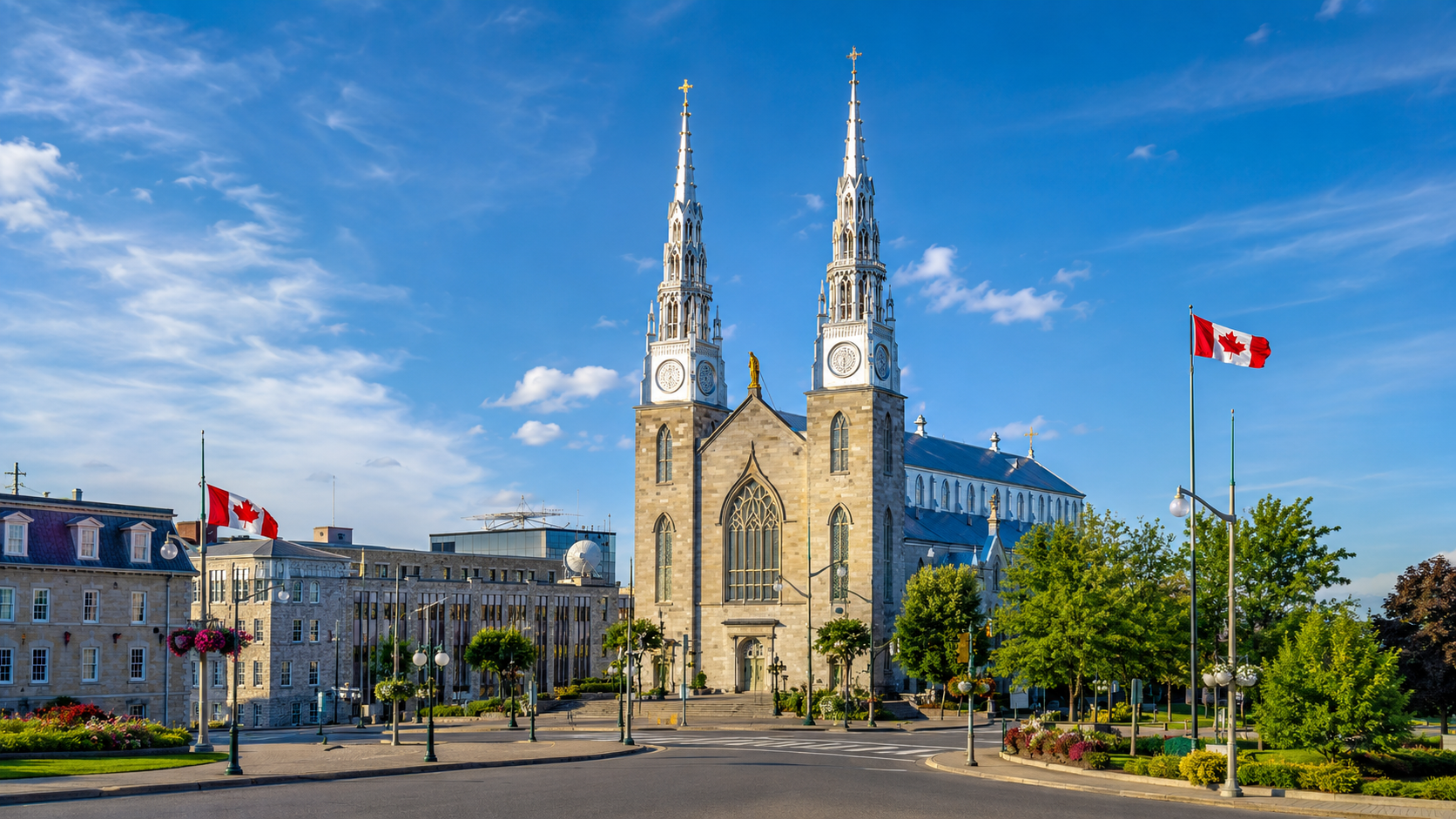
Located across from the National Gallery, the cathedral is one of Ottawa’s most impressive religious buildings.
Canadian Museum of History
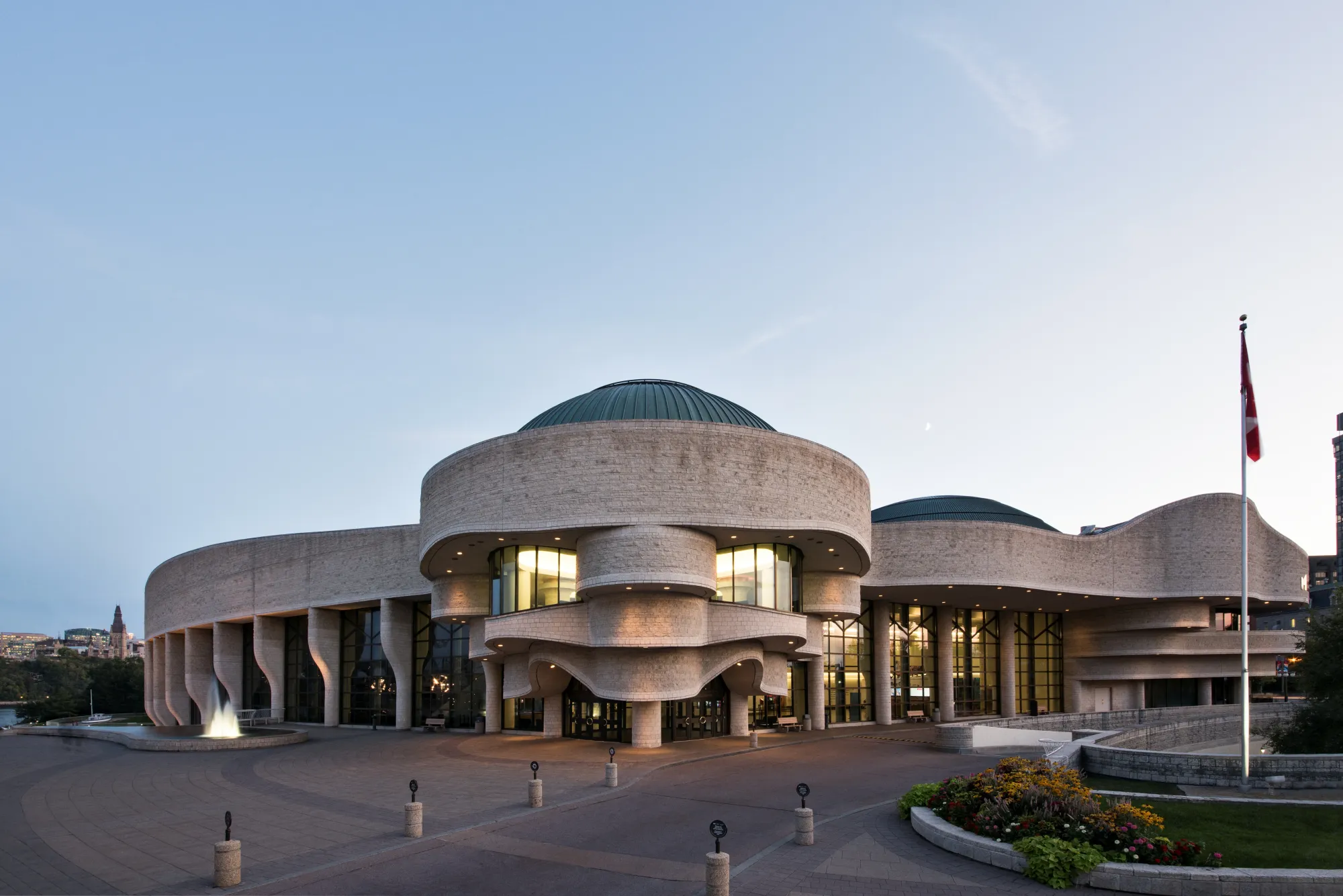
The museum stands across the river in Gatineau. It can be reached by taxi, public transportation or a pleasant walk across the Alexandra Bridge when conditions permit.
What to know before staying
Choose the view carefully
A view of Parliament or the Rideau Canal contributes enormously to the experience. Courtyard-facing rooms may be quieter, but they do not deliver the same sense of place.
Historic rooms vary
Room dimensions and configurations are not completely standardized. Travellers with specific space, bathroom or accessibility requirements should confirm the details before arrival.
The location reduces transportation needs
Most first-time visitors can explore central Ottawa without a car. Parliament, the ByWard Market, the canal and several national museums are nearby.
Parking is expensive
Valet parking is available at an additional cost and capacity can be limited. Travellers arriving by train may find taxis or rideshare services simpler than renting a vehicle.
The hotel welcomes pets
Cats and dogs are accepted for a fee, subject to the hotel’s conditions. Service animals are accommodated without the standard pet charge.
Accessible rooms are available
The hotel offers accessible accommodations with features such as wider doors, lower switches and bathroom grab bars. Because this is a historic building, guests with precise mobility needs should discuss the room layout and routes through the hotel before booking.
Afternoon tea should be reserved
The tea service is popular with both hotel guests and Ottawa residents. Advance reservations are strongly recommended.
Is Château Laurier worth it?
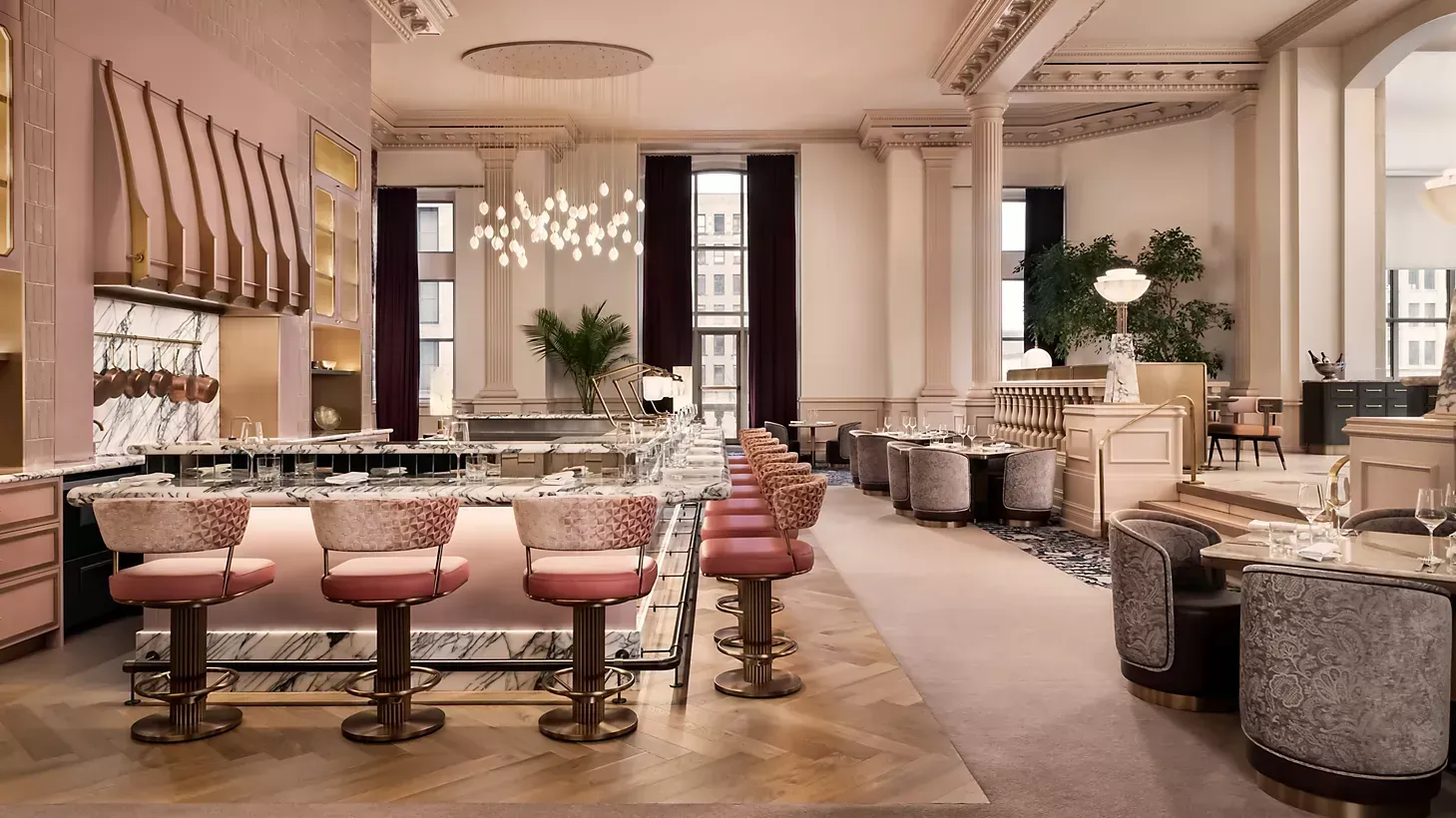
Château Laurier is not the right hotel for every traveller.
Guests who prioritize large contemporary rooms, minimalist design and the newest technology may find a modern luxury hotel more suitable. Historic buildings come with irregular layouts, smaller rooms in certain categories and the occasional reminder that architectural character was not designed around 21st-century expectations.
What the Château offers is more difficult to reproduce.
Its location is exceptional. Its architecture is inseparable from Ottawa’s identity. Its connection to the railway, the Titanic, Canadian politics and Yousuf Karsh gives the property a depth few hotels can match.
The best stay combines the hotel with the city around it. Wake to a view of Parliament, walk beside the Rideau Canal locks, visit the national institutions, return for afternoon tea, then explore the quieter corridors after the public spaces empty.
Whether the Château represents good value depends on the rate, room category and purpose of the trip. For a first visit to Ottawa, a celebration or a journey focused on Canadian history, it offers something beyond accommodation.
It allows the traveller to sleep inside the story.
The railway journey continues
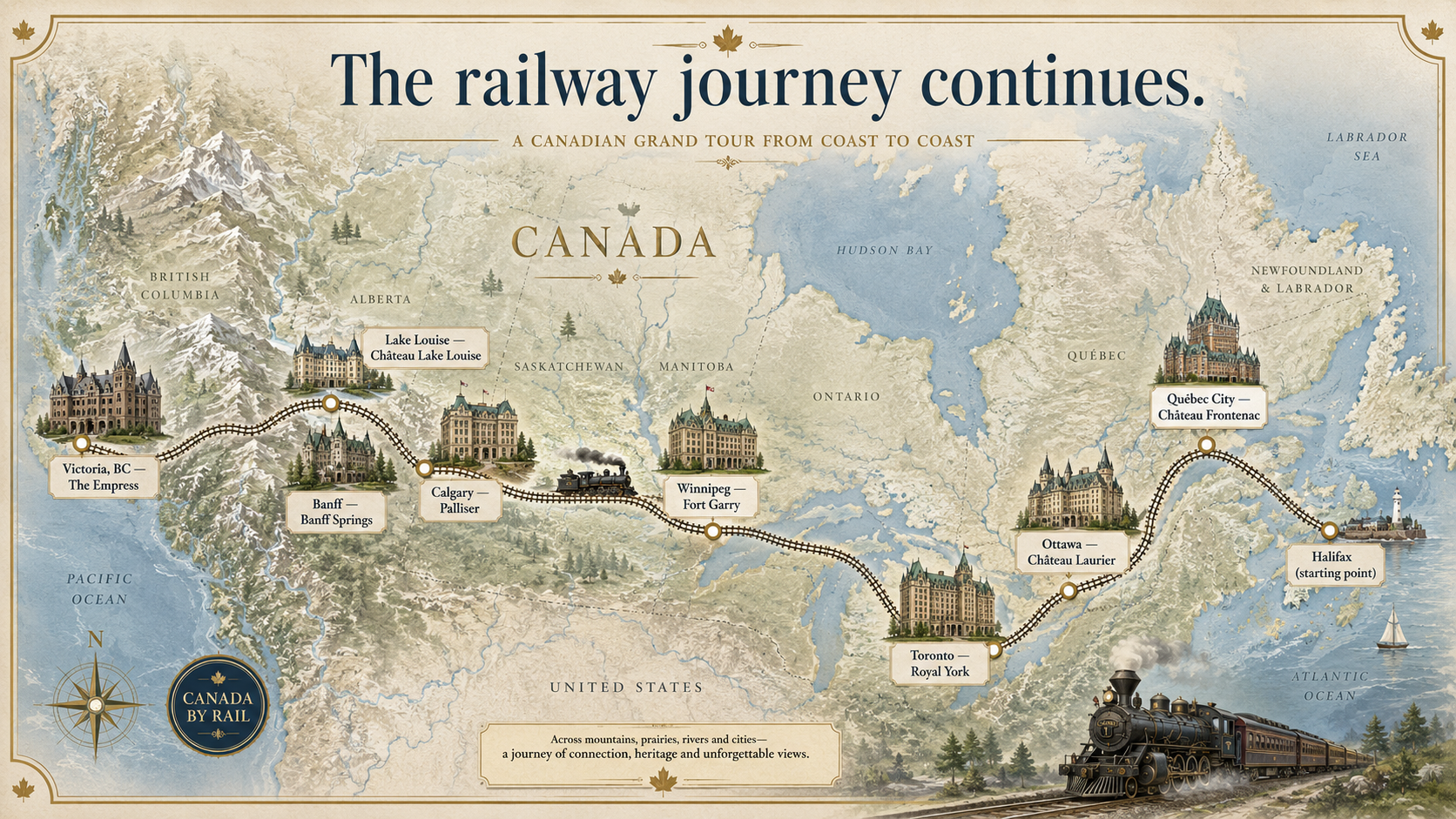
Château Laurier was only one expression of a much larger idea.
Across Canada, railway companies built hotels to transform remote landscapes, growing cities and political capitals into destinations. The Château Frontenac rose above the St. Lawrence River. The Royal York faced Toronto’s Union Station. The Fort Garry welcomed travellers to Winnipeg. The Palliser marked Calgary’s expansion, while Banff Springs and Château Lake Louise turned the Rocky Mountains into international icons.
Together, these hotels tell the story of how tourism developed in Canada.
Some were built by rival railway companies. Some resemble European castles, while others adopted grand urban or rustic mountain styles. Nearly all accumulated famous guests, architectural mysteries and ghost stories.
Château Laurier is the natural place to begin.
It stands beside a former railway station, across from the seat of Canadian government, carrying the name of a prime minister and the unfinished dream of a man who never returned from the Titanic.
More than 110 years later, the trains have left the station beside it, but the Château remains.
And occasionally, late at night, someone still knocks at the door.
Plan your stay at Fairmont Château Laurier with ÆRIA Voyages
A stay at Château Laurier can form part of an Ottawa city break, a journey aboard VIA Rail or a longer itinerary connecting Montréal, Ottawa, Toronto and Québec City.
Choosing the correct room category matters, particularly when comparing standard accommodations, Parliament views, suites and Fairmont Gold. The experience can also be combined with guided visits of Parliament, national museums, the Rideau Canal and other historic properties across the capital.
ÆRIA Voyages can arrange the hotel, rail transportation and surrounding itinerary according to the pace, interests and accessibility needs of each traveller.
Yvan Junior Blanchette
Travel & Cruise Specialist
ÆRIA Voyages
yvanblanchette@aeriavoyages.com
1-888-460-3388
aeriavoyages.com

Member discussion: