
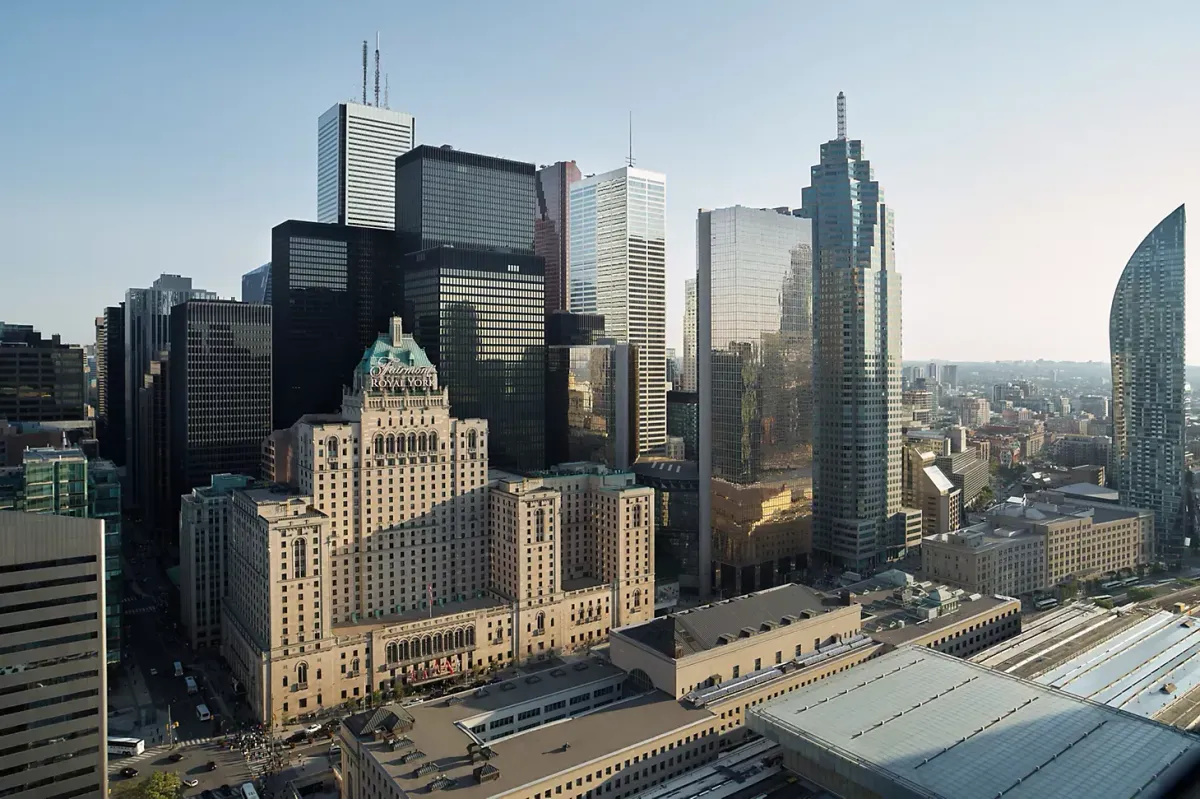
When the Royal York opened in 1929, it was more than a hotel. With 28 floors, over 1,000 rooms, ten elevators, a hospital, library, concert hall and its own radio station, it functioned as a vertical city.
Directly across the street stood Union Station, Toronto’s monumental new gateway. Travellers could step off the train, cross Front Street or use an underground passage, then enter one of the most modern hotels in the British Empire.
Nearly a century later, trains still arrive at Union Station and Fairmont Royal York continues to welcome travellers, political leaders, artists and members of the Royal Family.
Bees now produce honey on its rooftop, bartenders serve cocktails in the heart of the financial district and, according to legend, a man wearing a burgundy jacket still wanders the eighth-floor corridors.
After Ottawa’s Château Laurier and Québec City’s Château Frontenac, our journey through Canada’s grand railway hotels arrives in Toronto, inside a Jazz Age palace built to impress a rapidly changing city.
Table of Contents
- Why the Royal York matters
- Before the Royal York, the Queen’s Hotel
- A palace built by Canadian Pacific
- The 1929 opening
- A city within a city
- The hotel and Union Station
- Royalty, celebrities and major events
- The Royal York during difficult times
- Architecture and design
- Rooms, suites and Fairmont Gold
- Restaurants and bars
- Pool, fitness and wellness
- The rooftop garden and bees
- Myths, legends and ghosts
- What to see inside the hotel
- What to visit nearby
- What to know before staying
- Is Fairmont Royal York worth it?
- The railway journey continues
Why the Royal York matters
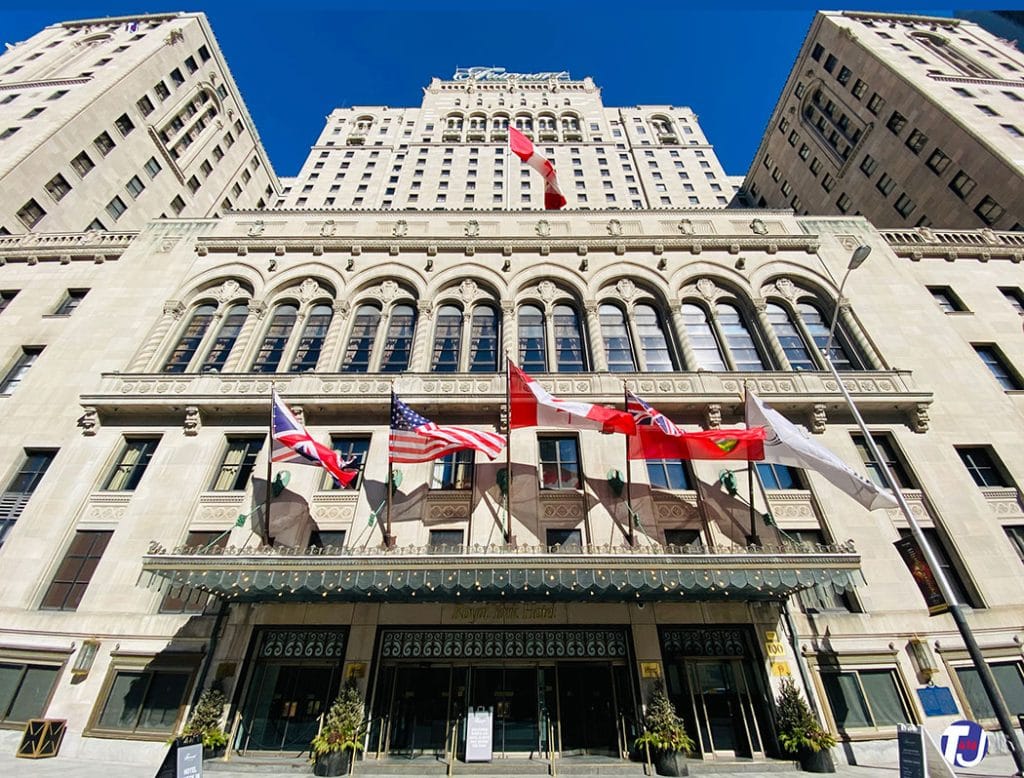
In Québec City, Château Frontenac towers above the river like a fortress. In Ottawa, Château Laurier appears to extend the architecture of Parliament Hill.
The Royal York has a different personality.
It is not perched on a cliff and does not attempt to resemble a French castle. It rises from the centre of Toronto as a grand interwar urban building, massive, vertical and designed for a city experiencing extraordinary growth.
When it opened in 1929, the Royal York was the largest hotel in the British Empire. At 28 storeys, it also became one of the tallest buildings in the Commonwealth and briefly dominated Toronto’s skyline.
Today, it appears almost modest beneath the glass towers of the financial district.
Royal Bank Plaza, the CN Tower, office buildings and residential skyscrapers have long surpassed its height. Yet the Royal York retains a presence that many much taller buildings lack.
It stands exactly where it should, directly across from Union Station, at the meeting point of intercity trains, regional transit, the subway, the UP Express and Toronto’s PATH pedestrian network.
Its historical value comes as much from this location as from its architecture.
The Royal York was built to represent Toronto at a moment when the city was asserting itself as an international metropolis. It welcomed travellers as they left the train and immediately presented them with an ambitious vision of urban Canada.
Before the Royal York, the Queen’s Hotel
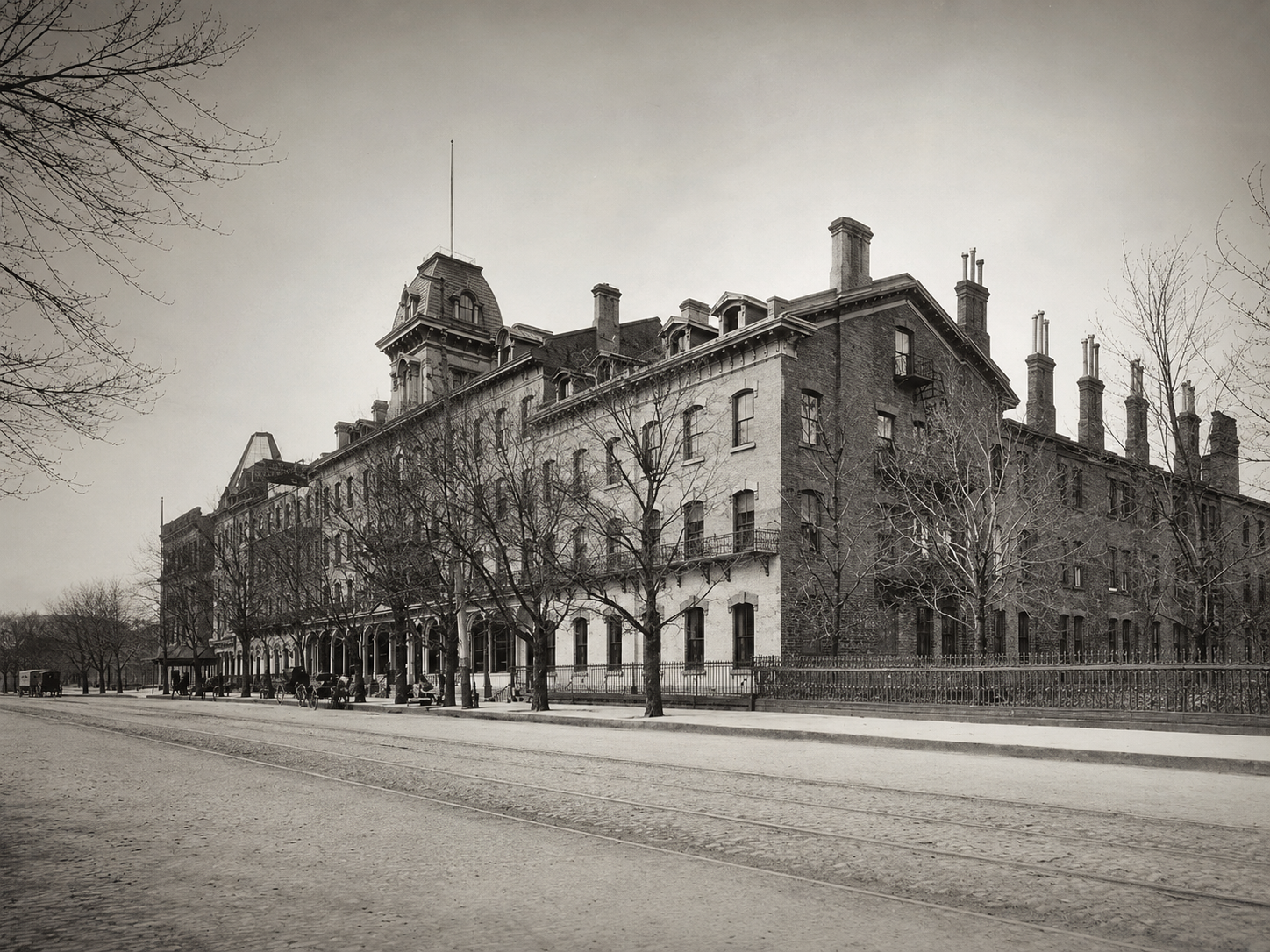
The Royal York was not the first hotel to occupy the property.
The Queen’s Hotel had welcomed travellers there since the 19th century. It was considered one of Toronto’s finest hotels and had itself replaced earlier establishments.
Its proximity to the railway and commercial district made the location particularly valuable.
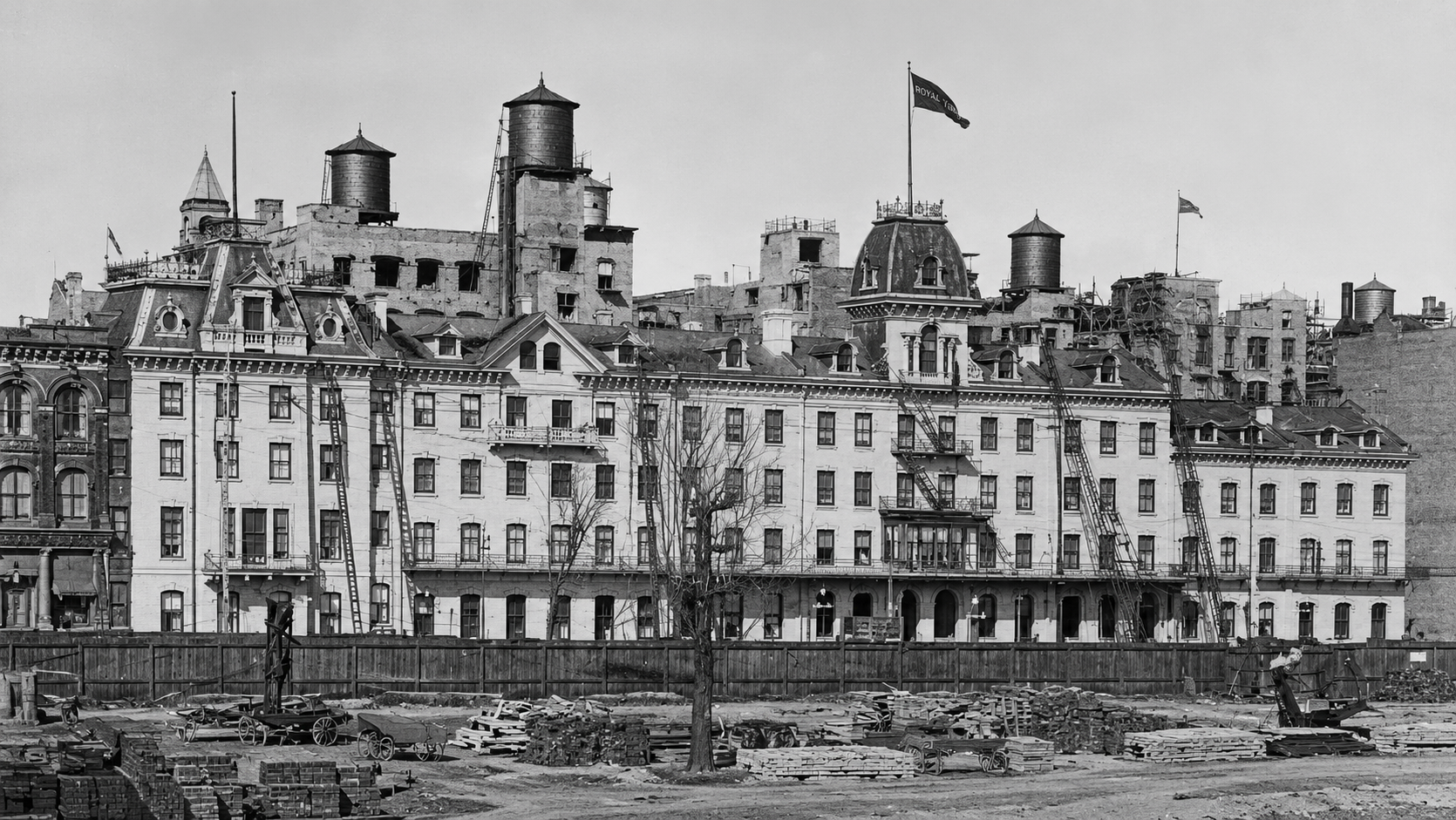
During the 1920s, Toronto experienced rapid growth. The new Union Station was taking shape across Front Street, while Canadian Pacific was planning to replace the Queen’s Hotel with a much larger property.
The company did not intend to renovate the existing hotel.
It announced that the Queen’s would be demolished and replaced by the largest hotel in the British Empire.
The project was designed to symbolize the confidence of the 1920s. The new building would be modern, luxurious and large enough to host conventions, balls, concerts, railway passengers and the city’s social elite.
Construction began in 1927.
Two years later, Toronto had a hotel capable of changing its skyline.
A palace built by Canadian Pacific
The Royal York was developed by Canadian Pacific, the railway company already responsible for several of the country’s greatest hotels.
The strategy remained similar to the one used at Château Frontenac, Banff Springs and Château Lake Louise.
The railway carried passengers. The hotel welcomed them at their destination. Together, the two services allowed the company to control much of the travel experience.
Toronto, however, required something different.
The Royal York was not conceived as a romantic château in a historic city or as a mountain retreat. It was designed as a grand urban hotel in the economic centre of the country.
The architectural firms Ross and Macdonald, along with Sproatt and Rolph, participated in its design.
Ross and Macdonald had already established a strong reputation in railway, commercial and hotel architecture. The firm also contributed to other important properties, including Château Laurier and Hotel Saskatchewan.
The Royal York was built with a steel frame and clad in limestone. Its silhouette combines the vertical lines of an early skyscraper with classical and Château-style influences.
The building needed to appear imposing, but also permanent.
Canadian Pacific did not simply want to construct the largest hotel of the moment. It wanted to create an institution.
The 1929 opening
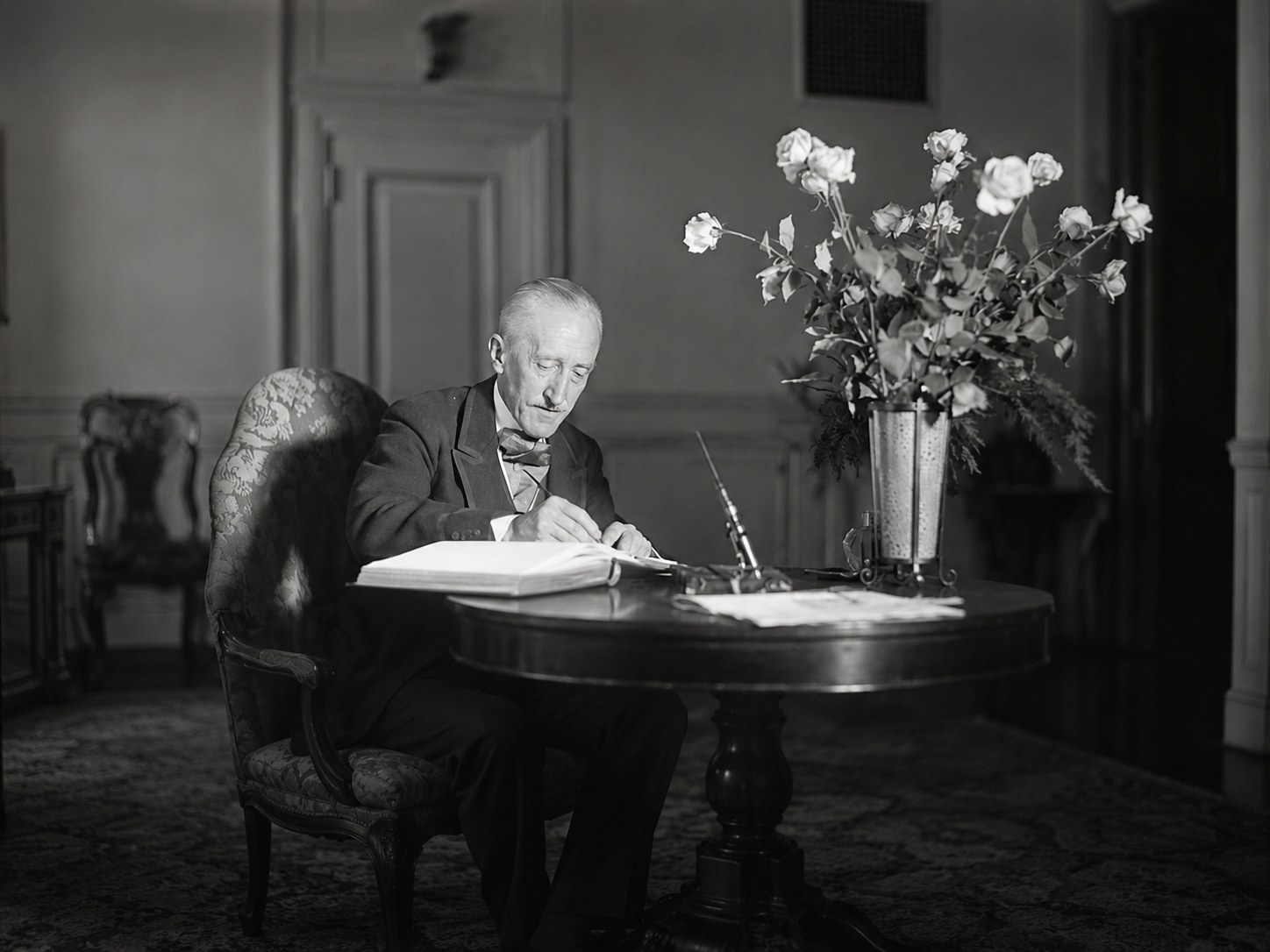
The Royal York officially opened on June 11, 1929.
Construction had cost approximately $16 million, an extraordinary investment during the late 1920s.
Canada’s Governor General, Lord Willingdon, became the first officially registered guest.
Opening day included tours, receptions and a grand ball attended by more than 2,000 guests. It was described as one of the most important social events in Toronto’s history.
The hotel contained 1,048 rooms.
Every room had a radio and a private bathroom with both a shower and bathtub, exceptional comforts at a time when many hotels still offered shared facilities.
Ten elevators carried guests through the hotel’s 28 floors.
The building also contained a concert hall, enormous kitchens, a library with approximately 12,000 books, a 12-bed hospital, shops, lounges and a telephone switchboard measuring roughly 20 metres in length.
The Royal York provided enough services that a guest could theoretically complete an entire stay without leaving the property.
Only months after it opened, however, the stock market crash of October 1929 ended much of the optimism of the Roaring Twenties.
The Royal York had opened at the peak of an era that was about to end abruptly.
It survived the Great Depression, the Second World War, Toronto’s transformation and the gradual decline of luxury railway travel.
A city within a city
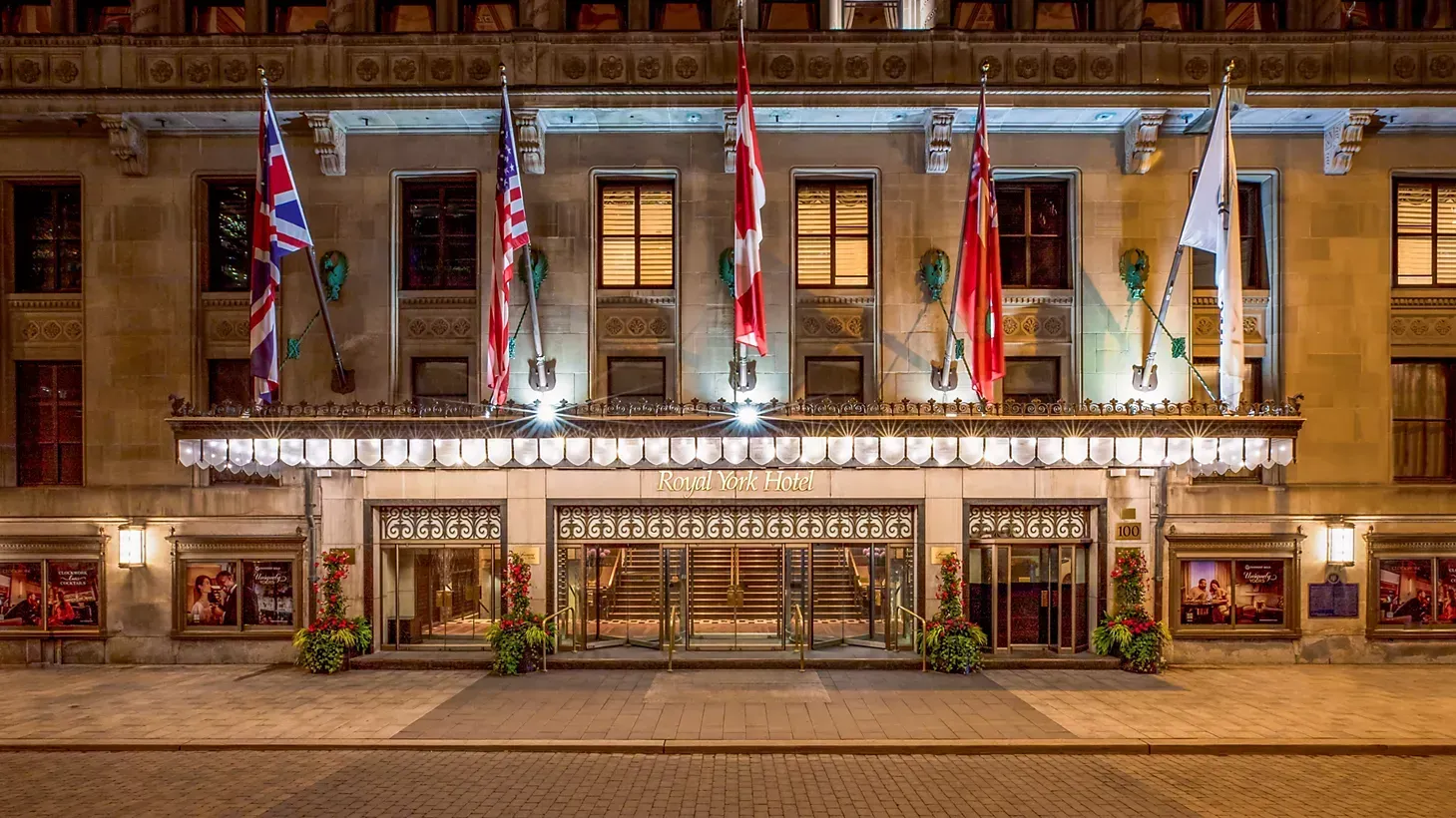
The Royal York was quickly described as a city within a city.
This was more than an advertising slogan.
The property offered almost everything a traveller could need, including accommodation, restaurants, bars, shops, medical care, communication services, entertainment and transportation access.
Its kitchens were considered the largest hotel kitchens in Canada. The bakery could produce thousands of rolls every day for the hotel’s restaurants, banquets and railway services.
The Concert Hall featured a stage, balcony, crystal chandeliers and an enormous pipe organ built by Casavant Frères in Québec.
With five keyboards, more than 100 stops and an extraordinary weight, it was one of the most remarkable instruments of its kind in Canada.
The hall hosted the hotel’s opening ball on June 11, 1929, then continued to welcome performances, conferences, receptions and private events.
The Royal York even operated its own radio station.
From 1930 until the middle of that decade, station CPRY, its call letters standing for Canadian Pacific Royal York, broadcast programs from the hotel. Performances from the Imperial Room could be heard far beyond Toronto.
Long before hotels were routinely integrated with enormous convention centres, the Royal York already functioned as a complete urban world.
The hotel and Union Station
The relationship between the Royal York and Union Station is one of the clearest examples of how Canadian railway hotels were designed to function.
The station stands directly across from the hotel.
Travellers arriving in Toronto could leave their train, cross Front Street and enter the Royal York almost immediately. An underground passage also connected the buildings, protecting guests from rain, snow and traffic.
Those passages are now part of PATH, Toronto’s extensive underground pedestrian network.
Union Station remains the city’s principal transportation hub. VIA Rail, GO Transit, UP Express, the Toronto subway and several regional services meet there.
It is still possible to experience a modern version of the hotel’s original purpose.
A traveller can leave Montréal or Ottawa by train, arrive at Union Station, cross the street with their luggage and enter Fairmont Royal York without using a car.
The railway connection has not become merely a historic detail.
It continues to define the usefulness and identity of the hotel.
Royalty, celebrities and major events
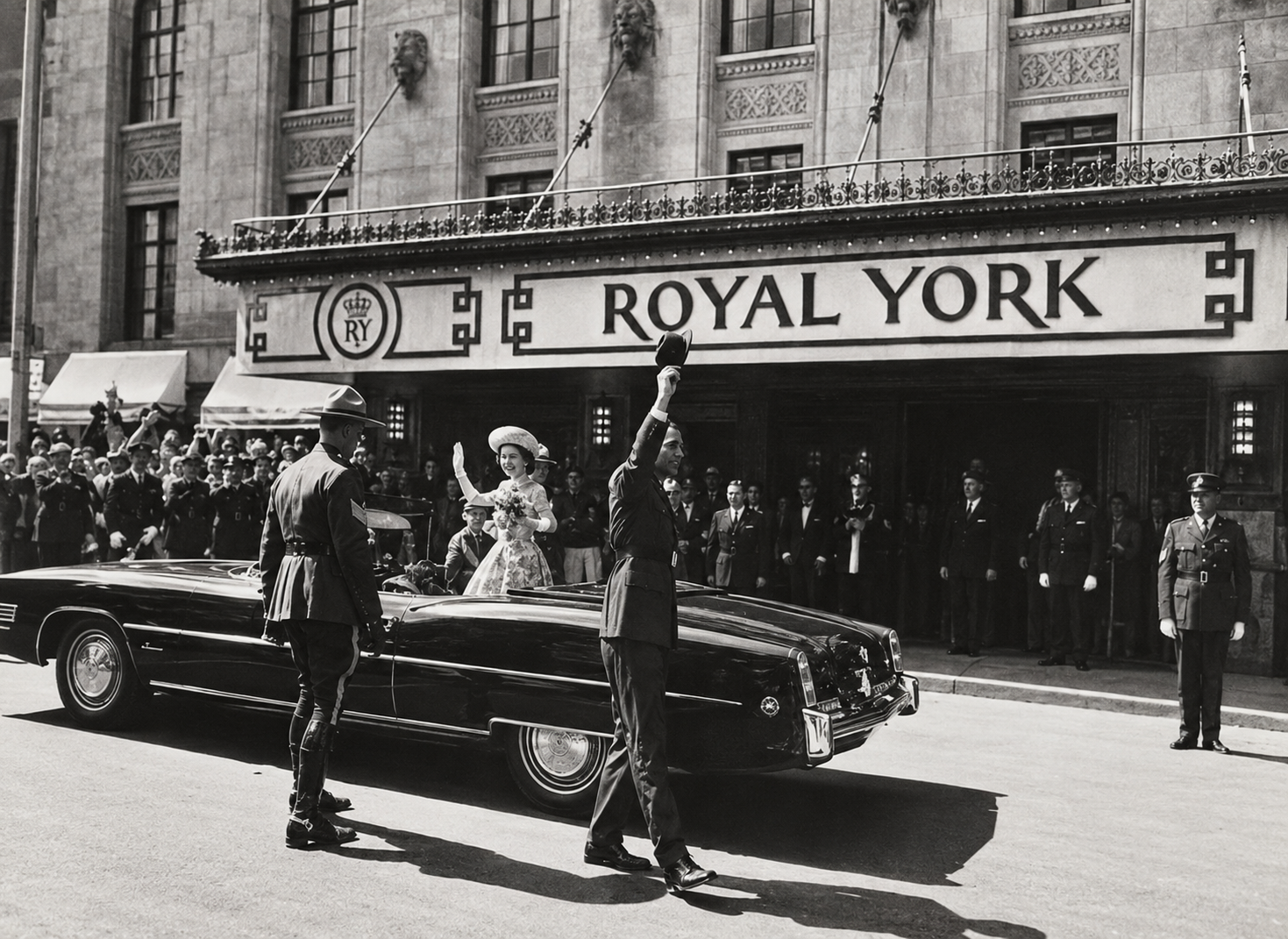
Since opening, the Royal York has welcomed many of Toronto’s most important visitors.
Members of the British Royal Family have stayed there on numerous occasions. Queen Elizabeth II traditionally selected the Royal York during visits to the city and occupied the Royal Suite.
During royal visits, an entire floor could be reserved for the monarch, her family, staff and security services.
The hotel’s selection was practical, but also symbolic. It carried the word Royal in its name, had been constructed during the British Empire and occupied one of the most prestigious addresses in Canada.
Heads of state, prime ministers, diplomats, business leaders, actors and musicians have also stayed at the property.
The Imperial Room became one of Toronto’s leading entertainment venues. Major jazz, popular music and cabaret performers appeared there over the decades.
The hotel continues to play an important role during the Toronto International Film Festival. Actors, production teams, journalists and industry guests fill its rooms, lounges and bars.
In 2010, the Royal York also accommodated delegations and events connected with the Toronto G20 Summit.
Like Château Laurier in Ottawa, it has sometimes functioned as an unofficial extension of political, cultural and corporate power.
The Royal York during difficult times
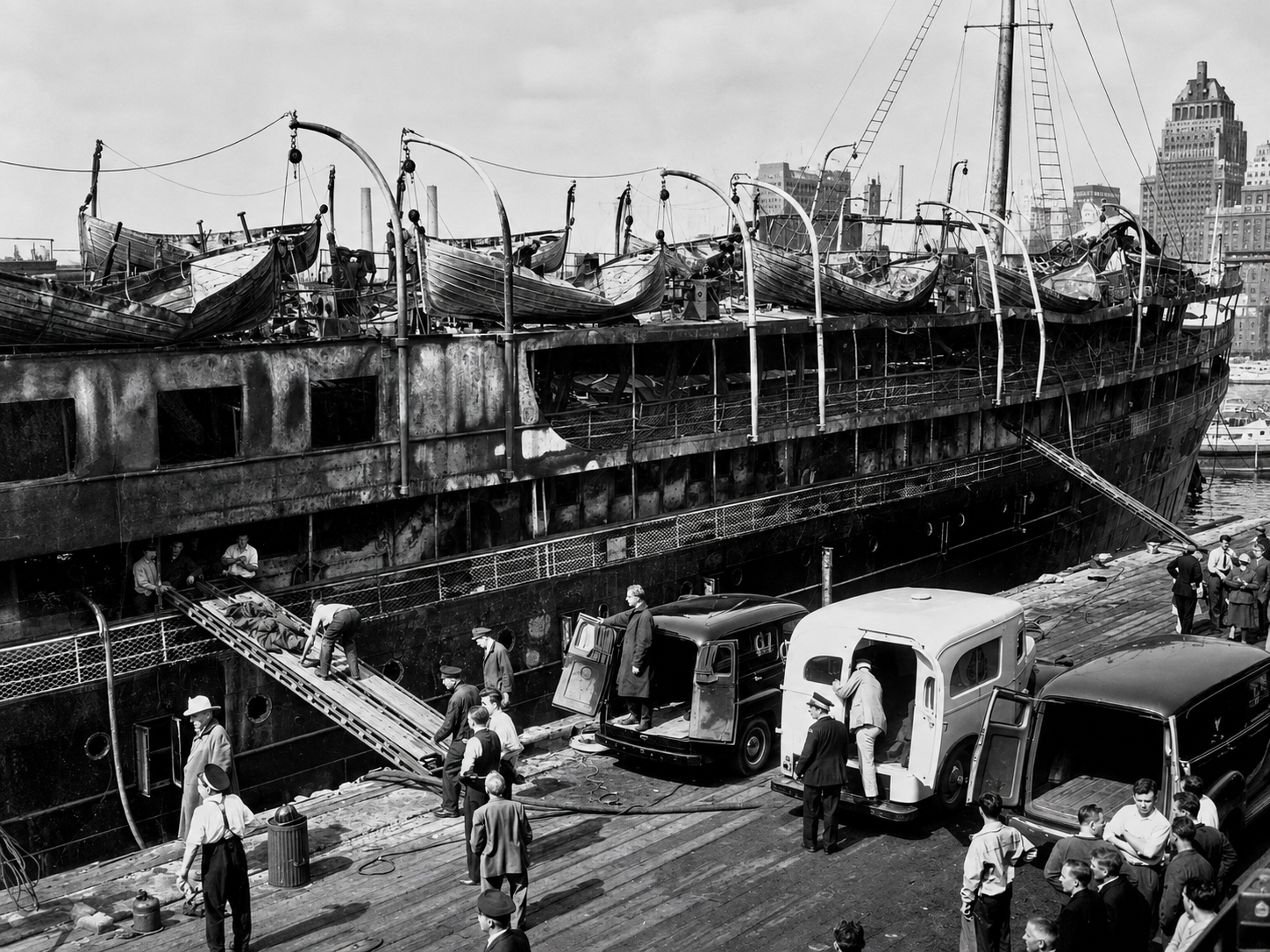
The history of a grand hotel is not limited to balls and royal visits.
The Royal York also played an important role during some of Toronto’s most difficult moments.
On September 17, 1949, the cruise ship Noronic caught fire in Toronto Harbour.
The ship was carrying hundreds of passengers and the disaster killed 118 people. It remains one of the deadliest maritime fires in Canadian history.
Following the fire, the Royal York lobby was transformed into an emergency centre. Survivors were directed there and medical assistance was provided.
Its proximity to the harbour, enormous capacity and facilities allowed the hotel to receive a large number of people quickly.
A building normally associated with railway travellers, banquets and performances temporarily became a place of rescue.
The episode is a reminder that great urban hotels sometimes occupy a role far broader than their commercial purpose.
They become gathering places when a city celebrates, negotiates, welcomes visitors or faces a crisis.
Architecture and design
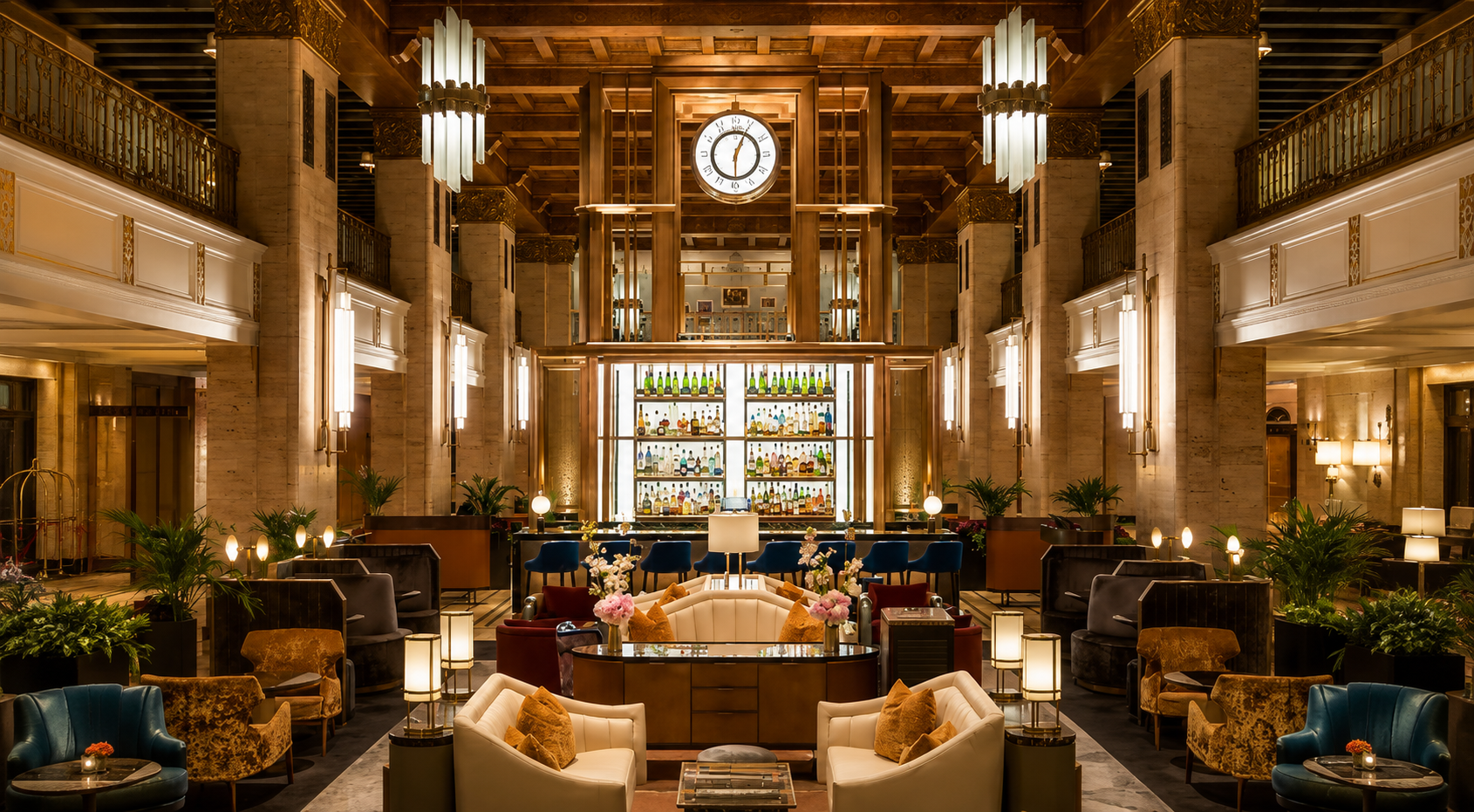
The Royal York belongs to a more urban generation of Canada’s railway hotels.
Its architecture retains certain Château influences, but its verticality, composition and setting more closely resemble the great metropolitan hotels of the 1920s.
The limestone façade rises through a series of setbacks toward the upper floors. This progression visually lightens what is, in reality, an enormous building.
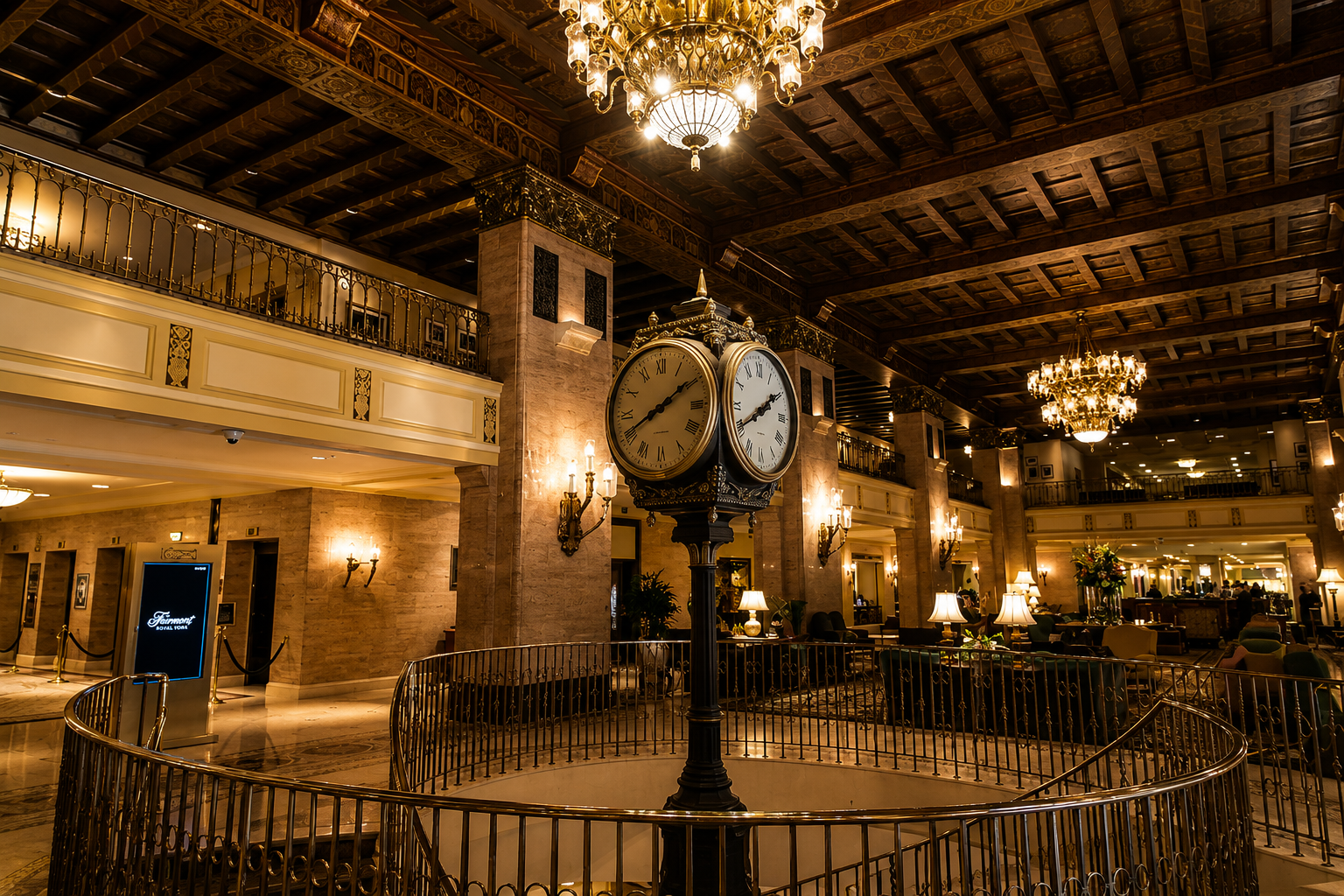
Inside, the public spaces combine columns, decorative ceilings, metalwork, marble, wood and chandeliers.
Recent renovations have attempted to preserve the hotel’s historic identity while introducing a more contemporary aesthetic.
The lobby remains the heart of the property.
Unlike Château Frontenac, where the river and scenery dominate the experience, the Royal York faces the movement of the city. Its lobby functions like an indoor public square, bringing together hotel guests, residents, railway passengers, convention attendees and workers from the financial district.
The ballroom, Concert Hall, lounges and event floors reveal the original scale of the project.
The hotel was never intended to be an intimate retreat.
It was designed to receive Toronto.
Rooms, suites and Fairmont Gold
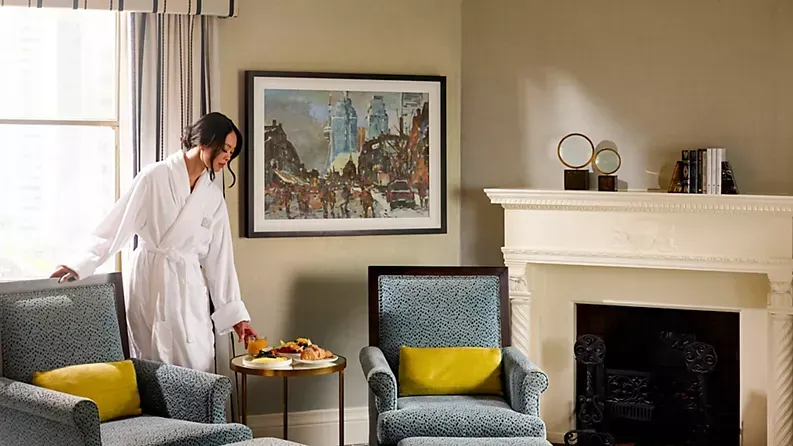
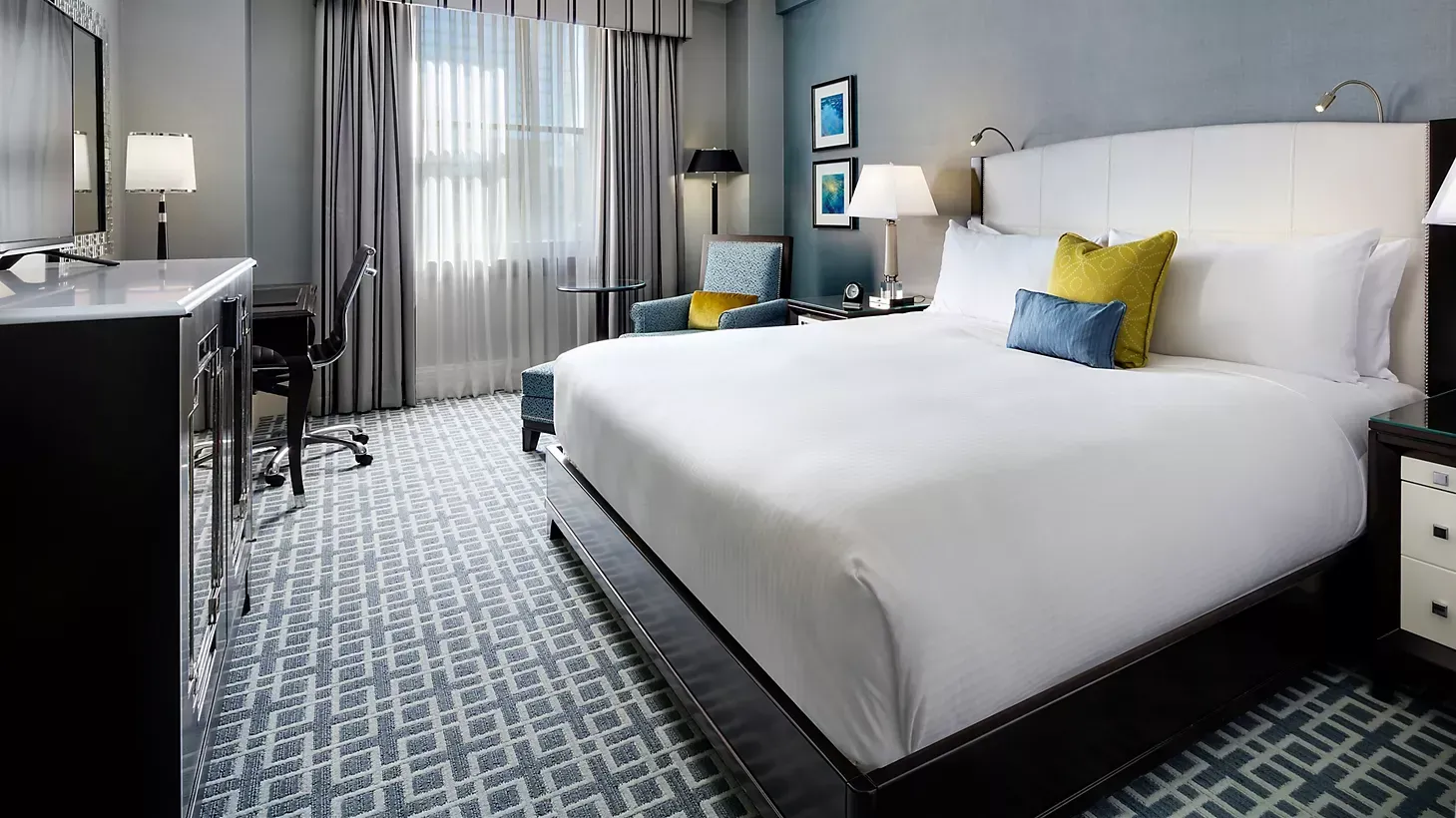
Fairmont Royal York now offers more than 1,300 rooms and suites.
As in many large historic hotels, dimensions and layouts vary depending on the category and location.
Fairmont rooms provide the most accessible experience. Some are relatively compact, reflecting the hotel’s original design and the exceptional number of rooms it was created to accommodate.
Deluxe and Luxury rooms generally offer more space, enhanced layouts or more extensive renovations.
Views can include Union Station, Front Street, the financial district or Toronto’s downtown towers.
Suites offer separate living areas and additional space for longer stays, families and special occasions.
The Royal Suite remains the room most closely associated with the monarchy. It welcomed Queen Elizabeth II and other members of the Royal Family.
Fairmont Gold provides a hotel within the hotel, with private check-in, personalized service and access to an exclusive lounge.
Breakfast, refreshments and evening canapés may provide worthwhile value in a city where meals and drinks can quickly add to the cost of a stay.
For a short visit, room location may be more important than square footage.
A room facing Union Station reinforces the Royal York’s railway identity and provides a distinctly urban view of Toronto.
Restaurants and bars
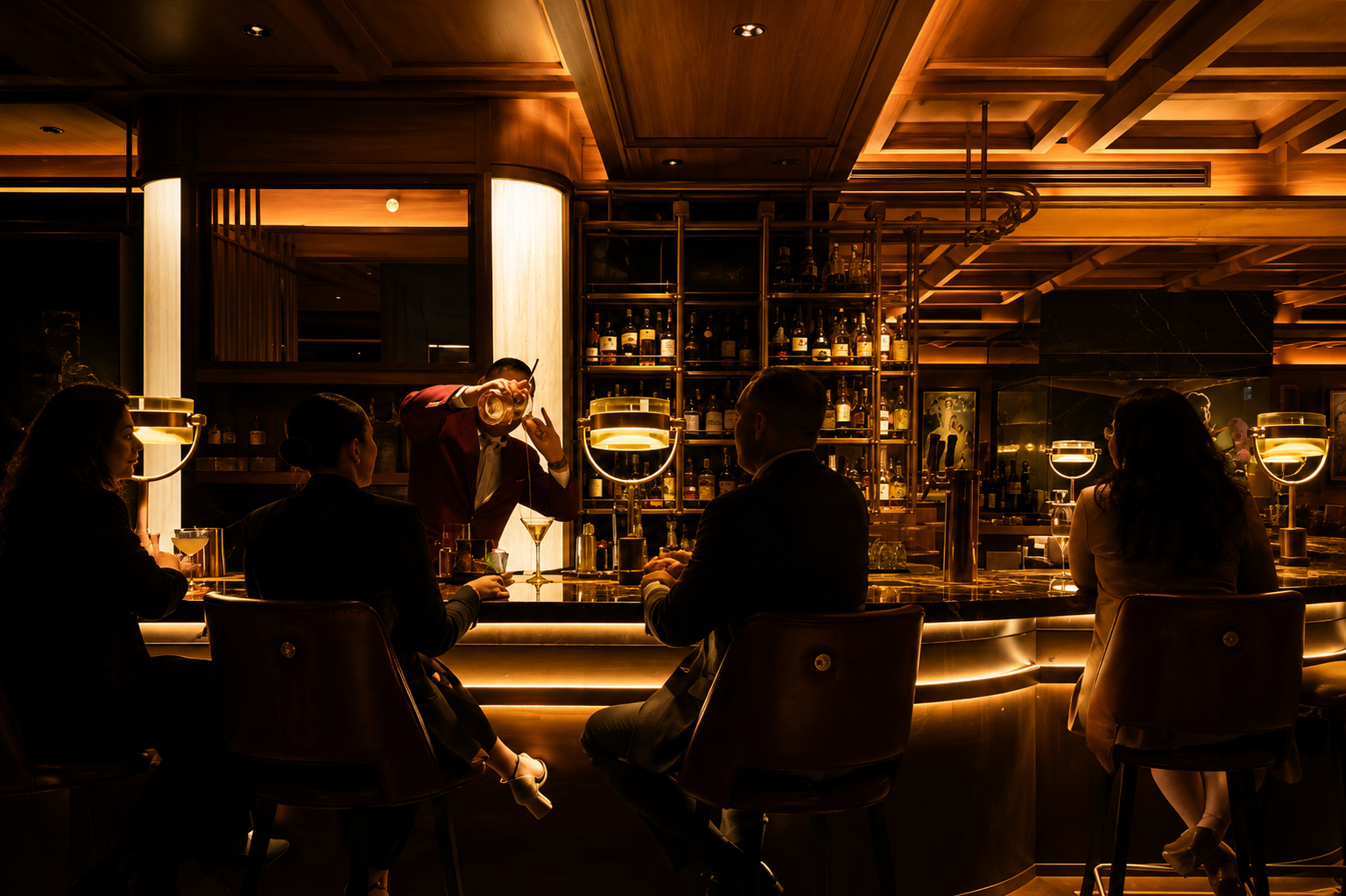
Fairmont Royal York offers a dining program that attracts Toronto residents as well as hotel guests.
REIGN Restaurant
REIGN is the hotel’s principal restaurant.
Its menu draws on Canadian ingredients and contemporary cuisine, suitable for breakfast, business meals and more elaborate dinners.
The design evokes a grand urban manor, with an atmosphere warmer than the Royal York’s enormous scale might suggest.
REIGN Bar
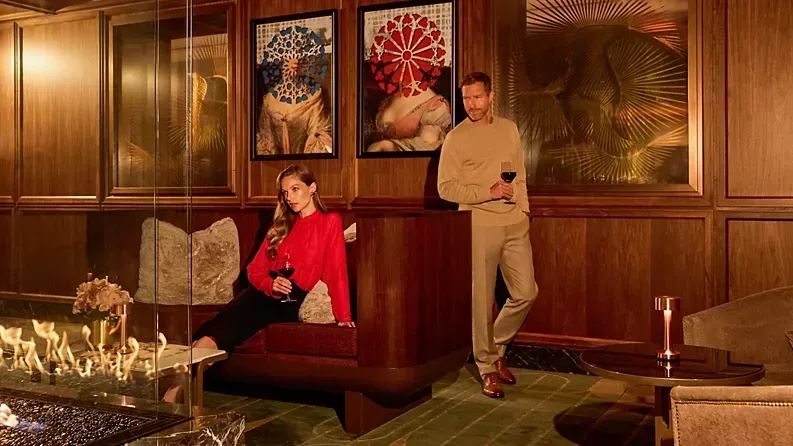
Behind a velvet curtain, REIGN Bar offers a more intimate atmosphere with a piano, onyx fireplace, cocktails and musical programming.
It is particularly well suited to an evening drink or a meeting before a performance.
Library Bar
The Library Bar is one of the Royal York’s best-known institutions.
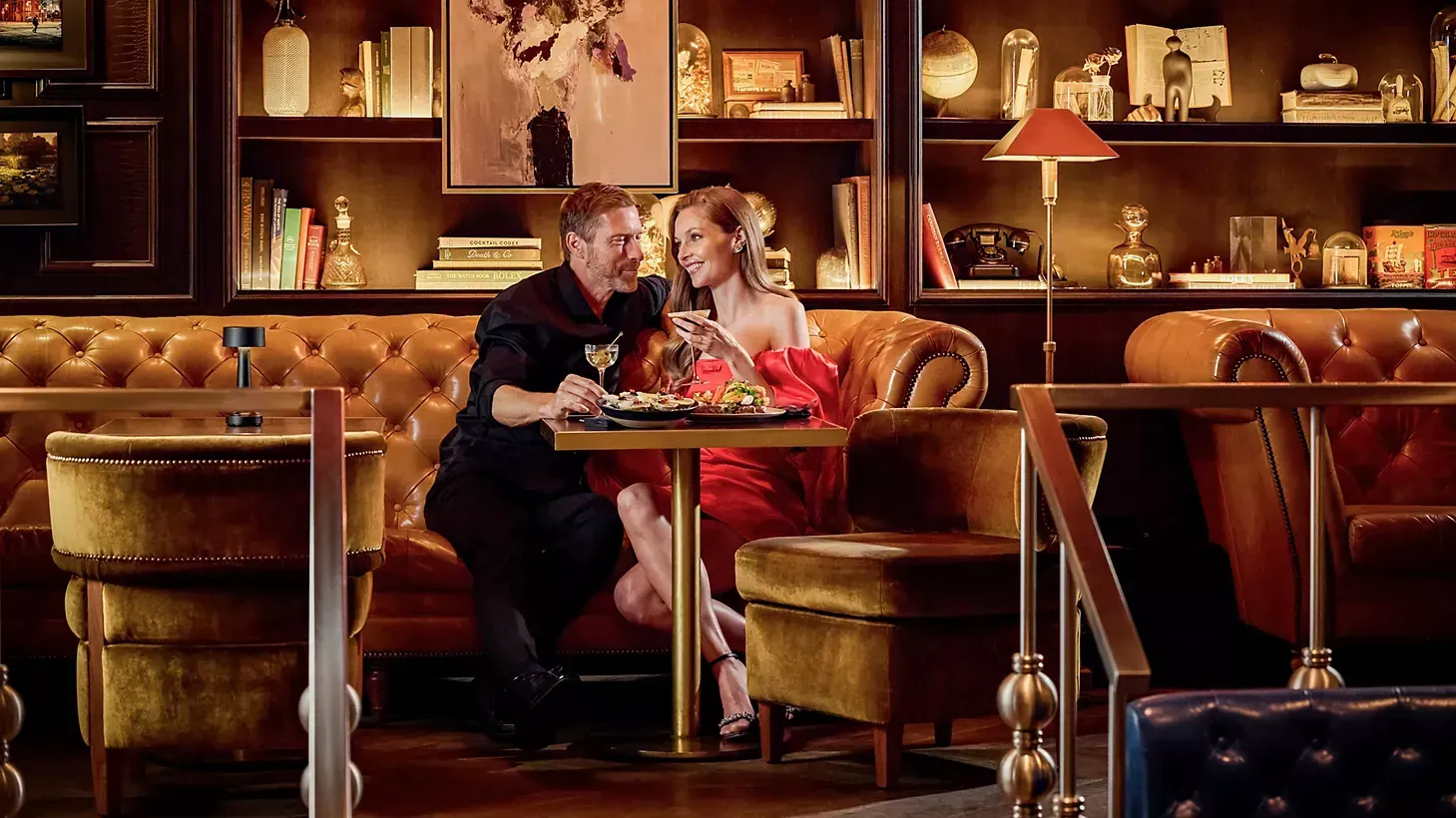
Despite the hotel’s evolution, it retains the atmosphere of a classic hotel bar. Books, woodwork, armchairs and cocktails recall an era when guests could spend much of an afternoon in a lounge without pretending to be productive.
The bar is especially known for its Birdbath Martini, served in a format sufficiently generous to justify the name.
CLOCKWORK Champagne & Cocktails
CLOCKWORK occupies the centre of the lobby and represents the Royal York’s most contemporary face.
It serves champagne, cocktails and small plates in an open space overlooking the movement of the hotel.
It is the ideal place to observe the arrivals, departures and constant activity of a property with more than 1,000 rooms.
MONOGRAM
MONOGRAM provides a more exclusive experience centred around cocktails, spirits, conversation and special occasions.
Opening hours and concepts may evolve, so dining options should be confirmed before the stay.
Pool, fitness and wellness
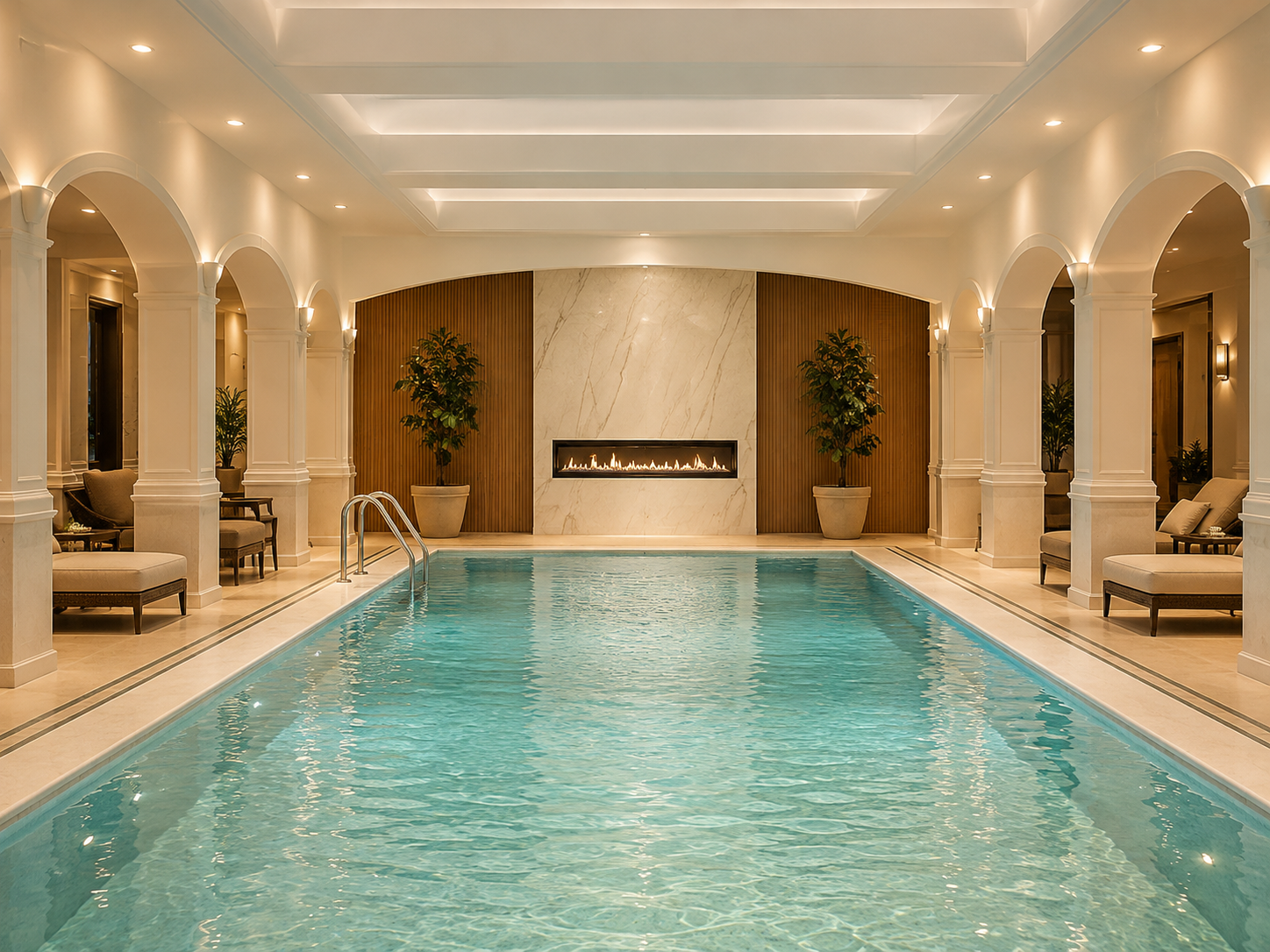
The Royal York has an indoor pool available to registered hotel guests.
The wellness centre also includes a whirlpool and sauna, along with a modern fitness centre.
The fitness area is accessible around the clock with a guest key card, while the pool operates according to scheduled hours.
These facilities are particularly useful in an urban hotel.
After a day of meetings, sightseeing or walking through Toronto, the pool offers temporary relief from the pace of downtown.
Spa, beauty and salon services are also available within the hotel’s commercial areas.
Guests with particular requirements should confirm operating hours, access conditions and available facilities before arriving.
The rooftop garden and bees
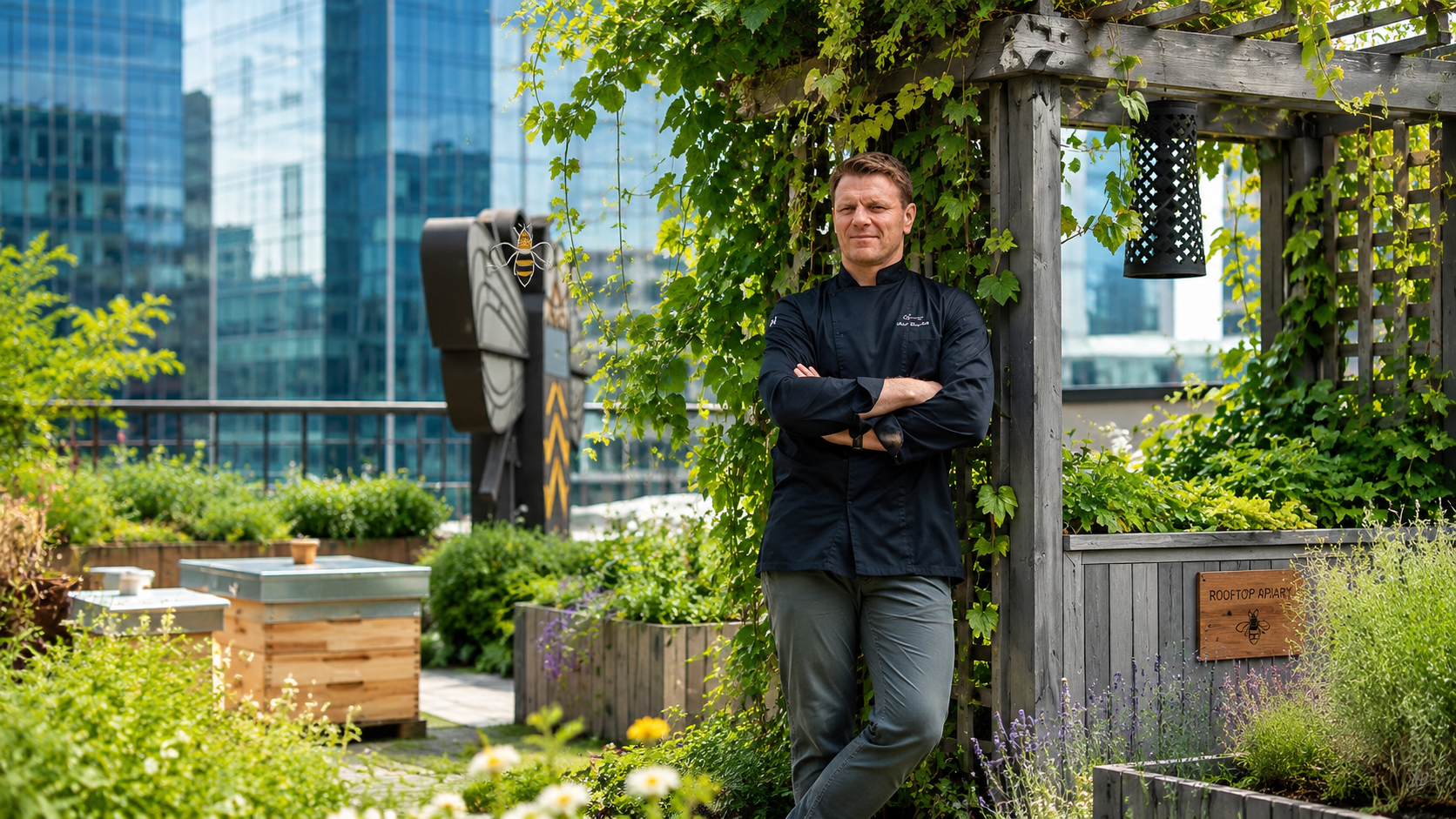
One of the Royal York’s most unexpected stories takes place on its roof.
The hotel maintains an herb garden producing dozens of varieties used in its kitchens and cocktails.
In 2008, the Royal York became the first hotel in the world to establish a honeybee apiary on its rooftop.
The hives can house approximately 600,000 bees during the peak season. They produce honey used in the hotel’s restaurants, beverages and guest experiences.
The concept seems almost contradictory.
In the middle of glass towers, traffic and the financial district, thousands of bees leave the Royal York’s roof each day to find flowers in Toronto’s gardens, parks, balconies and green spaces.
The project supports pollinators while bringing food production closer to the hotel’s kitchens.
It also adds a new dimension to the idea of a city within a city.
The Royal York once contained a hospital, library and radio station. It now has an urban farm and several hundred thousand winged residents.
They probably occupy the smallest rooms in the building, but they enjoy an excellent view.
Myths, legends and ghosts
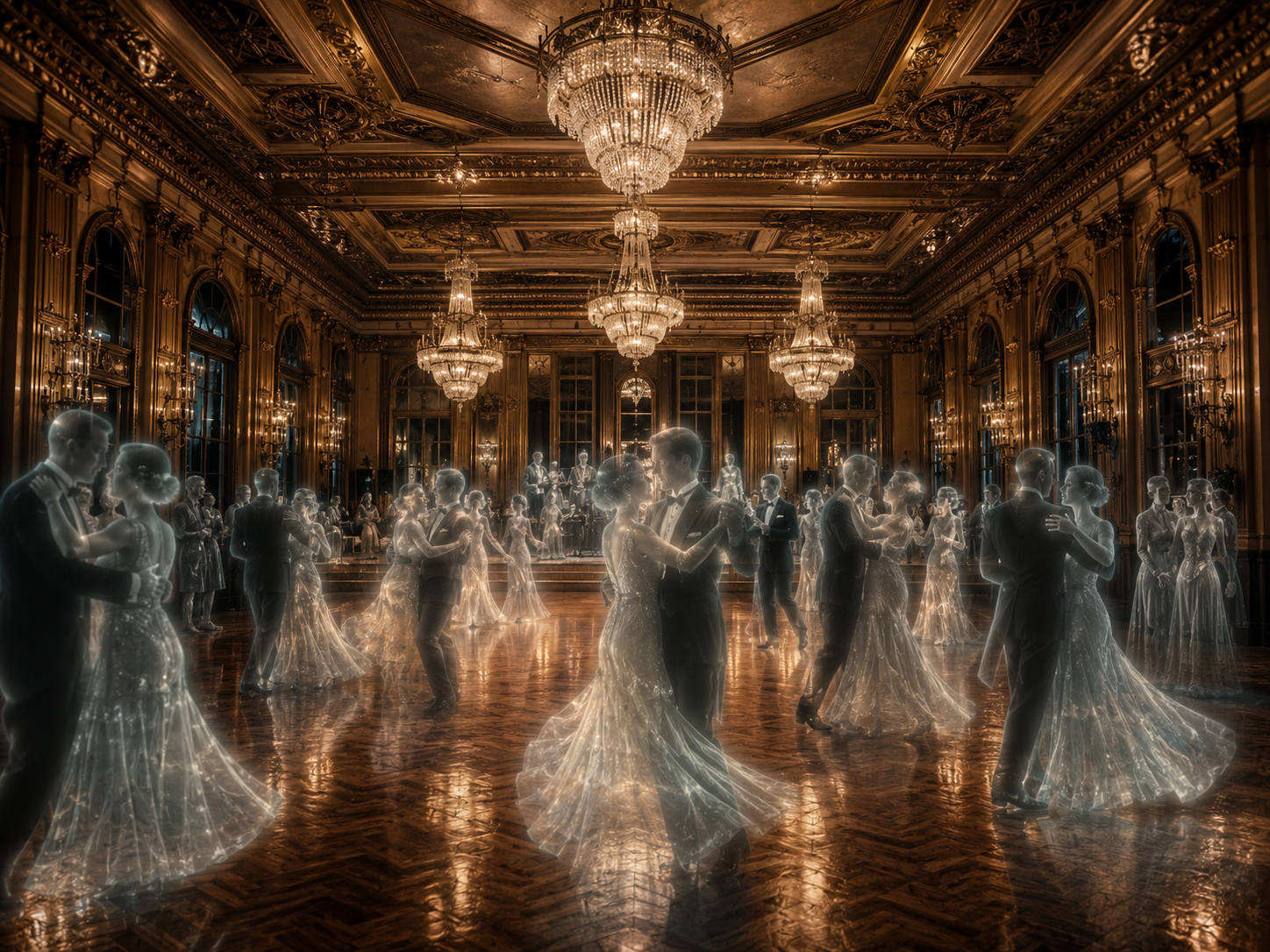
A hotel with more than 1,000 rooms, nearly a century of history and millions of visitors will inevitably accumulate a few unexplained stories.
At the Royal York, the most frequently mentioned apparition is an elderly man with grey hair wearing a burgundy or purple jacket.
He has reportedly been seen walking silently through the eighth-floor corridors before disappearing.
His identity remains unknown.
Some versions describe him as a former guest. Others give him no name or history. He has simply become the man on the eighth floor, a permanent visitor the hotel’s records cannot identify.
Guests have also reported hearing children laughing and running through empty corridors.
After opening their doors to request some quiet, they supposedly found no one outside.
The Crystal Ballroom plays a particularly important role in the Royal York’s legends.
This grand room on one of the upper floors remained closed for several years. Despite its inactivity, guests staying below it claimed to hear music, conversations, footsteps and the sounds of a reception.
Service elevators were also said to stop at the floor without anyone requesting it.
The Crystal Ballroom has since been restored and returned to service. Balls, receptions and events have officially resumed, making it somewhat more difficult to identify supernatural parties. The ghosts now have an excellent alibi.
A darker story involves a former employee who reportedly died by suicide in a stairwell near the upper floors.
Staff members claim to have heard screams or footsteps in the stairwell without finding anyone there.
This story should be treated carefully. Versions differ, reliable historical documentation is difficult to locate and a tragic death should not become a simple form of entertainment.
As with the other hotels in this series, it is important to distinguish between verified facts, hotel traditions and legends passed among guests.
The Royal York confirms its railway history, famous visitors and grand event spaces.
When it comes to the man in the burgundy jacket and the invisible children, the guest register remains remarkably silent.
What to see inside the hotel
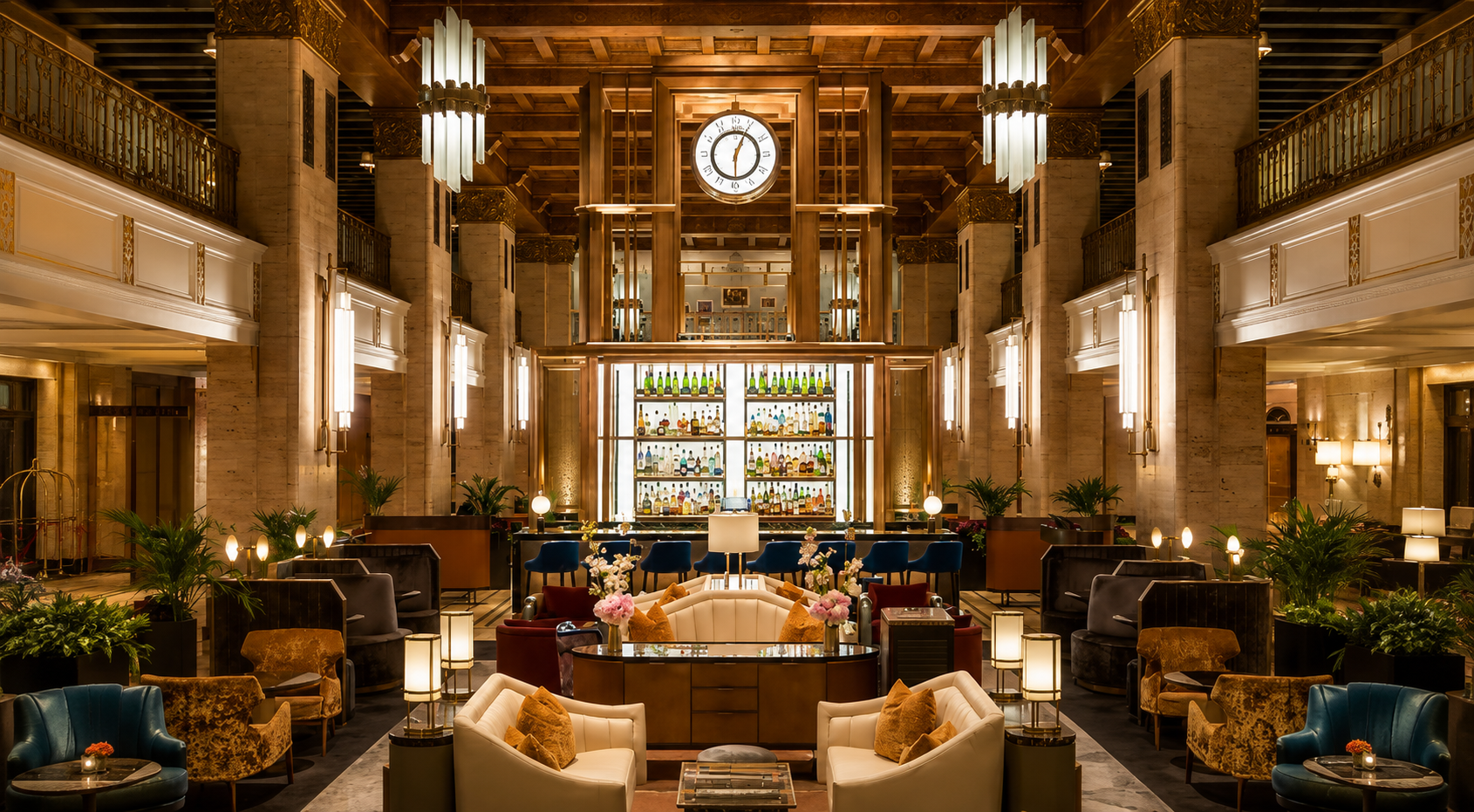
It is possible to experience part of the Royal York without staying overnight.
The lobby
The lobby is the social heart of the hotel. Its columns, ceilings, lighting and CLOCKWORK bar reveal the scale of the building.
Library Bar
A cocktail or light meal at Library Bar offers a classic Royal York experience.
The Concert Hall
Access depends on scheduled events, but the hall retains its coffered ceiling, stage, balcony and chandeliers.
The ballrooms
The reception spaces illustrate the Royal York’s role in Toronto’s social, political and commercial history.
The underground passages
Connections with Union Station and PATH recall that the hotel was designed as a natural extension of the railway.
The façade from Union Station
The best view of the Royal York may be from across Front Street.
From the steps and surroundings of Union Station, the relationship between the two buildings becomes immediately clear.
What to visit nearby

Fairmont Royal York’s location places several of Toronto’s principal attractions within walking distance.
Union Station
The station deserves attention beyond its transportation role. Its Great Hall, columns and architecture recall the monumental age of railway travel.
CN Tower
The CN Tower is only a few minutes away. It offers observation levels, a glass floor and the revolving 360 Restaurant.
Ripley’s Aquarium of Canada
Located near the CN Tower, the aquarium is one of downtown Toronto’s most popular family attractions.
Rogers Centre
The stadium hosts Toronto Blue Jays games, concerts and major events.
Hockey Hall of Fame
Even visitors who do not follow hockey closely can appreciate its collections, trophies and interactive experiences.
St. Lawrence Market
The historic market is approximately a 15-minute walk away. It brings together produce vendors, butchers, fishmongers, bakeries and prepared-food counters.
The waterfront
Harbourfront Centre, the ferry terminal for the Toronto Islands and the lakeside promenades are easily accessible.
The Entertainment District
Theatres, concert venues and restaurants are located a short distance from the hotel.
Royal Ontario Museum
The museum is farther away but can be reached easily by subway from Union Station.
What to know before staying
The hotel is enormous
With more than 1,300 rooms, the Royal York operates on a considerable scale. Its lobby, elevators and restaurants can become busy during conventions and major events.
Some rooms are compact
Entry-level categories may reflect the dimensions of a hotel designed in 1929. Travellers wanting more space should compare room categories carefully.
The location is exceptional
Union Station, the subway, UP Express, VIA Rail, GO Transit and PATH are virtually at the door.
A car is rarely necessary for a short downtown stay.
Parking is expensive
As at most major downtown Toronto hotels, parking comes with a significant additional charge.
Arriving by train is often the easiest option and the one most consistent with the hotel’s history.
PATH is convenient, but confusing
PATH allows visitors to move between the station, shops, office towers and several attractions without going outside.
It is also perfectly capable of turning a five-minute walk into a 40-minute underground expedition. A map or navigation app can be useful.
Fairmont Gold may add value
Breakfast, refreshments and evening canapés can justify part of the supplement, especially for travellers spending time at the hotel.
Confirm accessibility requirements
Accessible rooms are available. Travellers with specific needs should confirm door widths, bathroom configuration and proximity to elevators.
Reserve popular restaurants
Library Bar, REIGN and certain experiences can be in high demand, particularly during major events and the Toronto International Film Festival.
Is Fairmont Royal York worth it?
The Royal York does not offer the romance of Château Frontenac or the political scenery of Château Laurier.
Its experience is built around something different.
It represents Toronto at the moment the city declared its ambition to become a global metropolis.
Its lively lobby, bars, event rooms, connection to Union Station and position at the centre of the transportation network make it one of Canada’s most functional urban hotels.
Standard rooms can feel small, and the property’s scale will not suit every traveller seeking an intimate address.
The Royal York is a grand hotel machine, sometimes busy, often animated and almost always in motion.
That is precisely what makes it interesting.
Guests do not stay here to escape Toronto. They stay here to occupy the centre of its energy.
For a railway journey, first visit, sporting event, theatre weekend, film festival or car-free getaway, the location is difficult to surpass.
The ideal experience begins with arriving at Union Station, crossing to the hotel, leaving the luggage and exploring the city on foot or by subway.
Nearly a century after opening, the Royal York continues to fulfil exactly the purpose for which it was built.
It welcomes Toronto at its door and the rest of Canada as passengers step off the train.
The railway journey continues
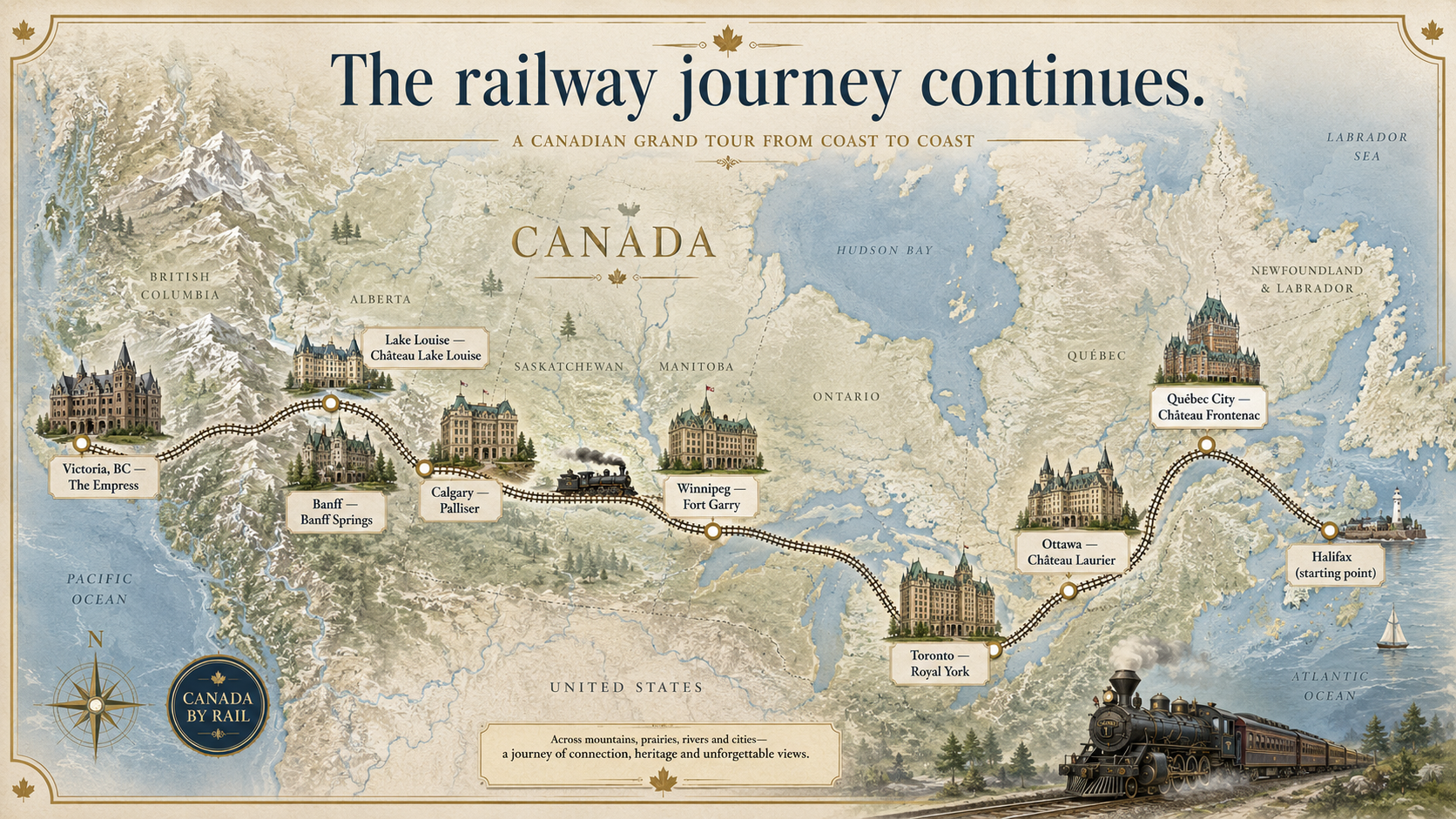
The Royal York marks another stage in our journey through Canada’s grand railway hotels.
Château Frontenac evokes New France and towers above the St. Lawrence River.
Château Laurier stands between Parliament Hill and the Rideau Canal.
The Royal York belongs to the verticality, movement and urban ambition of Toronto.
All three were built by railway companies, but each responded to a different destination.
In Québec City, Canadian Pacific needed to create a romantic image capable of attracting visitors.
In Ottawa, the Grand Trunk Railway wanted a château beside its new station in the centre of the capital.
In Toronto, Canadian Pacific built a vertical city across from the country’s most important railway hub.
From Union Station, the tracks continue west.
They cross Ontario, reach Winnipeg and the Prairies, then continue toward Calgary, Banff, Lake Louise and Vancouver.
More great hotels wait along the route.
The Fort Garry guards the entrance to Western Canada. The Palliser reflects Calgary’s rise. Banff Springs turns the Rockies into a castle landscape. Château Lake Louise is mirrored in a glacial lake.
In several of their corridors, a few guests also appear to have forgotten to check out.
Plan your stay at Fairmont Royal York with ÆRIA Voyages
A stay at Fairmont Royal York can form part of a Toronto city break, a journey aboard VIA Rail or a longer railway itinerary connecting Québec City, Montréal, Ottawa and Toronto.
Choosing the right room category matters, particularly when comparing Fairmont rooms, view rooms, suites and the Fairmont Gold experience.
The itinerary can also include the CN Tower, Ripley’s Aquarium, St. Lawrence Market, the Toronto Islands, a theatre performance, a sporting event or an extension to Niagara Falls.
ÆRIA Voyages can arrange the accommodation, railway transportation, visits and experiences according to each traveller’s pace, interests and accessibility requirements.
Yvan Junior Blanchette
Travel & Cruise Specialist
ÆRIA Voyages
yvanblanchette@aeriavoyages.com
1-888-460-3388
aeriavoyages.com

Member discussion: