

The Ultimate KYOTO Travel Guide: What to know, where to go, and how to experience it properly
Destination guide · Updated 2026 · Japan · Cultural travel · First-time and returning visitors
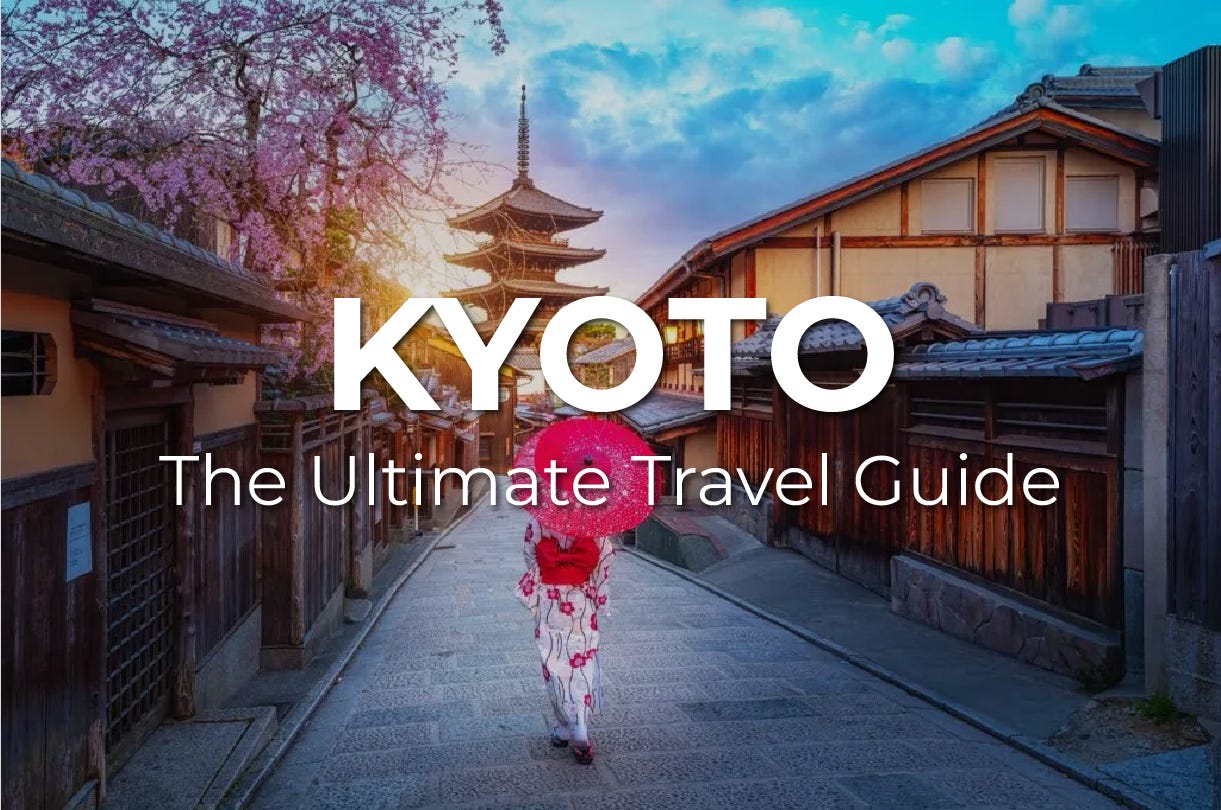
Kyoto is Japan’s former imperial capital and the country’s most concentrated destination for temples, traditional culture, and historic atmosphere.
This guide covers the neighborhoods worth knowing, the experiences that define a visit, the best time to go, and how to fit Kyoto into a broader Japan itinerary.
Table of Content
🎙️ LISTEN TO THE BEYOND THE HORIZON PODCAST

Why Kyoto belongs on any Japan itinerary
Kyoto served as Japan’s imperial capital for more than a thousand years, and that history is still visible everywhere. More than 1,600 Buddhist temples, hundreds of Shinto shrines, preserved geisha districts, and some of the most refined traditional architecture in Asia are all within reach of a single base in the city.
What makes Kyoto different from other culturally significant cities is not the quantity of what it holds but the way it holds it. The city moves at a different pace than Tokyo. The energy is quieter. There is a precision and intentionality to how things are maintained and presented that reflects a deeper cultural sensibility. Travelers who arrive expecting spectacle often find something more lasting: a city that rewards attention and patience over speed.
For visitors combining multiple destinations in Japan, Kyoto typically serves as the cultural counterpoint to Tokyo. The two cities sit about two and a half hours apart by Shinkansen and complement each other in a way that few city pairings anywhere in the world can match.
If you are just starting to plan your trip, I recommend beginning with my complete guide to East Asia, which will help you understand the different destinations across the region.

The neighborhoods worth knowing in Kyoto
Kyoto is more compact than Tokyo but equally rich in distinct areas. Where you spend your time depends on what you are looking for.
Gion
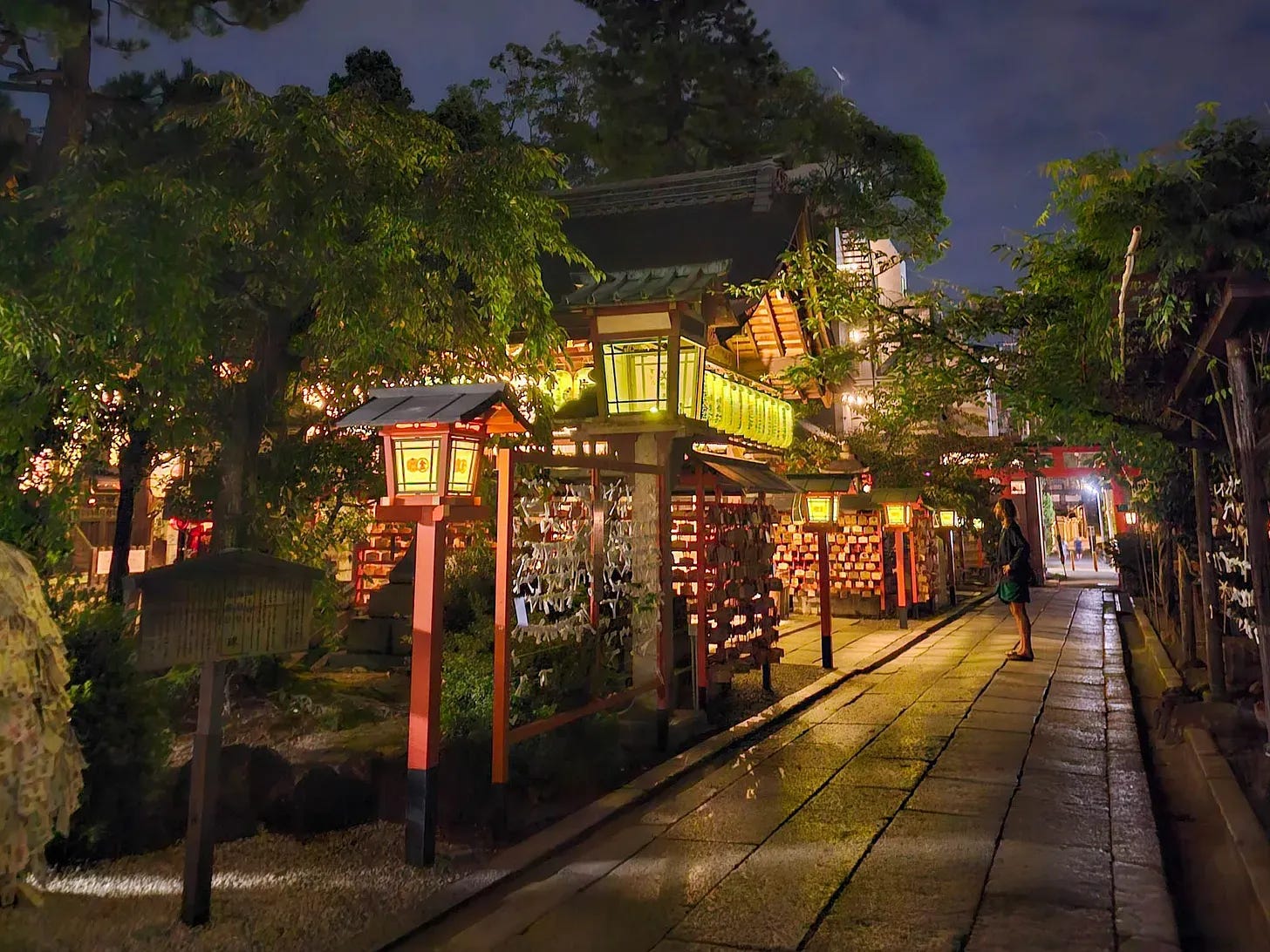
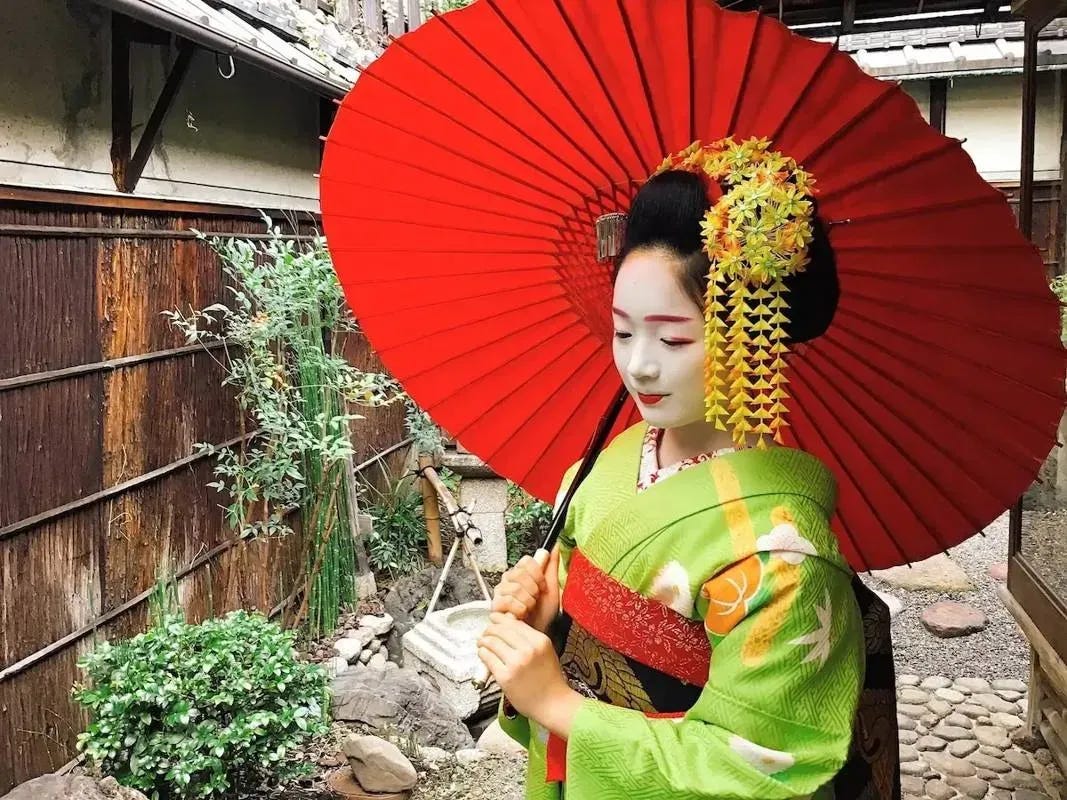
Gion is Kyoto’s most iconic district and one of the most photographed areas in all of Japan. Stone-paved lanes, wooden machiya townhouses, red paper lanterns, and the lingering possibility of catching a glimpse of a maiko or geiko on their way to an evening engagement. The district is best experienced on foot, in the early evening when the light changes and the crowds thin. The streets around Hanamikoji and Shirakawa Canal are particularly worth lingering in. Gion also contains some of Kyoto’s finest restaurants, many of which require reservations made weeks or months in advance.
Higashiyama
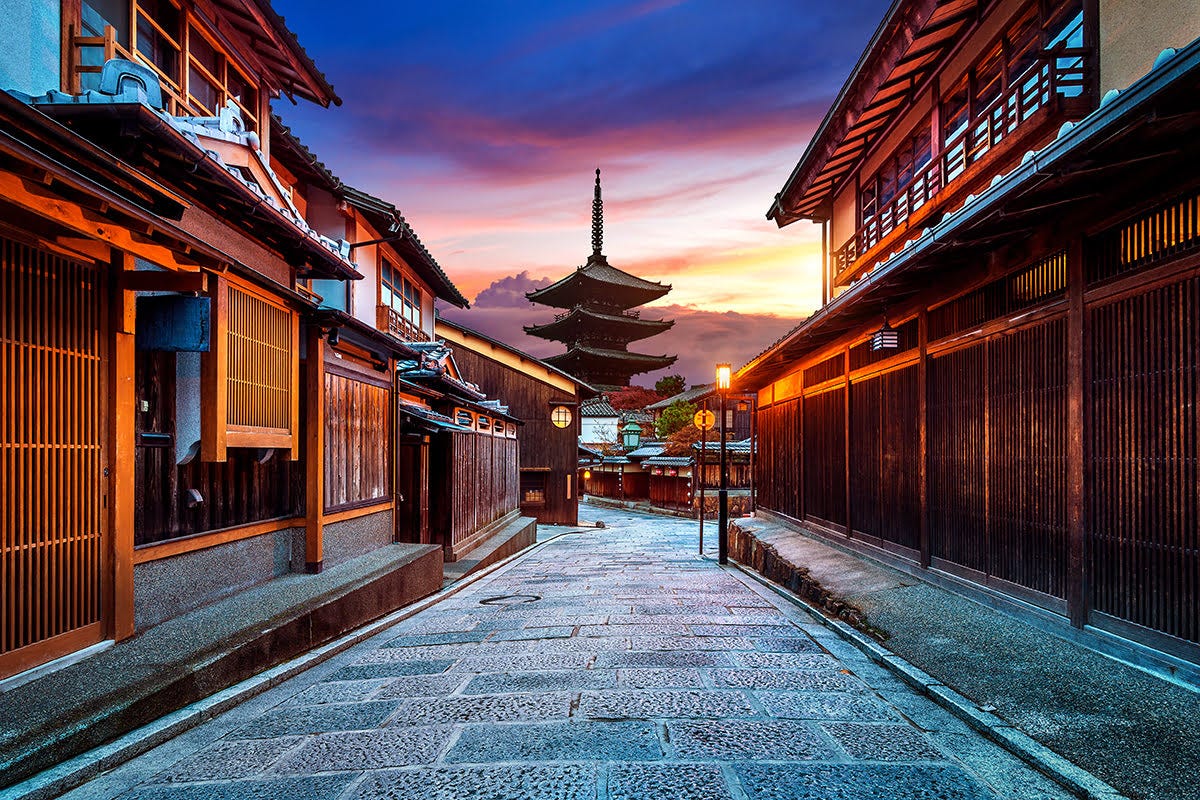
Higashiyama is the area most associated with classic Kyoto imagery: narrow stone-paved lanes climbing hillsides lined with temples, teahouses, and small artisan shops selling ceramics, lacquerware, and textiles. Kiyomizu-dera, one of the most visited temples in Japan, sits at the top of the district. The streets below it, particularly Ninenzaka and Sannenzaka, are beautifully preserved and worth taking slowly. Arriving early in the morning, before tour groups gather, makes a significant difference to the experience.
Arashiyama
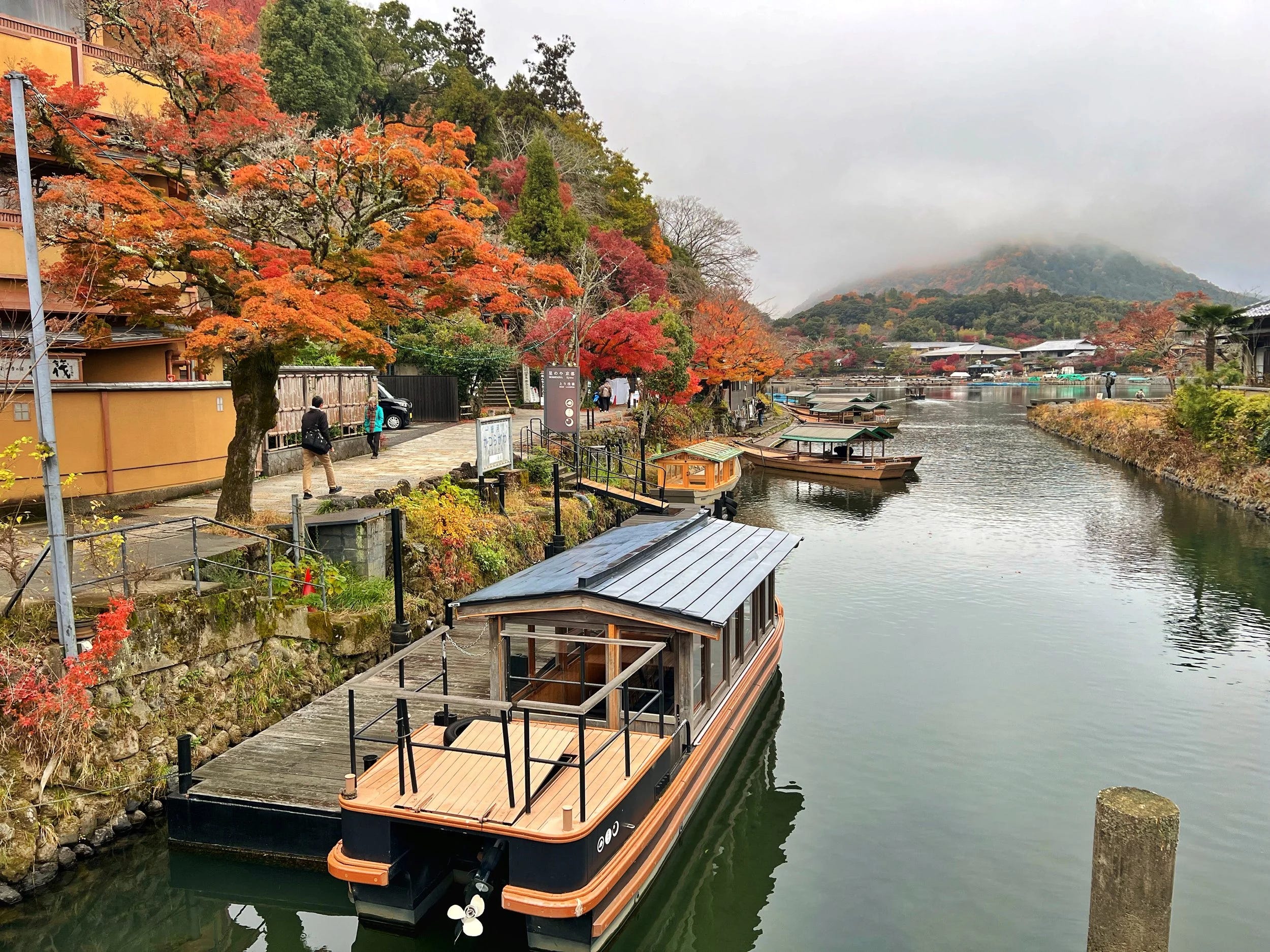
Arashiyama occupies the western edge of Kyoto and offers a different character from the city’s central districts. The famous bamboo grove draws large numbers of visitors, but the broader area rewards those who move beyond the main path. The Oi River, the hillside temples, and the quieter lanes that connect them give Arashiyama a more contemplative atmosphere than most of what you find closer to central Kyoto. Tenryu-ji, a UNESCO-listed Zen temple with a celebrated garden, is one of the strongest single sites in the city.
Fushimi
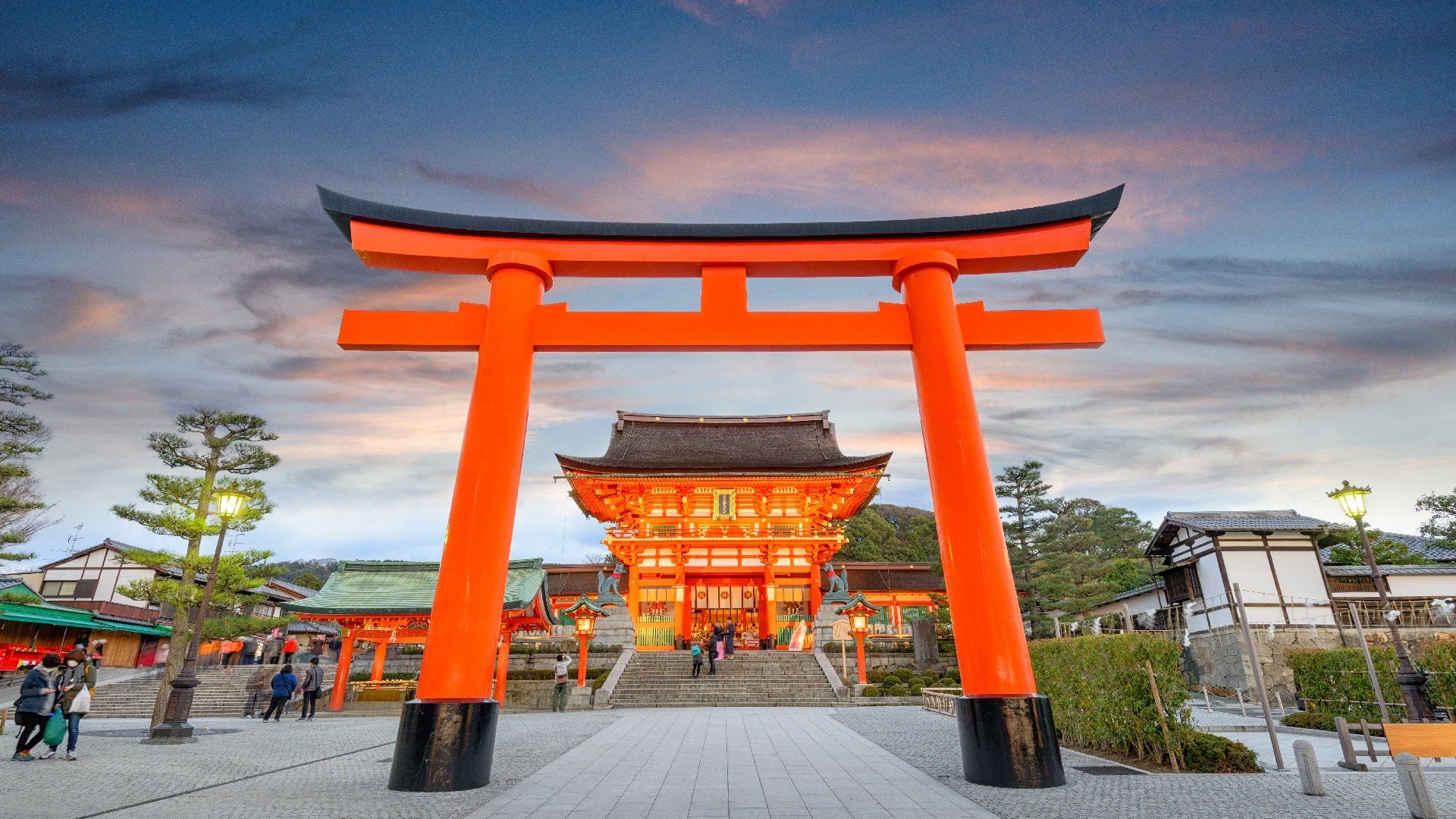
Fushimi is located slightly south of central Kyoto and is home to Fushimi Inari Taisha, the shrine complex famous for its thousands of vermilion torii gates winding up a forested hillside. The lower sections are heavily visited throughout the day. Walking higher up the trail, beyond where most visitors turn back, brings a quieter and more genuinely atmospheric experience. Early morning arrivals, before 8am, remain the most effective way to experience the gates without crowds.
Nishiki and downtown Kyoto
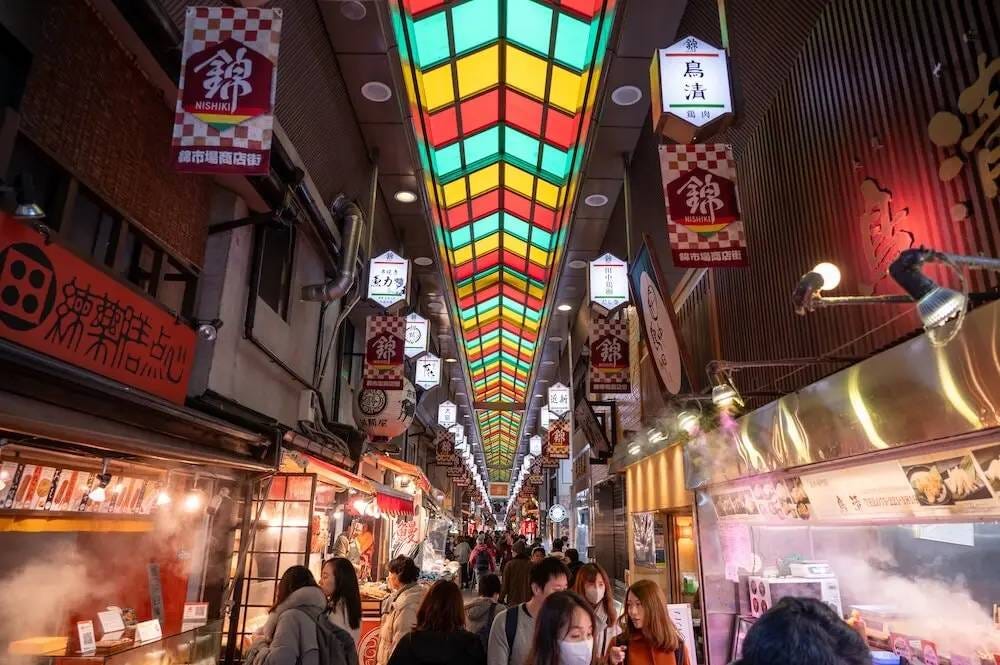
Nishiki Market, often called Kyoto’s kitchen, is a narrow covered arcade running through the center of the city and lined with vendors selling pickled vegetables, tofu, fresh fish, sweets, and local specialties. It is one of the best places in Kyoto to eat and browse at ground level, away from temples and shrines. The surrounding downtown area, including Kawaramachi and Shijo, offers the most accessible concentration of restaurants, cafes, and shops in the city.
Experiences that define a visit to Kyoto
Visiting temples at the right time of day

Most of Kyoto’s major temple complexes are dramatically different depending on when you arrive. In the middle of the day, between 10am and 3pm, popular sites like Kinkaku-ji and Kiyomizu-dera are at peak capacity. In the early morning, often before 8am, many of the same sites feel almost private. Structuring at least some temple visits around early starts is one of the most effective adjustments a first-time visitor to Kyoto can make.
Staying in a ryokan

A ryokan is a traditional Japanese inn and one of the most complete cultural experiences available to travelers in Japan. Tatami-matted rooms, futon bedding laid out each evening, kaiseki multi-course dinners, and access to onsen baths are the standard features of the experience. Kyoto has some of Japan’s most respected ryokan properties, ranging from accessible mid-range options to some of the finest traditional accommodations in the country. Even a single night in a well-chosen ryokan changes the texture of a Kyoto trip considerably.
A tea ceremony

The Japanese tea ceremony, or chado, is one of the most condensed expressions of the values that define traditional Japanese culture: precision, restraint, attention to detail, and presence. Participating in a ceremony, rather than simply observing one, is the more meaningful option. Several establishments in Gion and Higashiyama offer guided experiences in English that provide genuine context rather than a purely performative encounter.
Cycling through the city

Kyoto is one of the most cycle-friendly cities in Japan, and a bicycle changes the pace and range of a visit in useful ways. Rental shops are widely available near major train stations. Cycling between districts that would otherwise require bus or taxi connections allows for a more fluid and spontaneous experience of the city, particularly in areas like the canal paths near Fushimi and the quieter residential streets north of downtown.

When to visit Kyoto
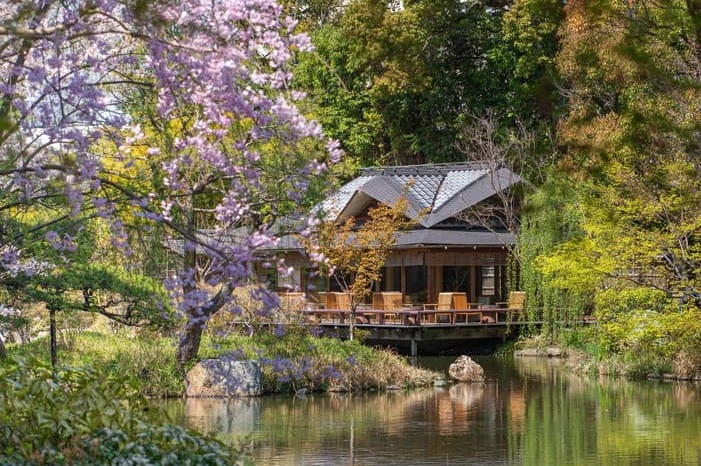
Kyoto’s appeal changes significantly with the seasons. Each offers something distinct, and the right time to go depends on your priorities.
🌸 Spring
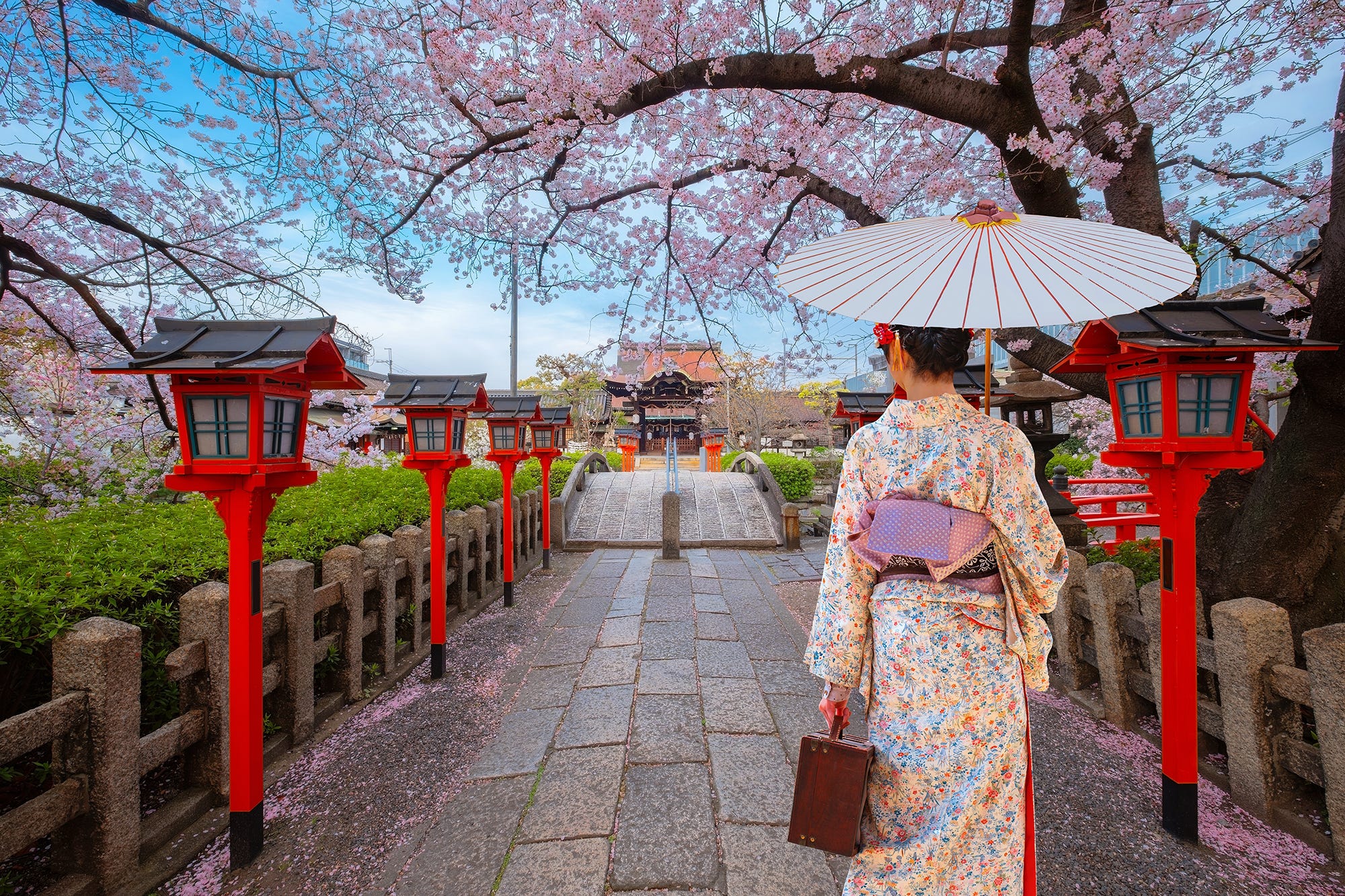
Cherry blossom season, late March to mid-April. Extraordinary but extremely busy. Book accommodation months ahead.
☀️ Summer
Hot and humid. Gion Matsuri festival in July is a highlight. Crowds are lighter than spring and autumn.
🍂 Autumn
Red and gold maple foliage from late October through November. Arguably the most beautiful season. Very popular.
❄️ Winter
Quietest season, with occasional snow that transforms temple gardens. Fewer crowds and lower accommodation rates.
How many days to spend in Kyoto
Two to three days covers the main districts and a selection of the most important temples and shrines. Three to five days allows for a more considered pace, a ryokan stay, day trips to nearby destinations like Nara or Osaka, and time to move beyond the standard itinerary into the quieter corners of the city.
Kyoto is a city that does not reward rushing. The temples and shrines are the framework, but much of what makes the city memorable happens in between: a meal that takes longer than expected, a lane you turn down without a plan, a moment of stillness in a garden that is not in any guidebook. Giving yourself time for those moments is the most useful thing you can do when planning your stay.
A suggested 3-day Kyoto itinerary
Day 1
Gion and Higashiyama. Start early at Kiyomizu-dera before the crowds, work down through Ninenzaka and Sannenzaka, spend the afternoon in Gion, and stay for the evening atmosphere around Hanamikoji.
Day 2
Arashiyama. Bamboo grove first thing in the morning, then Tenryu-ji garden, a walk along the river, and the hillside temples beyond. Return to central Kyoto for the evening.
Day 3
Fushimi Inari early, then Nishiki Market for lunch, followed by Kinkaku-ji in the afternoon when morning crowds have dispersed. Evening in Kawaramachi or a tea ceremony in Gion.
Practical information for visitors
Kyoto essentials
Currency: Japanese yen (JPY). Carry cash for smaller temples, markets, and traditional restaurants.
Language: Japanese. English signage is present at major tourist sites but less prevalent than in Tokyo.
Getting around: city buses and the subway cover most major sites. Taxis are widely available. Cycling is a strong option for independent travelers.
Internet: a pocket Wi-Fi device or Japan eSIM is recommended. Coverage is reliable throughout the city.
Accommodation: a mix of international hotels, boutique guesthouses, and ryokan. Booking early is essential during cherry blossom and autumn foliage seasons.
Frequently asked questions
Is Kyoto worth visiting?
Yes, consistently. Kyoto is home to some of the most significant cultural and historical sites in Asia, and its preserved traditional atmosphere is genuinely unlike anything else in Japan. It is particularly rewarding for travelers who are willing to slow down and engage with what they are seeing.
How many days do you need in Kyoto?
Two to three days covers the essentials. Three to five days is better if you want a more immersive experience, a ryokan stay, or time for day trips to Nara or Osaka.
What is the best time of year to visit Kyoto?
Autumn foliage season (late October to November) and cherry blossom season (late March to early April) are the most celebrated. Both are also the busiest periods. Winter is underrated for its quieter atmosphere and the occasional snow-covered temple garden.
Should I stay in a ryokan in Kyoto?
If your budget allows, yes. A ryokan stay in Kyoto is one of the most complete cultural experiences available to international travelers in Japan, combining traditional accommodation, kaiseki dining, and onsen bathing in a single setting.
What is the difference between Kyoto and Tokyo?
Tokyo is Japan’s contemporary capital: vast, modern, fast-paced, and globally oriented. Kyoto is the cultural and historical heart of the country: quieter, more traditional, and focused inward rather than outward. Most visitors to Japan benefit from spending time in both.
Can you visit Kyoto as a day trip from Tokyo?
Technically yes, as the Shinkansen takes roughly two hours and twenty minutes each way. In practice, a day trip does not allow enough time to experience Kyoto meaningfully. A minimum of two nights is strongly recommended.
Plan your Santorini trip with AERIA Voyages
Every traveler’s ideal Japan itinerary looks different depending on the time available, the balance between cities and countryside, and the kind of experiences that matter most. I help clients design trips that go beyond the standard circuit, whether that means a multi-night ryokan stay, a combined Tokyo and Kyoto itinerary, an extension to Osaka or Nara, or a cruise component through the region.
If you are planning a trip to Japan and want to talk through the options, I would be glad to help.
Yvan Junior Blanchette
Travel Advisor & Cruise Specialist
ÆRIA Voyages📩 yvanblanchette@aeriavoyages.com
📞 1-888-460-3388
🌐 aeriavoyages.com