

The Ultimate NAGASAKI Travel Guide: what to know, where to go, and how to make the most of your visit
Destination guide · Updated 2026 · Japan · First-time visitors · In-depth travel
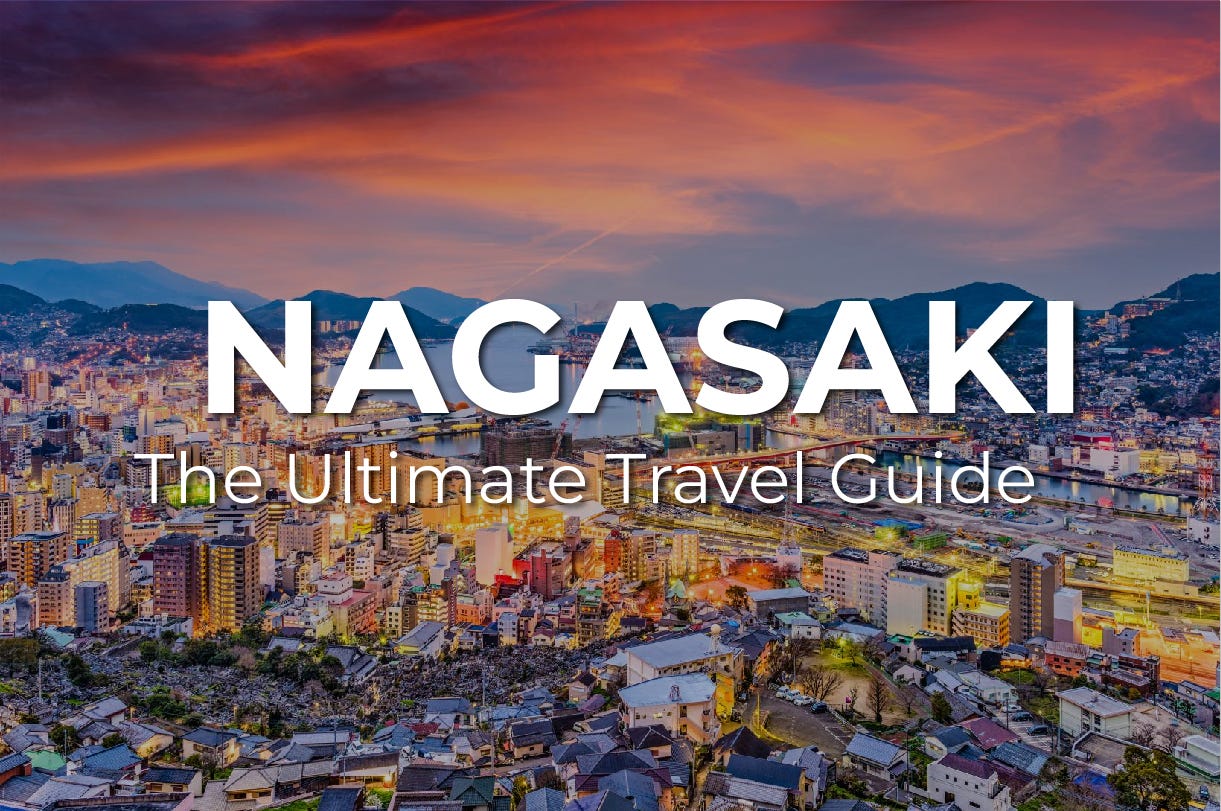
Nagasaki is the most cosmopolitan city in Japan, and one of the least visited by international travelers. That gap between what it offers and how little attention it receives is one of the most surprising things about the country.
This guide covers the neighborhoods worth knowing, the experiences that define the city, the practical details you need before you go, and how to plan the right amount of time for the kind of trip you want.
Table of Content
🎙️ LISTEN TO THE BEYOND THE HORIZON PODCAST

Why Nagasaki is worth visiting
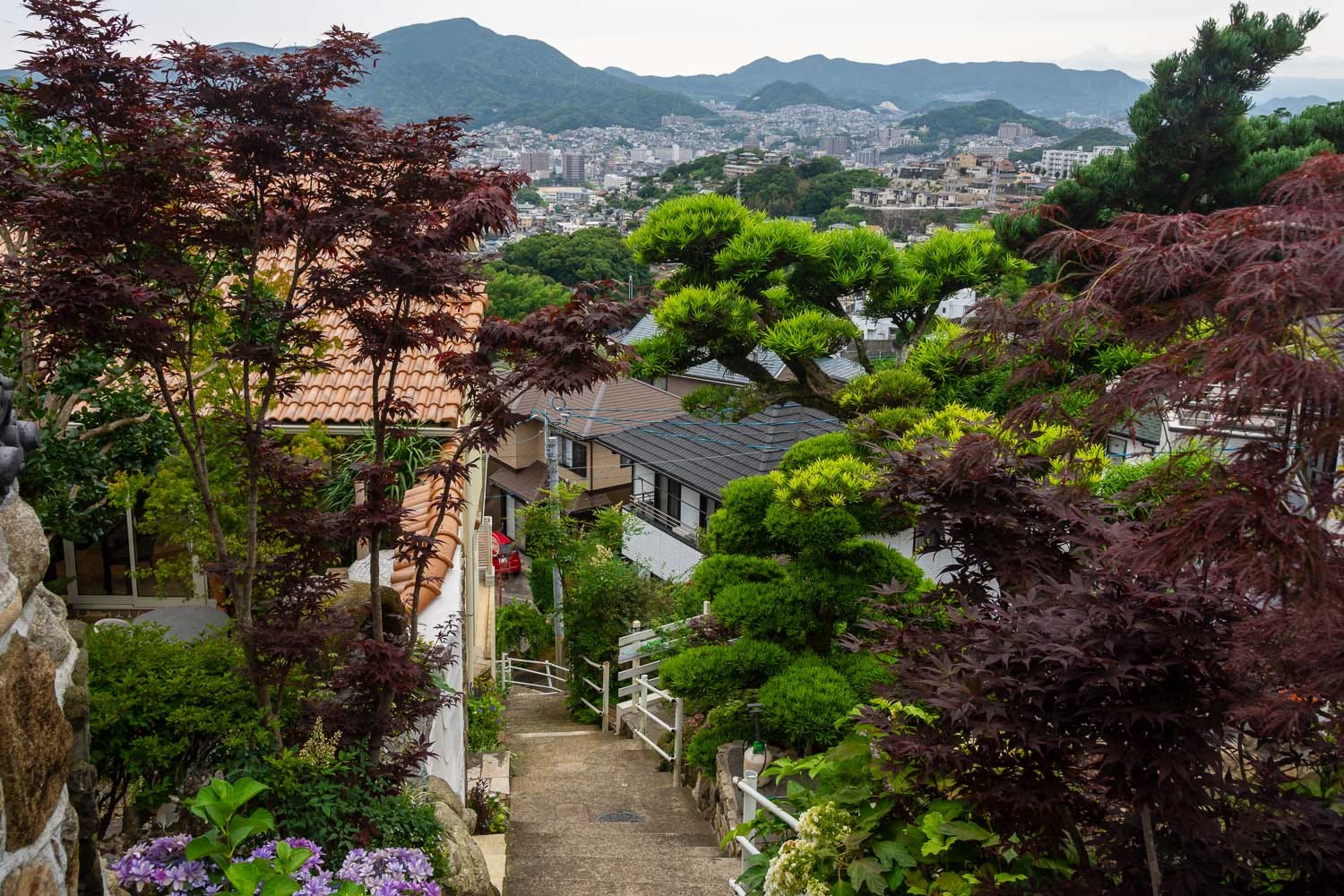
Nagasaki is unlike any other city in Japan. For centuries, it was the only place in the country where foreign trade and contact with the outside world were permitted. Portuguese missionaries, Dutch merchants, and Chinese traders all left their mark on the city in ways that are still visible today: in its architecture, its food, its festivals, and its particular sense of openness that sets it apart from cities that developed in more cultural isolation.
It also carries one of the heaviest histories of the twentieth century. The atomic bomb dropped on August 9, 1945, destroyed much of the city and ended tens of thousands of lives. Like Hiroshima, Nagasaki has rebuilt itself into a place that holds that history with dignity and purpose, and the peace memorial sites here carry a weight that is entirely their own.
But Nagasaki's identity runs deeper and wider than its wartime history. The city sits in a landscape of steep hills and natural harbor that makes it visually one of the most striking in Japan. Its food culture, shaped by centuries of foreign influence, produced dishes found nowhere else in the country. And its pace, relaxed and unhurried, gives it a character that travelers who take the time to find it rarely forget.
For travelers who want a Japan that rewards curiosity over efficiency, Nagasaki is one of the best answers the country has.
The neighborhoods and areas you should know
Urakami
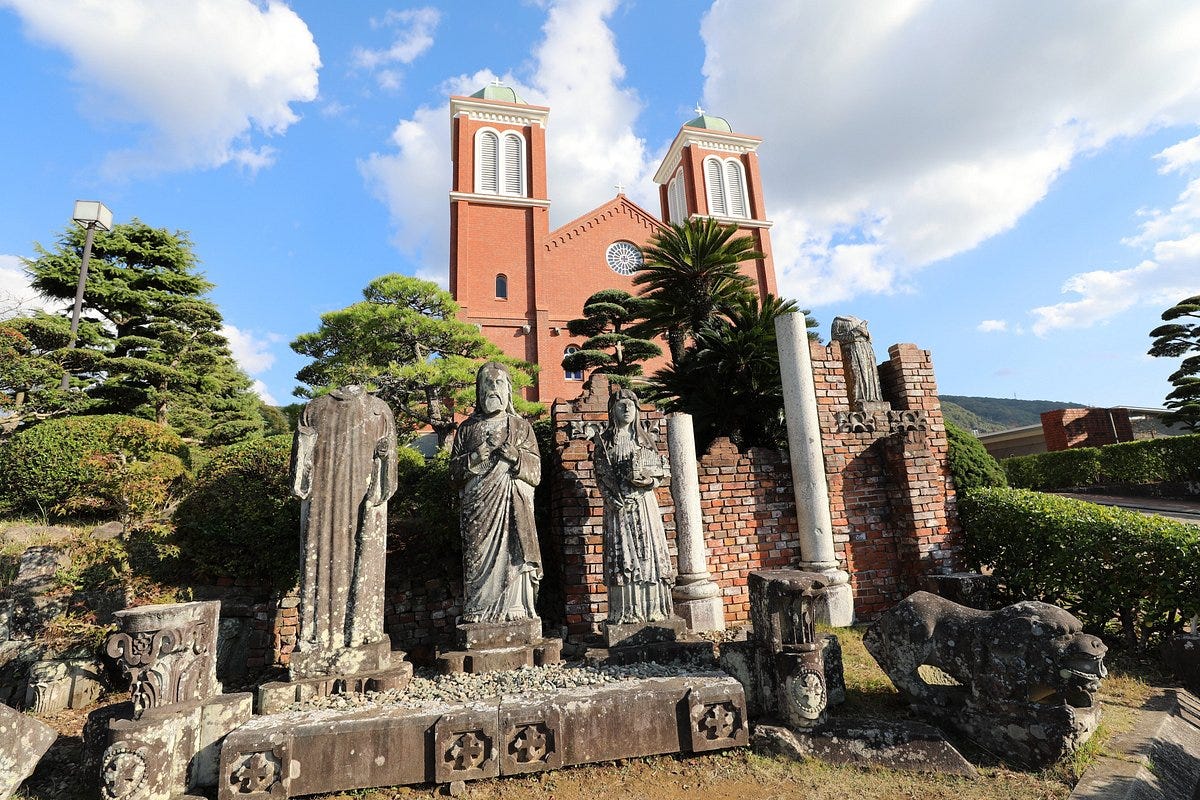
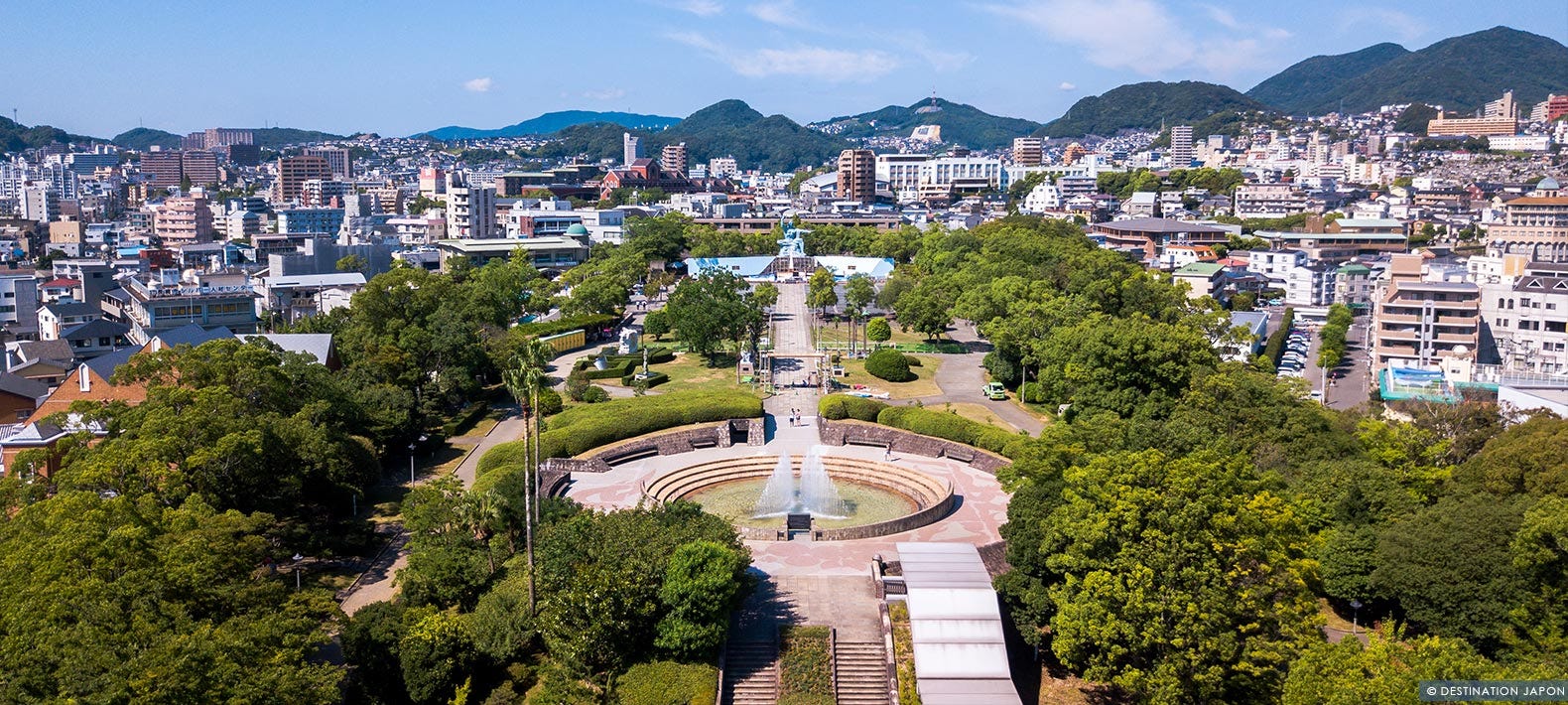
Urakami was the district closest to the hypocenter of the 1945 atomic bombing, and it carries that history in a way that is both sobering and deeply human. The Urakami Cathedral, rebuilt after the bombing and still an active place of worship for one of Japan's oldest Christian communities, stands as one of the most powerful symbols of the city's resilience. The Atomic Bomb Museum and the adjacent Peace Park are carefully designed spaces that document what happened on August 9, 1945, through survivor testimony, personal objects, and historical context. They are essential, and they deserve the same unhurried attention as Hiroshima's Peace Memorial Museum.
Dejima and the Waterfront
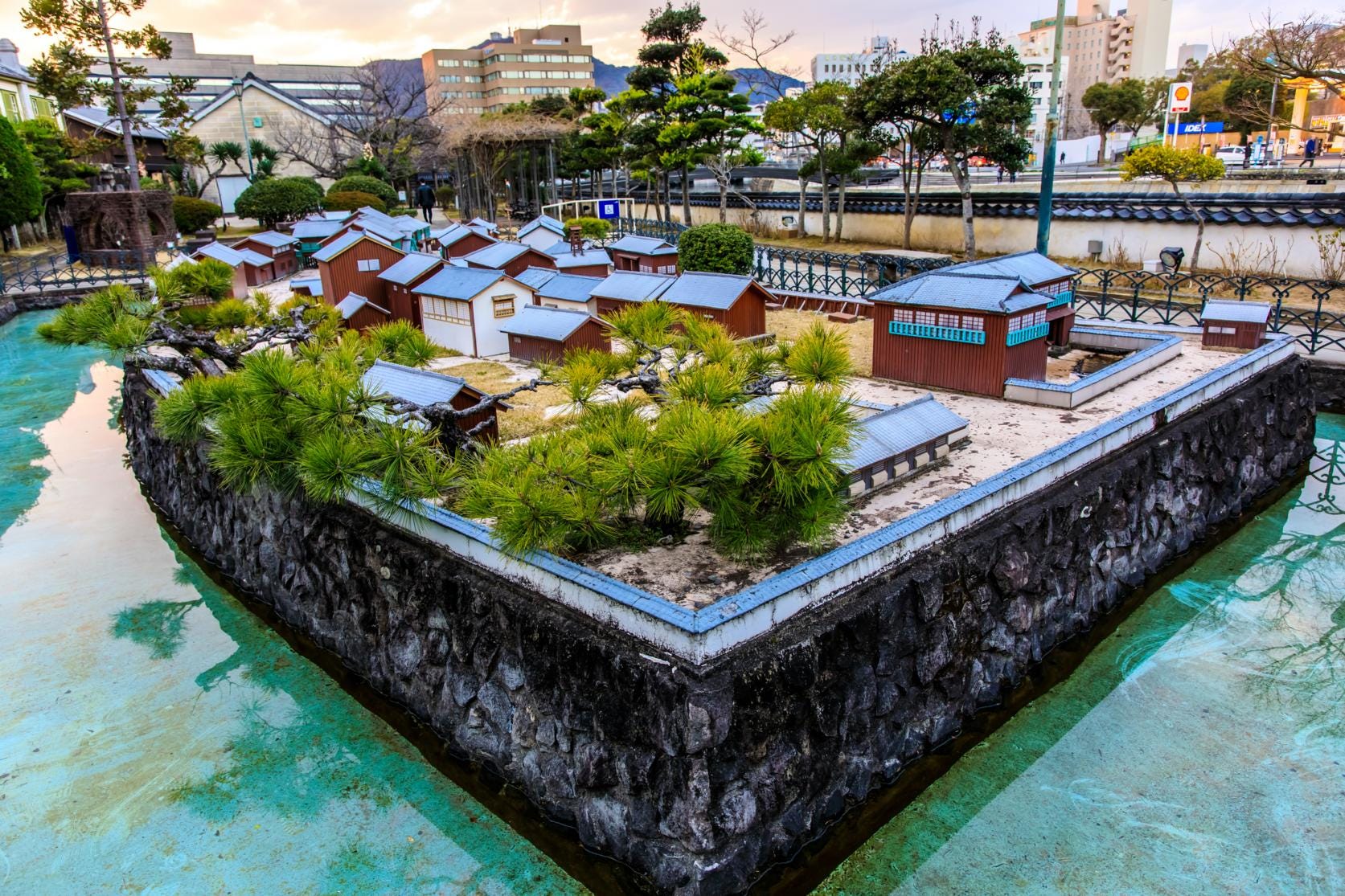
Dejima was the small artificial island in Nagasaki's harbor where Dutch traders were confined during Japan's period of national isolation, from the seventeenth to the mid-nineteenth century. For over two hundred years, it was the only point of contact between Japan and the Western world. The reconstructed Dejima is now a museum and historical district that brings that extraordinary period to life with genuine care. Walking through it is one of the most unexpectedly engaging historical experiences in western Japan.
The surrounding waterfront has been thoughtfully developed and makes for a pleasant evening walk, with views across the harbor and back toward the hills that ring the city.
Glover Garden
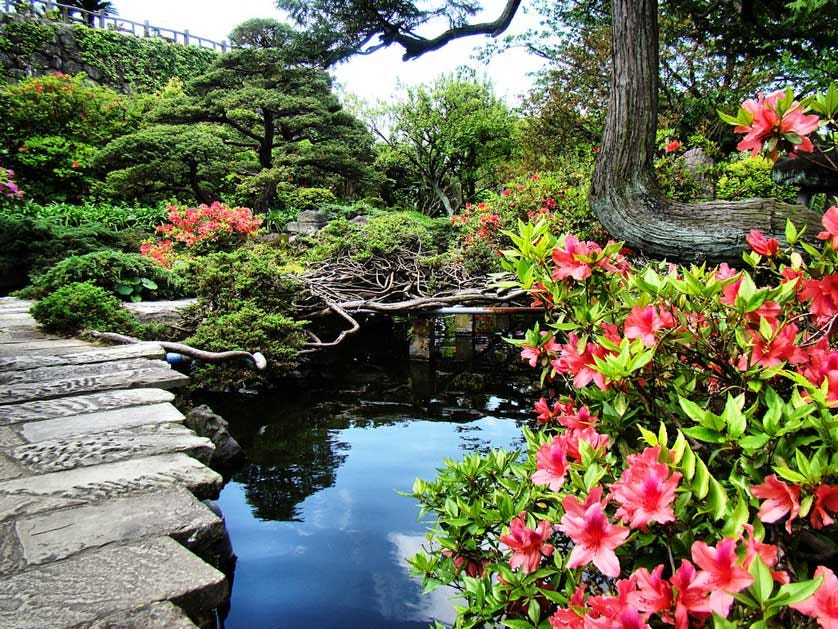
Perched on the hillside above the harbor, Glover Garden is a collection of Western-style residences built in the nineteenth century by foreign merchants who settled in Nagasaki during the Meiji period. The most significant is the Glover Residence, built in 1863 and the oldest Western-style wooden building still standing in Japan. The garden itself, with its terraced views over the harbor, is one of the most scenic spots in the city. It rewards a slow visit in the late afternoon, when the light over the water takes on a quality that is particular to Nagasaki.
Chinatown (Shinchi)
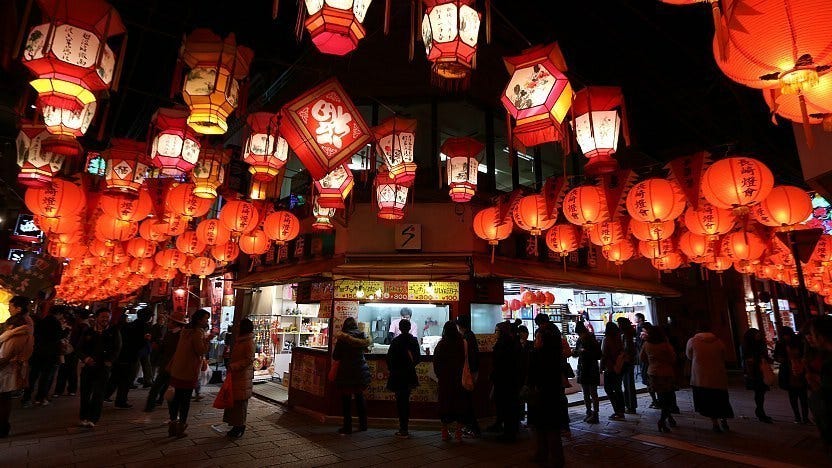
Nagasaki's Chinatown is one of the three oldest in Japan and reflects the city's centuries-long relationship with Chinese traders and settlers. It is compact but genuine, organized around a central street with restaurants, lantern-lined storefronts, and a character quite different from the Chinatowns found in other Japanese cities. The Lantern Festival held here each February, when thousands of lanterns illuminate the streets and the harbor, is one of the most spectacular seasonal events in Kyushu.
The hillside residential districts
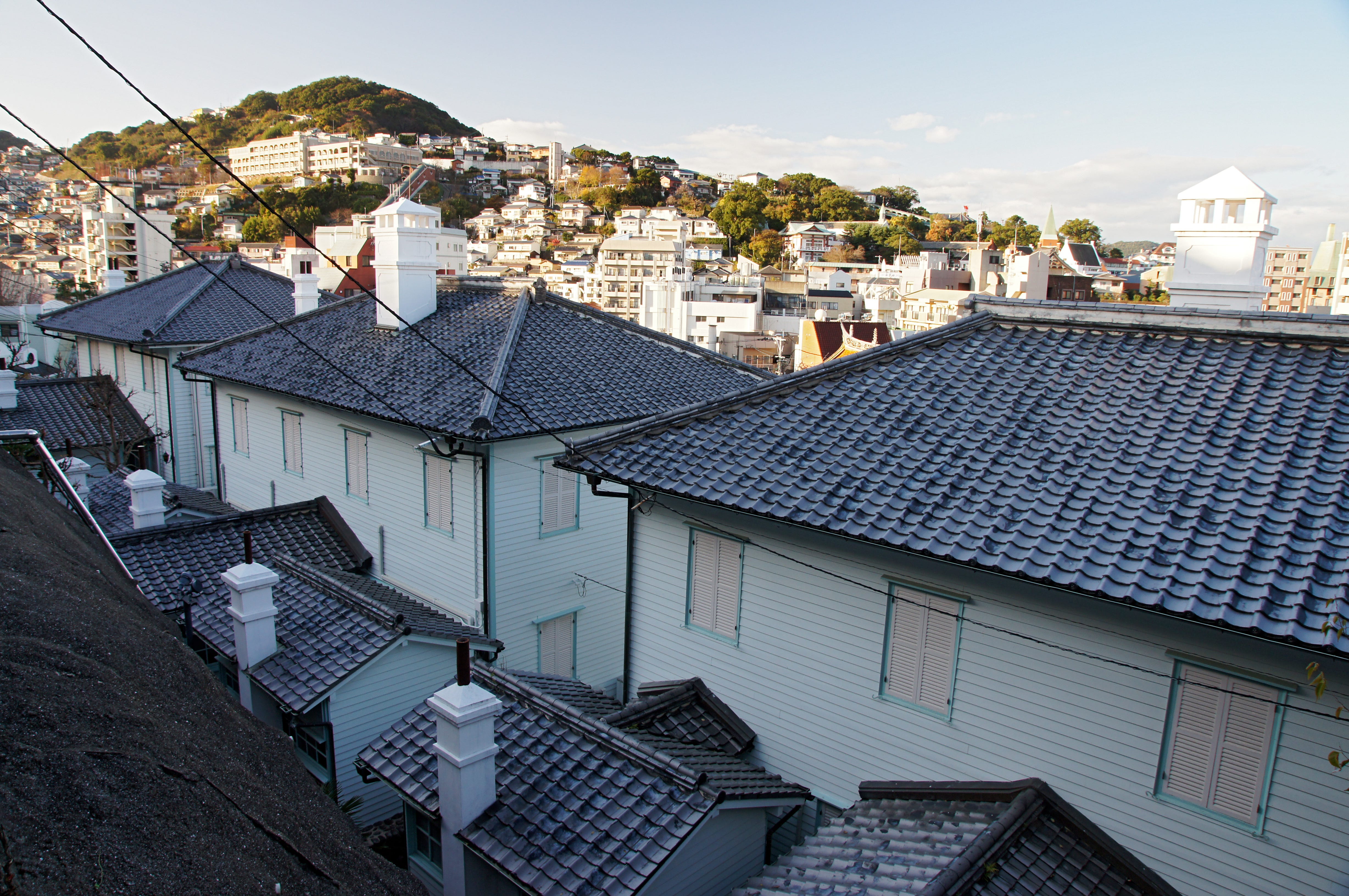
One of the most rewarding ways to spend time in Nagasaki is simply to walk uphill from the harbor through the residential neighborhoods that climb the surrounding slopes. The Higashiyamate and Minamiyamate districts, with their mix of old wooden houses, stone steps, and occasional Western-era buildings, offer a version of the city that most visitors never find. The views from the higher streets across the rooftops and down to the harbor are exceptional.
Experiences that define a visit to Nagasaki
The Atomic Bomb Museum
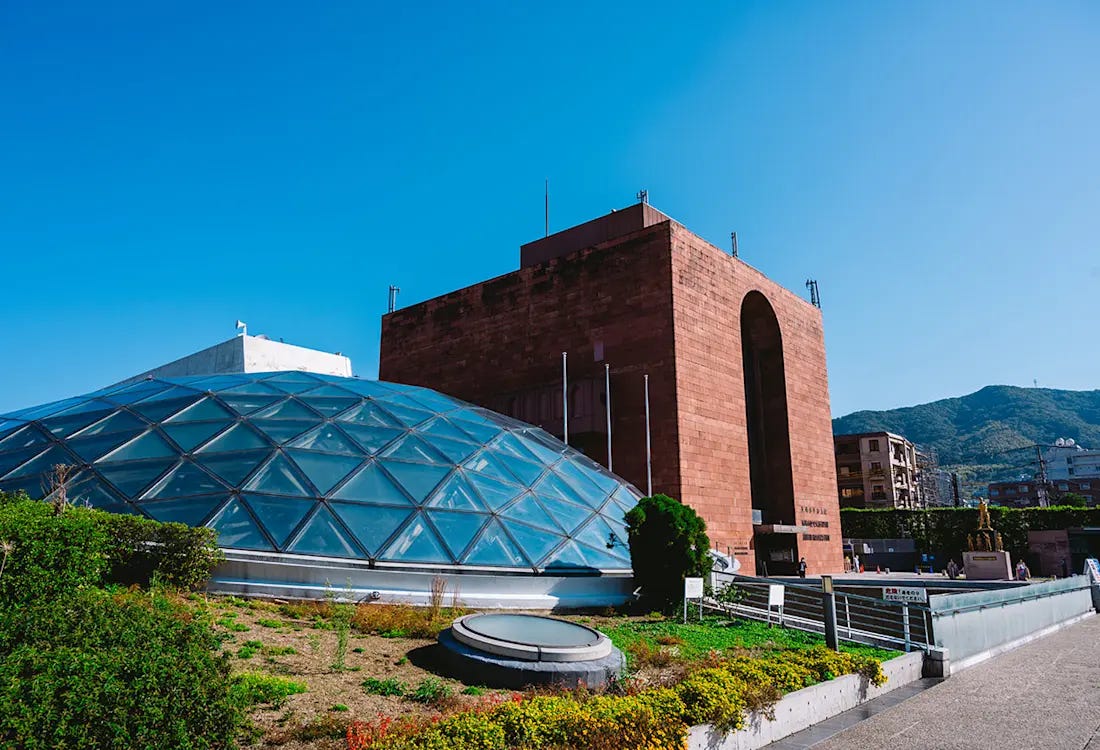
Nagasaki's Atomic Bomb Museum approaches its subject differently from Hiroshima's. Where Hiroshima's museum is organized around the sequence of events and their immediate human consequences, Nagasaki's places the bombing more explicitly in the context of the war, Japan's history of Christian persecution, and the particular character of the Urakami community that was at the epicenter. The result is a museum with a distinct and deeply considered perspective. Plan two to three hours and go without rushing.
Champon and Nagasaki's unique food culture
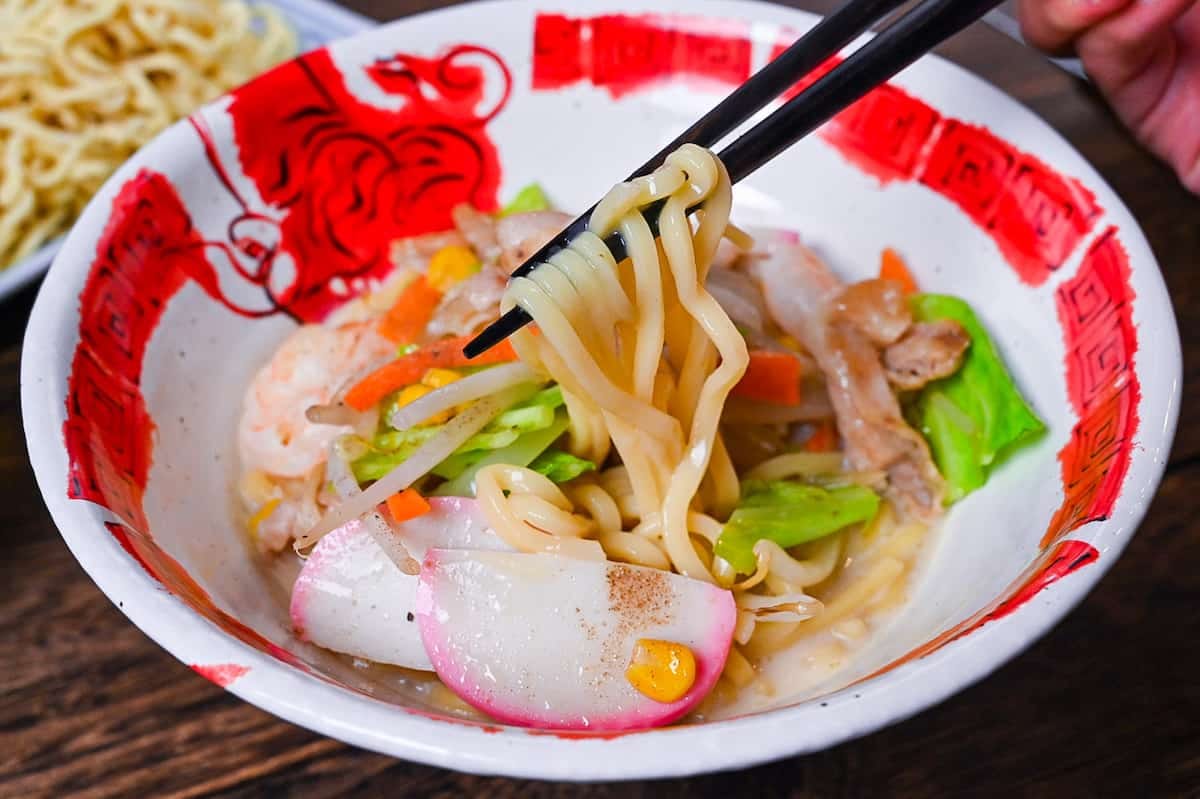
Nagasaki's food is unlike anything else in Japan. Centuries of trade with China and the Netherlands produced a culinary tradition that absorbed foreign influences and transformed them into something entirely local. Champon, a thick noodle soup made with pork, seafood, and vegetables in a rich broth, was created in Nagasaki and remains the dish most associated with the city. Sara udon, crispy noodles served with a similar topping, is its close companion. Castella, a dense Portuguese-influenced sponge cake that has been made in Nagasaki for over four hundred years, is the city's most famous sweet and worth eating at one of the long-established shops that still bake it according to traditional methods.
The view from Mount Inasa
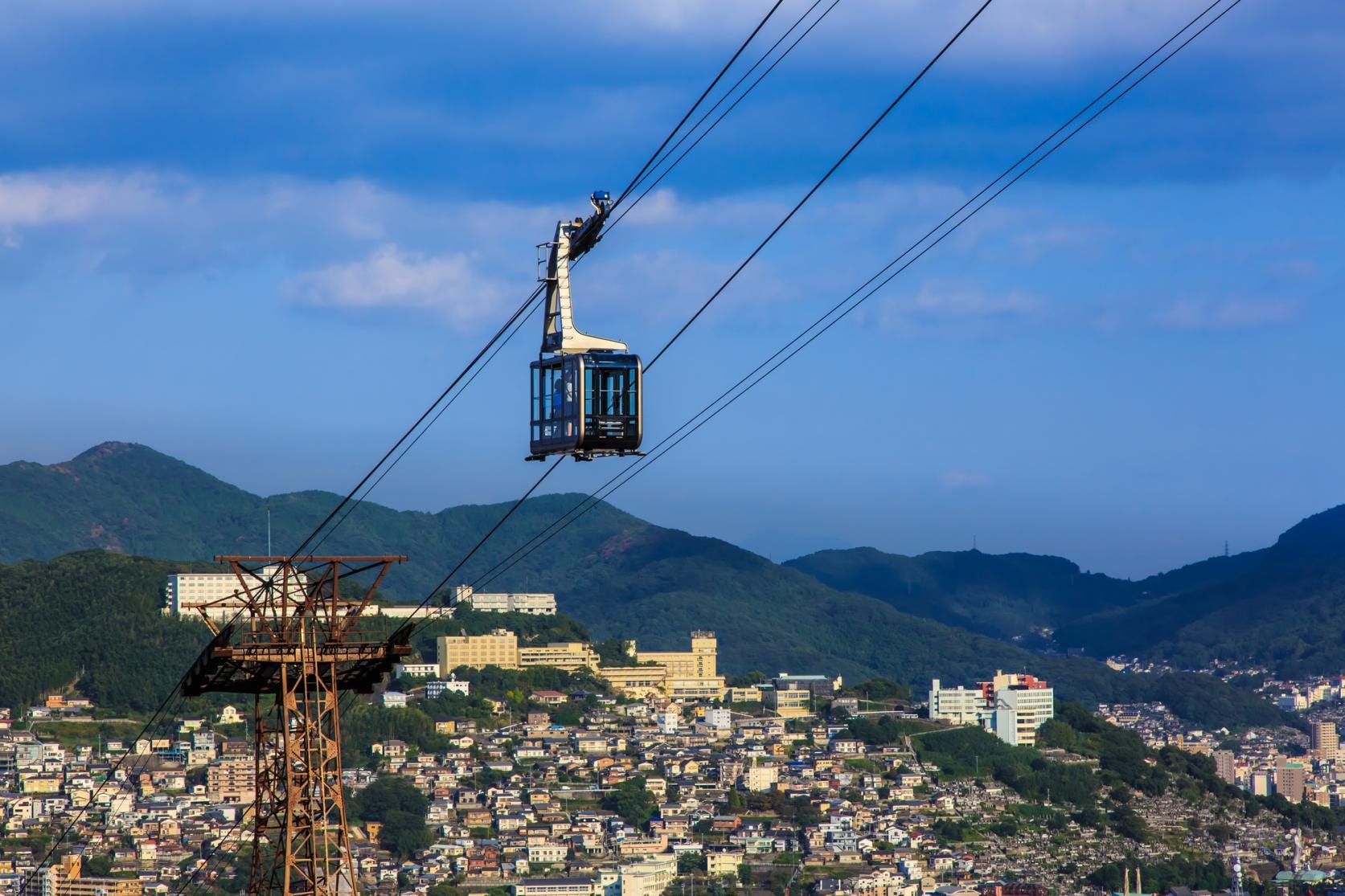
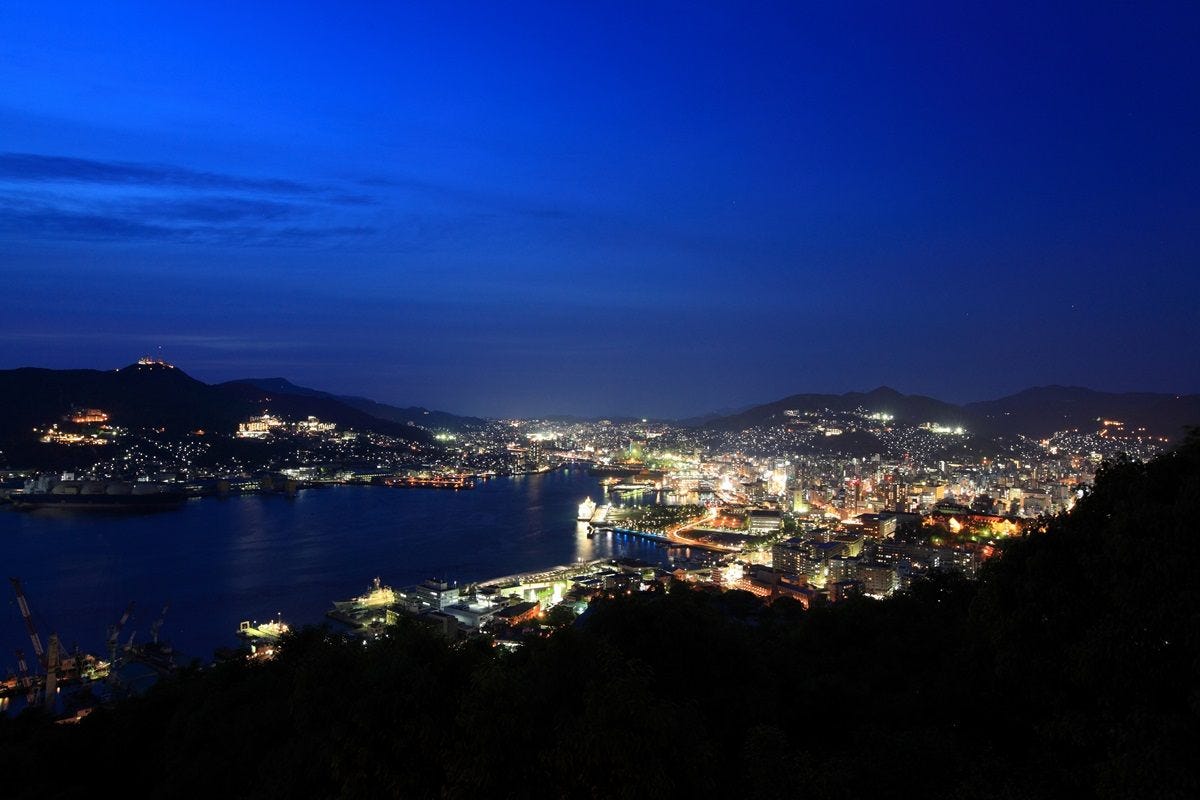
Nagasaki's harbor, set into a landscape of surrounding hills, is one of the most beautiful in Japan viewed from above. Mount Inasa, accessible by ropeway from the city center, offers a panoramic view that takes in the full sweep of the harbor, the city's districts spread across the hillsides, and on clear days, the islands of the surrounding sea. The view at dusk, as the city lights come on across the hills and the water turns dark, is consistently ranked among the most beautiful night views in Japan.
Hashima Island (Gunkanjima)
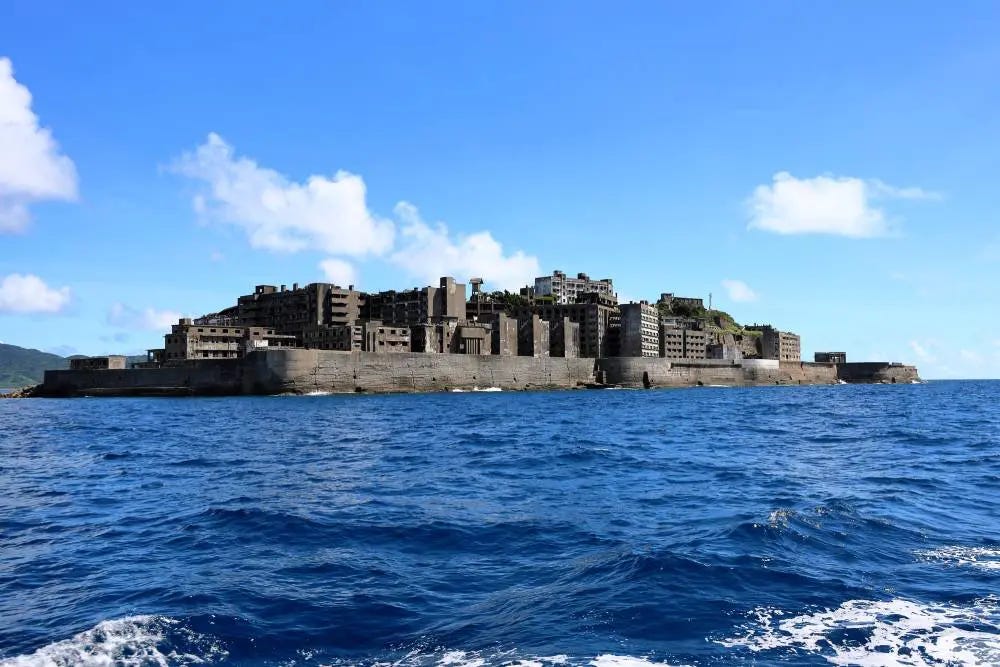
Hashima Island, known as Gunkanjima or Battleship Island for its distinctive silhouette, is one of the most extraordinary day trips in Japan. A former coal mining island that was abandoned in 1974 and left entirely intact, it is now a UNESCO World Heritage site accessible by ferry from Nagasaki. The concrete apartment blocks, industrial machinery, and infrastructure of what was once the most densely populated place on earth stand in various states of ruin, preserved by a combination of neglect and deliberate conservation. Tours run regularly from the port and take approximately three to four hours including the crossing. It is an unusual experience, and a memorable one.
Sofukuji Temple
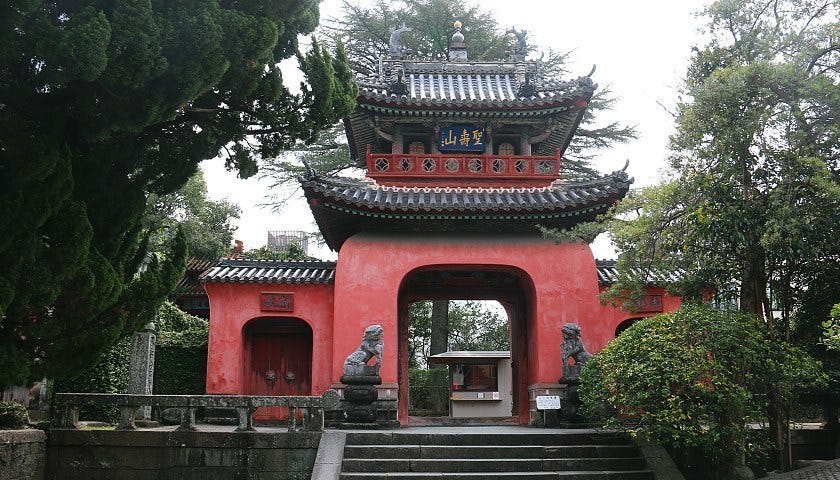
Built in 1629 by Chinese residents of Nagasaki, Sofukuji Temple is one of the finest examples of Ming Dynasty Chinese architecture in Japan. It looks and feels like nothing else in the country: a series of ornate gates, courtyards, and halls built in a style that reflects the Chinese community that created it. It is one of the most undervisited significant temples in Japan, which makes a visit feel like a genuine discovery.
When to visit Nagasaki
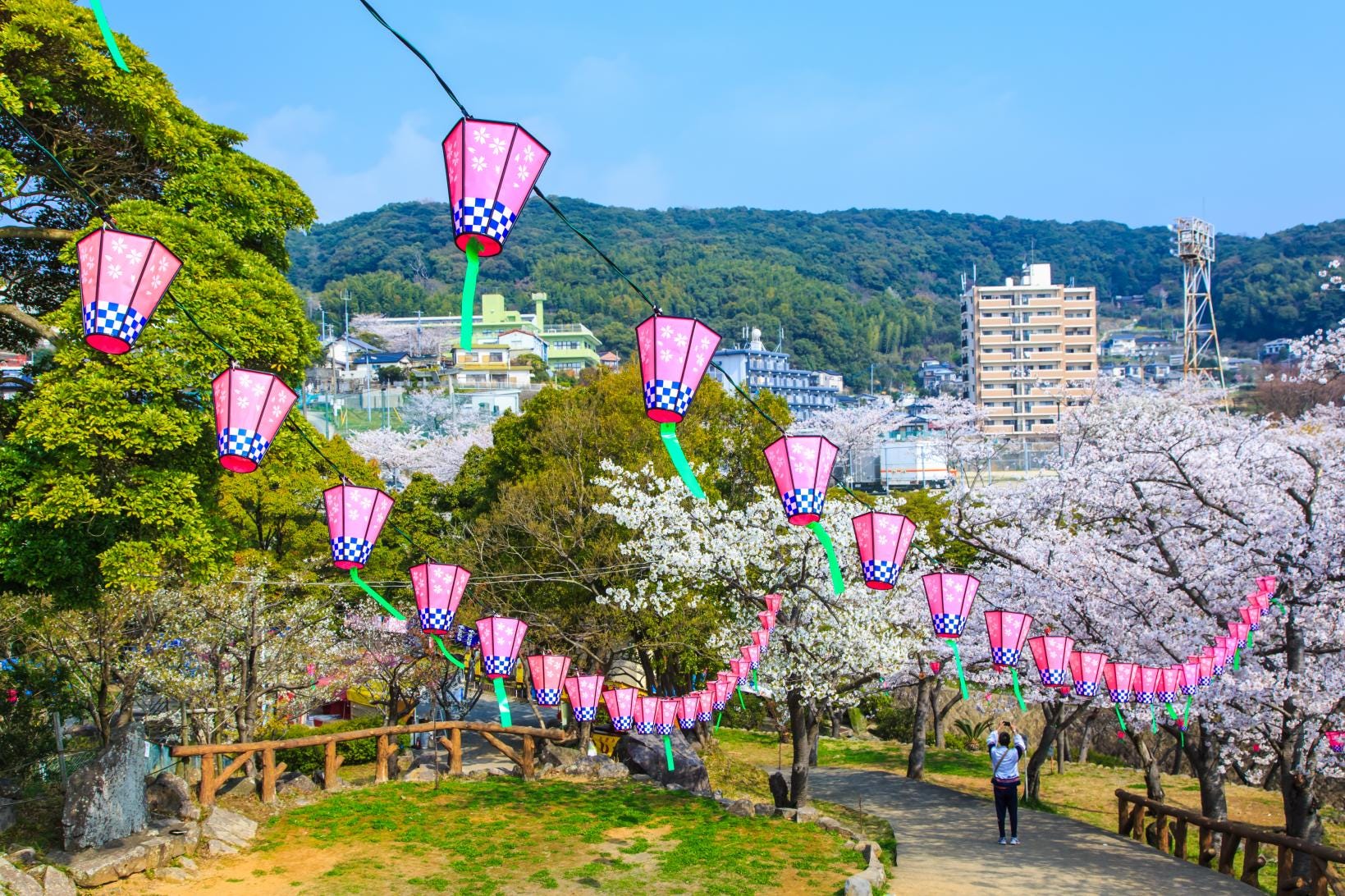
Nagasaki is a year-round destination, with meaningful differences between seasons.
🌸 Spring
Cherry blossom season brings the hillside parks and the grounds of Glover Garden into bloom in late March to early April. The city is busy but not overwhelmed. A good time to visit if you want warmth and color.
☀️ Summer
August 9th, the anniversary of the atomic bombing, is marked by the Peace Memorial Ceremony in the Peace Park. The city receives more visitors in the surrounding days. The Obon Lantern Festival in mid-August is one of the most atmospheric events in Kyushu.
🍂Autumn
October and November offer the most comfortable temperatures for walking the hillside districts and exploring the harbor area. Crowd levels are manageable and the city feels most like itself.
❄️ Winter
Nagasaki's Lantern Festival, held in February to celebrate the Lunar New Year, transforms the Chinatown district and much of the city center with thousands of illuminated lanterns. It is one of the most visually spectacular winter events in Japan and worth planning a visit around.
How many days to spend in Nagasaki
Two full days is the practical minimum: one for the Urakami district, the Atomic Bomb Museum, and Peace Park, and one for Dejima, Glover Garden, and the harbor area. This covers the essentials but leaves little room to breathe.
Three days is the right allocation for most visitors. It allows for a day trip to Hashima Island, time to walk the hillside residential districts at your own pace, and an evening in Chinatown without the sense that you are rushing.
Nagasaki is a city that reveals itself slowly. It does not announce its best qualities immediately. The longer you stay, the more layers it shows you, and the harder it becomes to leave.
Practical information for visitors
Nagasaki essentials
Currency: Japanese yen (JPY). Cards are accepted at hotels and most restaurants, but carry cash for smaller shops and the traditional castella bakeries.
Language: Japanese. English signage is available at the major attractions and at the tram stops. Translation apps handle most situations well.
Getting around: Nagasaki has a tram network that covers the main visitor destinations efficiently and cheaply. The hillside districts require walking, often up steep stone steps, which is part of the experience.
To Hashima Island: Authorized tour operators run ferries from Nagasaki Port. Booking in advance is recommended, particularly in spring and autumn. Landing on the island depends on weather and sea conditions.
Internet: A Japan eSIM is recommended. Coverage is reliable throughout the city.
Safety: Nagasaki is a safe, well-organized city with very little risk for travelers. Standard precautions apply.
Tipping: Not practiced in Japan. As in all Japanese cities, tipping is not expected and not necessary.
How Nagasaki fits into a broader Japan itinerary
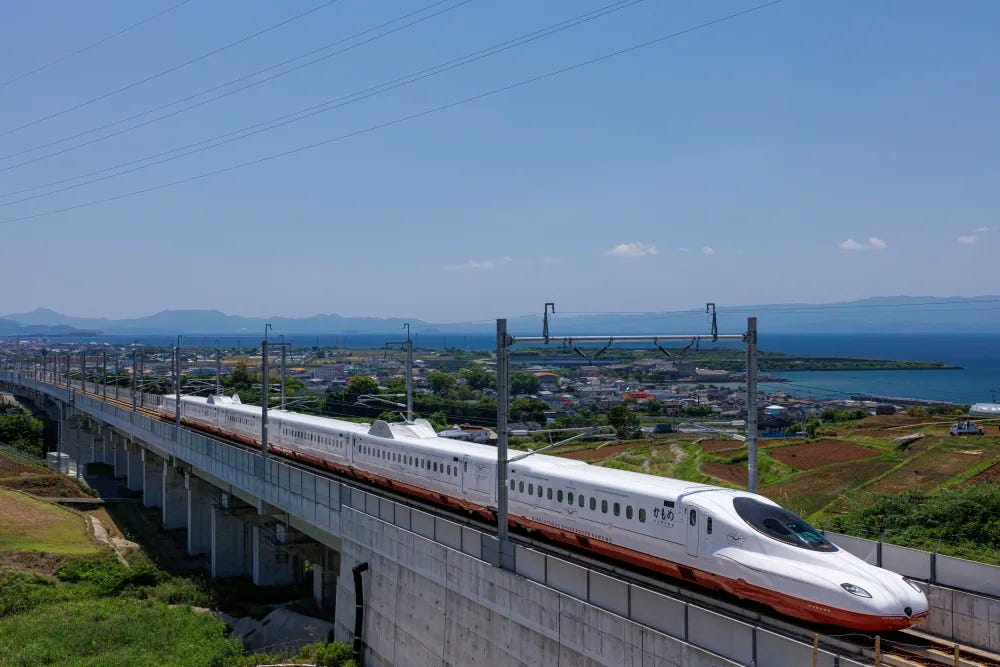
Nagasaki sits at the western edge of Kyushu, Japan's southernmost main island, and connects most naturally with the rest of Kyushu rather than with the classic Honshu circuit. From Fukuoka, the journey by Shinkansen and limited express takes approximately two hours. From Hiroshima, the connection via Fukuoka adds approximately three and a half to four hours of travel.
The most natural pairing for Nagasaki is a Kyushu circuit: Fukuoka for food and energy, Nagasaki for history and cosmopolitan character, and Kagoshima or Beppu for natural landscapes and hot springs. For travelers with three weeks or more in Japan, adding Kyushu to an itinerary that covers the main Honshu destinations transforms a good trip into an exceptional one.
Nagasaki and Hiroshima are also frequently paired together by travelers who want to engage seriously with Japan's wartime history. The two cities approach the same period from different angles and different cultural contexts, and visiting both in sequence offers a depth of understanding that neither provides alone.
Frequently asked questions
Is Nagasaki worth visiting beyond its wartime history?
Yes, significantly so. Nagasaki is one of the most historically layered cities in Japan, with centuries of Chinese, Dutch, and Portuguese influence visible in its architecture, food, and culture. The Atomic Bomb Museum and Peace Park are important, but they are one part of a city with far more to offer.
How long do you need in Nagasaki?
Two full days covers the essentials. Three days allows for a day trip to Hashima Island, time to walk the hillside districts, and a proper experience of the city's food culture. If you are combining Nagasaki with Hiroshima on a history-focused itinerary, allow at least two full days in each city.
What is champon and where should you eat it?
Champon is Nagasaki's signature noodle dish: thick noodles in a rich pork and seafood broth, topped with vegetables and shellfish. It was created in Nagasaki in the late nineteenth century by a Chinese restaurant owner and has been a local staple ever since. The best places to eat it are the long-established restaurants in and around Chinatown and the Dejima waterfront area.
What is Hashima Island and is it worth visiting?
Hashima Island, or Gunkanjima, is an abandoned coal mining island accessible by ferry from Nagasaki. Uninhabited since 1974 and now a UNESCO World Heritage site, it preserves an entire industrial community frozen at the moment of its abandonment. Tours run regularly and take three to four hours. It is one of the more unusual and memorable experiences available as a day trip anywhere in Japan.
How does Nagasaki compare to Hiroshima?
Both cities carry the weight of the 1945 atomic bombings and both have rebuilt themselves with remarkable purpose. Hiroshima is more often visited and slightly easier to incorporate into a standard Japan itinerary. Nagasaki offers more cultural layering, a more dramatic landscape, and a sense of discovery that comes from being genuinely off the main tourist circuit. Visiting both rewards the traveler more than either does alone.
How do you get to Nagasaki from Fukuoka or Hiroshima?
From Fukuoka: approximately two hours by Shinkansen to Shin-Tosu then limited express, or by direct limited express from Hakata Station. From Hiroshima: take the Shinkansen to Fukuoka and connect from there, totaling approximately three and a half to four hours.
Plan your Nagasaki trip with AERIA Voyages
Every traveler's ideal Japan itinerary looks different depending on the time available, the destinations that matter most, and the kind of experience you are hoping to have. I help clients build trips that go beyond the standard circuit, whether that means a Kyushu exploration, a stay in a traditional ryokan, or a cruise extension through the waters of western Japan.
If you are planning a trip to Japan and want to talk through the options, I would be glad to help.
Yvan Junior Blanchette
Travel Advisor & Cruise Specialist
ÆRIA Voyages📩 yvanblanchette@aeriavoyages.com
📞 1-888-460-3388
🌐 aeriavoyages.com