

The Ultimate OKINAWA Travel Guide: What to Know, Where to Go, and How to Make the Most of your Visit
Destination guide · Updated 2026 · Japan · First-time visitors · In-depth travel

Okinawa is not the Japan most travelers picture when they plan a trip to the country. There are no bullet trains, no temple districts, no neon-lit urban canyons. What there is instead is something rarer: a subtropical archipelago with its own distinct culture, language, history, and natural beauty that exists nowhere else on earth.
This guide covers the islands worth knowing, the experiences that define the region, the practical details you need before you go, and how to plan the right amount of time for the kind of trip you want.
Table of Content
🎙️LISTEN TO THE BEYOND THE HORIZON PODCAST

Why Okinawa is worth visiting
Okinawa occupies a category of its own within Japan. Geographically closer to Taiwan than to Tokyo, it is the southernmost prefecture in the country and the heart of the Ryukyu archipelago, a chain of more than 150 islands stretching across the East China Sea. For centuries it existed as the independent Ryukyu Kingdom, with its own royal court, its own traditions, and its own deeply rooted culture that absorbed influences from China, Japan, and Southeast Asia without becoming any of them.
The result is a destination that feels genuinely different from mainland Japan. The architecture, the music, the martial arts, the cuisine, the spiritual practices, all carry a Ryukyuan identity that is distinct and worth engaging with seriously. Okinawa also happens to have some of the most beautiful water in Asia: coral reefs, white sand beaches, and a clarity of sea color that draws divers and snorkelers from around the world.
It is also, notably, one of the world's designated Blue Zones, the regions where people consistently live longer than average. Okinawa's combination of diet, community, and pace of life has been studied extensively, and something of that quality is still perceptible in the way the islands feel to move through.
For travelers who want a Japan that is warm, unhurried, and unlike anything else in the country, Okinawa is the answer.
The islands and areas you should know
Naha and the Main Island (Okinawa Honto)
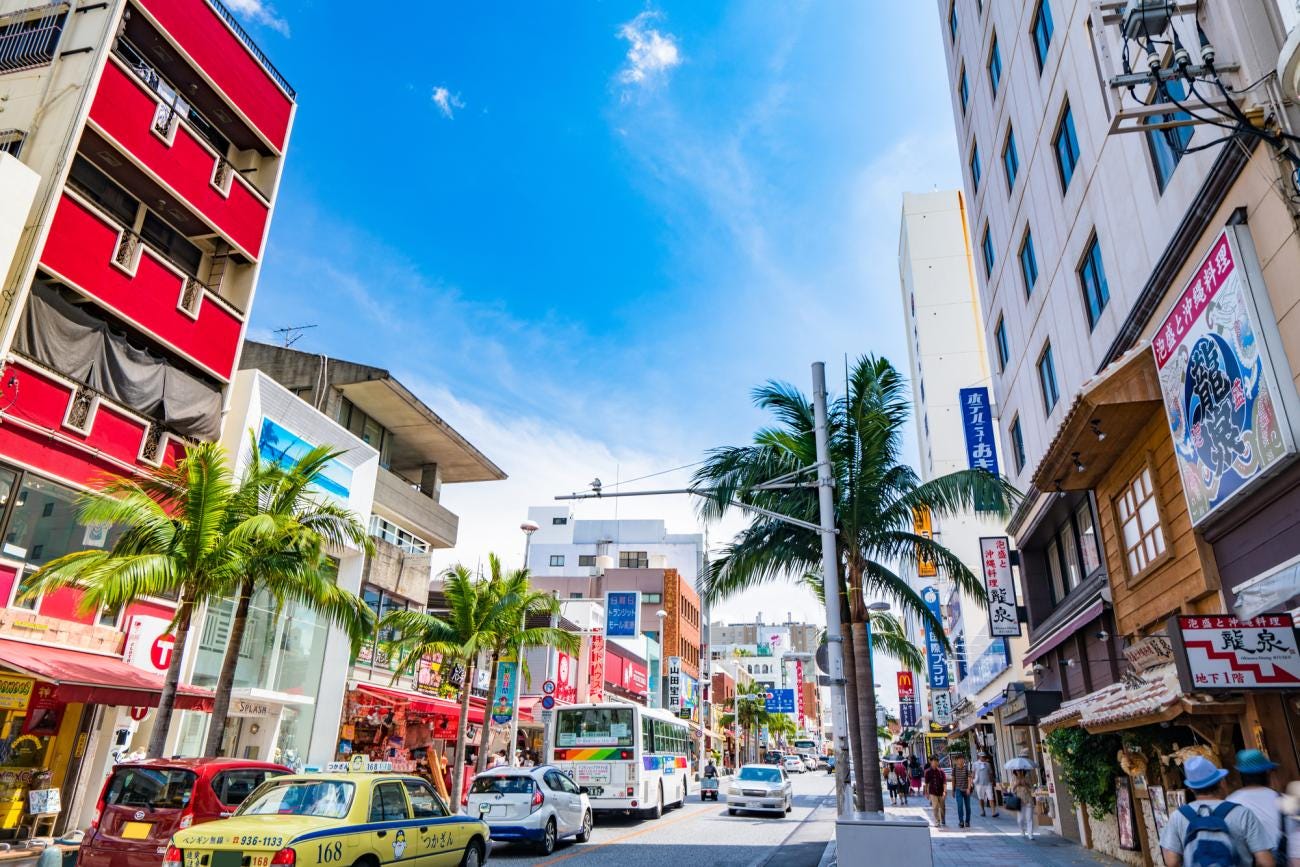
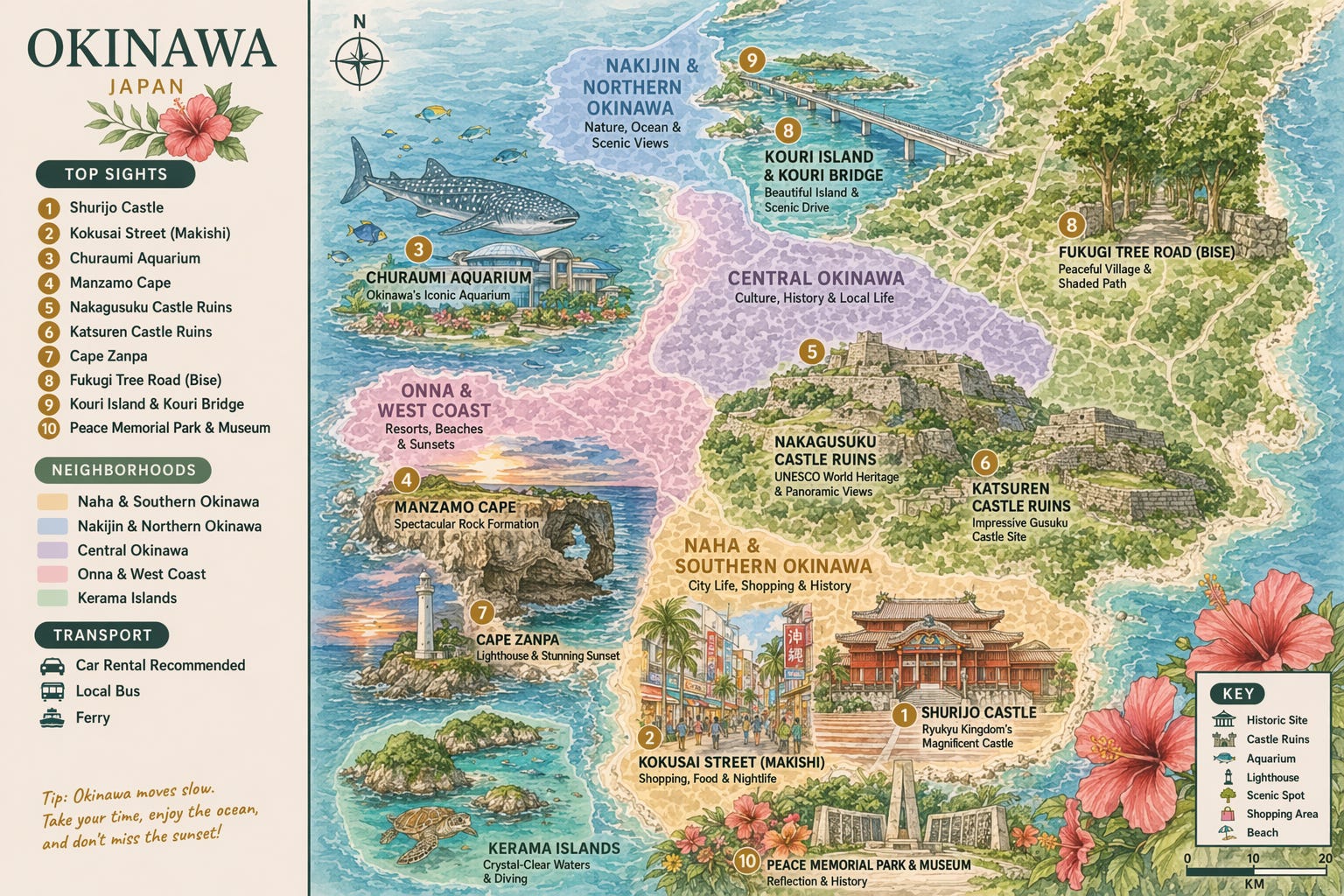
Naha is Okinawa's capital and the main entry point for most visitors. Kokusai Dori, the city's principal commercial street, runs through the center and is lined with restaurants, craft shops, and markets selling local textiles, awamori (the traditional Okinawan spirit), and the distinctive Ryukyu glassware made from recycled materials. It is busy but worth walking slowly.
The real heart of Naha, however, is the Makishi Public Market, a covered market where the ground floor sells fresh fish, pork, and local produce in a way that reflects how Okinawans actually eat. The second floor is lined with small restaurants where you can bring what you purchased below and have it cooked to order. It is one of the most engaging food experiences in Japan.
Shuri Castle
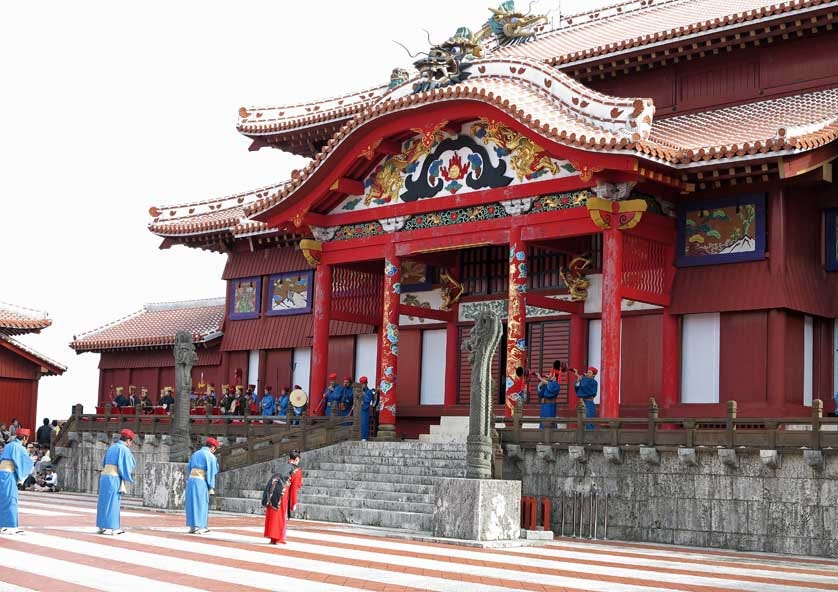
Shuri Castle, the former royal palace of the Ryukyu Kingdom, sits on a hill above Naha and represents the most tangible expression of Ryukyuan culture available to visitors. The castle was largely destroyed during the Battle of Okinawa in 1945, rebuilt in the 1990s, and then damaged again by fire in 2019. Restoration work is ongoing, but significant portions of the complex remain open and the site retains a power and beauty that the reconstruction does not diminish. The distinctive red lacquerwork and the architectural style, which combines Chinese and Japanese elements into something entirely Ryukyuan, are unlike anything on the mainland.
The Kerama Islands
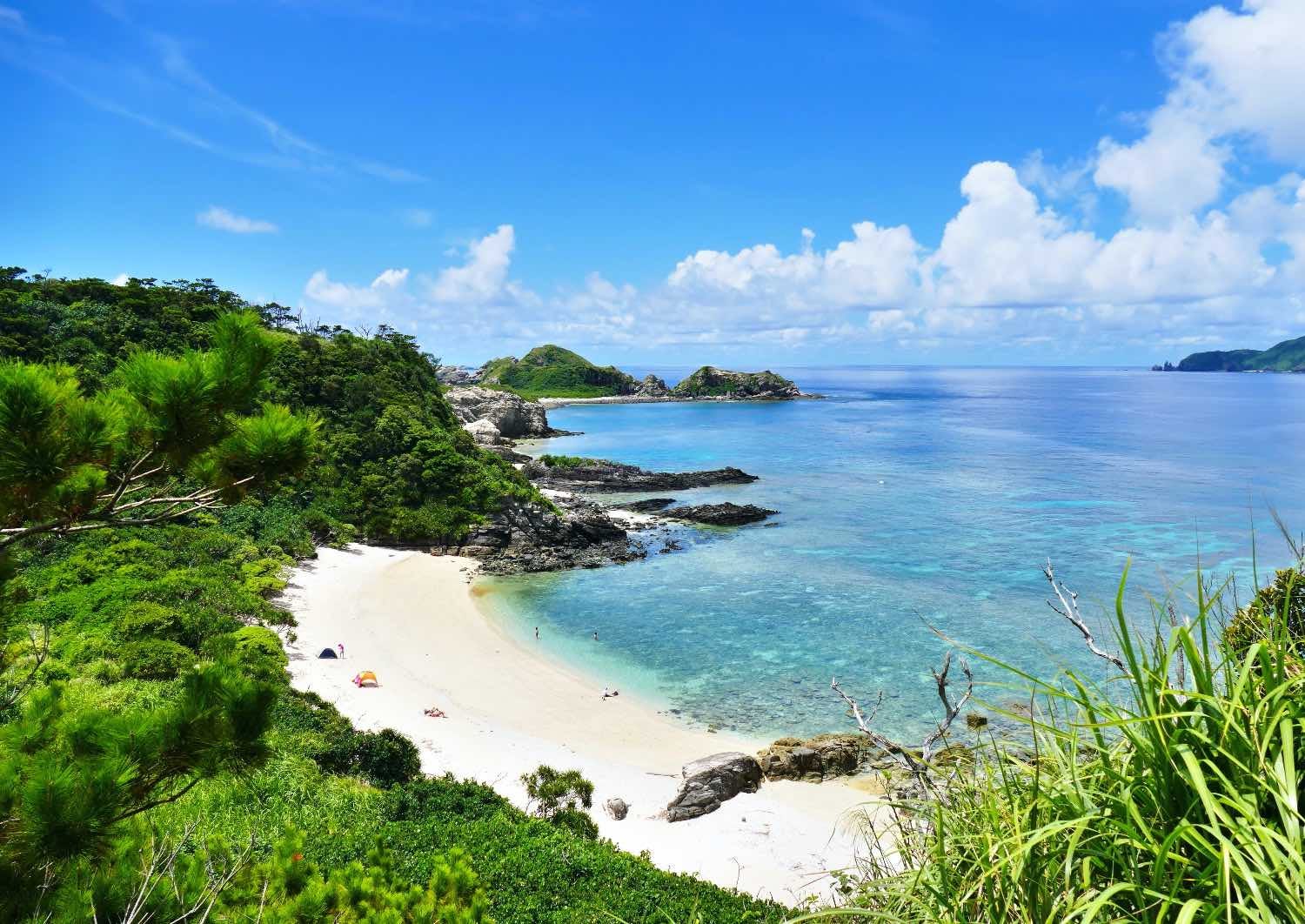
A short ferry ride from Naha, the Kerama Islands are among the most beautiful in Japan. Zamami and Tokashiki are the two most visited, with beaches of white coral sand and water so clear that the coral formations are visible from the surface. The Kerama Islands are considered some of the best diving and snorkeling spots in Asia, and the humpback whales that pass through the surrounding waters between January and March make for one of the most spectacular wildlife experiences in the region.
For travelers whose primary interest is the natural environment rather than cultural sites, the Keramas are the most compelling reason to come to Okinawa.
Yomitan and the Central Coast
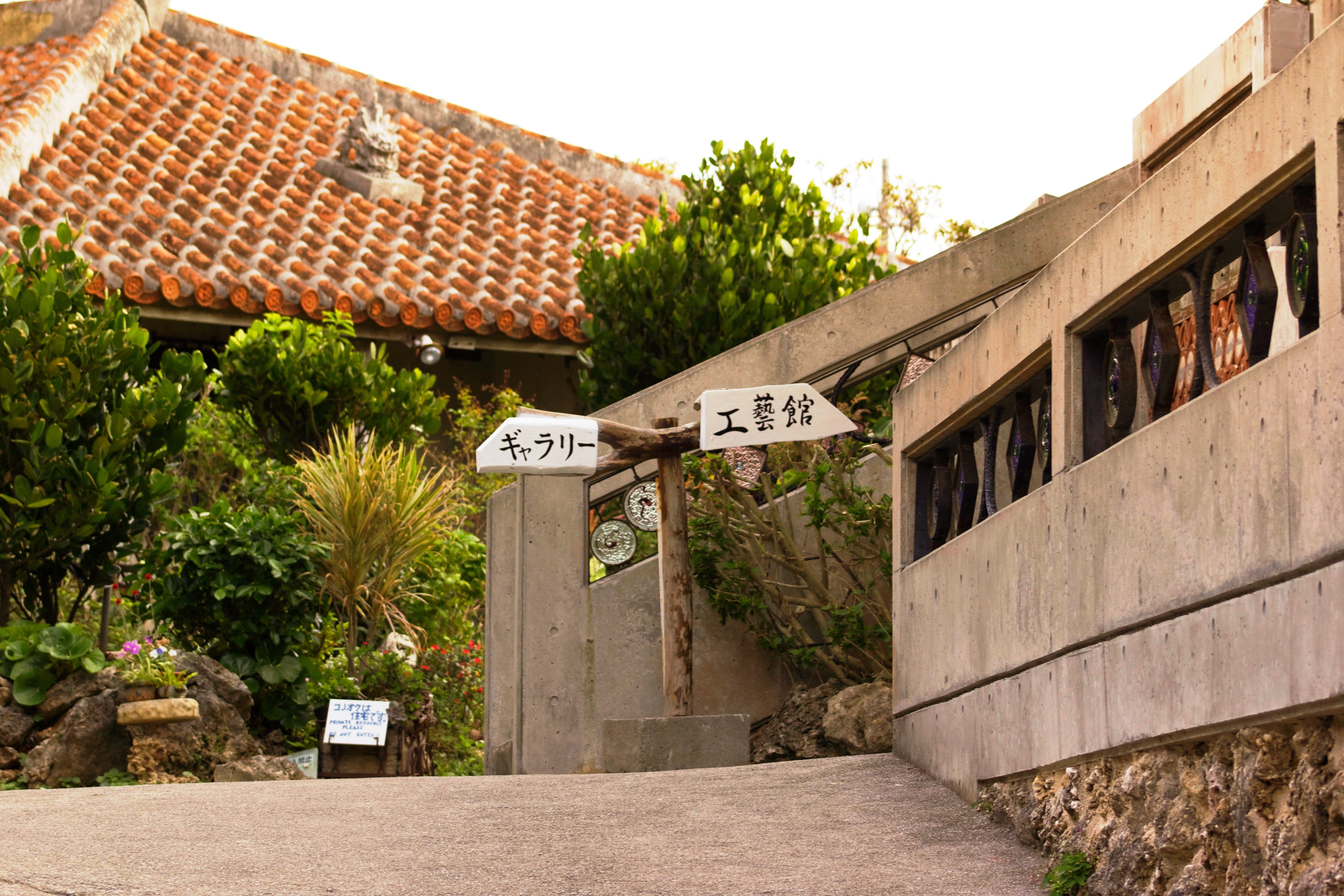
The central west coast of the main island, particularly around the village of Yomitan, is where Okinawa's craft traditions are most concentrated. Yomitan is home to master potters working in the Yachimun style, a distinctive Okinawan ceramic tradition, as well as weavers producing Ryukyu bingata, the brightly colored traditional textile that has been made on the islands for centuries. A morning spent visiting the workshops and kilns here is one of the most quietly rewarding experiences the main island offers.
Iriomote and the Yaeyama Islands
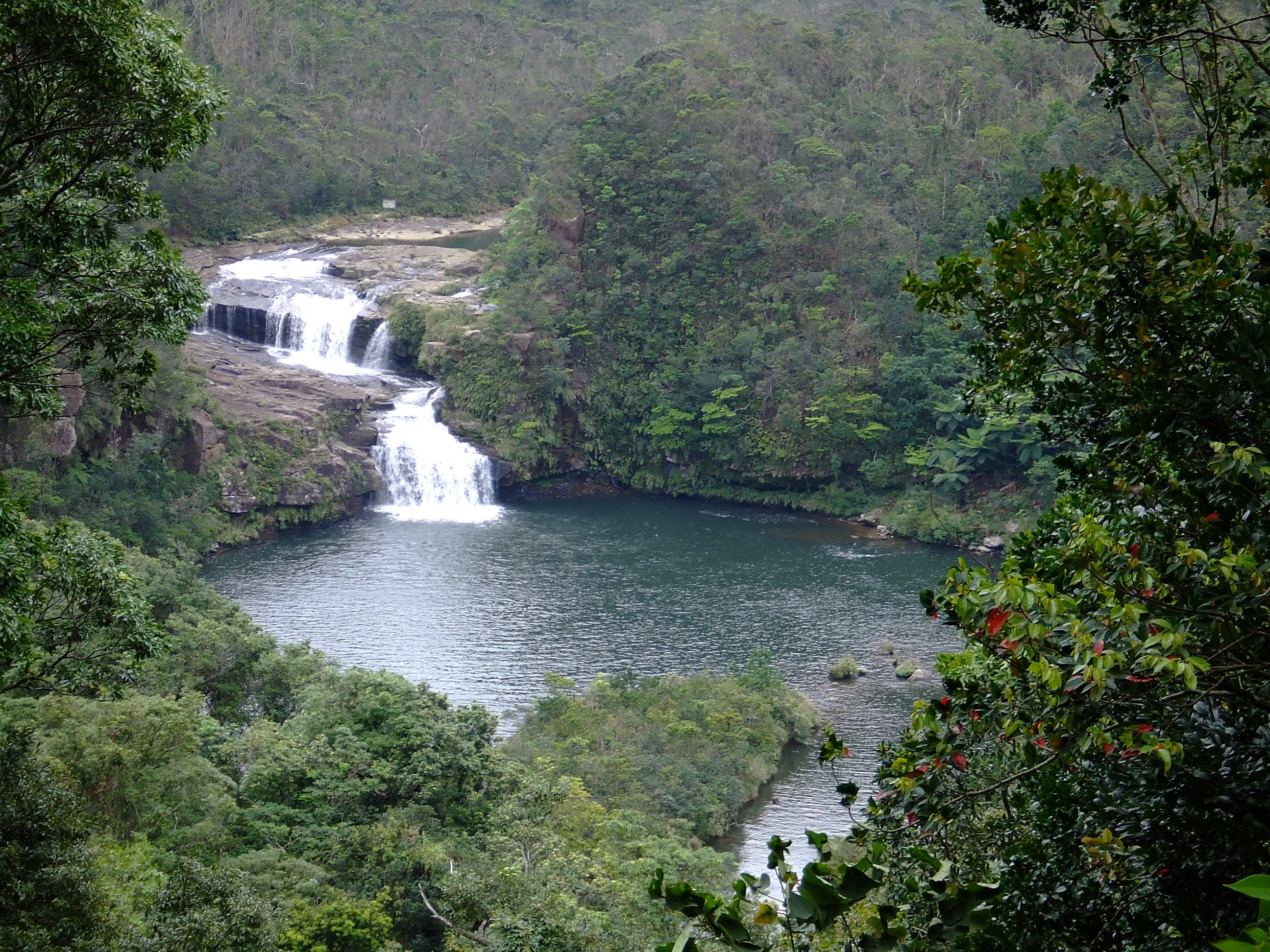
The Yaeyama Islands, at the far southwestern end of the Ryukyu chain, are the most remote and the most ecologically extraordinary part of Okinawa. Iriomote Island is covered almost entirely by subtropical jungle and mangrove forest, and its rivers and coastline are home to wildlife found nowhere else on earth, including the Iriomote cat, one of the world's rarest wild cat species. Ishigaki, the main hub of the Yaeyamas, has some of the finest coral reefs in Japan and serves as the access point for the surrounding islands. Taketomi, a tiny island of just a few hundred residents, preserves a traditional Ryukyuan village of whitewashed walls and red tile roofs essentially unchanged from a century ago.
The Yaeyamas require additional internal flights or ferries from Naha and a separate allocation of time, but they represent a completely different dimension of Okinawa that rewards the traveler willing to go further.
Experiences that define a visit to Okinawa
Okinawa offers a slower, more soulful way to travel, where each day unfolds between turquoise waters, warm sunshine, and a deeply rooted island culture. From quiet beach mornings to evenings filled with fresh seafood and local dishes like Okinawa soba, the experience blends relaxation with authenticity. It is a place where nature, tradition, and a simple joy of living come together effortlessly.

Diving and snorkeling

The waters surrounding the Okinawan archipelago contain some of the most biodiverse coral reef ecosystems in Asia. The Blue Cave on the main island’s western coast at Cape Maeda is the most famous single dive site: a partially submerged sea cave where sunlight refracts through the underwater entrance and turns the water inside an extraordinary electric blue. The Kerama Islands, about an hour from Naha by high-speed boat, are designated a National Marine Park and offer close to 100 dive sites, sea turtles sighted daily, and the clearest water in the prefecture. Even for non-divers, the snorkeling directly off many of the island beaches is exceptional.
Recommended Tours
Okinawa: Blue Cave Private Snorkeling Tour with Guide
Ryukyuan cuisine

Okinawan food is distinct from Japanese cuisine in ways that reflect the islands’ history and geography. Champuru, a stir-fry of bitter melon, tofu, egg, and pork, is the dish most associated with the islands and appears in variations across every restaurant on the main island. Rafute, slowly braised pork belly in awamori and soy, is rich and deeply flavored. The ubiquitous use of pork, in parts and preparations that mainland Japan rarely employs, reflects both Chinese influence and the Okinawan tradition of using the entire animal.
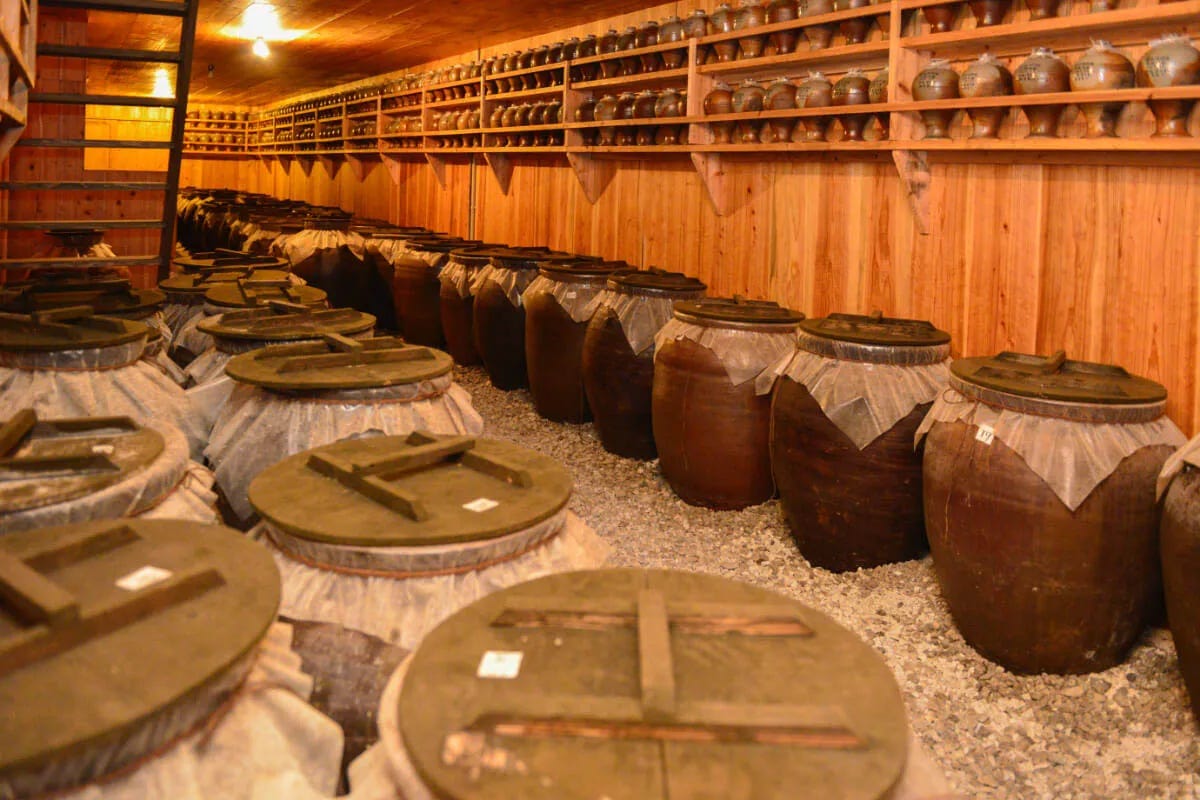
Awamori, the local distilled spirit made from Thai long-grain rice, accompanies most serious meals and differs substantially from sake or shochu. For an evening that combines all of this, a bar-hopping tour through Naha’s back-alley izakayas ends at a bar with live sanshin music and gives you more genuine Okinawan nightlife than most visitors ever find on their own.
Recommended Tours
The Ryukyu cultural arts and heritage

Okinawa’s traditional performing arts, including Ryukyuan dance and the music of the sanshin, a three-stringed instrument whose sound is inseparable from the islands’ identity, are worth seeking out deliberately. Performances are staged regularly in Naha and at several cultural venues across the main island. The sanshin’s sound, unlike anything in mainland Japanese music, carries the particular quality of Okinawa in a way that is difficult to describe and immediately recognizable once heard.
For visitors who want to engage more deeply with the Ryukyuan heritage, two experiences stand out. The Shikinaen Royal Garden, a UNESCO World Heritage Site in Naha, is a hillside estate once used by the Ryukyuan kings for diplomacy and retreat, designed in a style that fuses Chinese stone bridges and pavilions with a Japanese strolling garden layout, surrounded by native subtropical vegetation. A guided tour reveals the garden’s symbolism and its role in the kingdom’s history. The 12 Zodiac Temples of Shuri, connected by a network of backstreets that most visitors never find, are most enjoyably explored by electric bike with a local guide who knows where to go.
Recommended Tours
The Battle of Okinawa and its legacy
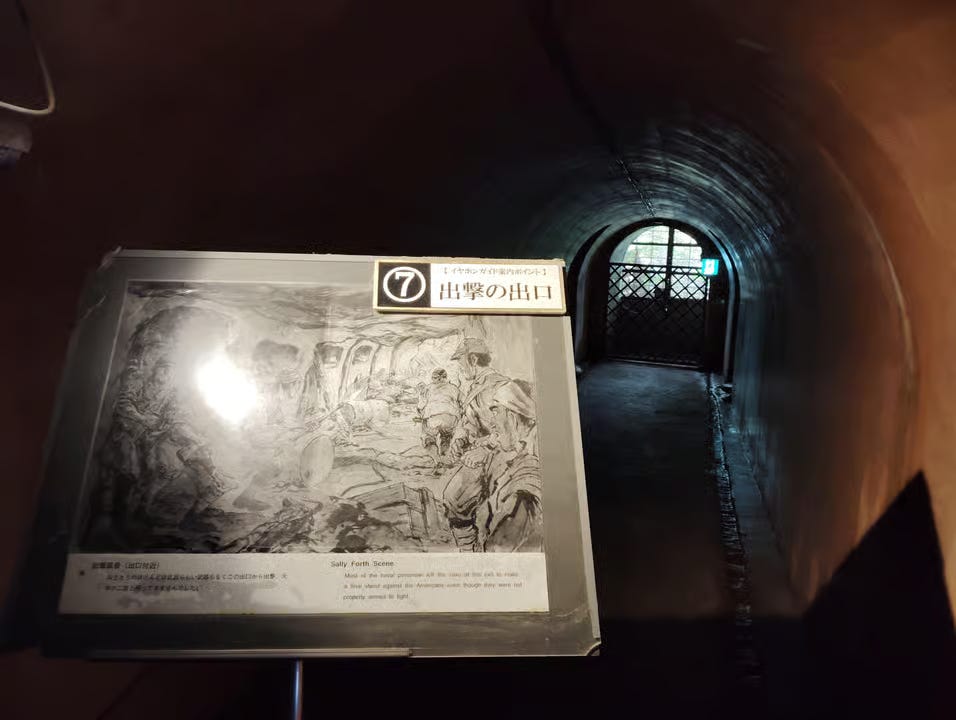
No honest account of Okinawa ignores what happened here in the spring of 1945. The Battle of Okinawa was one of the bloodiest engagements of the Pacific War, killing more than 150,000 civilians, roughly one third of the island’s population, alongside tens of thousands of Japanese and American soldiers. The scars of that battle are still part of Okinawan identity, and several sites allow visitors to engage with that history in a serious and moving way.
The Former Japanese Navy Underground Headquarters in Naha is an extensive bunker complex dug by the Japanese Navy in preparation for the American invasion. Walking through the dimly lit corridors of the reconstructed command center, where thousands of soldiers sheltered and many died, provides a dimension of Okinawa’s story that the beaches and the culture do not.
Recommended Tours
Naha: WWII Japanese Navy Underground Headquarters Guided Tour
Kaichu Road and the coastal drives

The main island’s coastal roads, particularly the stretch running north from Naha along the west coast, offer some of the most scenic driving in Japan. Kaichu Road, a causeway connecting the main island to the offshore island of Hamahiga, crosses open water for several kilometers and gives the impression of driving directly across the sea. The northern part of the main island, called Yanbaru, is covered by subtropical forest and is significantly less visited than the south, with hiking trails, waterfalls, and a pace of life noticeably slower than anywhere near Naha. A full-day guided tour of northern Okinawa, combining Nago Pineapple Park, the coastal scenery of Kouri Island, the Churaumi Aquarium, and Cape Manzamo at sunset, is the most efficient way to cover the best of the north without a rental car.
Recommended Tours
When to visit Okinawa
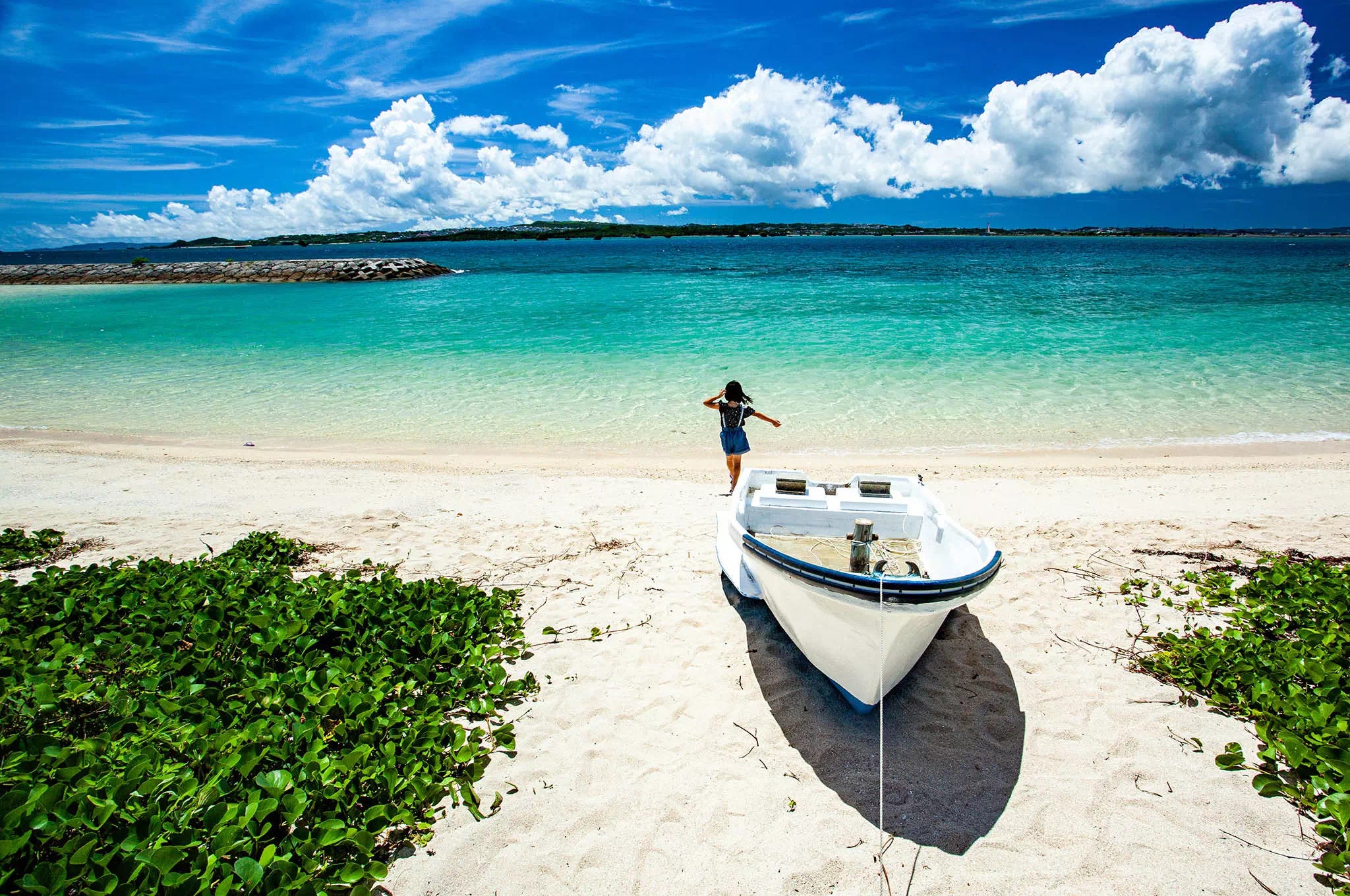
Okinawa's subtropical climate means it is warm year-round, but the seasons have meaningful differences.
❄️ Winter (December to February)
The coolest and driest period. Temperatures remain mild by mainland Japanese standards, rarely dropping below 15 degrees Celsius. January and February are the best months for whale watching in the Keramas. Fewer tourists than at any other time of year.
🌿 Spring (March to May)
Warm and increasingly humid. Cherry blossoms arrive earlier in Okinawa than anywhere else in Japan, typically in late January or early February. Spring is one of the best times to visit for a balance of comfortable temperatures and manageable crowds.
🌧️ Rainy Season (May to June)
The tsuyu rainy season brings persistent rain and high humidity for several weeks. Not the ideal time for beach activities, though diving visibility is generally unaffected.
☀️ Summer (July to September)
Hot, humid, and the peak beach season. Water temperatures are ideal for swimming and snorkeling. July and August are the busiest months, and typhoon season runs through September, which can affect travel plans with limited notice.
🪶 Autumn (October to November)
Warm and increasingly settled after typhoon season. One of the most pleasant times to visit, with good beach conditions, comfortable temperatures for exploring, and significantly fewer visitors than summer.
How many days to spend in Okinawa
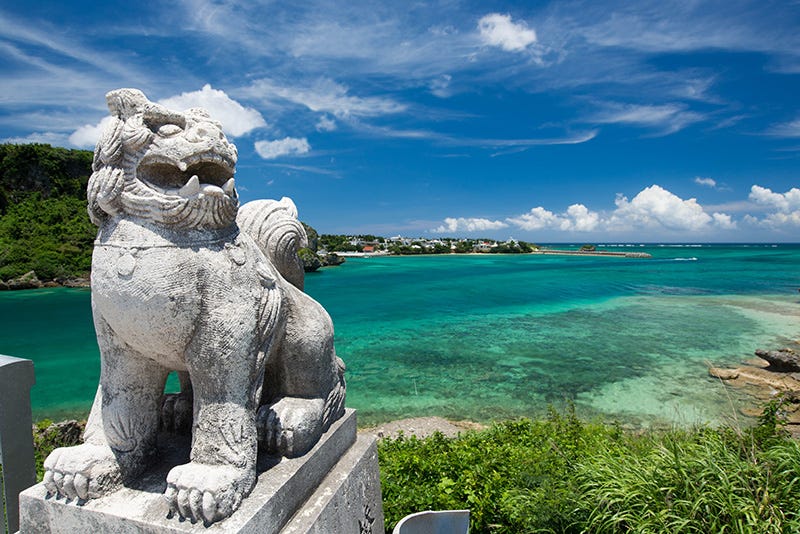
Three days on the main island covers Naha, Shuri Castle, the central craft villages, and at least one day on the Kerama Islands. This is a workable minimum for a first visit.
Five to seven days allows for a fuller experience of the main island, a proper stay on the Keramas, and time to move at Okinawa's natural pace rather than against it.
Adding the Yaeyama Islands, particularly Iriomote and Ishigaki, requires an additional three to four days and a separate internal flight. For travelers with a serious interest in diving, natural landscapes, or simply going further off the tourist circuit, the Yaeyamas justify the extra time entirely.
Okinawa is not a destination that rewards rushing. Its character is slow, warm, and deliberate. The more time you give it, the more it gives back.
Practical information for visitors
Okinawa essentials
Currency: Japanese yen (JPY). Cards are accepted at hotels and larger establishments, but carry cash for markets, smaller restaurants, and craft workshops.
Language: Japanese, with a distinct Okinawan dialect still spoken by older residents. English signage is available at major attractions. Translation apps handle most situations well.
Getting around: A rental car is strongly recommended for exploring the main island beyond Naha. Public buses exist but are infrequent outside the capital. The Yui Rail monorail connects Naha Airport to the city center and Shuri Castle.
To the Kerama Islands: Ferries depart from Tomari Port in Naha. The high-speed ferry to Zamami takes approximately 50 minutes. Advance booking is recommended in peak season.
To the Yaeyama Islands: Internal flights from Naha Airport to Ishigaki take approximately one hour. Ferries connect Ishigaki to Iriomote, Taketomi, and the surrounding islands.
Internet: A Japan eSIM is recommended. Coverage is reliable on the main island and in the Yaeyamas.
Sun and heat: Okinawa's subtropical sun is intense even in winter. Sun protection is not optional.
Tipping: Not practiced in Japan. As in all Japanese destinations, tipping is not expected and not necessary.
How Okinawa fits into a broader Japan itinerary
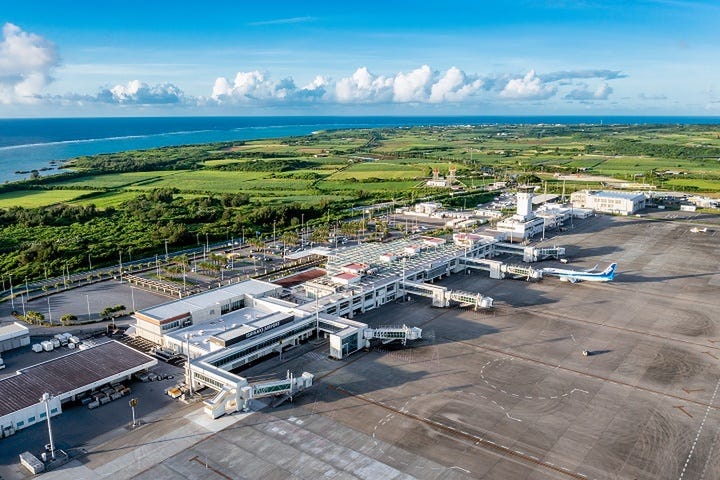
Okinawa sits apart from the main Japan tourist circuit both geographically and in character. It does not slot naturally into a Tokyo-Kyoto-Osaka loop, and that is part of its value. A visit to Okinawa requires a deliberate decision to go there, and that decision almost always turns out to be the right one.
The most practical approach for most travelers is to treat Okinawa as a separate chapter within a Japan trip, either at the beginning or the end. A direct flight from Tokyo to Naha takes approximately two and a half hours. From Osaka or Fukuoka, the flight is closer to two hours.
For travelers combining Okinawa with Kyushu, the routing works naturally: Fukuoka, Nagasaki, and Kagoshima on the mainland, then a short flight to Naha for a final island chapter. It is one of the most satisfying ways to end a Japan itinerary, trading the density of the mainland cities for open water, warm air, and a pace of life that stays with you after you leave.
Frequently asked questions
Is Okinawa part of Japan?
Yes. Okinawa has been a Japanese prefecture since 1972, when it was returned to Japan after a period of American administration following the Second World War. Before that, it was the independent Ryukyu Kingdom for several centuries. Its distinct cultural identity reflects that history, and many Okinawans maintain a strong sense of Ryukyuan identity alongside their Japanese citizenship.
What is the best island in Okinawa to visit?
It depends on what you are looking for. The main island is the most accessible and offers the best combination of cultural sites, food, and beaches. The Kerama Islands offer the best diving and snorkeling close to Naha. The Yaeyama Islands, particularly Iriomote and Ishigaki, offer the most remote and ecologically extraordinary landscapes. Many travelers combine the main island with at least one outlying island group.
Do you need to dive to enjoy Okinawa?
No. The beaches, the food, the cultural sites, the craft villages, and the general atmosphere of the islands are all compelling independently of diving. That said, the underwater environment is exceptional and even basic snorkeling off the beach reveals coral and marine life that most travelers do not expect.
How does Okinawa compare to other tropical destinations in Asia?
Okinawa offers something different from destinations like Bali or Phuket: the safety, organization, and quality standards of Japan combined with a genuine subtropical island environment. It is more expensive than most Southeast Asian beach destinations, but it also operates at a different standard in terms of food, infrastructure, and overall experience.
Is Okinawa suitable for a first trip to Japan?
It can be, particularly for travelers whose primary interest is beaches, diving, or a slower pace of travel. However, most first-time visitors to Japan benefit from experiencing at least one major city before or after Okinawa, both to understand the country's scale and to appreciate how different the islands are from the mainland.
What is awamori and how is it different from sake?
Awamori is Okinawa's traditional distilled spirit, made from Thai long-grain rice using a black koji mold. Unlike sake, which is brewed, awamori is distilled and typically stronger, ranging from 25 to over 40 percent alcohol. Aged awamori, called kuusu, develops significant complexity and is taken seriously by connoisseurs. It is the spirit of Okinawa in the same way that bourbon is the spirit of Kentucky: genuinely local, genuinely worth understanding.
Plan your Okinawa trip with AERIA Voyages

Every traveler's ideal Japan itinerary looks different depending on the time available, the destinations that matter most, and the kind of experience you are hoping to have. I help clients build trips that go beyond the standard circuit, whether that means a dedicated island itinerary through the Ryukyu archipelago, a diving extension in the Yaeyamas, or a cruise through the waters of the East China Sea.
If you are planning a trip to Japan and want to talk through the options, I would be glad to help.
Yvan Junior Blanchette
Travel Advisor & Cruise Specialist
ÆRIA Voyages📩 yvanblanchette@aeriavoyages.com
📞 1-888-460-3388
🌐 aeriavoyages.com