

The Ultimate SILVERSEA Cruise Guide: What it is, how it works, and what to expect
Luxury cruise guide · Updated 2026 · Ultra-luxury · All-suite · Expedition cruising
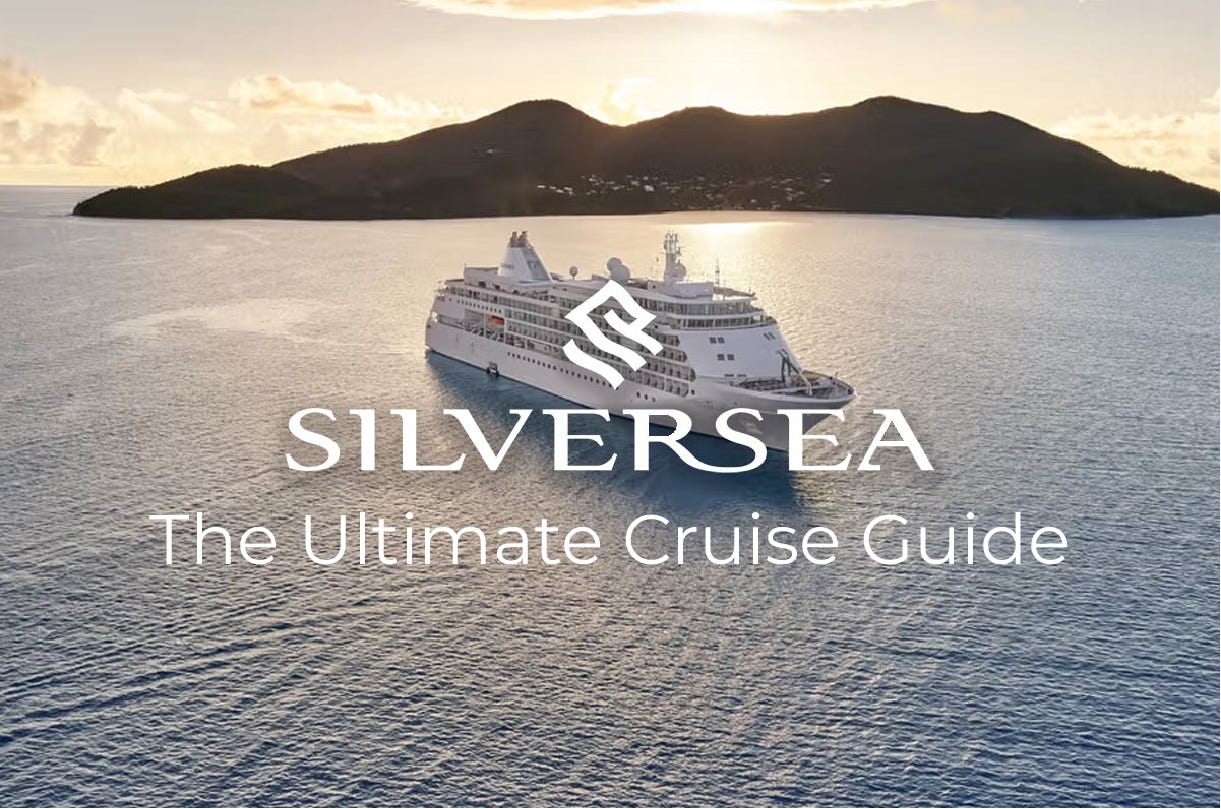
Silversea Cruises has spent three decades defining what ultra-luxury cruising can be. Small ships, all-suite accommodations, butler service for every guest, and a destination network that reaches more than 900 ports across all seven continents.
This guide covers everything you need to know about the brand, its fleet, and how it compares to other options in 2026.
Table of Content
🎙️ LISTEN TO THE BEYOND THE HORIZON PODCAST

A brief history of Silversea Cruises
Silversea was founded in 1994 by Italian entrepreneur Antonio Lefebvre d’Ovidio, in partnership with maritime interests based in Monaco. From the beginning, the brand introduced a concept that was genuinely new to the cruise industry at the time: a fully all-inclusive luxury experience, with drinks, gratuities, and services built into the base fare rather than charged separately.
That founding philosophy shaped everything that followed. Over the next three decades, Silversea built a reputation for intimate small ships, exceptional service ratios, and a willingness to take guests to destinations that larger vessels simply cannot access.
In 2018, Royal Caribbean Group acquired a majority stake in Silversea. The brand has continued to operate independently under its own identity and positioning, with Royal Caribbean’s resources supporting fleet expansion and new ship development while the core product philosophy has remained intact.
The Silversea fleet
Silversea operates approximately a dozen ships, divided between ocean vessels and expedition ships. Guest capacity across the fleet typically ranges from around 200 to 730 passengers depending on the vessel, which is deliberately small by industry standards.
At that scale, the onboard atmosphere is fundamentally different from a mainstream cruise ship. There are no crowds in corridors, no queues at restaurants, and no sense of competing for space or access. The experience is calm, highly personalized, and closer in atmosphere to a private club than to a conventional cruise.
The smaller footprint also has a practical advantage: Silversea ships can access ports and anchorages that are simply off-limits to larger vessels. This opens a significantly broader range of destinations, particularly in expedition regions like Antarctica, the Arctic, and the Galapagos Islands.
Silversea at a glance
Founded in 1994, now part of Royal Caribbean Group
Fleet of approximately 12 ships, ocean and expedition
Guest capacity ranging from around 200 to 730 per vessel
All-suite fleet, with butler service included for every guest
Destinations: 900 ports across all seven continents
Pricing model: ultra all-inclusive
Signature programme: S.A.L.T. (Sea And Land Taste)
What all-inclusive means on Silversea
Silversea is consistently described as one of the most inclusive offerings in the luxury cruise market, and that description is accurate. Most voyages include premium beverages and selected wines, dining across all onboard venues, gratuities, Wi-Fi, and butler service. Some itineraries also include a selection of shore excursions.
The practical effect is the same as with other ultra all-inclusive lines: once onboard, guests are not managing a running tab or making constant cost decisions. The psychological shift that produces, particularly on longer voyages, is one of the most consistently appreciated aspects of the Silversea experience.
All suites, all guests, all the time

One of the most distinctive features of Silversea is that there are no standard cabins on any of its ships. Every guest stays in a suite. This is not a marketing distinction, it is a genuine structural difference from how most cruise lines operate, including many that position themselves as luxury brands.
Suites across the fleet typically include ocean views or private verandas, generous living spaces, marble bathrooms, and walk-in wardrobes. But what sets them apart most clearly is the butler service that comes standard with every category. Butler responsibilities can include unpacking luggage on arrival, arranging private dinners, managing special reservations, and anticipating daily preferences without being asked.
This level of service is usually associated with top-tier hotel suites or private properties. On Silversea it is the baseline, not an upgrade.
Service and staffing
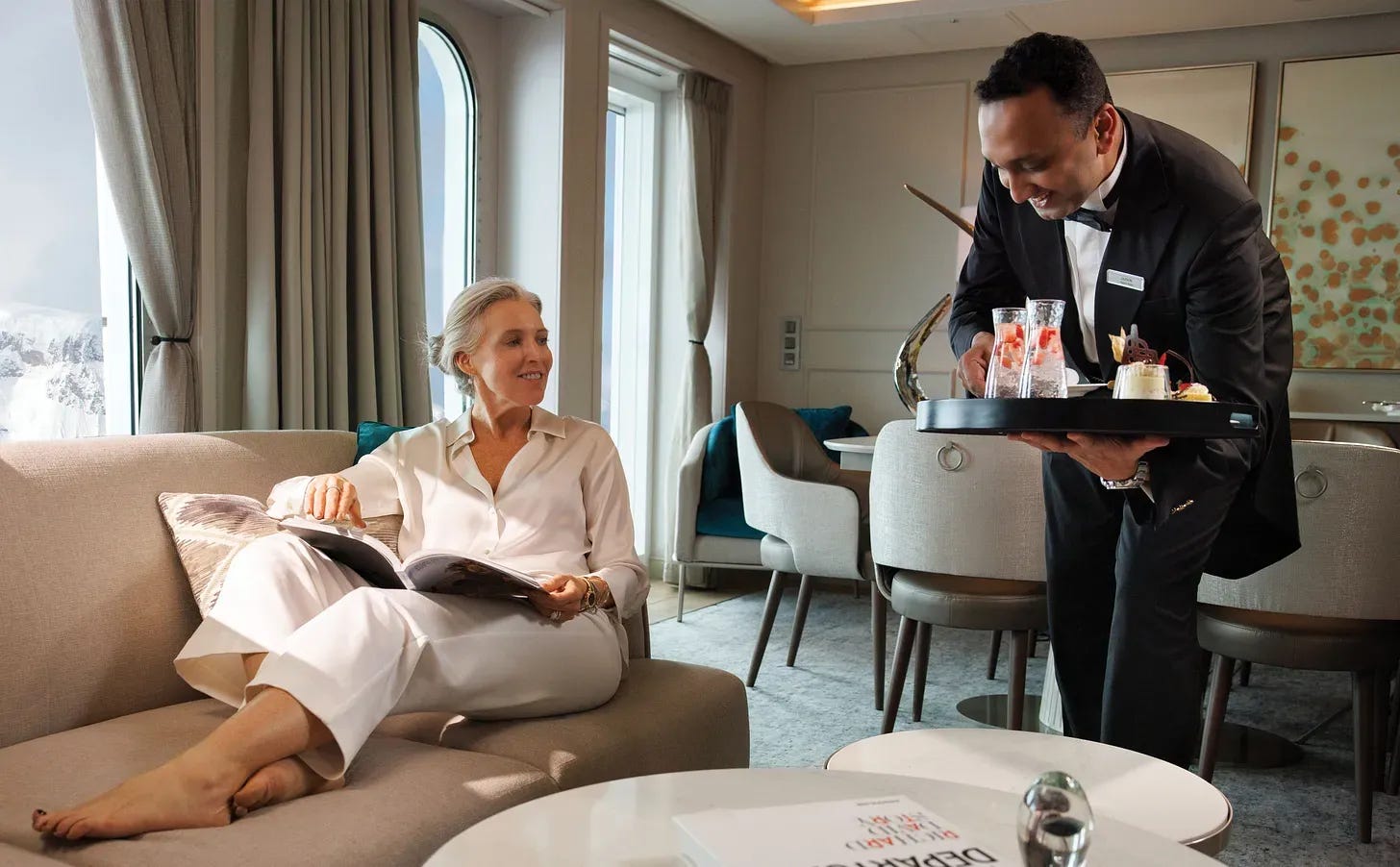
Silversea’s service reputation rests partly on its crew-to-guest ratios, which on most ships approach one crew member per guest. At that ratio, the quality and attentiveness of service that becomes possible is qualitatively different from what even well-regarded mainstream luxury lines can deliver.
In practice, guests notice that crew members remember names, preferred drinks, dietary habits, and small daily preferences within the first day or two. The atmosphere on board feels more like a private members club than a cruise ship. On longer voyages especially, that consistency of personal attention becomes one of the defining aspects of the experience.
Dining and the S.A.L.T. programme

Dining on Silversea ships covers a wide range: formal fine dining restaurants, Italian trattorias, seafood venues, casual cafes, and al fresco dinners under the stars. The quality is consistently high across all venues, and the variety is sufficient that guests on extended voyages rarely feel limited in their options.
What distinguishes Silversea most clearly in the dining category is its S.A.L.T. programme, which stands for Sea And Land Taste. Developed as a way to connect the onboard culinary experience directly to the destinations being visited, S.A.L.T. includes regional cooking classes, curated food-focused shore excursions, and tasting experiences inspired by each port of call. The result is that meals become a way of engaging with local culture rather than simply a service amenity.
Expedition cruising with Silversea
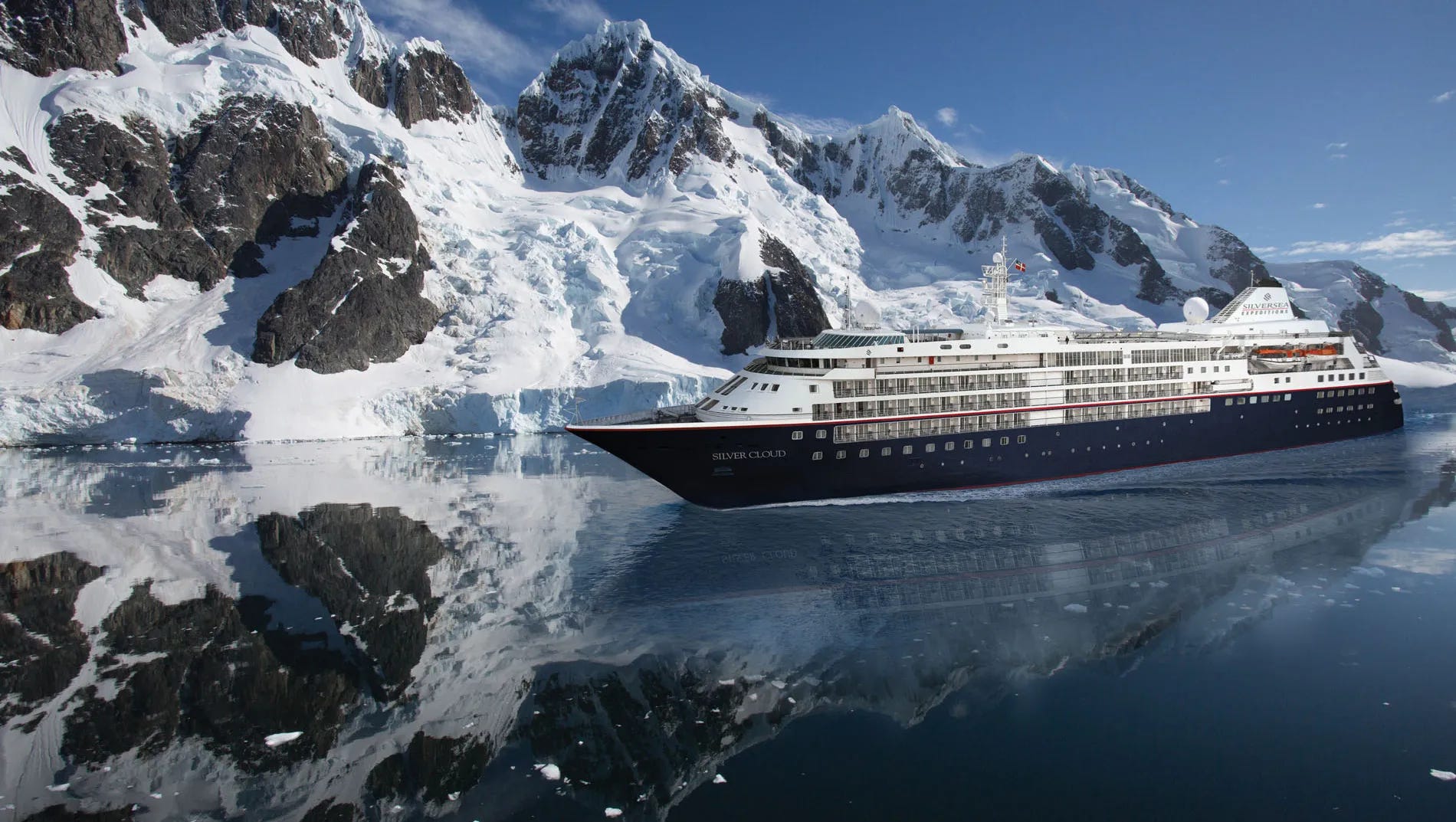
Silversea has become one of the recognized leaders in luxury expedition cruising, a segment that combines genuine adventure travel with the comfort and service levels of an ultra-luxury ship. This is arguably where the brand has built its most distinctive reputation in recent years.
Expedition ships in the Silversea fleet are equipped with Zodiac landing craft for shore access in remote areas, dedicated expedition teams, onboard scientists and naturalists, and educational lecture programmes. Destinations include Antarctica, the Arctic, Greenland, the Galapagos Islands, and remote regions of Africa and South America.
The model works as follows: in the morning, guests land by Zodiac to walk on Antarctic ice fields or snorkel with marine iguanas in the Galapagos. In the evening, they return to the ship for a multi-course dinner and sleep in a well-appointed suite. Adventure and comfort coexist without either compromising the other.
New ships: the Evolution class
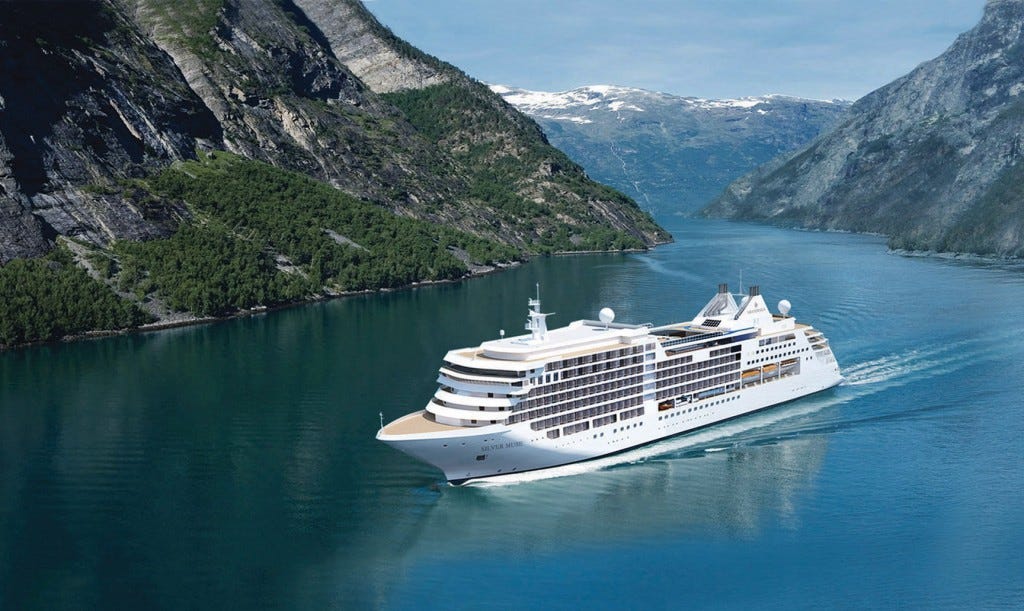
Silversea continues to expand its fleet with vessels designed to push the boundaries of what ultra-luxury cruising can offer. The Silver Nova, the first ship in the brand’s Evolution class, introduced several notable innovations: an asymmetric hull design that allows for wider public spaces on one side of the ship, expanded environmental technology, panoramic ocean-view areas, and updated suite configurations.
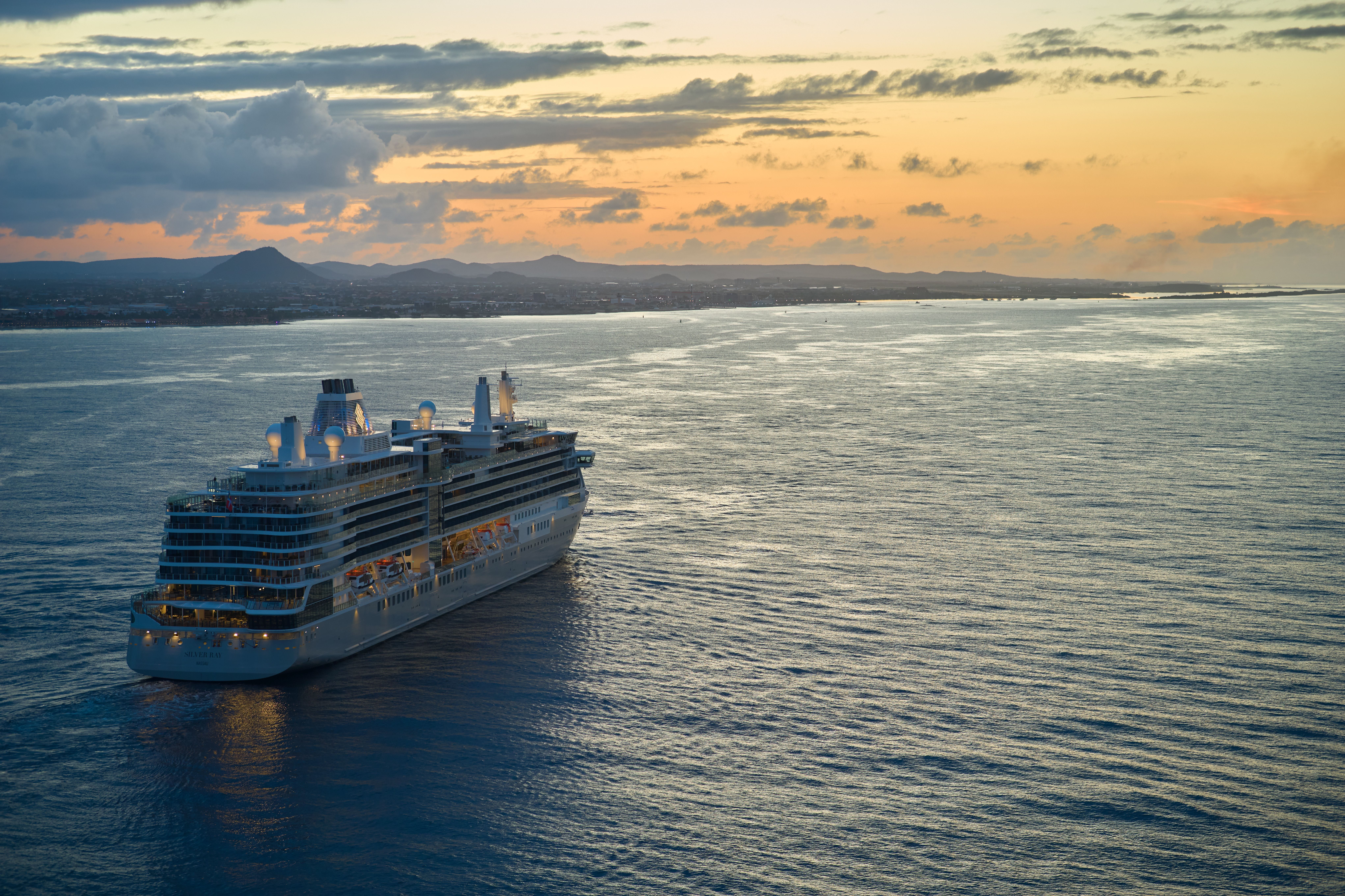
The Silver Ray, a sister ship to the Silver Nova, followed as the second Evolution class vessel. Together they represent Silversea’s direction for the coming decade, balancing architectural innovation with the brand’s long-standing commitment to intimate scale and personalized service.
How Silversea compares to other luxury cruise lines
Silversea
Best for: Expedition and range
All-suite fleet, butler service, S.A.L.T. programme, and the strongest expedition offering in the ultra-luxury segment.
Regent Seven Seas
Best for: Inclusions
Most direct competitor. Strong all-inclusive model with complimentary shore excursions. Less developed expedition programme.
Seabourn
Best for: Intimacy
Very small ships, highly personalized service. Smaller destination network and less expedition focus than Silversea.
Crystal Cruises
Best for: Long voyages
Strong reputation for consistency on extended sailings. More fluid, residential atmosphere. No expedition programme.
Who Silversea is best suited for

Silversea works best for a specific kind of traveler, and being clear about who that is helps avoid a poor fit.
Experienced cruisers who have sailed luxury lines before and are ready for the next level
Couples or solo travelers celebrating a significant milestone
Travelers drawn to expedition destinations like Antarctica, the Arctic, or the Galapagos
Guests for whom food, culture, and destination depth matter as much as onboard comfort
Those who prefer a small ship atmosphere to anything resembling a resort at sea
Silversea is less oriented toward large-scale entertainment, family-centric programming, or travelers who measure value primarily by the volume of activities available onboard.
Frequently asked questions
Is Silversea truly all-inclusive?
Yes. Most Silversea voyages include premium beverages, dining across all venues, gratuities, Wi-Fi, and butler service. Some itineraries also include a selection of shore excursions. The principle is that once onboard, guests should not need to think about additional expenses.
Are there standard cabins on Silversea ships?
No. Silversea operates an all-suite fleet across all its vessels. Every guest stays in a suite, which is one of the brand’s most distinctive features and a genuine structural difference from most other cruise lines.
What is the S.A.L.T. programme?
S.A.L.T. stands for Sea And Land Taste. It is Silversea’s culinary programme designed to connect guests to the food culture of each destination visited, through regional cooking classes, food-focused shore excursions, and onboard tasting experiences inspired by the ports of call.
Does Silversea offer expedition cruises?
Yes, and this is one of the brand’s strongest areas. Silversea is one of the leading operators of luxury expedition cruising, with dedicated ships and itineraries covering Antarctica, the Arctic, the Galapagos Islands, Greenland, and other remote destinations.
How does Silversea compare to Regent Seven Seas?
Both are ultra all-inclusive lines with similar pricing and target audiences. Regent places greater emphasis on complimentary shore excursions and a structured package experience. Silversea differentiates itself through its expedition programme, the S.A.L.T. culinary experience, and a slightly broader destination network.
Who owns Silversea Cruises?
Silversea is majority-owned by Royal Caribbean Group, which acquired its stake beginning in 2018. The brand continues to operate independently under its own identity and management.
Plan your Cruise Vacation with AERIA Voyages
Every traveler’s ideal Silversea voyage looks different depending on the destination, the type of ship, and what you are hoping to take away from the experience. I help clients navigate those questions, from choosing between an ocean vessel and an expedition ship to selecting the right suite category and itinerary for their travel style.
If you are curious about pricing, current availability, or whether Silversea is the right fit for where you are in your travel journey, I would be glad to talk it through.
Yvan Junior Blanchette
Travel Advisor & Cruise Specialist
ÆRIA Voyages📩 yvanblanchette@aeriavoyages.com
📞 1-888-460-3388
🌐 aeriavoyages.com