

The Ultimate DUBLIN Travel Guide: What to know, where to go, and how to make the most of your visit
Updated 2026 | Ireland | First-time visitors | In-depth travel
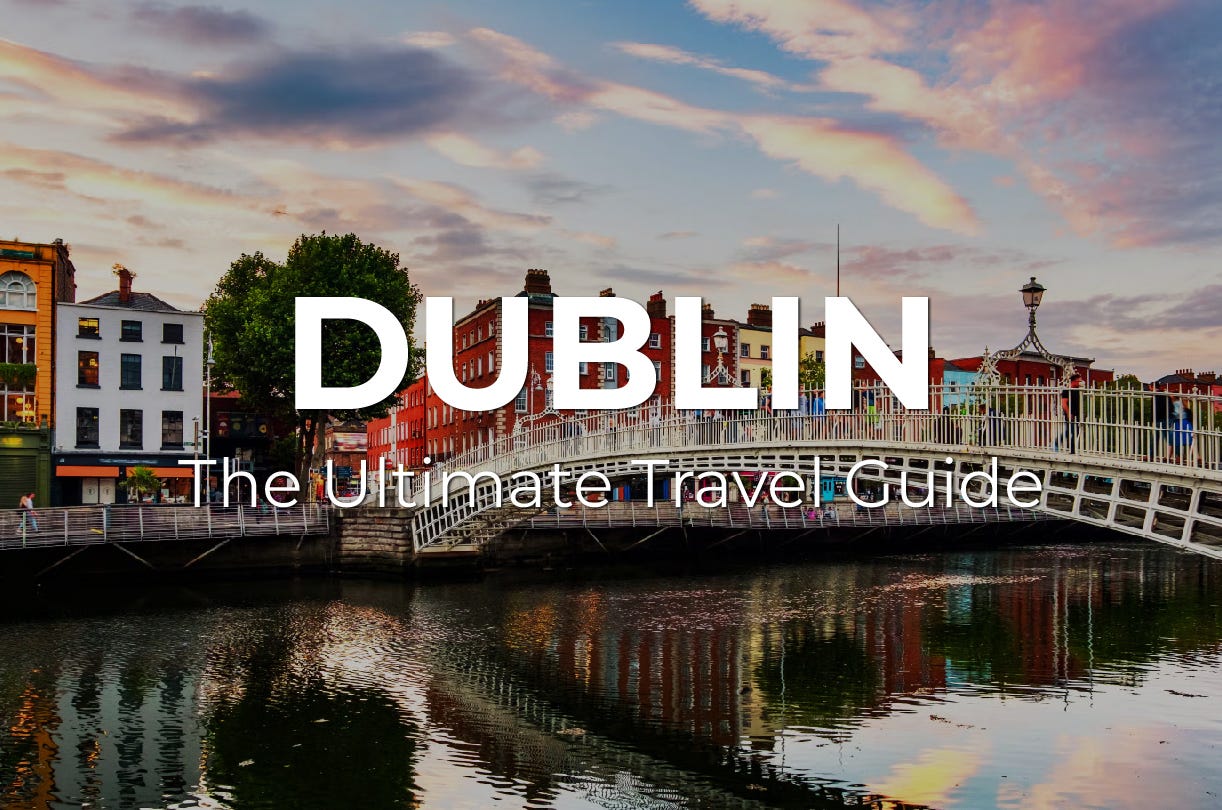
Dublin is a city of extraordinary contradictions. It is simultaneously one of the oldest capitals in Europe and one of the youngest-feeling, a place where medieval cathedrals and Viking foundations sit beside some of the most vibrant pub culture on earth. It is literary and irreverent, historically weighted and genuinely fun.
The craic, that untranslatable Irish concept of good conversation, laughter, and the pleasure of other people’s company, is the organizing principle of daily life here, and visitors feel it immediately.
This guide covers the neighborhoods worth knowing, the experiences that define the city, the practical details you need before you go, and how to plan the right amount of time for the kind of trip you want.
Table of Content
🎙️LISTEN TO THE BEYOND THE HORIZON PODCAST

Why Dublin is worth visiting
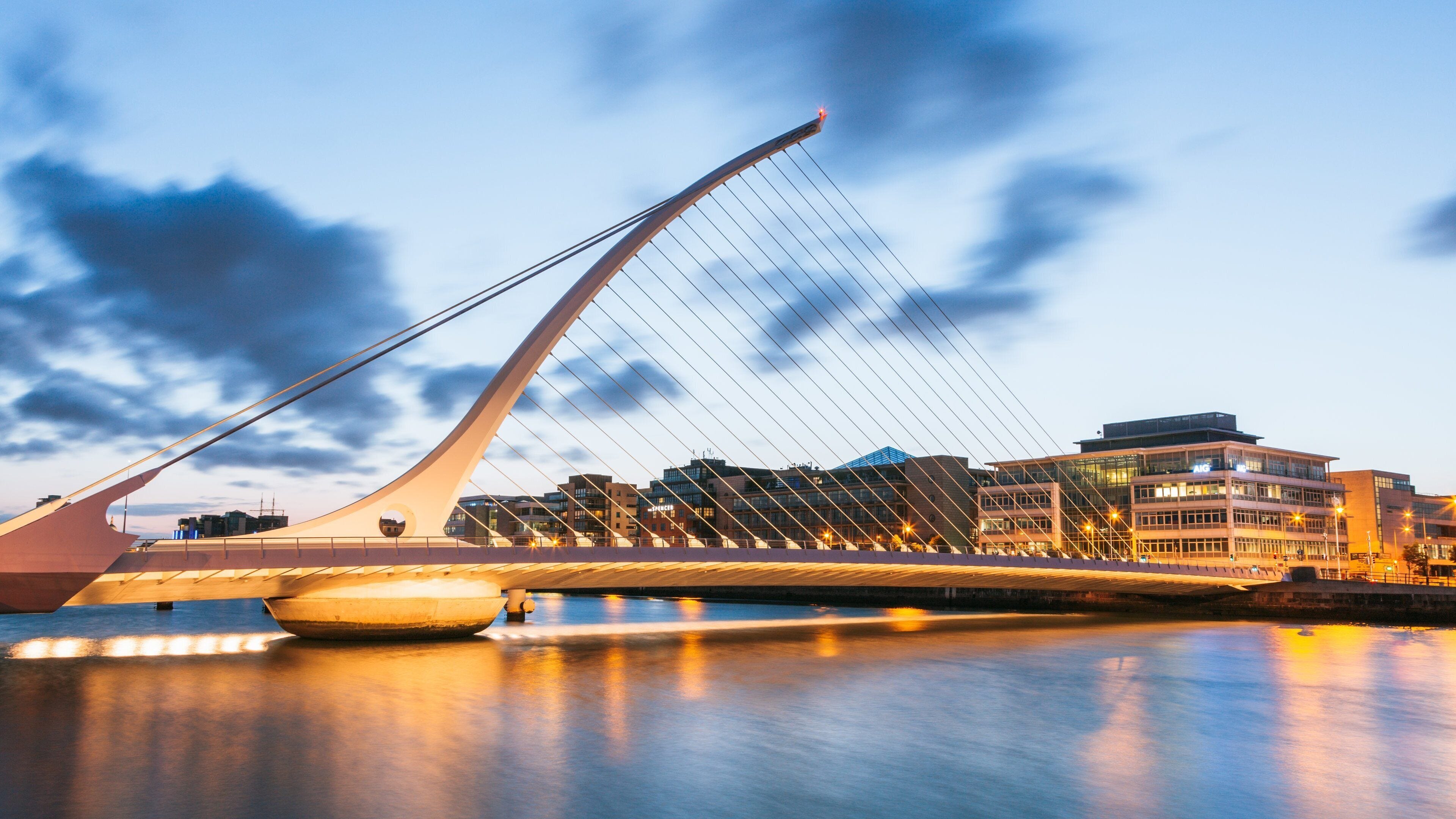
Dublin has been a significant city since the Vikings founded a settlement here in the 9th century, and it has accumulated the history of that long occupation in layers: the medieval cathedrals of Christ Church and St. Patrick’s, the Georgian squares and terraces built during the 18th-century British ascendancy, the cultural institutions of the Irish Revival, and the contemporary city that has grown rapidly since Ireland’s economic transformation in the 1990s and 2000s.
The city’s literary tradition is extraordinary for a capital of its size: Swift, Burke, Wilde, Shaw, Beckett, Yeats, Synge, and Joyce were all associated with Dublin, and their presence is felt in the streets, the pubs, and the particular quality of conversation that the city generates. The National Library, the Abbey Theatre, and the collections of Trinity College all reflect this heritage.
But Dublin is also the gateway to Ireland: to the Cliffs of Moher and the Wild Atlantic Way, to the Wicklow Mountains and Glendalough, to the Giant’s Causeway in Northern Ireland, and to the medieval city of Kilkenny. For travelers visiting Ireland for the first time, Dublin is the natural starting point and, for most, the most memorable destination on the island.
The neighborhoods you should know
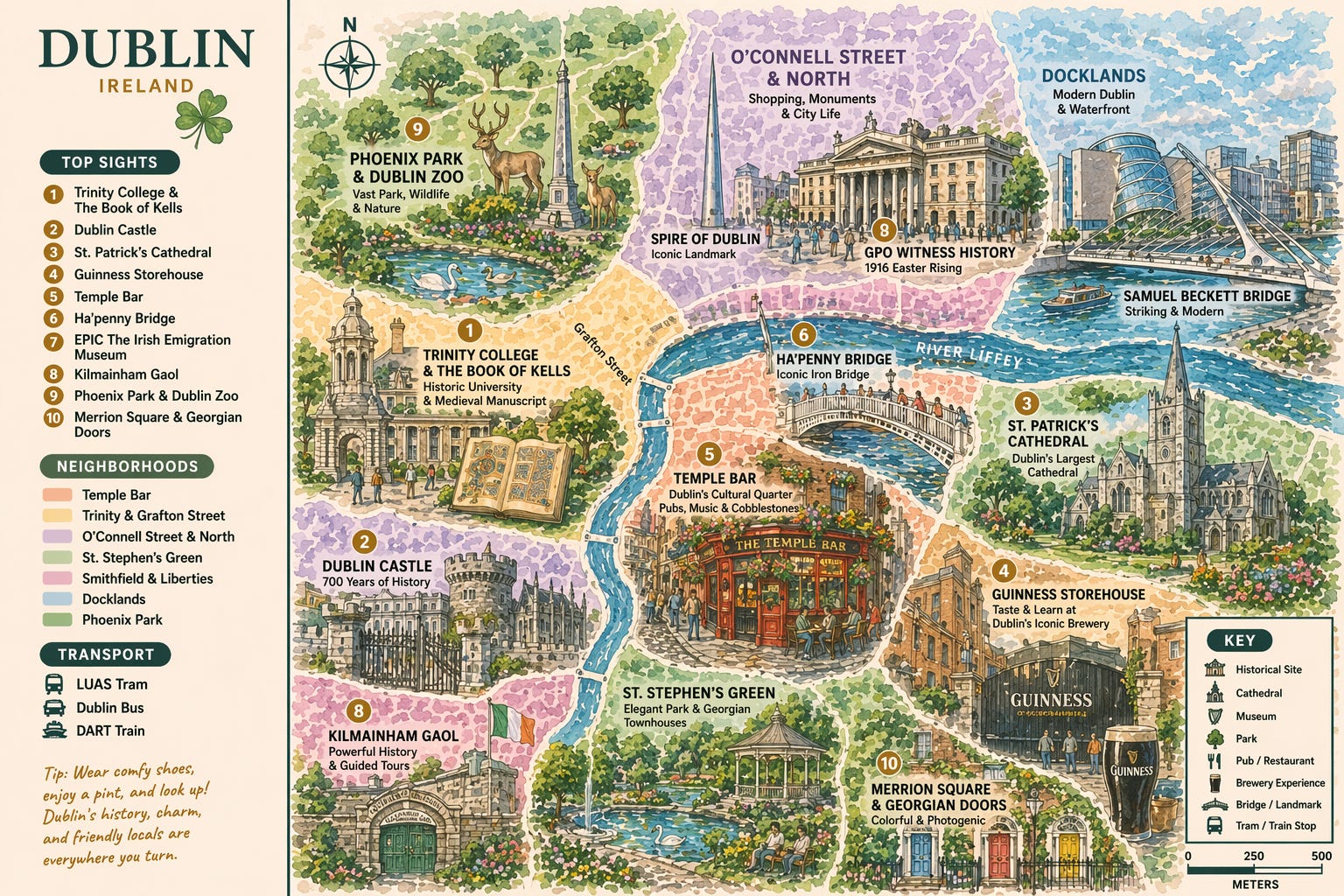
Dublin is compact and walkable, with its most interesting neighborhoods concentrated within a relatively small area on both sides of the River Liffey.
Temple Bar
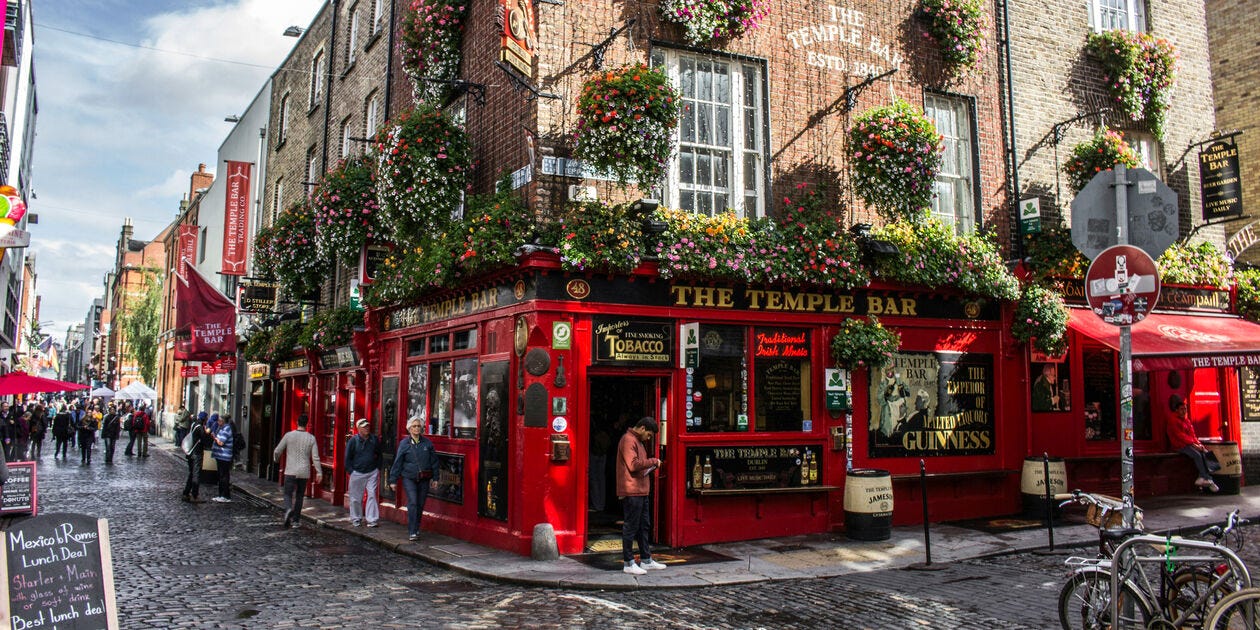
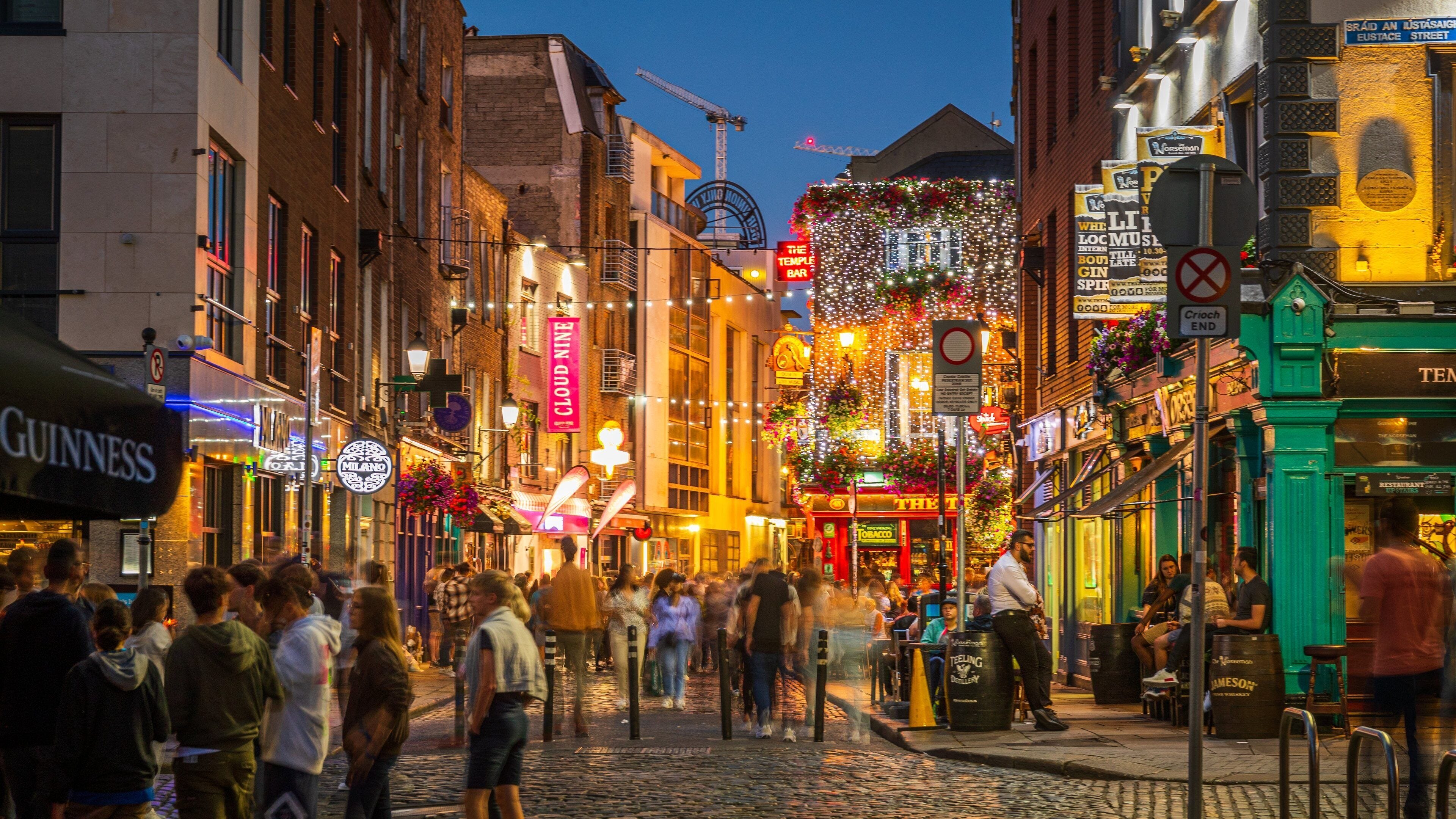
The cobblestoned cultural quarter on the south bank of the Liffey, between Dame Street and the river, is Dublin’s most tourist-dense neighborhood and its most photogenic. The pubs, restaurants, galleries, and markets of Temple Bar represent the city’s effort to package its own character for visitors, which means it is both genuine and performative simultaneously.
Come for the atmosphere and the live music; be aware that the pubs are expensive and the crowds can be overwhelming on weekend nights. The best time to visit is on Saturday morning, when the food market operates in Meeting House Square.
The Liberties and Kilmainham
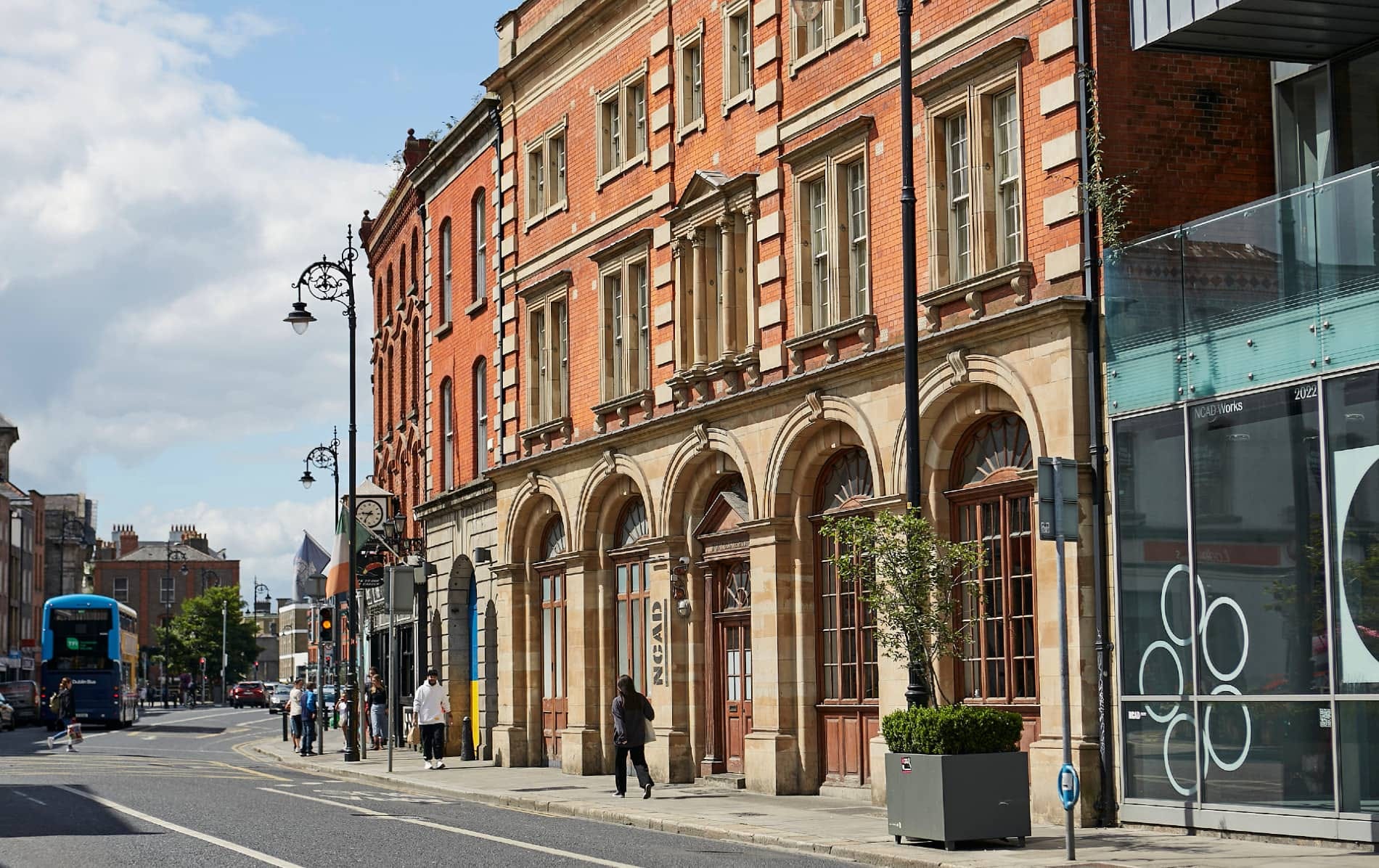
The oldest residential area in Dublin, southwest of the city center, where the Guinness Brewery has operated since 1759. The Liberties was the heart of medieval and later industrial Dublin, and it retains a character that is more genuinely working-class and less tourism-oriented than Temple Bar. Kilmainham, immediately to the west, contains two of the most important historical sites in Ireland: Kilmainham Gaol, where the leaders of the 1916 Rising were executed, and the Irish Museum of Modern Art in the Royal Hospital.
Grafton Street and St. Stephen’s Green
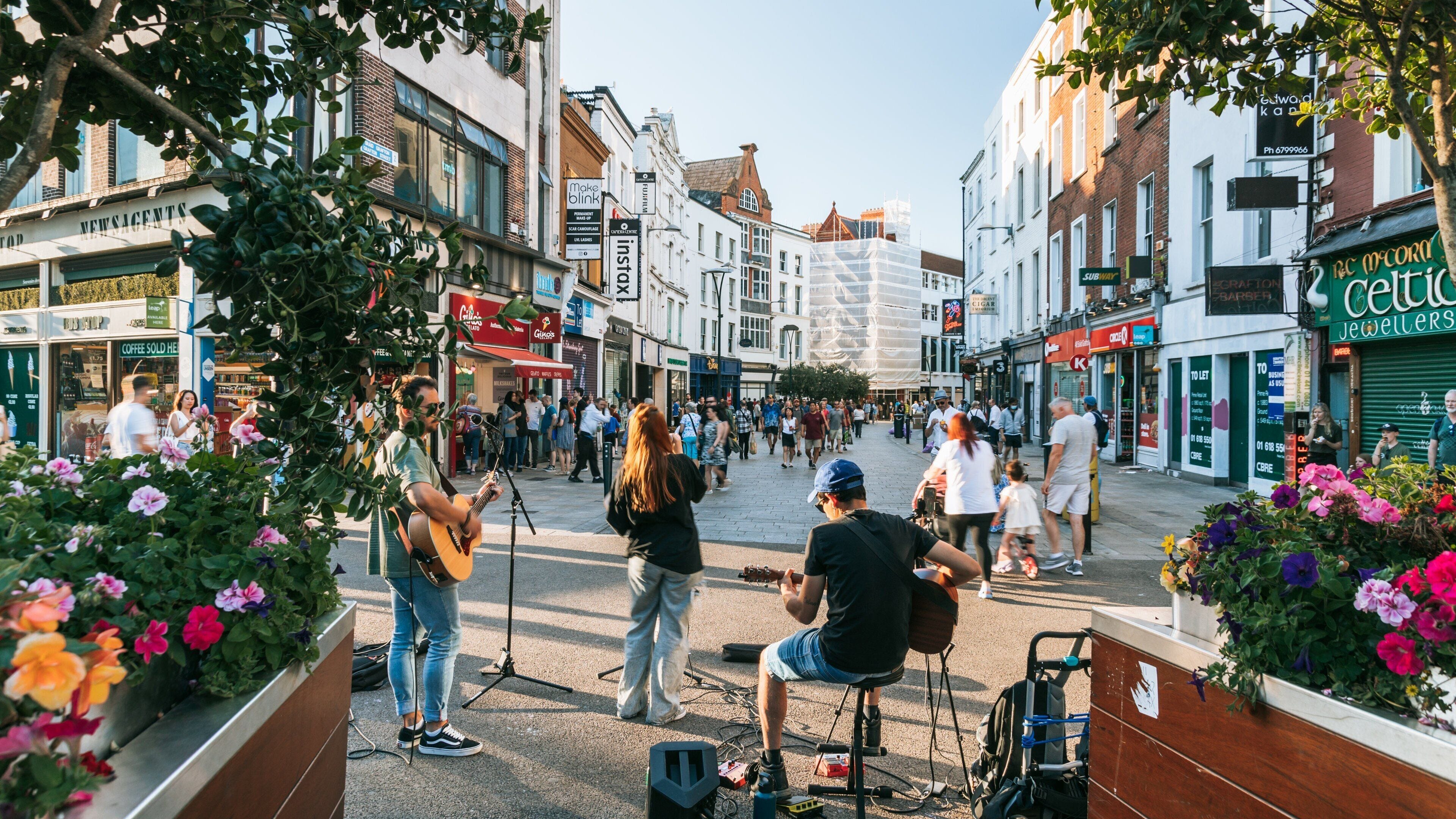
The main pedestrianized shopping street and the Victorian park at its southern end, with the Georgian squares of Merrion and Fitzwilliam extending east toward the National Museum and National Gallery. Grafton Street has the best street musicians in the city, and St. Stephen’s Green is the park where Dubliners actually spend their lunch hours. The surrounding streets, particularly Dawson Street, Kildare Street, and the area around Merrion Square, contain the most elegant Georgian Dublin.
Northside: O’Connell Street and Smithfield
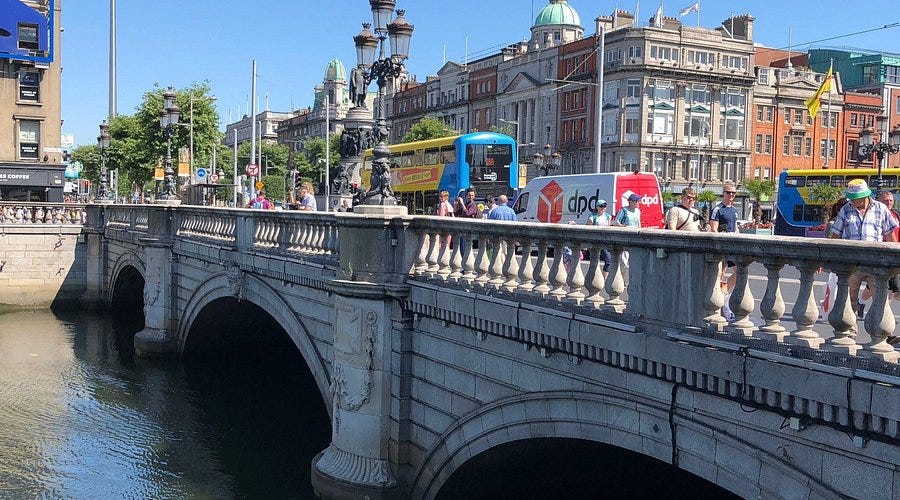
The north bank of the Liffey, historically the commercial heart of the city and site of the General Post Office where the 1916 Rising began. O’Connell Street is wide and grand but commercially mixed; the streets immediately behind it contain some of the most interesting independent shops and cafes in Dublin. Smithfield, to the west, has transformed over the past two decades from a working horse market into one of the most interesting food and nightlife areas in the city, centered on the Jameson Distillery and the Cobblestone pub.
Portobello and the Grand Canal
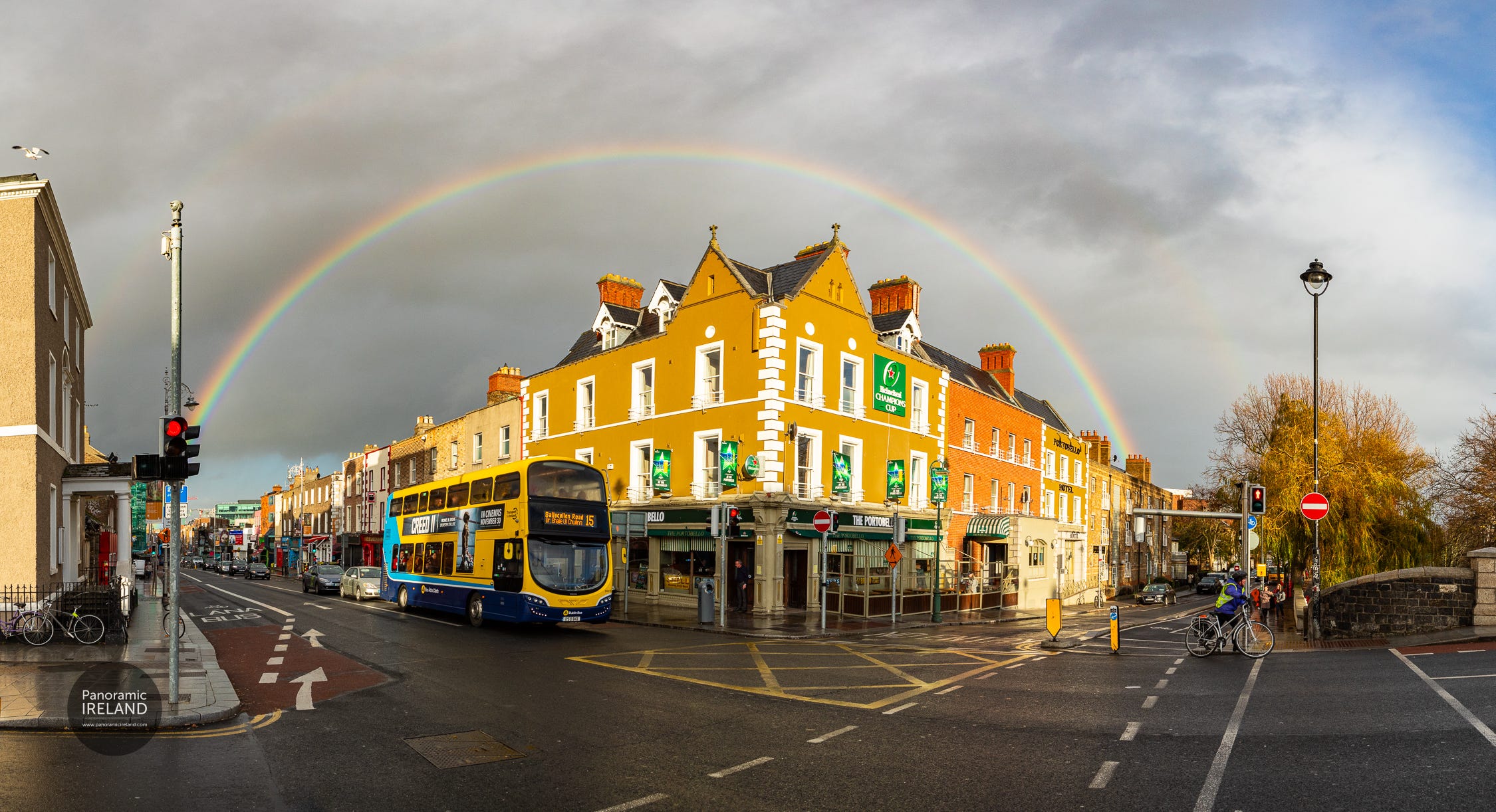
The neighborhood immediately south of the Grand Canal, with a strong independent cafe and restaurant culture, the National Concert Hall, and a residential character that feels genuinely local rather than tourist-oriented. Portobello is where many of Dublin’s creative and professional residents actually live, and it shows in the quality of the coffee, the bookshops, and the Saturday morning farmer’s market.
Activities not to miss
Dublin’s most memorable experiences span from the historical weight of Kilmainham Gaol to the entirely present pleasure of a good pub on a quiet Tuesday. These are the experiences that define the city.

The Guinness Storehouse

Built into the original fermentation plant of the St. James’s Gate Brewery, the Guinness Storehouse traces the history, ingredients, and culture of Dublin’s most famous export across seven floors before depositing visitors at the Gravity Bar, a 360-degree glass drum at the top of the building with the finest panoramic view of the city available anywhere. The pint of Guinness included in the ticket, drunk at the summit, consistently rates among the best versions visitors have ever tasted. Not a brewery tour in the technical sense; an immersive cultural experience that is genuinely enjoyable even for non-drinkers. Book in advance.
Trinity College and the Book of Kells

Trinity College Dublin, founded in 1592, is Ireland’s oldest and most prestigious university. The Long Room of the Old Library, a cathedral-like barrel-vaulted hall 65 meters long containing 200,000 of the oldest books in the library’s collection, is one of the most beautiful library interiors in the world.
The Book of Kells, an illuminated manuscript of the four Gospels created by Celtic monks around 800 AD, is displayed in the library and is among the finest surviving examples of medieval European art. Book in advance: timed entry and the early morning slot before the crowds arrive is transformative.
Kilmainham Gaol

The most emotionally significant site in Dublin and one of the most important historical sites in Ireland. Built in 1796 and closed in 1924, Kilmainham Gaol was the location of some of the most significant events in Irish history: the execution of the leaders of the 1798 rebellion, the imprisonment of political prisoners through the 19th century, and the execution of the fourteen leaders of the 1916 Easter Rising in the yard, an act that turned a failed insurrection into a founding mythology of the Irish state. The guided tour is among the finest in Ireland. Book well in advance as it sells out regularly.
A proper pub evening

The Irish pub is not a tourist attraction. It is the central social institution of Irish life, the place where conversation, music, sport, news, and community converge over a pint. The best Dublin pub experience is not in Temple Bar but in neighborhoods where locals actually drink: Mulligan’s on Poolbeg Street, the Stag’s Head on Dame Court, John Mulligan’s, the Kehoe’s on South Anne Street, or the Cobblestone in Smithfield for the finest traditional Irish music in the city. A Tuesday or Wednesday evening, when the regulars are in, is more genuinely Irish than any weekend night. No booking required.
EPIC: The Irish Emigration Museum

One of the finest interactive museums in Ireland, housed in a series of vaulted stone cellars on the north docklands, telling the story of the 10 million Irish people who emigrated over the past two centuries and the diaspora they created across the world. The museum is particularly resonant for visitors of Irish descent and provides essential context for understanding both Irish history and the Irish cultural presence globally. Consistently rated among the best museums in Europe.
The National Museum of Ireland

Free to enter and containing two of the most important collections in Ireland: the archaeology collection at Kildare Street, with the Ardagh Chalice, the Tara Brooch, and an extraordinary collection of prehistoric gold, and the decorative arts and history collection at Collins Barracks. The Viking Age Dublin exhibition and the Treasury, with its 8th-century metalwork, are among the finest things in any museum in Europe. No booking required.
Jameson Distillery

The original Jameson distillery at Bow Street in Smithfield, where Irish whiskey was produced from 1780 to 1971, now operates as a visitor experience tracing the history and craft of Irish whiskey. The tasting room, where visitors compare Irish, Scottish, and American whiskeys, is instructive and enjoyable. The neighborhood around the distillery, including the Cobblestone pub immediately across the square, is one of the most authentic in Dublin.
Day trips from Dublin
Ireland’s landscape is one of its greatest attractions, and Dublin’s position on the east coast makes several extraordinary destinations accessible within a few hours.
Cliffs of Moher and Galway

The Cliffs of Moher, rising 214 meters from the Atlantic on the west coast of County Clare, are one of the most dramatic natural sites in Europe. The five-hour drive from Dublin is long but passes through the Burren, a unique limestone landscape of extraordinary otherworldly beauty. Galway, Ireland’s most characterful city, is typically included on the same excursion. A full day from Dublin, returning by evening: long but worth it for visitors who want to see the Wild Atlantic Way.
Wicklow Mountains and Glendalough

The Wicklow Mountains National Park begins less than an hour south of Dublin, with scenery that feels improbably remote for its proximity to a capital city. Glendalough, the 6th-century monastic settlement founded by St. Kevin in a glacial valley between two lakes, is one of the most atmospherically beautiful historical sites in Ireland. The combination of Glendalough and the medieval city of Kilkenny in a single day trip is among the most satisfying available from any European capital.
Belfast and the Giant’s Causeway

Belfast, the capital of Northern Ireland, is about two hours north of Dublin by train or coach. The Titanic Belfast museum, built on the site where the ship was constructed, is one of the finest maritime museums in the world. The Giant’s Causeway, the extraordinary basalt column formation on the Antrim coast, is a UNESCO World Heritage Site of unique geological interest. A long day trip from Dublin or better as an overnight.
Howth

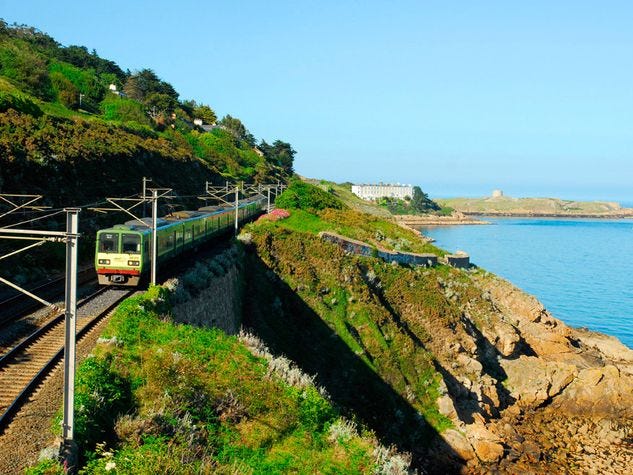
The fishing village and peninsula thirty minutes from Dublin city center by DART train, with cliff walks above the Irish Sea, fresh seafood restaurants at the harbor, and a Sunday market at the castle grounds. The cliff path loop above the village, with views of the Wicklow Mountains to the south and the Irish coast to the north, is one of the finest easy walks accessible from any European capital. Go on a Sunday for the market and stay for lunch at one of the harbor seafood restaurants.
When to visit Dublin
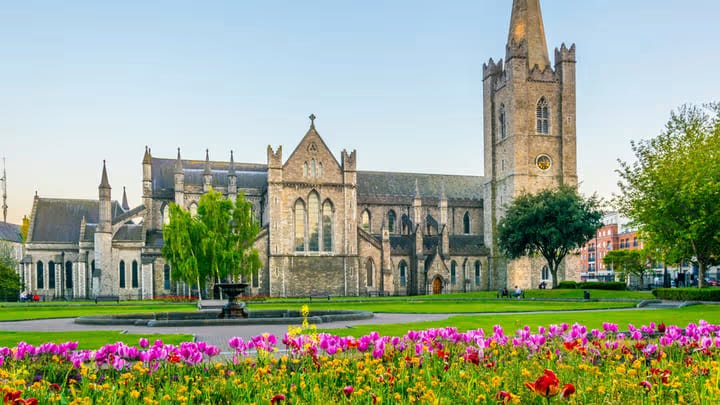
Dublin is a year-round city, but the Irish weather is famously variable at any time of year. The key is to dress in layers, carry a light waterproof, and treat the rain as part of the experience rather than a disruption to it.
🌸 Spring
March to May. The finest season for the city. Mild temperatures, longer days from March onward, and the particular green of Ireland in spring that is specific to the island and its rainfall. St. Patrick’s Day on March 17 transforms Dublin into the center of Irish cultural life for a week: parades, music, and the city at its most celebratory.
☀️ Summer
June to August. The warmest months, with long days and the countryside at its most accessible. Dublin is busy but not overwhelmingly crowded by European standards. The Wicklow Mountains and the coastal walks are at their best. Outdoor events, festivals, and the general expansion of Irish life outdoors when the sun appears.
🍂 Autumn
September to November. Excellent for the city itself: the cultural season at full pitch, fewer tourists, and the particular quality of autumn light on Georgian brick and limestone. October can be magical: the leaves in St. Stephen’s Green, the early evenings driving people into the pubs, and a more intimate version of the city.
❄️ Winter
December to February. Cold, frequently wet, and the shortest days of the year. But Dublin in December has the finest Christmas atmosphere of any city in the British Isles: the lights on Grafton Street, the carol singers, and the pubs at their most genuinely welcoming. January and February are the quietest months of the year.
How many days to spend in Dublin
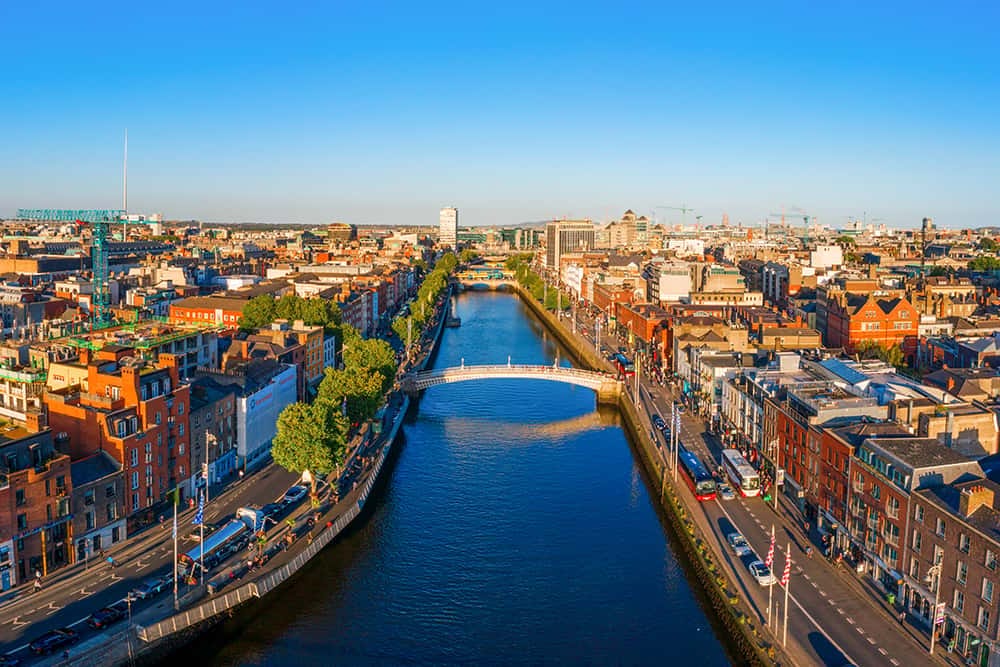
Three days covers the Guinness Storehouse, Trinity College and the Book of Kells, Kilmainham Gaol, a proper pub evening, and the Georgian streets at a comfortable pace. Four to five days adds EPIC, the Jameson Distillery, a day trip to the Wicklow Mountains and Glendalough, and the slower exploration of neighborhoods beyond the tourist center. A week allows for both the Cliffs of Moher and a day in Belfast.
Dublin is a city that rewards time spent in its pubs and streets without an agenda. The best conversations, the most memorable evenings, and the deepest sense of what the city is often come from an afternoon that was supposed to be something else entirely.
Suggested 3-day itinerary
Day 1
Trinity College (Book of Kells, Long Room). Early entry to avoid crowds.
Merrion Square and Georgian streets. National Museum of Ireland (free). Grafton Street.
Temple Bar for live music (early, before crowds). Dinner in the area. Local pub for the evening.
Day 2
Guinness Storehouse (book ahead). Pint at the Gravity Bar with panoramic city views.
Kilmainham Gaol guided tour (book well ahead). Irish Museum of Modern Art grounds.
Smithfield neighborhood: Cobblestone pub for traditional music. Jameson Distillery area for dinner.
Day 3
EPIC Irish Emigration Museum on the north docklands. Custom House and Famine Memorial.
St. Patrick’s Cathedral and the Liberties neighborhood. Christ Church Cathedral.
Proper pub evening: Mulligan’s, Kehoe’s, or the Stag’s Head. The unhurried Dublin pub at its best.
Where to eat
Dublin’s food scene has improved dramatically over the past two decades, evolving from its reputation for poor cooking into one of the most interesting in the British Isles. The best of it combines outstanding Irish ingredients, particularly seafood, beef, lamb, and dairy, with cooking that takes them seriously. These recommendations span different budgets and styles.
Chapter One
Modern Irish
One Michelin star in a Georgian townhouse beside the Writers Museum. The most acclaimed restaurant in Dublin, combining Irish ingredients with French technique. Book weeks ahead.
Dax
French-Irish
A basement bistro near Merrion Square serving the finest French-influenced cooking in the city. The wine list and the cheese course are both exceptional.
Bastible
Modern Irish
A South Circular Road restaurant that has become one of the most talked-about in the city: generous, seasonal, and technically accomplished without pretension.
Winding Stair
Irish
A bookshop restaurant overlooking the Ha’penny Bridge, serving honest Irish cooking with excellent seafood. One of the most atmospheric dining rooms in central Dublin.
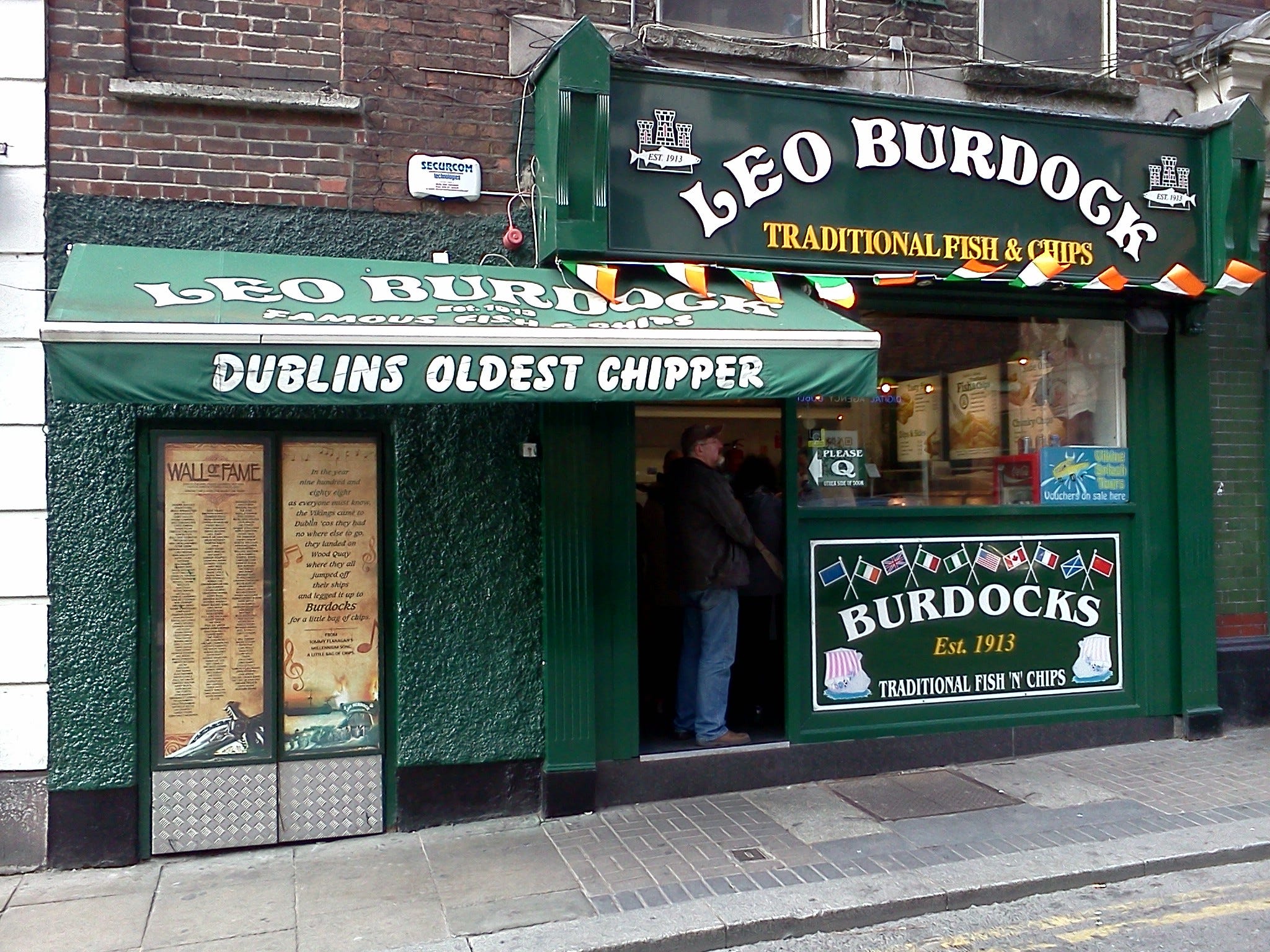
Leo Burdock’s
Fish and chips
The most famous fish and chip shop in Ireland, near Christ Church Cathedral, in continuous operation since 1913. Eaten standing outside or taken to the canal. The definitive Dublin street food experience.
Bewley’s Grafton Street
Cafe
A Dublin institution since 1927: a grand Victorian cafe with stained glass windows by Harry Clarke on Grafton Street. For breakfast, coffee, and the particular pleasure of an older Dublin.
Oxmantown
Breakfast / Brunch
A Smithfield breakfast spot doing the finest versions of the full Irish breakfast alongside more creative options. The benchmark for morning eating in Dublin.
Where to stay
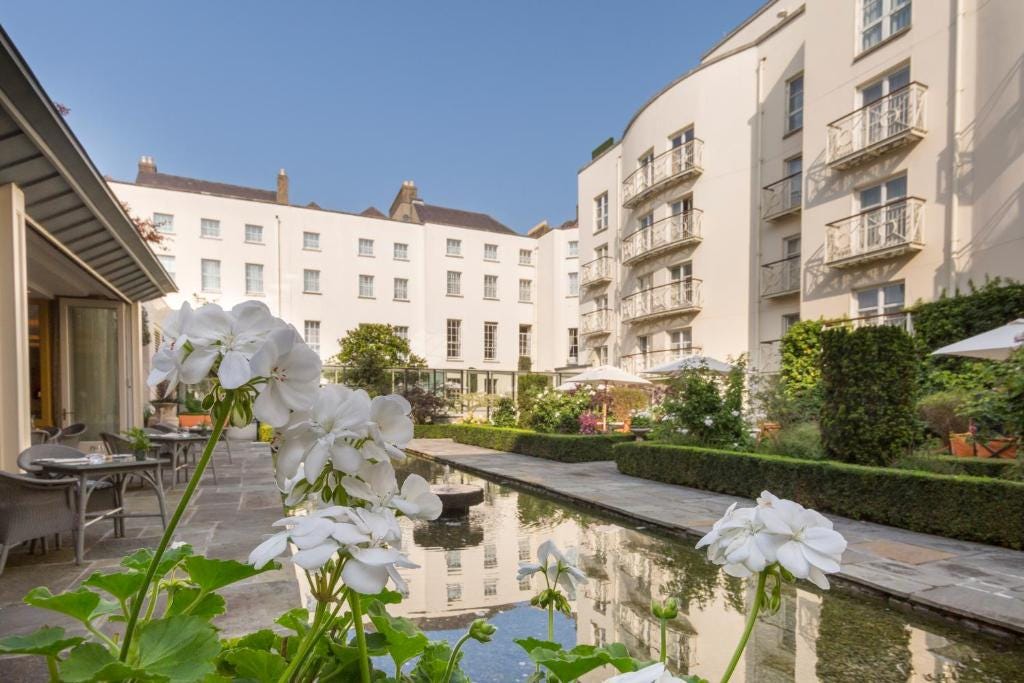
Dublin’s best area to stay for first-time visitors is within walking distance of Grafton Street and Trinity College, which puts you close to the main attractions and the Georgian streets. Here are reliable options across different budgets.
The Merrion
Luxury
Five interconnected Georgian townhouses on Merrion Street, with an art collection, a Michelin-starred restaurant, and the most refined address in Dublin. The finest hotel in the city by any measure.
The Shelbourne
Luxury
The grand hotel of Dublin, on St. Stephen’s Green since 1824, where the Irish constitution was drafted. The Lord Mayor’s Lounge is the finest afternoon tea setting in the city.
The Alexp
Mid-range
A design-forward hotel on Merrion Square with well-designed rooms, a good ground-floor bar, and an excellent location for the Georgian streets and museums.
Number 31e
Boutique / Mid-range
A converted coach house and Georgian townhouse near Fitzwilliam Square, with a genuinely residential character and exceptional breakfasts. One of the most charming addresses in Dublin.
Generator Dublin
Budget
A well-run design hostel near O’Connell Street, with a bar, cafe, and clean communal spaces. The best budget option in the city center.
Brooks Hotel
Mid-range
A comfortable hotel near Grafton Street with well-appointed rooms and personal service. Reliably good without pretension, at rates competitive for its location.
Practical information
Currency: Euro (EUR). Cards are accepted almost everywhere in Dublin. Cash is useful for smaller pubs, markets, and older establishments.
Language: English, with Irish (Gaelic) as a co-official language. You will see Irish on street signs and government buildings, but English is the language of daily life everywhere in Dublin.
Getting around: Dublin’s city center is walkable. The DART train serves the coastal suburbs and reaches Howth in 30 minutes. The Luas trams connect the center with outlying neighborhoods. Taxis and Ride shares are widely available. The bus network is comprehensive but can be slow in traffic.
The weather: Irish weather is famously unpredictable. Pack layers and a light waterproof regardless of the season. Rain should be expected on most days; it rarely lasts more than an hour and the Irish attitude toward it is philosophical. The saying that there is no bad weather, only bad clothing, is genuinely observed here.
Pub culture: Irish pubs are not primarily drinking establishments; they are social institutions. The correct approach: order at the bar, pay for each round, and sit or stand wherever space permits. Tipping at the bar is not expected or customary. Rounds are taken seriously: if someone buys you a drink, buy one back. The craic (conversation, banter, and general good humor) is the primary purpose.
Internet: A Irish SIM or European roaming plan works throughout the city. Wi-Fi is available in most pubs, cafes, and hotels.
Safety: Dublin is a safe city overall. Be aware of pickpockets in crowded areas (Temple Bar, O’Connell Street) and around ATMs. Standard vigilance is sufficient.
Tipping: Ten percent for good restaurant service is the norm. Not expected at the pub bar. Taxi drivers appreciate rounding up.
Sunday trading: Many shops and some attractions have reduced hours on Sundays. Temple Bar’s Saturday market is the best market day; Sunday is quieter but still active.
How Dublin fits into a broader Ireland trip
Most travelers combine Dublin with at least one other Irish destination. Galway, about two and a half hours west by bus or train, is the most natural counterpoint: smaller, more Irish-speaking, with the Aran Islands and Connemara’s Atlantic landscape accessible from it. Cork, two and a half hours south, has the finest food scene in Ireland outside Dublin and is the gateway to Kerry and the Ring of Kerry.
For travelers with a week or more, a circular route combining Dublin, Kilkenny, Cork, Killarney, the Cliffs of Moher, Galway, and back to Dublin covers the essential range of Irish landscape and culture. The island is small enough that this is entirely achievable in seven to ten days by rental car, which is the most practical way to explore outside the main cities.
Frequently asked questions
Is Dublin worth visiting for first-time travelers to Ireland?
Yes, without reservation. Dublin provides the historical, cultural, and literary context for everything else in Ireland, and it is one of the most genuinely welcoming and sociable capitals in Europe. The combination of world-class museums, important historical sites, and the best pub culture in the world makes it indispensable.
How many days do you need in Dublin?
Three days covers the main attractions at a comfortable pace. Four to five days adds a day trip to Wicklow and Glendalough and the slower exploration of neighborhoods beyond the tourist center. A week allows for both the Cliffs of Moher and Belfast.
What is the best time of year to visit Dublin?
Spring (March to May) and early autumn (September to October) offer the most favorable combination of weather and manageable crowds. St. Patrick’s Day on March 17 is the most atmospheric single event in the Dublin calendar. Summer is warm and lively. Winter is genuinely atmospheric, particularly December.
What is craic?
Craic (pronounced ‘crack’) is an Irish concept with no precise English equivalent. It encompasses good conversation, laughter, fun, and the pleasure of other people’s company. ‘What’s the craic?’ is a standard greeting meaning something like ‘What’s going on?’ or ‘How are things?’ When Dubliners say a pub, a conversation, or an event had ‘great craic’, they mean it was genuinely enjoyable in a social, human way. It is the most important thing to understand about Irish culture.
Is Dublin safe for tourists?
Dublin is a safe city. Standard vigilance in crowded areas (Temple Bar, O’Connell Street) is recommended, particularly around ATMs and on busy weekend nights. Violent crime directed at tourists is uncommon.
What is a full Irish breakfast?
The full Irish breakfast (also called a fry) is the most substantial morning meal in the Irish tradition: rashers (back bacon), sausages, black and white pudding, fried egg, grilled tomato, mushrooms, and toast. It is simultaneously a celebration of Irish ingredients and the most effective hangover cure in the city. Several Dublin cafes have built their reputations entirely on the quality of their fry.
Do I need to book Kilmainham Gaol in advance?
Yes, strongly. Kilmainham Gaol operates guided tours only and they sell out days or weeks ahead, particularly in summer. It is one of the few sites in Dublin where arriving without a ticket means not getting in at all. Book as soon as your travel dates are confirmed.
Plan your Dublin trip with AERIA Voyages
Every traveler’s ideal Dublin itinerary looks different depending on the time available, the history that resonates most, and whether Dublin is the destination or the starting point for a broader Ireland adventure. I help clients build trips that go beyond the standard circuit: a private literary tour of Joycean Dublin, a curated Irish whiskey tasting at the finest distilleries, a self-drive circuit of the Wild Atlantic Way beginning and ending in Dublin, or a cruise itinerary that includes Dublin and the Irish coastline.
If you are planning a trip to Dublin and want to talk through the options, I would be glad to help.
Yvan Junior Blanchette
Travel & Cruise Specialist
ÆRIA Voyages📩 yvanblanchette@aeriavoyages.com
📞 1-888-460-3388
🌐 aeriavoyages.com