

The Ultimate Travel Guide to PERU: What to Know, Where to Go, and How to Make the Most of Your Visit
Updated 2026 | South America | First-time visitors | In-depth guide
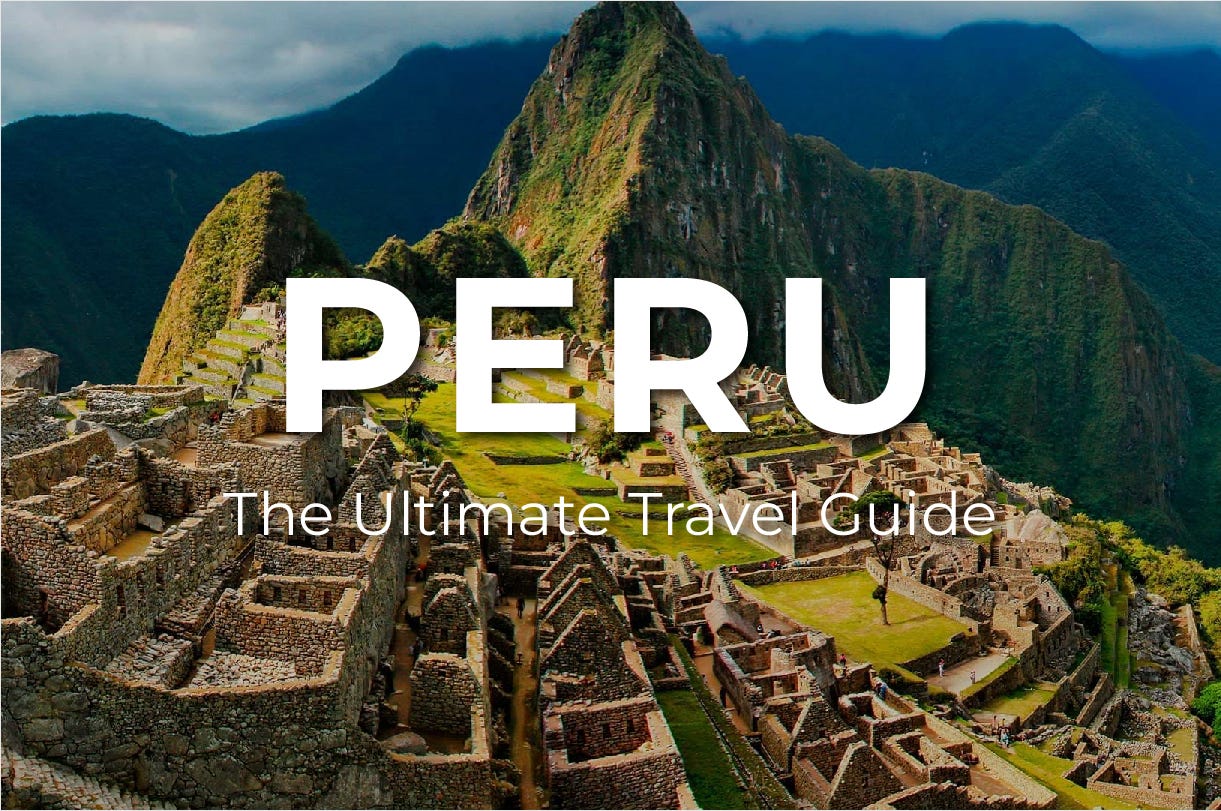
Peru is one of those rare countries that delivers on every register simultaneously: ancient civilization, extraordinary landscape, and the best food on the continent. It is the only country in the world where you can stand among Inca stonework built without mortar that has outlasted five centuries of earthquakes, descend the same afternoon into cloud forest, and sit down to dinner at one of the finest restaurants on earth.
None of this is exaggeration. Machu Picchu is genuinely as remarkable as its reputation. Lima has been named home to the world’s best restaurant twice in the past three years. And the Amazon rainforest in the Pacaya-Samiria Reserve is a biological world unlike anything accessible from the standard tourist circuit.
This guide covers the regions to know, the experiences that define the country, the practical details to have before you leave, how many days you actually need, and how to think about Peru if it is your first time.

Table of Contents
Why Peru is worth the trip
The regions to know
The unmissable experiences
Day trips and extensions
When to visit Peru
How many days to spend in Peru
A suggested 10-day itinerary
Where to eat
Where to stay
Practical information
How Peru fits into a broader South America trip
Frequently asked questions
Plan your Peru trip with ÆRIA Voyages
Why Peru is worth the trip
Peru is not a country you visit because it is convenient. It is a country you visit because it is specific: the ruins at Machu Picchu, the Amazon in the upper Peruvian basin around Iquitos, the Sacred Valley of the Incas, the floating reed islands of Lake Titicaca, the mist-shrouded cloud forest, and a capital city whose restaurant scene has spent the last decade redefining what South American cuisine can be.
The country sits at 1,285,216 square kilometres and spans three completely distinct ecological zones: the Costa, the narrow coastal desert strip where Lima sits; the Sierra, the Andean highlands where Cusco, Machu Picchu, and the Sacred Valley are found; and the Selva, the Amazon rainforest that covers more than half the national territory and contains some of the most biodiverse ecosystems on the planet. No itinerary accesses all three fully, but a well-planned trip can give you genuine immersion in at least two.
What surprises most first-time visitors is not the grandeur of any single site but the accumulation: the way Peru layers history, landscape, food, and human culture into something that cannot be adequately prepared for in advance. You will read about altitude before you go. You will not fully understand it until you land in Cusco.
The regions to know
Lima: the coastal capital
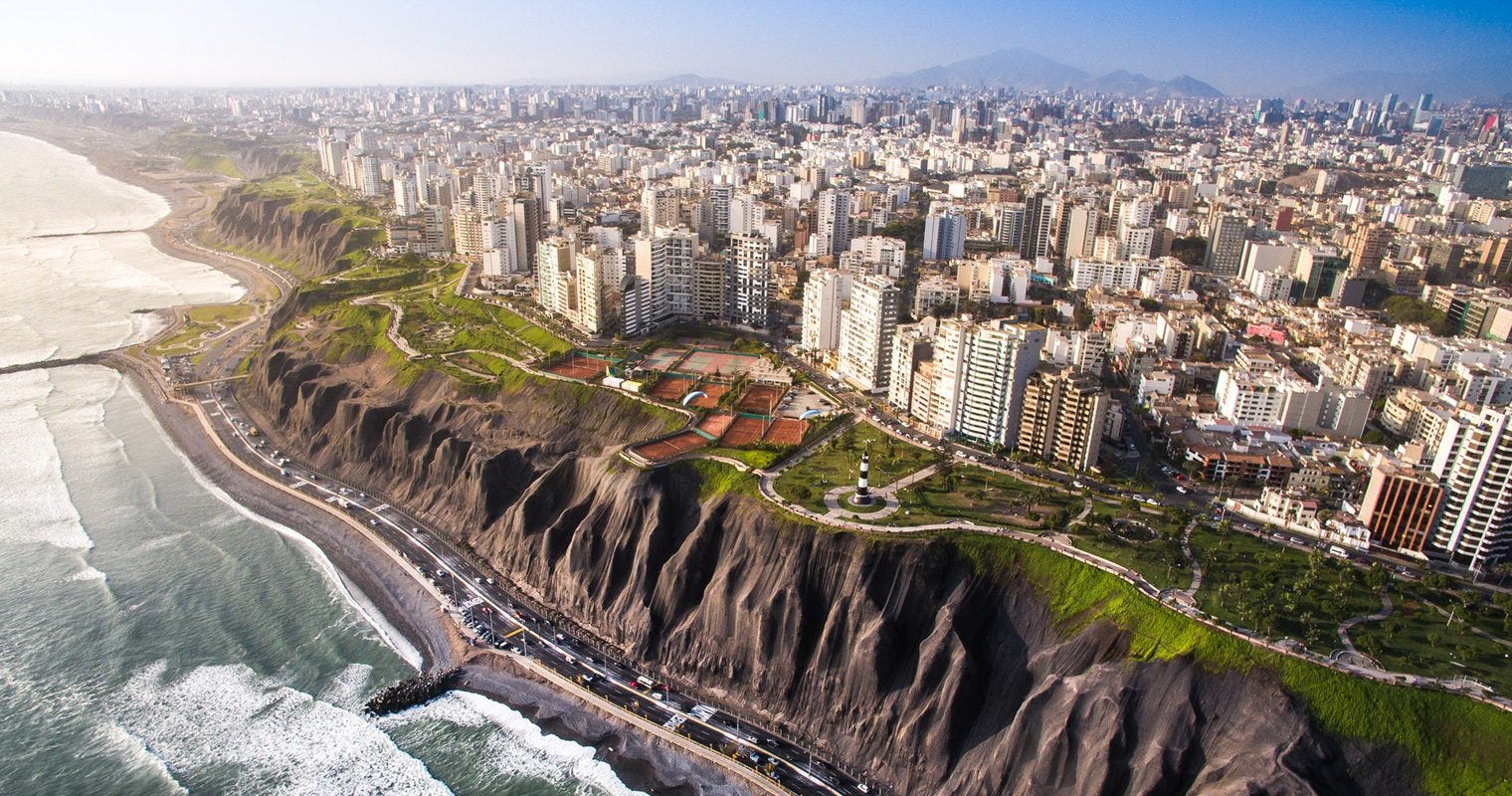
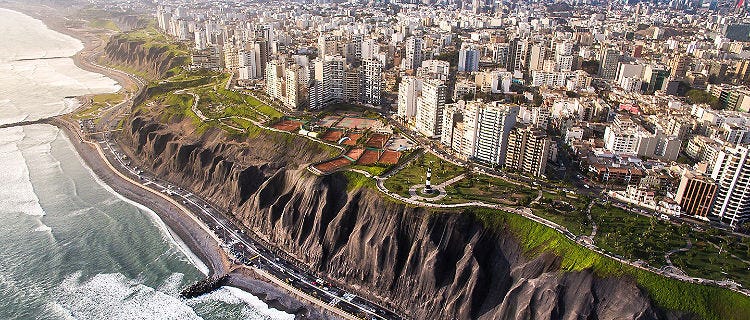
Lima sits on the Pacific coast in a coastal desert, where it almost never rains, and where a persistent sea mist called the garúa keeps the sky grey from May to November. It is not a conventionally beautiful city. But it has become one of the most compelling food cities in the world, and its two most visitor-friendly districts, Miraflores and Barranco, are among the most pleasant urban environments in South America.
Miraflores is the modern, upscale district built on cliffs above the Pacific, with the Malecón, a long clifftop promenade above the ocean, as its social spine. Parque Kennedy is the neighbourhood’s central square, surrounded by cafes and restaurants. The district is safe, walkable, and the most practical base for a first visit to Lima.
Barranco is the bohemian neighbourhood immediately south of Miraflores, built around a ravine leading to the sea. It has a more local, artistic character than Miraflores, with galleries, independent restaurants, and the Bridge of Sighs as its most photographed landmark. Central and Kjolle, two of Lima’s finest restaurants, are located in Barranco. It is the neighbourhood to be in for an evening.
Lima Centro Histórico is the colonial heart of the city, around the Plaza Mayor, with the Government Palace, the Cathedral, and the Archbishop’s Palace. It is worth a morning visit, particularly for the Monastery of San Francisco and its famous catacombs. It is not where you stay.
The Larco Museum in the Pueblo Libre district holds one of the most important collections of pre-Columbian art in the world, with over 45,000 pieces spanning 5,000 years of Peruvian civilisations. The building, a colonial mansion from the 18th century set in gardens, is as notable as the collection. It is the one museum in Lima that genuinely cannot be missed.
Cusco: the Inca capital
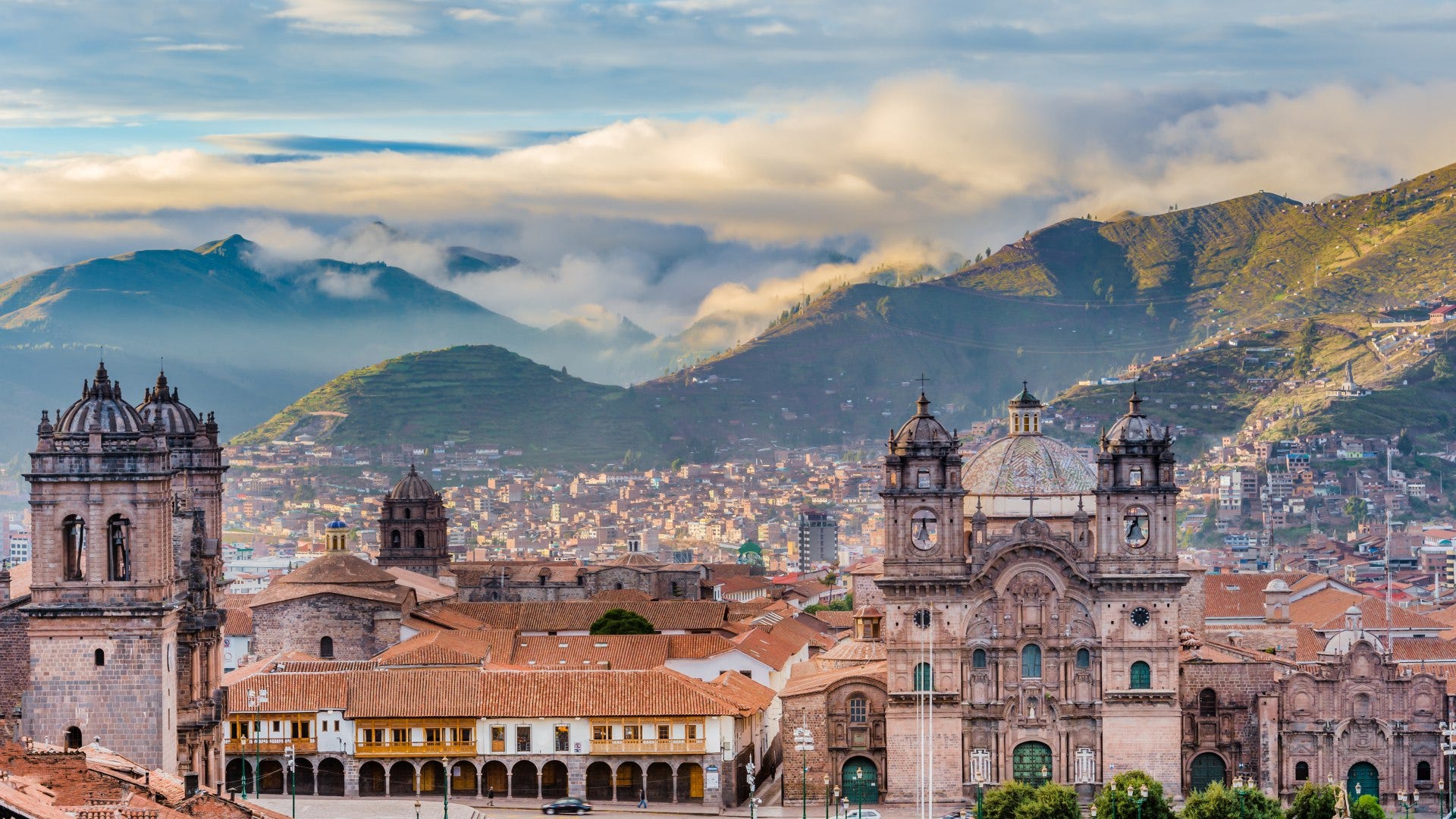
Cusco sits at 3,400 metres above sea level in the Andean highlands and was the capital of the Inca Empire, known as the Tawantinsuyu, for centuries before Spanish conquest in 1533. The Spanish demolished many of its temples and palaces and built their own structures directly on the Inca foundations. The result is a city of extraordinary visual layering: colonial baroque churches rising from walls of perfectly fitted Inca stone whose engineering precision modern construction still cannot fully replicate.
The Plaza de Armas is the city centre, with the Cathedral and the Church of La Compañía de Jesús facing the square. The Qorikancha, the golden temple of the sun and the most sacred Inca site in Cusco, now has the Dominican convent of Santo Domingo built directly above it. The contrast between the two architectures, side by side, is one of the most instructive things you can see in Peru.
Sacsayhuamán, the massive Inca fortress and ceremonial site on the hill above Cusco, is reached on foot in about 45 minutes from the Plaza de Armas or by taxi in ten. The scale of the stones, some weighing over 125 tonnes, transported and fitted into place without metal tools or the wheel, continues to confound engineering analysis.
Altitude sickness in Cusco is not a cliché. The city is higher than most visitors have ever been. Acclimatisation takes between 24 and 48 hours for most people. Drink coca tea, avoid alcohol, move slowly on the first day, and sleep. Do not plan any significant physical activity for your first 24 hours in the city.
The Sacred Valley of the Incas
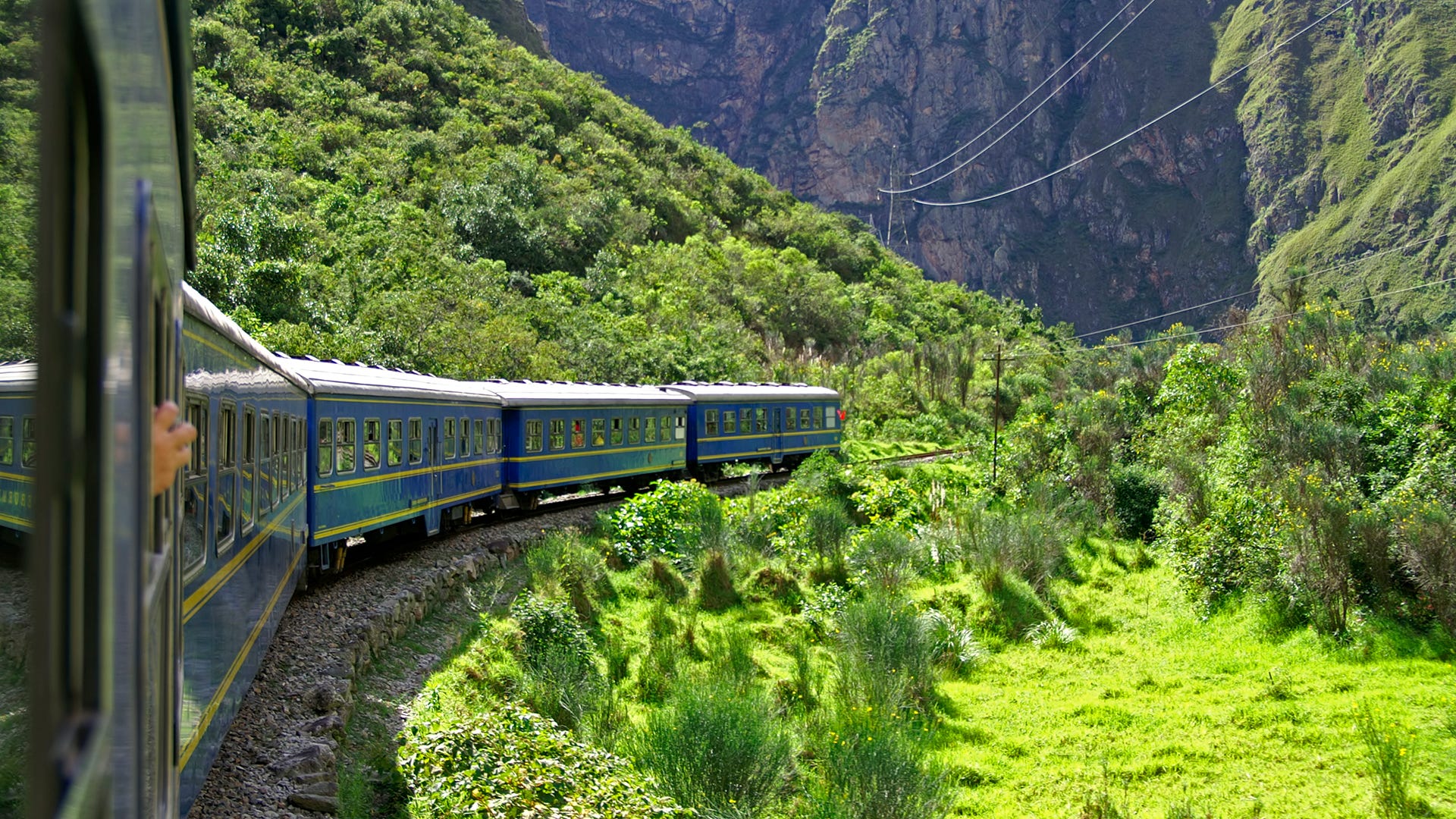
The Urubamba Valley, known as the Sacred Valley, runs northwest from Cusco toward Machu Picchu and sits at a lower altitude than Cusco, between 2,600 and 3,000 metres, with a warmer and more fertile climate. The Incas considered it the most sacred landscape in the empire and built some of their most important agricultural and ceremonial sites along its length.
Ollantaytambo is the best-preserved Inca town in Peru and the closest point from which the train to Aguas Calientes departs. Its fortress, built into the cliff above the town, is among the most dramatic Inca structures outside Machu Picchu itself. The town below still follows the original Inca urban grid, with water channels running along the cobbled streets.
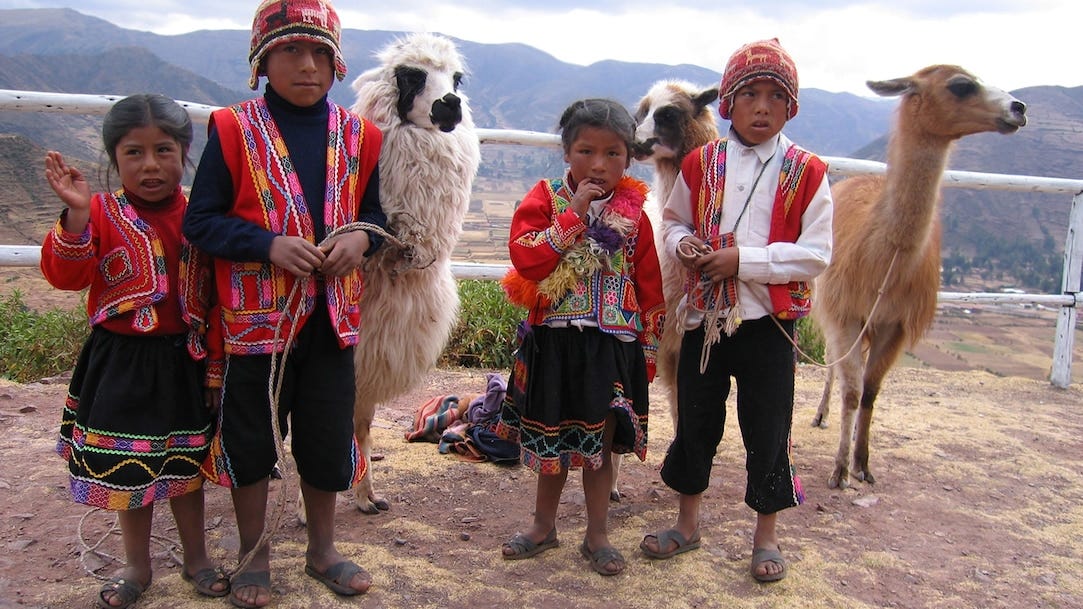
Chinchero is a weaving village above the valley where women in traditional dress demonstrate traditional dyeing and weaving techniques using natural Andean plants and alpaca wool. It is a genuinely artisanal community, not a staged show, and the market on Sunday mornings is one of the most authentic in the region.
Moray is an unusual Inca site of circular agricultural terraces cut concentrically into a natural depression, believed to have functioned as an agricultural laboratory for acclimatising crops from different altitudes. The geometry is unusual enough that it reads as abstract art from above.
Pisac is known for its Sunday, Tuesday, and Thursday market and for the extensive Inca ruins above the town, which most visitors skip because the market is easier. The ruins are extraordinary and rarely crowded.
Machu Picchu
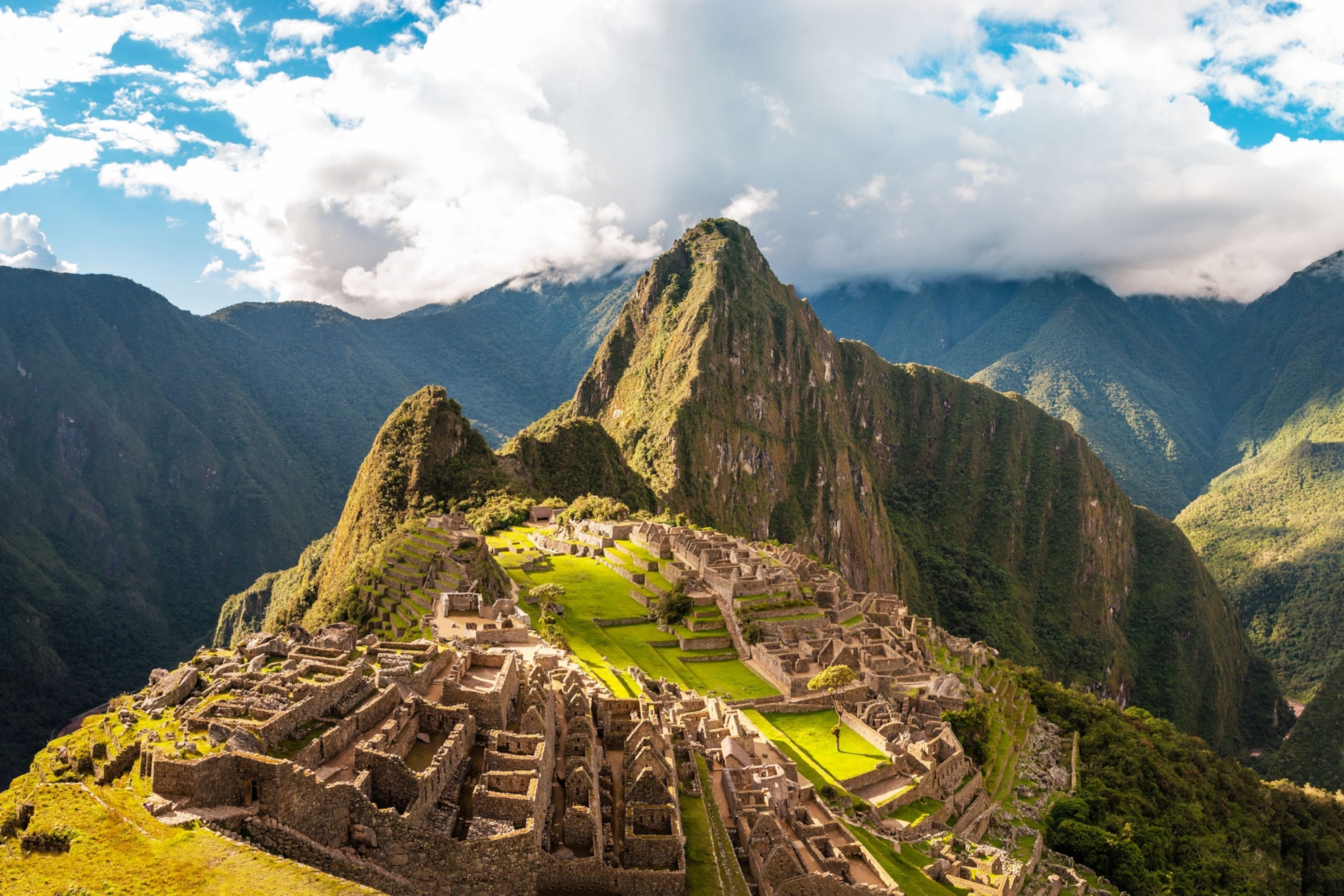
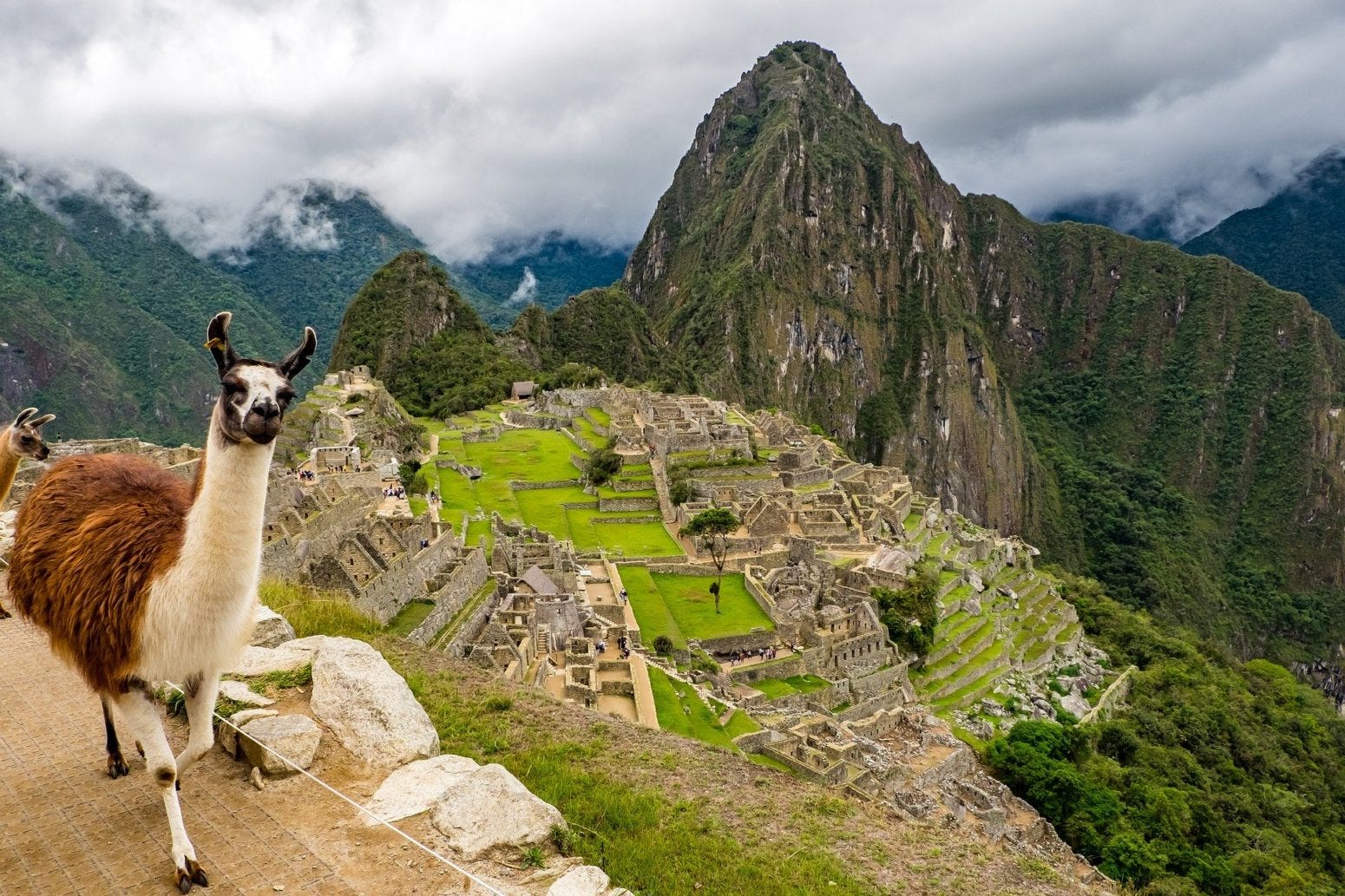
Machu Picchu needs no introduction but does require practical preparation that many visitors underestimate. It sits at 2,430 metres in the cloud forest, lower than Cusco, and is reached by train from Ollantaytambo to Aguas Calientes (the town at the base) and then by bus up the switchback road to the site entrance.
The site itself is divided into circuits, and in 2026 visitor access remains controlled through a timed-entry ticket system. Tickets must be purchased in advance through the official Ministry of Culture platform at tuboleto.cultura.pe. The site has a daily visitor limit and tickets for popular dates, particularly June and July, sell out weeks in advance. Do not arrive in Aguas Calientes assuming you can buy a ticket the next morning.
The classic views of Machu Picchu, with the terraced ruins against the backdrop of Huayna Picchu mountain, are real and as astonishing as every photograph suggests. The site covers 32,592 hectares and rewards slow exploration: the agricultural terraces, the temples, the sundial, the residential quarters, and the urban grid are all distinct zones with distinct characters. A guided visit adds context that transforms the experience from sightseeing to comprehension.
The best time to visit is at opening, around 6am, before the mid-morning crowds arrive via the first buses from Aguas Calientes. Rain is possible at any time of year; bring a lightweight waterproof layer regardless of the forecast.
The Peruvian Amazon
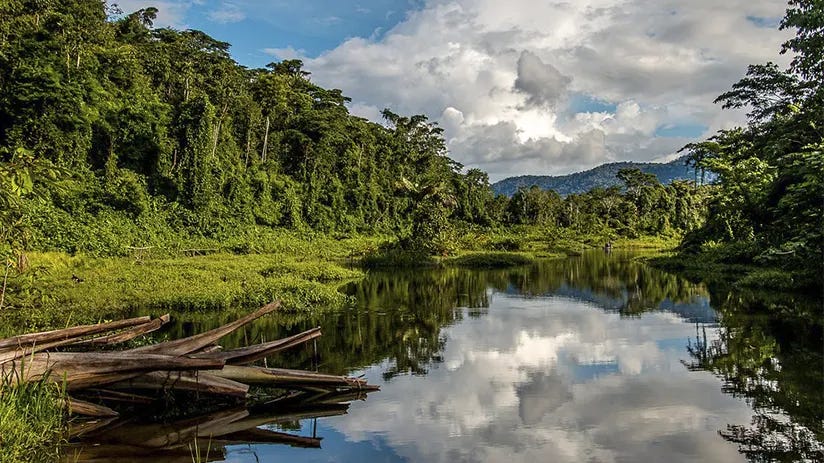
The Peruvian Amazon divides broadly into two access points: the region around Iquitos in the north, which is the largest city in the world unreachable by road and accessible only by river or air, and the region around Puerto Maldonado in the south, closer to Cusco and more easily integrated into a standard Peru itinerary.
The southern Amazon around Puerto Maldonado, including the Tambopata National Reserve, is the most visited and the most logistically accessible. Eco-lodges along the Tambopata River offer guided walks, nocturnal excursions, and visits to the Macaw Clay Lick at Collpa de Guacamayos, one of the most extraordinary wildlife encounters available anywhere in South America: hundreds of macaws and parrots descending to exposed riverbanks at dawn to consume mineral-rich clay.
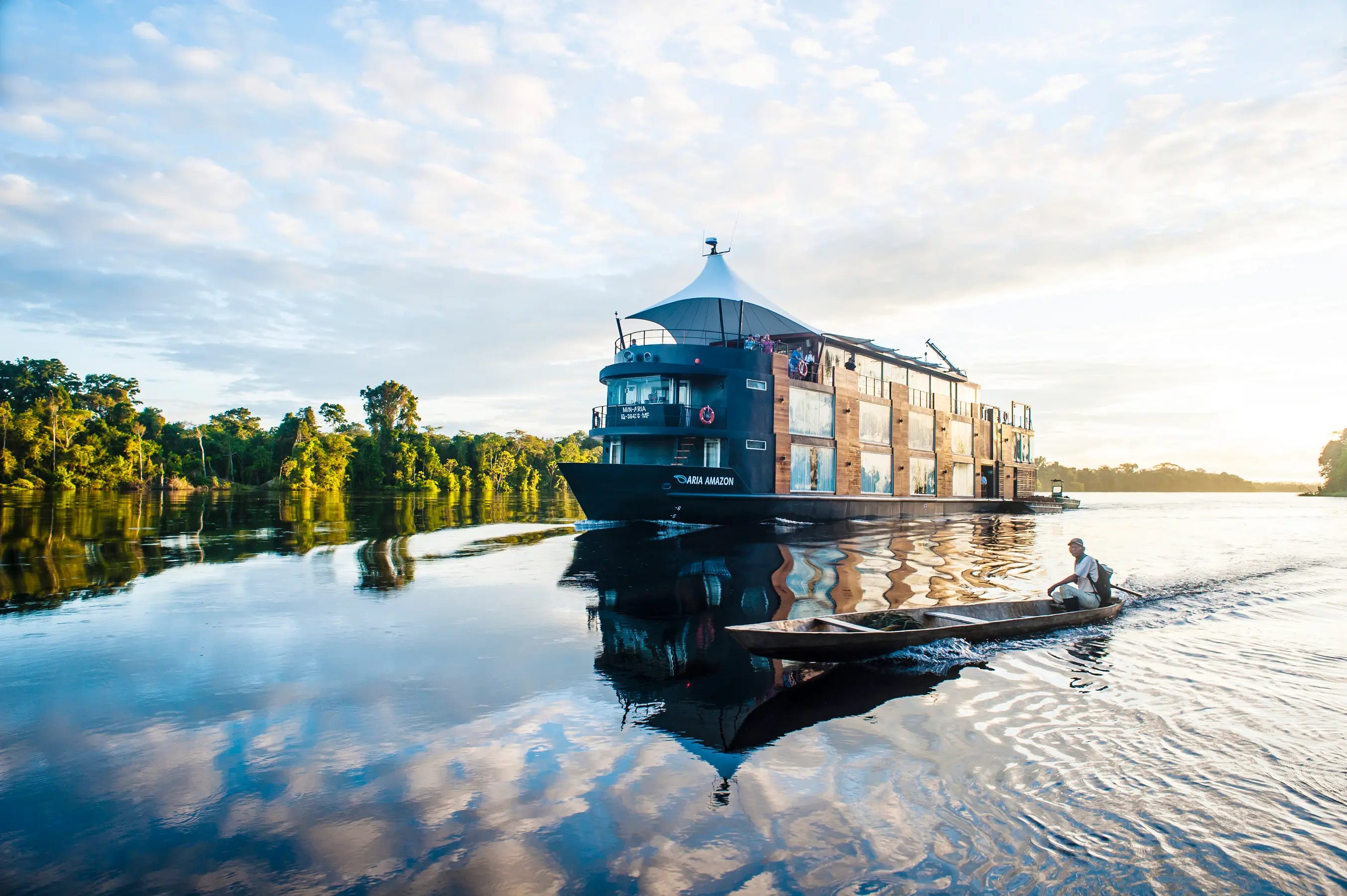
The northern Amazon around Iquitos, specifically the Pacaya-Samiria National Reserve, is the most biodiverse and least visited. It requires a flight to Iquitos from Lima, Cusco, or other major cities, and offers access to black-water tributaries, pink and grey river dolphins, giant river otters, and the extraordinary range of Amazonian bird and fish species. This is the region where Aqua Expeditions operates its Aria Amazon and Aqua Nera luxury river vessels.
Lake Titicaca and Puno
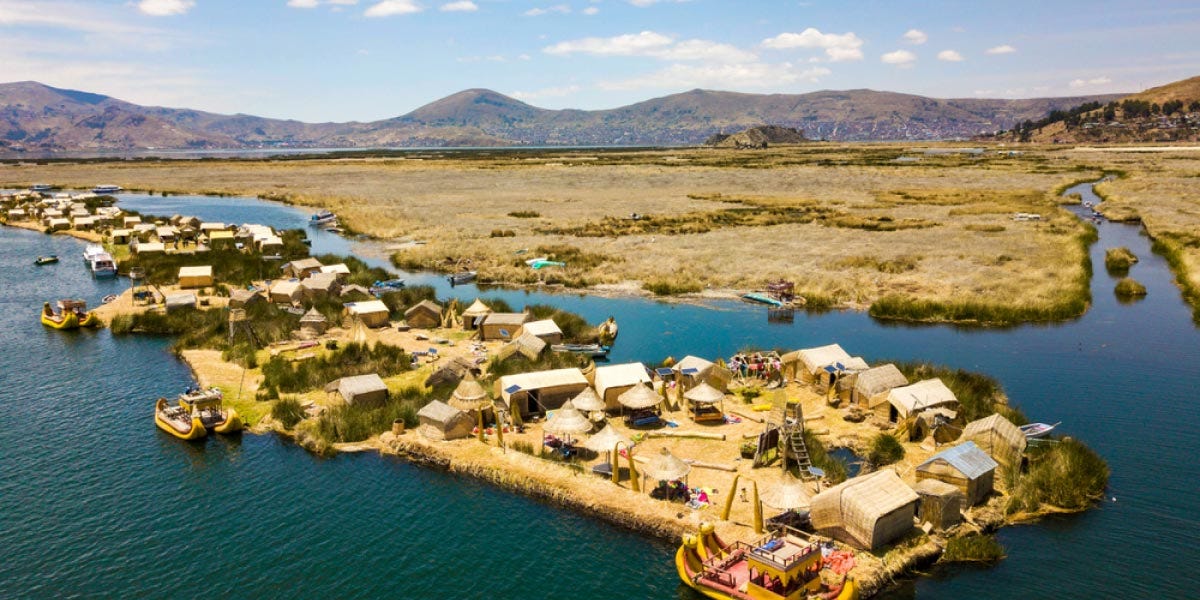
Lake Titicaca, at 3,810 metres above sea level, is the highest navigable lake on earth and the mythological origin point of Inca civilisation. The city of Puno on its shores is the gateway. The lake’s most famous attraction, the floating islands of the Uros people, are man-made platforms of woven totora reeds, inhabited by a pre-Inca culture that has lived on the lake for centuries. The experience is genuine, not simulated, though the most visited islands now have a tourist market component that the outlying islands do not.
The island of Amantaní, reached by a longer boat journey, offers overnight stays with local families and a more immersive experience of Andean lake culture. The island of Taquile, known for its UNESCO-recognised textile tradition, combines both culture and one of the finest views of the lake.
The unmissable experiences
Machu Picchu at sunrise

The first morning buses arrive at the site around 5:30am from Aguas Calientes. Being among the first group to enter as the mist lifts from the ruins and the mountains emerge around the site is one of the genuinely transformative travel experiences available anywhere on earth. It requires an early alarm but nothing more.
Walking the Inca Trail

The classic Inca Trail is a four-day, three-night trek from kilometre 82 near Ollantaytambo to Machu Picchu, crossing three mountain passes with a maximum altitude of 4,215 metres and passing through a sequence of cloud forest ecosystems and small Inca archaeological sites before the famous arrival at the Sun Gate above Machu Picchu at dawn on the final morning. Permits are limited to 500 people per day and sell out months in advance. This is not a rumour. Book your Inca Trail permit as far in advance as possible, ideally six months before your travel dates.
Those who cannot or do not want the classic trail have alternatives that are less congested and in some cases more diverse: the Salkantay Trek (five to six days via a glacier pass at 4,600 metres), the Lares Trek (a gentler route through remote highland communities), and the Inca Jungle Trail (which combines hiking, cycling, and zip-lining for a more adventure-focused approach).
The Macaw Clay Lick at Tambopata

At dawn along the Tambopata River, hundreds of macaws, parrots, and parakeets descend to exposed clay banks to consume minerals unavailable in their forest diet. The spectacle, in silence on a covered observation platform, with the sound of wings and the colour of the birds against the Amazonian morning, is one of those encounters that people come back to again and again in conversation for years.
A dinner at one of Lima’s world-class restaurants
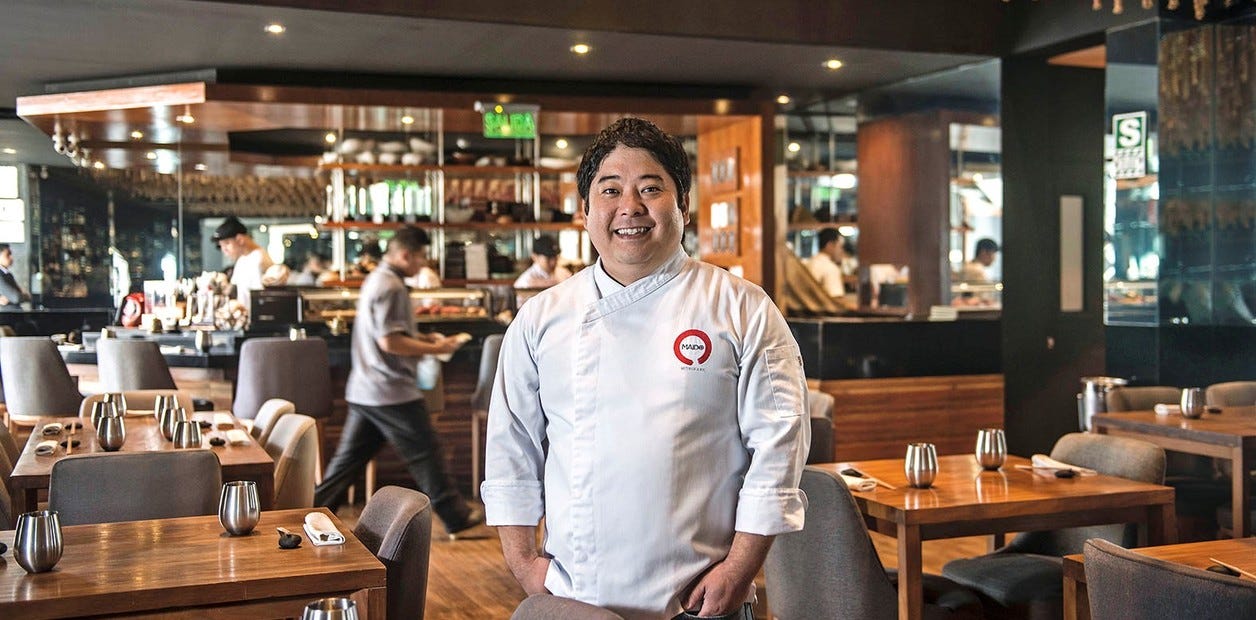
In 2026, Maido in Miraflores was named the world’s best restaurant by The World’s 50 Best Restaurants organisation. Central in Barranco, winner of the same award in 2023, and Astrid y Gastón in San Isidro, the restaurant that launched Peru’s gastronomic revolution in 1994, are within the same tier. A tasting menu at any of these three is a culinary experience comparable to the finest restaurants in Paris, Tokyo, or New York, at a price that is often considerably lower than equivalent institutions in those cities. Book 60 to 90 days in advance.
The Larco Museum in Lima

45,000 pre-Columbian artefacts spanning 5,000 years of Andean civilisation, in a colonial mansion surrounded by gardens, with a particularly extraordinary collection of pre-Inca gold and silver work. The museum’s reserve gallery, where thousands of objects not on main display are arranged visibly in open cabinets, gives a sense of the sheer volume of Andean artistic production that most museums conceal in storage.
Sacsayhuamán above Cusco
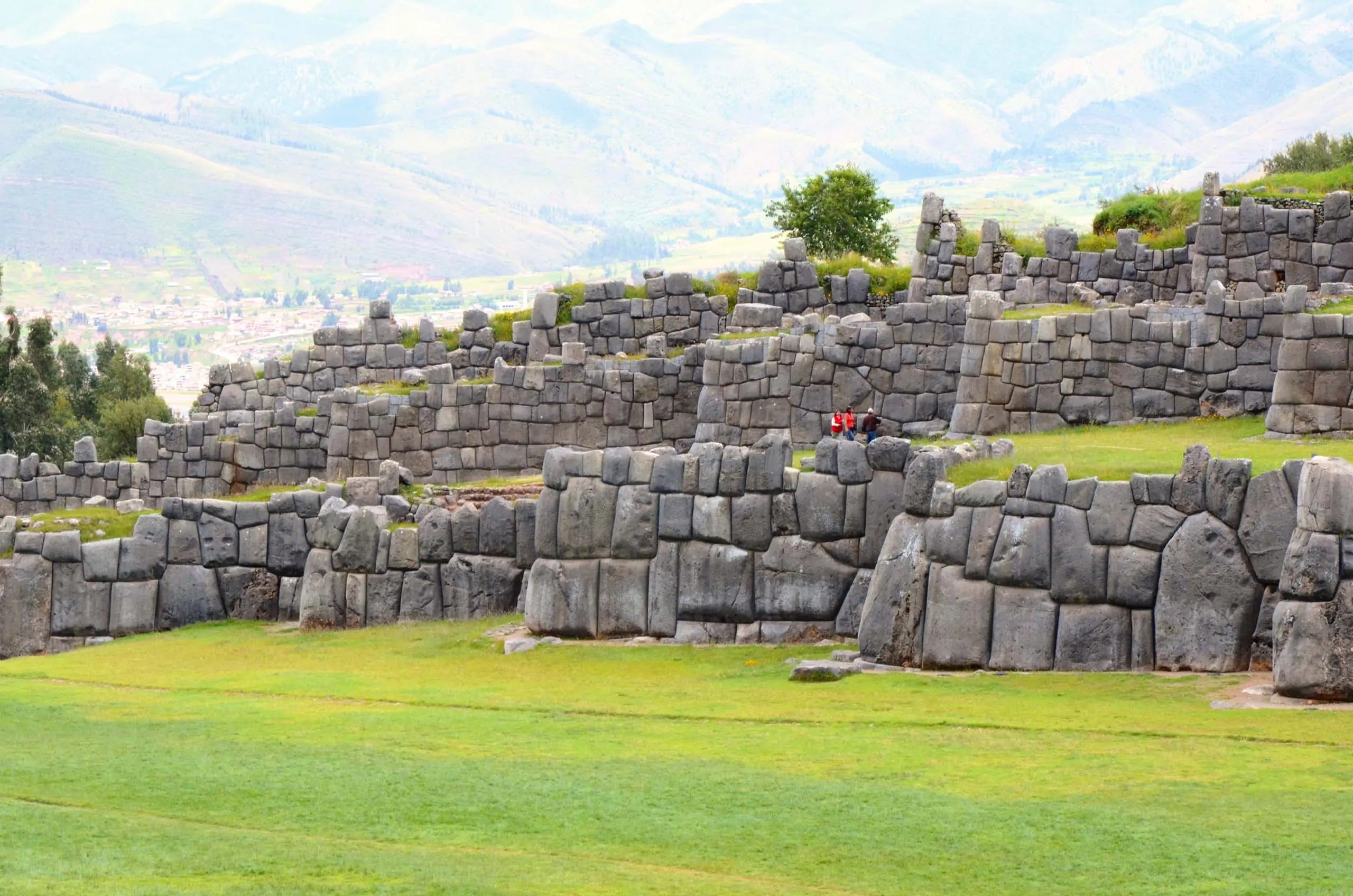
The Inca fortress above Cusco is the most immediately overwhelming demonstration of Inca construction skill: three parallel zigzag walls of limestone blocks, the largest exceeding 125 tonnes, fitted together in the Inca dry-stone technique with such precision that a piece of paper cannot be inserted between the joints. The site also hosts Inti Raymi, the Festival of the Sun, on June 24th each year, the most important Inca festival and one of the largest cultural celebrations in South America.
The Uros floating islands and Lake Titicaca
Taking a boat from Puno across the steel-blue surface of the world’s highest navigable lake to islands built entirely from woven reeds, where families have lived for generations, is an experience with no parallel anywhere else on earth. Stay past the organised boat tours to the further islands and the experience deepens.
Day trips and extensions from the main circuit
Arequipa: the White City

Peru’s second city, built almost entirely from white sillar volcanic stone beneath three enormous volcanoes including the El Misti crater, which is one of the most symmetrical in the world. Arequipa’s Santa Catalina Monastery, a walled colonial convent city covering two hectares in the centre of the city, is one of the most extraordinary architectural sites in Peru and is consistently overlooked in standard itineraries. The city also serves as the gateway to the Colca Canyon, one of the deepest canyons on earth, where Andean condors ride thermals at Cruz del Condor at an altitude exceeding 3,800 metres.
The Nazca Lines

The geoglyphs etched into the desert plateau of southern Peru between 500 BCE and 500 CE cover an area of approximately 450 square kilometres and are most recognisably the outlines of animals, including a condor, a spider, a hummingbird, and a monkey. The only way to see them properly is from a small aircraft. The overflight from the Nazca airstrip takes 30 to 35 minutes. Accessible from Lima by bus (approximately eight hours) or from Arequipa.
The Paracas National Reserve and Ballestas Islands

On the Pacific coast two hours south of Lima, the Paracas Reserve is one of Peru’s most important marine environments, and the Ballestas Islands just offshore are a Peruvian Galápagos in miniature: Humboldt penguins, Peruvian boobies, pelicans, sea lions, and dolphins visible on a two-hour boat excursion from Paracas. An easy addition before or after Lima.
Kuelap and the Chachapoyas culture

In northern Peru, far off the standard circuit but increasingly accessible by cable car from the Utcubamba Valley, Kuelap is a pre-Inca fortress built by the Chachapoyas culture between the 9th and 15th centuries. The site sits at 3,000 metres and is surrounded by cloud forest, with circular stone structures inside enormous walls. It is visited by a fraction of the people who go to Machu Picchu and rewards the additional travel with near-solitude and a different and equally compelling chapter of Andean history.
When to visit Peru
Peru’s geography creates radically different climates in different regions simultaneously, which makes seasonal advice more complex than for most destinations.
☀️ Dry season: May to October
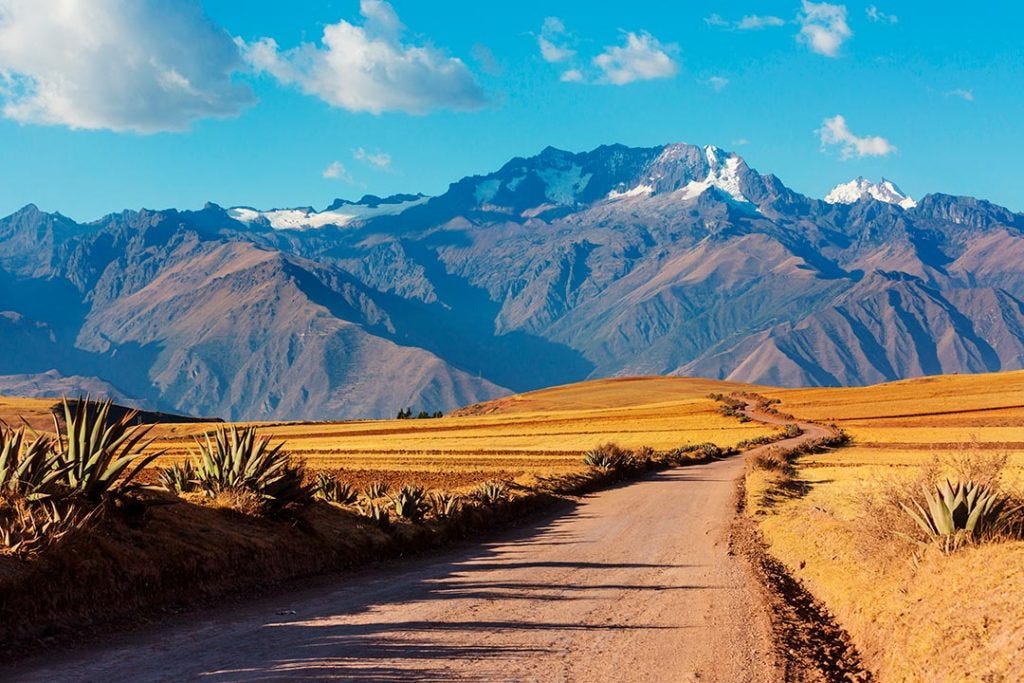
The dry season in the Andes and the Amazon is the most popular time to visit and the most consistently reliable for outdoor activities. Machu Picchu is sunny and clear. The Inca Trail and other treks are at their best. Cusco days are warm and clear; nights are cold. The Amazon is more accessible in the dry season as river levels are lower and wildlife concentrates around remaining water sources.
June, July, and August are the peak months, with the largest crowds and the highest prices. The Inti Raymi festival in Cusco on June 24th draws enormous numbers of visitors. Book everything well in advance for this period.
May and September to October are the ideal compromise: dry season conditions with significantly fewer crowds and better availability.
💧Wet season: November to April
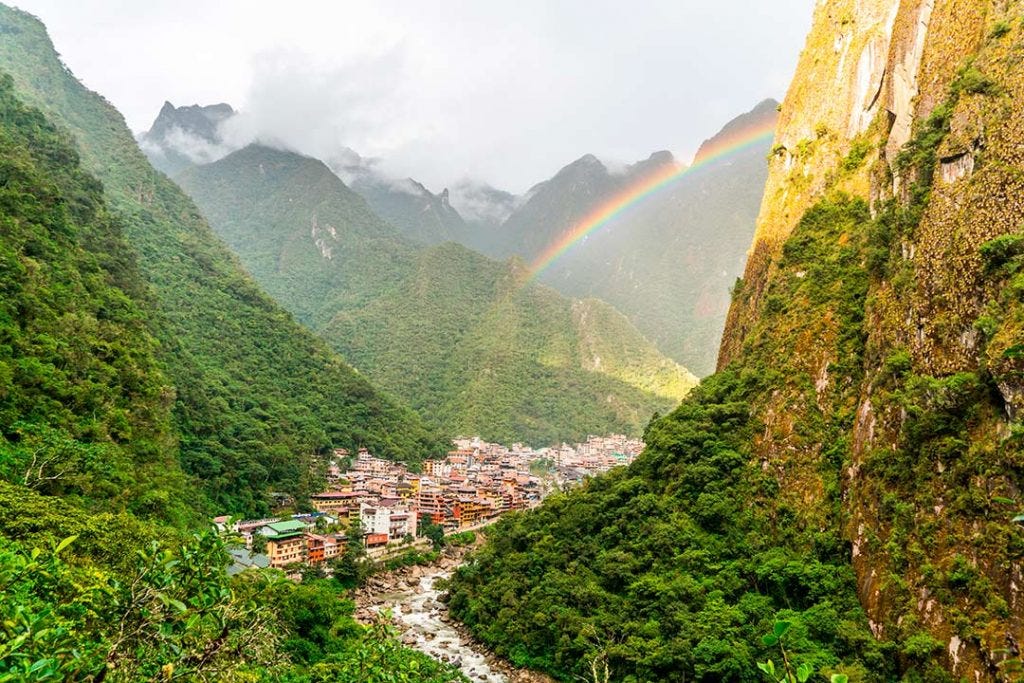
The rainy season in the highlands brings daily afternoon rains, lush green landscapes, and considerably lower tourist numbers. Machu Picchu is open throughout except for February, when it closes for maintenance. Rain at the site, while possible any time of year, is most likely from December to March. Inca Trail permits for the wet season are much easier to obtain.
February is the peak of the rainy season and Machu Picchu’s closure month. It is the quietest and least recommended time for the highlands.
Lima’s coastal weather is the inverse: the garúa mist and grey skies persist from May to November, while December to April brings sunshine and warmer temperatures to the coast.
How many days to spend in Peru
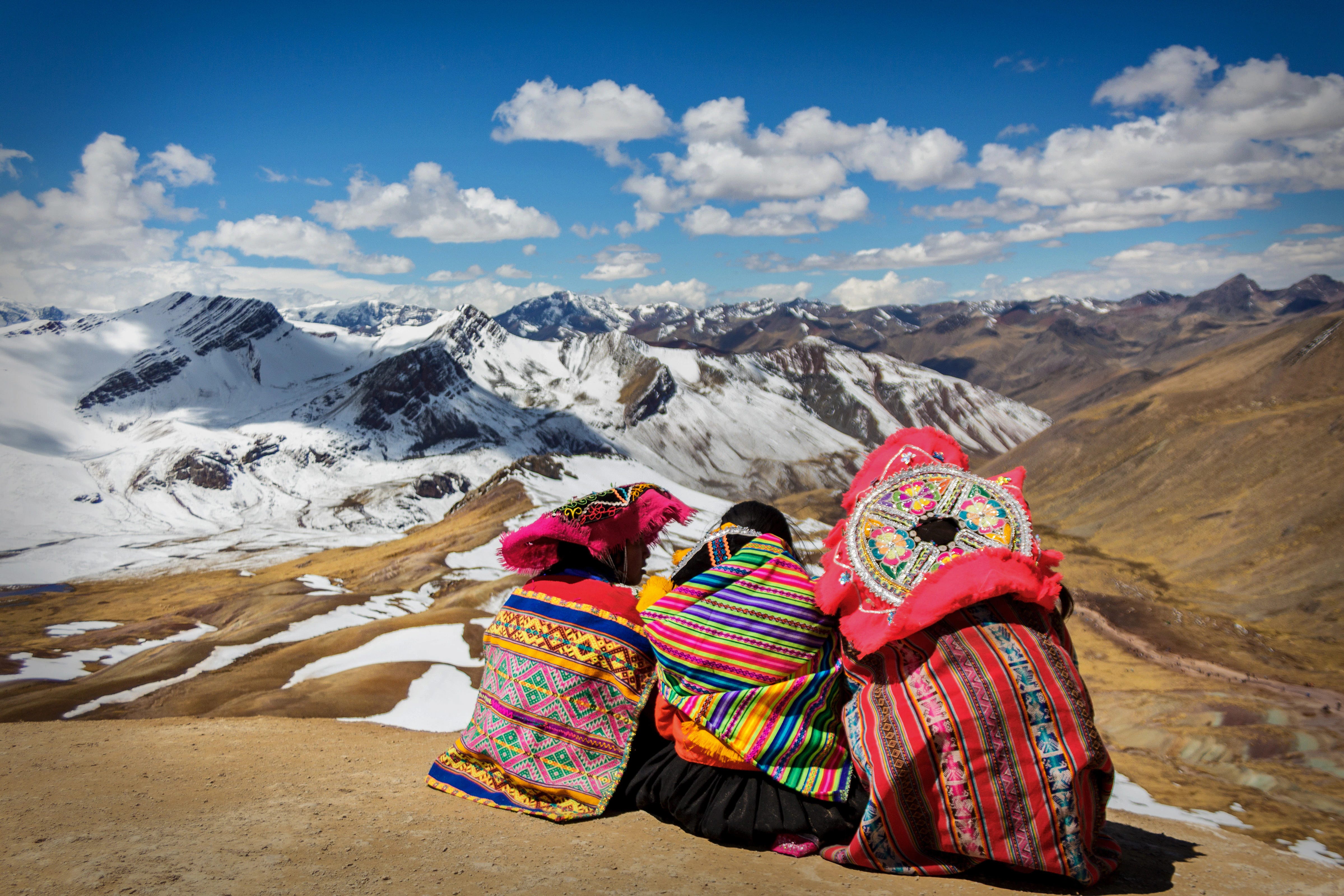
Seven days is the minimum to do the Lima-Cusco-Sacred Valley-Machu Picchu circuit justice, with very little room for anything additional or unexpected.
Ten days allows the same circuit at a more human pace plus Lake Titicaca and Puno, or a three-night Amazon extension.
Fourteen days or more opens up Arequipa and the Colca Canyon, the northern highlands, the Amazon in fuller depth, or a second city like Arequipa or Trujillo on the northern coast.
Peru is a country that consistently expands to fill whatever time you give it. The travellers who are most satisfied are those who resist trying to cover the entire country on a first visit and instead go deeper into fewer places.
A suggested 10-day itinerary
Days 1 to 2: Lima
Arrival at Jorge Chávez International Airport. Transfer to Miraflores.
Day 1: Walk the Malecón clifftop promenade above the Pacific. Lunch at a cevichería in Miraflores. Afternoon at the Larco Museum in Pueblo Libre. Dinner in Barranco.
Day 2: Morning visit to Lima Centro Histórico and the Plaza Mayor. The Monastery of San Francisco and its catacombs. Afternoon free for cooking class, Surquillo market visit, or museum. Evening tasting dinner at Central, Maido, or Astrid y Gastón, reserved months in advance.
Days 3 to 4: Cusco and acclimatisation
Fly Lima to Cusco, approximately 1 hour 20 minutes. Land at 3,400 metres.
Day 3: Arrival and acclimatisation. Walk slowly. Coca tea. Light lunch near the Plaza de Armas. Rest in the afternoon. Gentle evening stroll around the historic centre.
Day 4: Qorikancha temple. San Pedro Market for breakfast. Walk up to Sacsayhuamán. Afternoon in the artisan district of San Blas.
Days 5 to 6: The Sacred Valley
Day 5: Depart Cusco by road into the Sacred Valley. Morning in Chinchero at the weaving community. Moray archaeological terraces. Picnic in the valley. Overnight in Ollantaytambo or Urubamba.
Day 6: Morning in Ollantaytambo and the fortress. Afternoon train from Ollantaytambo to Aguas Calientes. Overnight in Aguas Calientes.
Day 7: Machu Picchu
Early bus to the site at 5:30am to enter with the first group. Three to four hours in the ruins with a guide. Descend to Aguas Calientes for lunch. Return train to Cusco. Final night in Cusco.
Days 8 to 9: Puno and Lake Titicaca
Fly Cusco to Juliaca, then drive to Puno (approximately one hour). Alternatively, take the scenic tourist train, which takes seven hours but stops at several archaeological sites along the way.
Day 8: Arrive in Puno. Boat excursion to the Uros floating islands.
Day 9: Full-day trip to Amantaní or Taquile Island. Or depart early for the Amazon extension.
Day 10: Return to Lima and fly home
Fly from Juliaca or Cusco to Lima. Depending on your departure time, one final lunch or afternoon in Miraflores before the international flight.
Where to eat
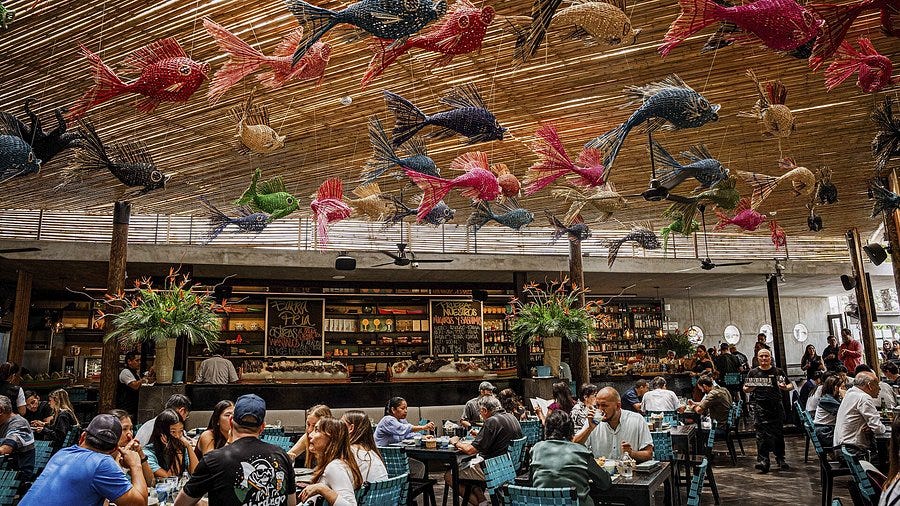
Peru’s gastronomic reputation is not confined to Lima’s restaurant scene. From the market stalls of the Cusco covered market to the fish stalls at the Surquillo market in Lima, eating well in Peru is structurally possible at almost every price point. The cuisine itself is the product of extraordinary biodiversity (more than 3,000 varieties of potato are native to Peru), centuries of cultural fusion including Andean, Spanish, African, Chinese, and Japanese influences, and an ingredient pantry that includes the Pacific coast, the highland valleys, and the Amazon rainforest simultaneously.
Maido | Miraflores, Lima | Named the world’s best restaurant in 2026 by The World’s 50 Best Restaurants. Chef Mitsuharu Tsumura’s Nikkei cuisine merges Peruvian ingredients with Japanese technique in a tasting menu that moves from raw to charcoal to umami-rich broths. Signature dishes include the 50-hour short rib and Japanese-style tiradito. Reserve 60 to 90 days in advance.
Central | Barranco, Lima | Best Restaurant in the World 2023, currently ranked among the top three globally. Chef Virgilio Martínez organises every dish by altitude and ecosystem, from the Pacific at sea level through coastal desert, highland, and Amazon to the Andean high altitude above 4,000 metres. The tasting menu is a geography lesson served as one of the most technically precise meals on earth. Reserve 60 to 90 days in advance.
Astrid y Gastón | San Isidro, Lima | Founded by Gastón Acurio and Astrid Gutsche in 1994, this is the restaurant that launched Peru’s gastronomic revolution. Set in a restored colonial mansion. The menu is rooted in Peruvian tradition elevated by contemporary technique, with one of the finest Pisco Sour programmes in the city.
La Mar | Miraflores, Lima | Gastón Acurio’s classic cevichería, open for lunch only. The freshest catch of the day, prepared in every possible Peruvian seafood format: ceviche, tiradito, leche de tigre, causa. Arrive at 11:30am to avoid a long wait. No standard reservations.
Kjolle | Barranco, Lima | Chef Pía León, partner of Virgilio Martínez at Central, runs her own restaurant a few doors away with a menu that explores the Peruvian pantry from a different and more personal angle. Currently ranked among the world’s top ten restaurants.
La Cusqueña | Cusco | Reliable and well-prepared traditional Peruvian and Andean cuisine in the city centre. For the classic Cusco dishes: sopa de maní, chicharrón, cuy (roast guinea pig, the regional speciality), and chicha morada.
Mercado San Pedro | Cusco | The covered market for a local breakfast of jugo de frutas, fresh bread, and emoliente before the day begins. The produce stalls display hundreds of Andean potato varieties, dried chillies, and fresh herbs that do not exist outside the region.
Where to stay
Belmond Miraflores Park | Lima | One of the finest hotels in South America, with views directly over the Pacific Ocean from the clifftop in Miraflores. Pool, spa, and the Tragaluz restaurant. The most comfortable base in Lima.
Country Club Lima Hotel | San Isidro | A 1927 hacienda-style hotel that feels entirely removed from the city outside its walls. Gardens, a colonial dining room, and the most established old-money atmosphere in Lima.
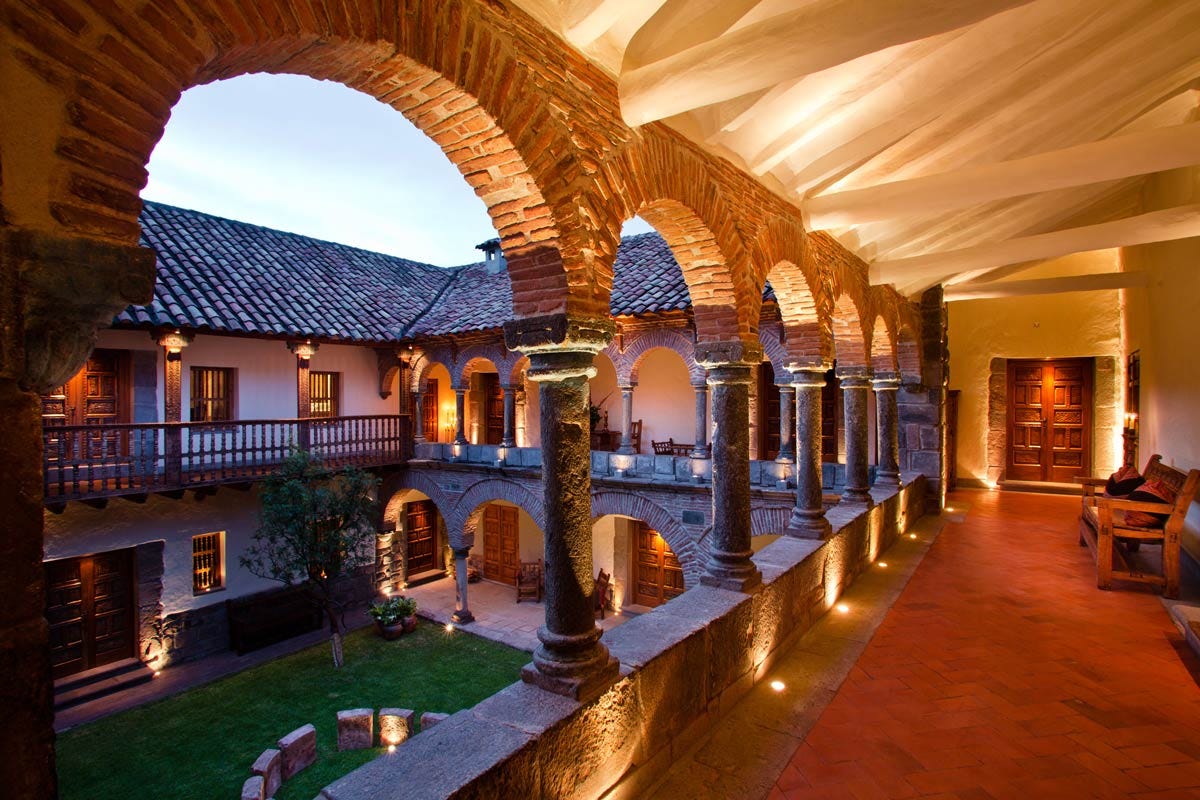
Inkaterra La Casona | Cusco | Fifteen suites in a restored colonial mansion on the Plaza de Armas, with a wood-panelled interior that feels like a private residence. The closest available hotel to every major Cusco site. Reserve well in advance.
Palacio del Inka | Cusco | A larger luxury property built into the foundations of a temple of the Virgins of the Sun, with Inca stone walls visible throughout. Excellent central location and one of the best breakfasts in the city.
Inkaterra Machu Picchu Pueblo Hotel | Aguas Calientes | The iconic eco-lodge at the base of Machu Picchu, with bungalows set among cloud forest gardens crossed by bridges and trails that bring guests within metres of 300 species of orchid and resident spectacled bears. The only true escape from the town’s busy tourist corridor.
Sumaq Machu Picchu Hotel | Aguas Calientes | The most refined option in Aguas Calientes proper, with terraced river views and a spa. A comfortable night before the early morning ascent.
Casa Andina Private Collection | Puno | The most reliable and comfortable option in Puno, with lake views and a consistent service standard across a part of the country where accommodation quality varies significantly.
Practical information
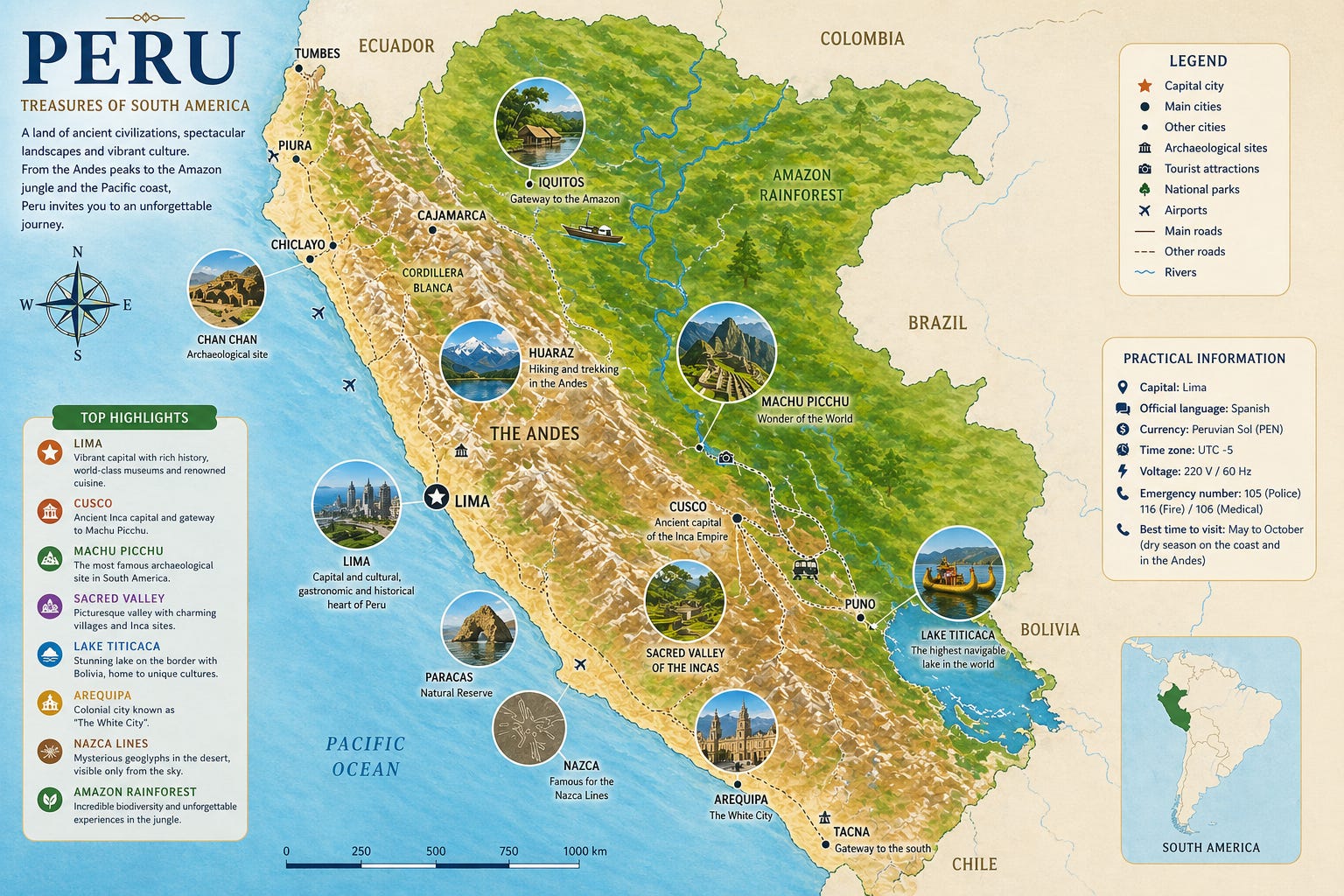
Currency: Peruvian Sol (PEN). US Dollars are widely accepted at hotels, tour operators, and many restaurants. ATMs are reliable in Lima, Cusco, and main cities. Carry Soles for markets, smaller restaurants, and rural areas. Credit cards are accepted at all major hotels and higher-end restaurants.
Language: Spanish is the official language. Quechua, the language of the Incas, is still widely spoken in highland communities. In Lima and Cusco tourist areas, English is broadly understood. In smaller towns and rural areas, Spanish is essential.
Altitude sickness: Cusco is at 3,400 metres. Puno is at 3,827 metres. Machu Picchu is at 2,430 metres (lower and not problematic for most people). The altitude in Cusco affects almost everyone on arrival. Give yourself 24 to 48 hours to acclimatise before any significant physical activity. Coca tea, available everywhere, genuinely helps. Consult your physician about Diamox before travelling if you are sensitive to altitude.
Getting around: Domestic flights connect Lima to Cusco (1h20), Arequipa, Puno (via Juliaca), Puerto Maldonado, and Iquitos. PeruRail and Inca Rail operate train services from Ollantaytambo or Poroy to Aguas Calientes for Machu Picchu. Buses connect most cities, with premium services (Cruz del Sur, Excluciva) offering comfortable overnight routes. In Lima, use Uber, Cabify, or hotel-arranged remisse taxis. Avoid hailing taxis from the street.
Machu Picchu tickets: Book through the official platform at tuboleto.cultura.pe. Tickets sell out weeks to months in advance for peak dates. Inca Trail permits are separate and also sell out months ahead.
Vaccinations: No vaccinations are mandatory for entry from Canada or the US, but hepatitis A, typhoid, and yellow fever (for Amazon regions) are commonly recommended. Consult a travel medicine clinic at least six weeks before departure.
Safety: Lima’s Miraflores and Barranco districts are safe for tourists by any standard. Lima Centro and other neighbourhoods require normal urban vigilance. Cusco’s historic centre is safe. Petty theft and pickpocketing are the primary risks in crowded markets and tourist sites. Use hotel safes, carry copies of documents, and be aware in busy areas.
Tipping: Not mandatory but appreciated. In restaurants, 10 percent is standard. Tour guides and drivers expect a tip at the end of a multi-day trip; US dollars are accepted and preferred.
How Peru fits into a broader South America trip
Peru is most naturally combined with Ecuador and the Galápagos Islands, with Colombia for a coast and highlands circuit, or with Bolivia and northern Argentina for an Andean highland journey. The Lima to Cusco to La Paz overland route, crossing into Bolivia via Lake Titicaca, is one of the classic South American travel sequences.
For travellers focused on the Amazon, the Peruvian upper Amazon around Iquitos complements the Brazilian Amazon and can be combined into a single river expedition. The Aqua Expeditions vessels operating on the Peruvian Amazon offer luxury multi-night programmes in the Pacaya-Samiria Reserve that represent one of the finest accessible immersions in the Amazonian ecosystem.
As a standalone destination, Peru rewards two weeks to a month of focused travel without repetition. As part of a larger South American circuit, Lima is the continent’s most convenient major hub, with direct flights from North America and connections to every major South American city.
Frequently asked questions
Is Peru safe for tourists?
Lima’s main tourist districts, Miraflores and Barranco, are safe and walkable. Cusco’s historic centre is safe. The standard cautions that apply in any major city apply in Peru: use hotel-arranged taxis rather than hailing from the street, be aware in crowded markets and tourist sites, use hotel safes for documents and valuables. The tourist circuit from Lima to Cusco to Machu Picchu is well-established and visited by hundreds of thousands of international travellers every year without incident.
Do I need to book Machu Picchu tickets in advance?
Yes, and the further in advance the better. Tickets are sold through the Ministry of Culture’s official platform at tuboleto.cultura.pe and are capacity-controlled per time slot. During peak season (June to August) tickets sell out weeks to months in advance. Inca Trail permits have a separate and more limited quota, selling out up to six months ahead. Do not arrive in Cusco or Aguas Calientes assuming you can buy a ticket on the day.
How serious is altitude sickness and what should I do about it?
Cusco at 3,400 metres affects most visitors arriving from sea level: headache, fatigue, shortness of breath, and disrupted sleep are common. The altitude in Puno at 3,827 metres is more intense. Machu Picchu at 2,430 metres is lower than Cusco and rarely problematic once you have already acclimatised to Cusco. The standard advice: arrive by afternoon, rest, drink coca tea and plenty of water, avoid alcohol and heavy meals for the first 24 hours, and give your body 48 hours before demanding physical activity. Consult your doctor about acetazolamide (Diamox) as a preventive measure if you are particularly sensitive.
When is the best time to visit Peru?
May through October is the dry season and the most reliable time for outdoor activities, Machu Picchu, the Inca Trail, and highland trekking. June, July, and August are the peak months with the largest crowds. May and September to October offer dry-season conditions with fewer visitors. The rainy season from November to April brings lush landscapes, far fewer crowds, and lower prices, with February being the quietest month and the time Machu Picchu closes.
How does Peruvian food compare to expectations?
It exceeds them, consistently. Lima’s gastronomic scene is genuinely world-class by any measure: two Lima restaurants have been named the world’s best in the past three years. But the surprise for most visitors is that the quality extends well below the fine-dining tier: the ceviche served at a lunch-only cevichería in Miraflores, the aji de gallina at a market stall, and the fresh fruit juices at any Peruvian market are all remarkable by the standards of any other country. Budget liberally for food in Lima. It is worth it at every price point.
Can I visit Peru without Spanish?
In Lima and Cusco, yes, in the sense that tourist infrastructure is well-developed in English, hotels and tour operators communicate fluently, and most restaurant menus include English translations. Outside the main tourist circuit, in markets, local transport, smaller towns, and any situation requiring negotiation or problem-solving, Spanish is essential. Basic Spanish will make your trip significantly more rewarding and is worth preparing before you go.
Plan your Peru trip with ÆRIA Voyages
Peru is one of those destinations where the planning matters as much as the going. Machu Picchu ticket timing, Inca Trail permit availability, acclimatisation sequencing, Amazon lodge selection, and the Lima restaurant reservations that require months of advance notice are all details where expert guidance produces a materially better trip.
I help clients build Peru itineraries that match their time, their interests, and their budget, whether that means a first-class Machu Picchu circuit, a luxury Amazon expedition aboard Aqua Expeditions’ river vessels in the Pacaya-Samiria Reserve, or a two-week deep dive that combines all three ecological zones.
If you are planning a trip to Peru and want to talk through the options, I would be glad to help.
Yvan Junior Blanchette
Travel & Cruise Specialist
ÆRIA Voyages📩 yvanblanchette@aeriavoyages.com
📞 1-888-460-3388
🌐 aeriavoyages.com