

The Ultimate TOKYO Travel Guide: What to know, where to go, and how to make the most of your visit
Destination guide · Updated 2026 · Japan · First-time visitors · In-depth travel
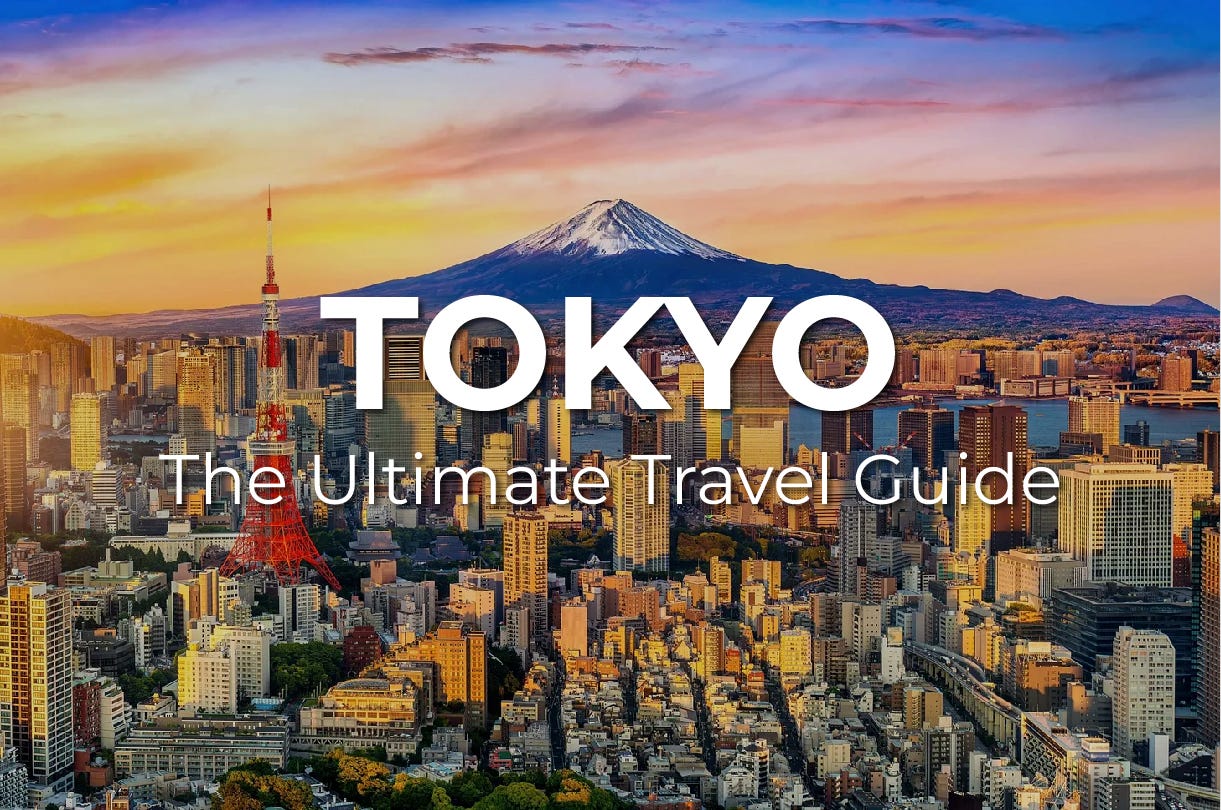
Tokyo is one of the most visited cities in the world, and also one of the most misunderstood. It looks overwhelming at first. It is not.
This guide covers the districts worth knowing, the experiences that define the city, the practical details you need before you go, and how to plan the right amount of time for the kind of trip you want.
Table of Content
🎙️ LISTEN TO THE BEYOND THE HORIZON PODCAST

Why Tokyo is worth visiting
Tokyo is not simply Japan’s capital city. It is the clearest single expression of what Japan is: a place where extreme modernity and deep tradition exist side by side without friction. In the same afternoon you can walk through a centuries-old temple complex and find yourself in a neighborhood where every building feels like it was designed last year.
Beyond the contrast, Tokyo offers something that surprises almost every first-time visitor: ease. The city is vast but navigable. It is busy but calm. It is one of the safest major cities on earth and one of the most efficiently organized. Once you understand how it works, it stops feeling overwhelming and starts feeling almost intuitive.
For travelers visiting Japan for the first time, Tokyo is the natural starting point. It covers the full range of what the country has to offer and serves as a foundation for everything that follows.
If you are just starting to plan your trip, I recommend beginning with my complete guide to East Asia, which will help you understand the different destinations across the region.

The neighborhoods you should know
Tokyo is not best understood as a single city. It is a collection of distinct neighborhoods, each with its own character, pace, and purpose. Choosing which ones to spend time in depends on what you are looking for.
Shibuya
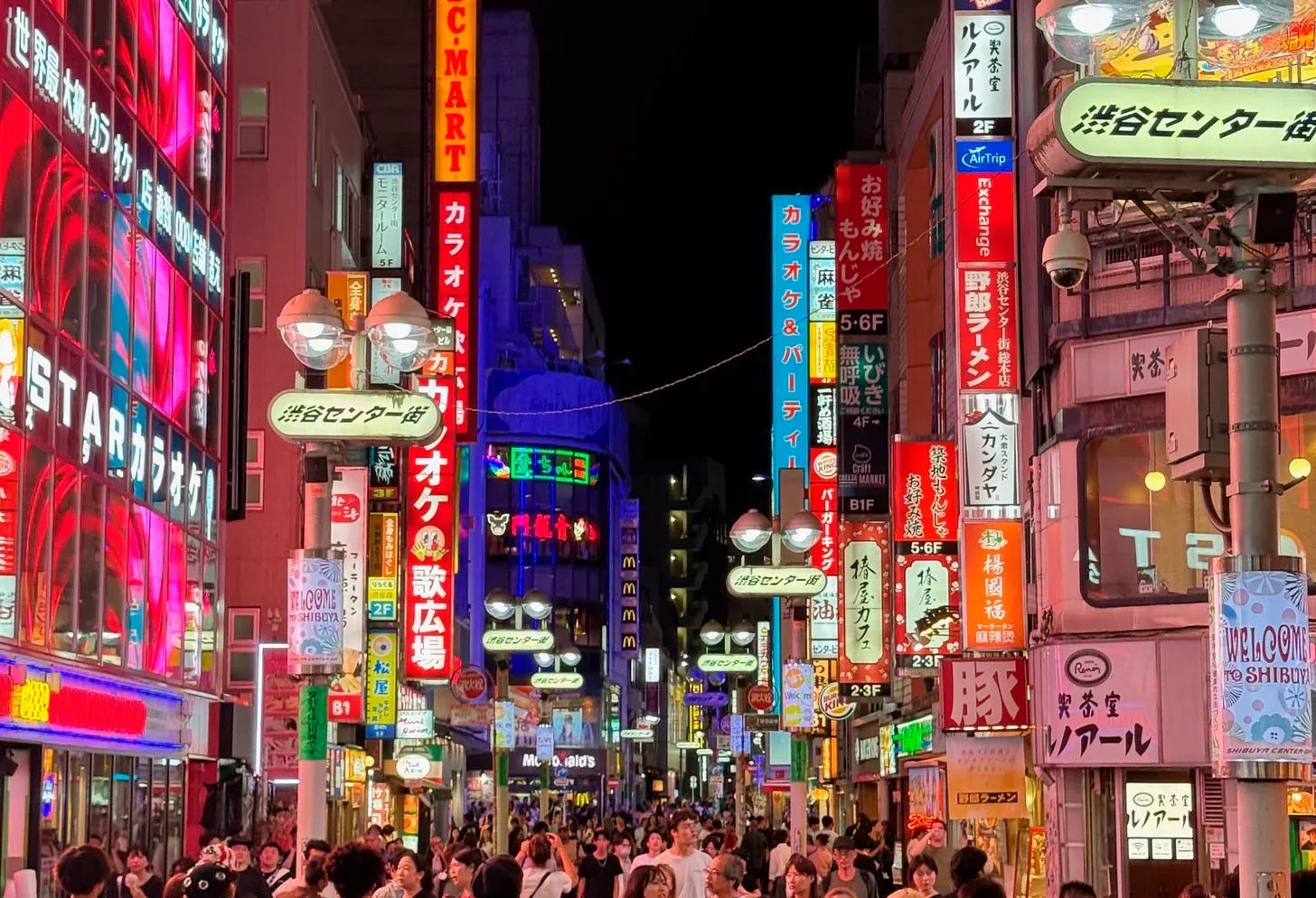
Shibuya is often the image people carry of Tokyo before they arrive: the famous scramble crossing, giant illuminated screens, crowds moving in every direction at once. That image is accurate. But Shibuya is more than its most photographed moment. The surrounding streets are full of independent shops, restaurants, and a youthful energy that feels genuinely alive rather than performed for tourists. It is a neighborhood best experienced in the evening, when the lighting transforms the entire area and the pace picks up.
Asakusa
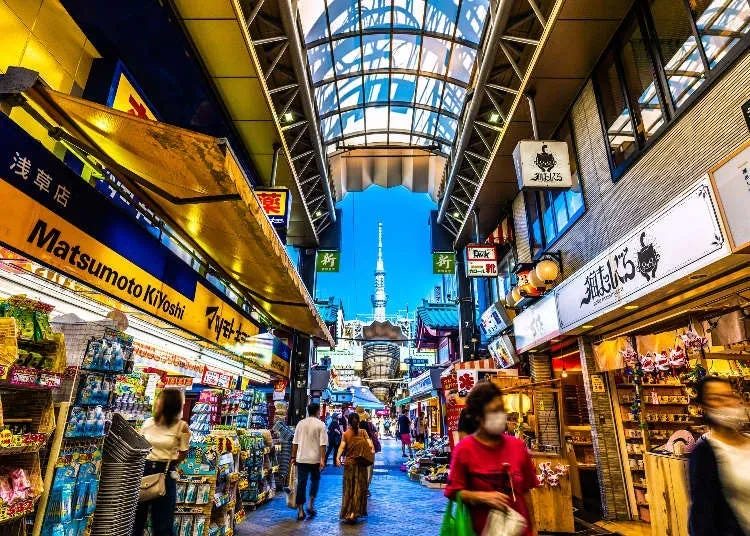
Asakusa offers an immediate and deliberate contrast to neighborhoods like Shibuya. The pace here is slower. The streets are older. Senso-ji, Tokyo’s oldest and most visited temple, anchors the neighborhood and draws visitors who want a connection to a Japan that predates the modern city. Nakamise Street, the traditional shopping arcade leading to the temple, is worth walking slowly. The area around it, particularly in the early morning before the crowds arrive, is one of the most atmospheric places in the city.
Ginza
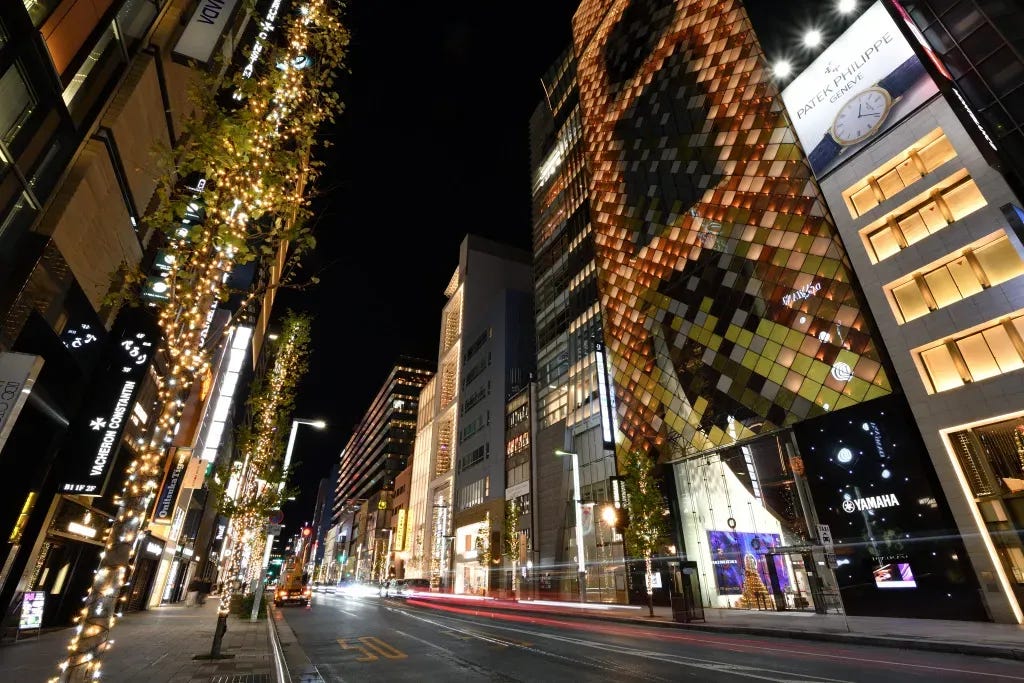
Ginza is Tokyo’s most polished neighborhood. Wide boulevards, flagship retail, contemporary architecture, and a noticeably quieter atmosphere than the city’s busier districts. It is well suited to an evening walk, an upscale dinner, or simply a slower pace after a full day elsewhere. It also offers some of the best people-watching in the city, in a more refined register than Shibuya or Shinjuku.
Shinjuku
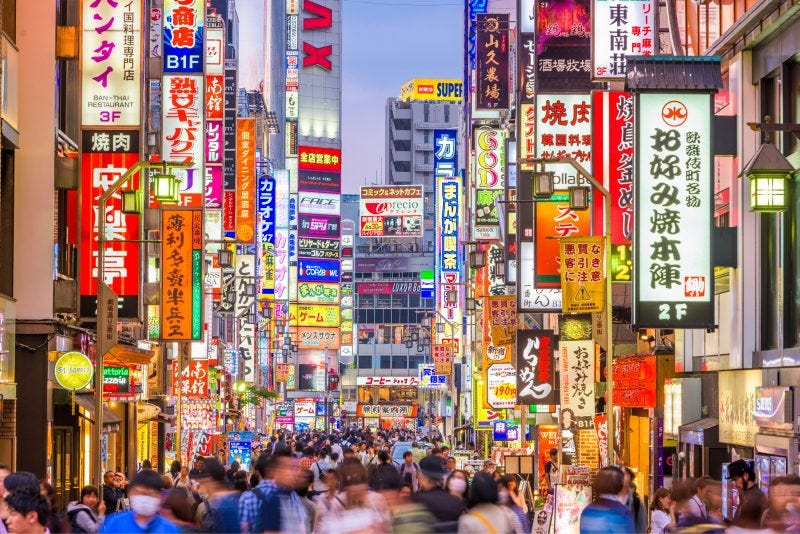
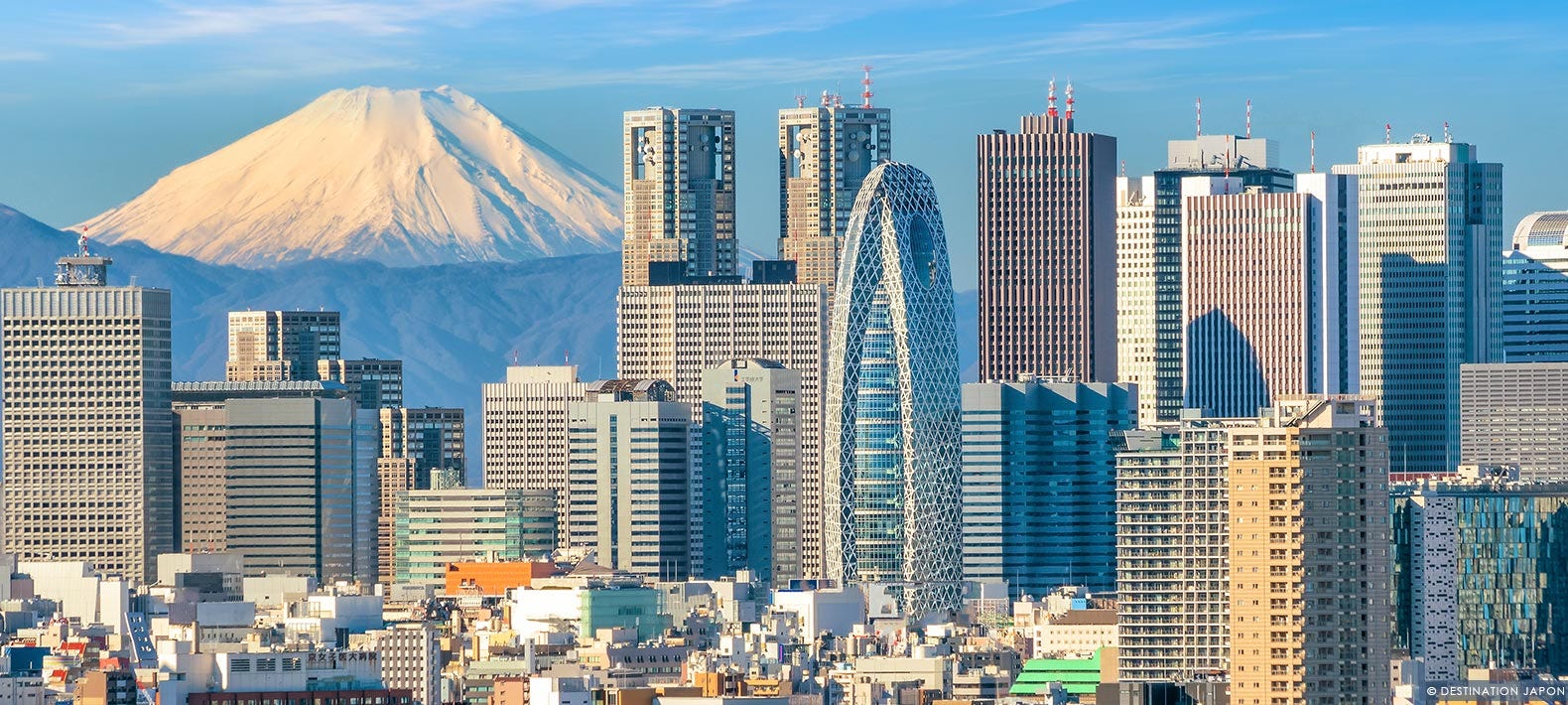
Shinjuku contains multitudes. During the day it is a major transit hub and commercial center. At night, the east side becomes one of the most energetic entertainment districts in Asia, while the west side is home to the city’s skyline of high-rise hotels and corporate towers. Golden Gai, a dense cluster of tiny bars tucked into a few narrow alleyways near Kabukicho, is one of the most distinctive drinking experiences anywhere in the world.
Yanaka
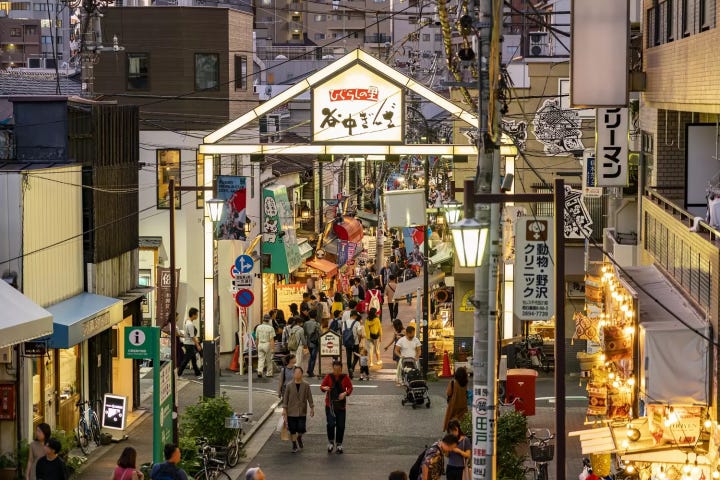
Yanaka is less visited than the neighborhoods above and more rewarding for it. One of the few areas of Tokyo that survived both the 1923 earthquake and the Second World War largely intact, it retains an older, quieter character. Wooden shopfronts, a historic cemetery, independent craftspeople, and very few tourists. It is the neighborhood to visit when you want to understand what Tokyo looked like before it became what it is today.
Experiences that define a visit to Tokyo
Eating your way through the city

Tokyo has more Michelin-starred restaurants than any other city in the world, but some of the most memorable meals happen at ground level. A bowl of ramen at a counter with eight seats. Yakitori grilled over charcoal in a narrow alley under the train tracks in Yurakucho. An izakaya dinner where the food comes in small shared plates and the evening unfolds without a schedule. Food in Tokyo is not a side activity. It is one of the main reasons to go.
Using the metro

The Tokyo metro system covers the city with a precision that feels almost impossible until you experience it. Trains run on time to the minute. Carriages are quiet. Signage is clear in both Japanese and English. Navigating it takes one or two trips to get comfortable, and then it becomes the most reliable way to move across a city of 14 million people. It is also, unexpectedly, one of the more interesting windows into how Tokyo actually functions day to day.
Tokyo at night

The city changes substantially after dark. The lighting, the reflections on wet streets, the shift in pace in different neighborhoods, the contrast between the illuminated towers of Shinjuku and the quiet lanes of a residential district nearby. Tokyo at night is worth planning for deliberately, not just treating as an extension of the daytime itinerary.

Day trips from Tokyo
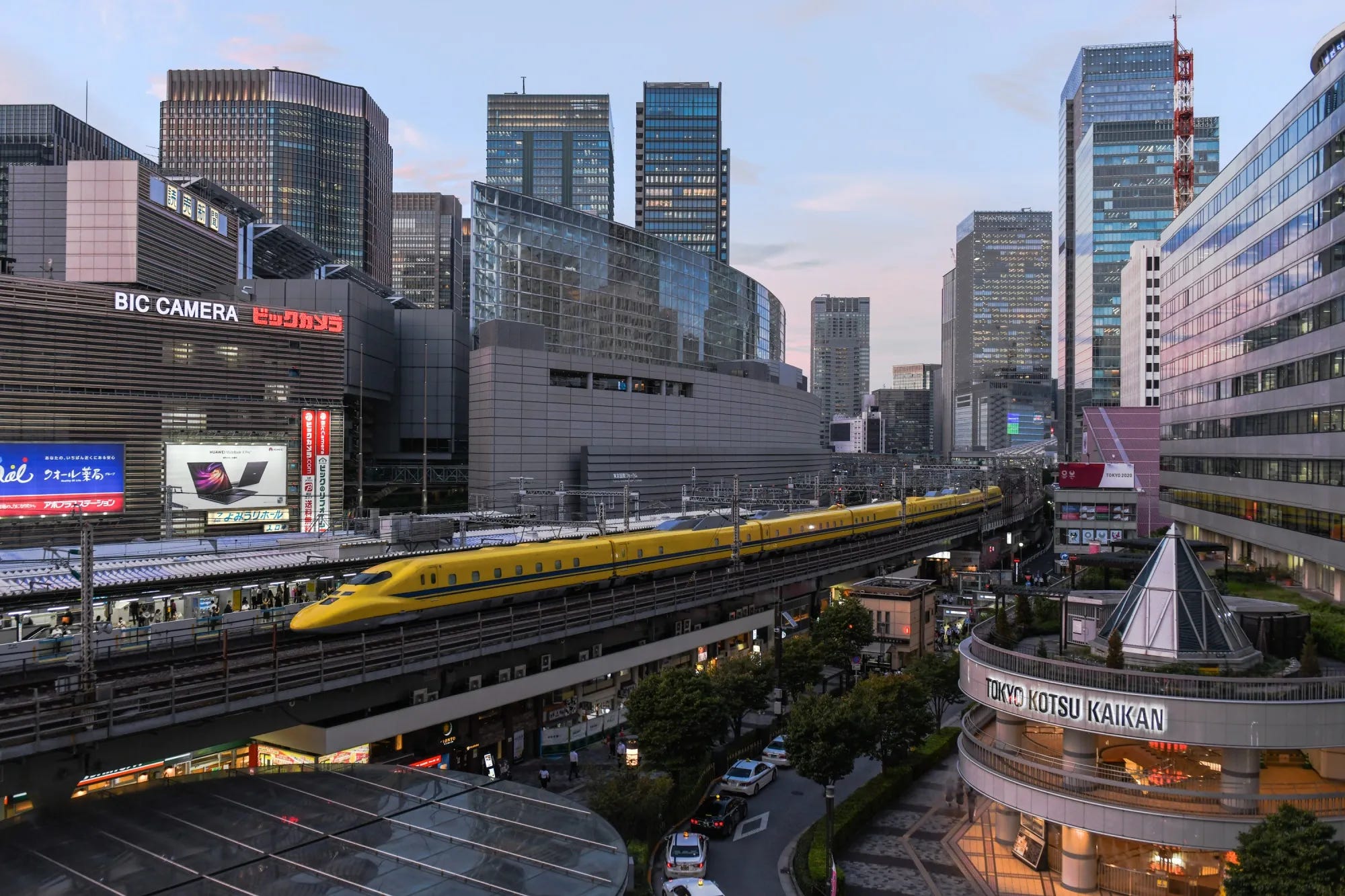
Tokyo’s rail connections make a number of significant destinations accessible within an hour or two. Nikko, with its elaborate shrine complex set in forested mountains, is one of the most visited. Kamakura, home to the famous Great Buddha and a quieter, coastal atmosphere, is another. Both make strong additions to a Tokyo itinerary of five days or more.
When to visit Tokyo
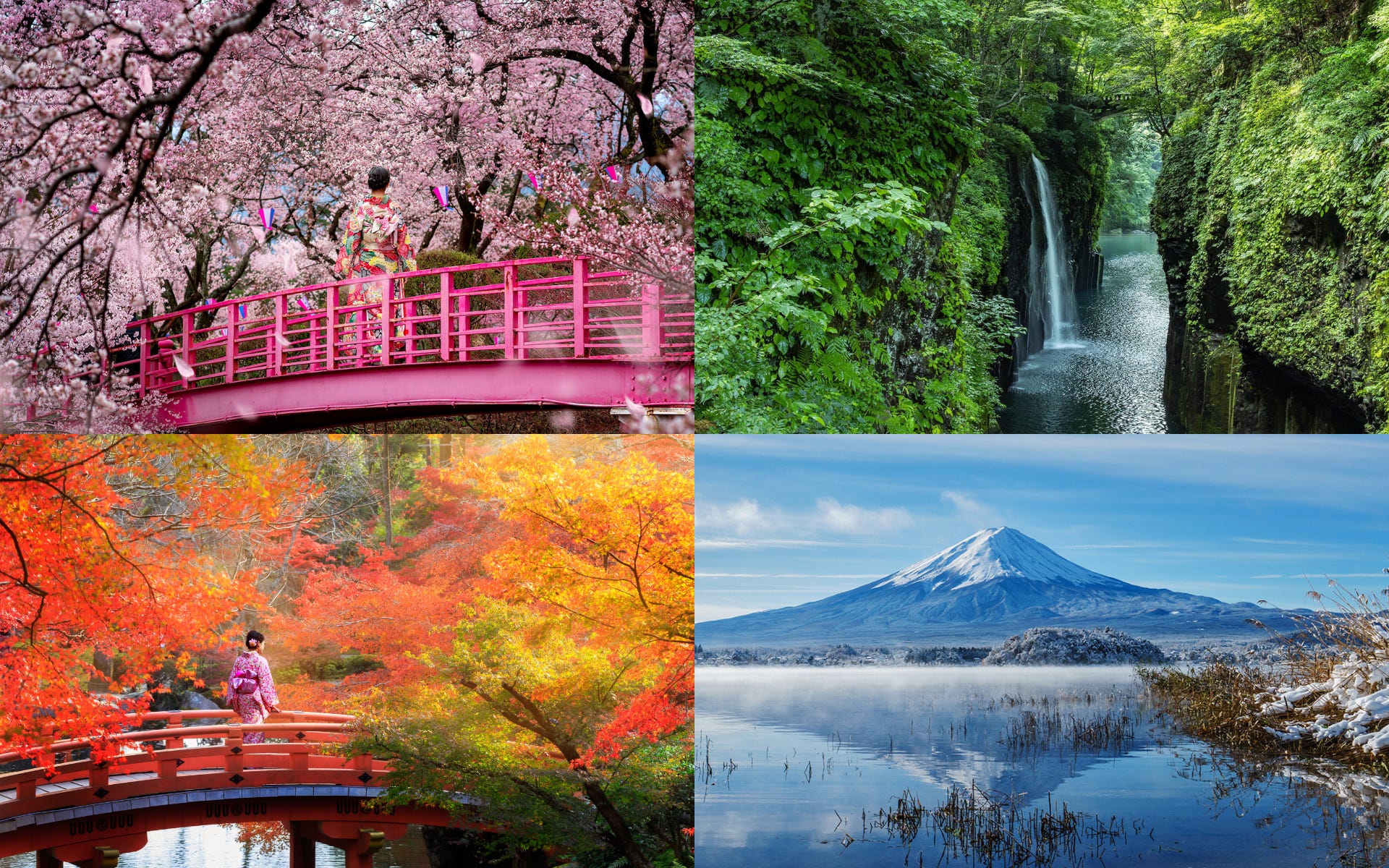
Tokyo is a year-round destination with meaningful differences between seasons. The right time to go depends on what matters most to you.
🌸 Spring
Cherry blossom season, typically late March to early April. The most visited time of year. Book well in advance.
☀️ Summer
Hot and humid. Festival season, with fireworks and outdoor events. Expect crowds and high temperatures.
🍂 Autumn
Arguably the best season. Cooler temperatures, spectacular foliage, and a more manageable volume of visitors.
❄️ Winter
Clear skies and the best views of Mount Fuji. Fewer tourists. Cold but rarely extreme outside of mountain areas.
How many days to spend in Tokyo
Three to five days is enough to cover the major neighborhoods and a handful of key experiences. Five to seven days allows for a more considered pace, at least one day trip outside the city, and time to move beyond the obvious itinerary into neighborhoods and experiences that feel more personal.
Tokyo is a city that rewards time. It does not reveal itself quickly. The longer you stay, the more it makes sense, and the more you find yourself wanting to come back.
Practical information for first-time visitors
Tokyo essentials
Currency: Japanese yen (JPY). Cards are widely accepted but carry some cash for smaller shops and markets.
Language: Japanese. English signage is common in tourist areas and on the metro system.
Getting around: the metro and JR train network cover the city comprehensively. IC cards (Suica or Pasmo) work across all lines and can be loaded easily at station machines.
Internet: a pocket Wi-Fi device or a Japan eSIM is strongly recommended. Most major providers offer reliable service throughout the city and country.
Safety: Tokyo is among the safest major cities in the world. Standard precautions apply, but the city presents very little risk for travelers.
Tipping: not practiced in Japan. Tipping in restaurants or for services can cause confusion and is not expected.
How Tokyo fits into a broader Japan itinerary
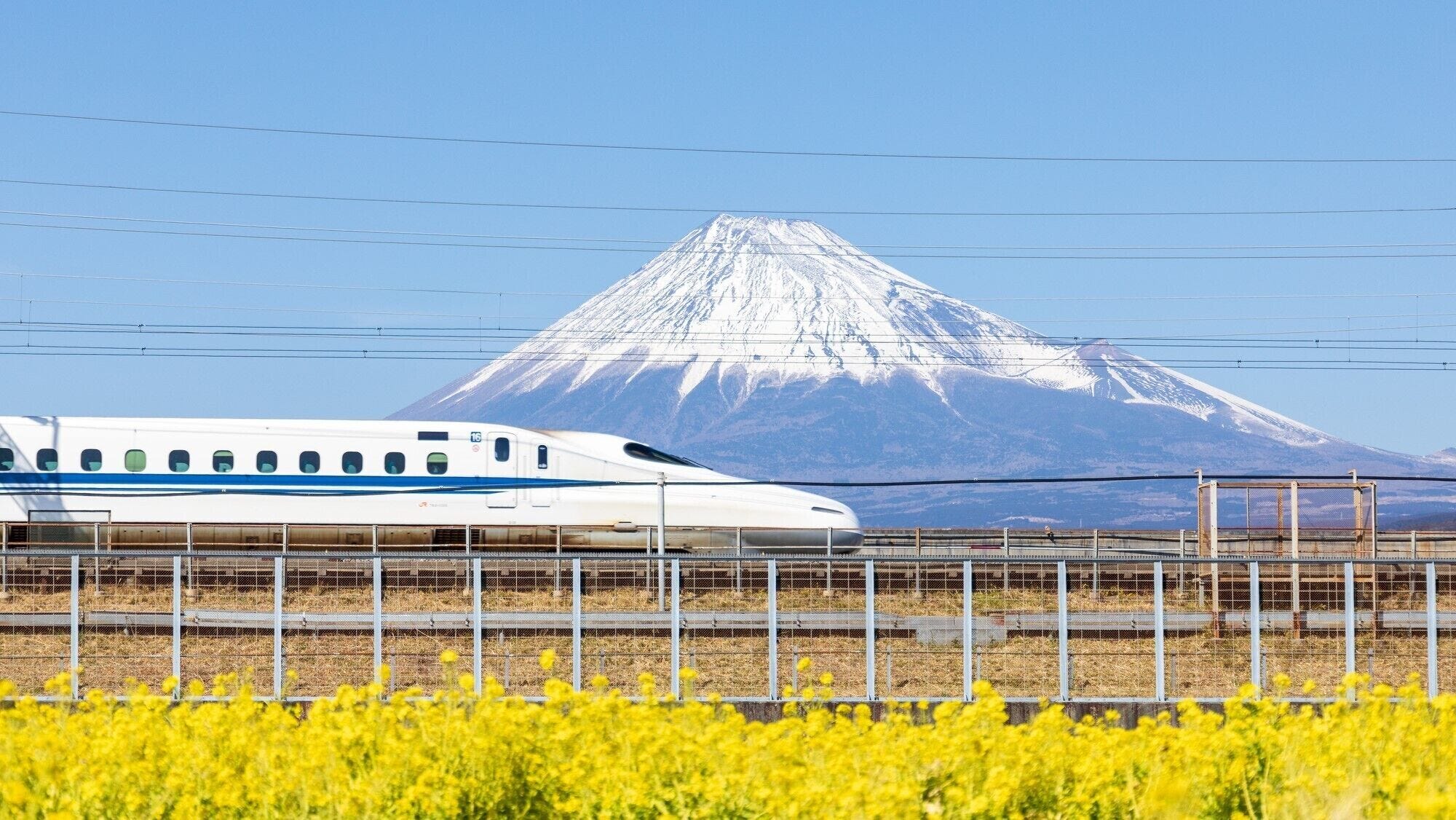
Most visitors to Japan combine Tokyo with at least one other destination. The classic pairing is Kyoto, which offers a concentrated experience of traditional Japan through its temples, gardens, and preserved historic districts. Osaka adds energy, informality, and some of the best street food in the country. Hiroshima and Nara each bring their own particular weight and character.
The Shinkansen network connects all of these cities efficiently, making multi-destination itineraries genuinely practical rather than exhausting. Tokyo to Kyoto takes just over two hours. For travelers with two weeks or more, a circuit that moves between these cities with time to breathe in each one is among the most rewarding itineraries available anywhere in Asia.
Frequently asked questions
Is Tokyo worth visiting for first-time travelers to Japan?
Yes. Tokyo is the most accessible introduction to Japan and covers the full range of what the country offers, from deep tradition to extreme modernity. It is also one of the easiest major cities in Asia to navigate as a first-time visitor.
How many days do you need in Tokyo?
Three to five days covers the essentials. Five to seven days allows for a more relaxed pace, a day trip or two, and time to explore neighborhoods beyond the main tourist circuit.
What is the best time of year to visit Tokyo?
Autumn (October to November) offers the most favorable combination of weather, foliage, and manageable crowds. Spring cherry blossom season is spectacular but extremely busy. Winter is underrated for clear skies and fewer visitors.
Is Tokyo safe for tourists?
Tokyo is consistently ranked among the safest major cities in the world. Petty crime is rare, the city is well organized, and first-time visitors typically find it far less intimidating in practice than it appears before arrival.
What neighborhoods should first-time visitors prioritize in Tokyo?
Shibuya and Shinjuku for energy and nightlife, Asakusa for traditional atmosphere, Ginza for a more refined experience, and Yanaka for a quieter, older side of the city. Each offers something meaningfully different.
Can you visit Tokyo without speaking Japanese?
Yes. English signage is extensive on the metro and in tourist areas. Translation apps handle most other situations. Japan is one of the more welcoming countries in Asia for visitors who do not speak the local language.
Plan your Tokyo trip with AERIA Voyages
Every traveler’s ideal Japan itinerary looks different depending on the time available, the destinations that matter most, and the kind of experience you are hoping to have. I help clients build trips that go beyond the standard circuit, whether that means a ryokan stay in the Japanese Alps, an immersive Kyoto experience, or a cruise extension through the region.
If you are planning a trip to Japan and want to talk through the options, I would be glad to help.
Yvan Junior Blanchette
Travel Advisor & Cruise Specialist
ÆRIA Voyages📩 yvanblanchette@aeriavoyages.com
📞 1-888-460-3388
🌐 aeriavoyages.com