

Travel to Mount Fuji and Hakone: A Complete Guide to Discover Japan’s Most Iconic Landscapes
AERIA VOYAGES | TRAVEL GUIDES | EAST ASIA SERIES

There are places you visit.
And there are those that stay with you long after you leave.
Mount Fuji and Hakone belong to that second category.
After the movement of Tokyo and the quiet depth of Kyoto, this region offers something else entirely. Space. Silence. Perspective.
The pace slows. The air feels different. The landscape becomes part of the experience.
Here, Japan is no longer something you observe.
It is something you feel.
If you are just starting to plan your trip, I recommend beginning with my complete guide to East Asia, which will help you understand the different destinations across the region.
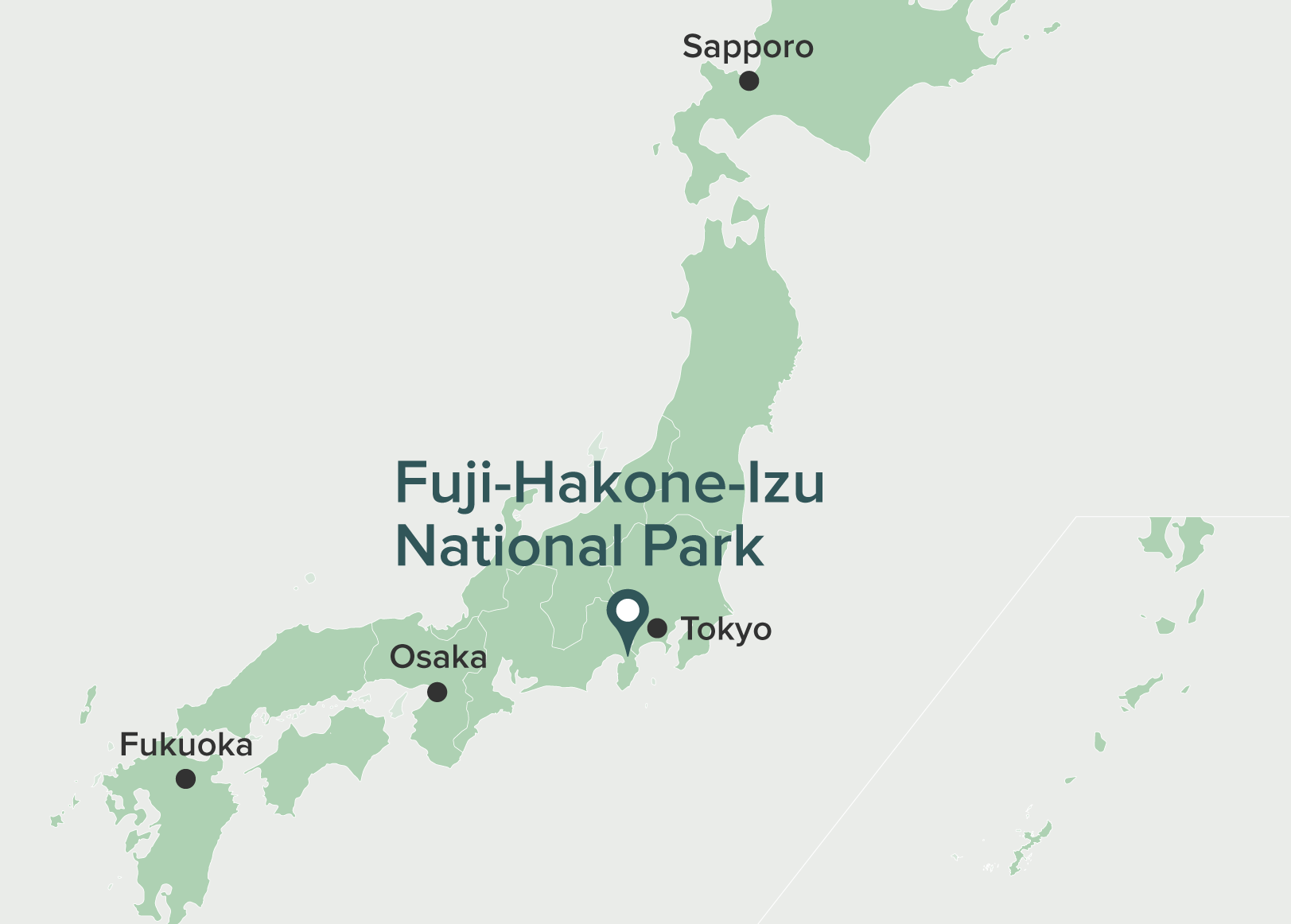
If you are just starting to plan your trip, I recommend beginning with my complete guide to East Asia, which will help you understand the different destinations across the region.
Why Visit Mount Fuji and Hakone on a Trip to Japan
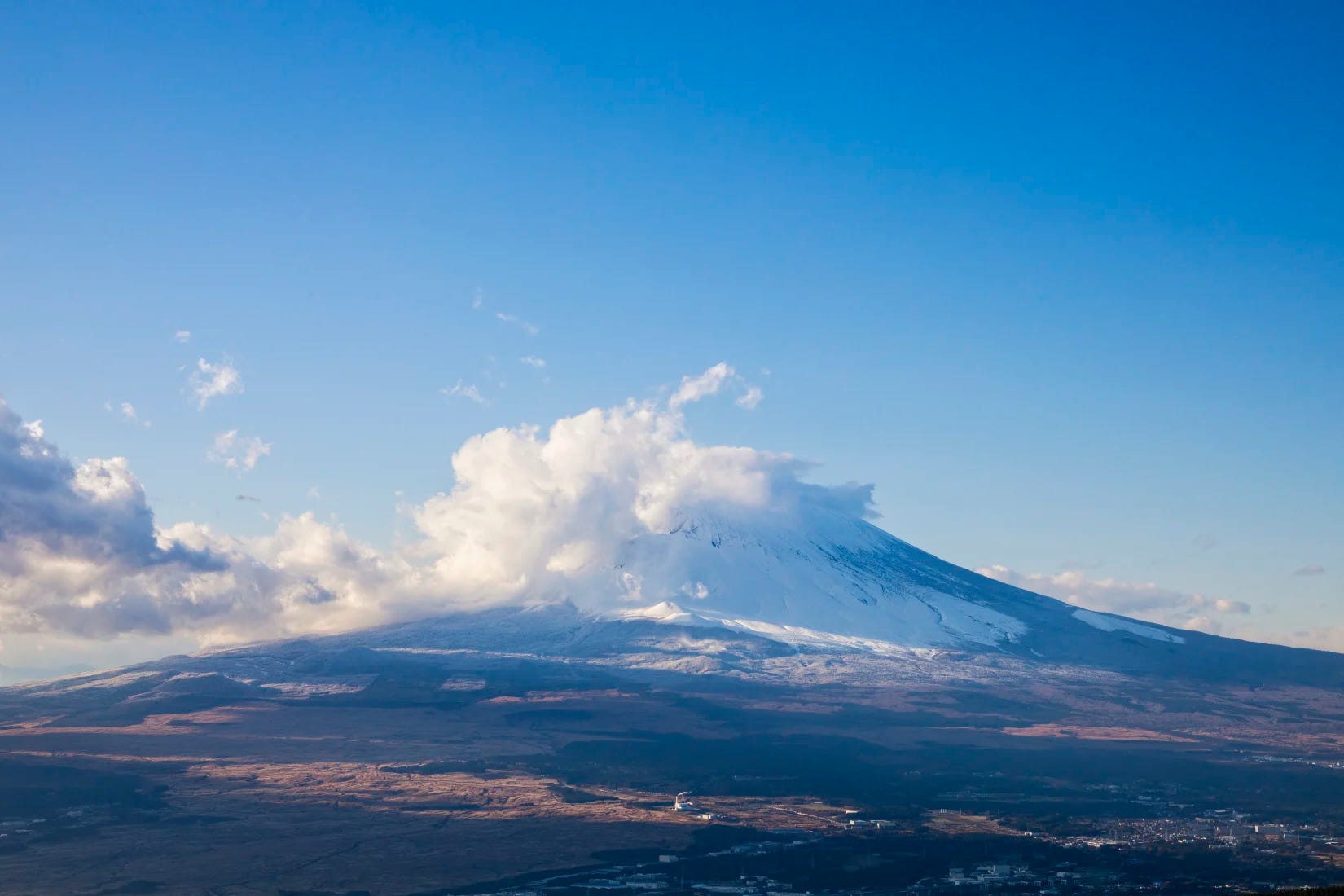
Mount Fuji is more than a mountain.
It is a symbol.
Perfectly symmetrical, often surrounded by clouds, it has inspired artists, travelers, and pilgrims for centuries.
Hakone, located nearby, offers a completely different experience.
A region known for its hot springs, lakes, and mountain views.
Together, they create one of the most iconic and balanced escapes in Japan.
You will find:
• breathtaking natural landscapes
• traditional onsen experiences
• views of Mount Fuji on clear days
• a peaceful contrast to major cities
This is where your journey gains depth.
Mount Fuji: Japan’s Icon
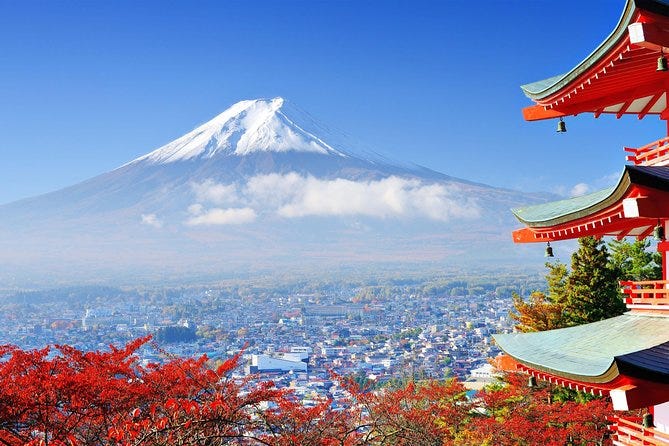
Mount Fuji is immediately recognizable.
And yet, seeing it in person is something else.
The scale. The stillness. The presence.
It does not dominate the landscape.
It defines it.
What to experience:
• viewing Fuji from Lake Kawaguchi
• capturing early morning reflections
• visiting nearby villages and viewpoints
You do not need to climb it to understand it.
Sometimes, simply seeing it is enough.
Hakone: Nature and Relaxation
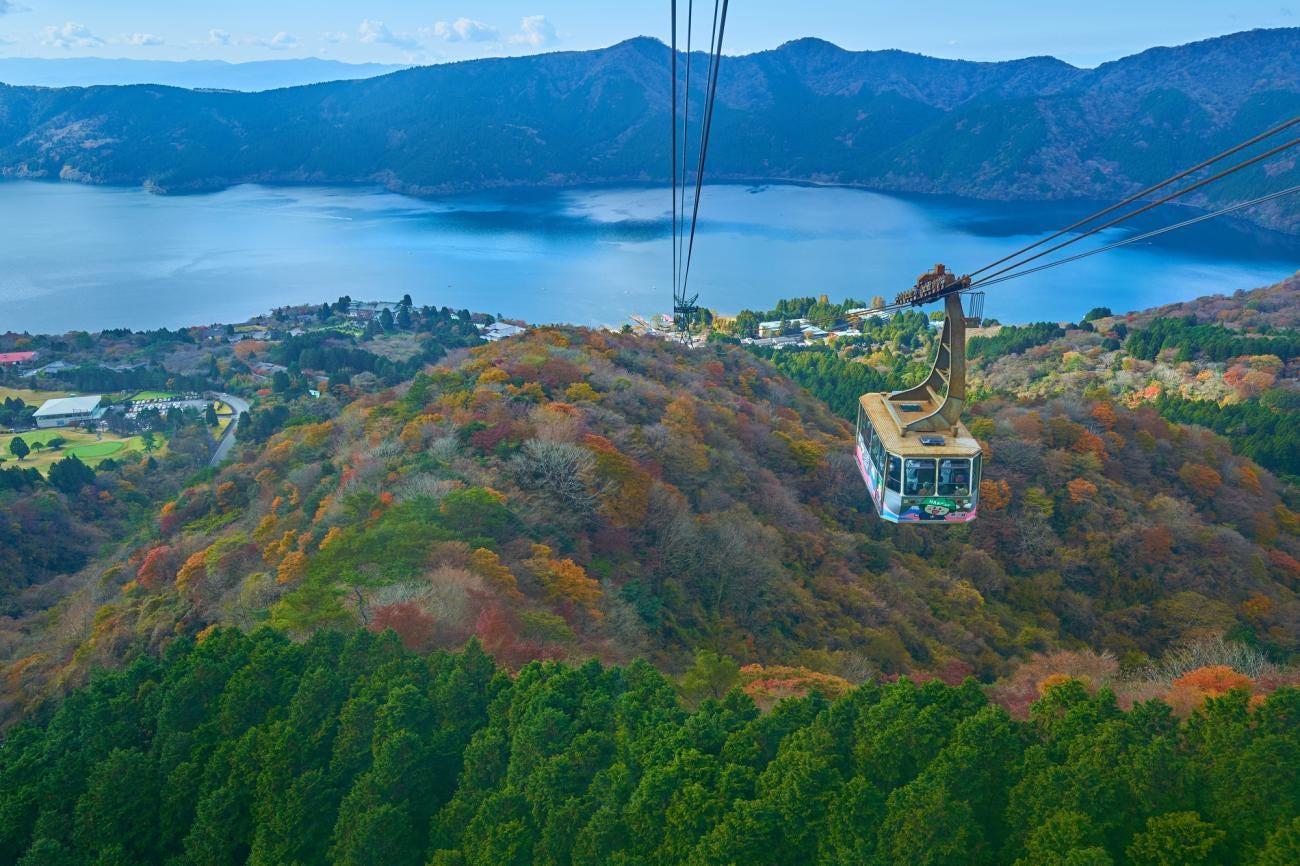
Hakone is where the experience becomes immersive.
Less about seeing, more about feeling.
Mountains, forests, lakes, steam rising from the earth… everything invites you to slow down.
Lake Ashi and the Torii Gate
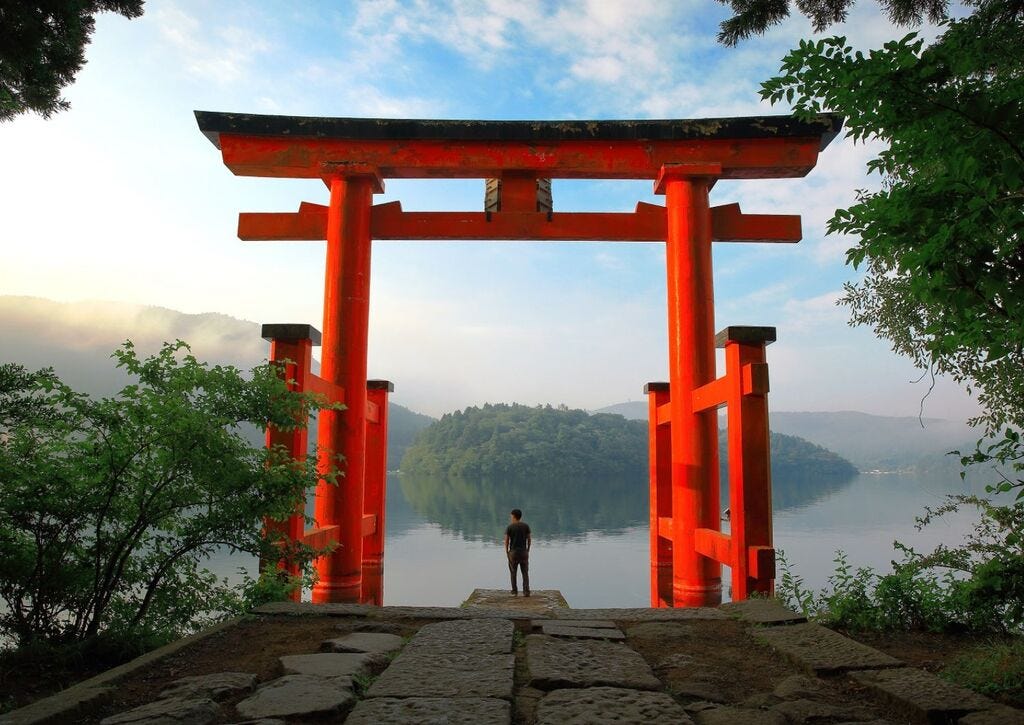
Lake Ashi is one of Hakone’s most iconic spots.
On clear days, Mount Fuji appears in the background, creating one of the most photographed views in Japan.
The floating torii gate adds a spiritual dimension to the landscape.
What to experience:
• taking a boat across the lake
• viewing Fuji from the shoreline
• enjoying the calm atmosphere
Owakudani: The Volcanic Valley
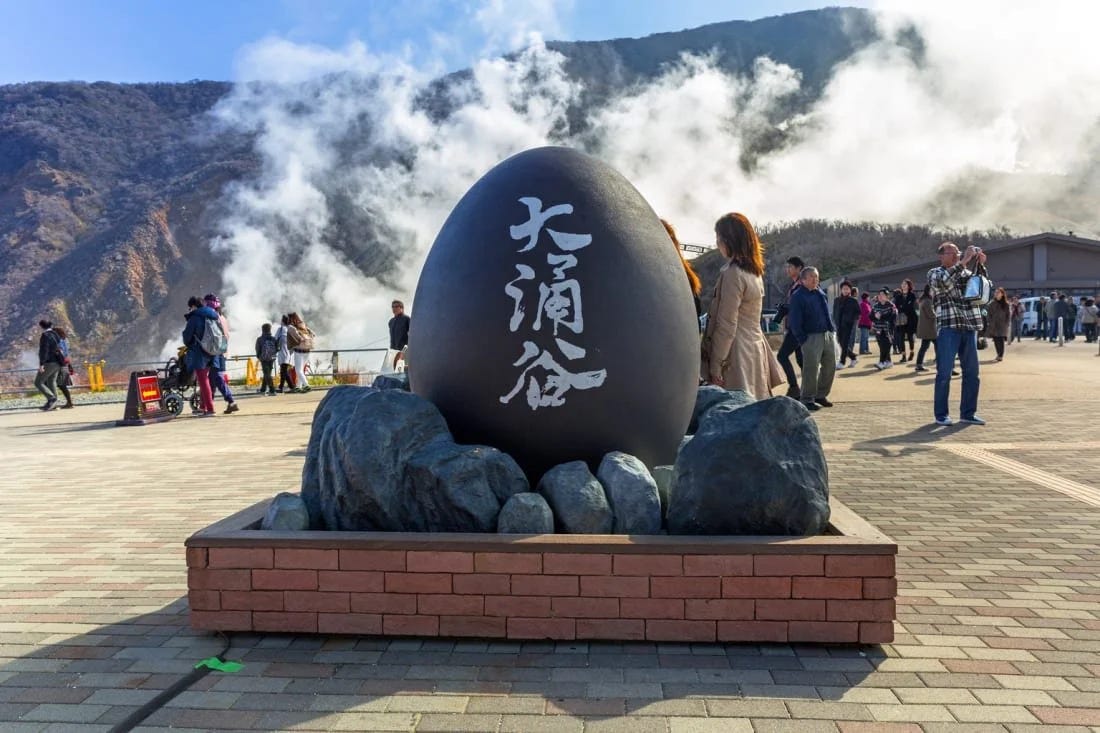
Owakudani is raw and powerful.
A volcanic area with active sulfur vents, steam rising from the ground, and a unique atmosphere.
It reminds you that Japan is a living landscape.
What to experience:
• walking through the volcanic zone
• tasting the famous black eggs
• observing the geothermal activity
Experiences You Should Not Miss
This region is less about landmarks, more about moments.
Staying in a Ryokan with Onsen
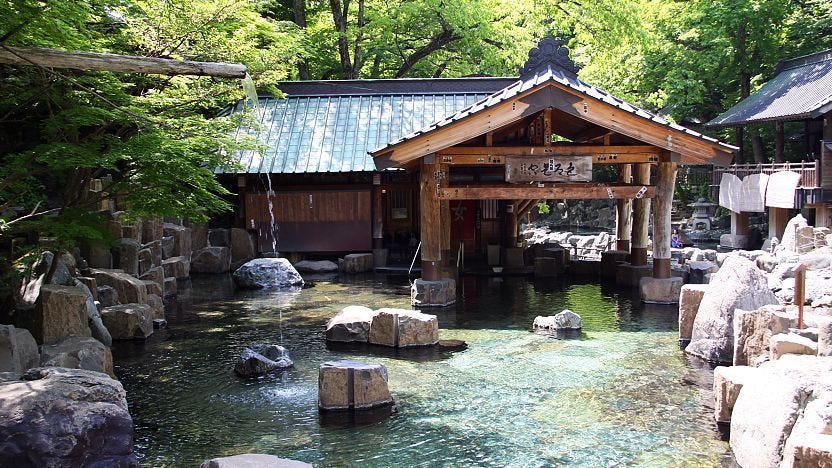
This is one of the highlights of the region.
A traditional inn. Tatami floors. Kaiseki meals. Hot spring baths.
Soaking in an onsen while surrounded by nature is not just relaxing.
It is transformative.
Slowing Down
This is where you pause.
Where you stop trying to see everything.
Where the journey becomes quieter.
Sometimes, the best experience here is doing less.
What to Expect When Visiting Fuji and Hakone
This region is calmer than Tokyo or Osaka.
More introspective than Kyoto.
You will discover:
• a slower rhythm
• strong connections to nature
• fewer crowds, depending on the season
• moments of stillness that stay with you
It is not about activity.
It is about presence.
How Many Days Should You Spend
Ideally:
• 1 to 2 days as an extension from Tokyo
• 2 to 3 days for a deeper experience
It is close enough for a short stay.
But meaningful enough to deserve time.
When to Visit
Each season offers a different atmosphere:
• spring: cherry blossoms with Fuji in the background
• summer: greenery and clearer hiking conditions
• autumn: colorful foliage and crisp air
• winter: the clearest views of Mount Fuji
Clear visibility of Fuji is never guaranteed.
Which makes the moment you see it even more special.
What to Do in 2 Days
• Day 1: Travel from Tokyo, explore Hakone, onsen experience
• Day 2: Lake Ashi, Owakudani, Mount Fuji viewpoints
🧳 Traveler’s Toolbox: Mount Fuji and Hakone
Currency: Japanese yen (JPY)
Language: Japanese, limited English
Transportation: train, bus, cable car
Safety: very safe
Highlight: onsen and natural scenery
Best tip: go early for the best Fuji views
Conclusion: A Different Side of Japan
Mount Fuji and Hakone are not about intensity.
They are about balance.
After the cities, they give space to breathe.
To slow down.
To reconnect with the journey itself.
And often, it is here that everything you have seen before begins to make sense.
If you want to build an itinerary in Japan that combines Tokyo, Kyoto, Osaka, and a nature escape like Hakone or Mount Fuji, this is exactly the kind of journey I design with my clients.
Yvan Junior Blanchette
Travel and Cruise Specialist | ÆRIA Voyages
📞 (450) 820-9720
✉️ yvanblanchette@aeriavoyages.com
🌐 www.aeriavoyages.com