
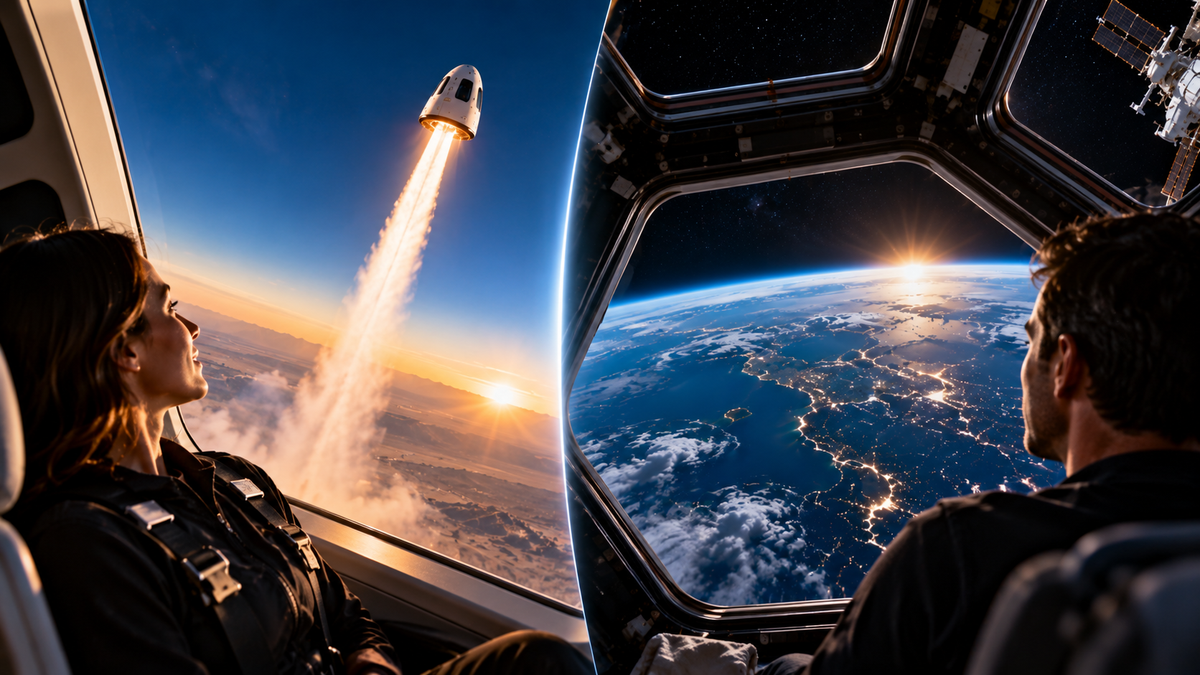
For observers watching from the ground, the visual distinction between a suborbital rocket launch and an orbital mission seems almost negligible. Both rely on immense, roaring propulsion systems, both push far past the thickest layers of the atmosphere, and both grant passengers views of the cosmos that remain entirely out of reach for almost all of humanity.
From the traveler's seat inside the cabin, however, these two journeys represent fundamentally different paradigms. Suborbital flight is a highly compressed, breathtaking encounter with space measured in mere minutes. An orbital mission, by contrast, is a rigorous, true expedition requiring travelers to live, adapt, and operate in microgravity for days or weeks while circling the planet at staggering speeds.
The Underlying Physics: Falling Back vs. Falling Around
The core difference between these two categories of space travel rests entirely on velocity rather than mere altitude:
- Suborbital Flight: The spacecraft ascends high enough to cross recognized space boundaries, such as the Kármán Line, but lacks the horizontal speed to stay there. Gravity inevitably pulls the vehicle back toward the surface along a predictable, parabolic arc.
- Orbital Flight: The vehicle accelerates sideways until it reaches approximately 7.8 kilometers per second, or roughly 28,000 kilometers per hour. At this speed, as gravity pulls the craft downward, the natural curvature of the Earth drops away at the exact same rate. The spacecraft enters a state of perpetual freefall around the planet, continuously falling around Earth without ever striking the surface.
Comparing the Passenger Experiences
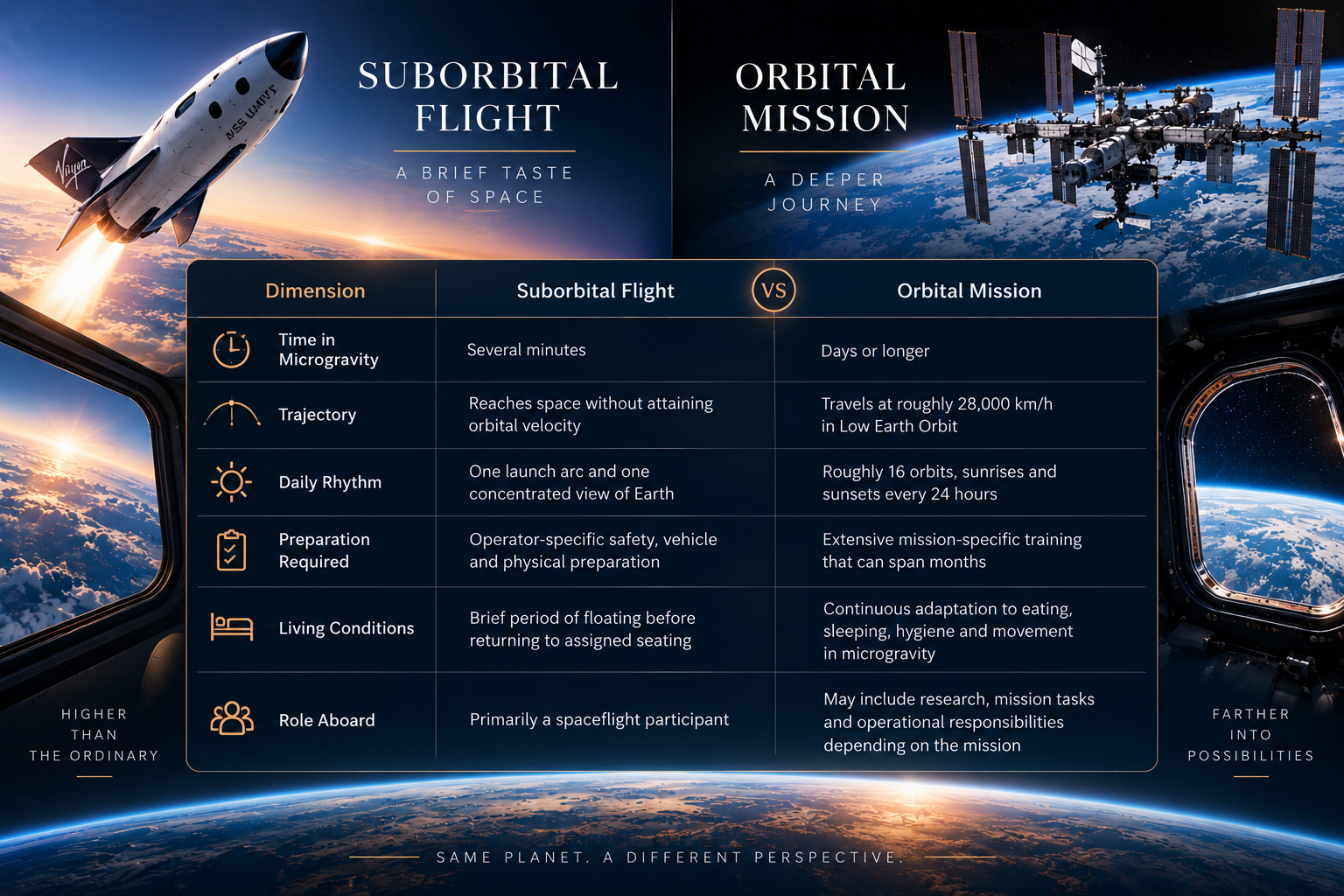
Architectural Diversity in Suborbital Travel
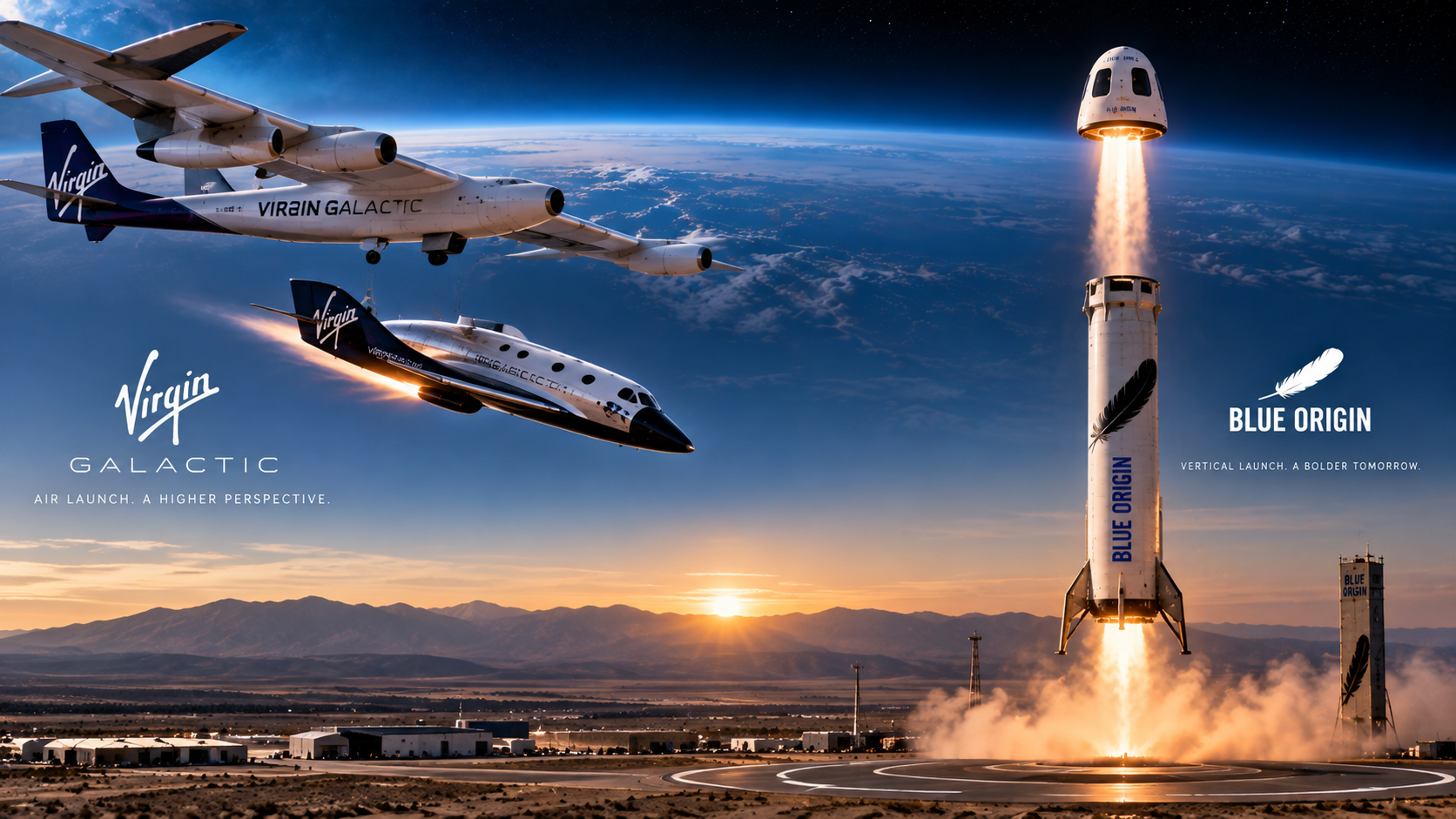
Even within the suborbital tier, technological approaches vary wildly between operators. Virgin Galactic utilizes a horizontally launched, air-dropped spaceplane that releases from a mothership before igniting its rocket engine, eventually gliding back to a conventional runway landing.
Conversely, Blue Origin’s New Shepard employs a traditional vertical rocket that lifts a crew capsule past the Kármán Line before descending under parachutes, while the booster lands separately. These stark variations highlight an important truth for prospective travelers, which is that "going to space" does not follow a single, standardized template. The sensations, physical demands, and vehicle designs differ dramatically from one provider to another.
The Reality of Orbital Expeditions
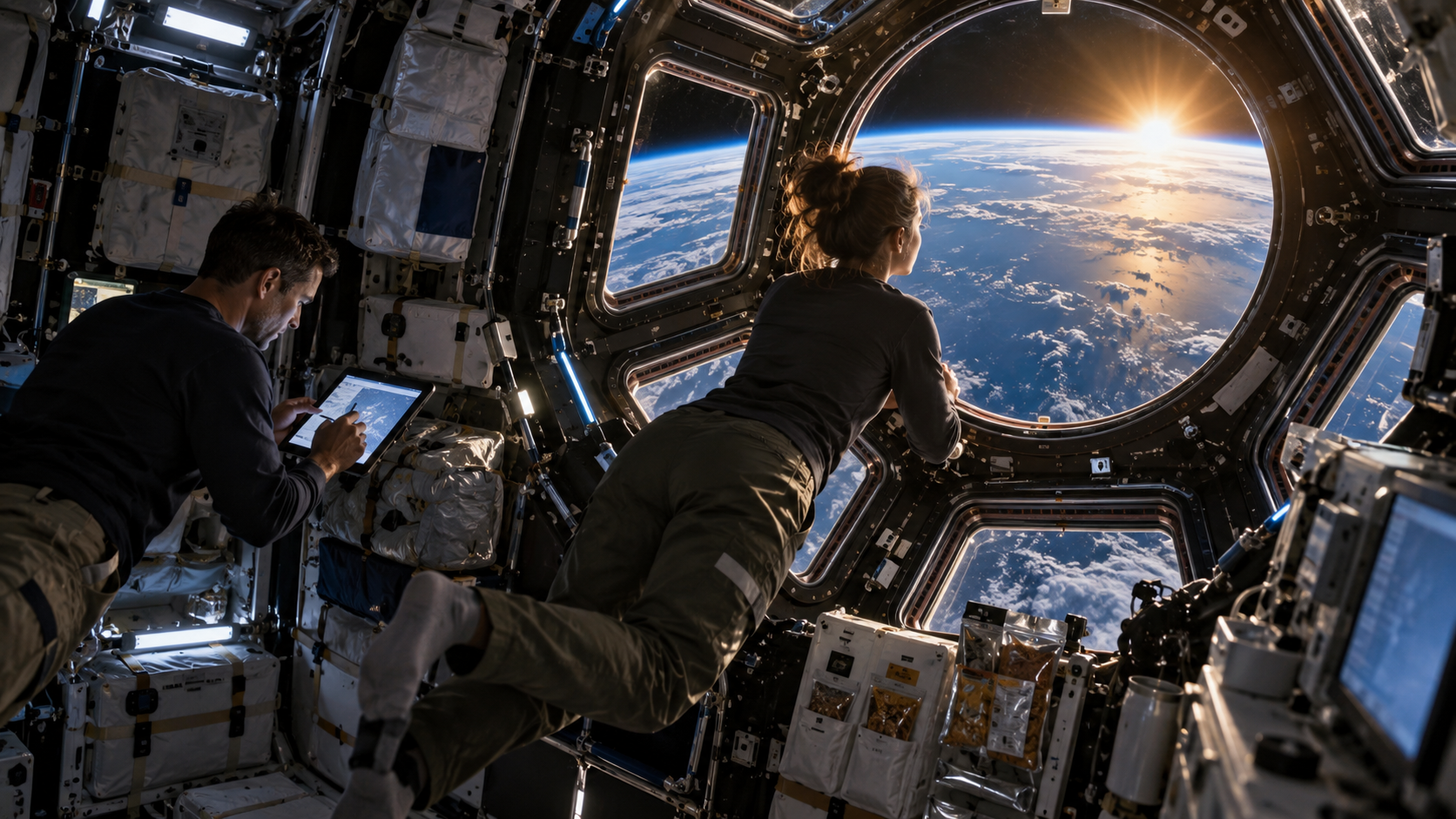
Stepping into orbit demands a fundamental shift in both physical and psychological mindset. Because microgravity is no longer a brief, three-minute novelty, it becomes the continuous baseline environment. Travelers must navigate space motion sickness as their inner ears adjust, relearn basic motor functions, and adapt to living in tightly confined, highly technical quarters.
Private orbital missions, such as Axiom Space’s commercial flights to the International Space Station aboard SpaceX Dragon spacecraft, demand a substantial level of preparation. For Axiom Mission 1, each private astronaut completed between 700 and 1,000 hours of training over roughly ten months, covering safety, health, ISS systems, launch operations, emergency procedures and mission-specific research activities. Rather than remaining passive consumers of an experience, private astronauts may participate directly in research and other mission activities during their time in orbit.
Safety, Risk, and the Redefinition of Luxury
Both forms of commercial human spaceflight operate within a regulatory framework known as an informed-consent model rather than standard commercial aviation rules. Federal aviation authorities do not certify commercial spacecraft as safe for passengers in the manner of commercial airliners. Instead, operators must fully disclose known hazards, historical safety records, and inherent engineering uncertainties, leaving participants to accept those significant risks in writing. Extended orbital stays compound these factors further, introducing sustained radiation exposure, physiological adaptation stresses, and orbital debris risks.
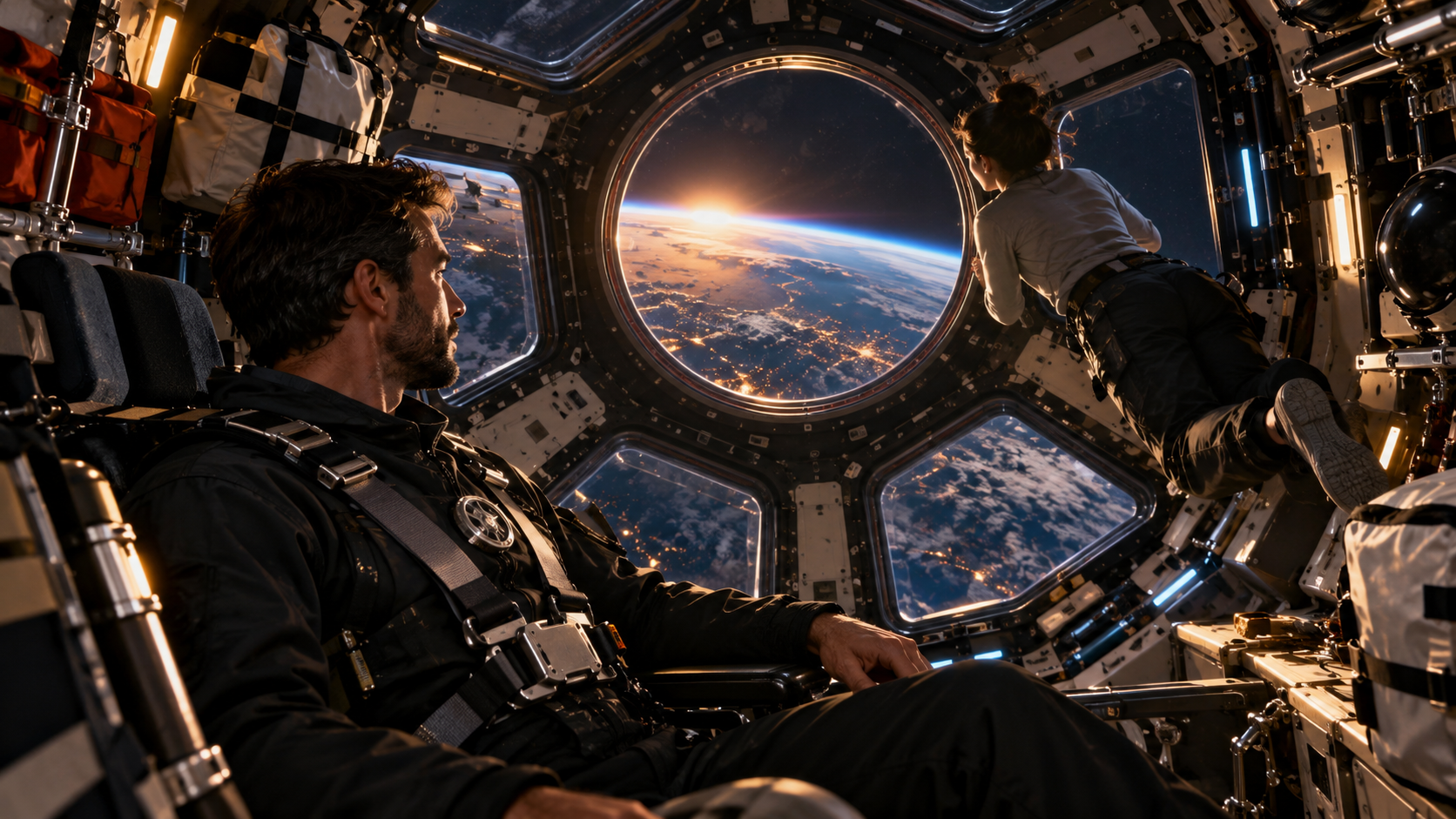
Consequently, luxury in orbit has nothing to do with traditional terrestrial hospitality like fine dining, spacious suites, or room service. Instead, luxury in space is redefined entirely by access, specifically the rare privilege of waking up in microgravity, watching weather systems sweep across continents, and witnessing sixteen sunrises a day through a spacecraft cupola.
Ultimately, neither experience is inherently superior to the other; they simply serve different goals. Suborbital flight offers a concentrated, accessible flash of awe, while orbital flight represents a temporary relocation of human life beyond Earth.

Member discussion: