
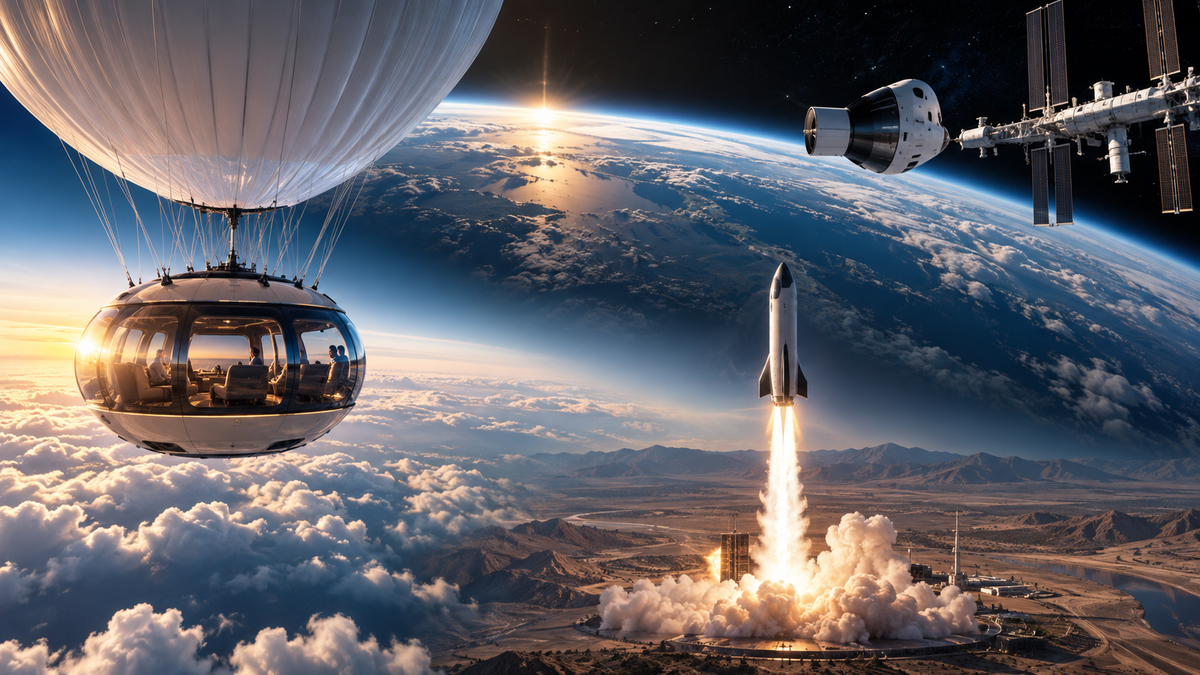
For decades, the cost of traveling to space was almost meaningless to the average traveler. Governments paid for astronauts to fly, and space agencies absorbed the enormous expense of launch vehicles, training, infrastructure, and mission operations. There was no fare to compare, no cabin category to upgrade, and certainly no checkout page asking whether you preferred an aisle or a window seat.
The advent of commercial human spaceflight is rewriting that reality. In 2026, private travelers encounter prices ranging from $8,900 for an entry-level zero-gravity experience to roughly $65 million for a full orbital mission. Between those two extremes lies a complex ecosystem of stratospheric balloons, suborbital spacecraft, and increasingly ambitious private missions.
The Spectrum of Space Tourism Pricing
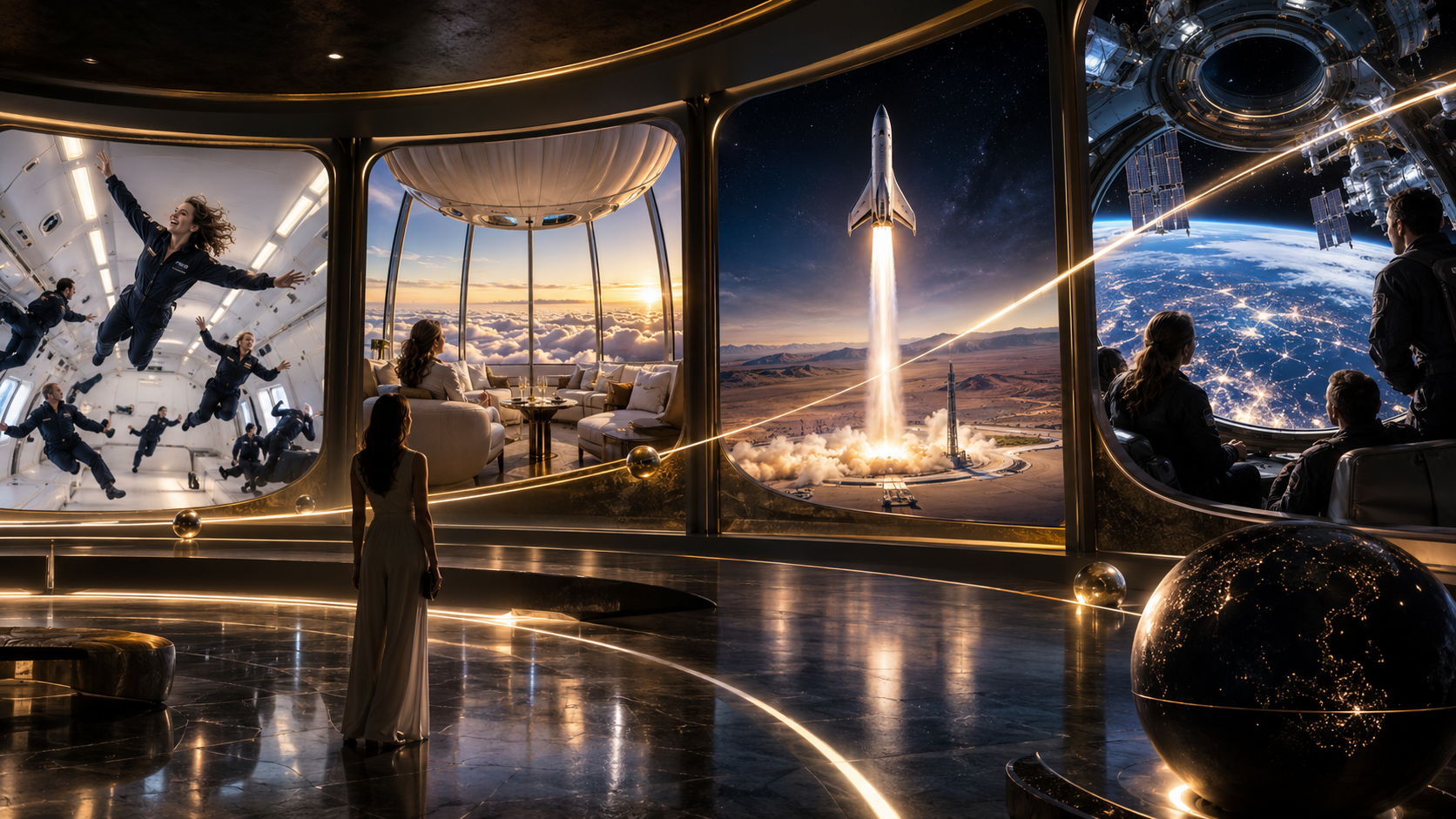
Comparing these figures directly can be misleading. A parabolic flight lasts several hours without ever leaving the atmosphere, whereas a stratospheric balloon climbs to 30 kilometers without technically reaching space. A suborbital spacecraft crosses recognized boundaries before returning within minutes, while an orbital traveler spends days or weeks living aboard a spacecraft or space station.
The price reflects the specific category of the experience and the physical demands associated with it:
- Weightlessness Simulations (~$8,900): Parabolic flights provide 20 to 30 seconds of microgravity per parabola inside retrofitted commercial aircraft. ZERO-G serves as the primary benchmark for this experience, though operations are currently paused through at least mid-2027 while evaluating replacement aircraft.
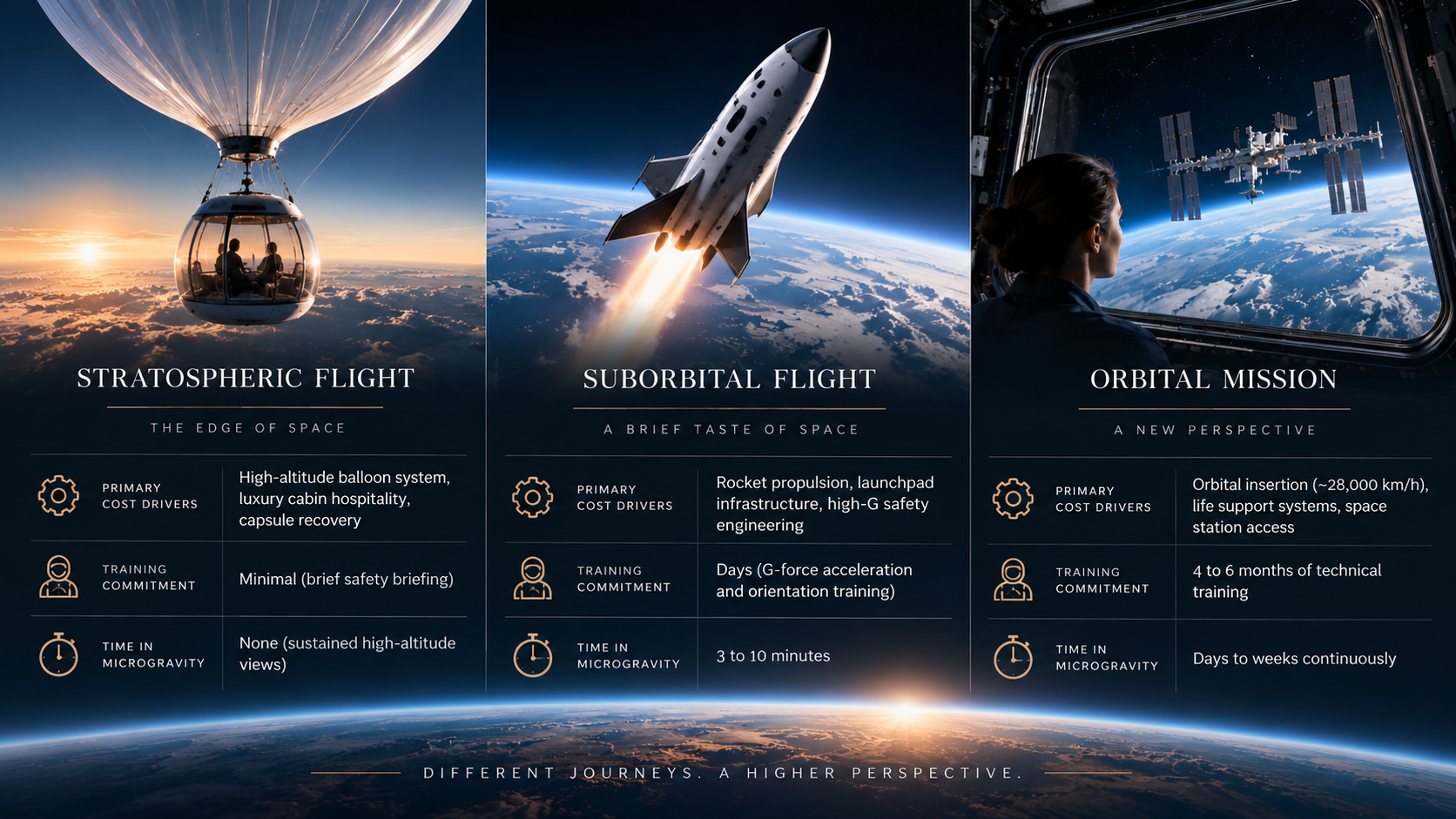
- Stratospheric Ballooning ($50,000 to €180,000): Providers like World View ($50,000) or Zephalto with its Céleste capsule (€180,000) lift pressurized cabins into the upper atmosphere. Passengers do not cross the Kármán Line or experience weightlessness, but they gain hours to observe the curvature of Earth and the darkness of space without high acceleration.
- Suborbital Rocket Flights ($750,000+): Virgin Galactic reopened reservations in 2026 for a limited tranche at $750,000 per seat, which fully sold out ahead of schedule. Commercial operations are slated to resume in early 2027 with its Delta-class spacecraft. Blue Origin's pricing remains unlisted publicly, and its crewed flights are temporarily paused.
- Orbital Expeditions ($55M to $65M): Operators like Axiom Space coordinate multi-day private missions to the International Space Station aboard SpaceX Crew Dragon hardware. This tier requires between 700 and 1,000 hours of specialized mission preparation.
Comparative Structure of Experiences
Why Crossing the Space Frontier Is So Expensive
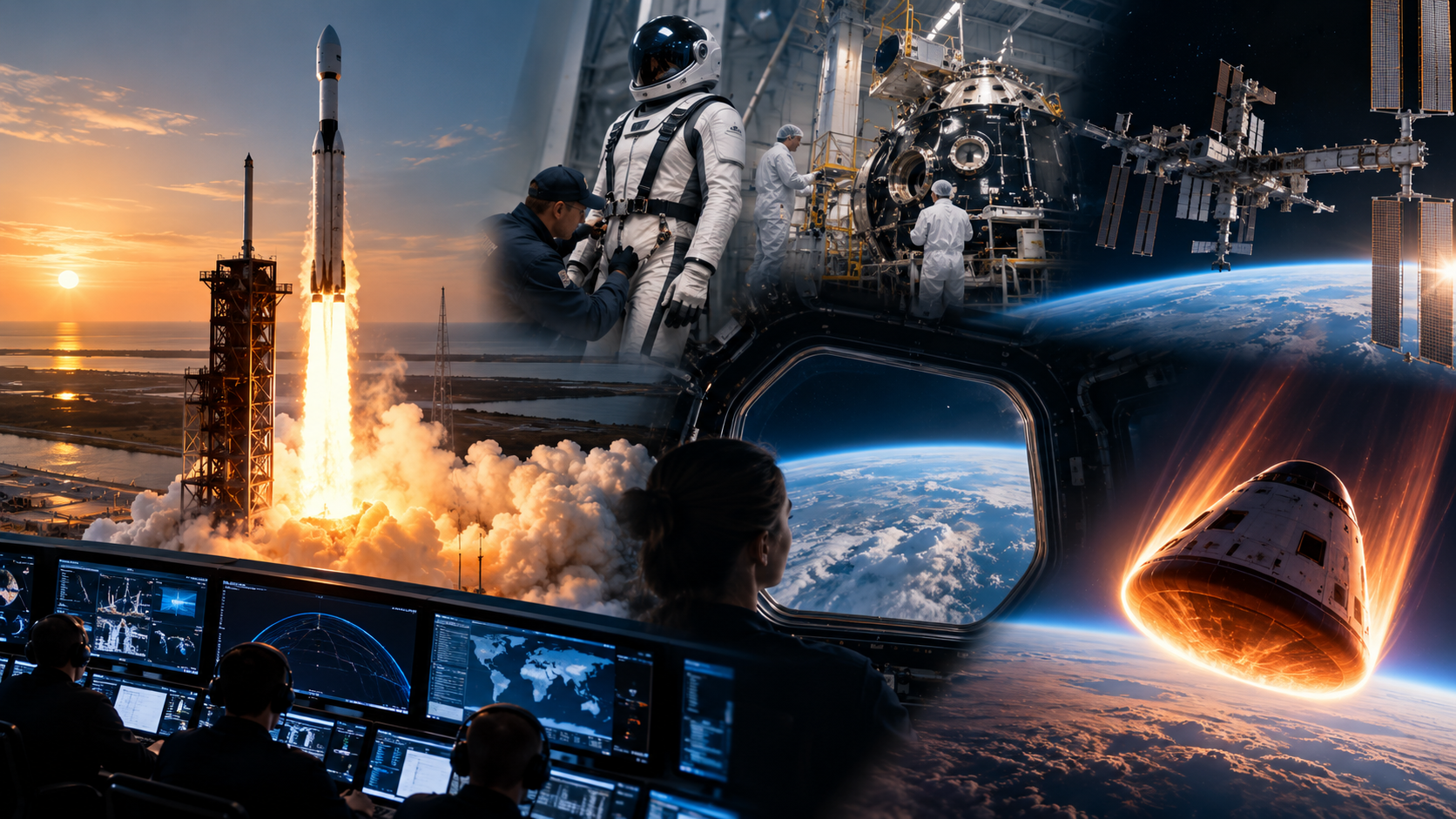
The obvious answer lies in the rocket, but the full reality is far broader. A conventional luxury traveler pays for aircraft, hotels, and infrastructure that already exist at an enormous scale. A space traveler indirectly funds the development of pioneering vehicles, specialized propellants, dedicated mission control teams, engineering personnel, and redundant safety systems.
For an orbital mission, the complexity scales exponentially. The spacecraft must accelerate to approximately 28,000 kilometers per hour, sustain human life in a hostile environment, execute precise maneuvers to dock with a station, and survive the thermal intensity of atmospheric re-entry. You are not paying merely for distance traveled, but for the capability to remain alive where human biology was never designed to survive.
Logistical Considerations and Additional Expenses
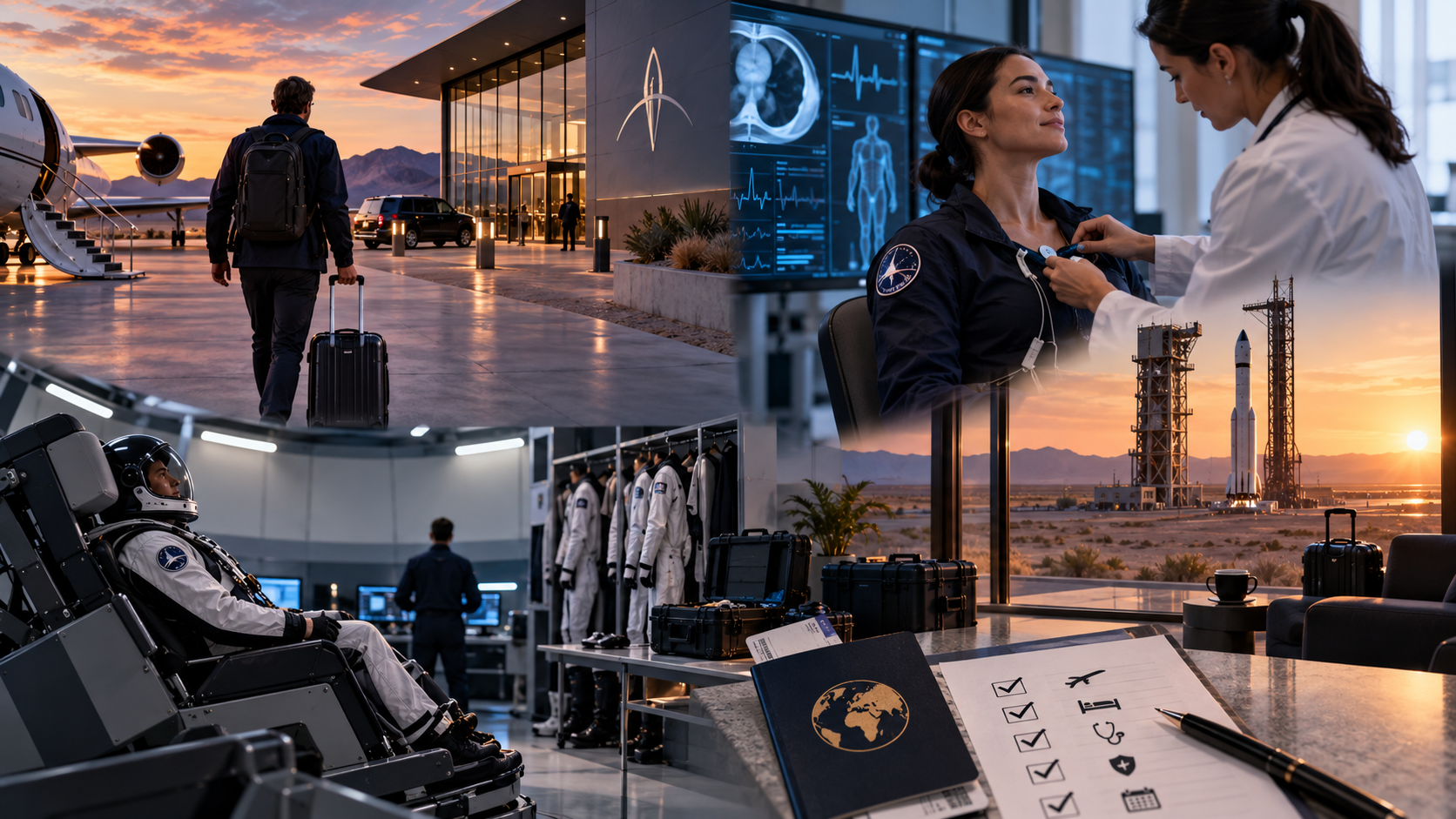
The advertised ticket price rarely covers the entirety of the financial commitment. Much like planning a polar expedition, prospective space travelers must account for several additional logistical requirements and expenses:
- On-Site Preparation Stays: Suborbital and orbital missions require extensive time near launch facilities, such as Spaceport America in New Mexico or Kennedy Space Center in Florida. These stays cover custom suit fittings, emergency simulations, and centrifuge acclimation.
- Comprehensive Medical Assessments: Strict physiological evaluations and specialized medical clearances are mandatory before final manifest confirmation. Certain participant profiles may require custom seating modifications or tailored physical conditioning.
- Insurance and Schedule Contingencies: Launch manifests remain highly vulnerable to atmospheric weather, space weather, and technical delays. Schedule shifts are common, necessitating specialized insurance policies and flexible travel arrangements.
Market Outlook: Demand Pressures and Long-Term Accessibility
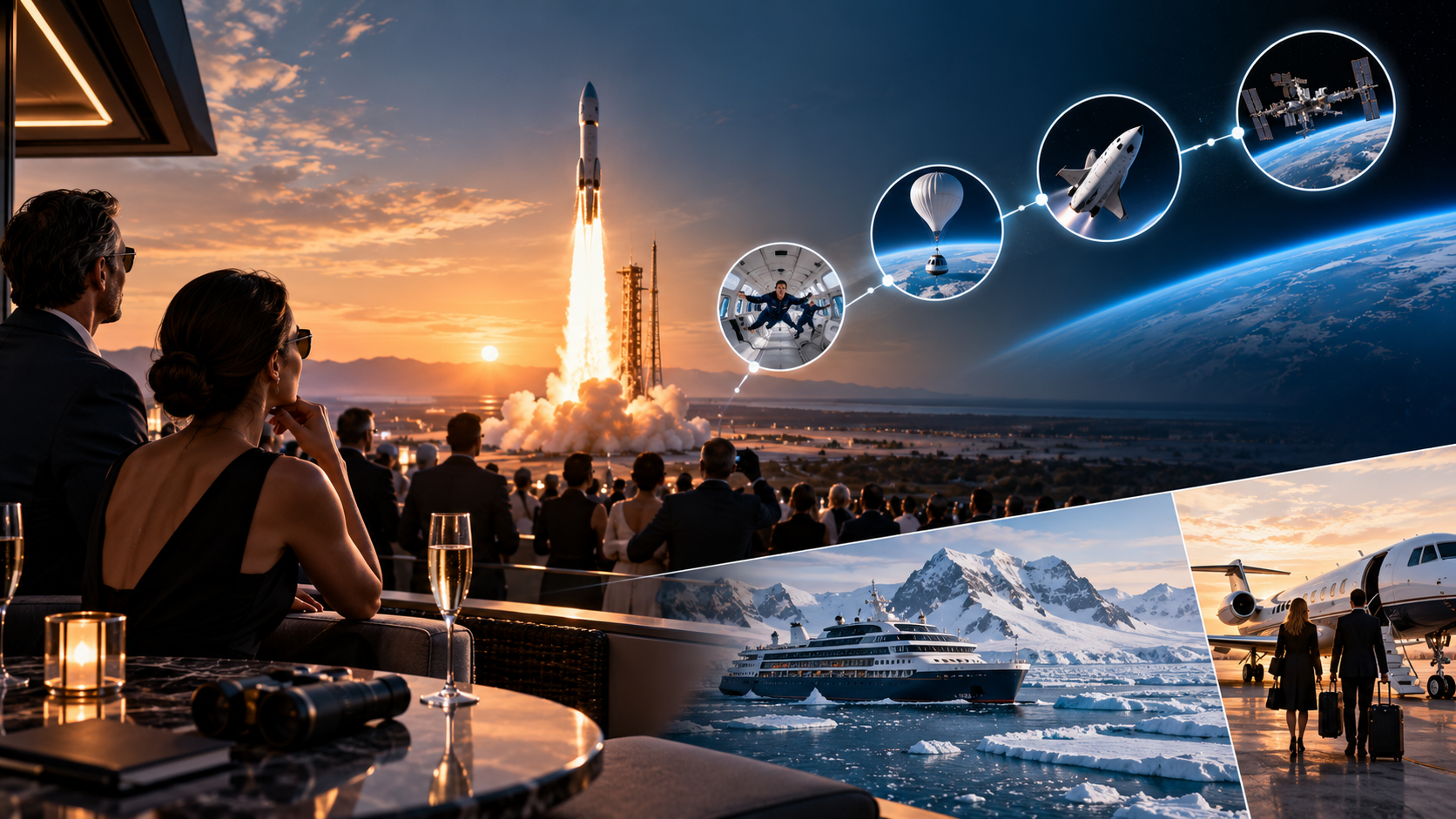
Even as reusable rocketry and capsules reduce the raw material cost per flight, high demand keeps consumer pricing elevated. The speed with which Virgin Galactic sold its recent $750,000 ticket tier demonstrates that ultra-high-net-worth demand currently outpaces available flight capacity. While technical constraints are easing, the rarity of the offering maintains premium pricing.
However, the most promising development for the broader travel market sits within the stratospheric segment at around $50,000. At this price point, near-space travel begins to overlap with terrestrial luxury expeditions, such as polar icebreaker cruises or private jet charters. This opens high-altitude earth observation to a much wider demographic long before orbital travel becomes broadly accessible.
ÆRIA Beyond continues to follow this evolving frontier. History frequently demonstrates that journeys once considered impossible eventually turn into travel itineraries. The question is no longer whether ordinary civilians will travel to space, but how quickly those opportunities will become accessible.

Member discussion: