
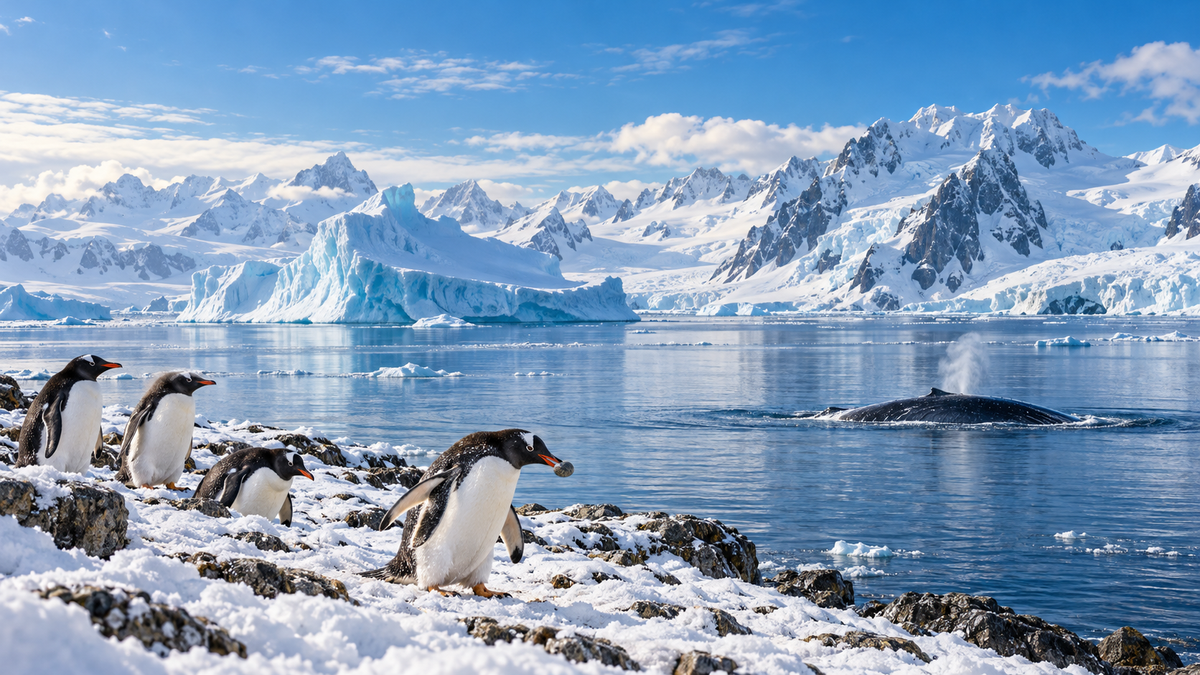
A gentoo penguin carrying a pebble to its nest. A humpback whale surfacing beside a towering iceberg. Snow-draped mountains mirrored in a sheltered, glassy bay.
These are all phenomenal reasons to visit Antarctica, but they do not share the same seasonal calendar. The optimal time to travel depends entirely on the specific experience you want to have.
Most expedition voyages to the Antarctic Peninsula operate during the Southern Hemisphere’s spring and summer, between November and March. Within this relatively brief window, wildlife behavior, daylight hours, and ice conditions shift dramatically.
So, should you prioritize early-season snow, midsummer penguin chicks, or late-season whales? Here is how to decide.
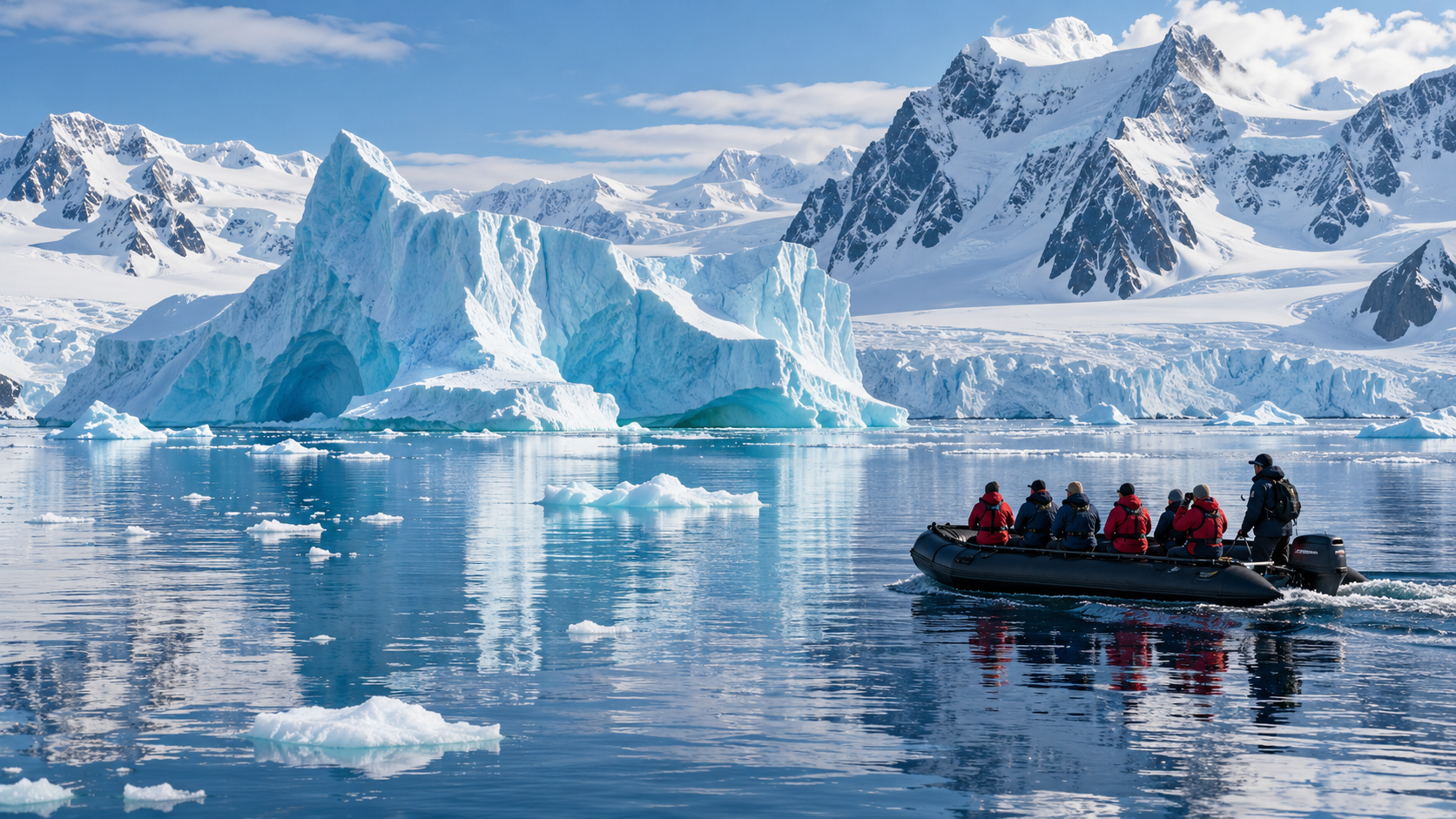
November: Pristine Snow and Penguin Courtship
November appeals to travelers who envision Antarctica as an untouched, immense world of white. Early in the season, fresh snow blankets the coastal landscapes, and substantial sea ice adds to the rugged atmosphere of a continent just emerging from deep winter.
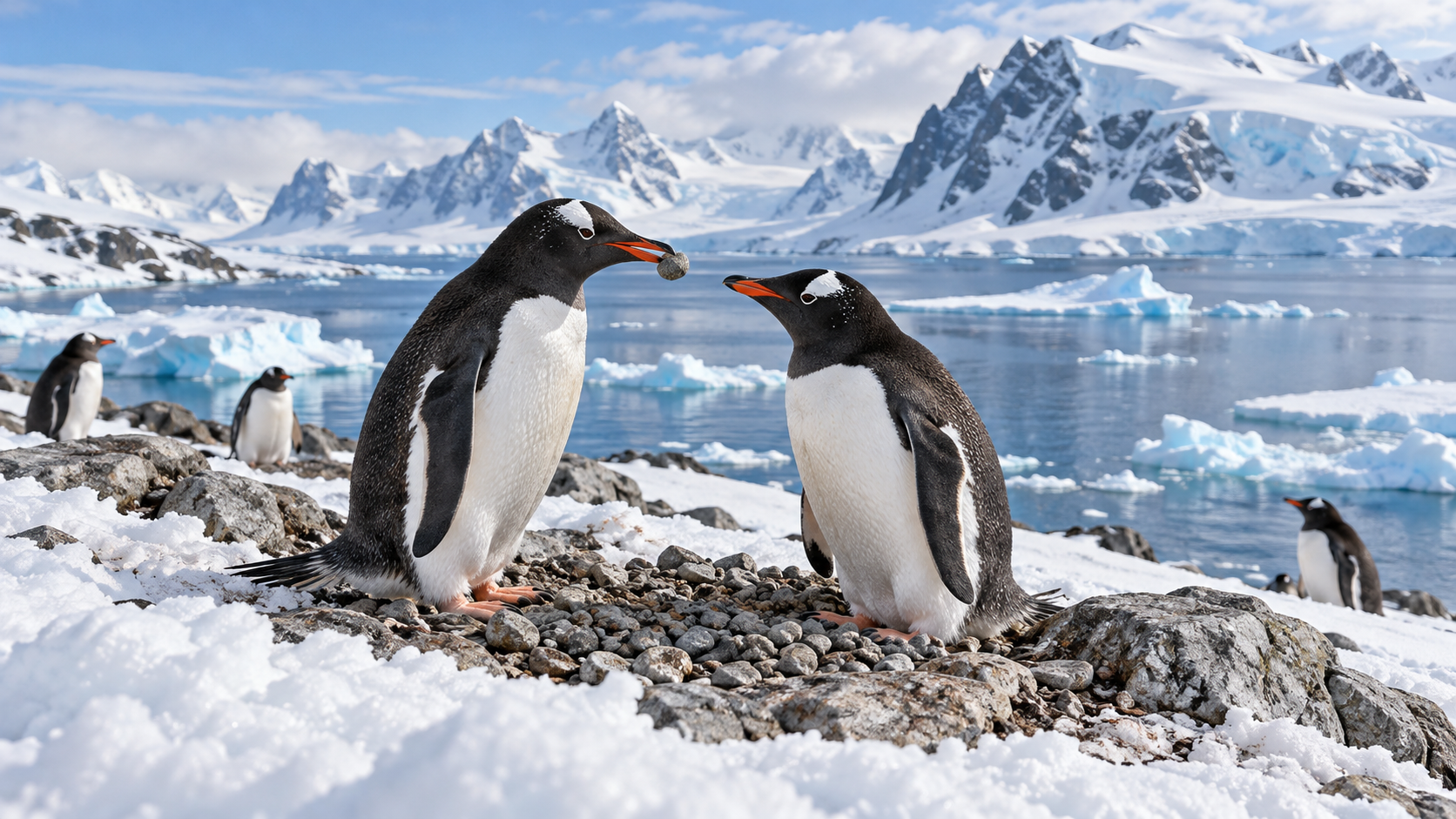
Penguin colonies are also kicking off their breeding season. Depending on the species and location, you will witness courtship rituals, nest building, and the fiercely competitive business of pebble collecting—in penguin real estate, a prime stone is always worth stealing.
For landscape photographers, this interplay of pristine ice and active colonies makes November highly desirable. It is a strong choice if your dream is to witness Antarctica at its most wintry and unblemished, prioritizing spectacular scenery and early breeding behaviors over newly hatched chicks.
December: Long Days and a Season in Transition
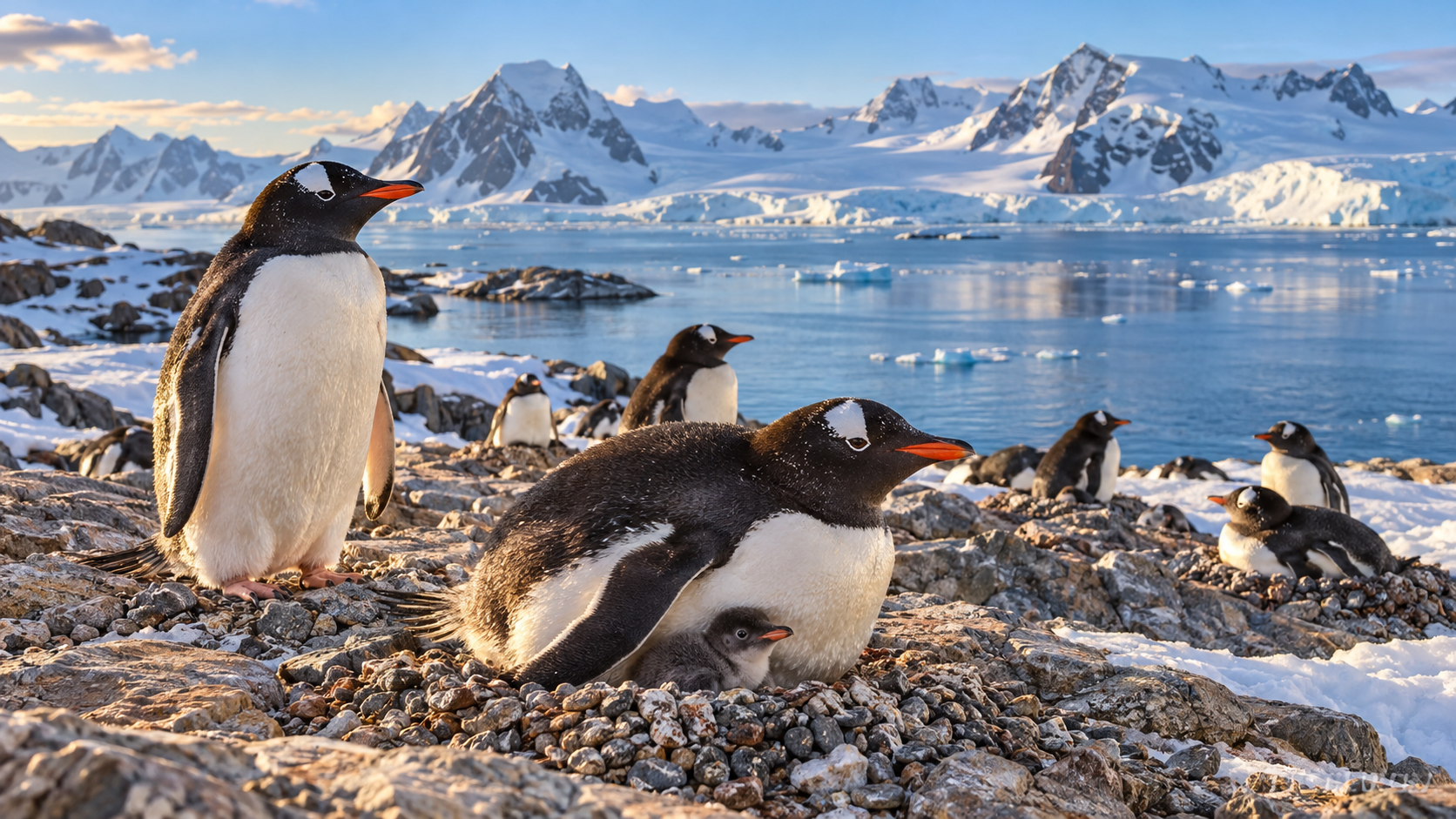
December brings exceptionally long daylight hours and a dynamic wildlife scene. Penguin nesting is in full swing, and chicks may begin hatching in some colonies later in the month.
The distinction between early and late December is crucial: a departure at the beginning of the month offers a markedly different colony experience than a holiday sailing. Breeding schedules naturally fluctuate between species, sites, and years.
December is worth considering if you want a vibrant mix of snowy backdrops, active colonies, and endless daylight. If seeing fluffy chicks is your top priority, aim for the latter half of the month or wait until January.
January: Penguin Chicks and the Perfect First Expedition
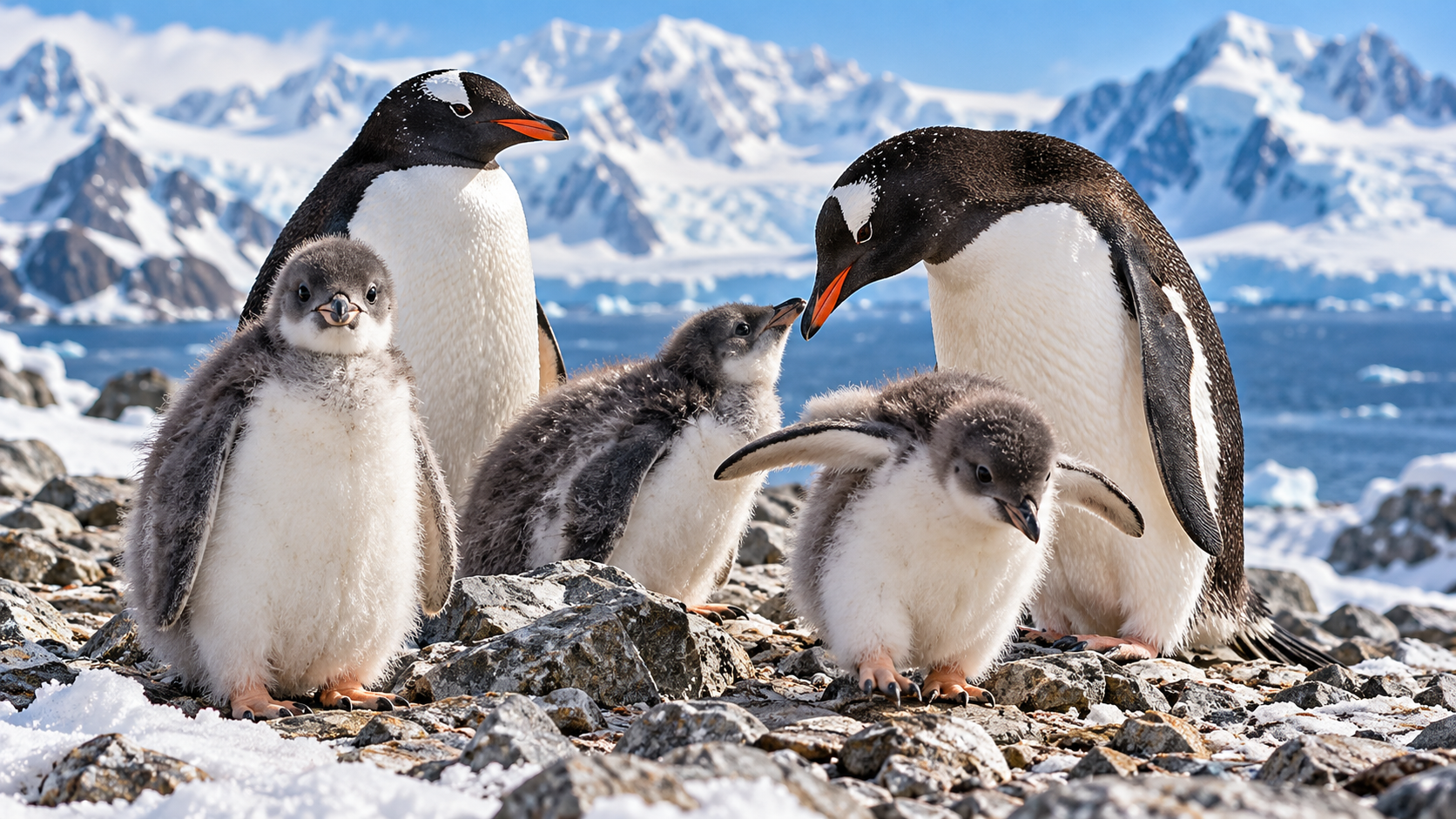
January is a compelling option for travelers drawn to penguin family dynamics. In most colonies, chicks are rapidly growing, and adults are frantically busy feeding them, offering incredible opportunities to observe active breeding behaviors beyond simple nesting and incubation. Whale encounters also become an increasingly attractive part of the daily experience.
The true appeal of January is its balance. Rather than isolating a single feature, it delivers an optimal blend of wildlife, accessible scenery, and long summer days.
Our recommendation: Put January at the top of your shortlist for a first-time Antarctic expedition, especially if seeing penguin chicks is a primary goal.
February: Whale Watching and Fledging Chicks
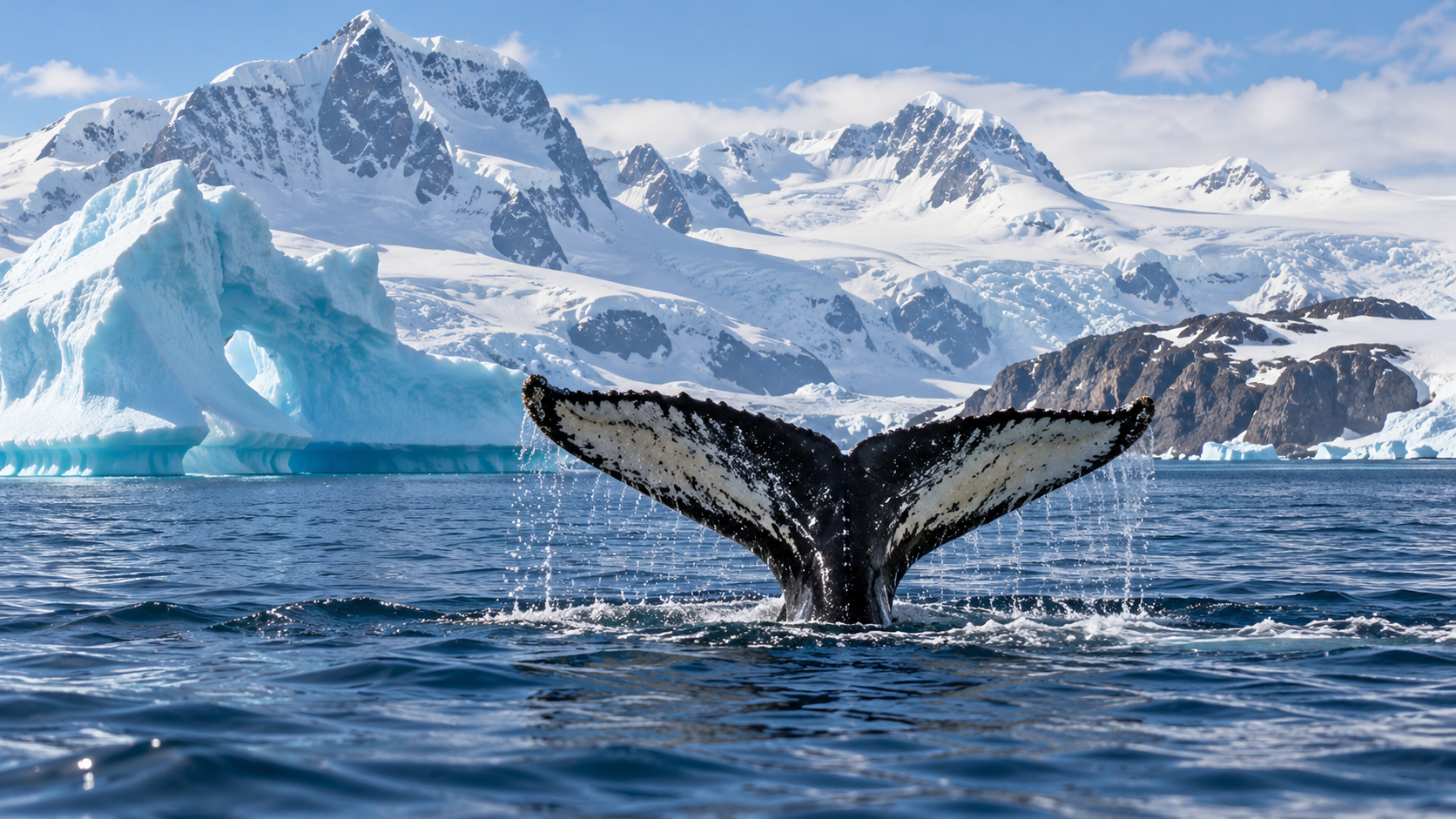
If spotting whales is central to your Antarctic dream, February demands your attention.
Expedition experts consistently highlight mid-February to mid-March as the premier window for whale watching. Humpback whales are frequently encountered, alongside Antarctic minke whales and the occasional pod of orcas. While marine encounters are always unpredictable—including whether animals will breach, lunge-feed, or approach the ship—the sheer volume of activity peaks now.
February also provides a distinct perspective on penguin colonies. Chicks are older, bolder, and naturally form groups called crèches before they eventually fledge. February is the ideal choice for travelers wanting to combine peak marine mammal sightings with late-stage penguin colony visits.
March: Changing Light and Late-Season Whales
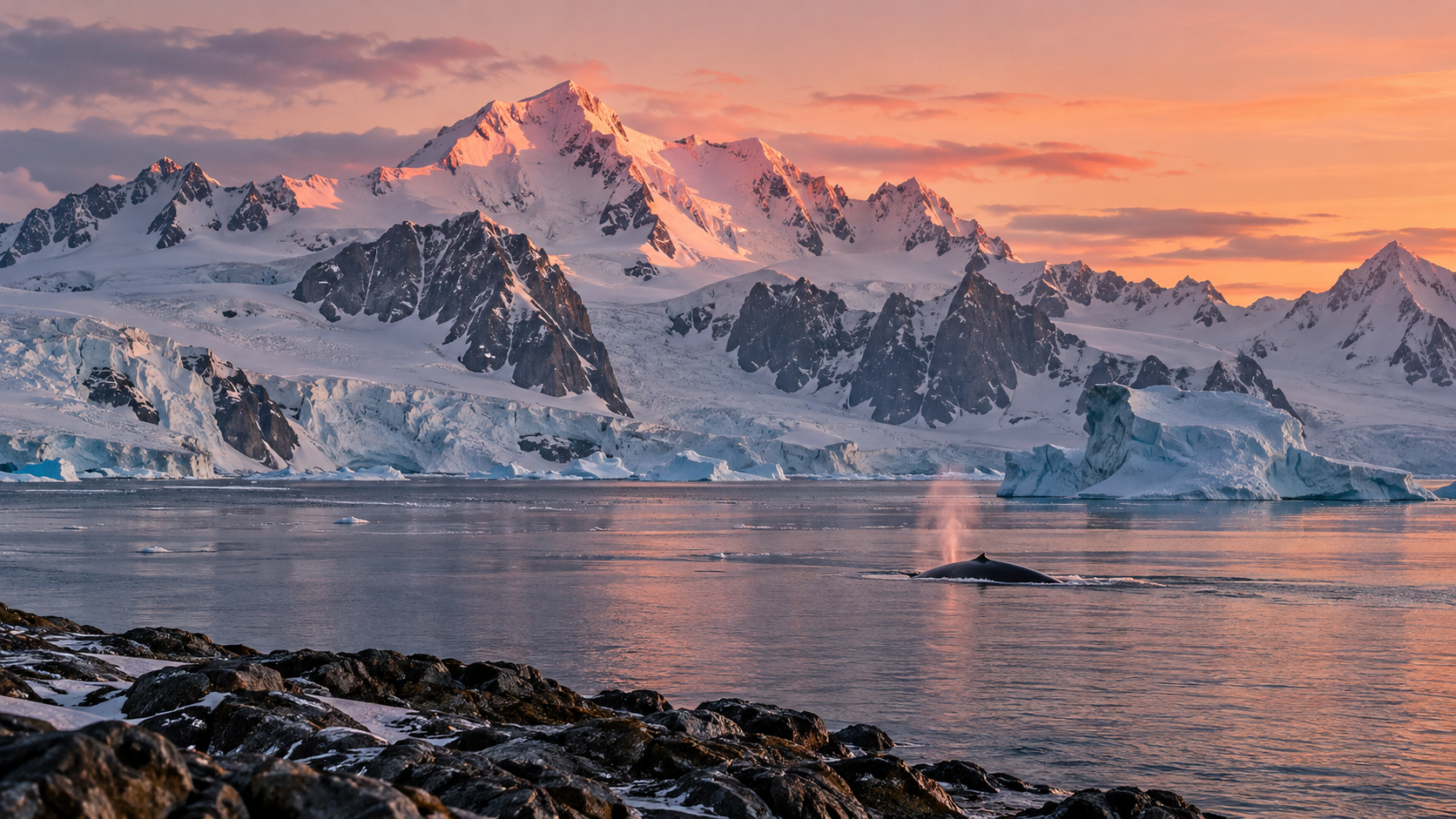
March sustains the late-season appeal for marine enthusiasts, particularly in its first few weeks. It is an excellent option if whale watching matters more to you than seeing small penguin chicks.
As the season progresses, the days shorten, introducing spectacular opportunities for sunset light and alpenglow. Coastal landing areas display the full effects of summer, with more exposed rock and glacial ice rather than soft powder. Antarctica still boasts immense, awe-inspiring icescapes, but the visual texture differs greatly from November's fresh snow.
For photographers, choosing between the early and late season involves a creative preference: bright, snowy landscapes versus the moody light and dramatic textures of late summer.
A Quick Guide to Choosing Your Month
| Your Main Priority | Window to Consider |
|---|---|
| Fresh snow and a pristine wintry atmosphere | November to early December |
| Penguin courtship and nest building | November to December |
| Newly hatched penguin chicks | Late December to January |
| A balance of chicks, scenery, and whales | January to February |
| Peak whale watching | February to March (esp. mid-Feb to mid-March) |
| Late-season light and spectacular sunsets | Late February to March |
Note: These windows summarize seasonal tendencies and should guide your choice rather than act as a strict wildlife timetable.
The Itinerary Matters as Much as the Month
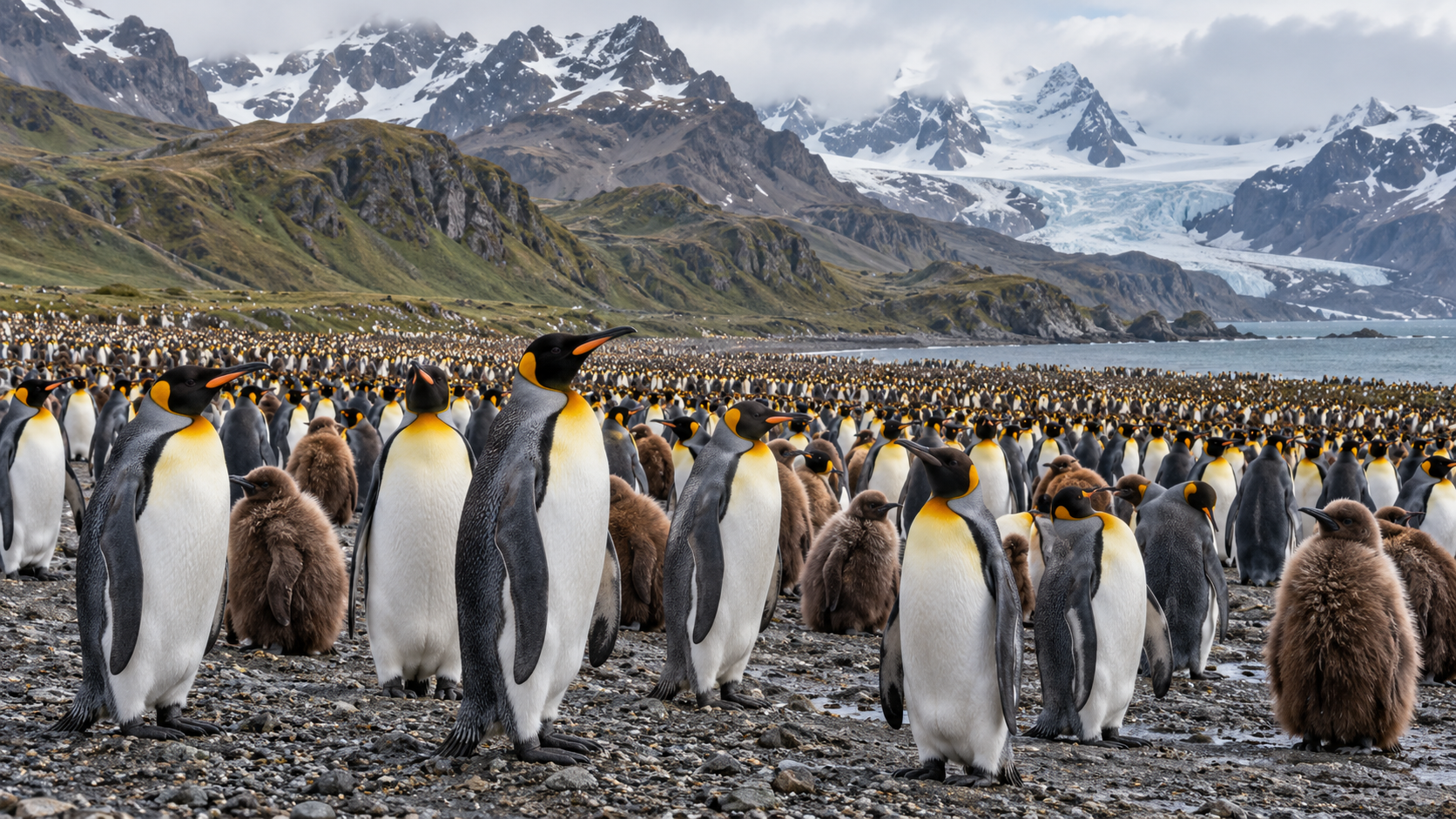
Before booking, identify exactly which penguins you hope to see.
A classic Antarctic Peninsula voyage and an itinerary that includes South Georgia offer vastly different wildlife experiences. South Georgia is essential for travelers dreaming of vast king penguin colonies. Meanwhile, seeing emperor penguins typically requires a highly specialized expedition—such as a voyage attempting to reach Snow Hill Island—which entails specific operational challenges and heavy weather dependencies.
The same principle applies to crossing the Antarctic Circle. You must select an itinerary explicitly designed to attempt this milestone; booking a late-summer departure does not automatically mean your ship will travel that far south.
Ultimately, actual routes, landings, and daily activities will always depend on weather, sea ice, and operational decisions made by the expedition team.
Which Antarctic Experience Is Right for You?
Imagine the single moment you would most regret missing.
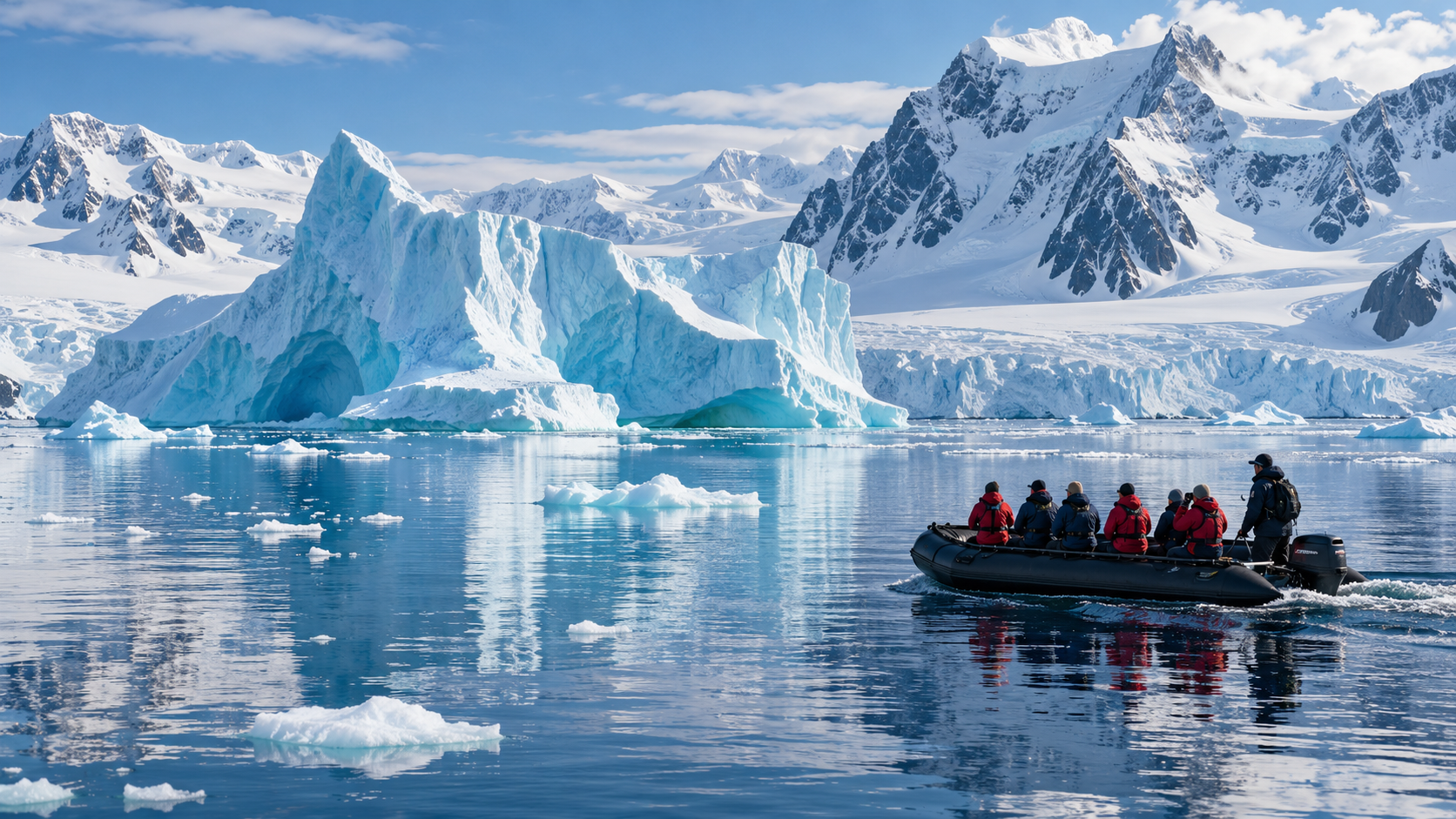
If it is a penguin feeding a tiny chick, start planning for January. If it is a whale surfacing against a massive iceberg, look closely at February or early March. If it is a sweeping, untouched landscape of pure white, focus on November or early December.
Next, compare the complete voyage: the exact route, the time spent exploring off-ship, the included activities, and how seamlessly it aligns with your personal interests.
At ÆRIA Voyages and ÆRIA Expeditions, we help you connect these priorities with the perfect season and itinerary. Our goal is to craft a journey centered entirely around the Antarctica you most want to discover.
Ready to plan your Antarctic expedition?
Connect with an expedition specialist today:
📞 1-888-460-3388
✉️ contact@aeriavoyages.com
🌐 aeriavoyages.com

Member discussion: