

The Ultimate MADRID Travel Guide: What to know, where to go, and how to make the most of your visit
Updated 2026 | Spain | First-time visitors | In-depth travel
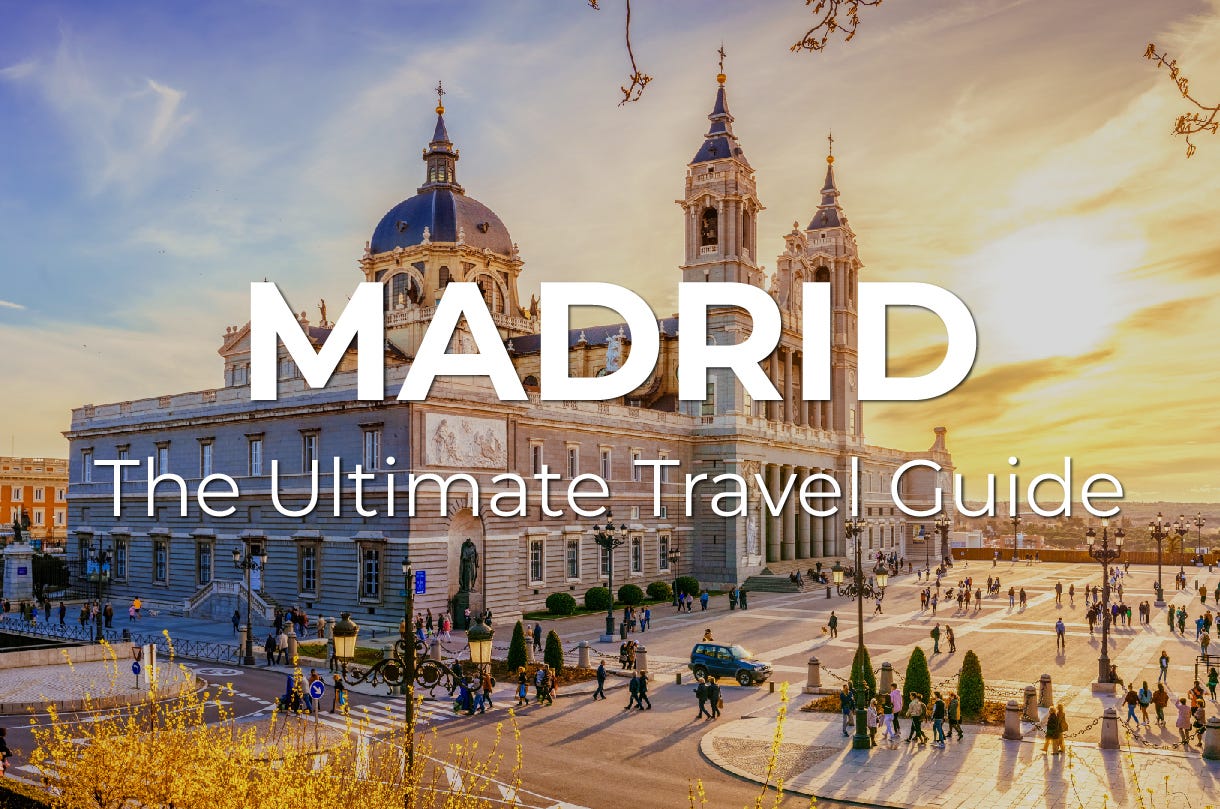
Madrid does not have a river worth mentioning, a coastline, or an ancient civilization beneath its streets. What it has is perhaps more useful to a traveler: the greatest concentration of Golden Age painting in the world, a social life that runs on a schedule unlike any other European capital, a food and market culture that rewards curiosity at every level, and an energy that is specifically and stubbornly Madrileño.
The city is not trying to be Barcelona. It is trying to be Madrid, which turns out to be more than enough.
This guide covers the neighborhoods worth knowing, the experiences that define the city, the practical details you need before you go, and how to plan the right amount of time for the kind of trip you want.
Table of Content
🎙️BEYOND THE HORIZON: TRAVEL AND CRUISE PODCAST

Why Madrid is worth visiting
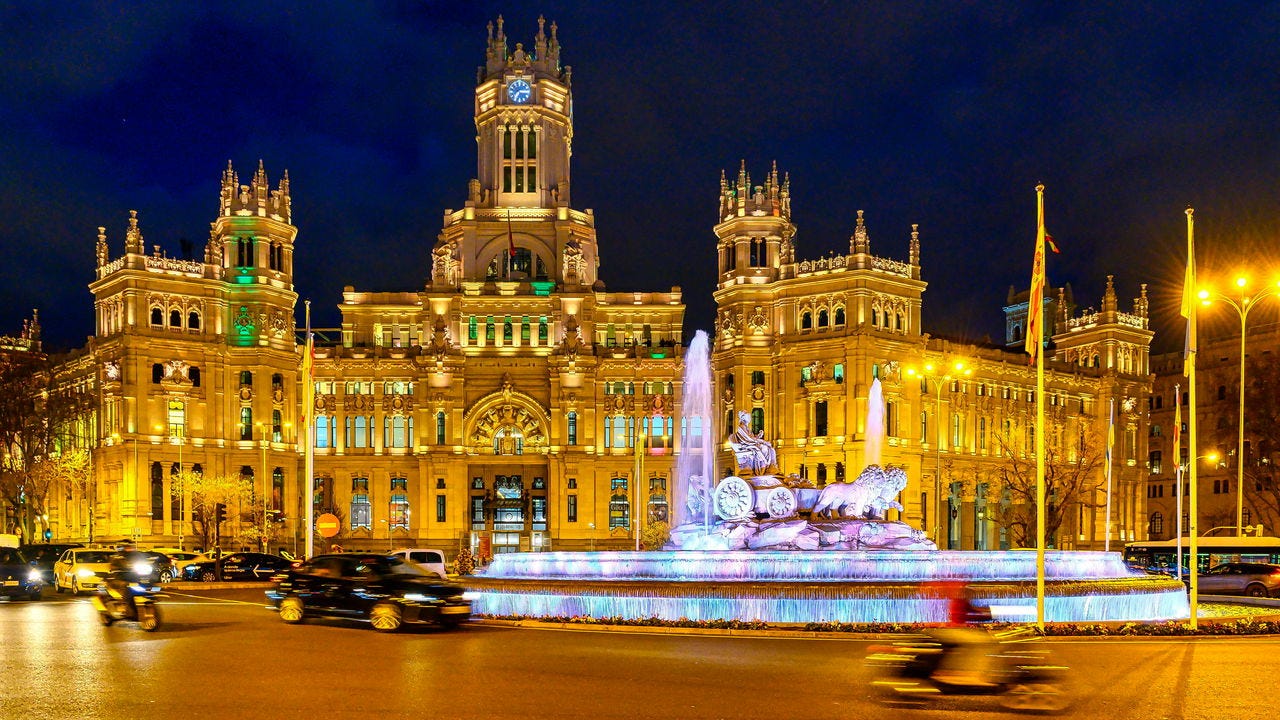
Madrid became the capital of Spain by royal decree in 1561, when Philip II moved his court here from Toledo, and the city has been accumulating the benefits of that decision ever since. The Royal Collection, built over centuries by Spanish monarchs with the resources of an empire, is now distributed between the Prado, the Reina Sofia, and the Thyssen-Bornemisza, three museums within walking distance of each other that constitute the finest concentration of art in any single city on earth. Velazquez, Goya, El Greco, Bosch, Rubens, Titian, Picasso, Dali, and Miro: Madrid holds the definitive collections of most of them.
Beyond the museums, Madrid is the Spanish capital in the fullest sense: the city where the country’s politics, media, football, and cultural ambitions are concentrated. It operates on a schedule that astonishes first-time visitors: lunch at 3pm, dinner at 10pm, nightlife starting past midnight and running until dawn. This is not affectation. It is the rhythm of a city that takes its pleasures seriously and has been doing so for centuries.
For travelers comparing Madrid with Barcelona, the two cities offer genuinely different experiences. Madrid is landlocked, more formal, and more Spanish in the national rather than regional sense. It is also cheaper, less crowded with tourists, and, for those who care about art and food above beaches and architecture, the more rewarding destination.
The neighborhoods you should know
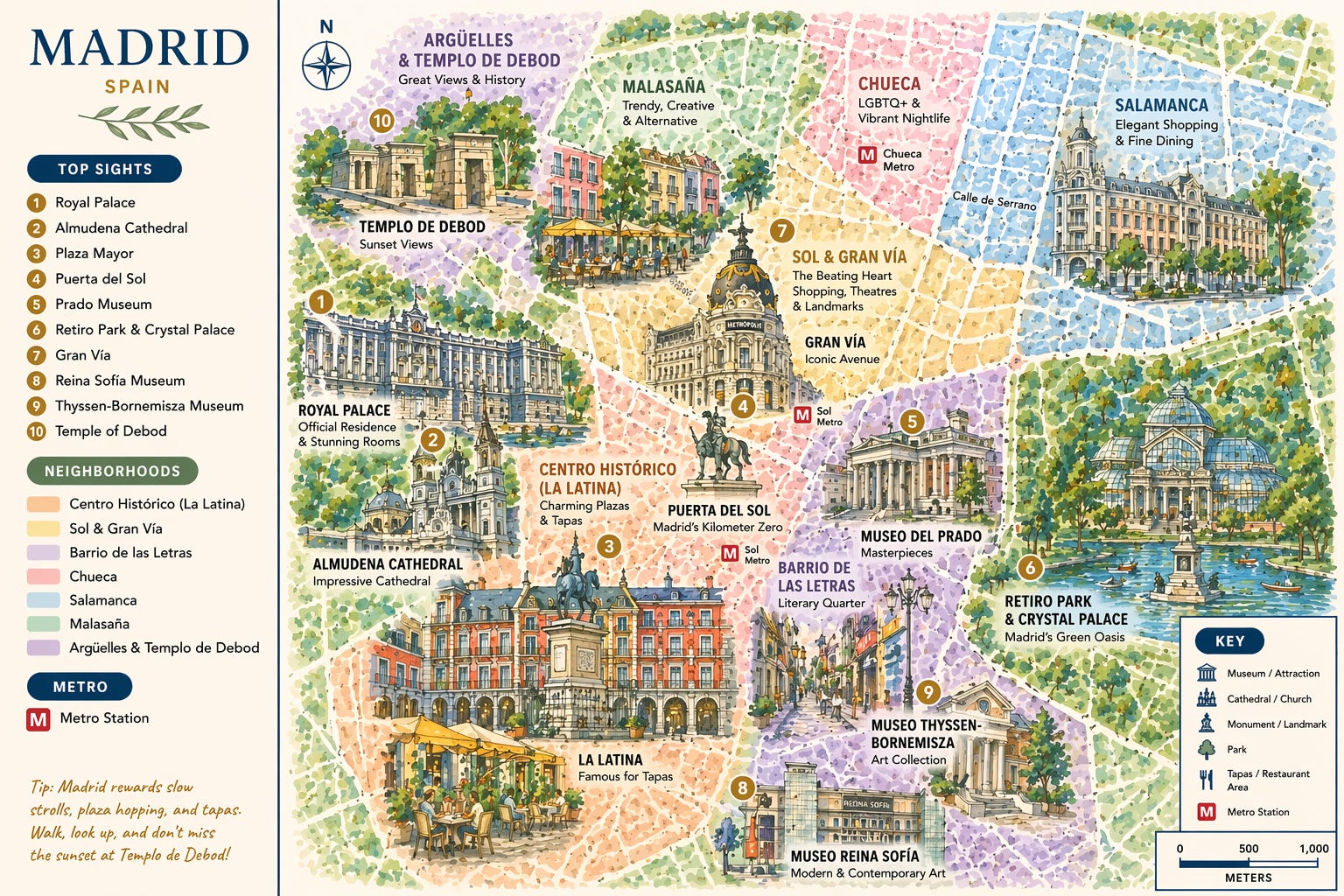
Madrid is a large city organized around a compact historic center. The neighborhoods worth knowing are all within walking distance of each other, which makes the city unusually easy to navigate on foot.
Sol and Centro
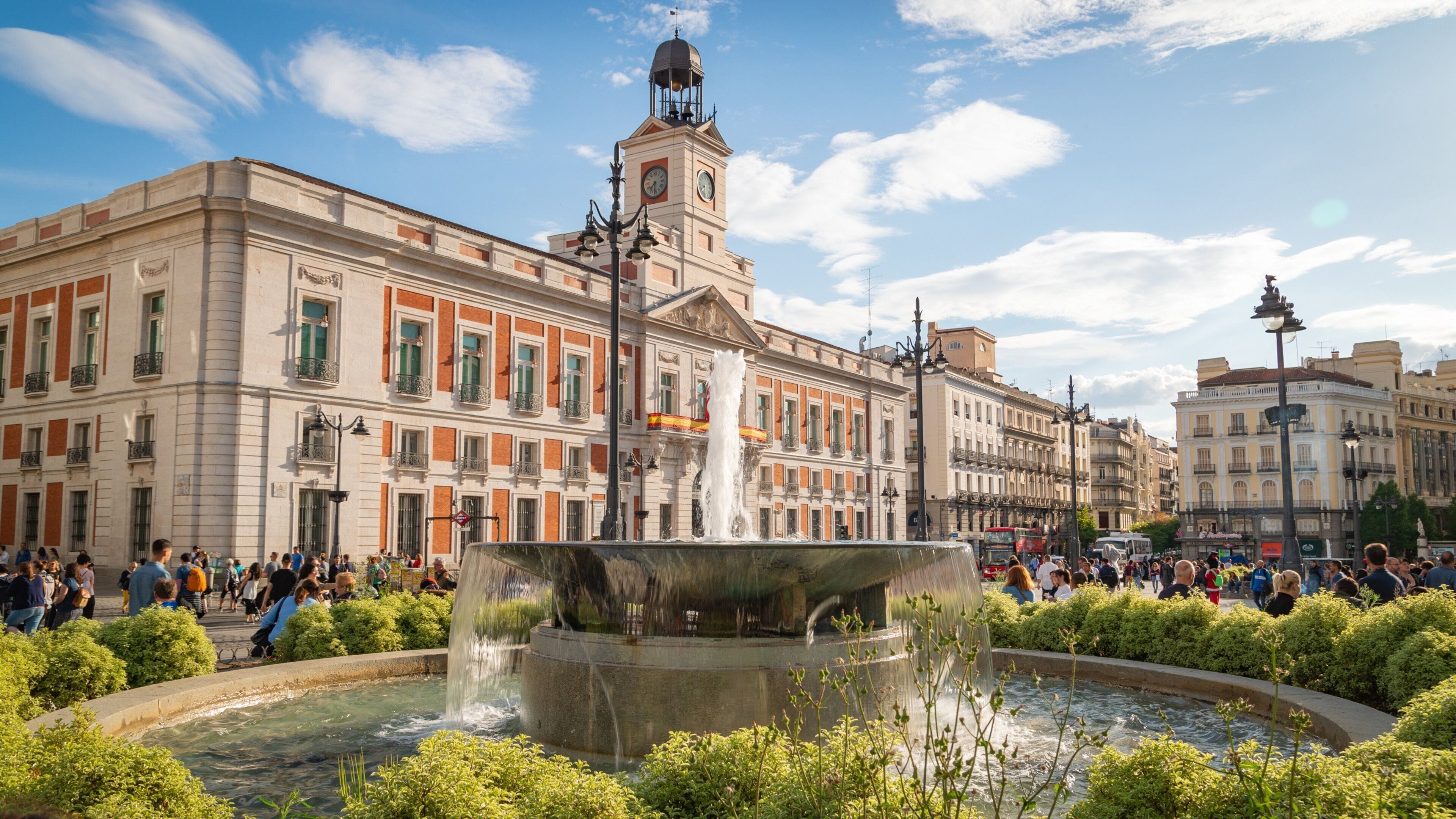
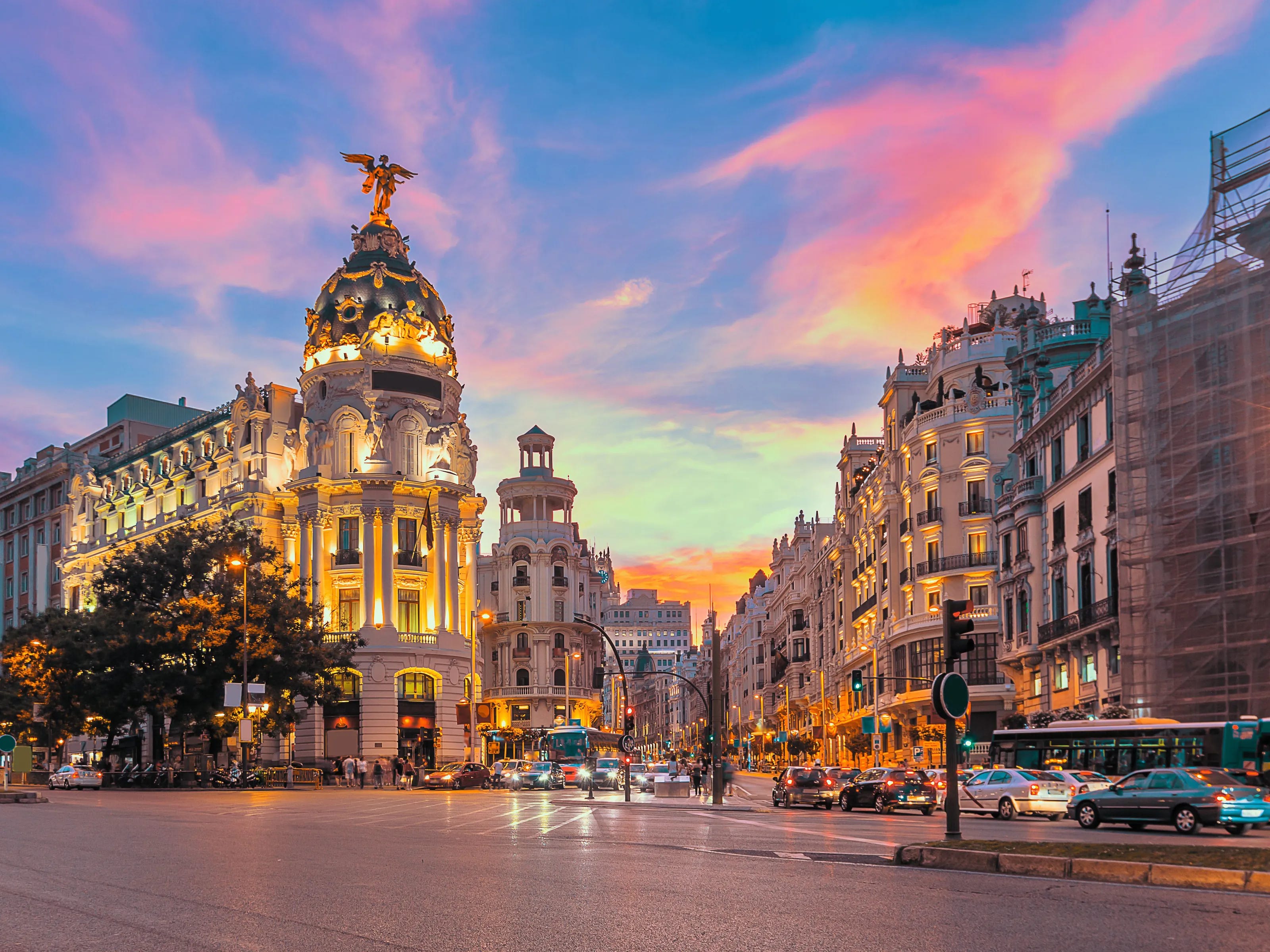
The geographic and symbolic heart of Madrid, anchored by the Puerta del Sol, the zero point from which all distances in Spain are measured. The surrounding streets contain the city’s most concentrated tourist infrastructure, the most crowded tapas bars, and the entrance to the old markets. Gran Via, the early 20th-century boulevard modeled on Paris’s grands boulevards, runs east from here through the commercial center. The area is noisy and busy at all hours, but it is also where the city’s most important public life happens: protests, celebrations, and New Year’s Eve all converge at Sol.
La Latina and Lavapies
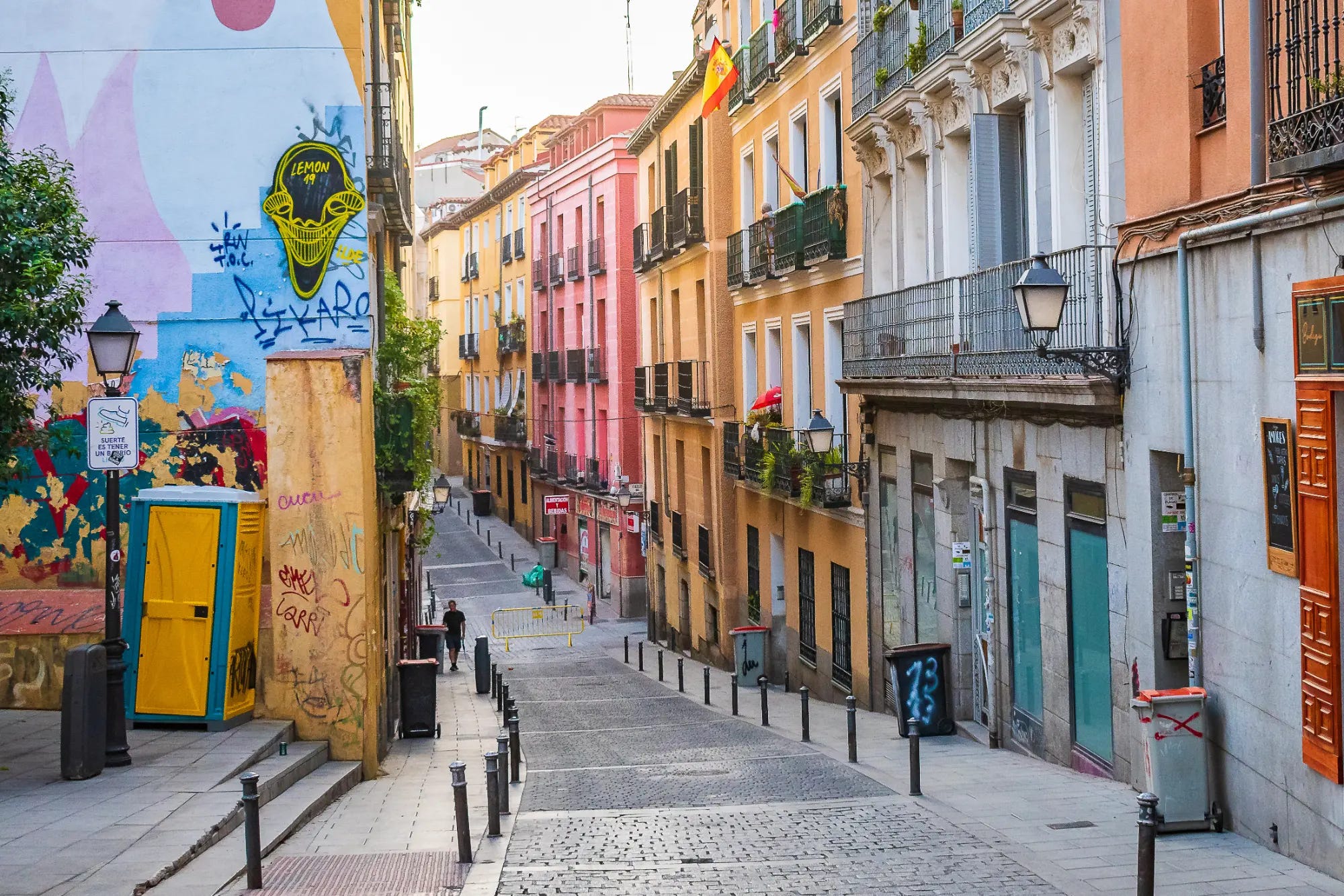
Immediately south of Sol, La Latina is the most atmospheric neighborhood in central Madrid: medieval streets, the Sunday El Rastro flea market spreading across Ribera de Curtidores, and the densest concentration of tapas bars in the city along the Cava Baja and Cava Alta. On Sunday afternoons in summer, the entire neighborhood becomes one extended outdoor gathering. Lavapies, immediately east of La Latina, is Madrid’s most multicultural neighborhood: Moroccan groceries, Indian restaurants, and African textile shops alongside independent theatres and galleries. It is less polished than the rest of the center and more genuinely interesting for it.
Malasana and Chueca
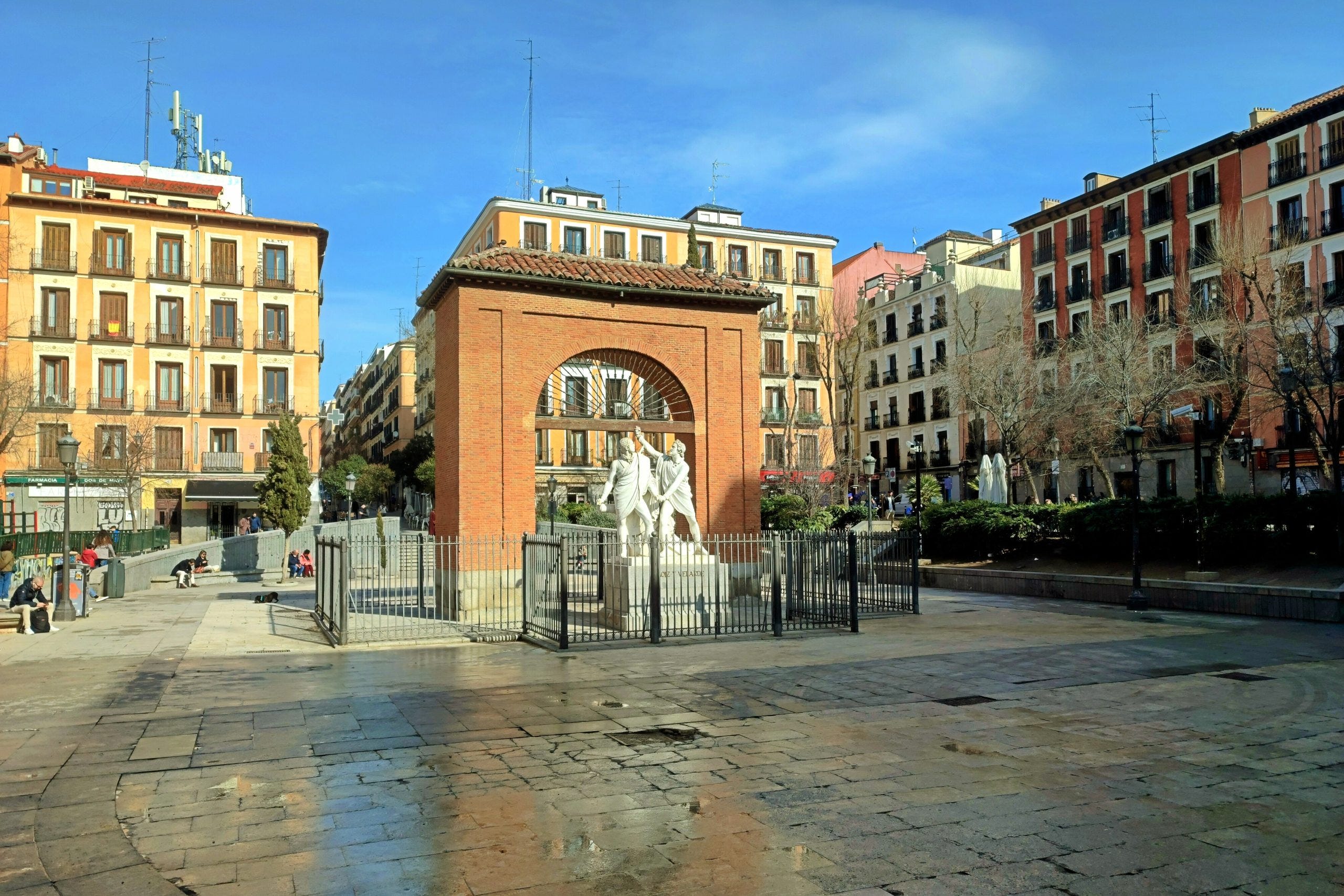
The twin neighborhoods of Madrid’s alternative and LGBTQ culture, north of Gran Via. Malasana was the epicenter of the Movida Madrileña, the explosion of creative and social energy that followed Franco’s death in 1975, and retains a bohemian character: record shops, vintage clothing, small music venues, and bars that have been open since the early 1980s. Chueca, immediately east, is the center of gay Madrid: lively, well-maintained, and home to some of the best independent restaurants in the city. Both neighborhoods are excellent for an evening without a fixed plan.
Salamanca
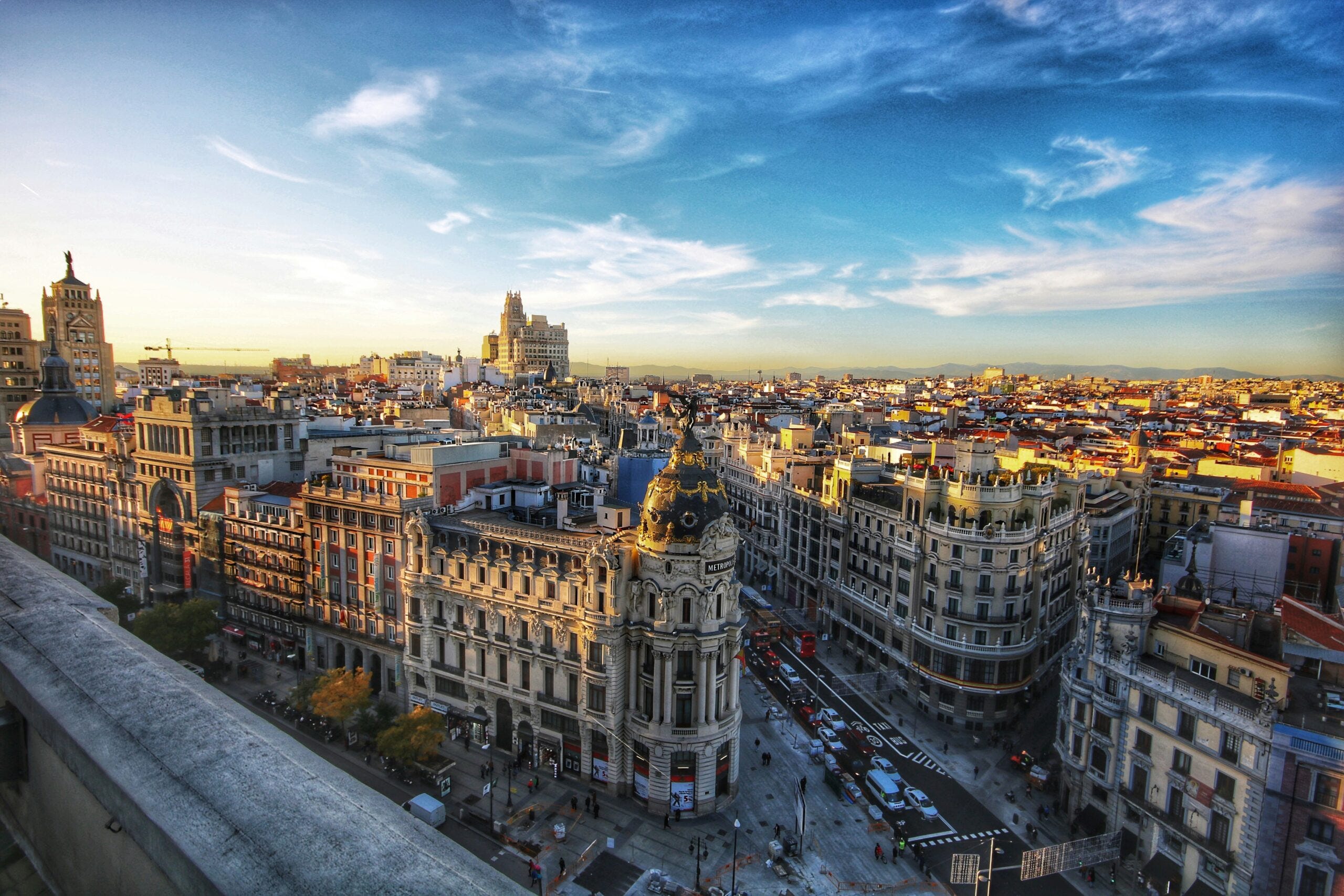
The upscale grid district northeast of the Retiro, built in the 19th century as Madrid’s answer to Haussmann’s Paris. Salamanca has designer boutiques on the Calle Serrano and some of the most expensive real estate in Spain, but it also has the Fundacion Juan March, one of the finest contemporary art institutions in the country, and a neighborhood tapas and restaurant culture that operates at a higher register than the tourist center. Worth visiting for a meal and an evening walk.
Retiro and the Paseo del Prado
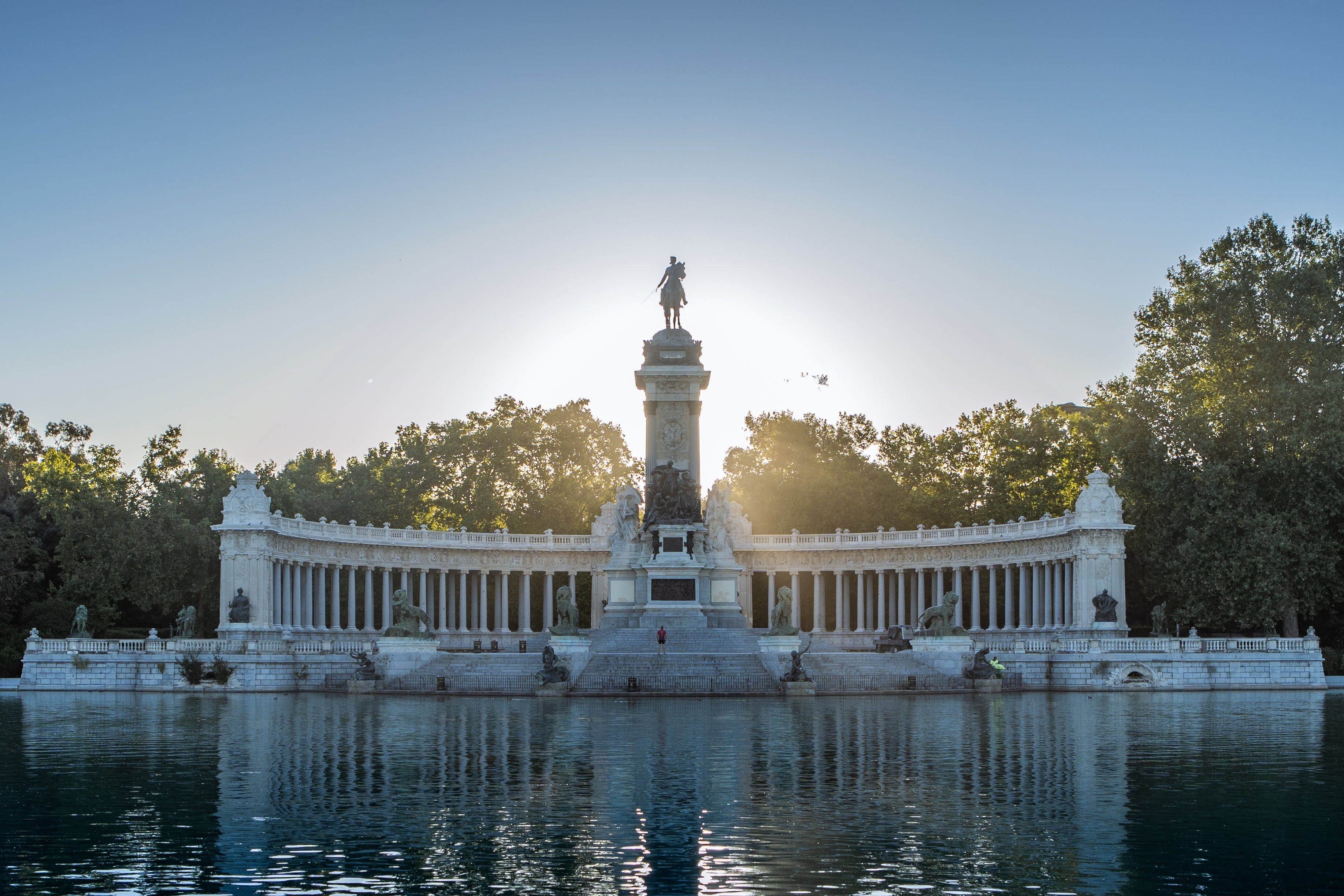
The Parque del Buen Retiro, the former royal park opened to the public in 1868, is one of the finest urban parks in Europe: a lake with rowing boats, the extraordinary Palacio de Cristal, rose gardens, outdoor bookstalls, and the weekend culture of a city that treats its parks as communal living rooms. The Paseo del Prado, the tree-lined boulevard below the park, connects the three great art museums and is one of the most pleasant walks in Madrid at any time of year.
Arguelles and Moncloa
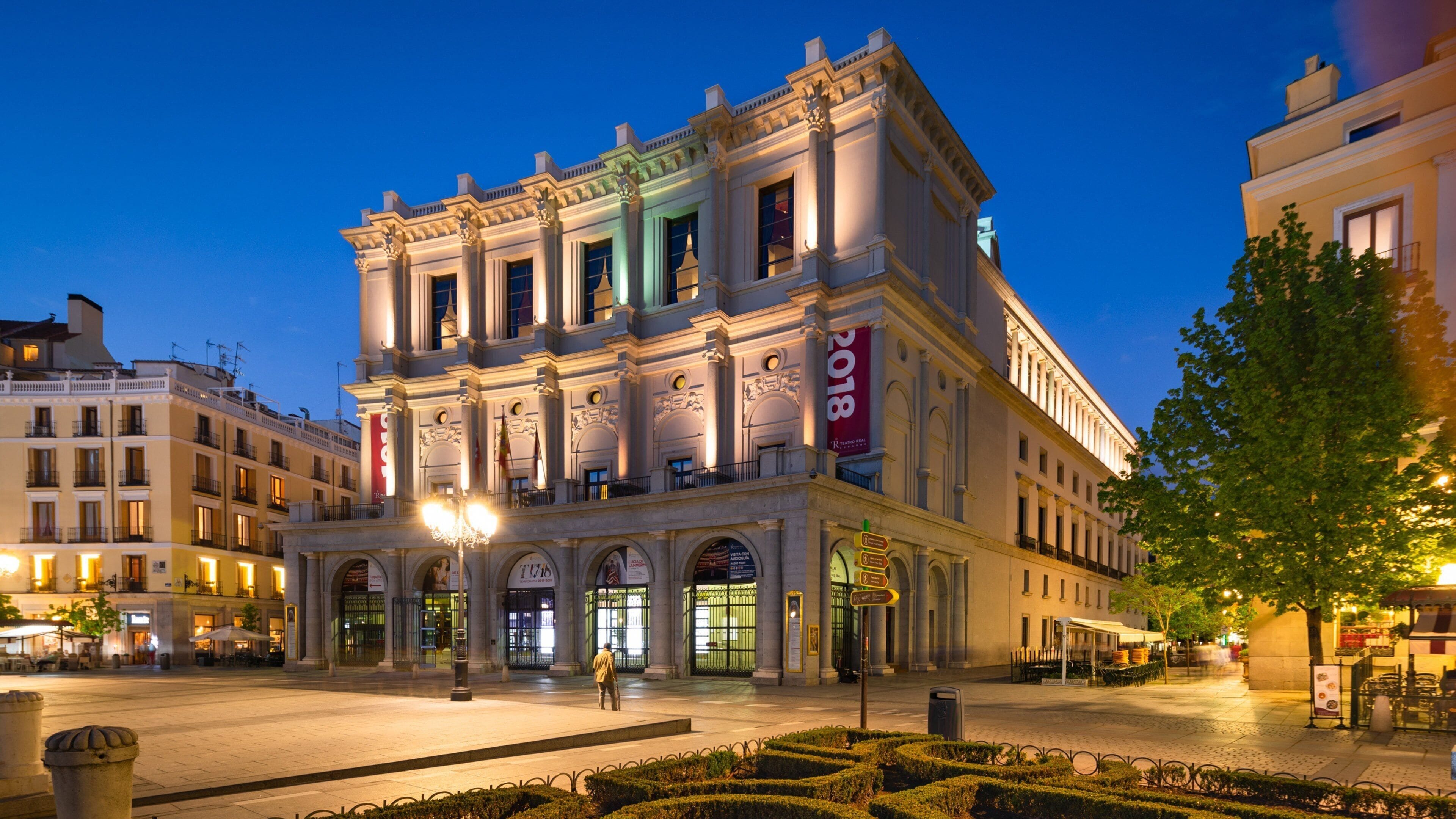
The neighborhood west of the center, bordering the Casa de Campo and the Egyptian Temple of Debod, which offers the finest sunset view in Madrid with the Sierra de Guadarrama as backdrop. Less visited by tourists and more residential in character, Arguelles is worth an afternoon for the Temple of Debod view alone, combined with a walk in the Casa de Campo park along the river.
Activities not to miss
Madrid rewards visitors who approach the art seriously and the food and nightlife with equal seriousness. These are the experiences that define the city.

The Prado Museum
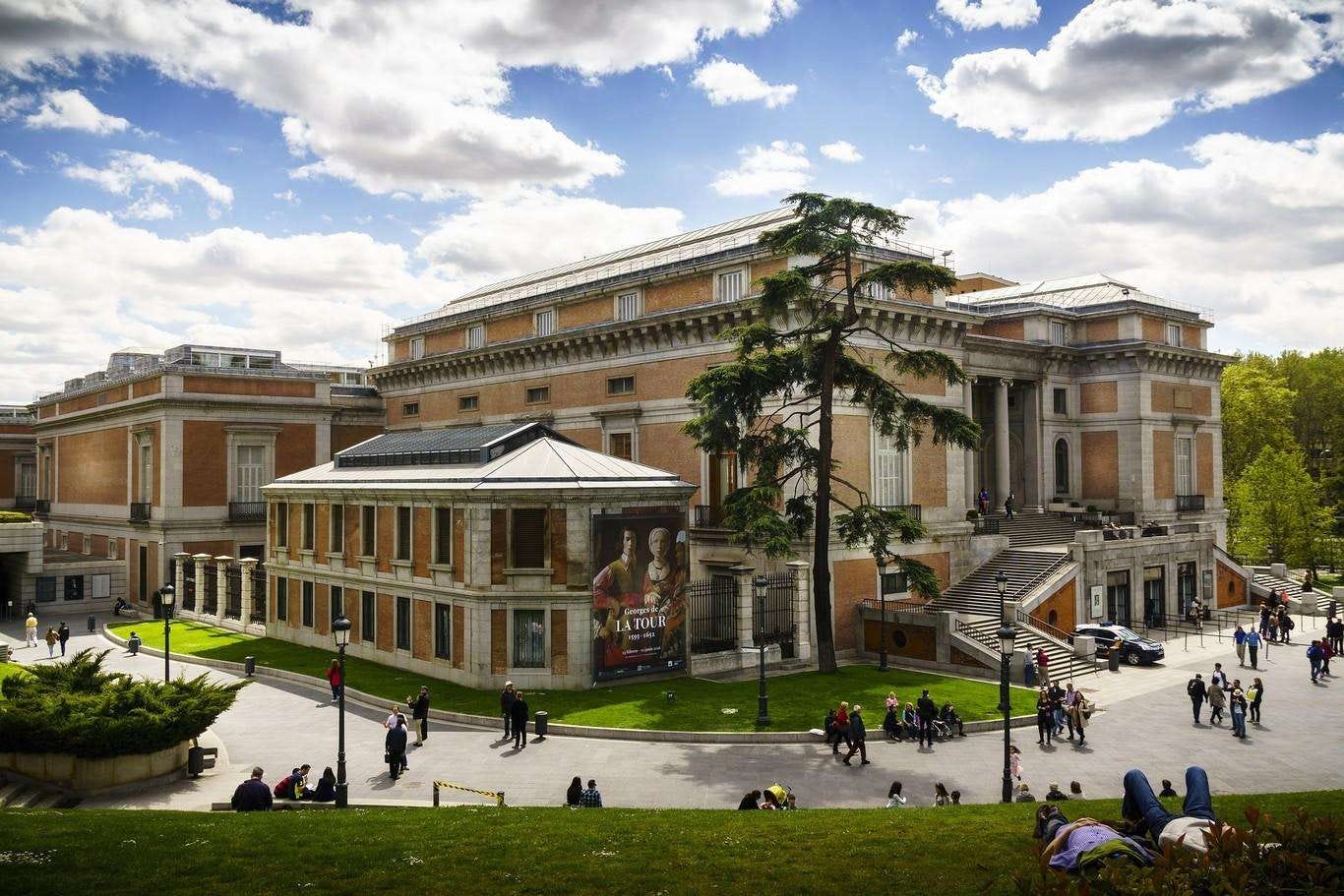
The greatest collection of Spanish painting in the world and one of the finest art museums on earth, full stop. Velazquez’s Las Meninas, Goya’s Black Paintings and the Dos de Mayo, El Greco’s The Trinity, Bosch’s Garden of Earthly Delights, Titian’s portraits of Charles V: these are not second-tier works in a regional collection. They are the definitive versions of some of the most important paintings in Western art, and they are all here, in the same building. A guided tour is strongly recommended: without context, the sheer volume of the collection is overwhelming.
The Reina Sofia
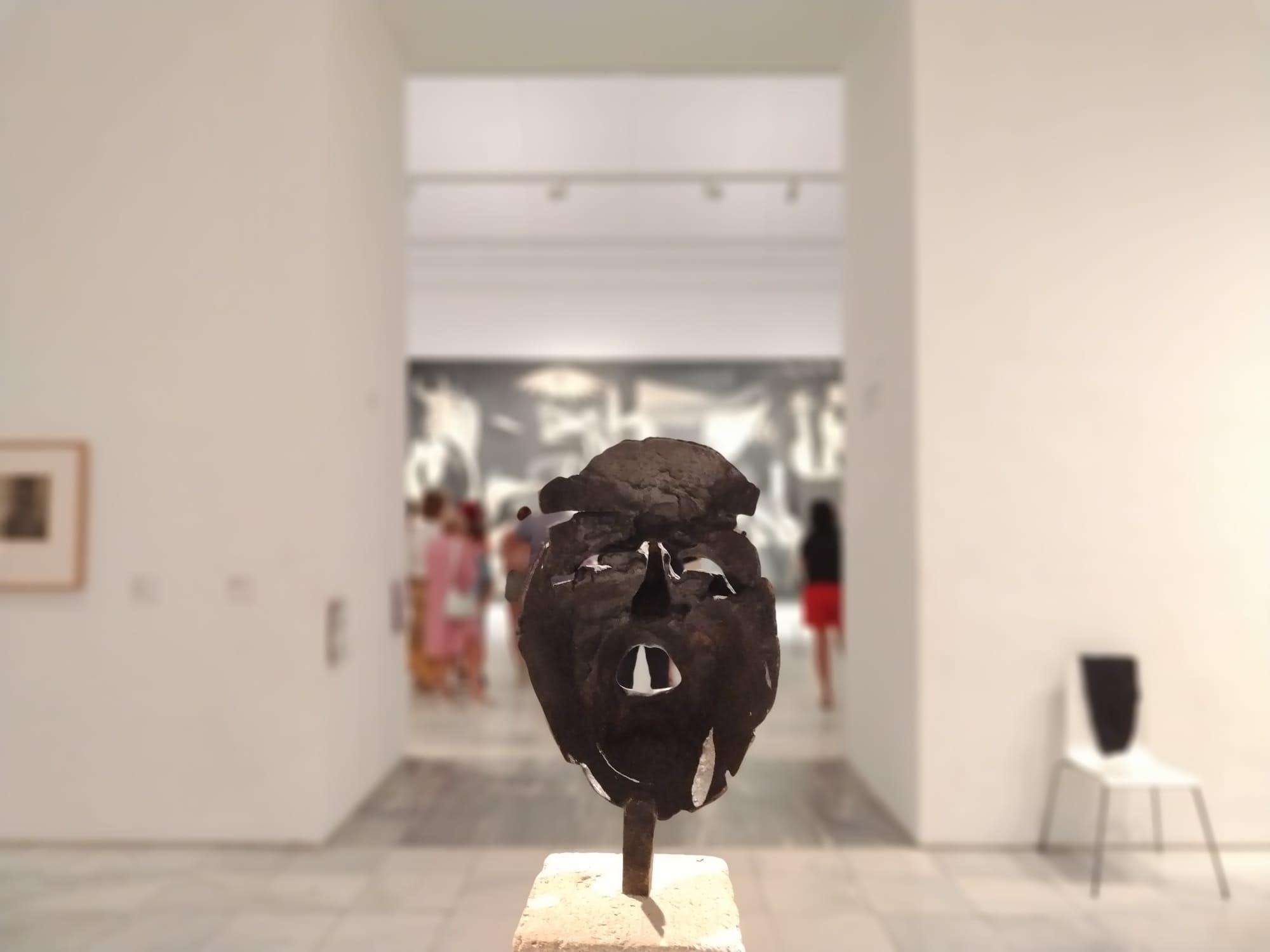
Spain’s national museum of 20th-century art, housed in a converted 18th-century hospital with a modern extension by Jean Nouvel. Picasso’s Guernica, painted in 1937 in response to the Nazi bombing of the Basque town and one of the most powerful anti-war statements in the history of art, is here. So are major works by Dali, Miro, and the key figures of the Spanish avant-garde. The Reina Sofia and the Prado together, if you can manage both in a day, constitute one of the most extraordinary art days available anywhere in Europe.
The Royal Palace and Plaza Mayor
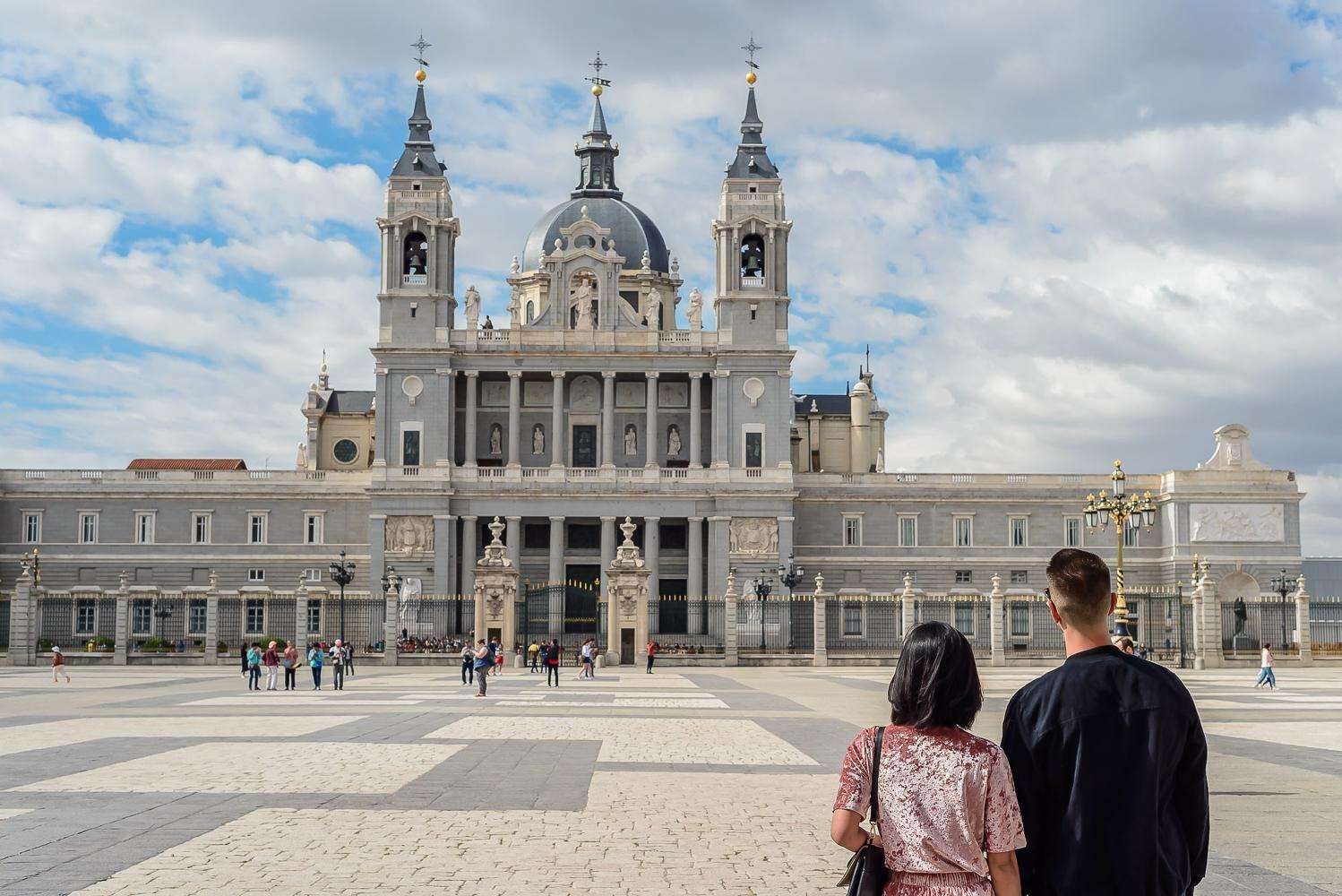
The Royal Palace of Madrid, the official residence of the Spanish royal family, is the largest royal palace by floor area in Europe and contains more than 3,400 rooms. The State Apartments, with their Tiepolo frescoes, Flemish tapestries, and Royal Armory, are extraordinary in scale and decoration. Plaza Mayor, a few minutes’ walk away, is one of the finest enclosed public squares in Europe, built in the early 17th century and used for everything from bullfights to royal proclamations to the Inquisition’s public burnings.
Flamenco show
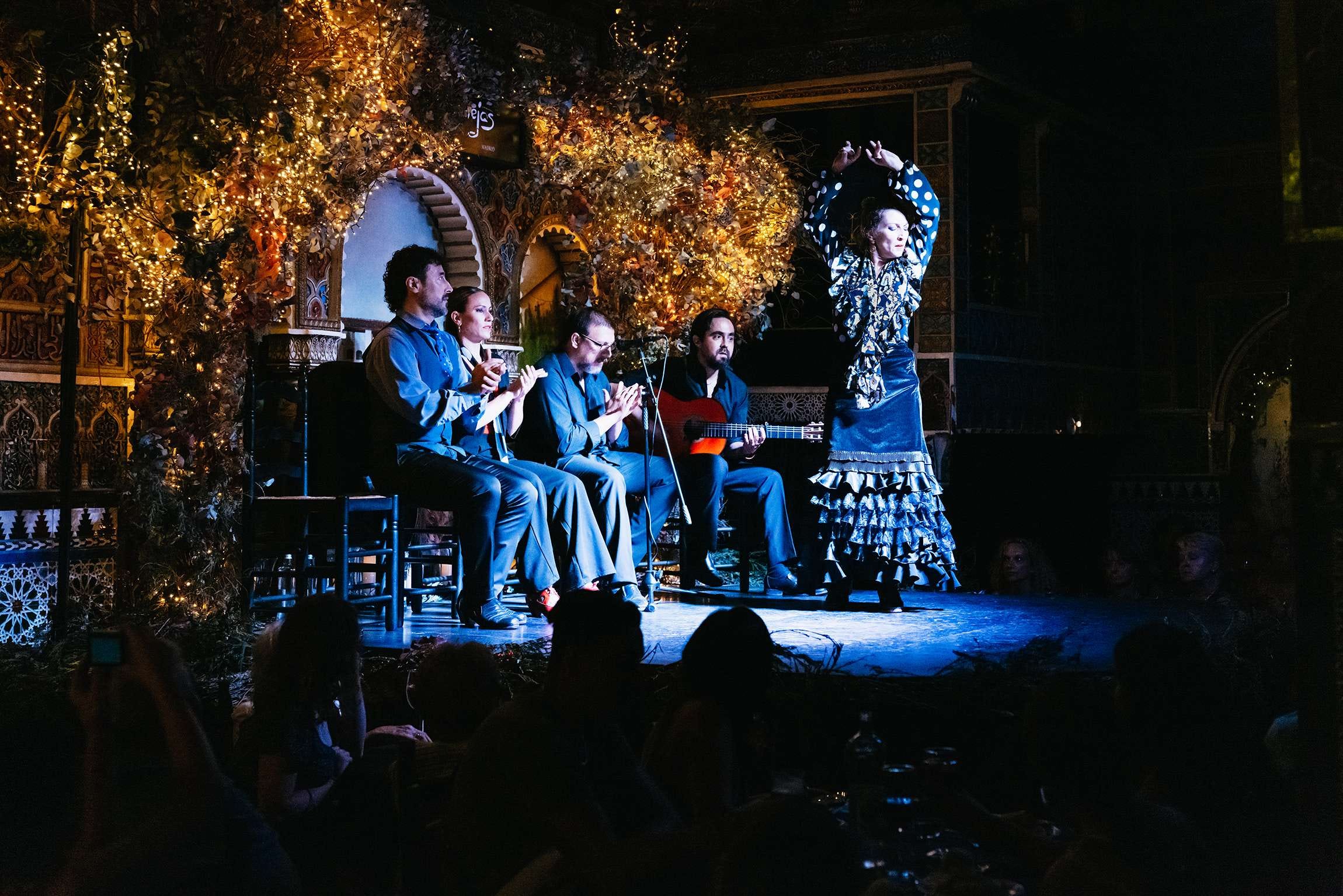
Flamenco is not Catalan and not from Madrid: it comes from Andalusia, the south of Spain. But Madrid’s tablaos, the dedicated flamenco venues, host some of the finest performances available anywhere, drawing the best artists in the country. A tablao evening, with dinner or drinks and a 90-minute performance by professional dancers, singers, and guitarists, is one of the most memorable evenings in Madrid. The better venues in the center are legitimate cultural experiences rather than tourist spectacles.
Madrid tapas and wine tour
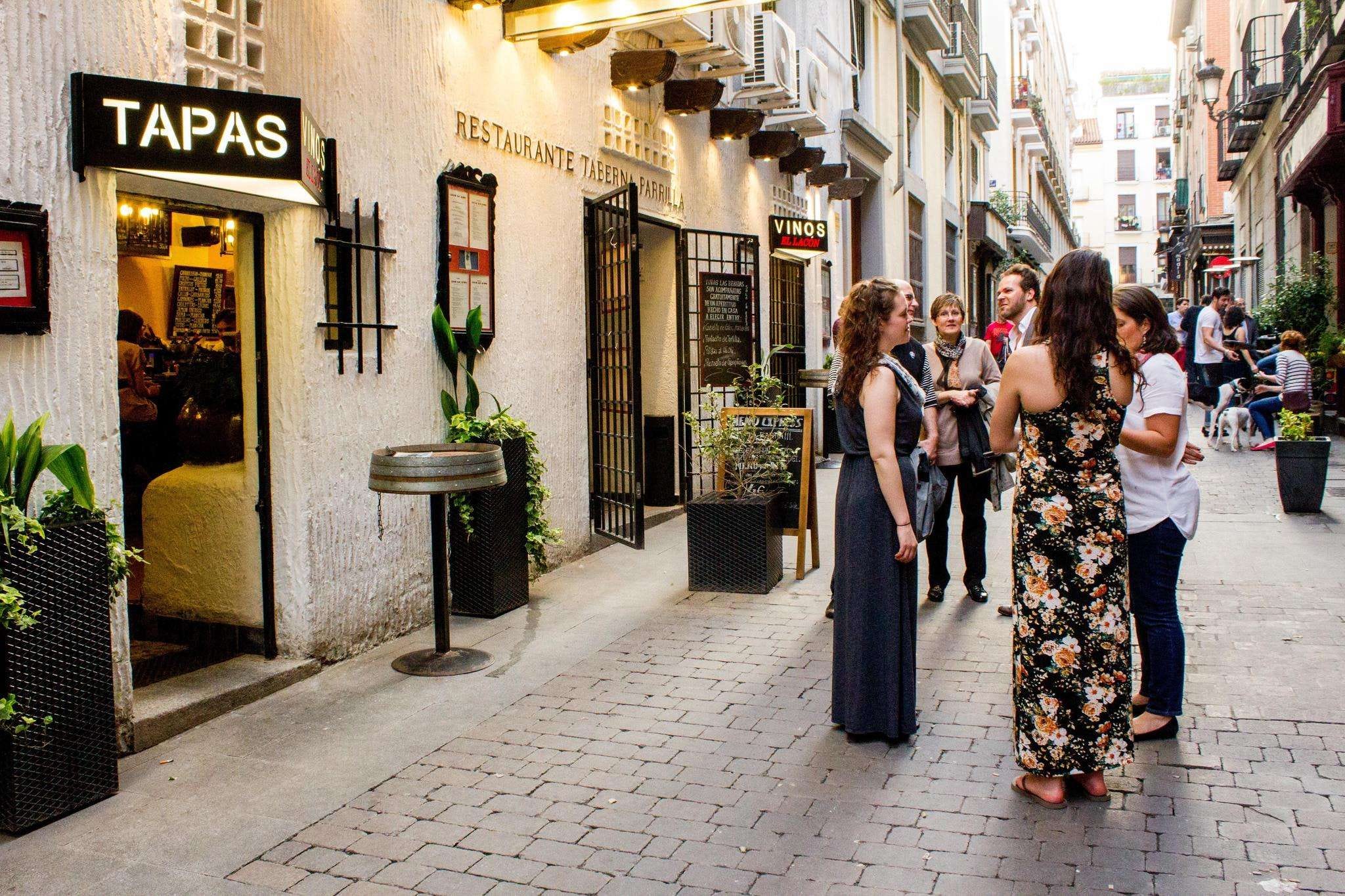
Madrid’s tapas culture, rooted in the tavern tradition of Castile, is different from Barcelona’s: heavier, more meat-based, more oriented toward cold cuts, tortilla, and croquetas than seafood and Catalan vegetables. A guided tour through the tapas bars of La Latina or the literary quarter, with a guide who knows the difference between a genuine neighbourhood bar and a tourist operation, is the best introduction to eating and drinking as Madrilenos actually do it.
Santiago Bernabeu Stadium
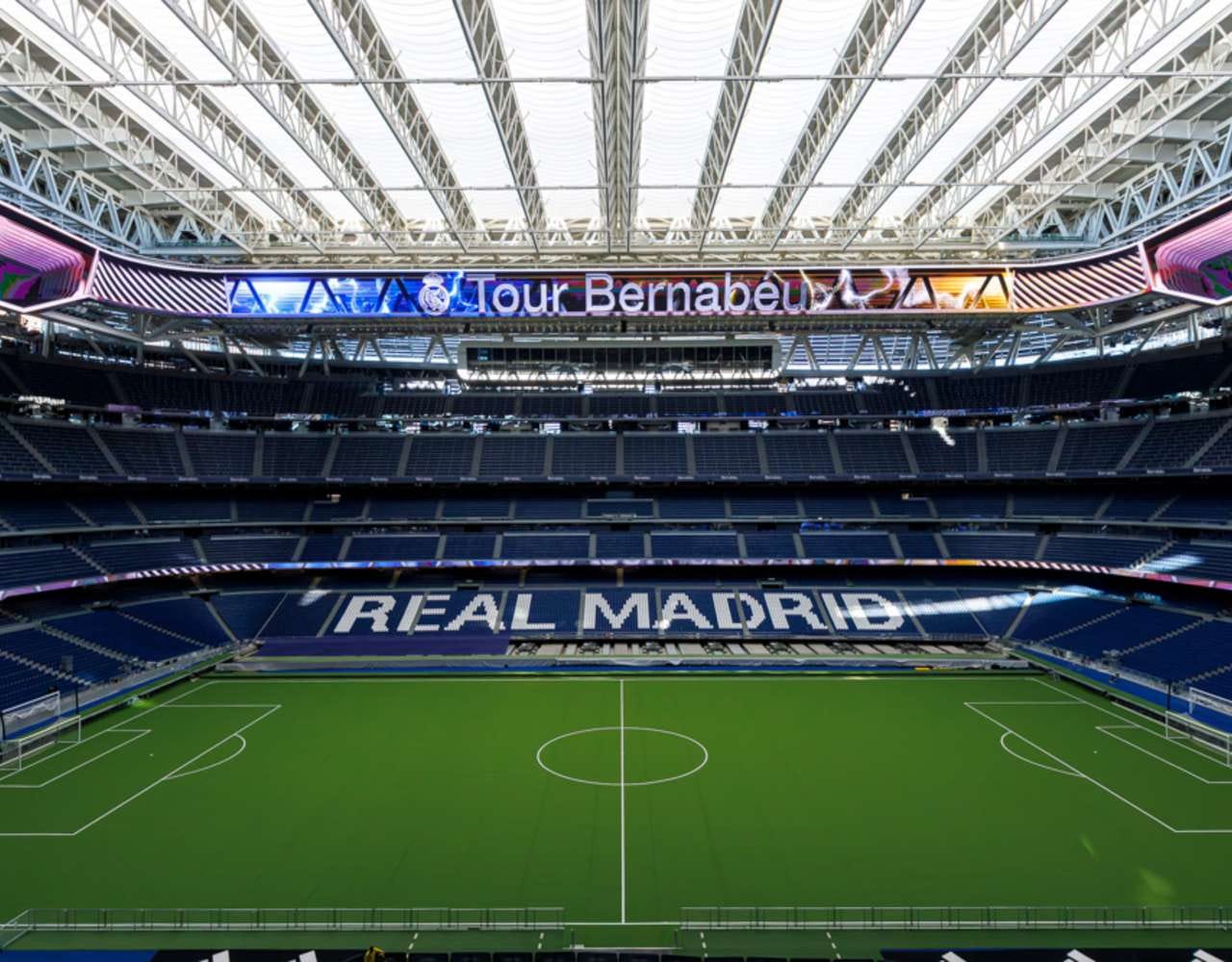
The home of Real Madrid, one of the most famous sports venues in the world, is worth visiting even for those with no particular interest in football. The museum chronicles the most decorated club in the history of the sport, and the behind-the-scenes tour takes you onto the pitch, into the dressing rooms, and through the press conference room. The stadium was completely rebuilt and reopened in 2023 with a retractable roof and a new exterior skin of shimmering steel that has changed the skyline of northern Madrid.
Sunset at the Temple of Debod
An Egyptian temple dating from the 2nd century BC, dismantled and gifted to Spain in 1968 in gratitude for help preserving Abu Simbel during the construction of the Aswan Dam. It sits in the Parque del Oeste above the Casa de Campo, perfectly oriented so that the setting sun aligns with its entrance and the Sierra de Guadarrama mountains form the backdrop. The view from this spot at dusk is the finest free experience in Madrid and one of the most unexpectedly beautiful sights in any European capital.
Day trips from Madrid
Madrid sits at the geographic center of the Iberian Peninsula, which makes it an exceptional base for day trips: three UNESCO World Heritage cities are within 90 minutes, each offering a completely different dimension of Spanish history.
Toledo
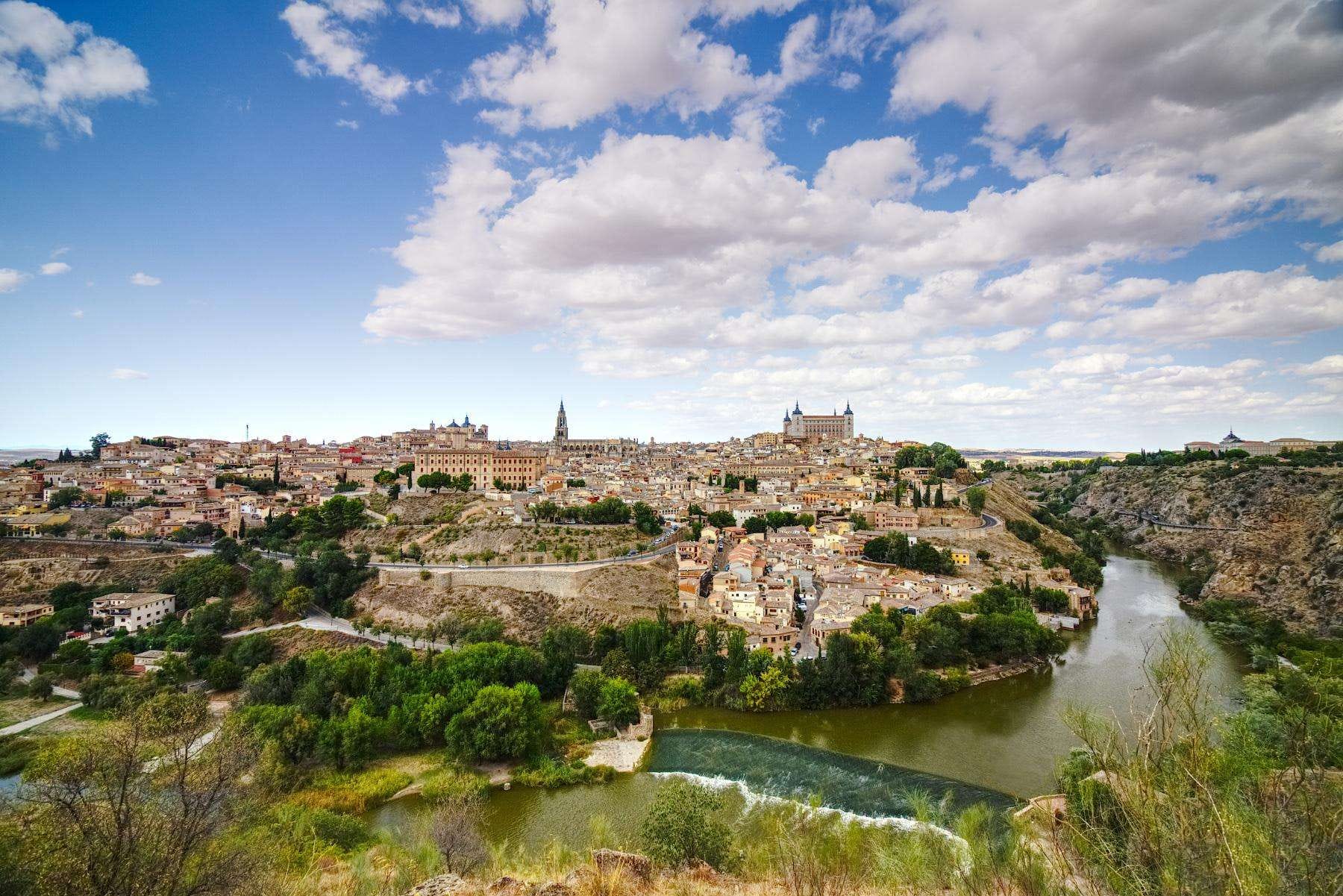
The most important day trip from Madrid and one of the most historically significant cities in Spain. Toledo was the capital of the Visigoth kingdom, then a major center of Moorish culture, then the seat of the Spanish court before Philip II moved to Madrid. The old city, declared a UNESCO World Heritage Site in 1986, contains a Gothic cathedral that ranks among the finest in Europe, the synagogues of a medieval Jewish quarter, and the house and studio of El Greco, who spent much of his life here. About 70 minutes from Madrid by high-speed train.
Segovia
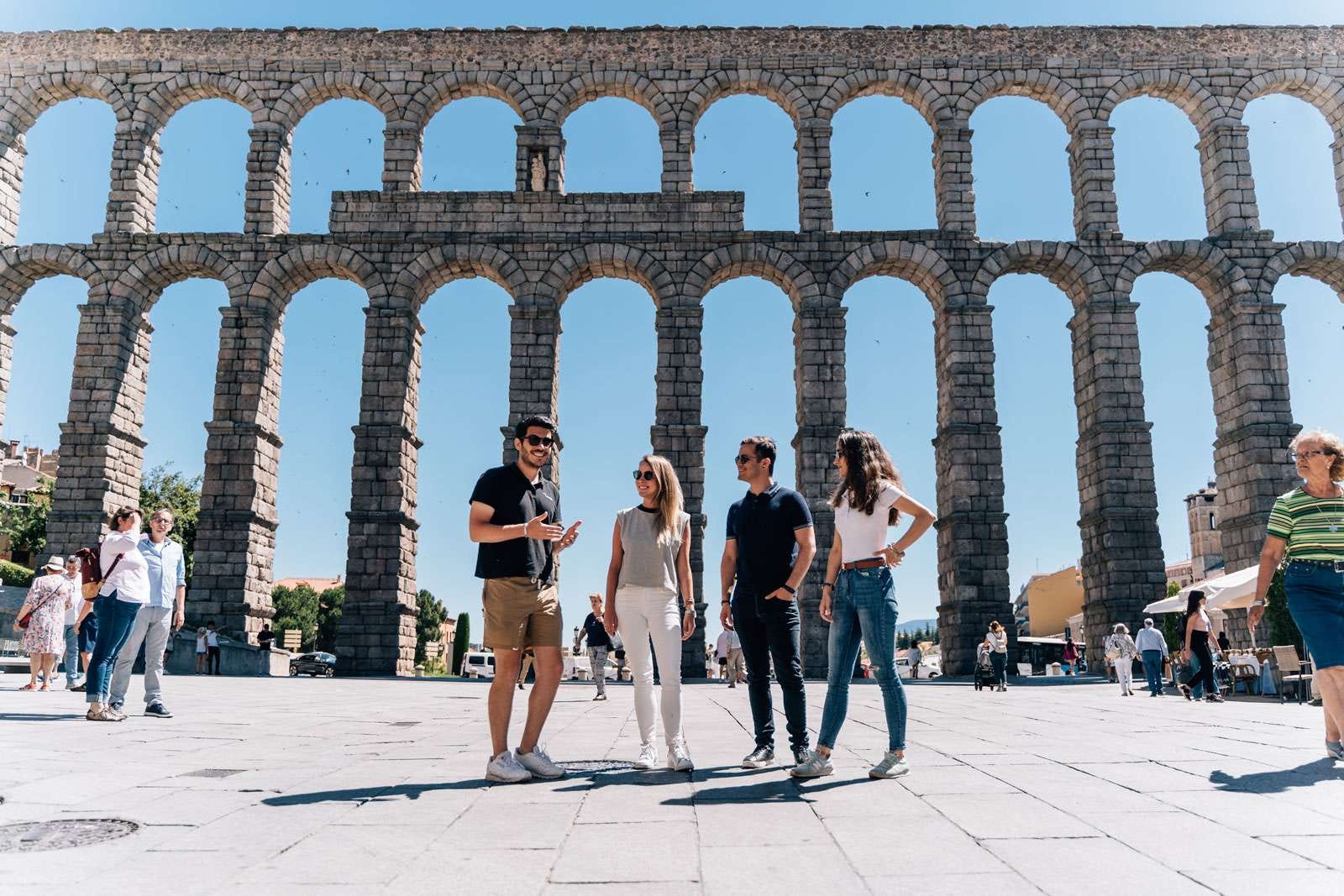
A perfectly preserved Castilian city about 90 minutes northwest of Madrid, famous for two monuments that could not be more different in character: a Roman aqueduct of 167 granite arches built in the 1st century AD without mortar, and the fairy-tale Alcazar that rises above the confluence of two rivers and is said to have inspired Walt Disney’s castle designs. The city is small enough to walk across in an afternoon and worth every minute.
Avila
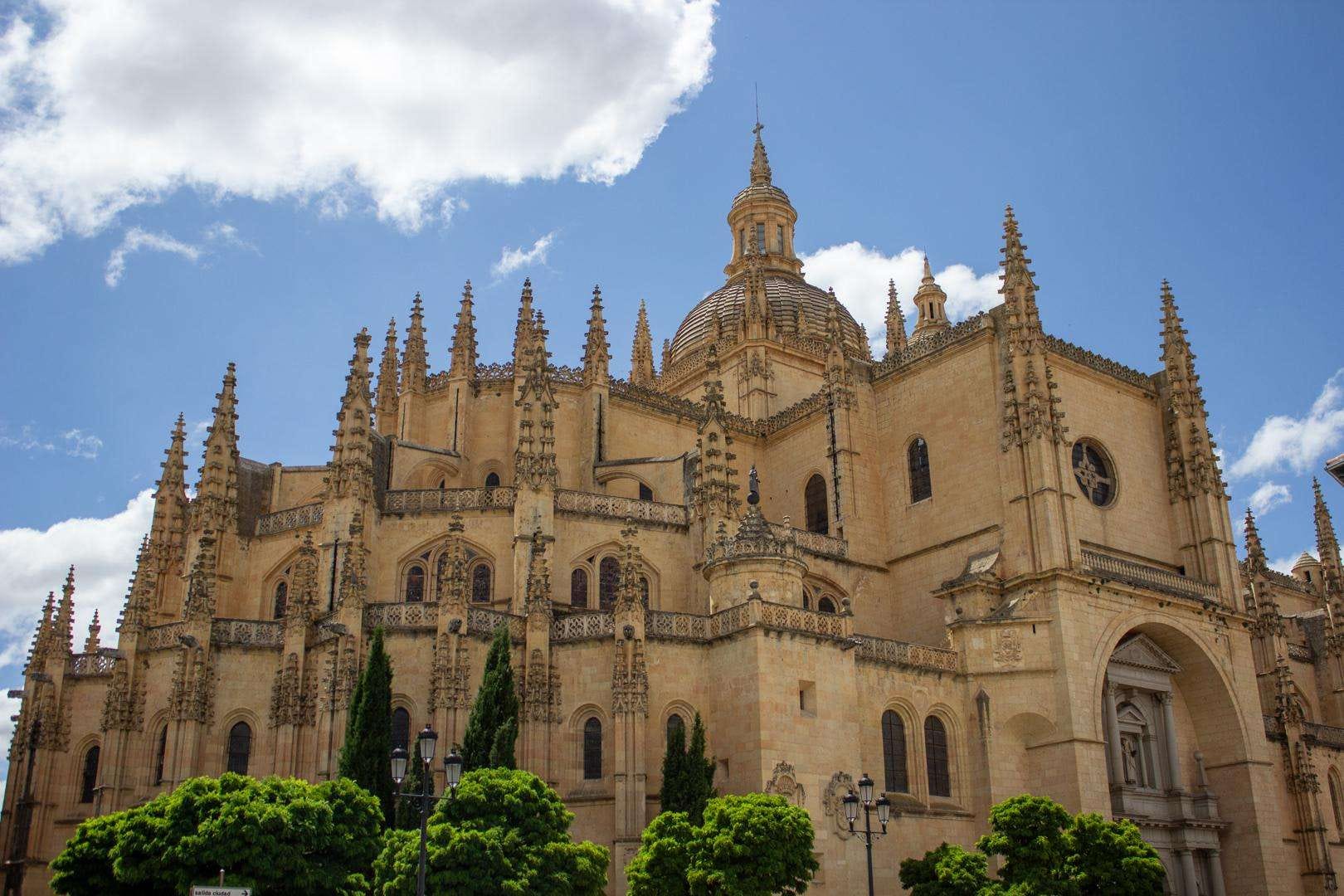
The best-preserved medieval walled city in Spain, with 11th-century walls stretching for two and a half kilometers around the old town and containing 88 towers. Avila sits on a high plateau at 1,130 meters and can be bitterly cold in winter and dramatically clear in summer. The birthplace of Saint Teresa of Avila, whose mystical writings shaped Spanish Catholicism, and a city that has changed remarkably little since the Middle Ages.
El Escorial
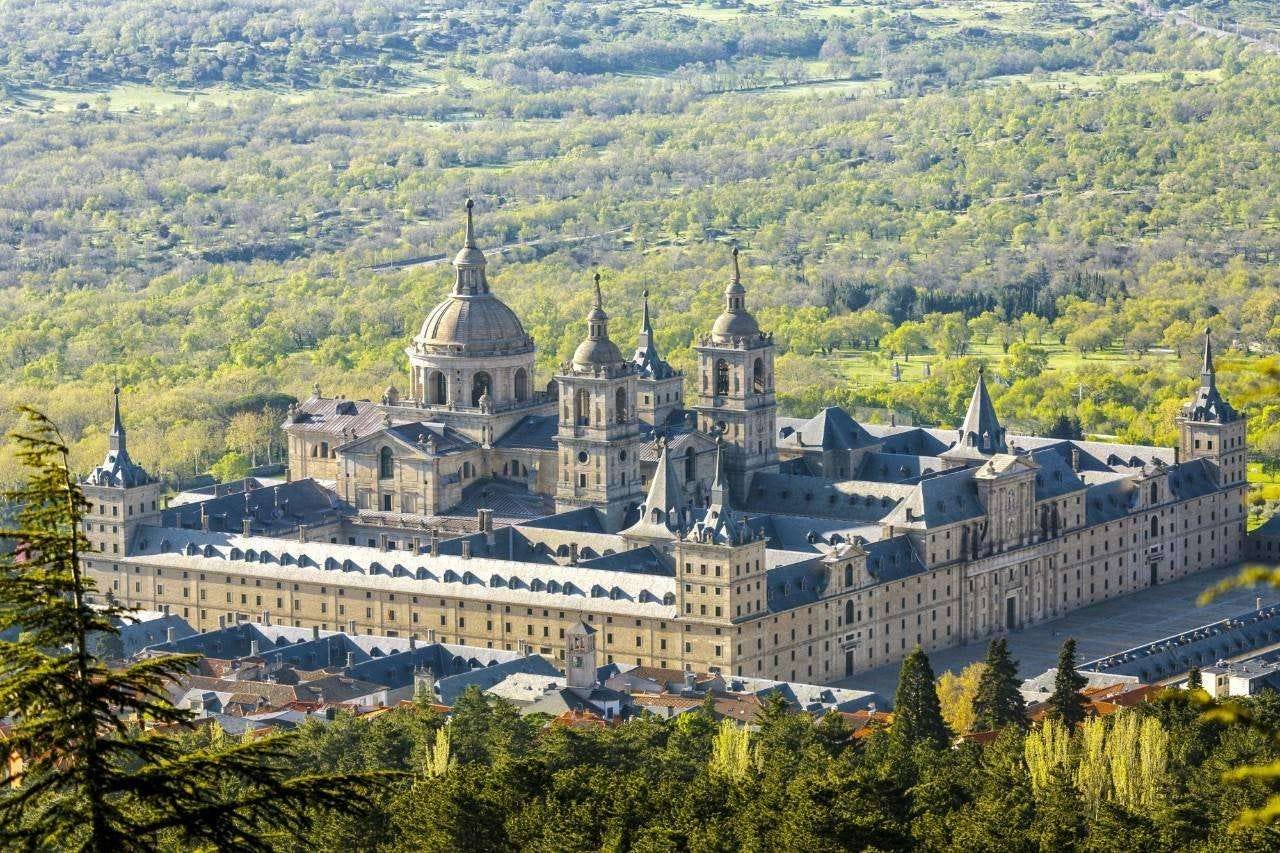
The vast monastery-palace built by Philip II in the foothills of the Sierra de Guadarrama, about 50 kilometers northwest of Madrid. El Escorial is the architectural embodiment of the Spanish Empire at its zenith: severe, enormous, and extraordinary in its cold grandeur. The Royal Pantheon beneath the basilica contains the remains of almost every Spanish monarch since Charles I. Worth combining with a visit to the Valle de los Caidos, the Civil War memorial carved into the mountain nearby.
When to visit Madrid
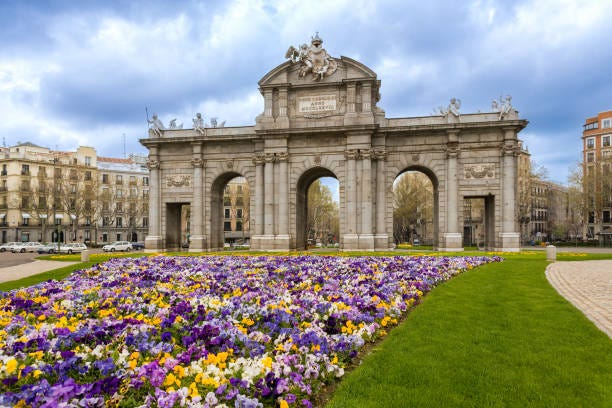
Madrid has one of the most extreme climates of any European capital: genuinely cold in January and genuinely hot in July and August, with spring and autumn representing the most favorable windows. The city is at altitude (657 meters, the highest capital in the EU), which intensifies both the heat and the cold.
🌸 Spring
March to May. The finest season. Mild temperatures, the Retiro park at its most beautiful, and manageable crowds. May is particularly good: warm enough for terrace dining, cool enough for walking the Prado without wilting. The San Isidro festival in mid-May is the city’s most important traditional celebration.
☀️ Summer
June to August. Very hot, with July and August regularly above 35C. The intense light and heat make midday sightseeing uncomfortable, but Madrid in summer has its own appeal: long evenings, outdoor terraces, and a city that moves its entire social life outside after dark. Many Madrilenos leave in August, which quiets the neighborhoods.
🍂 Autumn
September to November. Excellent. Temperatures drop to a comfortable range, the city returns from summer, and the cultural calendar fills up. October is arguably the best month: cool, clear, with the Sierra de Guadarrama visible on the horizon and all the museums at their most focused.
❄️ Winter
December to February. Cold, occasionally freezing, and sometimes snowy. Madrid in winter has a particular quality: the Prado virtually to yourself in January, the Christmas lights on Gran Via, and the city’s indoor culture (flamenco, theatre, bars) at its most concentrated. Not the obvious choice, but often the most rewarding.
How many days to spend in Madrid
Three days allows the Prado, the Reina Sofia, the Royal Palace, a flamenco evening, and a proper exploration of La Latina and Malasana at a comfortable pace. Four to five days adds the Thyssen-Bornemisza, a day trip to Toledo or Segovia, the Bernabeu Stadium, and the time to eat and drink the city properly rather than efficiently. A week begins to feel like residence.
Madrid is a city that opens up over time. The first day gives you the art. The second gives you the neighborhoods. By the third evening, you understand why people who come for a weekend stay for a week, and why people who come for a week come back every year.
Suggested 3-day itinerary
Day 1
Prado Museum (book first entry, guided tour). Focus on Velazquez, Goya, and El Greco.
Reina Sofia Museum. Guernica. Walk the Paseo del Prado to the Retiro park.
Tapas and wine tour through La Latina. Cava Baja street bars after the tour.
Day 2
Royal Palace and Plaza Mayor. Almudena Cathedral exterior. Walk through Sol.
Lunch in the Mercado de San Miguel. Afternoon in Malasana or Chueca: independent shops, coffee, gallery.
Flamenco show in the center. Dinner before or after in La Latina.
Day 3
Thyssen-Bornemisza Museum (smaller than Prado, excellent for a morning). Chocolateria San Gines for churros.
Temple of Debod in the late afternoon. Parque del Oeste walk. Casa de Campo views.
Sunset at Debod. Late dinner in Malasana or Chueca. Drinks until late: Madrid starts at midnight.
Where to eat
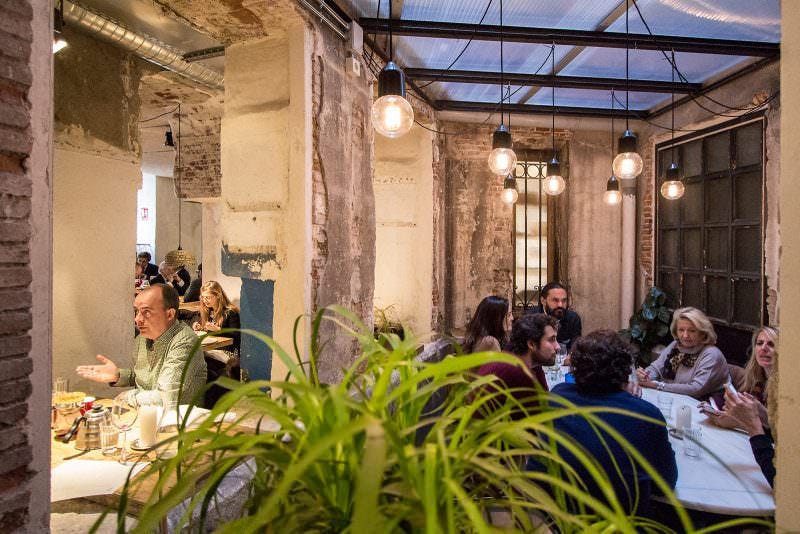
Madrid’s food culture is built on two parallel traditions: the high-end Castilian restaurant serving roast suckling pig and lamb in brick ovens, and the neighbourhood tapas bar where the tortilla and the croquetas are made fresh daily. Both are worth exploring. These recommendations span the range.
Sobrino de Botin
Classic Castilian
The world’s oldest restaurant according to the Guinness World Records, in continuous operation since 1725. Roast suckling pig and lamb in wood-fired ovens. A genuine institution, not a tourist trap.
DiverXO
Avant-garde
Three Michelin stars and the most experimental kitchen in Spain, run by chef David Munoz. An extraordinary and deliberately challenging meal for those who approach food as performance. Book months ahead.
Mercado de San Miguel
Market hall
An early 20th-century iron-and-glass market steps from Plaza Mayor, converted into a food hall of exceptional quality. Excellent for breakfast, a standing lunch, or a pre-dinner tour of Spanish produce.
Casa Dani
Tortilla
Widely considered to serve the finest tortilla de patatas in Madrid: creamy, barely set, cooked in olive oil at a counter that has not changed in decades. A pilgrimage for anyone who takes Spanish food seriously.
El Fismuler
Modern Spanish
A Malasana restaurant that takes Spanish market cuisine seriously without the Michelin-star pricing. Creative, seasonal, excellent natural wine list. One of the best contemporary meals in the city.
Juana la Loca
Tapas
A La Latina institution famous for its tortilla de patatas with caramelized onion, served standing at the bar. Come at opening for the freshest version.
Chocolateria San Gines
Cafe / Tradition
Open since 1894, 24 hours a day. The churros with thick hot chocolate are the definitive version of the most famous Madrid snack. Best at 2am after a night out.
Where to stay
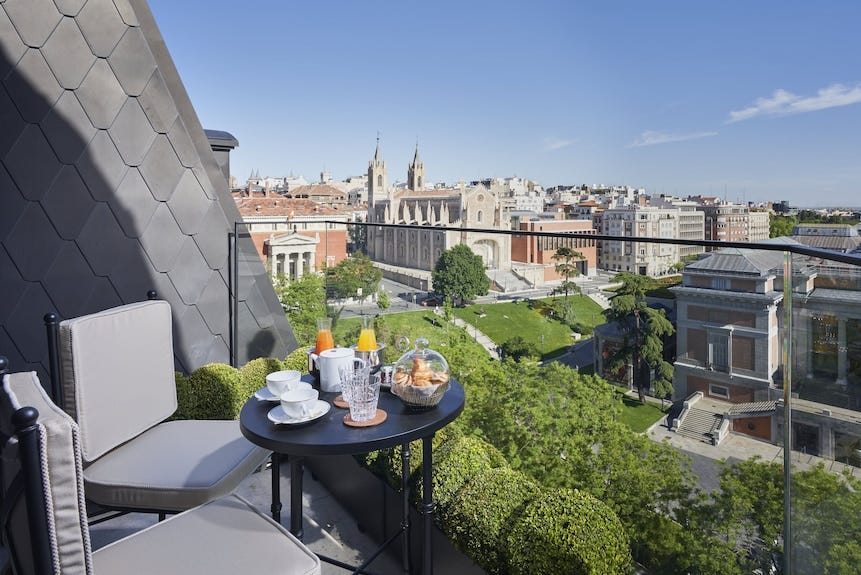
The best area to stay in Madrid for first-time visitors is within walking distance of the Prado and La Latina, which puts you close to both the museums and the most atmospheric neighbourhood eating and drinking. Sol and Chueca are equally practical. These are reliable options across different budgets.
Hotel Ritz Madrid by Mandarin Oriental
Luxury
The grand hotel of Madrid, facing the Prado and the Retiro. A century of history, impeccable service, and one of the finest terraces in the city for afternoon tea or a pre-dinner drink.
Hotel Urso
Boutique / Luxury
A converted 19th-century palace in Alonso Martinez with a spa, beautiful common areas, and rooms that feel genuinely residential. One of the most comfortable mid-to-luxury options in the city.
Only You Hotel Atocha
Mid-range / Boutique
A design hotel in the Atocha station area, close to the Prado and Retiro. Lively rooftop bar, well-designed rooms, excellent location for the museum triangle.
Hotel Orfila
Boutique / Mid-range
A quiet 19th-century mansion in Alonso Martinez, with a garden and a library. The most peaceful luxury option in the center, and consistently excellent service.
Hostal Gala
Budget
A clean, centrally located hostal near Gran Via that delivers Madrid basics without pretension. The best value option for travelers who plan to spend most of their time outside.
The Principal Madrid
Mid-range / Luxury
A rooftop pool overlooking Gran Via, elegant rooms, and a position at the center of everything. One of the most photogenic rooftops in the city.
Practical information
• Currency: Euro (EUR). Cards are accepted almost everywhere. Keep some cash for the El Rastro Sunday market, smaller tapas bars, and neighbourhood cafes.
• Language: Spanish (Castilian). English is spoken in tourist areas, hotels, and most restaurants in the center. Unlike Barcelona, you are unlikely to encounter a second official language in daily life.
• Getting around: The Madrid metro is one of the finest in Europe: extensive, clean, reliable, and inexpensive. The 10-trip Metrobus card offers the best value. The historic center is walkable; the metro covers everything else.
• The schedule: Madrid operates on a different clock to most European cities. Lunch begins at 2pm and runs to 4pm; dinner rarely starts before 9pm and is more commonly 10pm. Bars open late and close very late. Planning around this schedule is essential for eating well.
• Internet: A Spanish eSIM or European roaming plan works throughout the city. Wi-Fi is available in most cafes and hotels.
• Safety: Madrid is a safe city overall. Pickpockets operate around Sol, on the metro, and in El Rastro on Sundays. Standard vigilance in crowded areas is sufficient.
• Tipping: Not obligatory. Rounding up the bill or leaving five to ten percent for a good meal is appreciated. At a tapas bar: leave the small change or nothing at all.
• Museum free hours: The Prado is free to enter Monday to Saturday from 6pm to 8pm, and Sundays from 5pm to 7pm. These slots are busy but offer genuine access to the collection at no cost. The Reina Sofia is free Monday to Saturday from 7pm to 9pm, and Sunday all day.
• El Rastro: The Sunday morning flea market in La Latina, one of the largest and most atmospheric in Europe, runs from about 9am to 3pm along Ribera de Curtidores and surrounding streets. Pick-pocketing is common; keep bags secured and phones out of back pockets.
How Madrid fits into a broader Spain trip
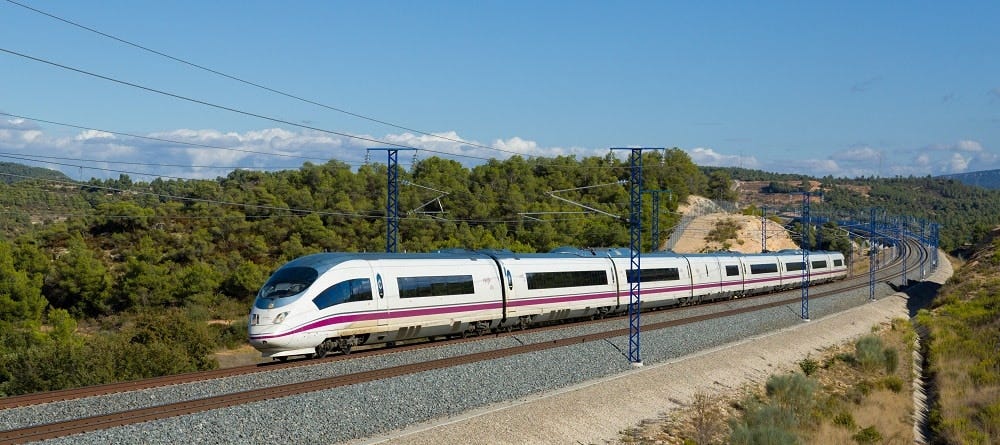
Most travelers combine Madrid with at least one other Spanish destination. Barcelona is the classic pairing: two and a half hours by AVE high-speed train, offering everything Madrid is not (coastal, Catalan, architecturally extravagant). Seville, about two and a half hours south by AVE, adds the flamenco culture in its original Andalusian context, the finest Baroque architecture in Spain, and a city that operates at an even more leisurely pace than Madrid. San Sebastian, five hours north, is for those who prioritize food above all else: arguably the finest restaurant city in the world relative to its size.
For travelers with two weeks or more, a Spain rail itinerary that moves between Madrid, Toledo, Seville, Granada, and Barcelona covers the essential range of Spanish culture, history, and landscape without a single flight. The AVE network makes the distances manageable and the journey itself part of the experience.
Frequently asked questions
Is Madrid worth visiting for first-time travelers to Spain?
Yes. Madrid holds the greatest art collection in Spain and one of the finest in the world, a food and tapas culture that rewards exploration at every level, and an energy that is specifically and irreducibly Spanish. It is the ideal entry point for travelers who prioritize culture, art, and food over beaches and architecture.
How many days do you need in Madrid?
Three days covers the Prado, Reina Sofia, Royal Palace, a flamenco evening, and the best of La Latina at a comfortable pace. Four to five days adds a day trip to Toledo or Segovia, the Thyssen-Bornemisza, and the time to eat and drink the city properly.
What is the best time of year to visit Madrid?
Spring (April to May) and autumn (September to October) offer the most favorable temperatures and light. May is particularly fine. Winter, though cold, is underrated: the Prado nearly empty in January is one of the great museum experiences in Europe.
Is Madrid safe for tourists?
Madrid is a safe city. Pickpockets operate at Sol, on the metro, and at El Rastro on Sundays. Standard vigilance is sufficient. The risk is significantly lower than in Barcelona or Rome.
Madrid or Barcelona for a first visit to Spain?
The honest answer depends on your priorities. Barcelona has the architecture, the beaches, and the Mediterranean energy. Madrid has the art, the food, the nightlife, and the more typically Spanish character. Both are worth visiting; if you can only choose one, choose based on whether you prefer Gaudi or Velazquez, coastline or plains.
Do I need to book the Prado in advance?
The Prado’s free evening hours fill quickly. For daytime visits, booking in advance is recommended in high season but not always necessary. A guided tour with skip-the-line access is the most reliable option and adds significant context to the collection.
What is the food not to miss in Madrid?
Tortilla de patatas at a serious bar, cocido madrileño (the city’s traditional chickpea stew, served across three courses), croquetas jamon, churros with chocolate at San Gines, and a slow Sunday lunch of roast suckling pig at a traditional Castilian restaurant. These are the dishes that define Madrid eating.
Plan your Madrid trip with AERIA Voyages
Every traveler’s ideal Madrid itinerary looks different depending on the time available, the interests that matter most, and how you want to combine the city with the country around it.
I help clients build trips that go beyond the standard circuit: a private evening at the Prado, a curated Ribera del Duero wine experience in the countryside north of Madrid, a multi-city Spain itinerary by high-speed rail, or a combination of Madrid and Andalusia that covers the full range of Spanish culture.
If you are planning a trip to Madrid and want to talk through the options, I would be glad to help.
Yvan Junior Blanchette
Travel & Cruise Specialist
ÆRIA Voyages📩 yvanblanchette@aeriavoyages.com
📞 1-888-460-3388
🌐 aeriavoyages.com