

Sapporo travel guide: what to know, where to eat, and how to experience Japan’s northern capital
Destination guide · Updated 2026 · Japan · Hokkaido · Food travel · Winter and nature
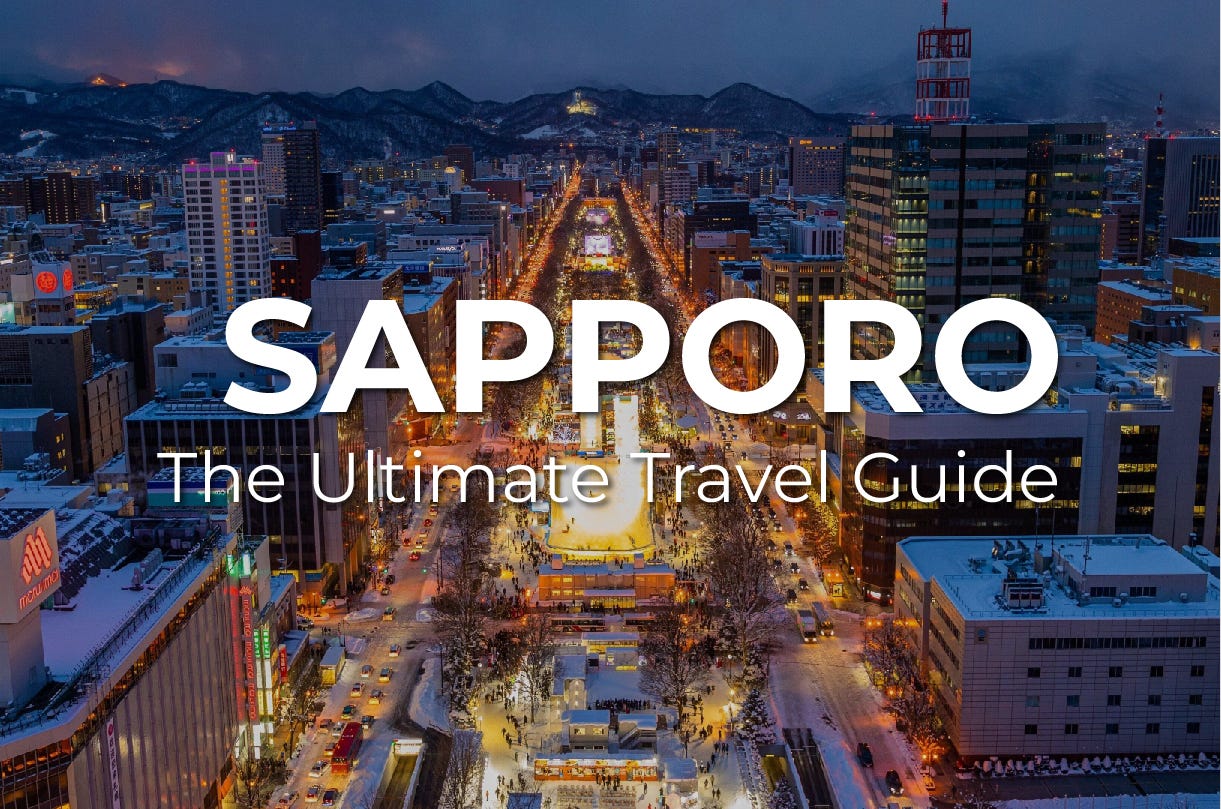
Sapporo is the capital of Hokkaido, Japan’s northernmost main island, and one of the most undervisited major cities in the country. This guide covers what makes it different from the rest of Japan, the neighborhoods and experiences worth knowing, the food culture that sets it apart, the best seasons to visit, and how to use it as a base for exploring Hokkaido more broadly.
Table of Content
🎙️LISTEN TO THE BEYOND THE HORIZON PODCAST

Why Sapporo belongs on a Japan itinerary
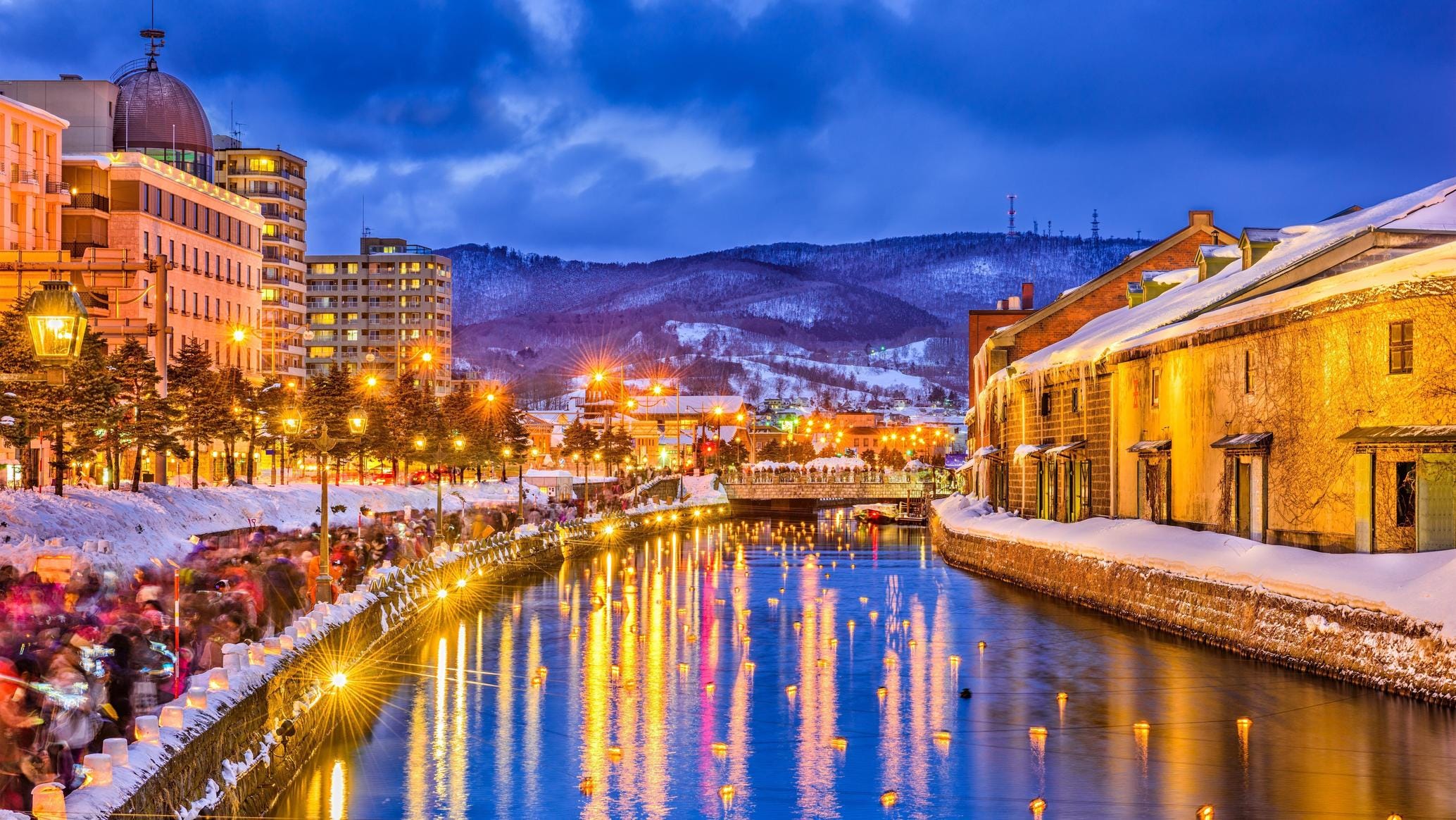
Most Japan itineraries follow a predictable corridor: Tokyo, Kyoto, Osaka, with possible extensions to Hiroshima or Nara. Sapporo sits entirely outside that circuit, and that is precisely what makes it worth considering. It is a large, well-organized city with a distinct identity rooted in Hokkaido’s northern landscape, its food culture, and its seasons, and it offers a version of Japan that feels genuinely different from anything available further south.
The most immediately noticeable difference is physical. Sapporo was built on a grid system in the late nineteenth century, modeled partly on North American city planning, which makes it unusually easy to navigate by Japanese city standards. Streets are wide, the layout is logical, and the overall atmosphere is more open and less dense than Tokyo or Osaka. There is more sky. More breathing room. It is a city that does not crowd you.
Beyond the urban atmosphere, Sapporo is the gateway to one of Japan’s most spectacular natural regions. Hokkaido covers roughly 22 percent of Japan’s total land area but contains less than five percent of its population. The space, the landscape, and the seasonal extremes that define Hokkaido, from world-class ski resorts in winter to lavender fields and hiking trails in summer, are all accessible from Sapporo as a base.
The neighborhoods worth knowing in Sapporo
Odori Park and the city center
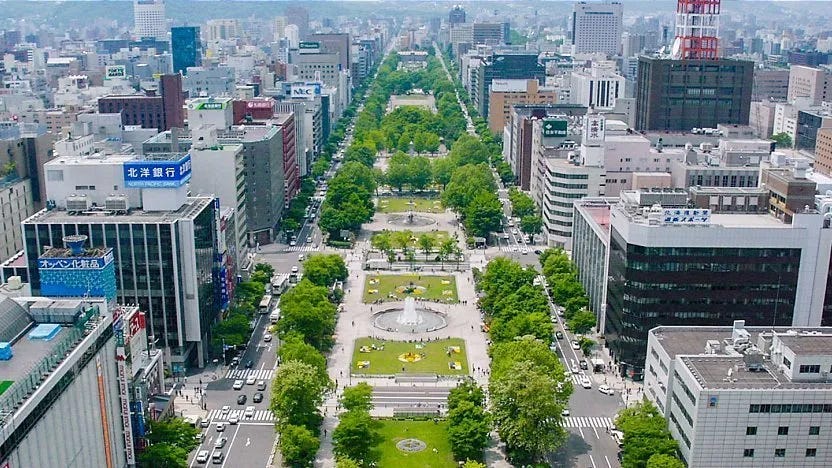
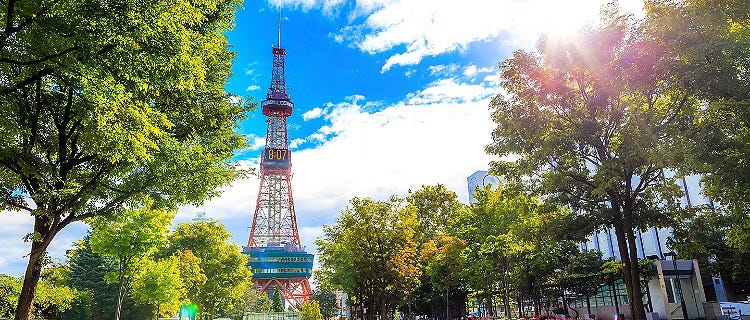
Odori Park runs east to west through the center of Sapporo for approximately 1.5 kilometers, dividing the city into northern and southern halves. It functions as Sapporo’s main public space and seasonal event venue: cherry blossoms in spring, the Sapporo Beer Garden events in summer, autumn foliage in October, and the famous Snow Festival installations in February. The Sapporo TV Tower at the eastern end of the park offers panoramic views across the city and, on clear days, toward the mountains that ring Hokkaido’s interior.
The streets surrounding Odori are home to the city’s main department stores, underground shopping arcades, and a concentration of cafes and restaurants. The underground Chika-Ho walkway connects Odori Station to Sapporo Station and runs for several blocks, making it possible to move between the city’s main hubs in winter without going above ground.
Susukino
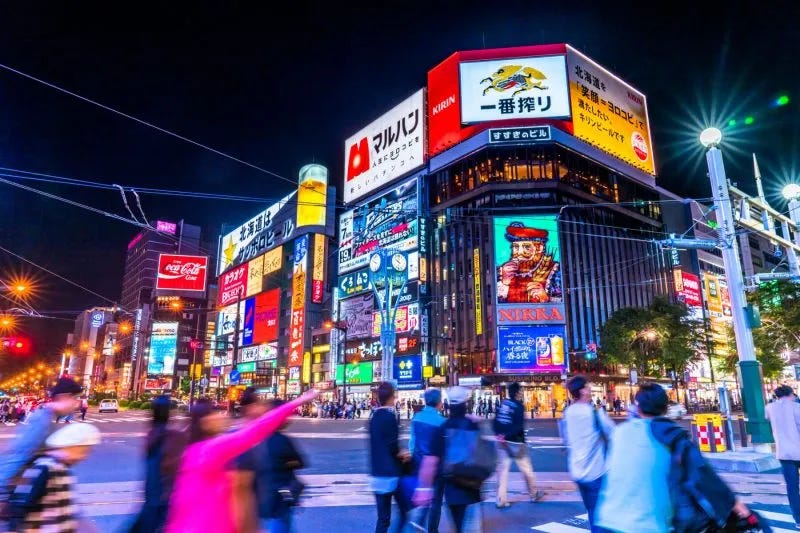
Susukino is Sapporo’s main entertainment and nightlife district, located immediately south of Odori Park. It is one of the largest entertainment districts in Japan outside of Tokyo and Osaka, but it carries none of the intensity or sensory overload of those cities’ equivalent areas. The atmosphere is lively and social without being overwhelming. The district contains a dense concentration of restaurants, ramen shops, izakayas, bars, and live music venues, and it is where most of Sapporo’s best evening eating happens. The famous Ramen Alley, a narrow lane lined with small ramen restaurants that has operated since 1951, sits within the Susukino area and is worth seeking out.
Nakajima Park
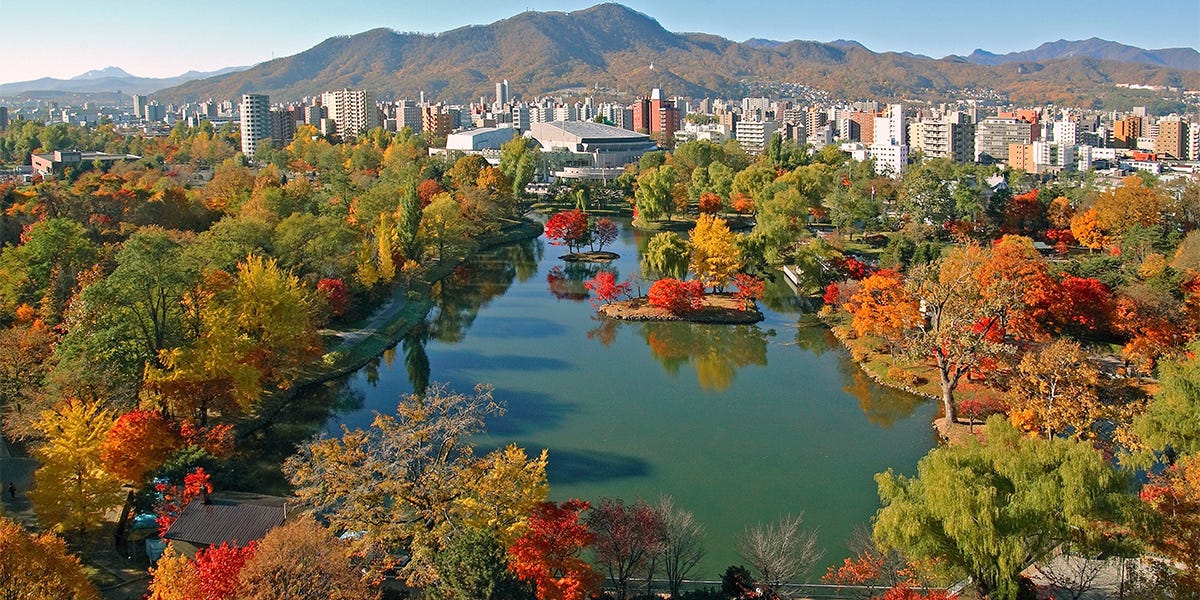
Nakajima Park is a large public park south of Susukino that is significantly less visited by international travelers than Odori and correspondingly more rewarding for it. The park contains two lakes, a traditional Japanese garden, a concert hall, and several historic buildings relocated from elsewhere in Hokkaido. In autumn, the foliage here is genuinely spectacular. In winter, the lakes freeze and locals skate on them. It is the kind of park that rewards an unplanned afternoon rather than a scheduled visit.
Hokkaido University campus
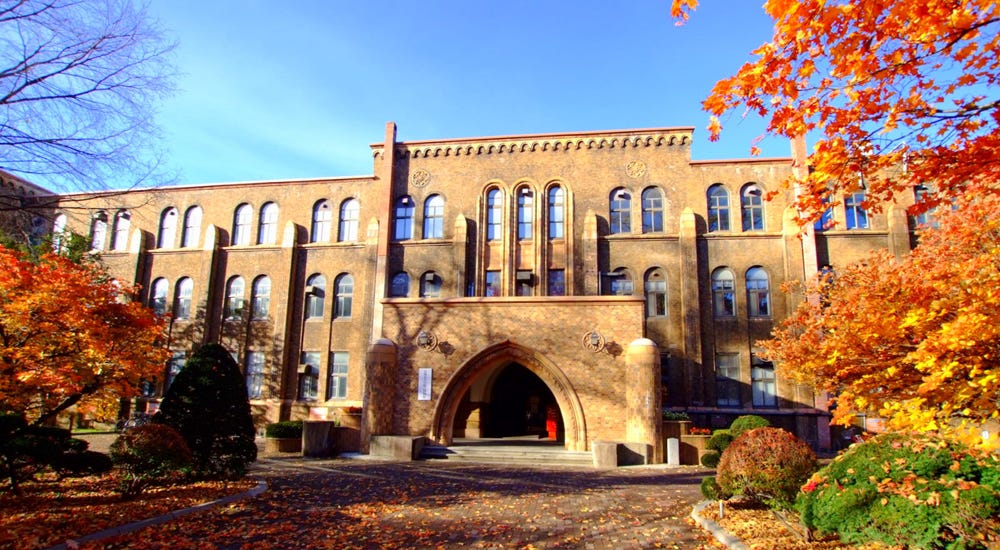
The Hokkaido University campus, located in the north of the city near Sapporo Station, is one of the most beautiful university campuses in Japan and freely open to visitors. The ginkgo and elm tree-lined avenues are particularly striking in autumn, when the foliage turns gold and the campus becomes one of the most photographed spots in the city. The campus also contains a botanical garden and several historic buildings from the Meiji period that reflect Hokkaido’s development history.
What to eat in Sapporo
Food is arguably Sapporo’s strongest claim to a traveler’s attention. Hokkaido as a region has a reputation across Japan for producing some of the country’s finest dairy, seafood, and agricultural products, and Sapporo is where those ingredients come together in the most concentrated and accessible form.
Sapporo ramen
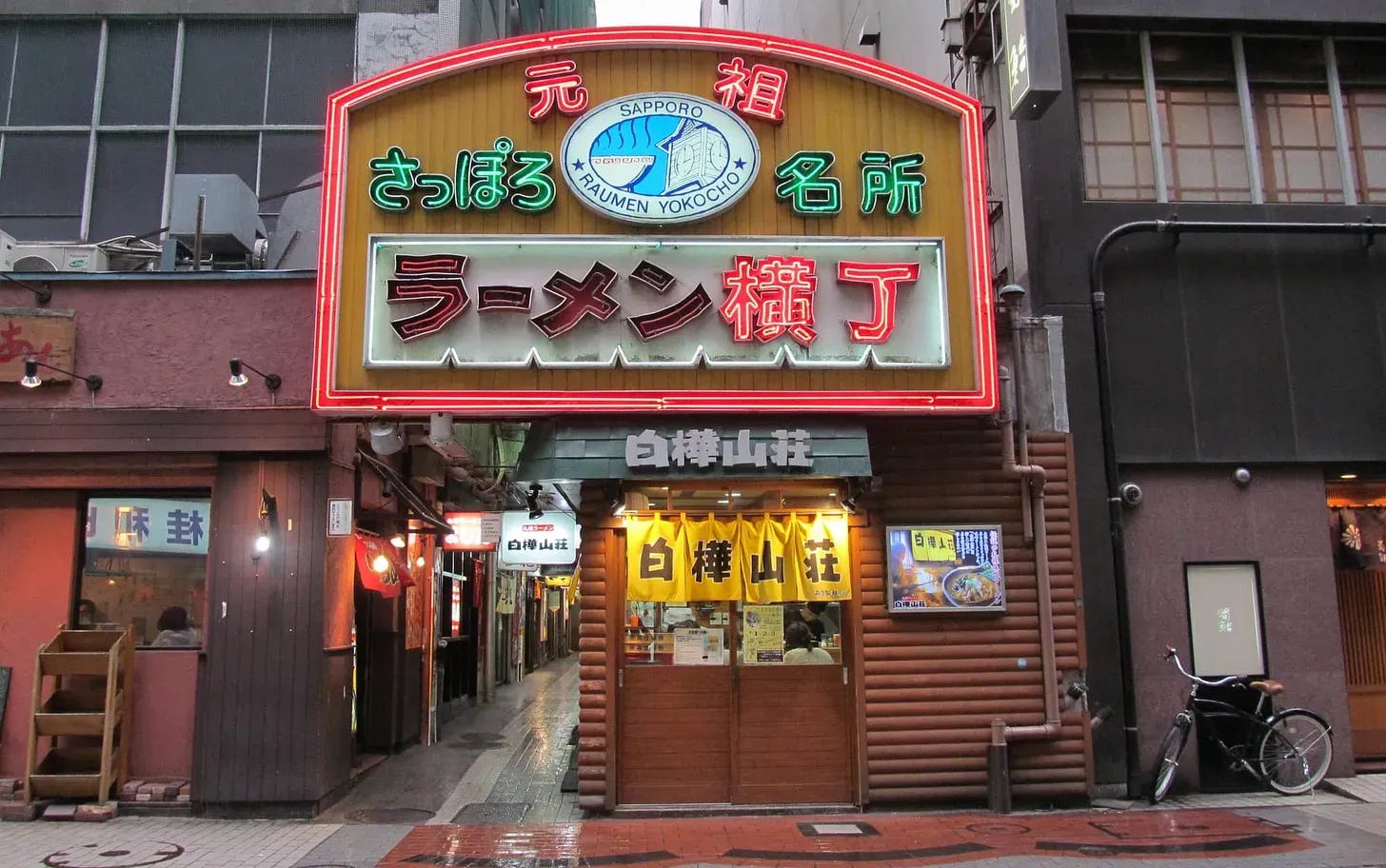
Sapporo is one of the three cities most associated with distinct regional ramen styles in Japan, alongside Hakata and Tokyo. The Sapporo style is characterized by a rich miso-based broth, typically containing corn, butter, and bean sprouts alongside the noodles. It was developed specifically for Hokkaido’s cold winters and remains one of the most satisfying single dishes in Japanese regional food culture. Ramen Alley in Susukino is the most atmospheric place to eat it, though the city has excellent ramen shops in virtually every neighborhood.
Hokkaido seafood
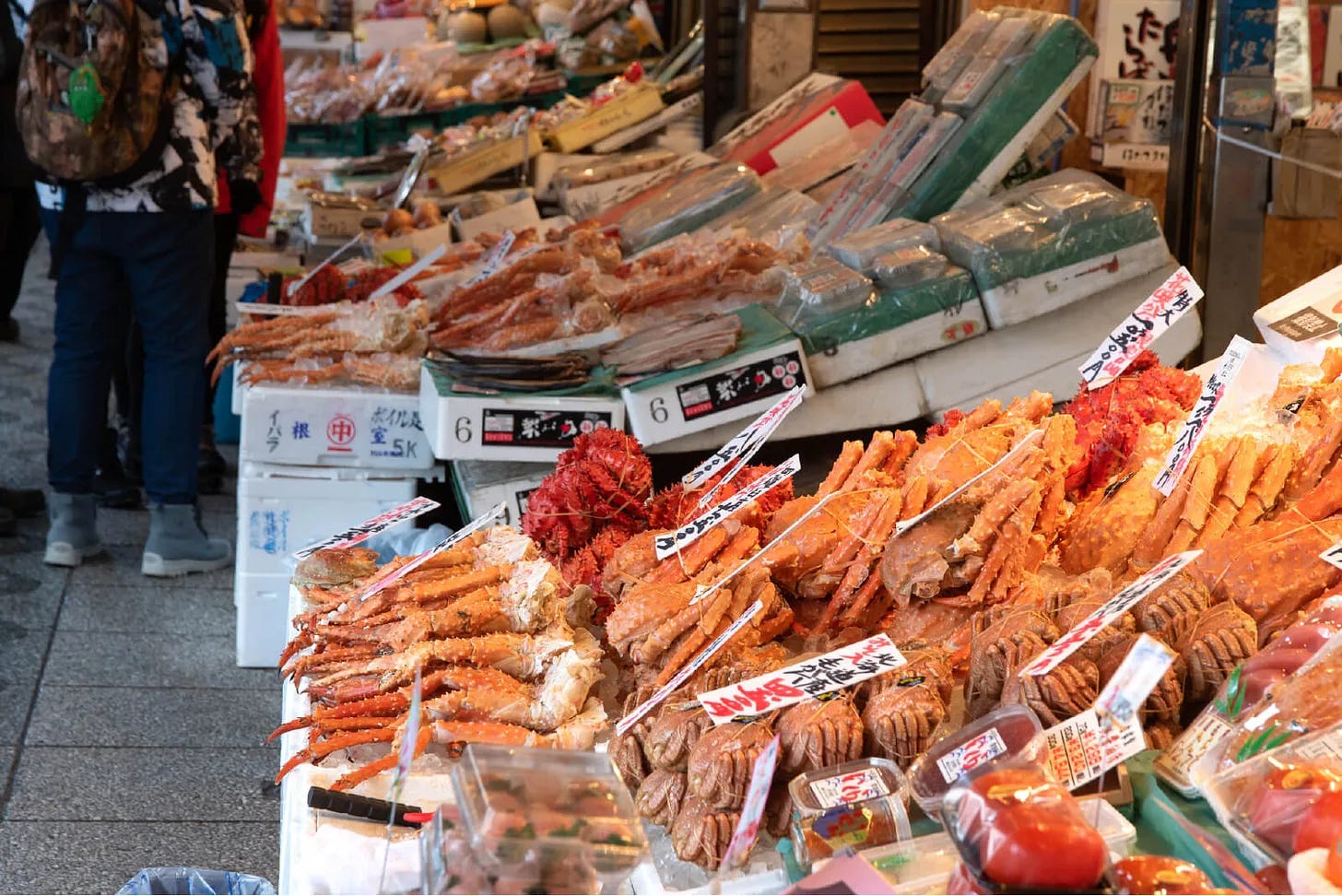
Hokkaido’s cold northern waters produce some of the finest seafood in Japan. Sea urchin, or uni, from Hokkaido is considered among the best in the world, with a sweetness and depth of flavor that differs markedly from what is available in warmer waters. Snow crab, scallops, salmon, and hairy crab are all exceptional and widely available across the city’s markets and restaurants. Nijo Market, a covered market near Odori that has operated for over a century, is the most accessible place in the city to experience Hokkaido seafood in a concentrated form, either as a sit-down breakfast of fresh crab and uni over rice or as produce to take away.
Hokkaido dairy and produce
Hokkaido produces roughly half of Japan’s dairy output, and the quality of milk, butter, cheese, and soft-serve ice cream available throughout the city reflects that. Hokkaido soft-serve ice cream, made with the island’s exceptionally rich milk, has become one of the most discussed food items among travelers to the region. It is available in countless variations throughout the city and is worth trying even in winter.
The Sapporo Beer Museum
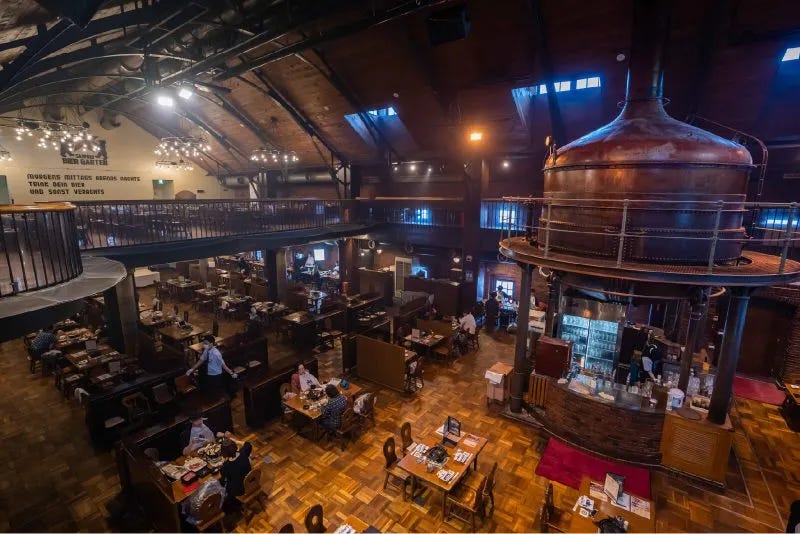
Sapporo Brewery, founded in 1876, is Japan’s oldest beer brand and remains one of its most recognized internationally. The brewery’s original red brick building in the east of the city has been converted into a museum covering the history of beer production in Hokkaido, with tasting options and a beer garden that operates in summer. It is an enjoyable hour and a half, particularly for the combination of industrial heritage architecture and the quality of the beer itself.
Experiences that define a visit to Sapporo
The Sapporo Snow Festival
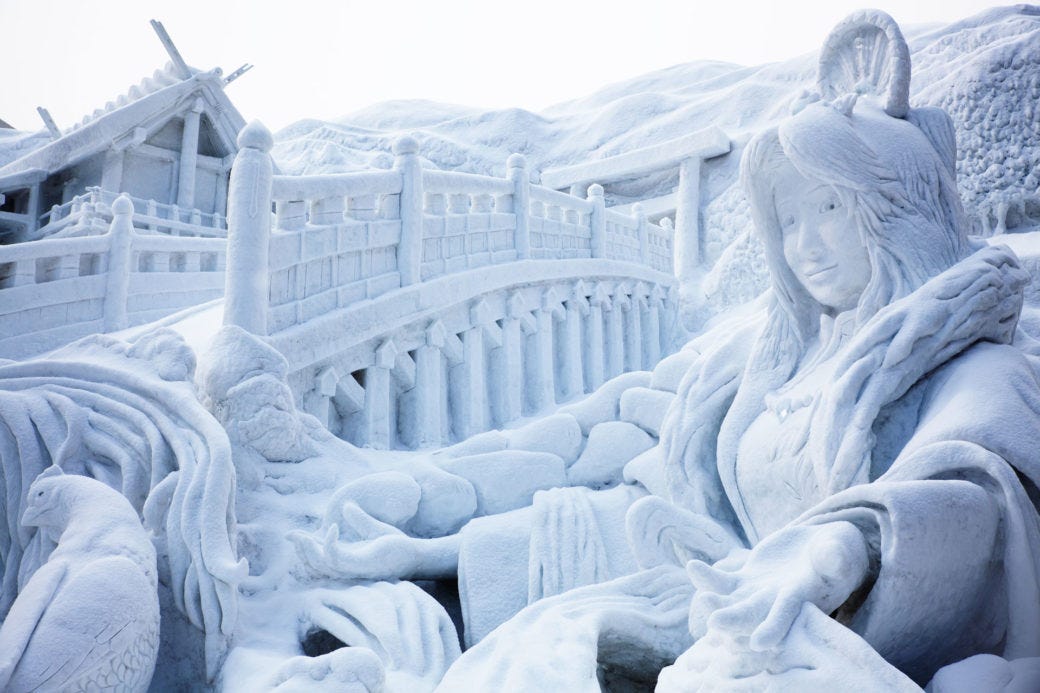
The Sapporo Snow Festival, held annually in early February, is one of the largest winter events in Asia and one of the most distinctive seasonal experiences in Japan. The festival began in 1950 when local high school students built six snow sculptures in Odori Park, and has grown into a city-wide event attracting millions of visitors each year. The main Odori site features enormous snow and ice sculptures, some reaching several stories in height, illuminated at night. The Susukino site focuses on ice sculptures. A third site at Tsudome offers snow activities and slides for families.
Visiting during the Snow Festival requires advance planning: accommodation in Sapporo books out months ahead, and prices during festival week are significantly higher than at other times of year. For travelers who can plan around it, the combination of the sculptures, the winter atmosphere, and the city’s food scene during festival week is one of the more memorable experiences available anywhere in Japan.
Skiing and snowboarding in Hokkaido
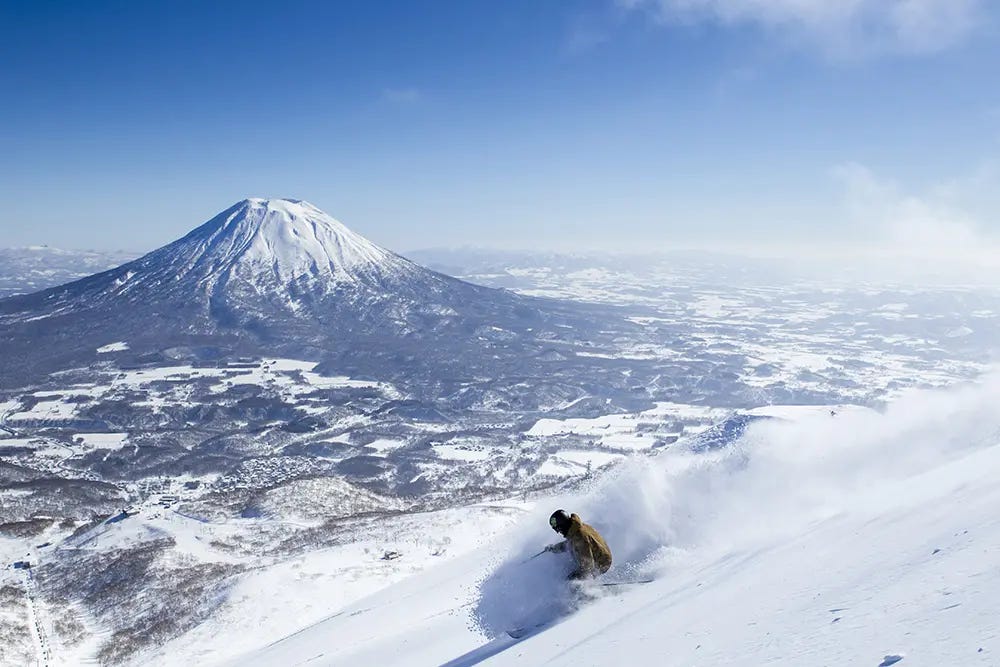
Hokkaido receives some of the finest powder snow in the world, a product of cold air masses picking up moisture over the Sea of Japan before dropping it as exceptionally light, dry snow across the island’s mountains. Niseko, located approximately 90 minutes from Sapporo by bus or train, is the most internationally recognized ski destination in Asia and consistently ranks among the top ski resorts in the world for snow quality. Furano and Rusutsu are two further excellent alternatives with shorter lift lines and a more domestic atmosphere. All three are accessible as day trips or short overnight stays from Sapporo.
Day trips into Hokkaido
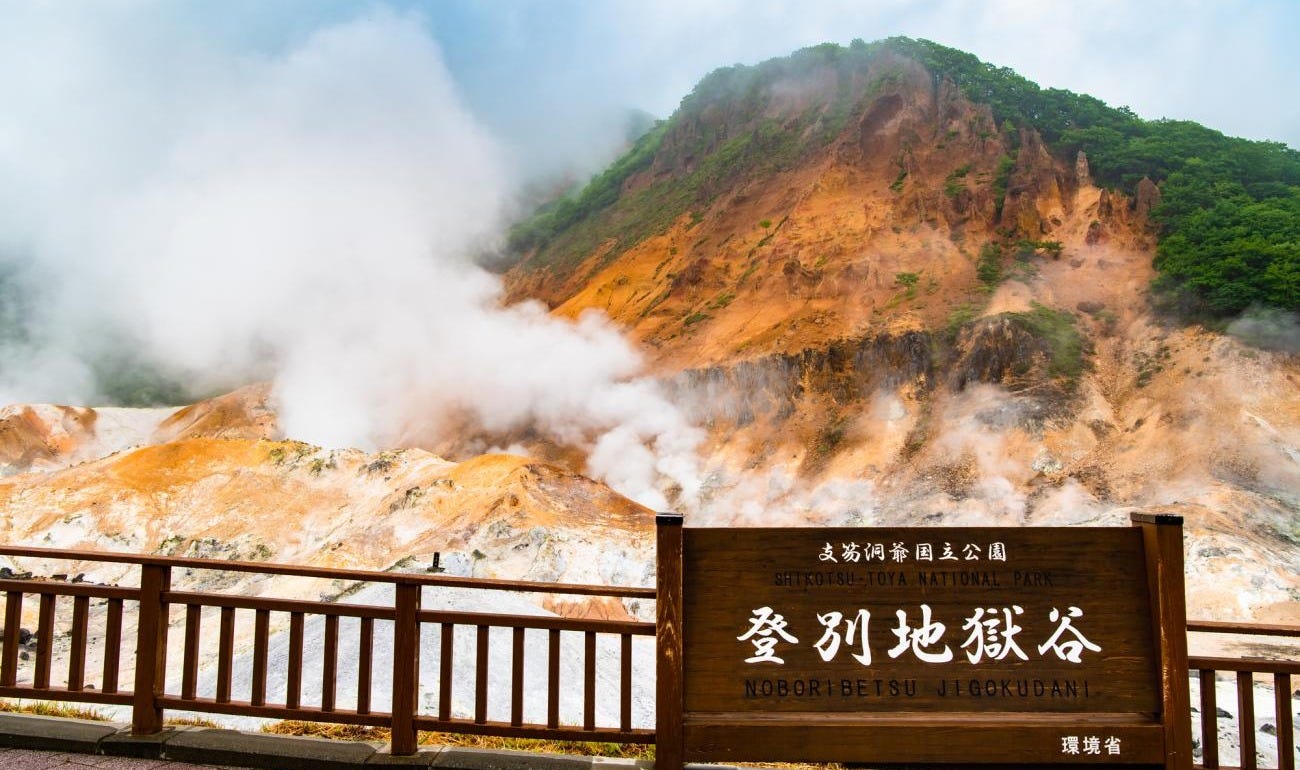
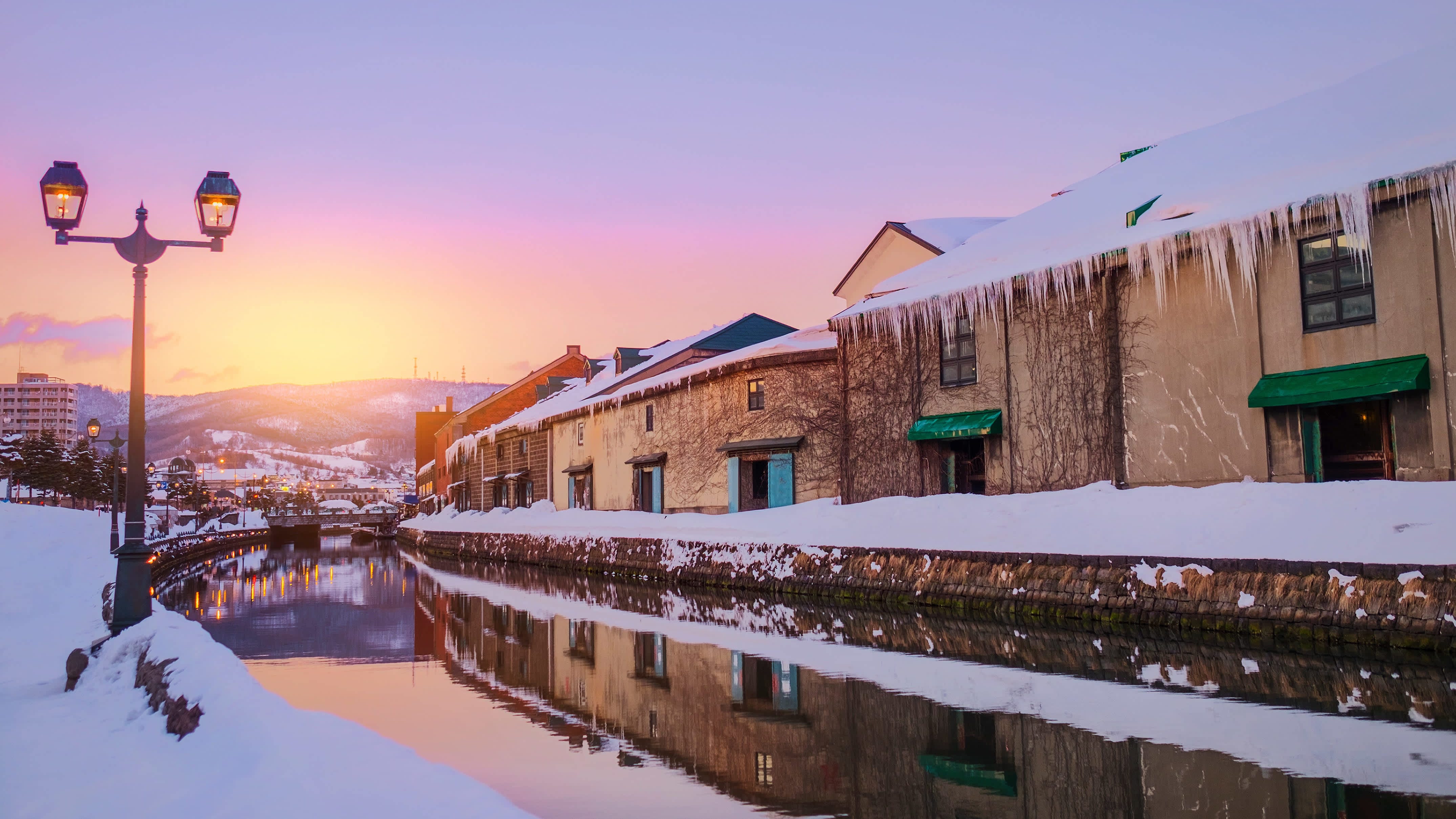
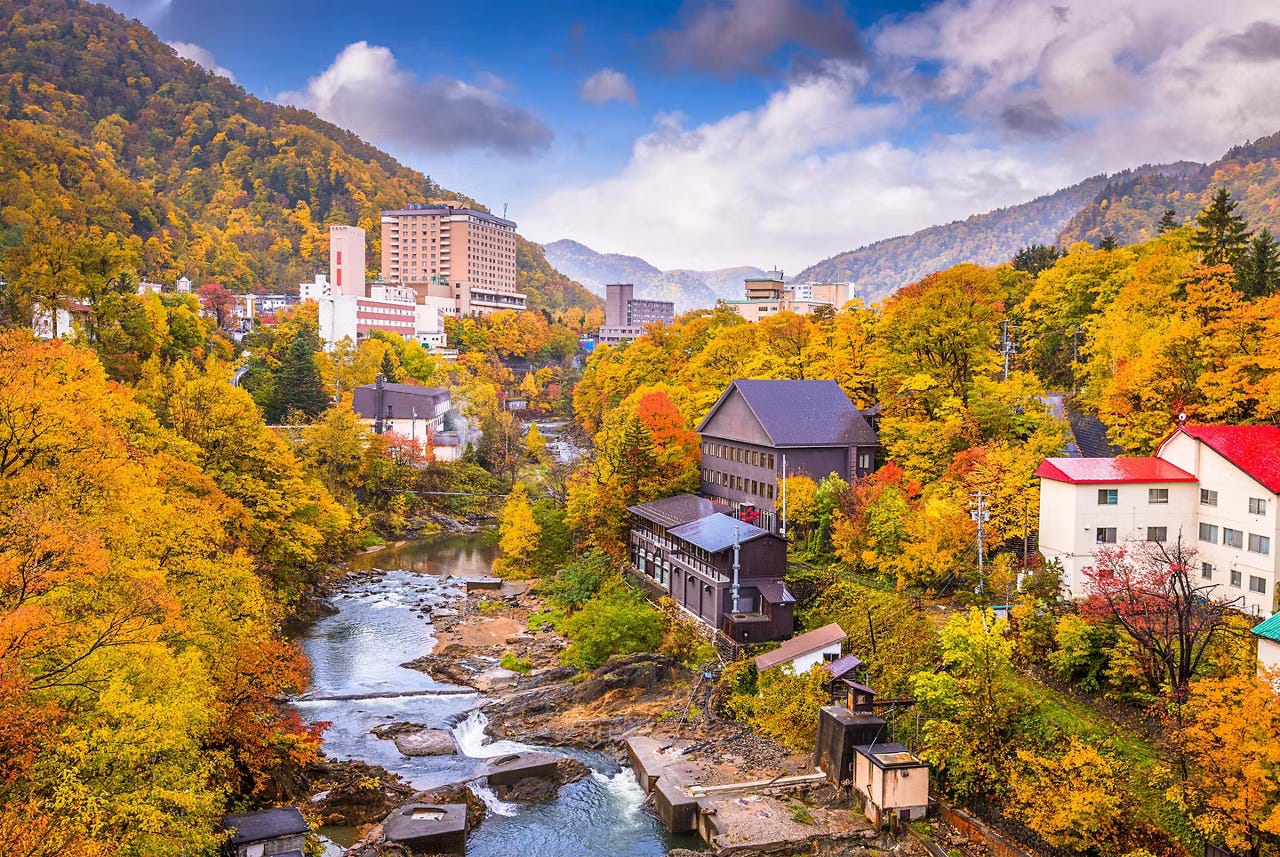
Sapporo’s position as Hokkaido’s main transport hub makes it an effective base for exploring the broader island. Otaru, a historic port city with a well-preserved canal district and excellent seafood, is 30 minutes by train and is one of the most rewarding half-day trips from Sapporo. Noboribetsu, one of Hokkaido’s most famous onsen resort towns, is accessible in about 90 minutes and offers a dramatically different landscape from the ski resorts. In summer, the lavender fields of Furano are a 90-minute drive and one of the most visually striking seasonal landscapes in Japan.
When to visit Sapporo
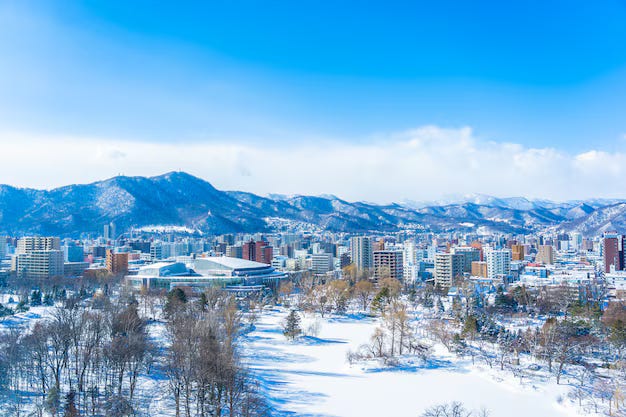
Sapporo is genuinely a four-season destination, with each season offering a meaningfully different experience rather than simply a variation of the same thing.
❄️ Winter
Snow Festival in early February. World-class skiing at Niseko and Furano. Heavy snowfall transforms the city. Cold but extremely atmospheric.
🌸 Spring
Quieter and less visited. Cherry blossoms arrive later than in the rest of Japan, typically late April to early May. A good time for value and space.
☀️ Summer
Mild and pleasant when the rest of Japan is hot and humid. Lavender season in Furano from late June through July. Outdoor beer gardens open across the city.
🍂 Autumn
Some of the best foliage in Japan, arriving earlier than further south. Crisp air and excellent food season. October is particularly strong.
One of Sapporo’s most underappreciated advantages is its summer climate. While Tokyo and Osaka are experiencing intense heat and humidity from July through August, Sapporo remains mild and comfortable. For travelers who want to visit Japan in summer without the heat, Hokkaido in general and Sapporo in particular is the most practical solution.
How many days to spend in Sapporo
Two to three days covers the city itself well: the main neighborhoods, the food experiences, the Beer Museum, and Nijo Market. Three to five days allows for day trips to Otaru and Noboribetsu, or a night at a ski resort in winter, or the lavender fields of Furano in summer. Travelers who want to explore Hokkaido more broadly, moving beyond Sapporo to the national parks, the eastern coast, or multiple ski resorts, should plan for at least a week in the region.
A suggested 3-day Sapporo itinerary
Day 1
Morning at Nijo Market for a fresh seafood breakfast. Walk through Odori Park and up the TV Tower for city views. Afternoon exploring the Hokkaido University campus and its tree-lined avenues. Evening in Susukino for ramen at Ramen Alley and drinks in the district.
Day 2
Morning at the Sapporo Beer Museum and a tasting session. Afternoon in Nakajima Park, particularly in autumn for the foliage. Evening izakaya dinner focused on Hokkaido specialties: sea urchin, crab, scallops, and local sake.
Day 3
Day trip to Otaru by train: the canal district, the glasswork shops, and lunch at one of the seafood restaurants overlooking the harbor. Return to Sapporo in the evening or continue onward to the next destination.
How Sapporo fits into a broader Japan itinerary
Sapporo is most naturally added to a Japan itinerary as an extension from Tokyo rather than as part of the standard Kyoto-Osaka corridor. New Chitose Airport, which serves Sapporo, has direct flights from Tokyo’s Haneda Airport running roughly every 30 minutes throughout the day, making the journey approximately 90 minutes by air. It is one of the most heavily trafficked domestic routes in Japan, which keeps prices competitive.
For travelers with two weeks in Japan, a structure that spends the first week in Tokyo and the Fuji-Hakone area, then adds three to four days in Sapporo before returning south through Kyoto and Osaka, gives a more complete picture of Japan’s range than the standard itinerary alone. The contrast between Hokkaido’s space and openness and the cultural density of Kyoto is one of the most effective ways to understand how varied Japan actually is as a country.
Practical information for visitors
Sapporo essentials
Getting there: direct flights from Tokyo Haneda to New Chitose Airport, approximately 90 minutes. Shinkansen service from Tokyo via the Hokkaido Shinkansen is available but takes significantly longer.
Getting around: Sapporo’s subway system covers the main city areas efficiently. The grid layout makes walking and cycling practical between central neighborhoods.
Currency: Japanese yen. Cash is important, particularly at markets, smaller restaurants, and rural areas of Hokkaido.
Language: Japanese. English is more limited than in Tokyo but sufficient at major attractions and transit hubs.
Winter preparation: temperatures regularly drop below minus 10 degrees Celsius from December through February. Proper winter clothing is essential. Snow boots with grip are strongly recommended.
Snow Festival dates: typically held in the first or second week of February. Accommodation books out months in advance during this period.
Safety: Sapporo is very safe. Standard precautions apply but the city presents minimal risk for travelers.
Frequently asked questions
Is Sapporo worth visiting on a Japan trip?
Yes, particularly for travelers who want to see a side of Japan that goes beyond the standard Tokyo-Kyoto-Osaka circuit. Sapporo offers a completely different urban atmosphere, exceptional food, world-class winter sports, and access to one of the most spectacular natural regions in the country.
What is the best time of year to visit Sapporo?
It depends on what you are looking for. Winter from December through February offers snow sports, the Snow Festival, and a dramatically atmospheric city. Summer from June through August is mild and pleasant when the rest of Japan is hot and humid. Autumn in October offers some of the finest foliage in Japan. All seasons have genuine merit.
How do you get from Tokyo to Sapporo?
The most practical option is a direct flight from Tokyo Haneda to New Chitose Airport, approximately 90 minutes. Flights run very frequently throughout the day and are generally affordable on domestic Japanese carriers. The Shinkansen option exists but takes considerably longer and is less practical for most itineraries.
What is Sapporo famous for?
Sapporo is known for its annual Snow Festival in February, its miso ramen, Hokkaido’s exceptional seafood and dairy products, the Sapporo Beer brand, and its position as the gateway to Hokkaido’s world-class ski resorts, particularly Niseko.
Is Niseko a good day trip from Sapporo?
Niseko is approximately 90 minutes from Sapporo by bus or train and works as a day trip for skiing, though an overnight stay gives a significantly better experience. The resort town has a well-developed international infrastructure and is accessible for first-time visitors to Hokkaido.
What is the Sapporo Snow Festival?
The Sapporo Snow Festival is an annual winter event held in early February, featuring enormous snow and ice sculptures across multiple sites in the city, most prominently in Odori Park. It attracts millions of visitors each year and is one of the largest winter festivals in Asia. Accommodation must be booked well in advance for festival week.
Plan your Sapporo trip with ÆRIA Voyages
Every traveler’s ideal Japan itinerary looks different depending on the time available, the seasons that matter most, and the balance between cities, culture, and nature. I help clients build trips that go beyond the standard circuit, whether that means adding Sapporo and Hokkaido to a Tokyo and Kyoto itinerary, planning around the Snow Festival, or designing a winter sports extension at Niseko.
If you are planning a trip to Japan and want to talk through the options, I would be glad to help.
Yvan Junior Blanchette
Travel Advisor & Cruise Specialist
ÆRIA Voyages📩 yvanblanchette@aeriavoyages.com
📞 1-888-460-3388
🌐 aeriavoyages.com