

The Ultimate AMSTERDAM Travel Guide: What to know, where to go, and how to make the most of your visit
Updated 2026 | Netherlands | First-time visitors | In-depth travel
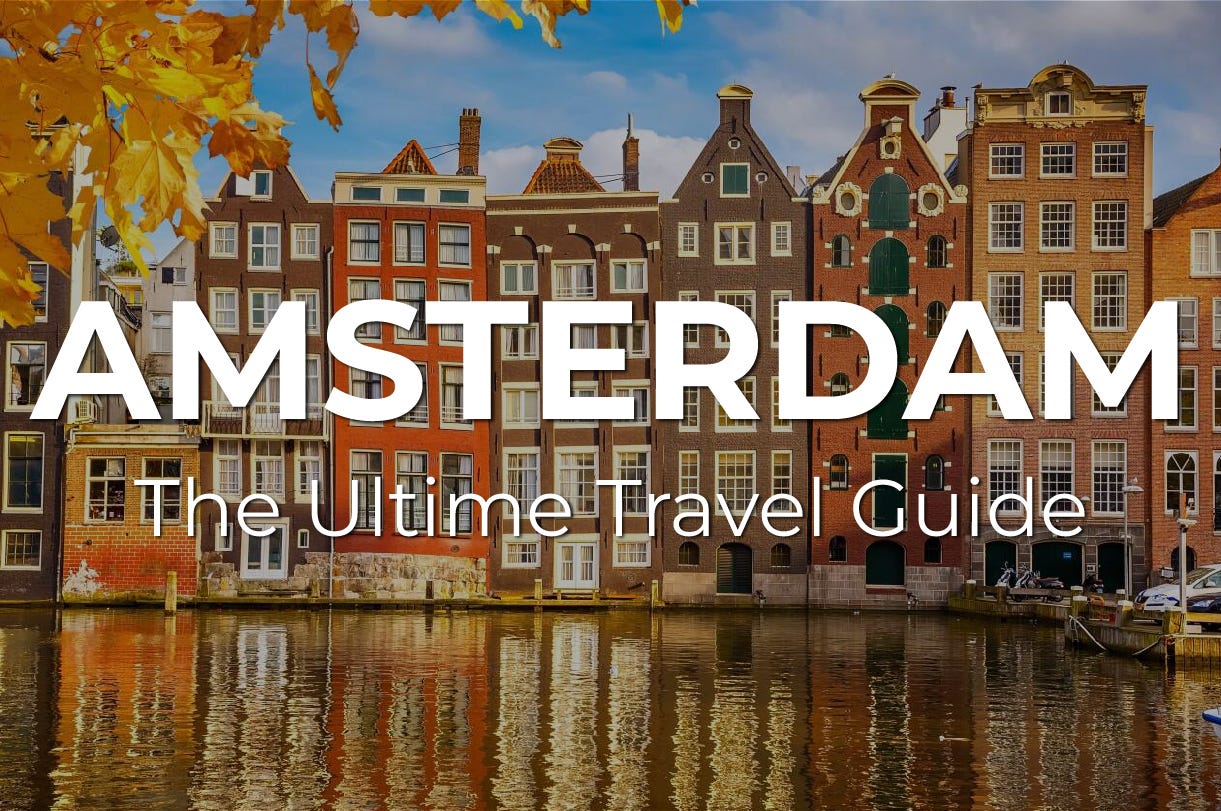
Amsterdam is a city designed for human beings rather than cars, and you feel it immediately. The canals, the bicycles, the scale of the streets, the way the light reflects off the water onto the stepped gable facades: everything is proportioned for walking and cycling rather than for speed.
It is also a city of extraordinary museums, a deeply liberal social character, and a history as a centre of world trade that has left it with one of the finest collections of 17th-century architecture in Europe.
This guide covers the neighborhoods worth knowing, the experiences that define the city, the practical details you need before you go, and how to plan the right amount of time for the kind of trip you want.
Table of Content
🎙️ BEYOND THE HORIZON: TRAVEL AND CRUISE PODCAST

Why Amsterdam is worth visiting
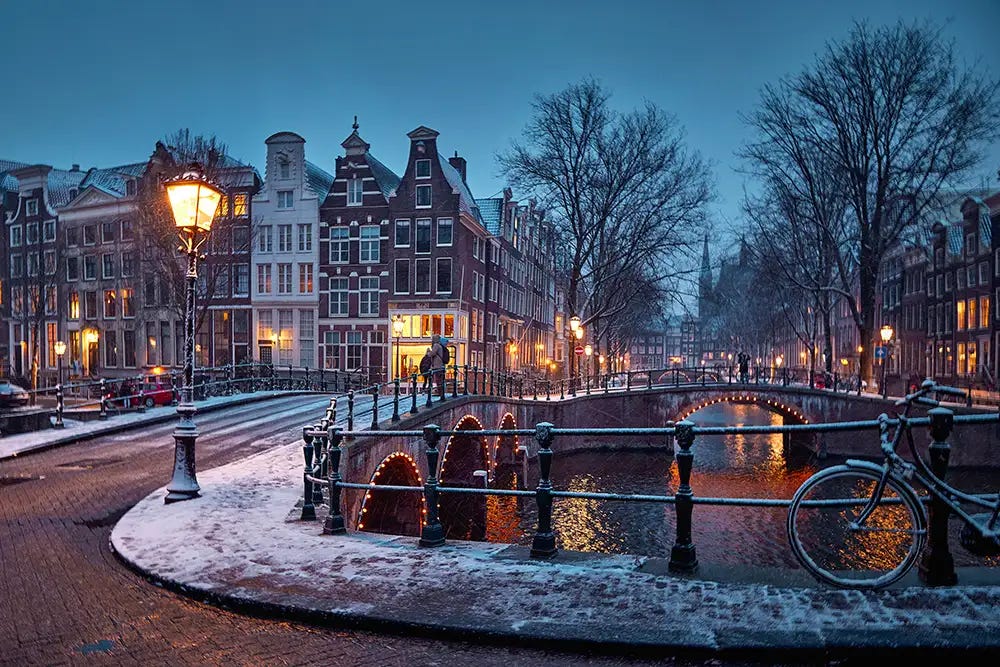
Amsterdam was built on trade. In the 17th century, the Dutch Golden Age, it was the wealthiest city in the world: the headquarters of the Dutch East India Company, the center of the global spice trade, and a place where tolerance was a business strategy as much as a moral position. The canal ring, built between 1613 and 1663, is a UNESCO World Heritage Site and one of the finest examples of planned urban design in history: three concentric canals, lined with merchant houses whose facades are so varied in their stepped, bell, and neck gables that no two look identical.
That history is embedded in the museums. The Rijksmuseum contains the definitive collection of Dutch Golden Age painting, including Rembrandt’s Night Watch and Vermeer’s The Milkmaid. The Van Gogh Museum holds the largest collection of Van Gogh’s work in the world. The Anne Frank House is among the most important memorial sites in Europe. Together, these three institutions represent an astonishing concentration of significance in a city small enough to walk across in forty minutes.
Amsterdam is also a city that has thought carefully about how people should live in an urban environment. The cycling infrastructure, the canal-house architecture, the network of brown cafes and local markets, and the particular Dutch attitude toward public space make it one of the most livable cities in Europe and one of the most enjoyable to simply be in.
The neighborhoods you should know
Amsterdam is compact enough that its neighborhoods are genuinely distinct despite being close together. Each one reflects a different period of the city’s history and a different character.
The Canal Ring (Grachtengordel)
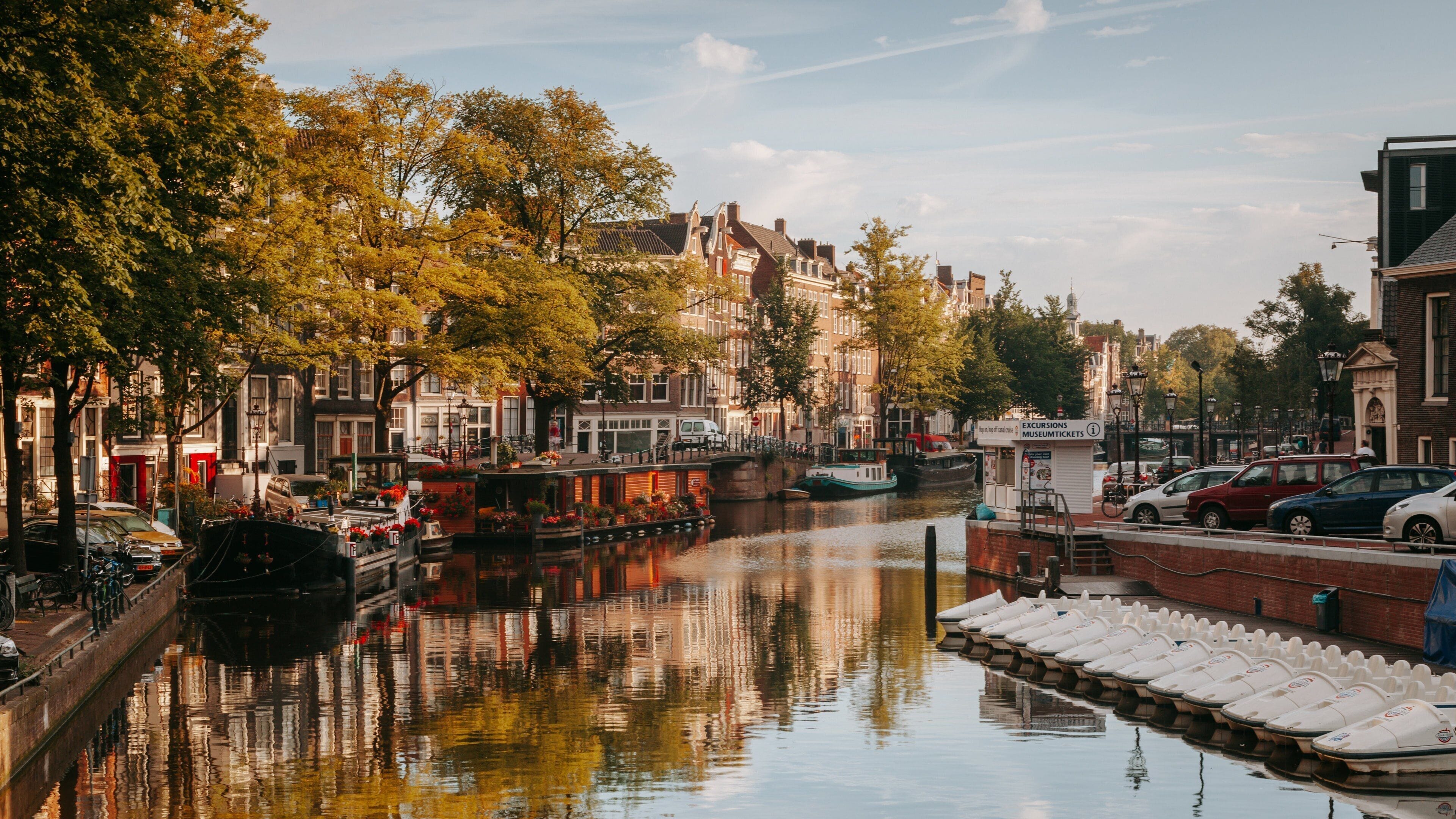
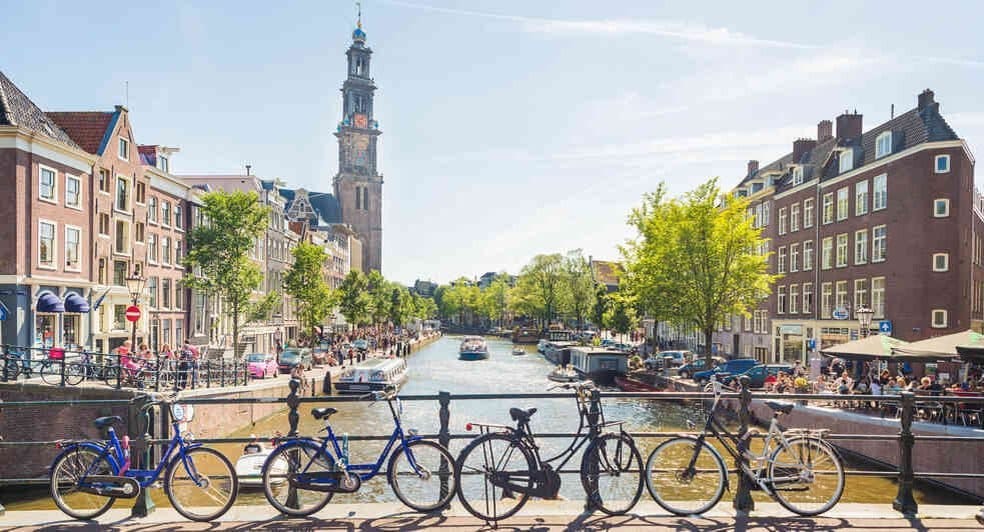
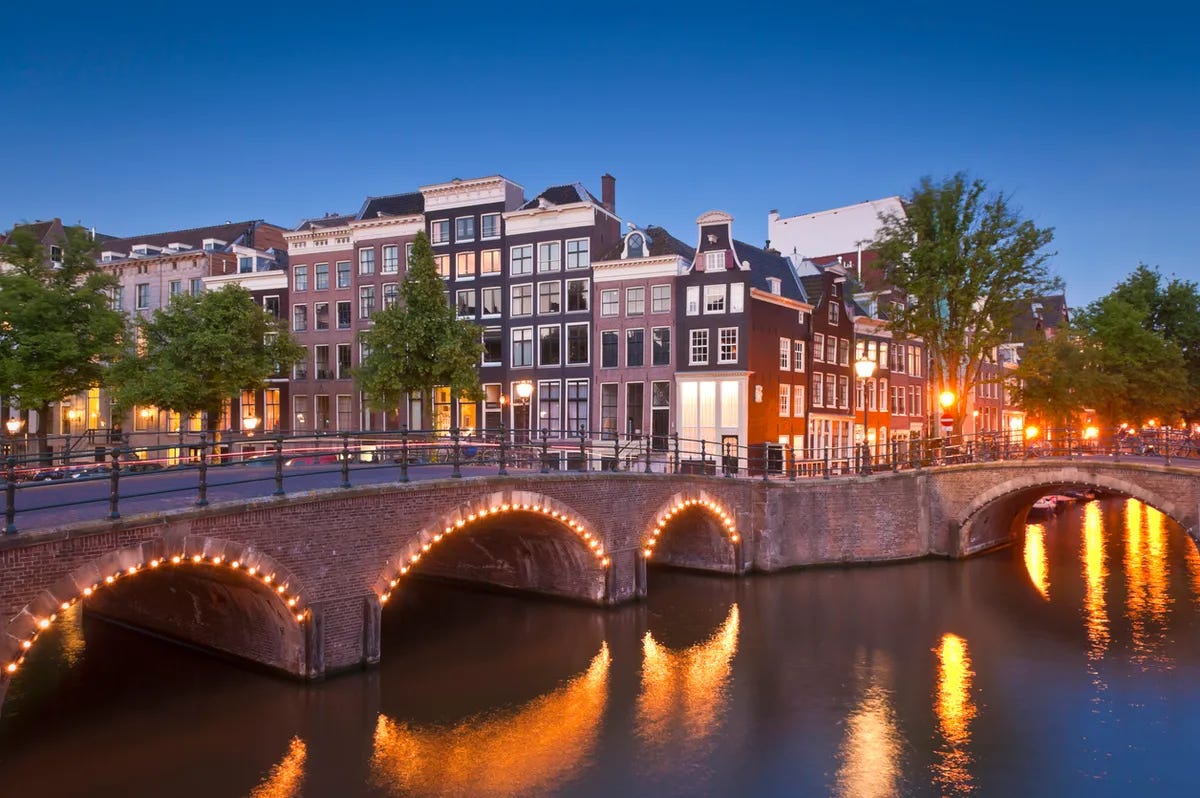
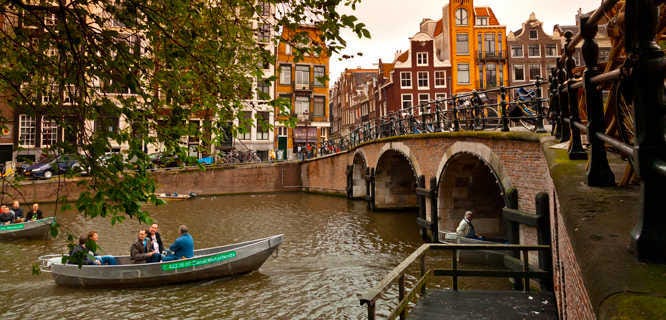
The UNESCO World Heritage heart of Amsterdam: the three great canals, Herengracht, Keizersgracht, and Prinsengracht, lined with 17th-century merchant houses whose facades constitute the most photogenic streetscape in the Netherlands. The Golden Bend on the Herengracht, where the canal widens and the houses are largest, is the wealthiest address in Amsterdam’s history and still among the most beautiful. Walk the canals at any time of day, but come in the early morning or evening when the light on the water and the reflections on the gables are at their most extraordinary.
Jordaan
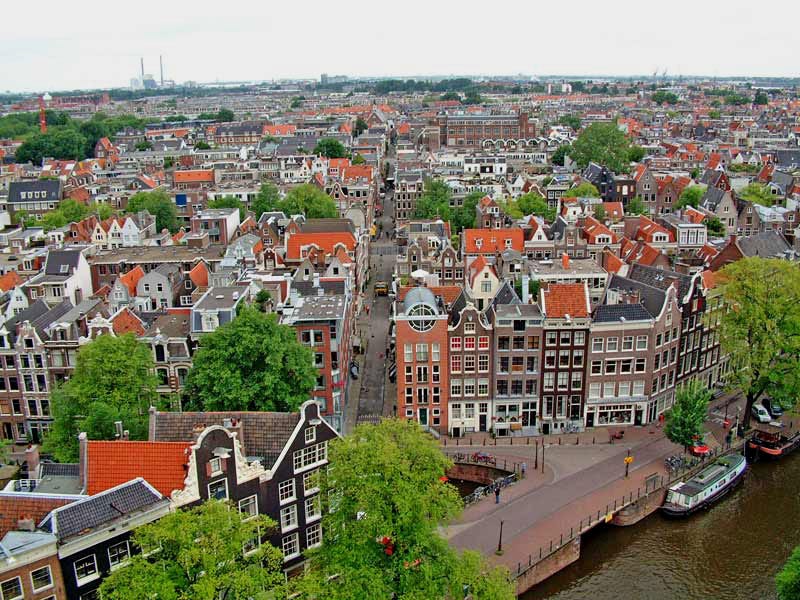
Originally a working-class neighborhood built just outside the canal ring in the early 17th century to house artisans and immigrants, the Jordaan has become Amsterdam’s most sought-after address without entirely losing its village character. The streets are narrow and the houses smaller than those on the main canals, but the neighborhood’s concentration of independent galleries, antique shops, brown cafes, and the Saturday Noordermarkt market makes it the most pleasant part of Amsterdam to simply wander. The Anne Frank House is on the Prinsengracht at the edge of the Jordaan.
De Pijp
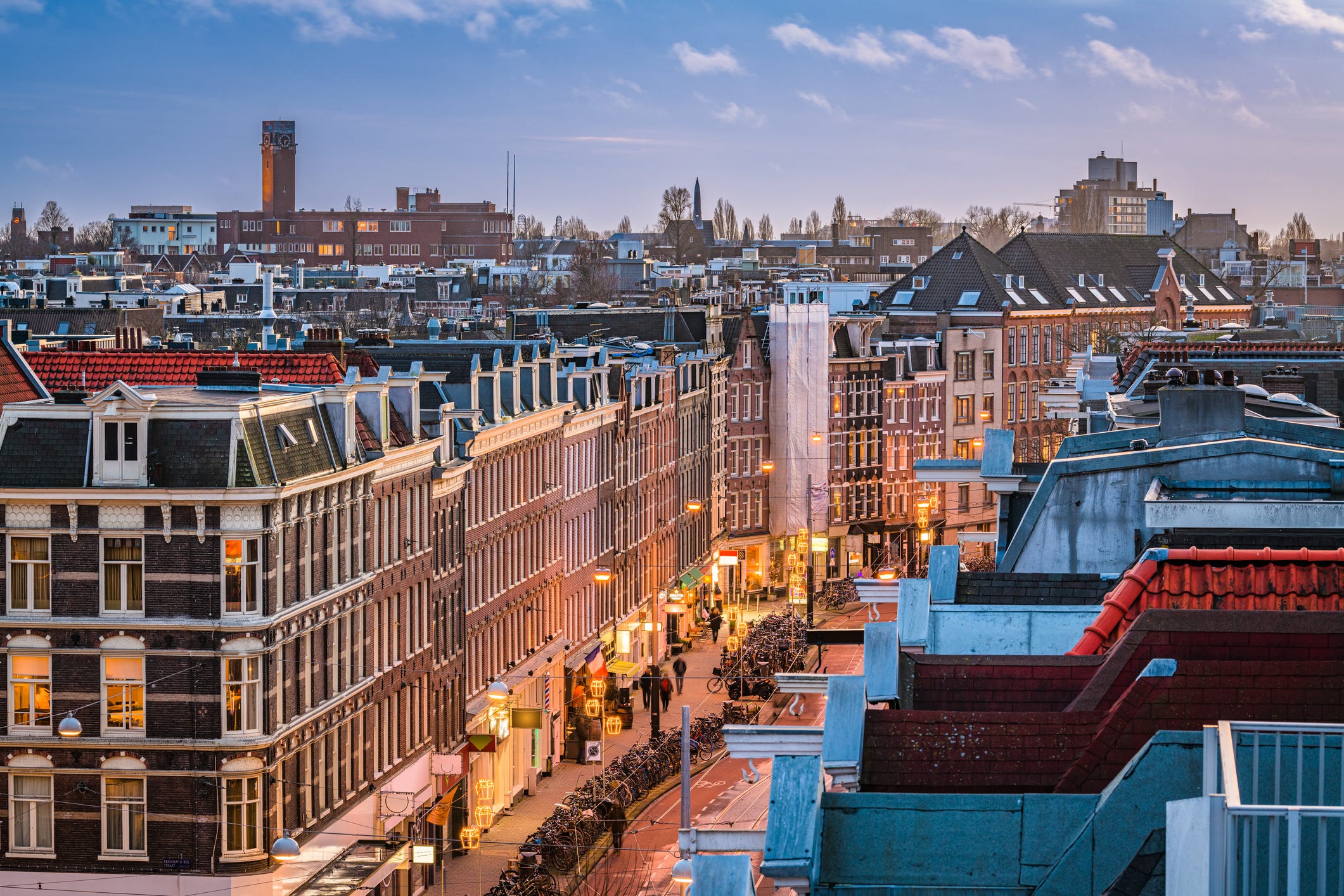
The neighborhood immediately south of the museum district, built in the late 19th century to house Amsterdam’s working class and now home to its most diverse and energetic street culture. The Albert Cuyp Market, running for three blocks down the main street six days a week, is the largest outdoor market in the Netherlands and one of the best in Europe: fresh produce, street food from a dozen cultures, flowers, clothing, and fish herring stands where you eat standing on the pavement. De Pijp has the best Indonesian restaurants in the city and a cafe culture that reflects the neighborhood’s genuinely mixed population.
Museumplein and Oud-Zuid
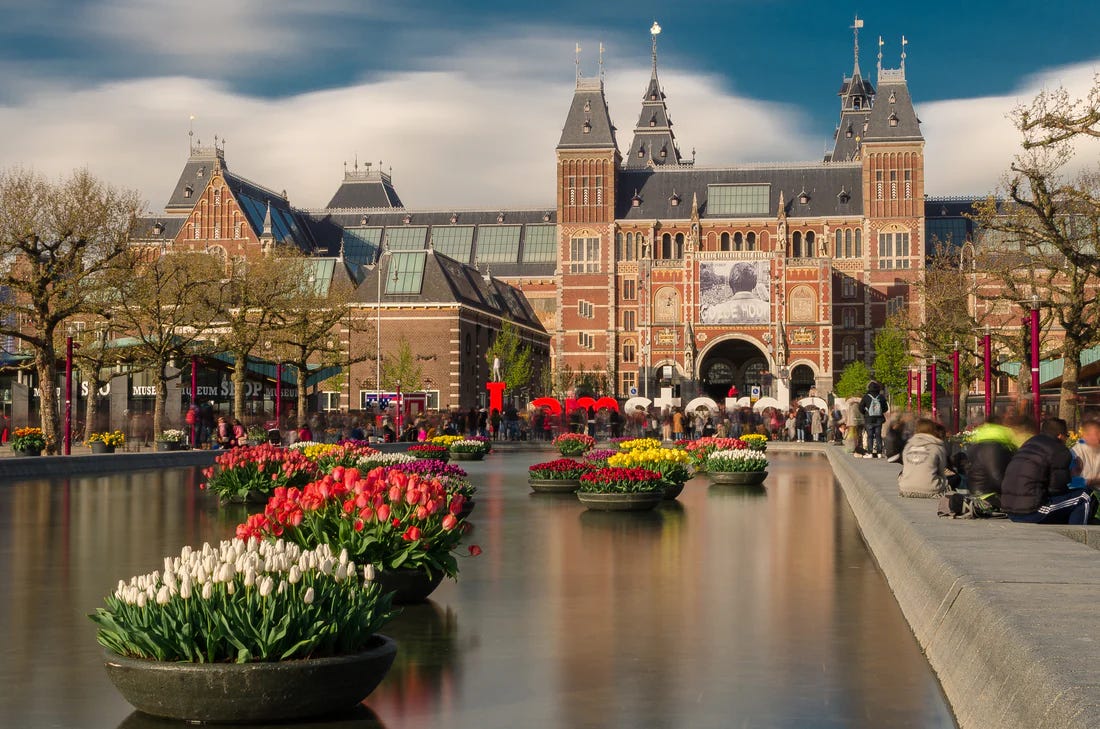
The museum quarter, anchored by the Rijksmuseum, the Van Gogh Museum, and the Stedelijk Museum on the Museumplein square, and extending south into the Oud-Zuid residential district with its Art Nouveau streets, Vondelpark, and the Concertgebouw. The area is more formal than the Jordaan or De Pijp, more prosperous, and less obviously geared to tourists despite containing the city’s most visited attractions. Vondelpark, Amsterdam’s equivalent of Central Park, is worth an hour of slow walking at any time of year.
Amsterdam Noord
Across the IJ waterway from Central Station, accessible by free ferry in five minutes, Noord has become Amsterdam’s most interesting emerging neighborhood over the past decade. The NDSM wharf, a former shipyard now home to studios, street art, markets, and cultural events, is the most distinctive creative space in the city. The EYE Film Museum, with its stunning white building on the waterfront, is one of the best film institutions in Europe. Noord rewards visitors who venture beyond the main canal ring and want to understand what Amsterdam looks like when it is building something new.
The Red Light District (De Wallen)
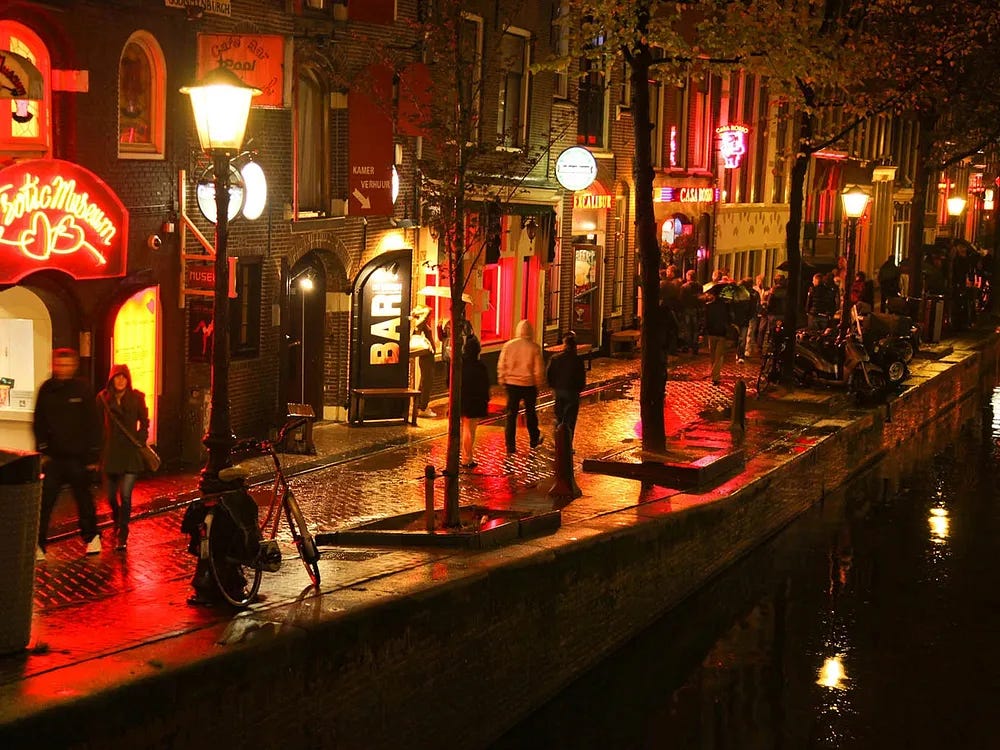
The oldest part of Amsterdam, with medieval streets and the city’s oldest church, the Oude Kerk, dating from 1306. The area is genuinely historic and worth visiting in the daytime for its architecture and atmosphere. At night it operates as the city’s famous red light district, with window prostitution legal and regulated. The area has been subject to significant city intervention in recent years to reduce sex tourism and nuisance; check current status before planning an evening visit. The neighborhood’s daytime character is more interesting than most guides acknowledge.
Activities not to miss
Amsterdam’s museums are among the finest in Europe, and the canal experience is entirely unique. These are the experiences that define a visit.
The Rijksmuseum
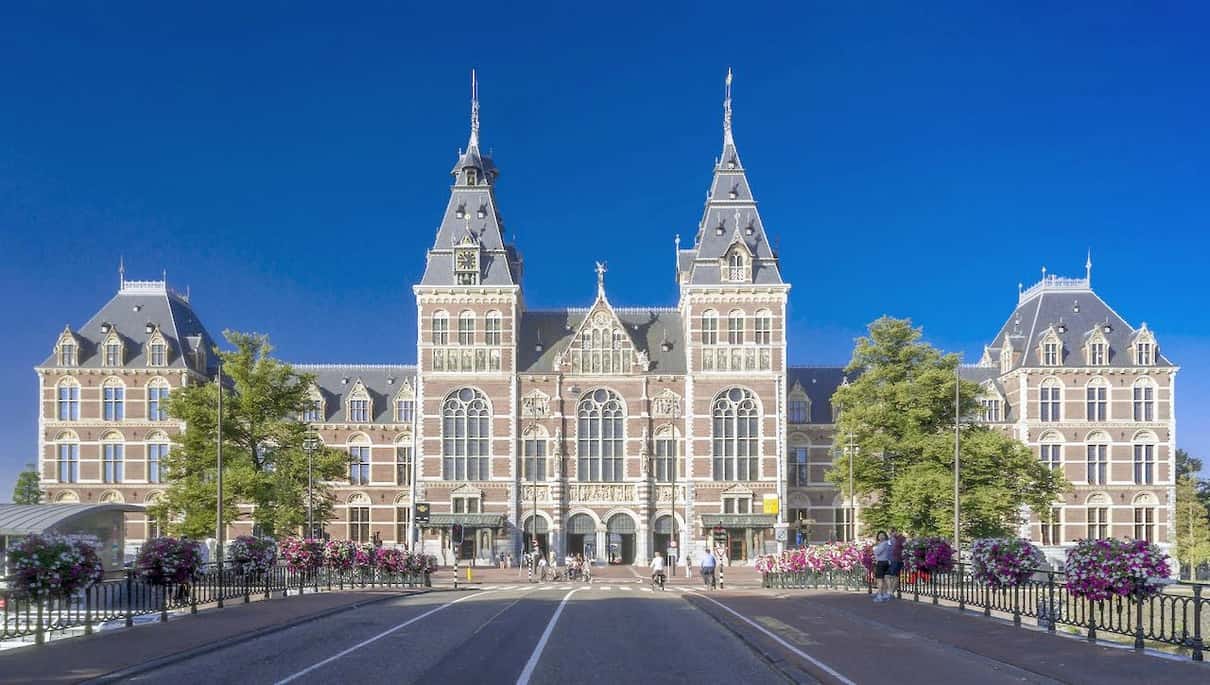
The Dutch national museum and the finest collection of Golden Age painting in the world. Rembrandt’s Night Watch, the largest and most technically accomplished painting of the 17th century, is here. So are Vermeer’s The Milkmaid and The Woman in Blue Reading a Letter, Frans Hals’s portraits, and the extraordinary collection of Delftware and decorative arts that document the material culture of the Dutch Golden Age. The museum building itself, designed in neo-Renaissance style by Pierre Cuypers and reopened after a ten-year renovation in 2013, is as impressive as its collection. Book timed entry in advance.
The Van Gogh Museum
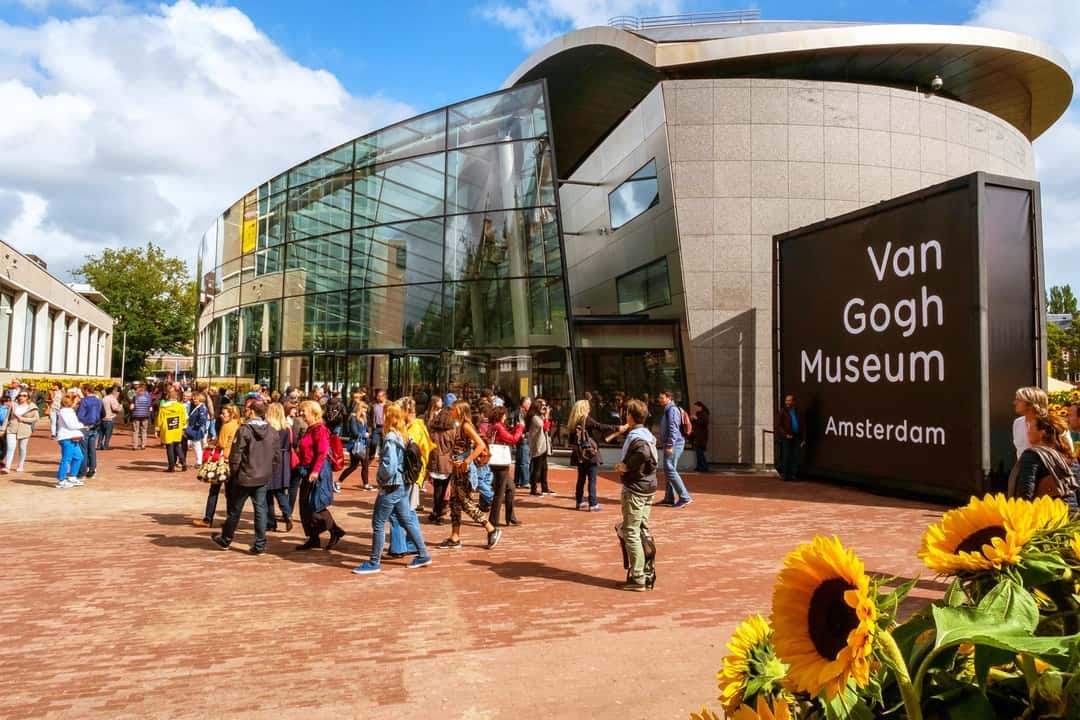
The largest collection of Van Gogh’s work in the world, with more than 200 paintings and 500 drawings, tracing his development from the dark Dutch interiors of The Potato Eaters through the explosion of color in Arles and the final turbulent works at Auvers-sur-Oise. The museum is chronologically and conceptually organized, so the experience of walking through it is also a coherent biography of one of the most compelling artists in history. Sells out completely in high season: book several weeks in advance.
The Anne Frank House

The house at Prinsengracht 263 where Anne Frank, her family, and four others hid for two years and one month between 1942 and 1944 before being betrayed to the Gestapo. The experience of walking through the Secret Annex, including the bookcase that concealed the entrance, is one of the most moving available at any memorial site in Europe. The audio guide, with Anne’s own words from the diary, is essential. Tickets must be booked directly through the Anne Frank House website, usually six to eight weeks ahead in peak season; they are not available on arrival.
Canal cruise
Seeing Amsterdam from the water is the most efficient and beautiful introduction to the city available. The canal ring, the houseboats, the bridges (more than 1,500 in the city), and the 17th-century facades are all best appreciated from a boat moving slowly at water level. Evening cruises, when the bridges and facades are lit, are the most atmospheric. Choose an open electric boat for a quieter, more intimate experience than the covered saloon boats.
Cycling the city
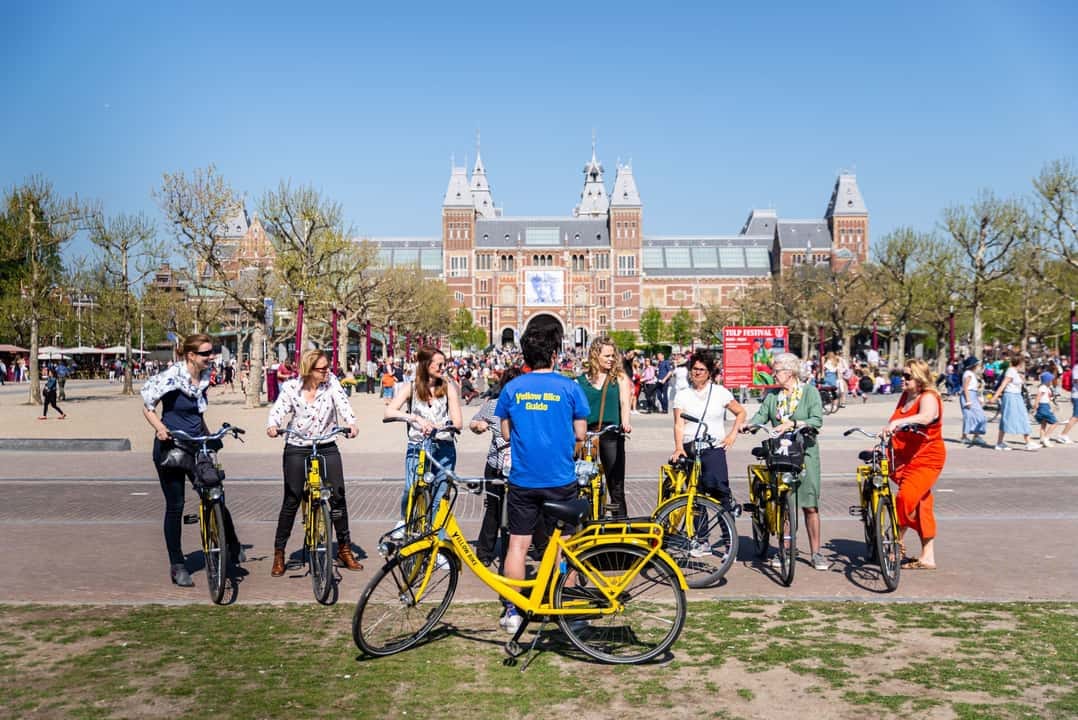
Amsterdam has more bicycles than residents, and the cycling infrastructure is the finest of any major city in the world. Renting a bike and joining the flow of daily life on the canal streets is the most genuinely local experience available to a visitor and the most efficient way to cover the city’s neighborhoods. Cycle through the Jordaan, along the Prinsengracht past the Anne Frank House, through the Vondelpark, and across to De Pijp. A three-hour rental covers more ground than a full day on foot.
Albert Cuyp Market and De Pijp
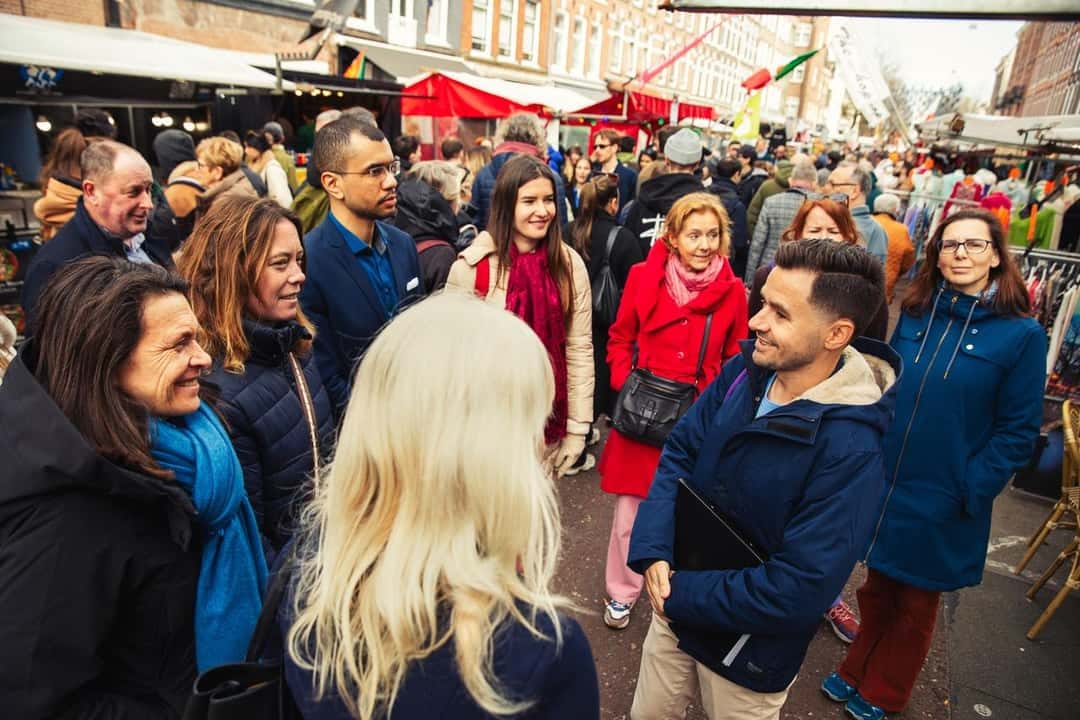
The Albert Cuyp Market is the best market in Amsterdam and one of the best in Europe: a daily street market covering three blocks with fresh produce, street food, flowers, and the kind of informal local energy that tourist-oriented city centers rarely offer. Come on a weekday morning, eat a fresh herring at a standing cart, buy stroopwafels warm from the grill, and spend an hour simply watching how Amsterdam’s most diverse neighborhood actually works.
Day trips from Amsterdam
The compact Netherlands makes Amsterdam one of the best-placed cities in Europe for day trips. Multiple UNESCO sites, tulip fields, windmill villages, and medieval cities are all within an hour.
Keukenhof Gardens (spring only, late March to mid-May)
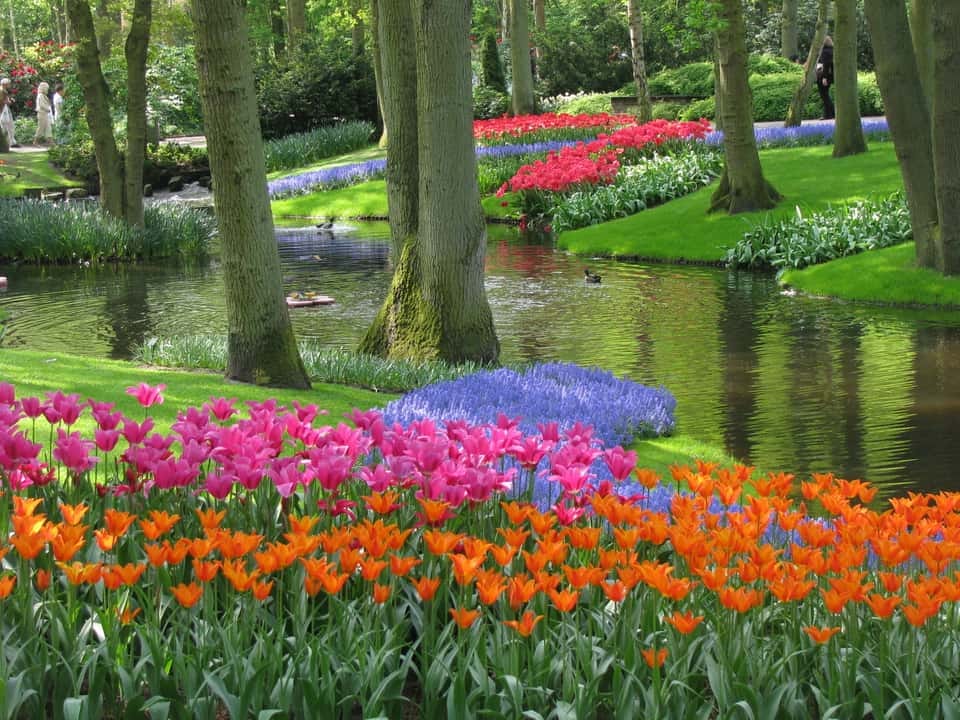
The most visited flower garden in the world, with seven million tulips, daffodils, and hyacinths covering 32 hectares of parkland about 40 kilometers southwest of Amsterdam. Open only during the spring bulb season, Keukenhof is one of those genuinely extraordinary seasonal experiences that justifies planning a trip around it. The fields surrounding the gardens, planted in broad stripes of color across the flat Dutch landscape, are visible from the road on the way there and almost as impressive as the gardens themselves. Book tickets and transfers weeks in advance.
Zaanse Schans and the Dutch countryside
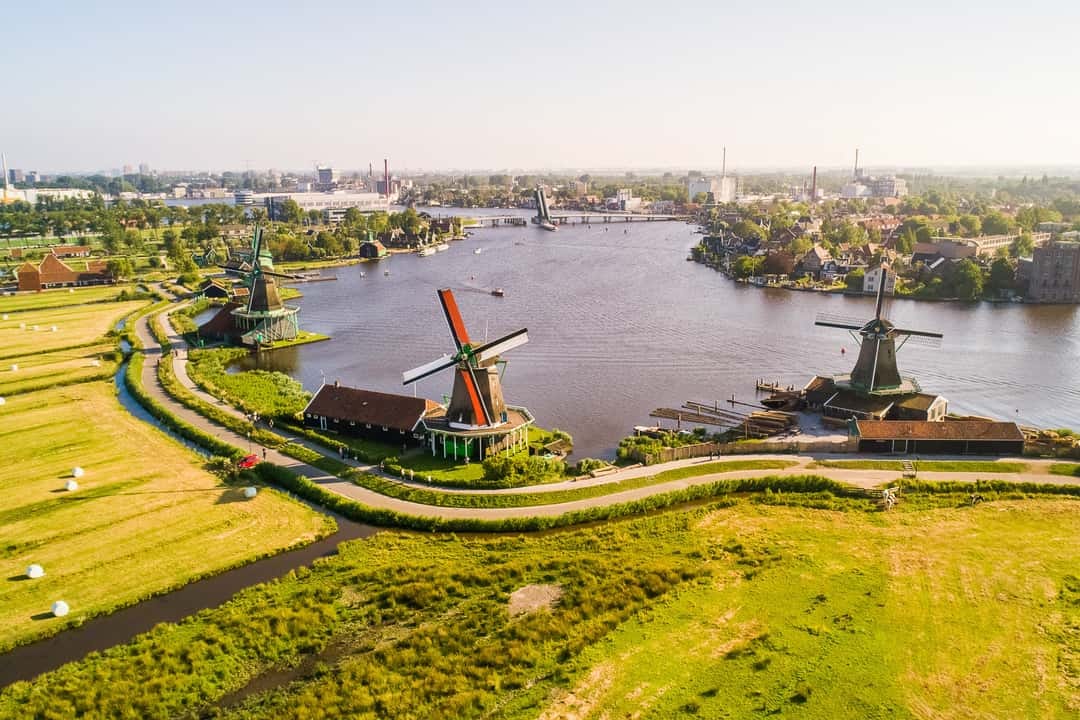
The most accessible version of traditional Dutch landscape, 20 minutes north of Amsterdam: working windmills, green wooden houses, a cheese farm, a clog workshop, and the flat polder landscape that is specific to the Netherlands and unlike anywhere else in the world. Not entirely immune to tourist crowds, but the windmills are genuine and still function, and the surrounding countryside is genuinely beautiful. Combine with Volendam, Edam, and Marken for a full day of Dutch village culture.
Bruges
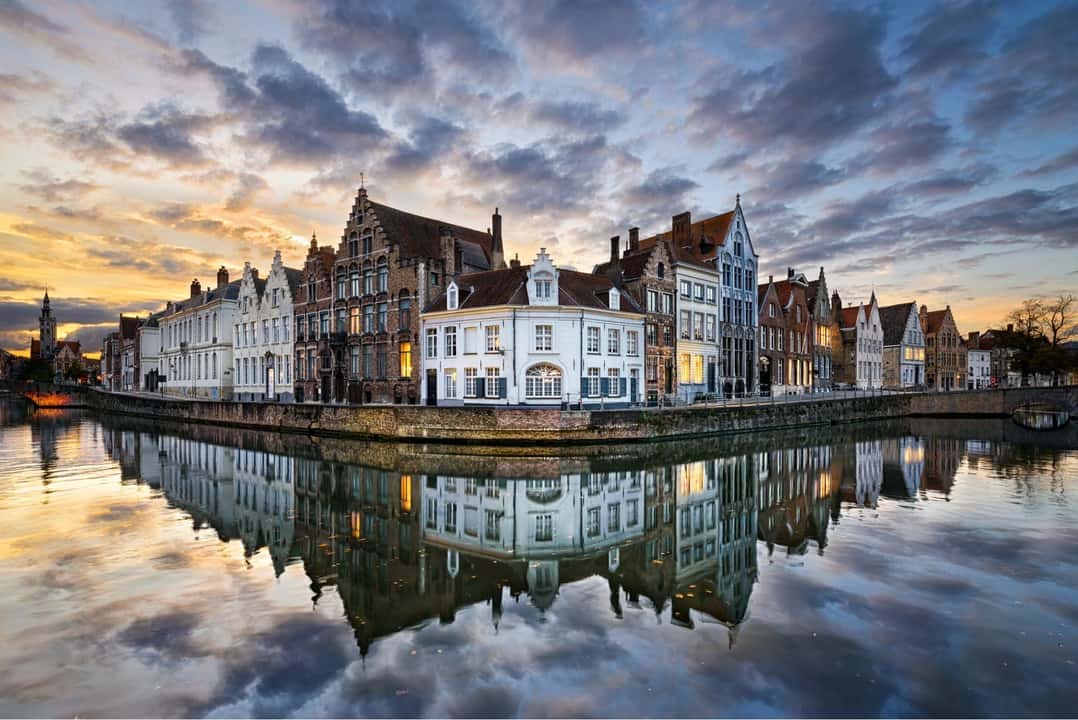
The medieval city in Belgium, about two and a half hours from Amsterdam by train or coach, is among the most beautiful in Western Europe: a UNESCO World Heritage center of canals, medieval towers, Gothic churches, and chocolate shops that has changed remarkably little since the 15th century, when it was one of the wealthiest cities in northern Europe. The boat cruise through Bruges’s own canal system is essential. A full day is needed; an overnight is better.
Haarlem
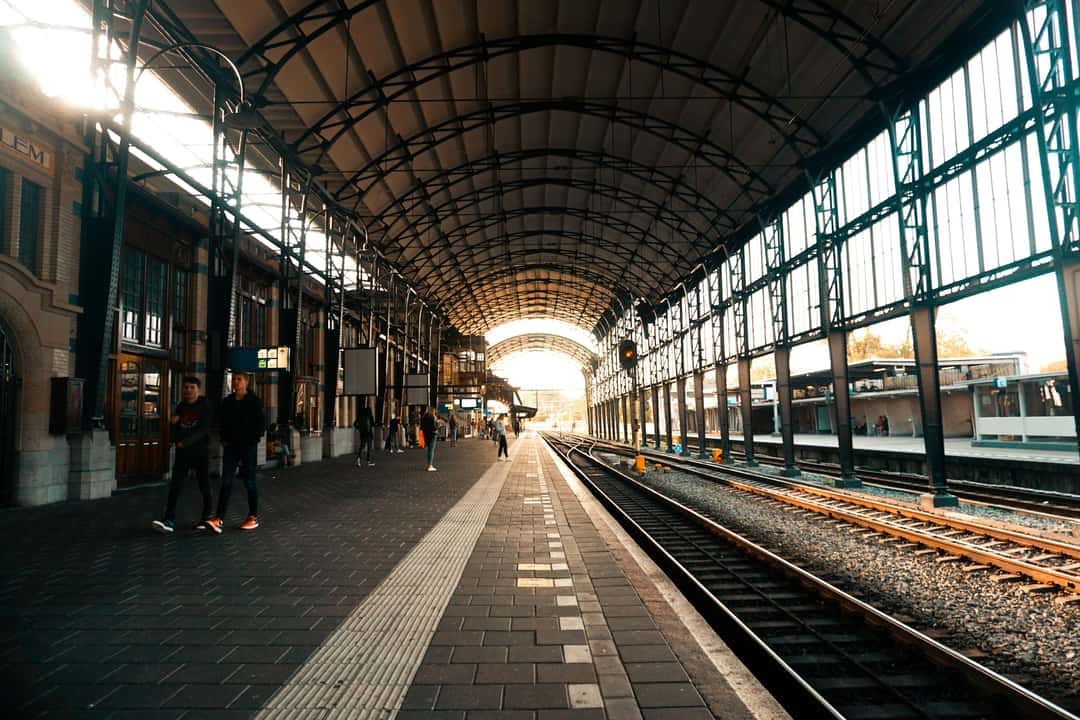
Fifteen minutes from Amsterdam Central by train and one of the finest small cities in the Netherlands. The Grote Markt, the Frans Hals Museum (with the definitive collection of Hals’s group portraits), and the Gothic cathedral of Sint Bavo make Haarlem one of the most rewarding half-day trips from any European capital. It also gives you a sense of a Dutch city without the tourist infrastructure of Amsterdam itself, which is valuable context for understanding what Amsterdam looks like to the Dutch.
Giethoorn
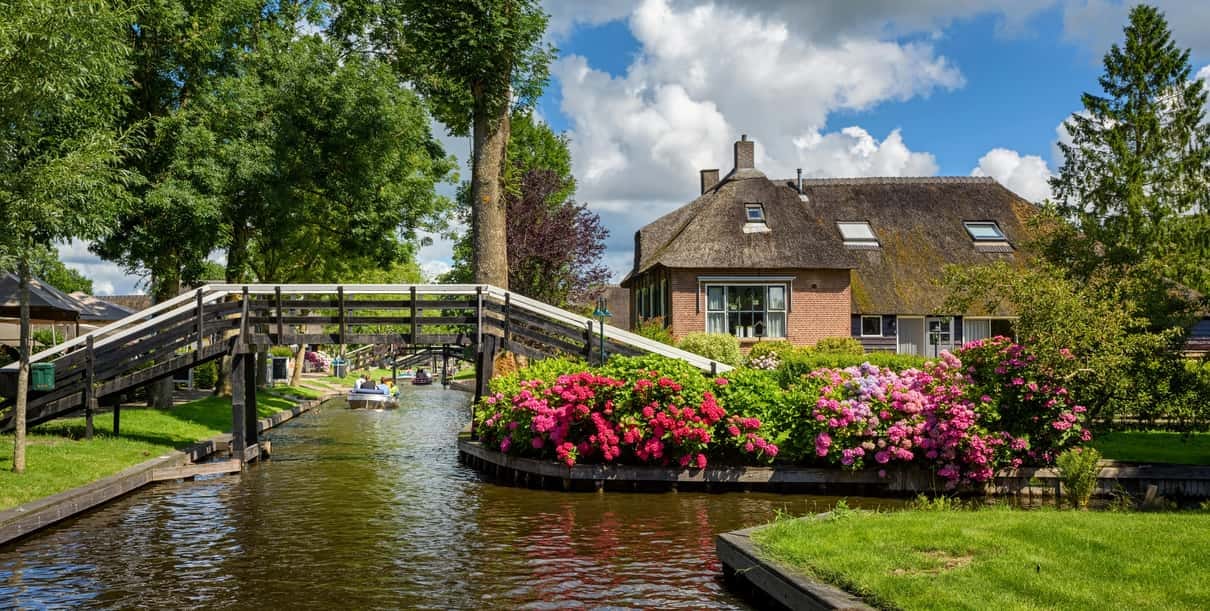
A small village in the Overijssel province, about 90 minutes from Amsterdam, where the streets are replaced entirely by canals and footpaths: no roads, no cars, and communication between houses by punt or footbridge. Giethoorn is genuinely extraordinary in its quietness and its thatched-roof aesthetic, and provides a completely different dimension of the Netherlands to the cities and flower fields.
From Amsterdam: Giethoorn Day Trip with Boat Cruise
When to visit Amsterdam
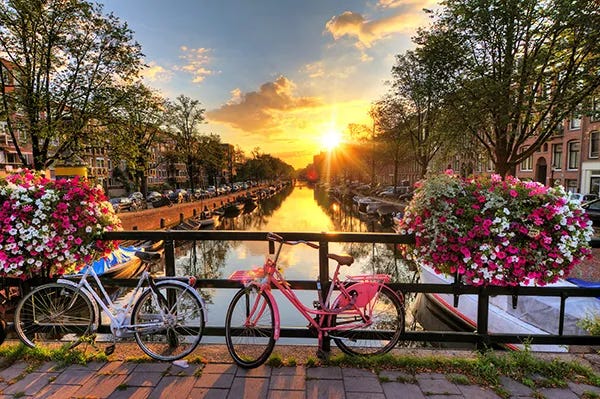
Amsterdam has a maritime climate: mild, damp, and changeable at any time of year. The famous tulip season (late March to mid-May) is the most visited period, but the city rewards visits in every season.
🌸 Spring
Late March to May. The most photographed season: tulip fields in bloom, Keukenhof open, and the canal ring at its most beautiful with blossom and new light. Also the most crowded. King’s Day (April 27) is the most atmospheric single day in the Dutch calendar: the entire city turns orange and the canals fill with boats.
☀️ Summer
June to August. Warm, long-daylit, and extremely busy. The outdoor terraces on the canals are in full swing, cycling is at its most pleasant, and the city’s social life spills entirely outside. Book everything well in advance. Museum queues are at their longest.
🍂 Autumn
September to November. Excellent. Crowds thin significantly after mid-September. The canal light in October is extraordinary: low, golden, and specific to northern latitudes. The museums are less crowded, restaurants are easier to book, and the city returns to its residents.
❄️ Winter
December to February. Cold, dark by 4pm, and sometimes icy on the canals. But Amsterdam in winter has a particular quality: the Christmas market on the Leidseplein, the museums nearly empty, the brown cafes at their most genuinely warming, and the canal houses lit from within against the dark. Underrated.
How many days to spend in Amsterdam
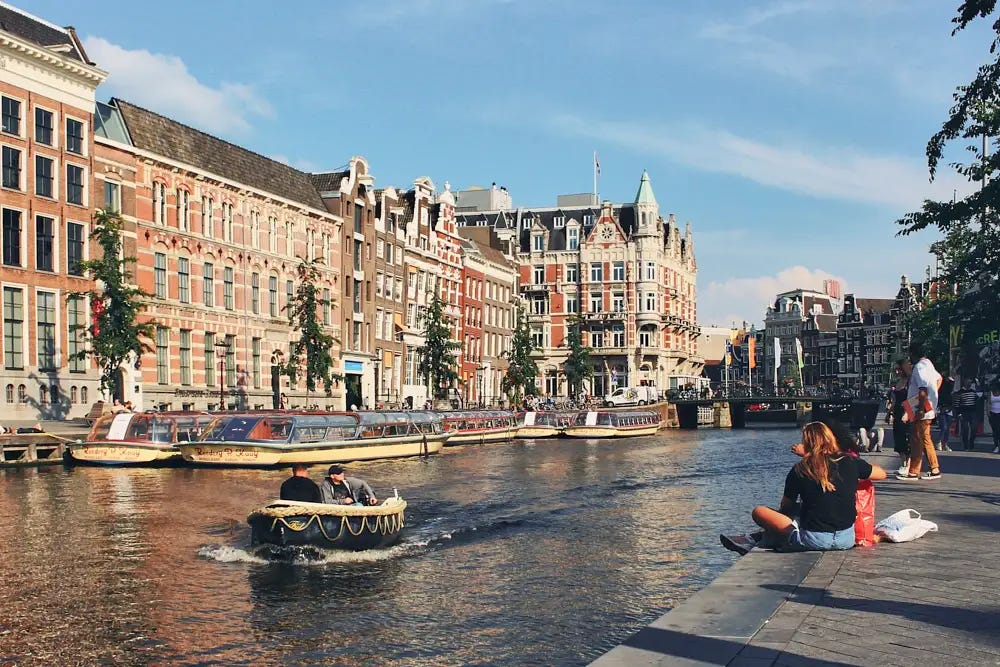
Three days covers the Rijksmuseum, Van Gogh Museum, Anne Frank House, a canal cruise, a bike ride through the Jordaan, and De Pijp at a comfortable pace. Four to five days adds Vondelpark, a day trip to Zaanse Schans or Haarlem, the Stedelijk Museum, and the time to move slowly through the neighborhoods rather than efficiently between the attractions. During tulip season, add a day for Keukenhof.
Amsterdam is a city that rewards a slow pace. The museums are extraordinary, but the real pleasure of Amsterdam is the city itself: the canals, the bikes, the proportions, the light. Leave room in each day for walking with no particular destination.
Suggested 3-day itinerary
Day 1
Rijksmuseum (book first entry). Night Watch and Vermeer. Museumplein and Vondelpark.
Van Gogh Museum. Walk through Oud-Zuid to the Concertgebouw neighborhood.
Canal cruise at dusk. Dinner in the Jordaan. Brown cafe evening on the Prinsengracht.
Day 2
Anne Frank House (timed entry, booked well ahead). Walk the Jordaan streets after.
Noordermarkt area (Saturday: best market day). Rent a bike for the afternoon canal ring loop.
De Pijp for dinner. Albert Cuyp Market street food if visiting during market hours. Leidseplein bars.
Day 3
Stedelijk Museum (modern art) or FOAM photography museum on the Keizersgracht.
Old town walk: Oude Kerk, Dam Square, Royal Palace exterior. Floating flower market.
Dinner in De Pijp or Oud-West. Evening beer at a traditional Amsterdam brewery or brown cafe.
Where to eat
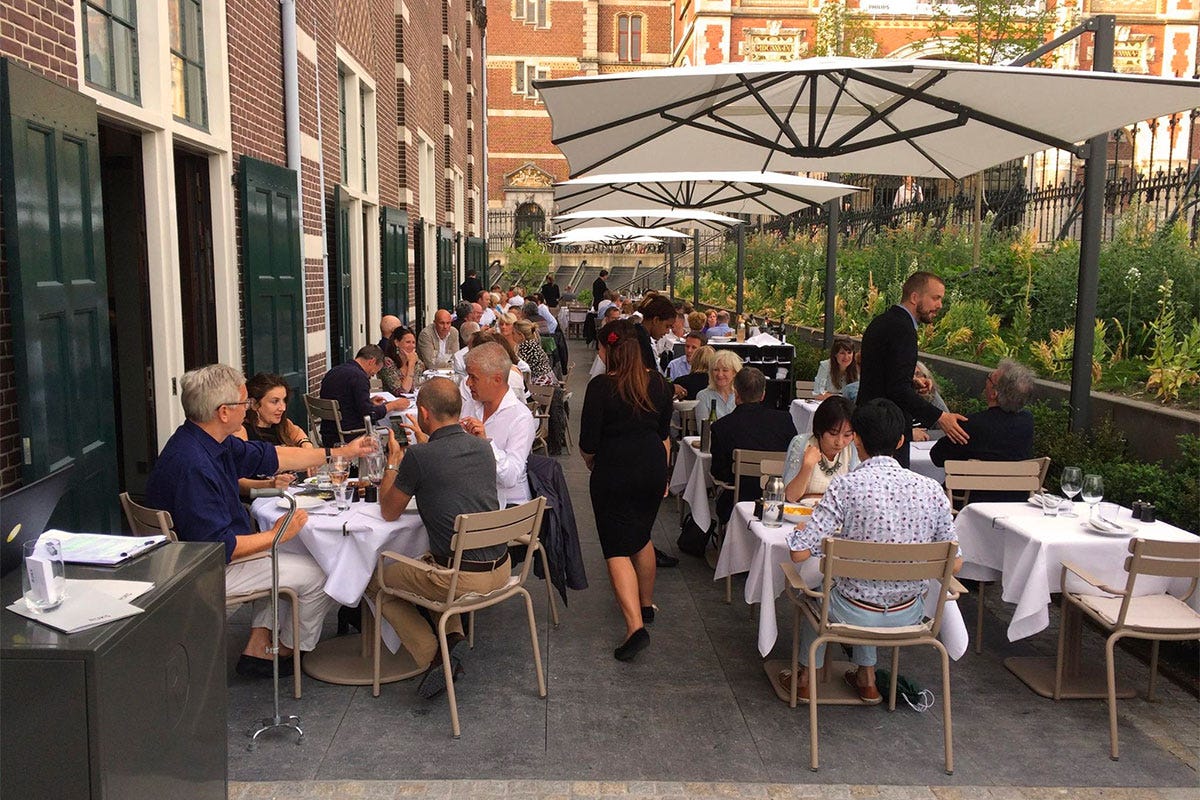
Dutch cuisine is often underestimated, but Amsterdam has a food scene that reflects both its own culinary traditions and the Indonesian colonial history that brought rijsttafel and sambal into Dutch cooking two centuries ago. These recommendations span different budgets and styles.
Rijks Restaurant
Modern Dutch
The restaurant inside the Rijksmuseum, with a menu built around Dutch seasonal ingredients. One of the finest museum restaurants in Europe. Book ahead.
Breda
Modern European
A quiet, precise restaurant on the Singel canal, serving some of the most thoughtful cooking in Amsterdam in an intimate room. Consistently excellent.
Tokoman
Surinamese
A Surinamese snack bar in the Jordaan that has been serving the best pom and roti in Amsterdam for decades. Queue at the counter. Cash only. One of the most satisfying cheap meals in the city.
Blauw
Indonesian
The finest Indonesian restaurant in Amsterdam, with a rijsttafel that represents the full breadth of the Dutch colonial culinary inheritance. Book well in advance.
Cafe de Jaren
Grand cafe
A large, light-filled grand cafe on the Nieuwe Doelenstraat with a terrace over the Amstel. Excellent for breakfast, lunch, or a long afternoon with coffee and Dutch apple cake.
Stach Food
Delicatessen
Amsterdam’s finest deli chain, with several locations across the city. Outstanding sandwiches, salads, and pastries for a casual lunch that is several levels above average.
Herring cart (haringhandel)
Street food
Raw herring, eaten standing at a street cart, with onion and pickles. The most typically Dutch food experience available and the most misunderstood. The herring season runs from late May through autumn.
Where to stay
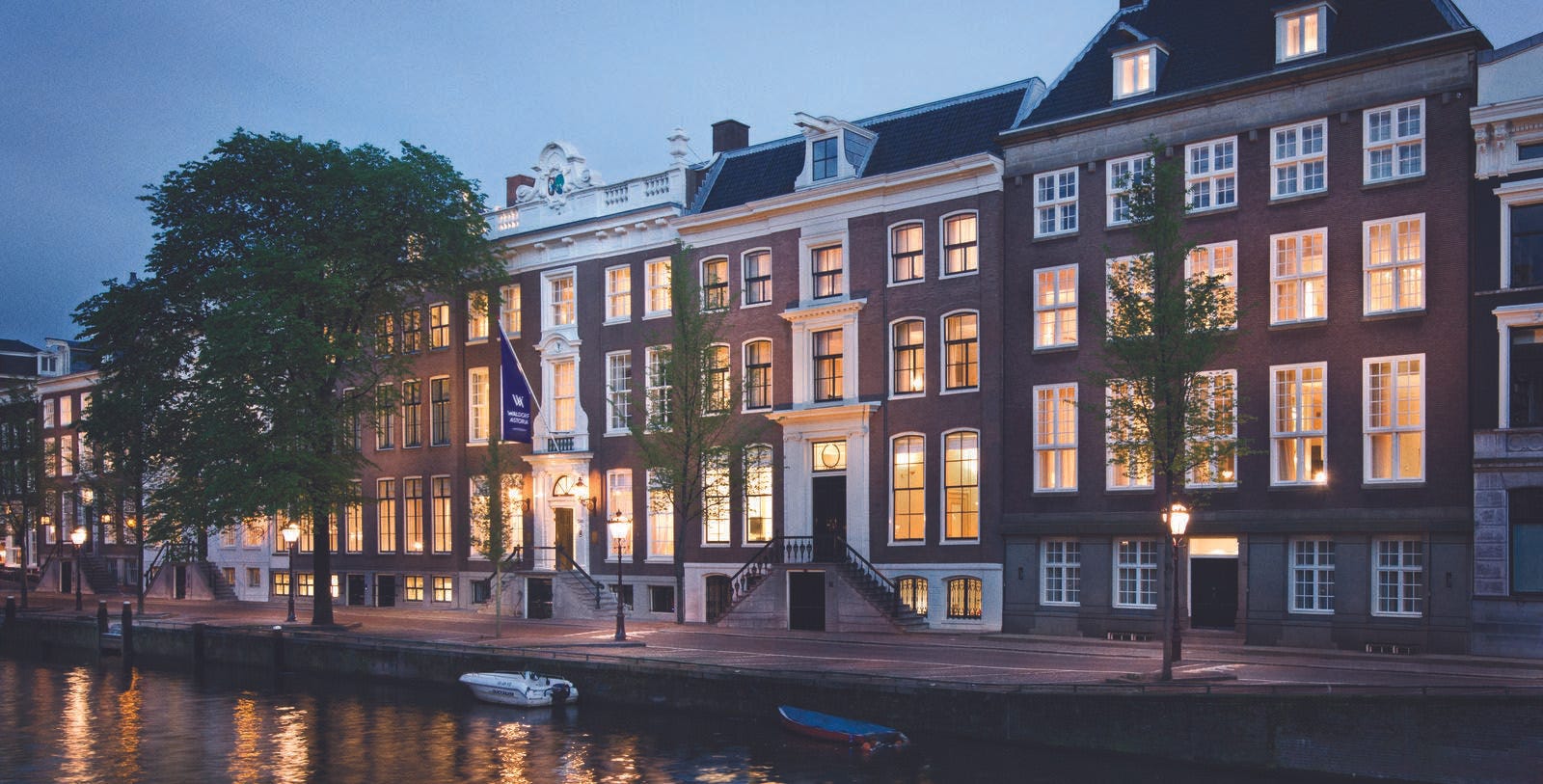
The best area to stay in Amsterdam for first-time visitors is within the canal ring or in the Jordaan, which puts you within walking distance of the major museums and the best neighborhood walking. Here are reliable options across different budgets.
Waldorf Astoria Amsterdam
Luxury
Six connected 17th-century canal houses on the Herengracht, converted into one of the finest hotel addresses in Amsterdam. Canal views, Michelin-starred restaurant, extraordinary service.
Hotel Pulitzer
Luxury
Twenty-five interconnected canal houses on the Prinsengracht and Keizersgracht, with a garden terrace and a sense of Amsterdam history in every room. The most romantic large hotel in the city.
The Hoxton Amsterdam
Mid-range
Four canal houses connected on the Herengracht, with the Hoxton’s characteristic neighborhood-hotel atmosphere: good coffee, a busy bar, and a sense of being in the city rather than just visiting it.
Hotel V Nesplein
Mid-range / Boutique
A design hotel on a quiet square in the city center, with well-designed rooms and a ground-floor bar that draws locals as well as guests.
Stayokay Amsterdam Vondelpark
Budget
The most comfortable hostel option in Amsterdam, beside Vondelpark and close to the museums. Clean, social, and reliably excellent value.
Hotel de l’Europe
Luxury
A grand 19th-century hotel on the Amstel, with the finest terrace in Amsterdam overlooking the river. The standard for traditional Dutch luxury hospitality.
Practical information
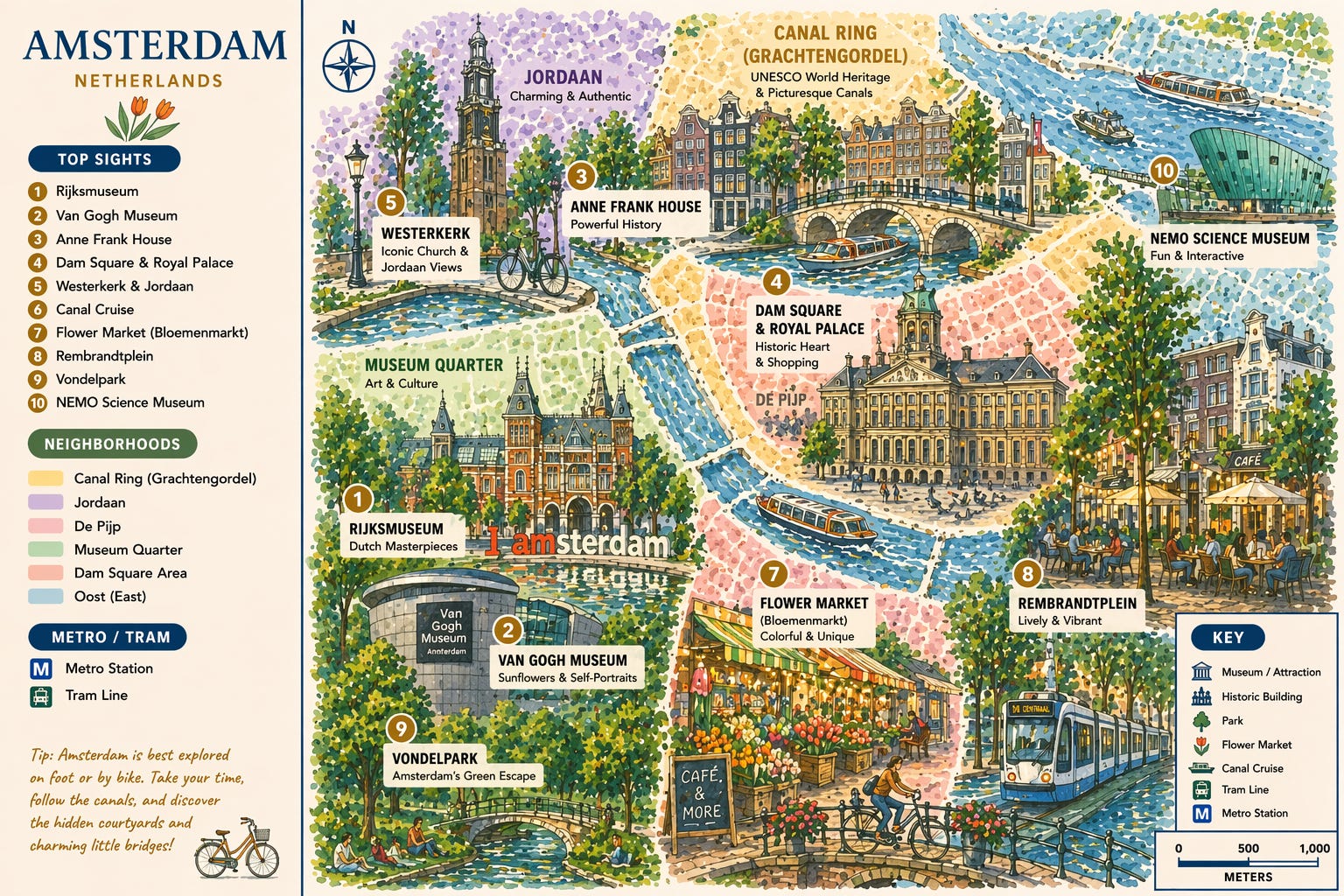
• Currency: Euro (EUR). Cards are widely accepted, but more cash-preference than most Western European capitals. Carry some euros, especially for markets, smaller cafes, and street food vendors.
• Language: Dutch. English is spoken virtually universally throughout Amsterdam, at a level that makes it one of the most accessible non-English-speaking cities in the world.
• Getting around: The city center is entirely walkable. Cycling is the most practical and enjoyable way to cover more ground: rental bikes are available at numerous locations throughout the city. The tram network covers most areas efficiently. Do not walk in the red-marked cycle lanes: local cyclists are fast, numerous, and unforgiving.
• The cycle lanes: This bears repeating. Red lanes or lanes marked with bicycle symbols are for cyclists, not pedestrians. Walking in them or stepping into them without looking is the fastest way to have a bad day in Amsterdam. Look both ways before every crossing, every time.
• Anne Frank House tickets: Cannot be purchased on arrival. Must be booked in advance through the official website (annefrank.org). In peak season, book six to eight weeks ahead. This is not optional.
• Coffee shops: Cannabis consumption is legal and regulated in Amsterdam’s licensed coffee shops. These are distinct from regular cafes. If you are not interested, be aware that you may smell cannabis in some parts of the city center. If you are interested, the rules: consumption is for adults only, you may not consume in public outside licensed premises, and tourist-targeted coffee shops near major attractions are rarely the best quality or value.
• Internet: A Dutch eSIM or European roaming plan works throughout the city. Wi-Fi is widely available in cafes and hotels.
• Safety: Amsterdam is a safe city. Pickpockets operate in the Central Station area, on the trams, and in the Red Light District. Bicycle theft is extremely common: always use a solid lock and a second lock through the wheel, attached to a fixed object.
• Tipping: Not automatic in the Netherlands. Rounding up or leaving ten percent for good service is appreciated. At a bar or cafe: leave the small change.
How Amsterdam fits into a broader Europe trip
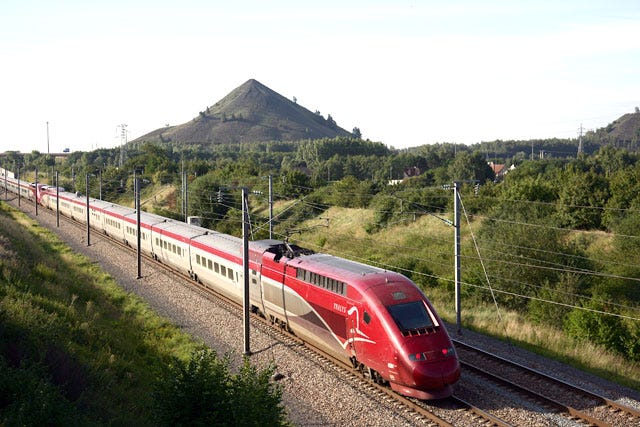
Amsterdam connects naturally with several major European destinations. Brussels is under two hours by Thalys train and adds the finest beer culture and Art Nouveau architecture in Europe. Paris is about three hours and forty-five minutes by Thalys. London is about three hours and forty-five minutes via the Eurostar, connecting at Brussels. Within the Netherlands, Rotterdam (forty-five minutes) adds one of the most architecturally adventurous cities in Europe, and The Hague (one hour) has the Mauritshuis museum, home to Vermeer’s Girl with a Pearl Earring.
For travelers combining Amsterdam with Germany, the intercity trains to Cologne (two hours forty-five minutes) and from there to the Rhine Valley are excellent. A rail circuit covering Amsterdam, Brussels, Paris, and London, connected by high-speed train, is one of the most complete Western European itineraries available and requires no flights.
Frequently asked questions
Is Amsterdam worth visiting for first-time travelers to Europe?
Yes. Amsterdam offers an extraordinary combination of world-class museums, genuinely unique urban environment, and a social atmosphere that is unlike any other European capital. The canal ring, the cycling culture, and the concentration of Golden Age art make it irreplaceable on any European itinerary.
How many days do you need in Amsterdam?
Three days covers the Rijksmuseum, Van Gogh Museum, Anne Frank House, a canal cruise, and the Jordaan at a comfortable pace. Four to five days adds a day trip and the slower neighborhood exploration that makes Amsterdam genuinely memorable.
What is the best time of year to visit Amsterdam?
Spring (April to May) for the tulips and the most beautiful canal light, combined with King’s Day on April 27. Autumn (September to October) for the finest light and manageable crowds. Winter for the brown cafe atmosphere and near-empty museums. Summer for the outdoor terrace culture and long evenings.
Do I need to book the Anne Frank House in advance?
Yes, absolutely. Tickets are not available on arrival and must be purchased through the official website at annefrank.org. In peak season, book six to eight weeks ahead. This is one of the few non-negotiable advance bookings in European travel.
Is cycling safe for tourists in Amsterdam?
Yes, with awareness. The cycling infrastructure is excellent and the roads are well-designed for bikes. The main risk is not being alert to the flow of cyclist traffic and the bike lane system. Rent a bike from a reputable provider, get a brief orientation, and take the first few minutes slowly until you feel comfortable with the flow.
What is a brown cafe (bruin cafe)?
A traditional Dutch pub, typically with dark wood interiors, a long bar, sand on the floor, and an atmosphere that has been accumulating for decades or centuries. Brown cafes serve Dutch beer on tap, jenever (Dutch gin), and occasionally bitterballen (deep-fried meat ragout balls). They are the most genuinely Dutch social institution and the best place to understand daily life in Amsterdam.
Is Amsterdam expensive?
Yes, among the more expensive European destinations, particularly for accommodation during peak season. The major museums have entry fees. However, cycling is cheap, the markets are excellent value for food, and Dutch street food (herring, stroopwafels, frites) is inexpensive and excellent.
Plan your Amsterdam trip with AERIA Voyages
Every traveler’s ideal Amsterdam itinerary looks different depending on the season, the interests that matter most, and whether you want to stay in the city or use it as a base for the Netherlands and beyond. I help clients build trips that go beyond the standard circuit: a private canal boat for an evening, a curated tulip field and windmill experience during spring, a river cruise through the Dutch waterways, or a multi-city rail itinerary connecting Amsterdam with Paris or London.
If you are planning a trip to Amsterdam and want to talk through the options, I would be glad to help.
Yvan Junior Blanchette
Travel & Cruise Specialist
ÆRIA Voyages📩 yvanblanchette@aeriavoyages.com
📞 1-888-460-3388
🌐 aeriavoyages.com