

The Ultimate DUBROVNIK Travel Guide: What to know, where to go, and how to make the most of your visit
Updated 2026 | Croatia | First-time visitors | In-depth travel
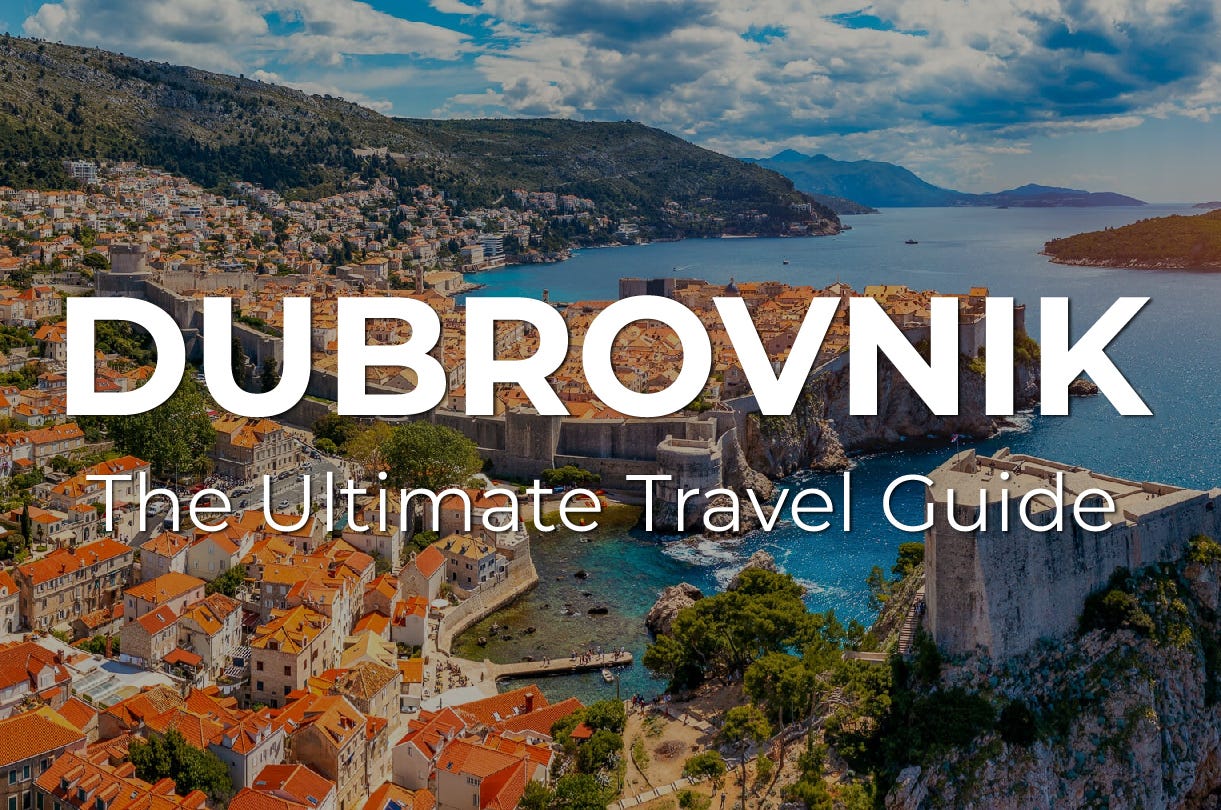
Dubrovnik is, by any objective measure, one of the most beautiful cities in the world. The Old Town, encircled by 13th-century stone walls and looking out over the Adriatic, is among the most intact medieval urban environments in Europe.
The clarity of the sea, the color of the limestone, and the quality of the light conspire to produce an atmosphere that is specific to the Dalmatian coast and nowhere else. It is also overcrowded in summer, overpriced relative to the rest of Croatia, and more managed for tourism than any other city in this guide.
The trick is to know when to go, how to time your days, and how to find the city that exists outside the peak hours. This guide covers all of it.
Table of Content
🎙️BEYOND THE HORIZON: TRAVEL AND CRUISE PODCAST

Why Dubrovnik is worth visiting
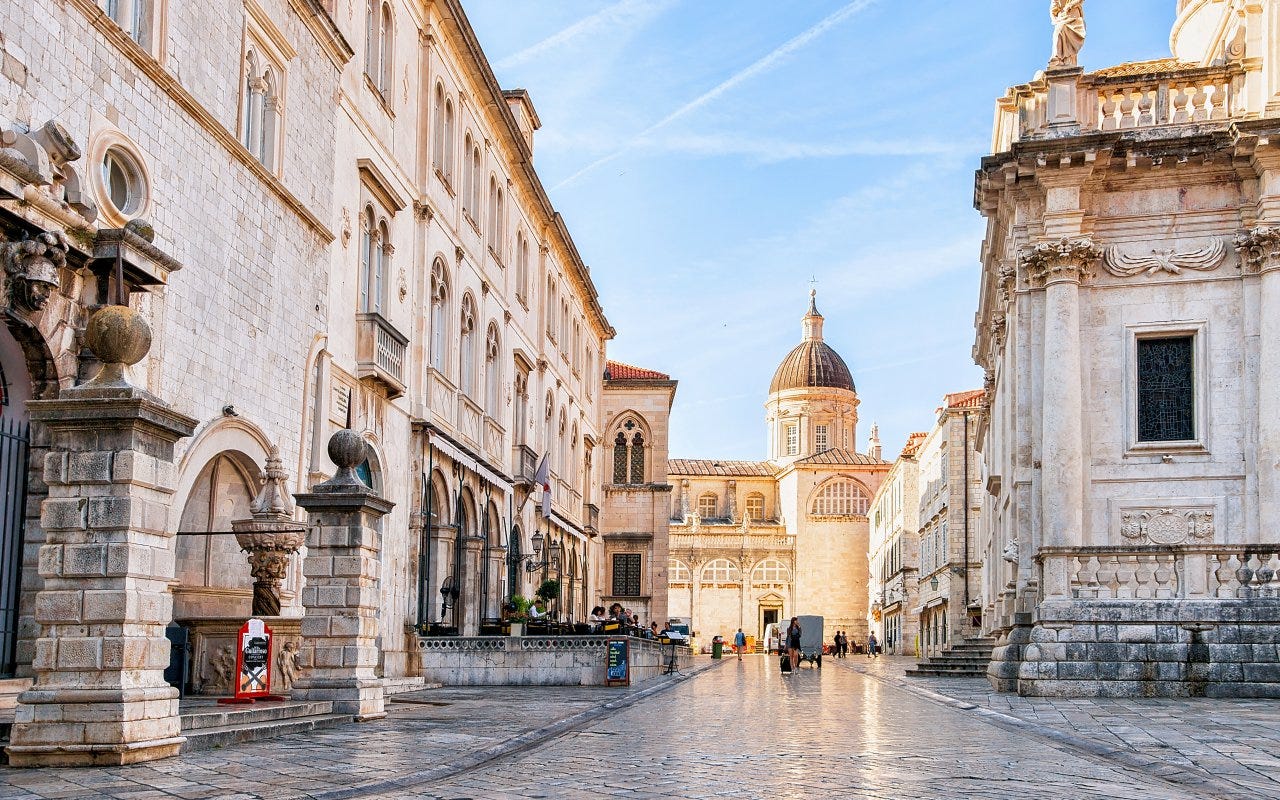
The Republic of Ragusa, as Dubrovnik was known for five centuries until Napoleon abolished it in 1808, was one of the most sophisticated city-states in European history. At its peak it was the wealthiest trading city on the Adriatic, with a merchant fleet that rivaled Venice’s, an early system of abolishing slavery, and a public health infrastructure that responded to plague outbreaks with quarantine protocols that were among the first in the world. All of this history is legible in the Old Town today: the palaces, the churches, the Rector’s Palace, the pharmacy (the third oldest in the world, still operating), and the city walls that protected it all.
Game of Thrones introduced a generation of new visitors by filming its King’s Landing sequences in Dubrovnik’s streets, and the city has absorbed that attention with mixed results. But the history and the architecture precede the television series by several centuries, and they are what will still matter when the last episode is forgotten. The city walls at dawn, the Stradun without crowds, and the view from Mount Srđ above the terracotta rooftops are experiences that stand entirely on their own.
Dubrovnik also serves as the gateway to one of the most beautiful coastal regions in Europe: the Dalmatian islands, the Bay of Kotor in Montenegro, the medieval towns of Bosnia-Herzegovina, and the wine country of the Peljesac Peninsula are all within reach.
The areas you should know
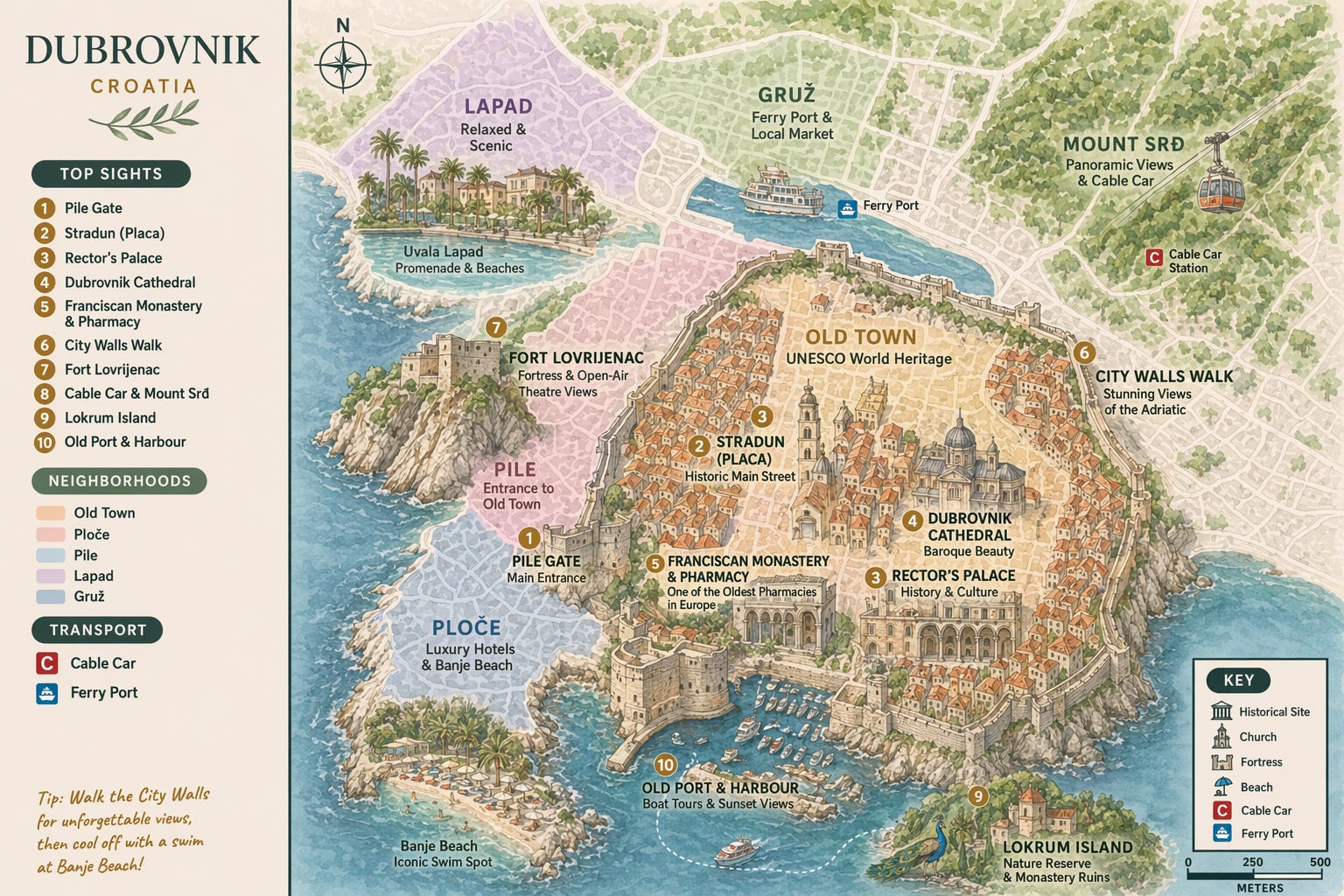
Dubrovnik is small. The historic center, one of the most compact UNESCO World Heritage Sites in the world, can be crossed on foot in fifteen minutes. Understanding its structure makes navigating it much easier.
The Old Town (Stari Grad)
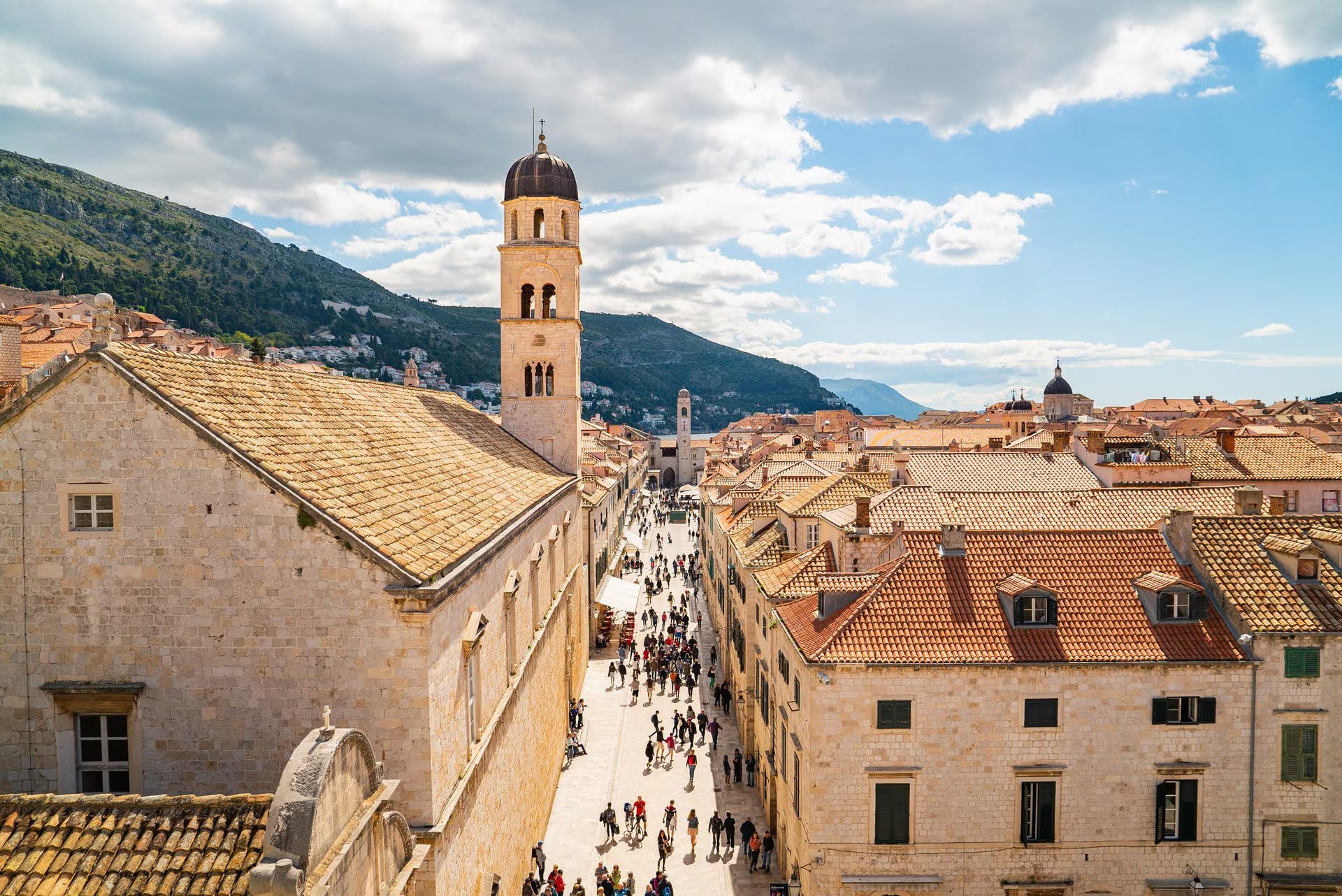
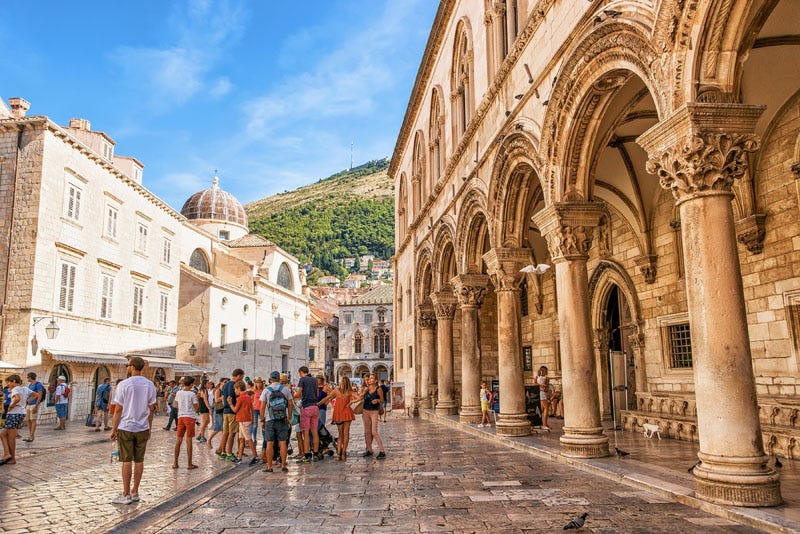
The limestone-paved historic center enclosed by the medieval walls. The Stradun (or Placa) is the main street, running east to west through the center and connecting the Pile Gate to the Clock Tower. Everything in the Old Town is within a few minutes’ walk of the Stradun: the Rector’s Palace, the Dominican and Franciscan monasteries, the Church of St. Blaise, the Cathedral, the Sponza Palace, and the warren of narrow lanes climbing the hillside on either side. The Old Town is pedestrianized and entirely on foot.
Pile and the Western Approach
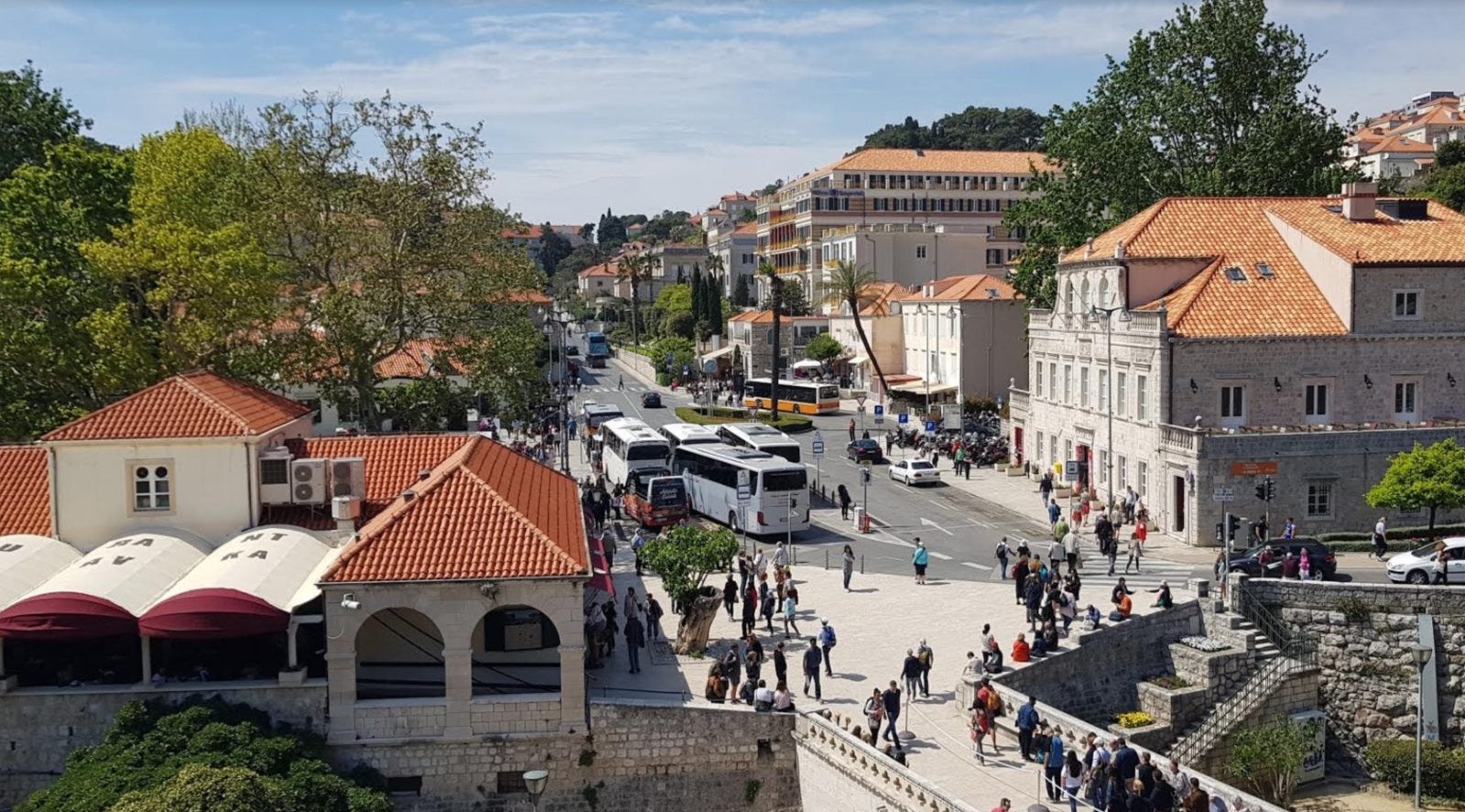
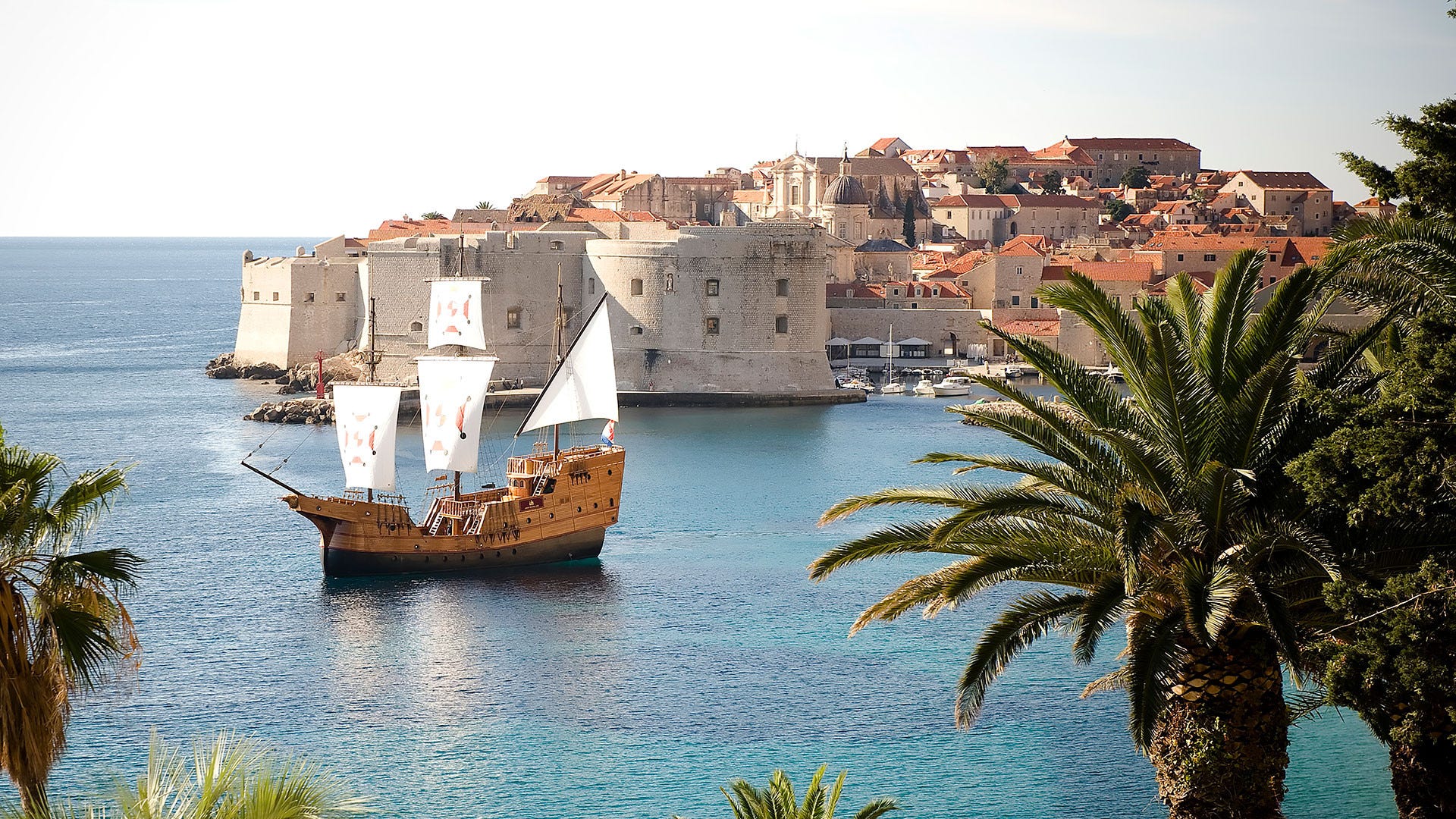
The area immediately outside the Pile Gate, the main western entrance to the Old Town, is where buses arrive, tours depart, and most of the tourist infrastructure concentrates. The cable car to Mount Srđ is a short walk uphill from here. Fort Lovrijenac, the Red Keep of Game of Thrones fame, rises on a rock outcrop above the western harbour. Pile is where most visitors begin and end their days.
Ploce and the Eastern Side
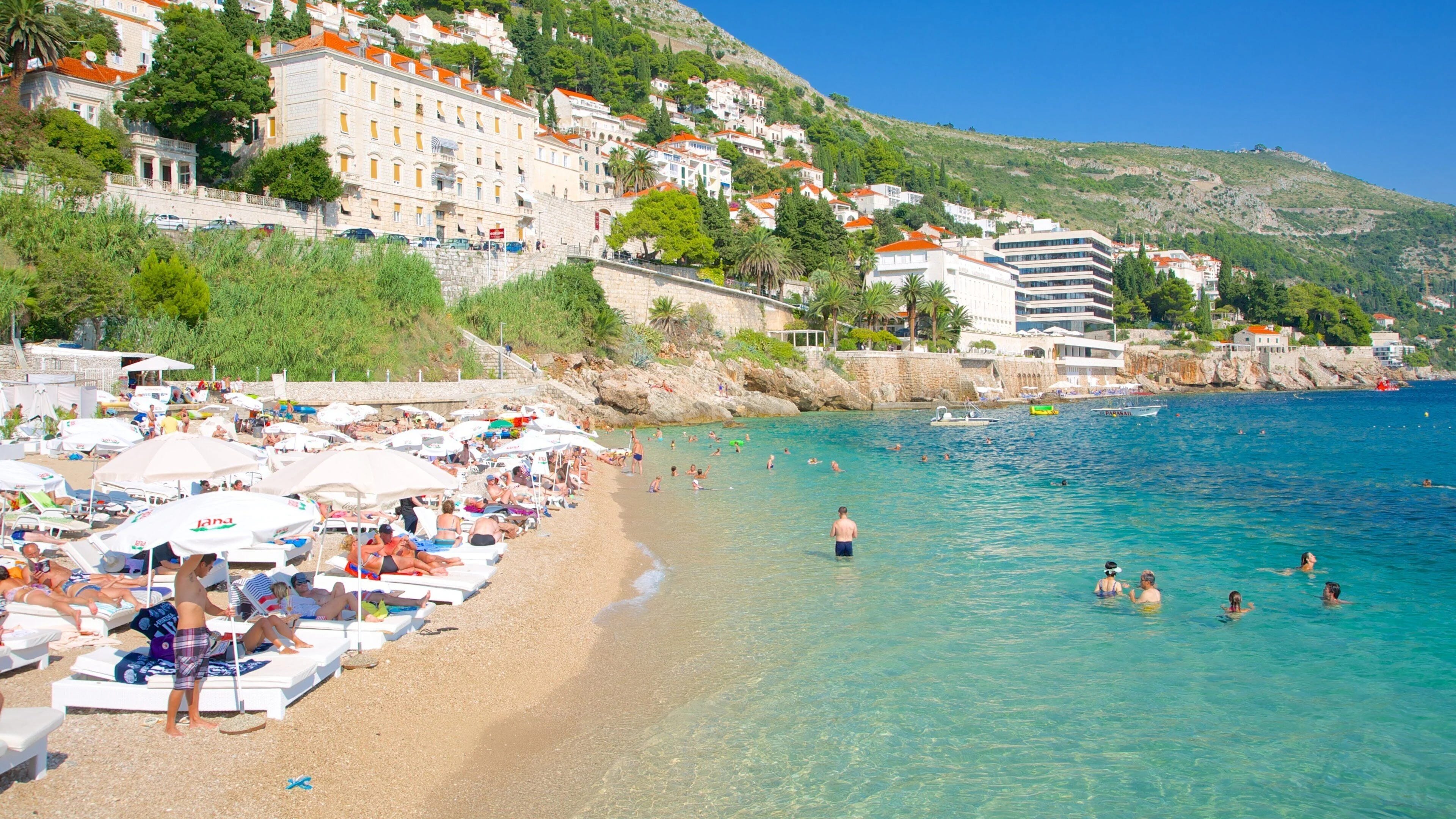
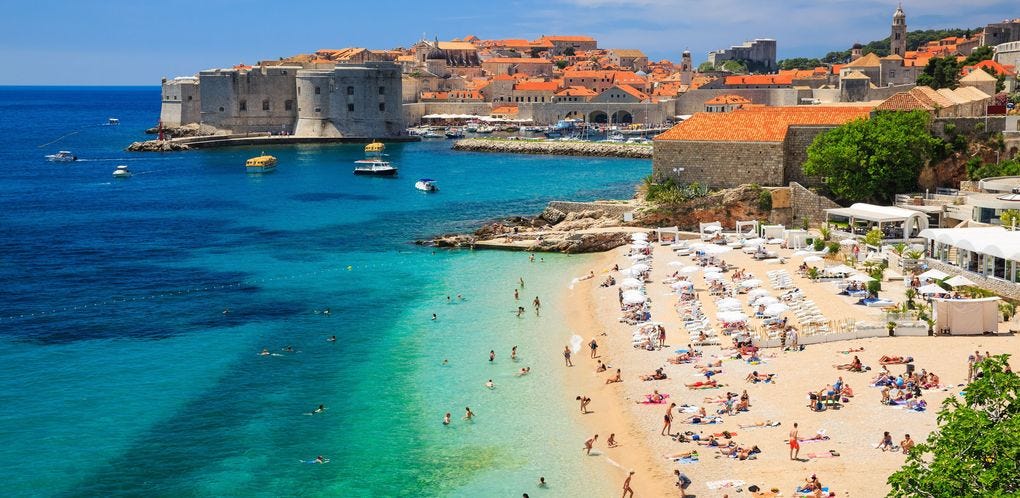
The eastern entrance to the Old Town through the Ploce Gate, with the Banje Beach immediately outside and the cable car upper station visible on the hill above. Ploce is quieter than Pile and offers a less-crowded access point to the walls. The Lazarettos, the historic quarantine facilities built in the 17th century to prevent plague entering the city, are still standing just outside the gate.
Lapad and Babin Kuk
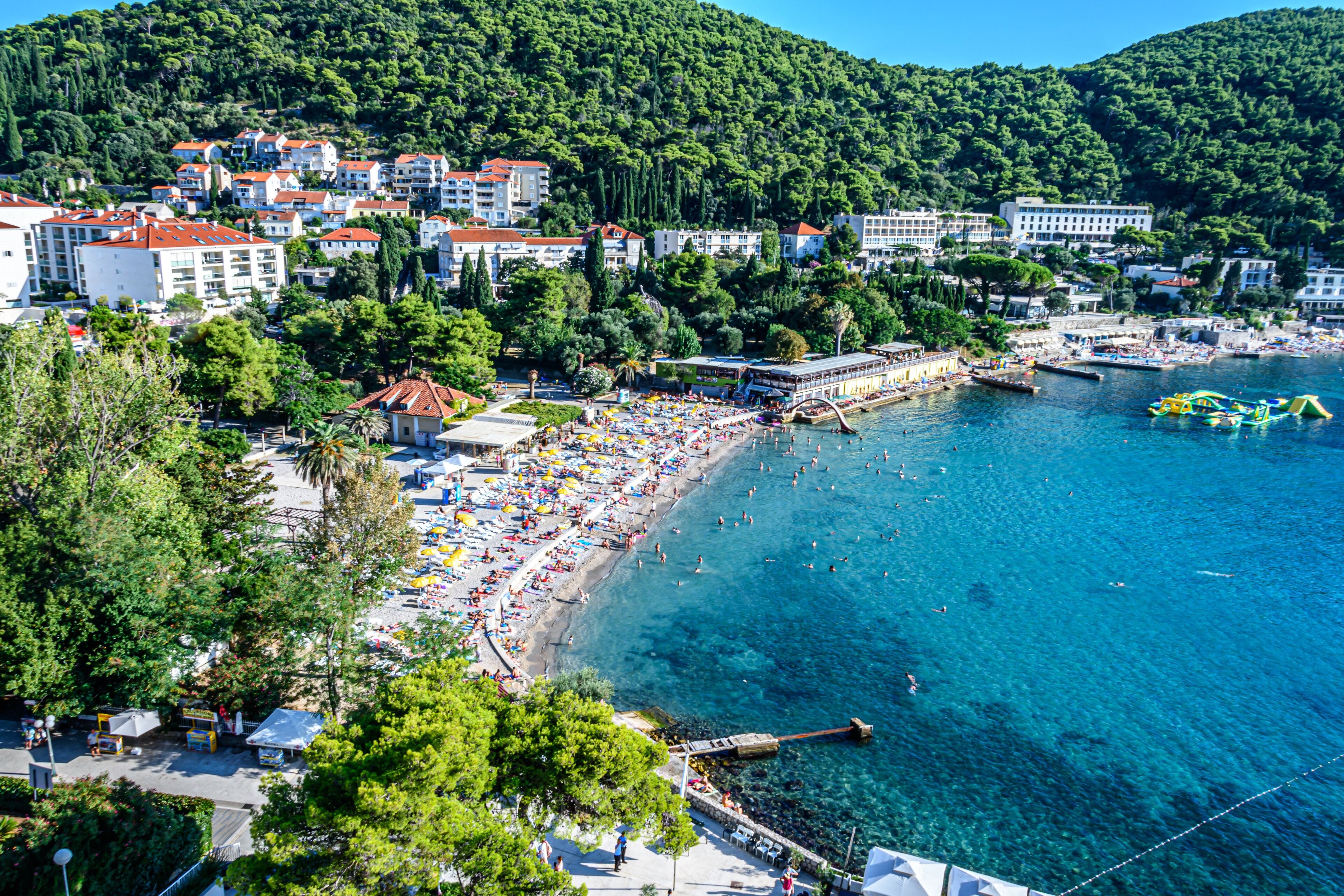
The residential and hotel peninsula west of the Old Town, connected by bus and taxi. Lapad has the largest concentration of hotels in Dubrovnik, a pleasant bay beach at Lapad Cove, and a more ordinary Croatian city feel that provides useful contrast to the tourist intensity of the Old Town. Most cruise passengers and package tourists stay here; travelers who want to be close to the Old Town should look for accommodation in Pile or in the Old Town itself.
Gruž Harbour
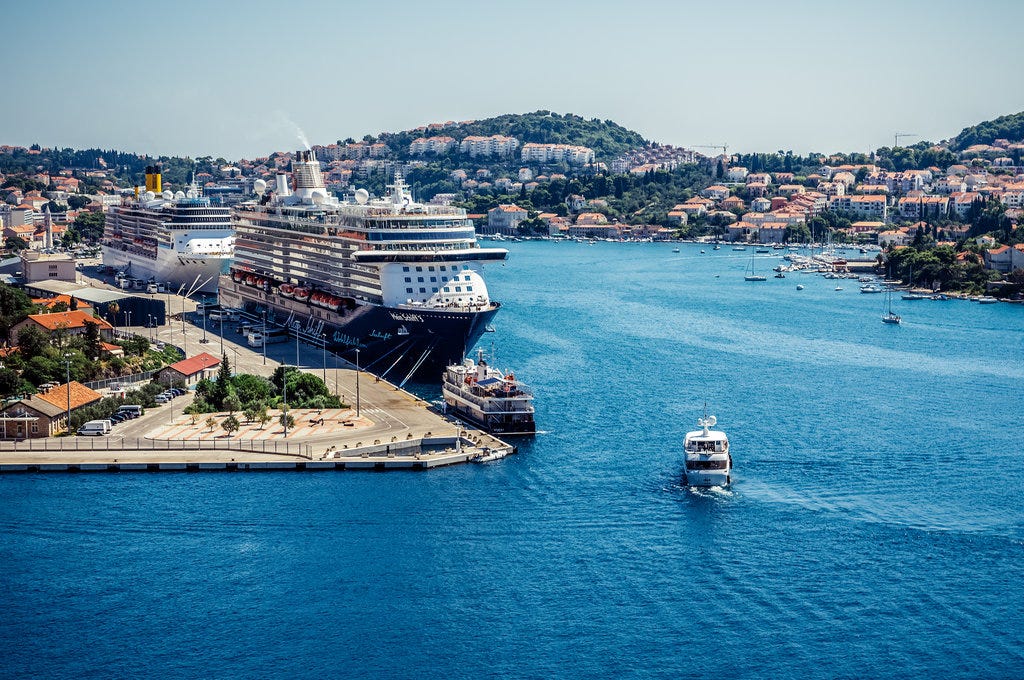
The working port of Dubrovnik, where the large cruise ships dock and the ferries to the islands and Split depart. Gruž has a daily market, a good fish restaurant or two, and the particular atmosphere of a port neighborhood that functions independently of tourism. Worth a brief visit for the contrast it provides with the Old Town.
Activities not to miss
Dubrovnik rewards visitors who pace themselves and who plan around the cruise ship arrival and departure times. The city’s best experiences are almost all better before 9am or after 5pm.
Walk the City Walls
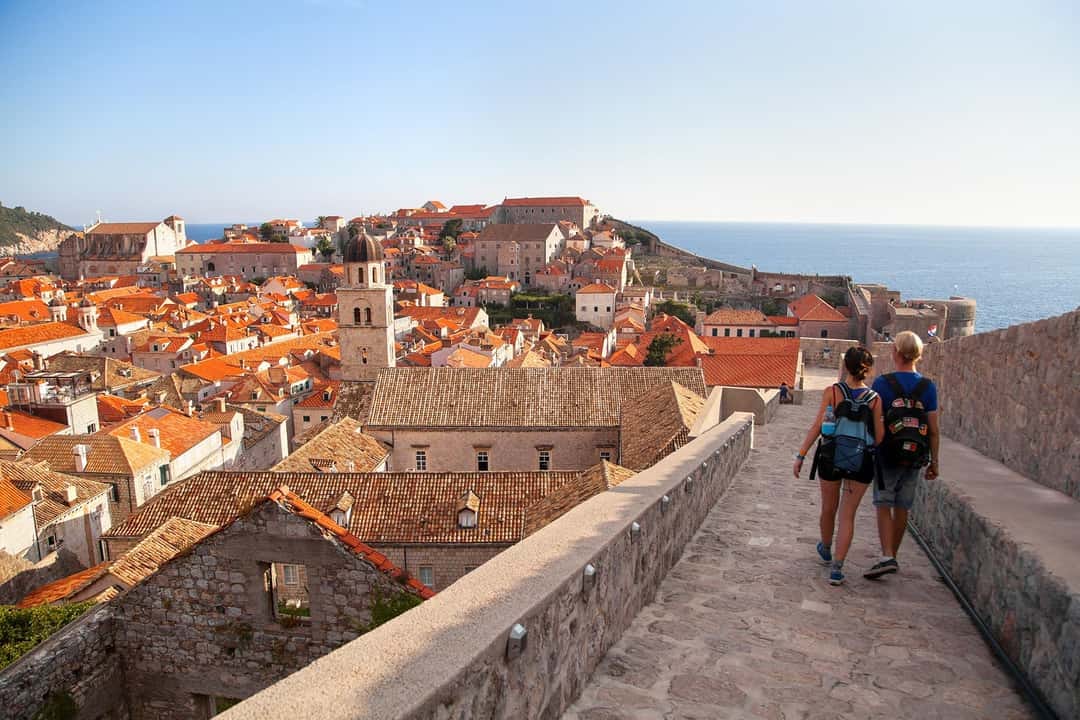
The 1,940-meter circuit of medieval walls surrounding the Old Town is the signature experience of Dubrovnik and one of the finest city walks in Europe. At their highest, the walls rise 25 meters above the sea on the southern side; on the northern side, they run along the base of the limestone karst hill. The walk takes between ninety minutes and three hours depending on pace, with several towers and bastions to explore along the way. Go at opening time or in the last two hours before closing: the walls are genuinely unpleasant in the midday summer heat, and the views are at their most extraordinary in the early morning light. Tickets are expensive (40 euros in high season) and the price includes Fort Lovrijenac.
Mount Srđ and the Cable Car
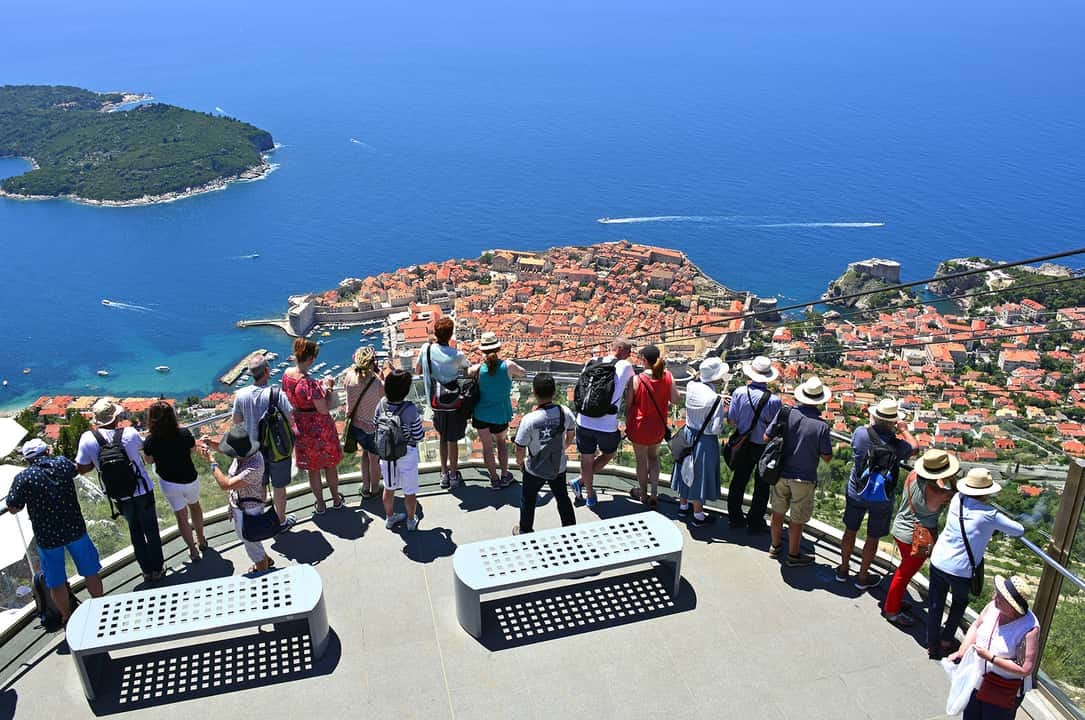
The cable car climbs 405 meters to the summit of Mount Srđ in under four minutes, delivering the finest panoramic view of Dubrovnik: the Old Town layout, the city walls, Lokrum Island, the Elaphiti Islands on the horizon, and on a clear day the Italian coast. The upper station has a restaurant, a museum dedicated to the 1991-92 siege of Dubrovnik, and three viewing terraces. Go at sunset, or go early in the morning before the crowds. The view from the top makes the geometry of the Old Town comprehensible in a way that ground-level walking does not.
Game of Thrones Walking Tour with Lokrum Island Visit
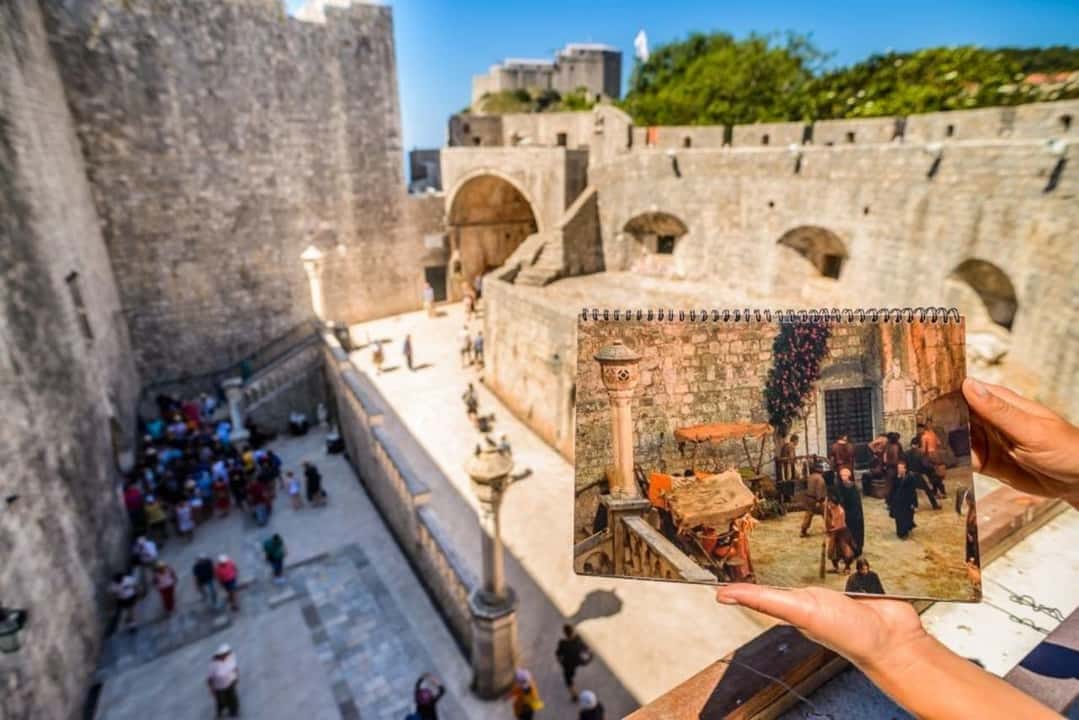
Dubrovnik served as King’s Landing from Season 2 of Game of Thrones through to the final series, and the filming locations are woven through the Old Town and its surroundings. A guided tour covers Fort Lovrijenac (the Red Keep), Pile Gate and harbour (Blackwater Bay), the Jesuit Steps (Cersei’s Walk of Shame), the Minčeta Tower, and several other locations with behind-the-scenes context from guides who in some cases worked on the productions. Even visitors with limited interest in the series often find the tour an engaging introduction to the city’s history and architecture.
Sea Kayaking around the Walls
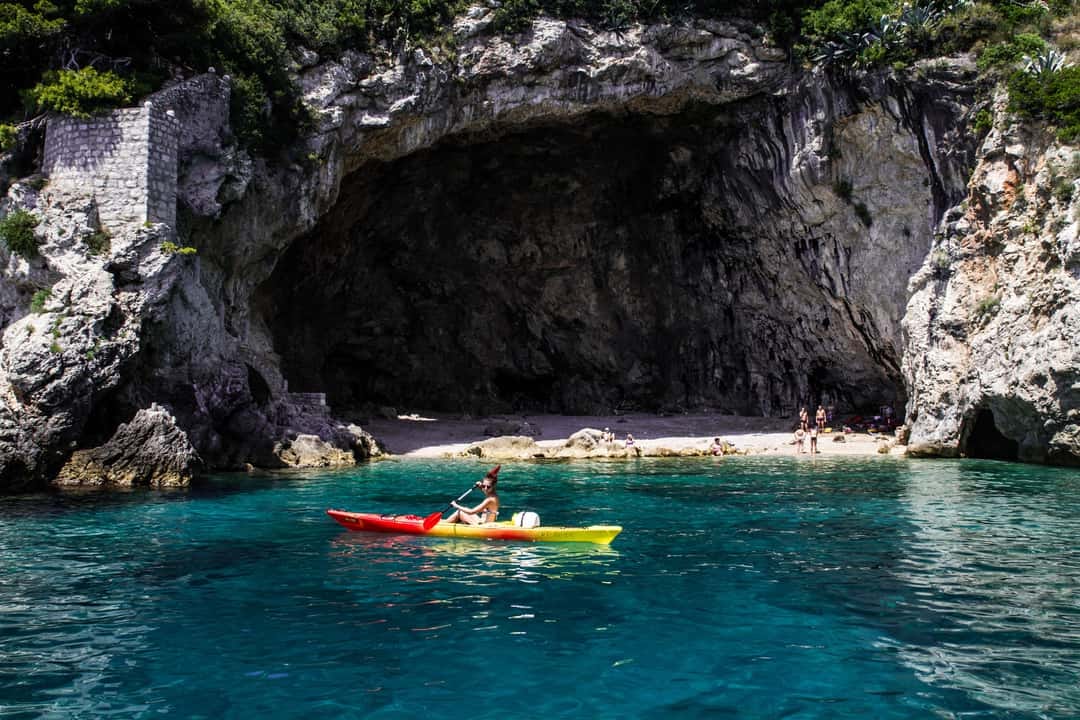
Seeing the city walls from sea level, paddling through the clear Adriatic with the limestone fortifications rising above you and Lokrum Island across the water, is one of the most memorable experiences available in Dubrovnik and provides a perspective that no land-based tour can replicate. Sunset kayak tours, which end with wine and snacks at the Pile harbour, are the most atmospheric. The water around Dubrovnik is exceptionally clear and the cave swimming stops make the tours genuinely enjoyable beyond the photography.
Old Town walking tour and history
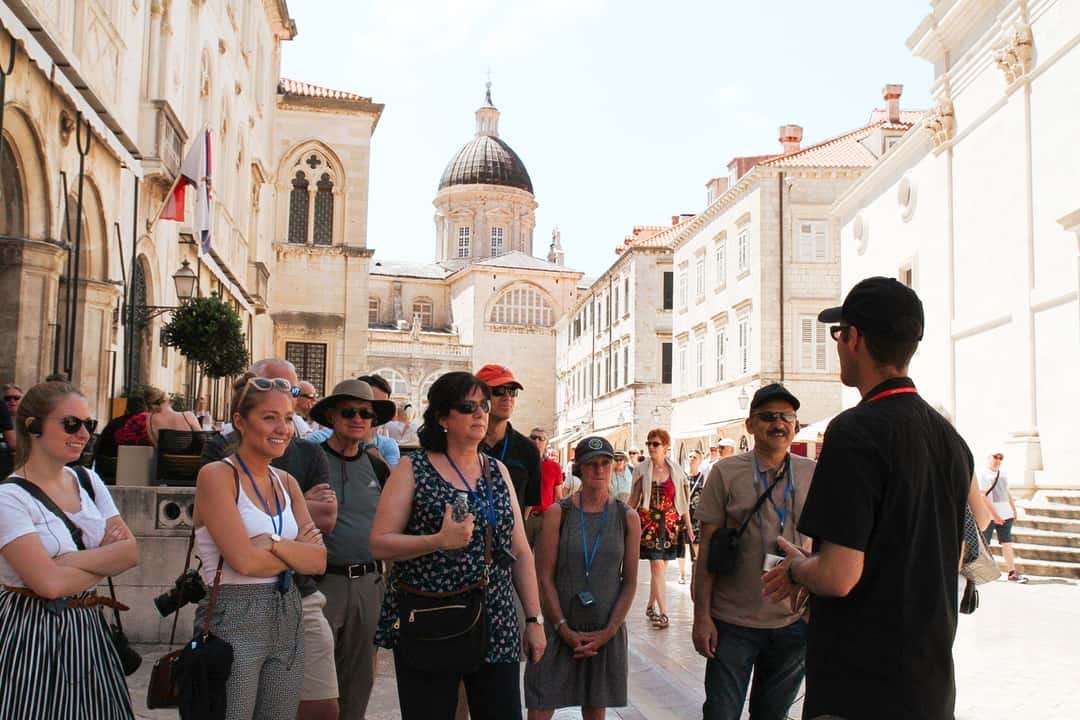
The history of the Republic of Ragusa, the independent city-state that governed Dubrovnik for five centuries, is as dramatic and surprising as anything in the Game of Thrones series. A guided walking tour through the Old Town, covering the Rector’s Palace, the Franciscan Monastery and its 14th-century pharmacy, the Sponza Palace, and the stories of Ragusan diplomacy, trade, and survival against much larger powers, provides the historical context that makes the city genuinely meaningful rather than simply beautiful.
Day trips from Dubrovnik
Dubrovnik’s position at the southern tip of Croatia makes it an excellent base for some of the most varied day trips in the Adriatic region: islands, medieval cities in two countries, and landscape that shifts from coast to mountain within an hour.
Elaphiti Islands boat tour
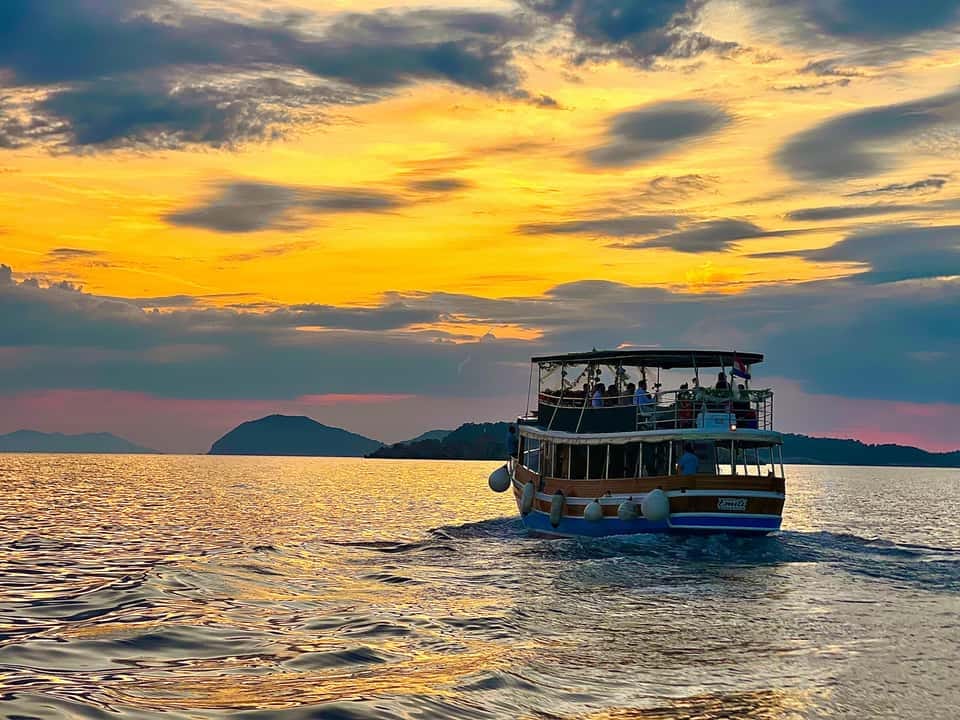
The three inhabited islands of the Elaphiti archipelago, Kolocep, Lopud, and Sipan, are accessible by public ferry from Gruž harbour or by organized boat tour. Each island has a distinct character: Kolocep is the smallest and most forested, with cave swimming; Lopud has the finest sandy beach in the Dubrovnik area at Sunj Bay; Sipan is the largest and least visited, with olive groves and a village that feels genuinely off the tourist circuit. A full-day island cruise, with lunch on board and swimming stops, is one of the best days available from Dubrovnik.
Kotor, Montenegro
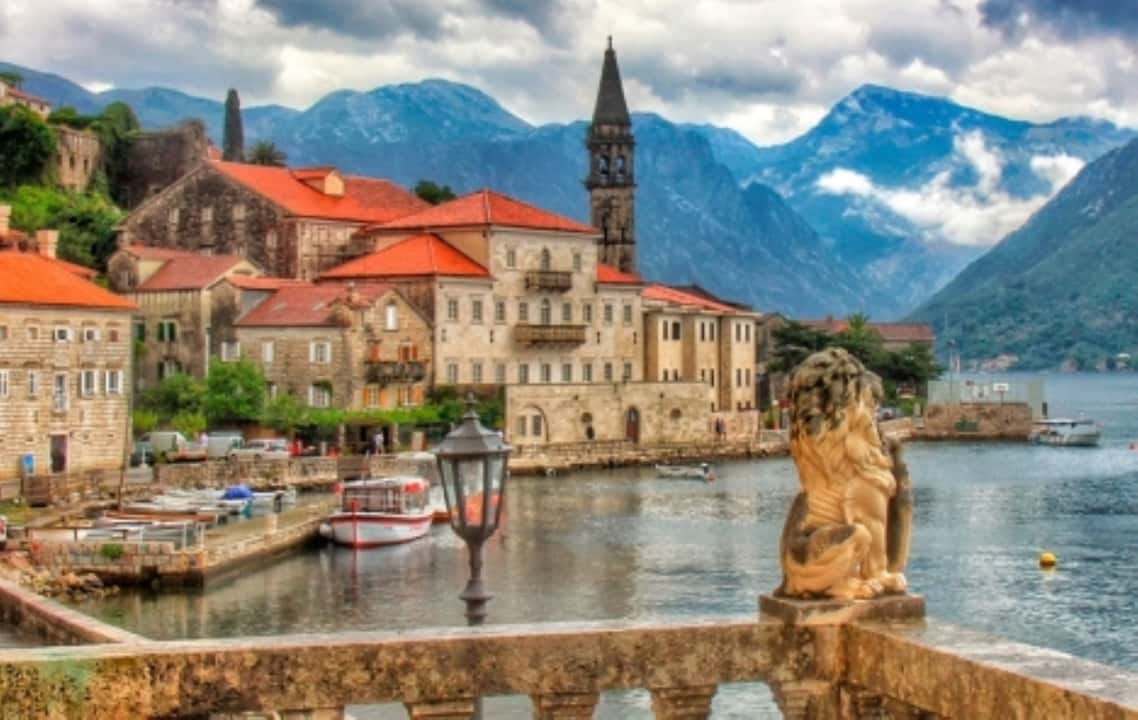
About two hours south of Dubrovnik by road, Kotor is a UNESCO World Heritage medieval walled city set inside one of the deepest fjords in the Mediterranean. The bay is extraordinarily beautiful: mountains rising directly from the water, stone villages on every promontory, and the walled city of Kotor at the far end with its Venetian palaces and the fortress walls climbing the cliff behind. Crossing into Montenegro adds a second country to the itinerary and provides a dimension of the Adriatic that Dubrovnik alone cannot offer.
Mostar and Bosnia-Herzegovina
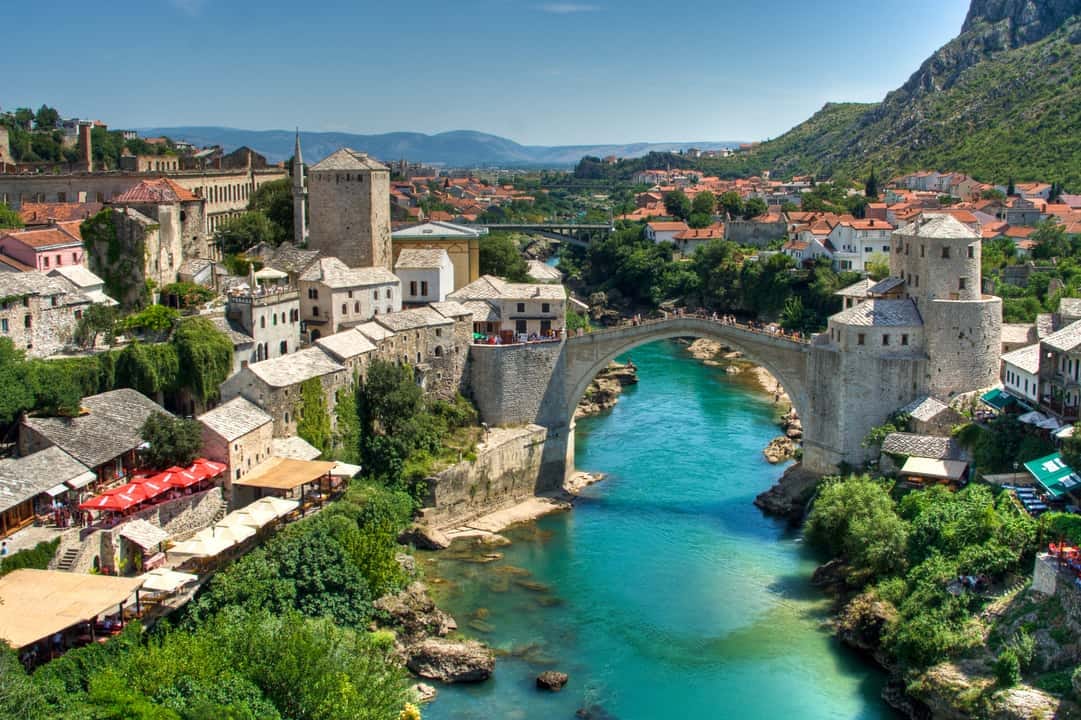
About two and a half hours north of Dubrovnik by road, Mostar is one of the most compelling cities in the Western Balkans. The Stari Most, the Ottoman bridge rebuilt after its destruction in the 1993-94 war, spans the Neretva River in an arc of perfect stone. The old bazaar, the Ottoman architecture, and the complex and recent history of the city make Mostar genuinely important in ways that go beyond its photogenic appeal. Often combined with the Kravica Waterfalls for a full-day Bosnia excursion.
Mljet National Park
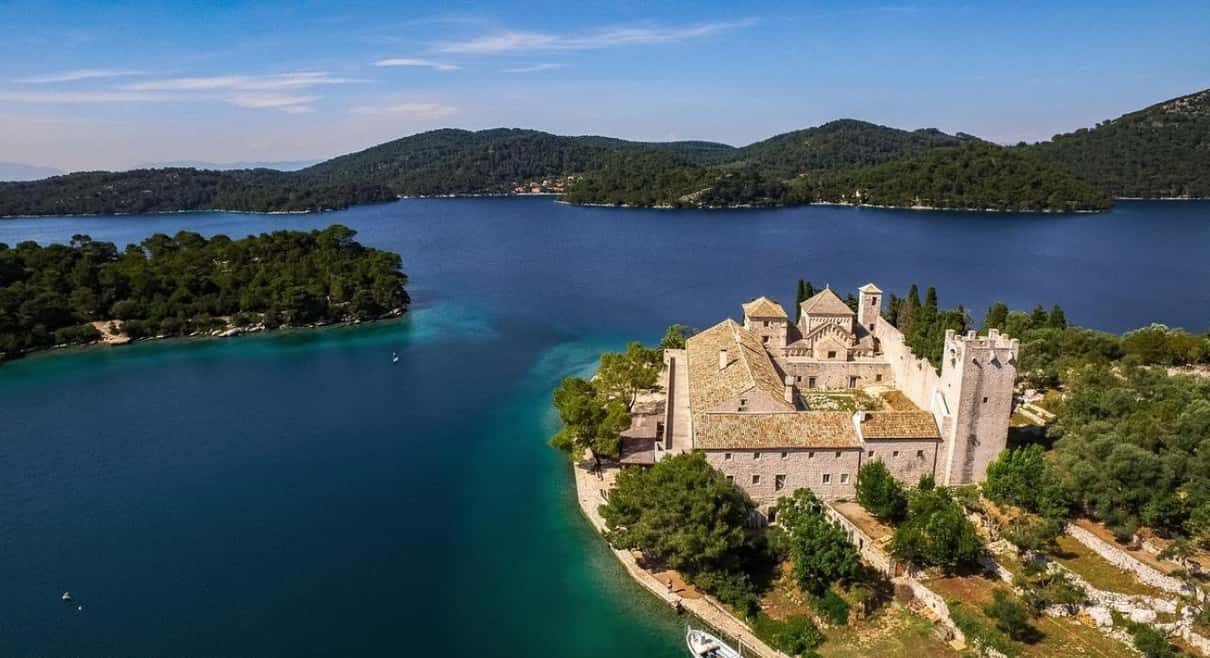
The island of Mljet, about two hours from Dubrovnik by ferry, has a national park on its western end with two saltwater lakes, a Benedictine monastery on an island within one of the lakes, and a landscape of Mediterranean forest and clear water that is among the most beautiful in the Adriatic. Mljet is genuinely uncrowded compared to the islands closer to Split and makes an outstanding full day for visitors who want nature rather than another town.
When to visit Dubrovnik
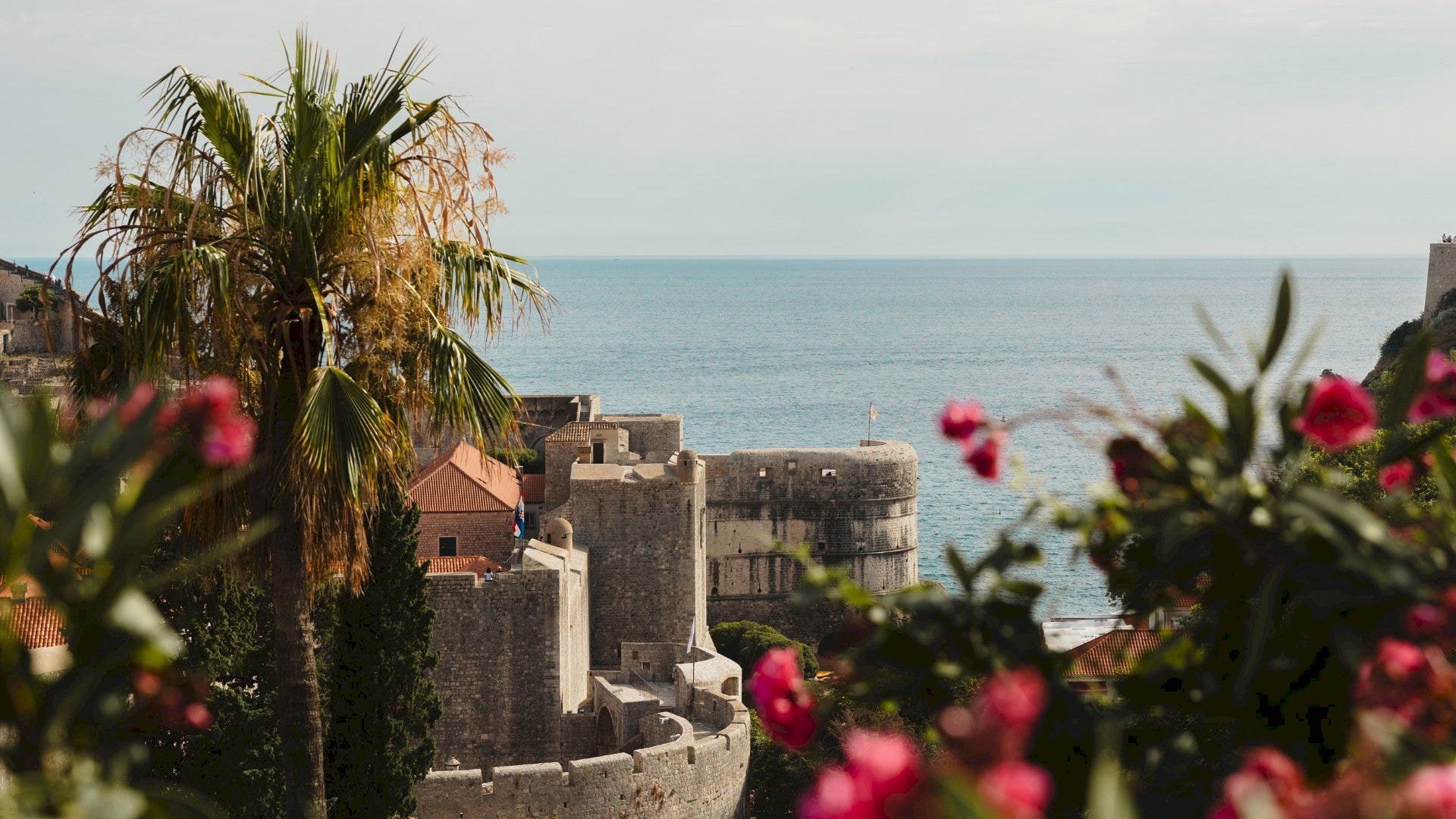
Dubrovnik is one of the most overcrowded tourist destinations in Europe in July and August, when cruise ships bring 8,000 to 10,000 day visitors into the Old Town simultaneously. The timing of your visit is the single most important decision you will make.
🌸 Spring
April to June. The finest season. The sea begins to warm by late May, the crowds are manageable, and the light on the limestone is extraordinary. The Dubrovnik Summer Festival begins in July; April and May have the best combination of weather and space. One of the two best times to visit.
☀️ Summer
July to August. Peak season, extreme crowds, and extreme heat. Cruise ship arrivals push 8,000-10,000 day visitors through the Old Town daily. The walls are suffocatingly hot by midday. If you must visit in summer: do the walls at opening, retreat indoors from 10am to 5pm, and reclaim the city after 6pm when most day-trippers have left.
🍂 Autumn
September to October. Excellent, and the best-kept secret in Dubrovnik travel. The sea is still warm enough for swimming through September. Crowds drop significantly after mid-September. October offers extraordinary light, fewer boats, and a version of the city that feels genuinely inhabited rather than performed.
❄️ Winter
November to March. Quiet, occasionally rainy, and an entirely different experience. The Old Town in winter has a melancholy beauty that summer crowds make impossible to find. Prices drop significantly. The Summer Festival gives way to a more intimate version of local life. Best for travelers who prefer atmosphere to sunshine.
How many days to spend in Dubrovnik
Three days is the right amount: one day for the Old Town and the walls, one day for Mount Srđ and a boat or kayak activity on the water, and one day for a day trip to Montenegro or the Elaphiti Islands. Four days allows for Mostar, Mljet, or a more relaxed pace. Fewer than two full days means either rushing or missing the sea entirely.
Dubrovnik rewards visitors who treat it as a base for the region rather than a single monument to photograph. The city itself is small; the surrounding coast, islands, and countries are what give a visit its depth.
Suggested 3-day itinerary
Day 1
City Walls at opening (arrive before 8am). Full circuit before crowds arrive. Fort Lovrijenac.
Old Town walking tour: Rector’s Palace, Franciscan Monastery pharmacy, Sponza Palace, Cathedral.
Stradun at dusk when the limestone glows. Dinner in a konoba (tavern) in the Old Town lanes.
Day 2
Cable car to Mount Srđ for panoramic views and the siege museum.
Game of Thrones walking tour in the afternoon when guides are most available. Lokrum Island ferry for a swim.
Sunset kayak tour from Pile harbour. Wine and snacks at the water’s edge after dark.
Day 3
Elaphiti Islands full-day boat cruise: Kolocep, Lopud (Sunj Beach), Sipan. Depart from Gruž.
Swim, lunch on board, island walking.
Return to Dubrovnik for late dinner. Banje Beach sunset if time allows.
Where to eat
Croatian coastal cuisine is among the finest in the Mediterranean: fresh Adriatic seafood, wood-grilled meats, black risotto with cuttlefish, the extraordinary oysters of the nearby Peljesac channel, and the indigenous wines of Dalmatia. These recommendations avoid the tourist traps of the Stradun and favor places that locals actually use.
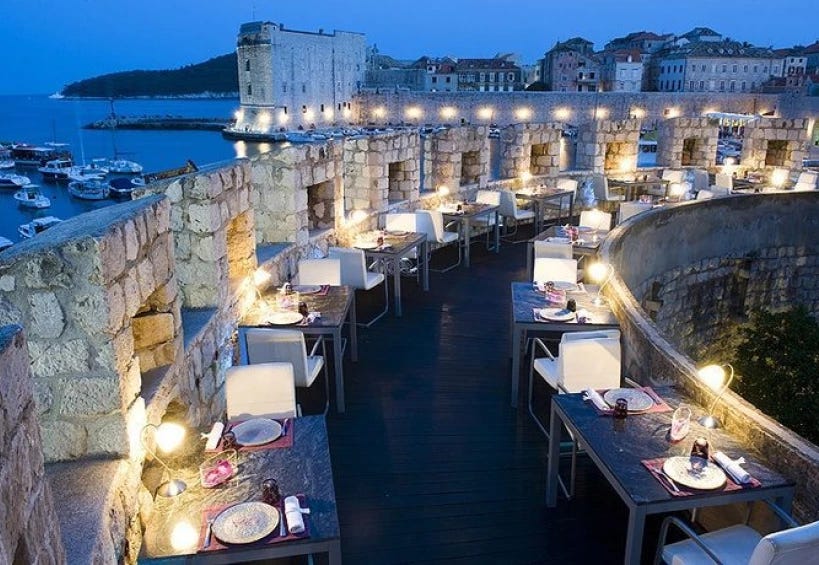
Restaurant 360
Fine dining
Dubrovnik’s most acclaimed restaurant, built into a section of the city walls with views over the harbour. Croatian cuisine taken to a serious level. Book weeks in advance.
Konoba Dalmatino
Traditional Croatian
A reliable konoba inside the Old Town walls, away from the Stradun, with honest Dalmatian cooking: black risotto, grilled fish, lamb under the peka. Better value than its location suggests.
Nautika
Seafood
Terrace dining on the rocks below Fort Lovrijenac, with the city walls above and the sea below. The setting is extraordinary at sunset. The seafood matches it.
Bota Sare Oyster and Sushi Bar
Oysters / Seafood
The Mali Ston oysters, harvested from the clean waters of the Peljesac channel, are among the finest in Europe. This is the place to eat them. Simple, direct, excellent.
D’vino Wine Bar
Wine bar
A small wine bar inside the Old Town focused on Dalmatian varieties: Plavac Mali, Posip, Grk. The best introduction to Croatian wine available in the city.
Taj Mahal
Bosnian
A Bosnian restaurant near the Pile Gate serving cevapi, burek, and dolma alongside the standard Croatian menu. Useful context for the Mostar day trip, and genuinely good food.
Proto
Seafood institution
One of the oldest restaurants in Dubrovnik, near the Stradun, with a reliable classic seafood menu that justifies its longevity. Good for a proper fish dinner without hunting for the backstreet alternatives.
Where to stay
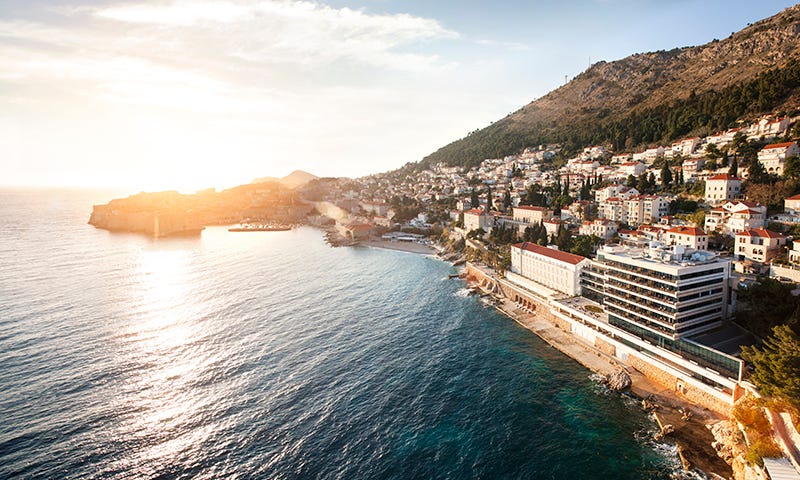
Staying inside or immediately outside the Old Town walls is the most atmospheric option but the most expensive and noisiest in high summer. Pile, just outside the western gate, offers the best compromise. Lapad is cheaper but requires a bus into the Old Town. Here are reliable options across different budgets.
Excelsior Hotel and Spa
Luxury
A clifftop hotel just outside the eastern walls with views across the Old Town and direct sea access. One of the finest positions in Dubrovnik.
Hotel Stari Grad
Boutique / Mid-range
Eight rooms inside the Old Town walls, with rooftop terrace views and the most atmospheric location in the city. Book many months in advance.
Hotel Lero
Mid-range
A reliable mid-range option in Pile, five minutes from the Old Town walls, with clean rooms, a pool, and competitive rates for the location.
Fresh Sheets Hostel
Budget
A well-run hostel inside the Old Town walls, consistently rated among the best in Croatia. The rooftop terrace has city wall views.
Villa Orsula
Luxury
A clifftop villa hotel in the Ploce area east of the Old Town, with the finest views of the city from the sea-facing rooms and a private beach platform.
Apartments Amoret
Budget / Self-catering
A collection of apartments scattered through the Old Town, well-managed and providing the most genuinely local residential experience available in the city.
Practical information
• Currency: Croatian kuna was replaced by the Euro in January 2023. Croatia is now a full Eurozone member. Cards are widely accepted throughout Dubrovnik.
• Language: Croatian. English is spoken virtually universally in tourist areas, hotels, and restaurants. This is among the most English-fluent tourist destinations in Eastern Europe.
• Getting around: The Old Town is pedestrianized and entirely on foot. Public buses connect the Old Town (Pile Gate) with Lapad, Babin Kuk, and Gruž harbour. Taxis and Uber are available but expensive within the city. There is no practical reason to rent a car unless you are planning independent exploration of the region.
• Cruise ship crowds: In summer, cruise ships dock at Gruž harbour and their passengers arrive in the Old Town between approximately 9am and 5pm. The Old Town during these hours in July and August is genuinely unpleasant. Plan accordingly: do the walls at opening (7am or 8am depending on season), and return to the Old Town after 6pm when day visitors have left.
• The walls ticket: The City Walls ticket (40 euros in high season, 20 euros in low season) is the most expensive attraction in Dubrovnik and also the most worth paying for. It includes Fort Lovrijenac. The Dubrovnik Pass (available for 1, 3, or 7 days) covers the walls, the cable car, and several museums, and offers good value if you plan to use multiple attractions.
• Heat: July and August temperatures regularly exceed 35C with no shade on the walls or in many parts of the Old Town. Carry water, wear a hat, and start all outdoor activities before 9am.
• Internet: A Croatian eSIM or European roaming plan works throughout the city. Wi-Fi is available in most cafes and hotels.
• Safety: Dubrovnik is among the safest tourist destinations in the Mediterranean. Standard precautions apply. The main concern is the heat and the uneven stone surfaces, particularly on the walls.
How Dubrovnik fits into a broader Adriatic trip
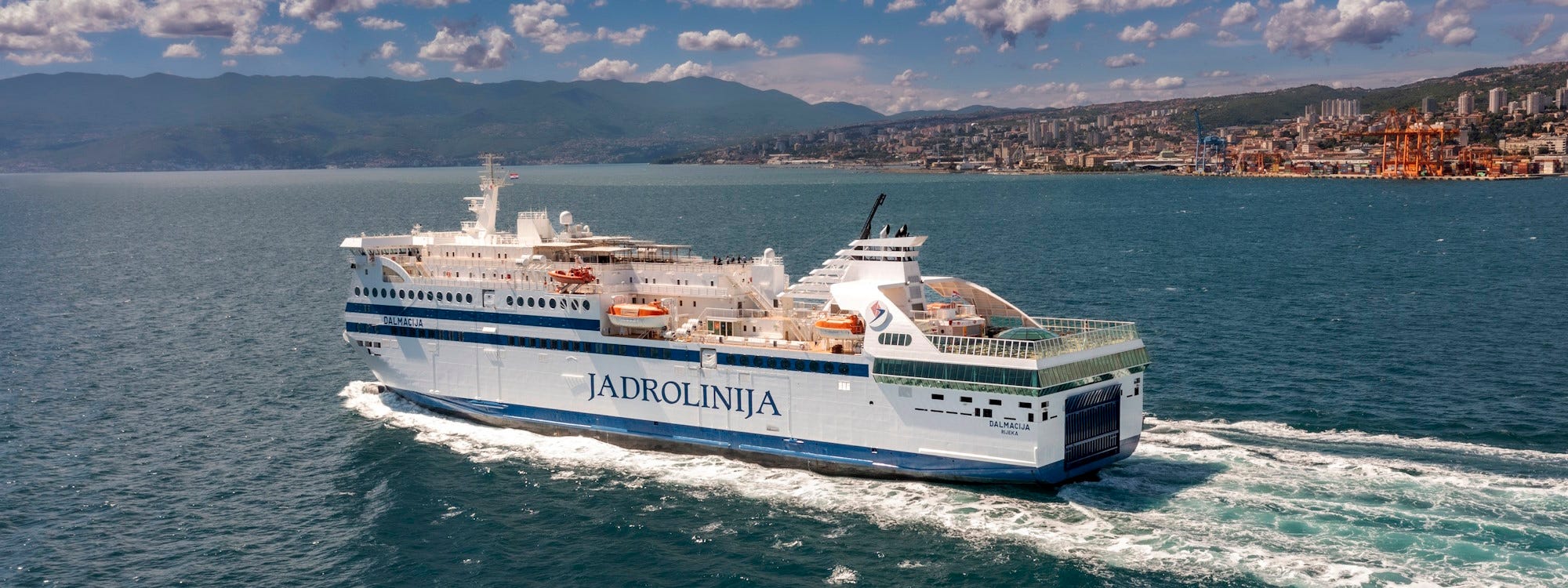
Dubrovnik is most naturally combined with the Croatian islands to the north, accessed by ferry or by the coastal road. Split, about four hours by ferry or three hours by road, offers Diocletian’s Palace and connections to the islands of Hvar, Brac, and Vis. The overnight ferry from Dubrovnik to Ancona in Italy provides a connection to the Italian Adriatic coast. For travelers interested in the Western Balkans, Dubrovnik is the natural starting point for a road trip that covers Montenegro, Bosnia-Herzegovina, and eventually North Macedonia or Serbia.
For cruise passengers, Dubrovnik is one of the main port calls on Eastern Mediterranean and Adriatic itineraries, usually combined with Kotor in Montenegro and one or two Croatian islands. A dedicated stay of two to three nights before or after a cruise gives a completely different and more complete experience of the city than a half-day port visit allows.
Frequently asked questions
Is Dubrovnik worth visiting despite the crowds?
Yes, strongly, but only if you visit in the right season and time your days well. April, May, September, and October offer the experience the city deserves. July and August offer a version of the city that tests the patience of even committed travelers. The beauty of the place is entirely real; the crowds are also entirely real.
How many days do you need in Dubrovnik?
Three days is ideal: one for the Old Town and walls, one for the sea (kayaking, swimming, Lokrum), and one for a day trip. Two days is manageable. One day, if you are on a cruise, is enough to understand why you need to come back and stay longer.
What is the best time of year to visit Dubrovnik?
April to June and September to October are the two best windows, with September being arguably the finest month: the sea is warmest, the crowds are manageable, and the city returns to something closer to its actual character. November to March offers extraordinary atmosphere at the cost of some warmth and some closed businesses.
Is Game of Thrones still relevant for visiting Dubrovnik?
Yes. The guided tours remain excellent value even for non-fans because the best guides use the filming context as an entry point into the real history of the Republic of Ragusa, which is equally dramatic. Even viewers who never watched the series often find the tours engaging for the history alone.
Is Dubrovnik safe for tourists?
Extremely safe. Croatia is one of the safest countries in Europe for travelers, and Dubrovnik has no particular security concerns. The main hazards are the heat in summer and the polished limestone surfaces of the Old Town, which can be slippery when wet.
Is the Dubrovnik Pass worth it?
Yes, if you plan to use the cable car, the city walls, and at least two museums. The 3-day pass typically covers its cost with the walls and cable car alone. It also offers discounts on the Lokrum Island ferry and selected restaurants.
How do I avoid the cruise ship crowds?
Check cruise ship arrival schedules for your travel dates (several websites publish Dubrovnik port calendars). On days with multiple large ships, do the walls at 7am or 8am at opening, and plan cultural visits (Rector’s Palace, museums) during peak crowd hours. The evening, after 6pm, is when Dubrovnik belongs to overnight visitors.
Plan your Dubrovnik trip with AERIA Voyages
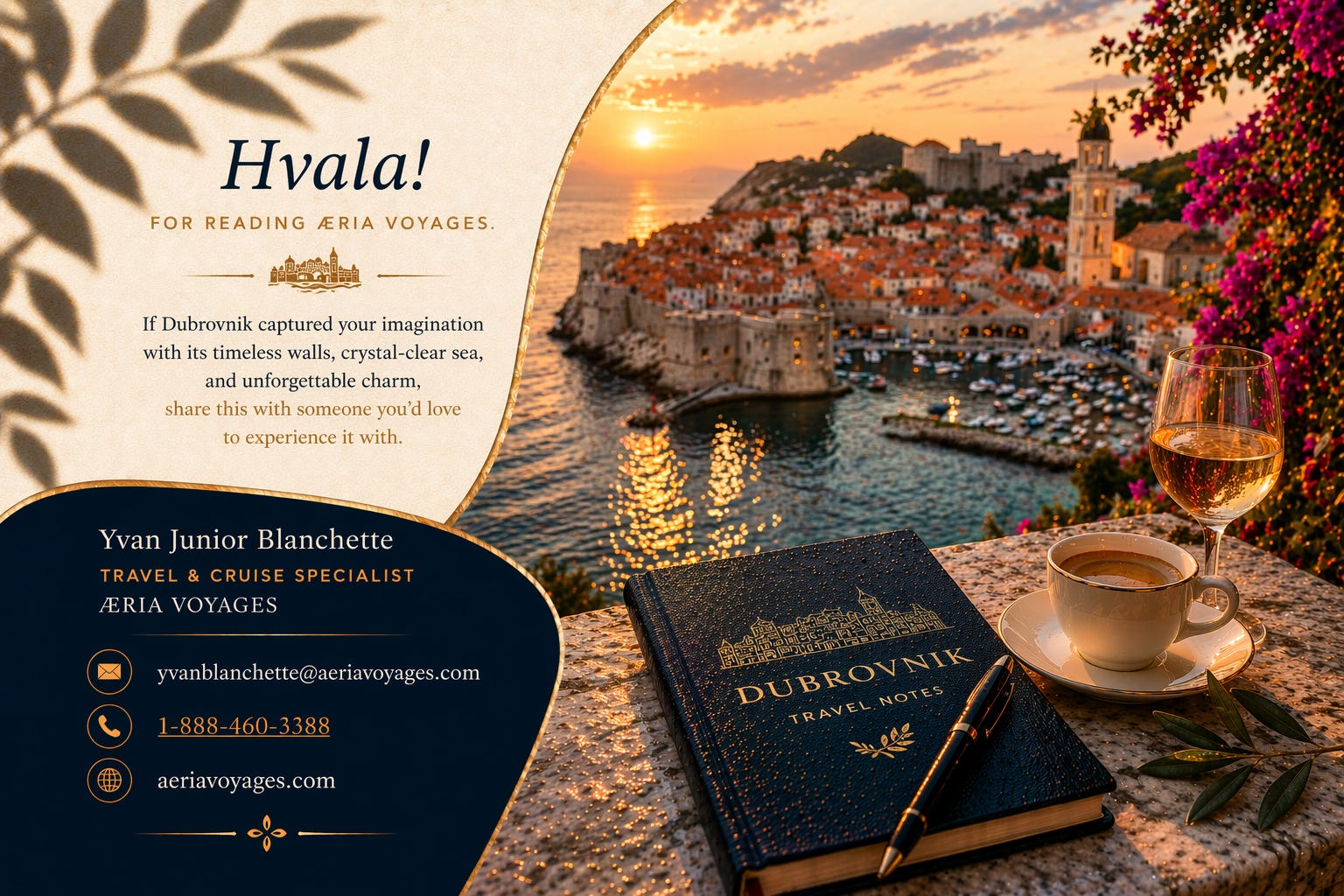
Every traveler’s ideal Dubrovnik itinerary looks different depending on the season, the interests that matter most, and whether the city is the destination or the starting point for a broader Adriatic journey. I help clients build trips that go beyond the standard circuit: a private boat day to the Elaphiti Islands, a curated Dalmatian wine tour through the Peljesac Peninsula, a cruise itinerary combining Dubrovnik with Montenegro and the Greek islands, or a road trip through Croatia and Bosnia that uses Dubrovnik as its anchor.
If you are planning a trip to Dubrovnik and want to talk through the options, I would be glad to help.
Yvan Junior Blanchette
Travel & Cruise Specialist
ÆRIA Voyages📩 yvanblanchette@aeriavoyages.com
📞 1-888-460-3388
🌐 aeriavoyages.com