

The Ultimate BARCELONA Travel Guide: What to know, where to go, and how to make the most of your visit
Updated 2026 | Spain | First-time visitors | In-depth travel
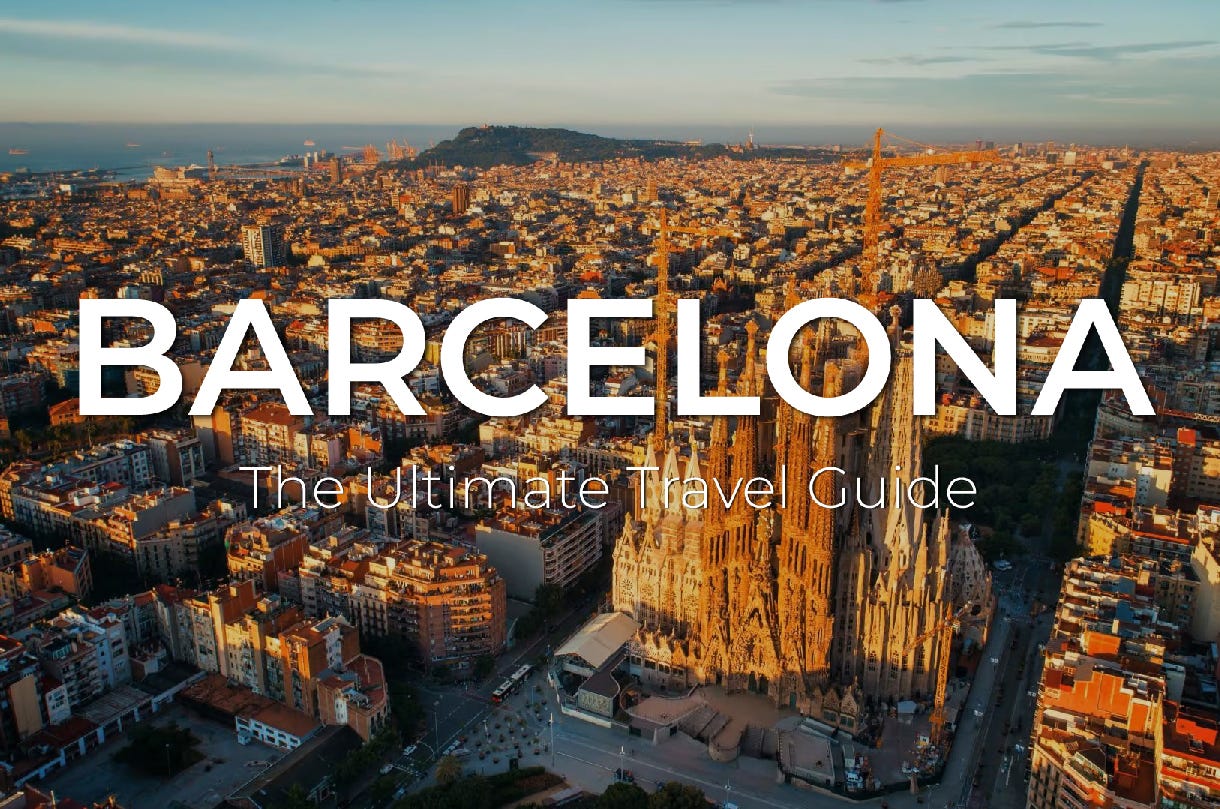
Barcelona is one of Europe's most complete cities. It has Gaudi's architecture, a serious food culture, genuine beach access, one of the finest Gothic quarters on the continent, and a nightlife scene that starts where most cities end. It is also a city with a distinct identity: Catalan first, Spanish second, European always. Understanding that distinction changes how you experience it.
This guide covers the neighborhoods worth knowing, the experiences that define the city, the practical details you need before you go, and how to plan the right amount of time for the kind of trip you want.
Table of Content
🎙️BEYOND THE HORIZON: TRAVEL AND CRUISE PODCAST

Why Barcelona is worth visitibg
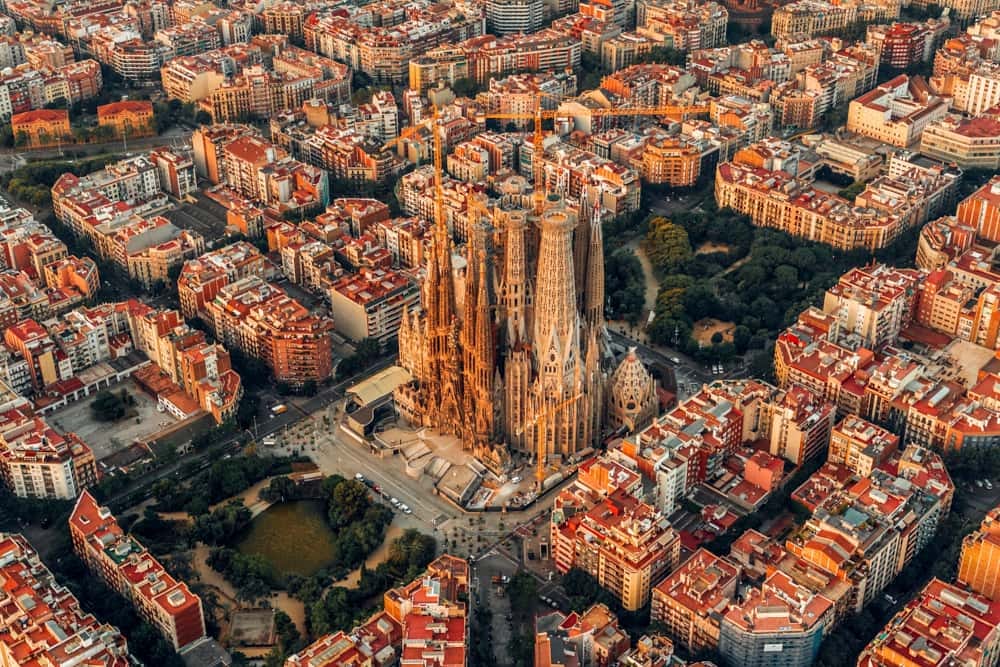
Barcelona earns its reputation in a way that few cities actually do. The architecture alone would justify the trip: Gaudi's Sagrada Familia, still under construction after more than a century, is unlike anything else built in the 20th century. Casa Batllo and La Pedrera stop people on one of Europe's finest boulevards. Park Guell covers a hillside in mosaic and fantasy. No other city gives you this concentration of a single architect's vision at this scale.
But Barcelona is much more than Gaudi. The Gothic Quarter contains some of the best-preserved medieval urban fabric in Europe. The Boqueria market is a world unto itself. The beaches are real and swimmable from May through October. The food, rooted in Catalan tradition and open to everything that has come since, is among the most interesting in Spain. And the city's energy, Mediterranean and effortlessly social, makes it one of the most enjoyable places in Europe to simply be.
For first-time visitors to Spain, Barcelona is a natural starting point. It covers the full range of what the country offers while having a character entirely its own.
The neighborhoods you should know
Barcelona divides naturally into distinct neighborhoods, each worth understanding before you arrive. The city is compact enough to walk between most of them, which is the best way to see how they connect.
The Gothic Quarter (Barri Gotic)
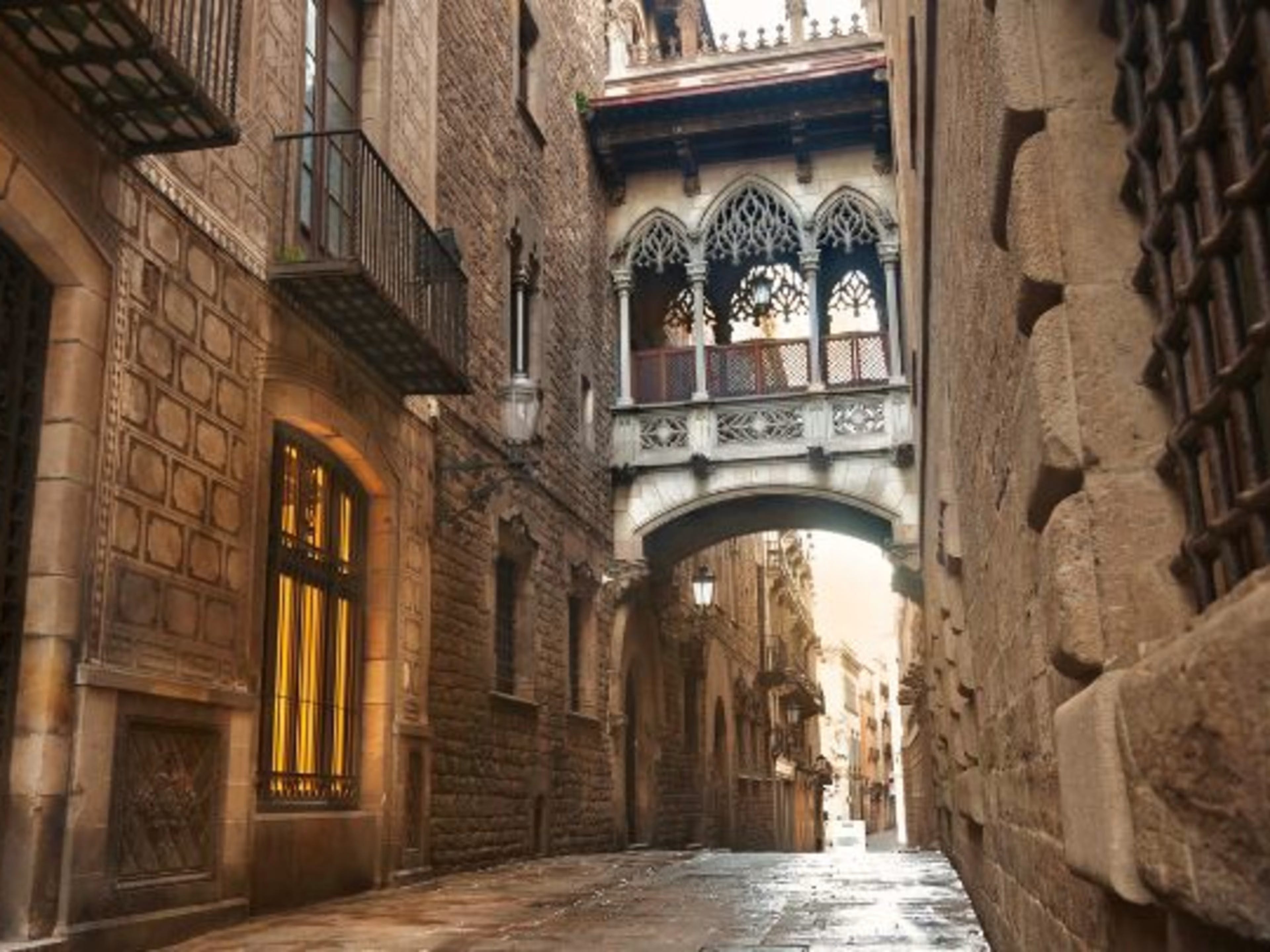
The oldest part of Barcelona, built on the foundations of the Roman city of Barcino, some of whose walls are still visible. The streets here are narrow, dark, and genuinely medieval in feel. The Barcelona Cathedral, the Placa Reial, and the remains of the Roman temple of Augustus are all in this quarter. It is the most tourist-dense neighborhood in the city, but the crowds thin quickly once you move a few streets away from the main thoroughfares. Come early morning or after 9pm.
El Born (Sant Pere, Santa Caterina)
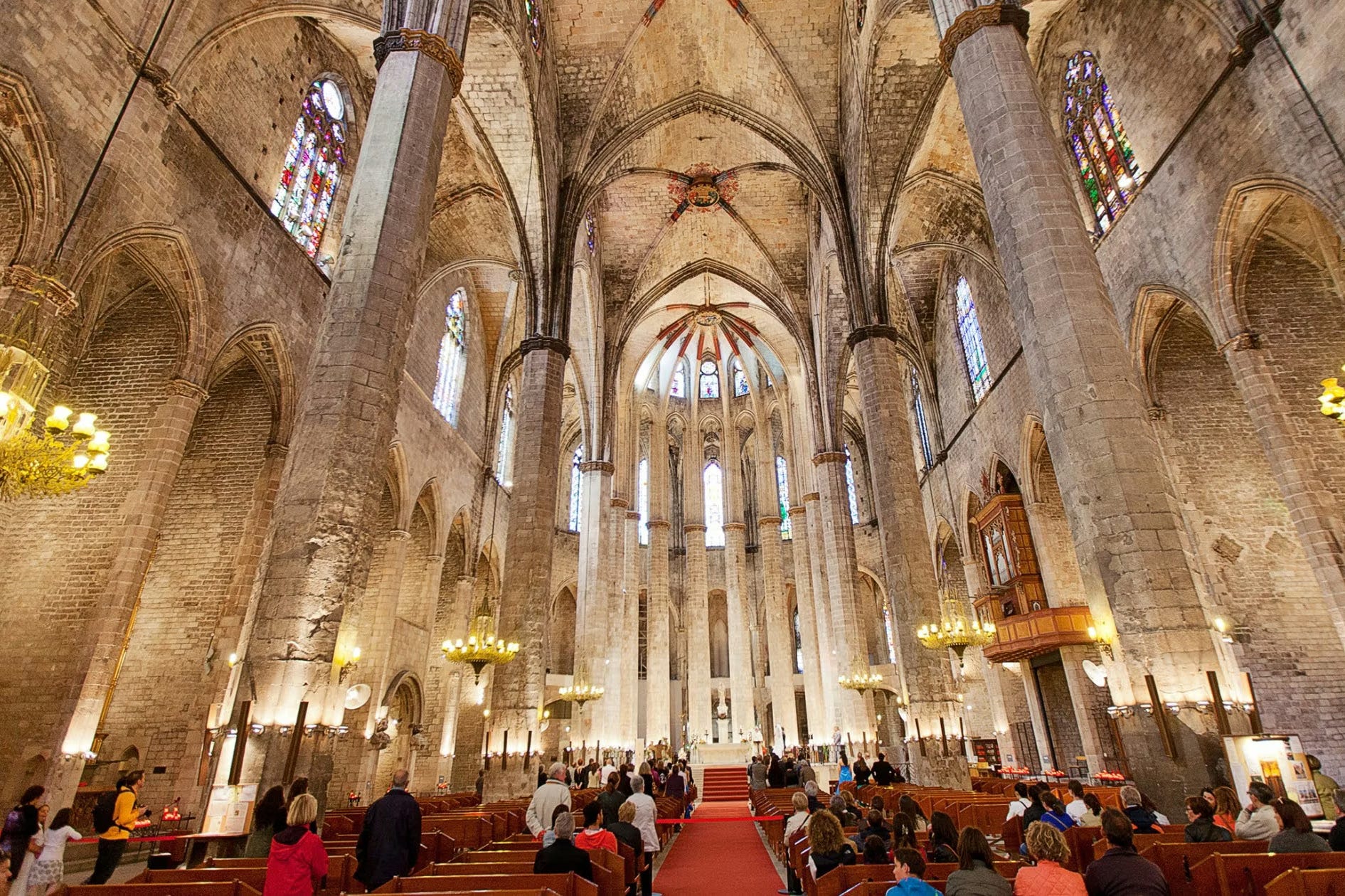
Immediately east of the Gothic Quarter and noticeably hipper. El Born has excellent independent shops, some of the best cocktail bars in the city, and the Basilica de Santa Maria del Mar, a 14th-century Gothic masterpiece built by the people of the Ribera neighborhood rather than by royal commission. The Picasso Museum is also here. El Born is where Barcelona's creative class eats, drinks, and works. It is the most satisfying neighborhood for an evening without a fixed plan.
Eixample
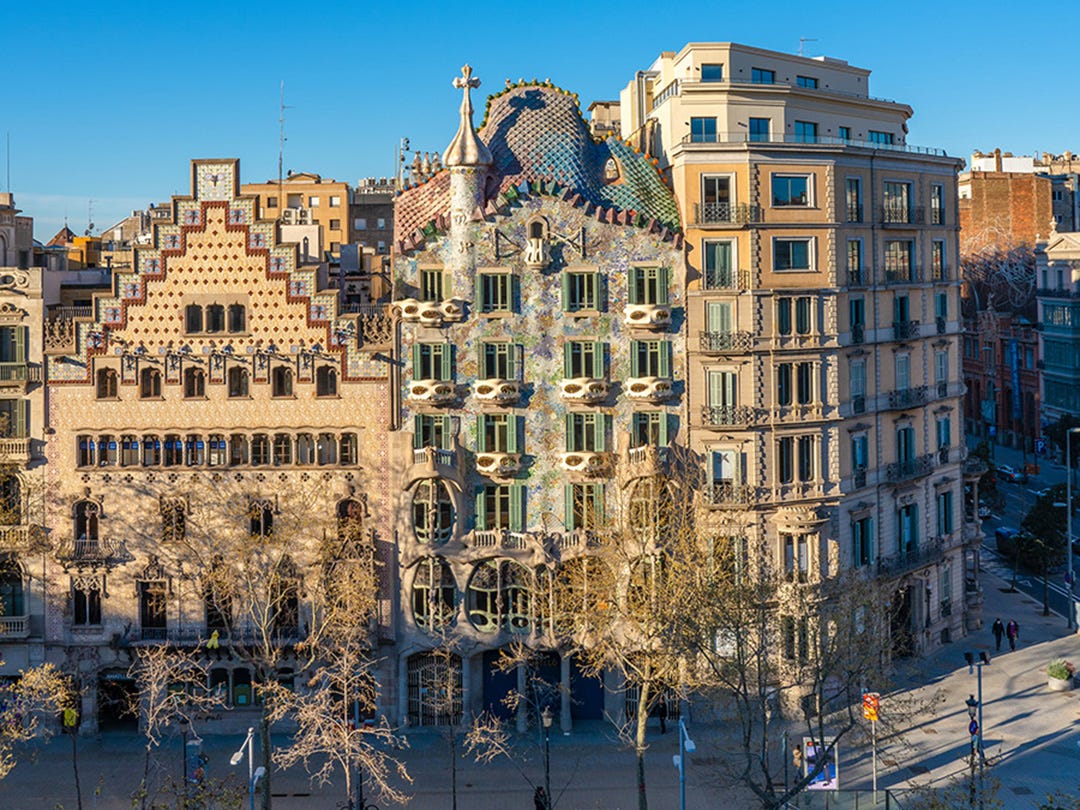
The 19th-century grid expansion of Barcelona, designed by Ildefons Cerda with octagonal intersections that give each block chamfered corners and make the city readable from above. Passeig de Gracia, the main boulevard, is where you find Casa Batllo and La Pedrera side by side on one of the finest shopping and architecture streets in Europe. The Eixample is also home to some of Barcelona's best restaurants and the heart of its gay neighborhood, known as the Gayxample. More residential and less chaotic than the old town.
Gracia
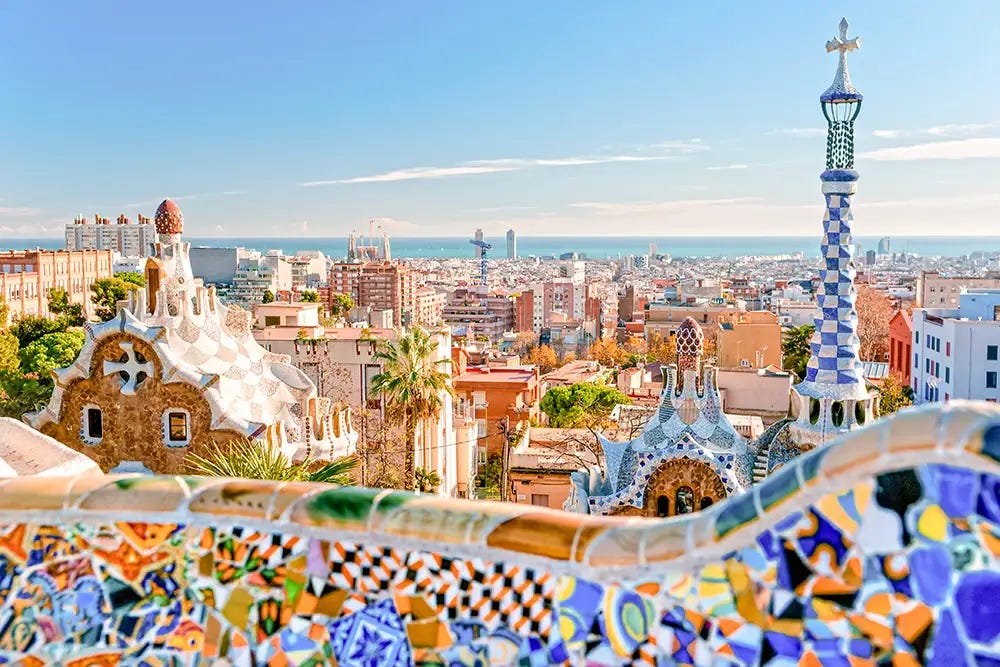
A former independent municipality absorbed by Barcelona in 1897 and still psychologically separate. Gracia has the feeling of a small Mediterranean town within a major city: tight streets, small plazas filled with locals rather than tourists, a strong neighborhood identity, and a calendar of local festivals that the rest of the city attends. Park Guell sits on the hill above. The neighborhood is quieter than Eixample or the Gothic Quarter and more genuinely Catalan in character.
Barceloneta and the Waterfront
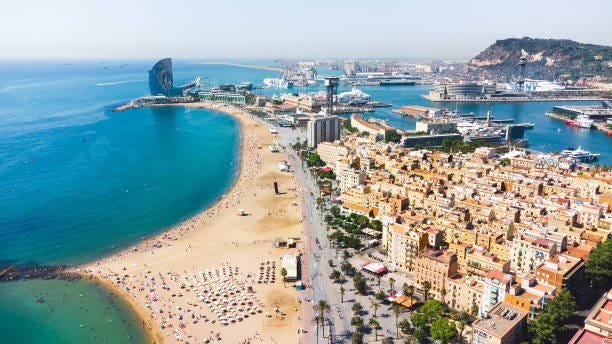
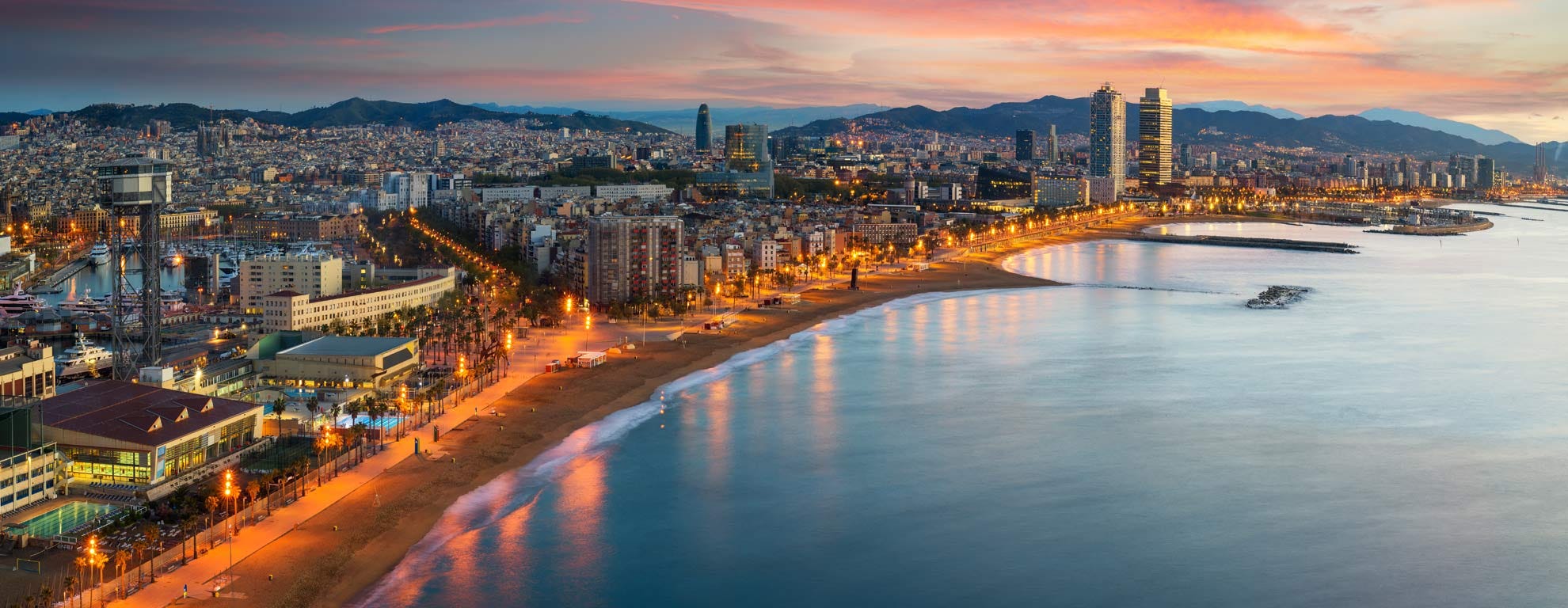
The 18th-century fishermen's quarter that gave Barcelona its beach. Barceloneta has been heavily touristed for decades but retains a neighborhood identity in its tighter interior streets, away from the beach promenade. The waterfront north of Barceloneta, around the Port Olympic and the Poblenou neighborhood, has changed dramatically since the 1992 Olympics and now hosts a combination of tech companies, restaurants, and some of the city's best beach clubs. Worth a half day at any point between May and October.
Montjuic
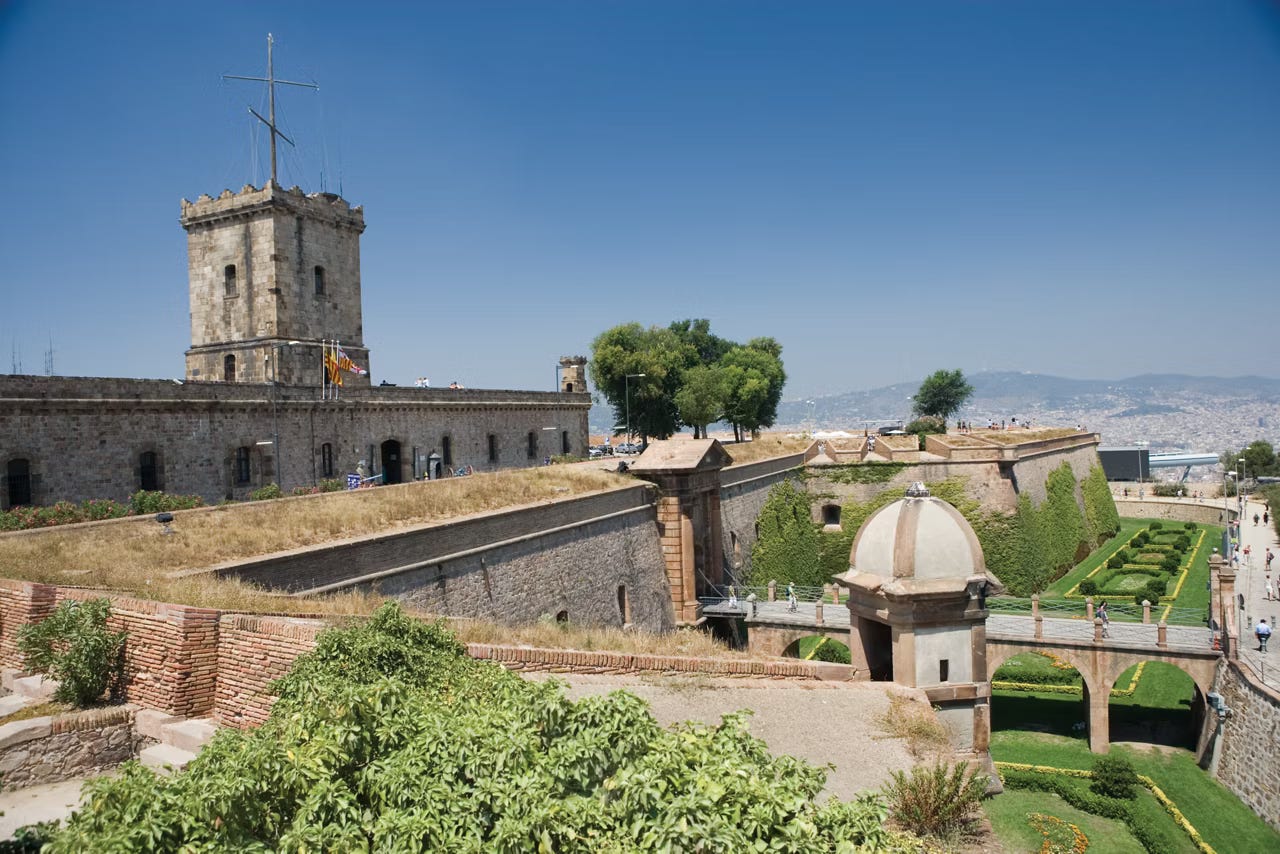
The hill overlooking the port, accessed by cable car or on foot, with the Olympic stadium from 1992, the Fundacio Joan Miro, the Castell de Montjuic, and the best view of the city available without booking anything. The Magic Fountain at the base of the hill runs Thursday through Sunday evenings and draws large crowds. Worth visiting for the perspective it gives on how Barcelona is laid out between the mountains and the sea.
Activities not to miss
Barcelona rewards visitors who approach it with curiosity rather than a checklist. These are the experiences that define the city, organized from the unmissable to the deeply satisfying.
Sagrada Familia
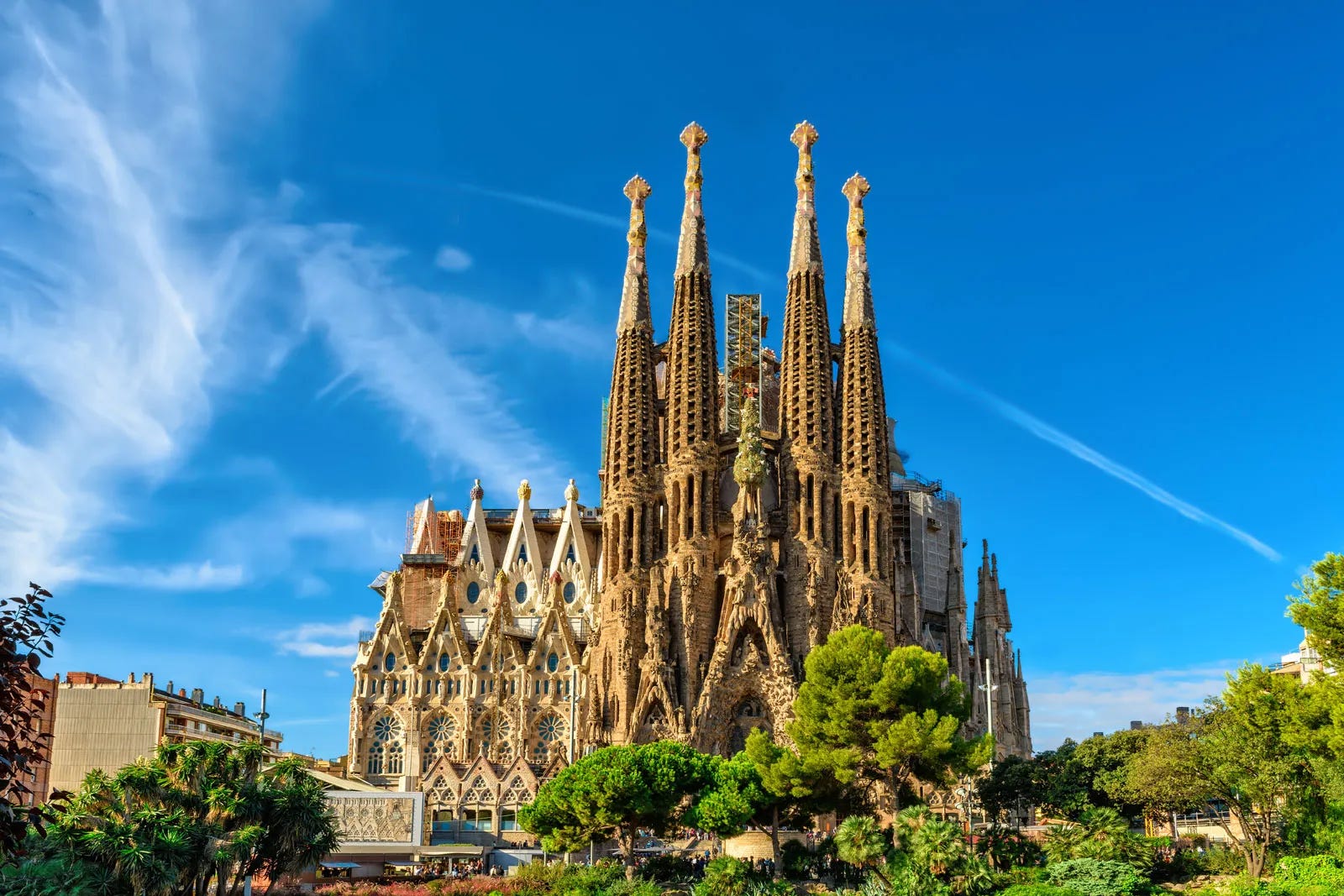
There is no adequate preparation for seeing the Sagrada Familia for the first time. Gaudi's basilica, begun in 1882 and still under construction, is the most extraordinary building in Spain and one of the most singular architectural works in the world. The exterior facades, the Nativity on the east and the Passion on the west, tell different visual stories in completely different registers. The interior, with its forest of branching columns and stained glass that floods the nave with color, is unlike any other sacred space. A guided tour is worth it: the symbolism embedded in every surface is dense enough to require explanation.
Park Guell
Gaudi's hillside park, designed as a residential garden city for the Guell family and never completed as intended, is now one of the most visited sites in Barcelona. The Monumental Zone, with its famous mosaic terrace and the dragon stairway, requires a timed ticket. The park surrounding it is free and offers the best elevated views of the city. Go at opening time to experience the ticketed area without the worst of the crowds.
Casa Batllo and La Pedrera
Two of Gaudi's residential buildings, facing each other along Passeig de Gracia within a short walk. Casa Batllo, with its dragon-spine roof and bone-like facade, is the more dramatic. La Pedrera, with its stone-wave exterior and extraordinary rooftop of chimneys shaped like armored knights, is the more architecturally inventive. Both are ticketed and busy; book in advance. An evening visit to La Pedrera's rooftop, when the city is lit below, is one of the most atmospheric experiences in Barcelona.
The Gothic Quarter and El Born on foot
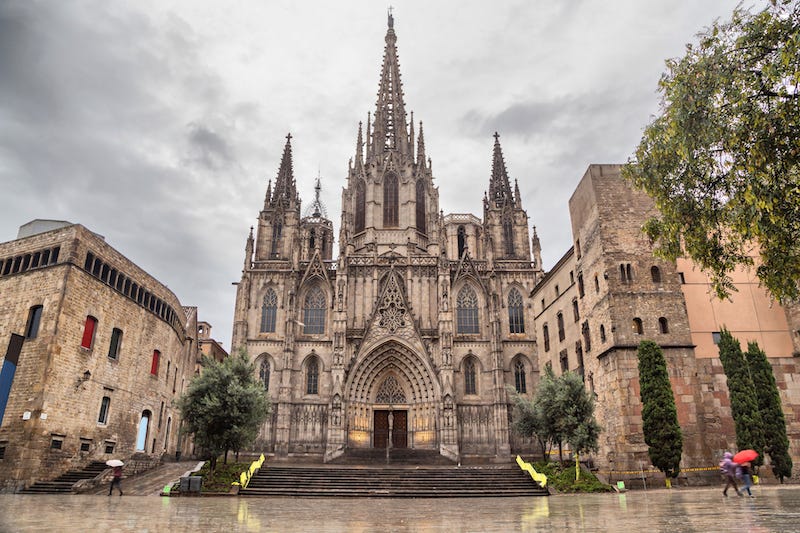
The best way to understand the old city is to walk it, ideally with a guide who knows what lies beneath the streets. The Roman walls, the medieval Jewish quarter, the hidden courtyards, and the stories of the Inquisition and the Civil War are layered into the same few square kilometers. A good walking tour here changes how you see the rest of the city.
Tapas and Flamenco evening
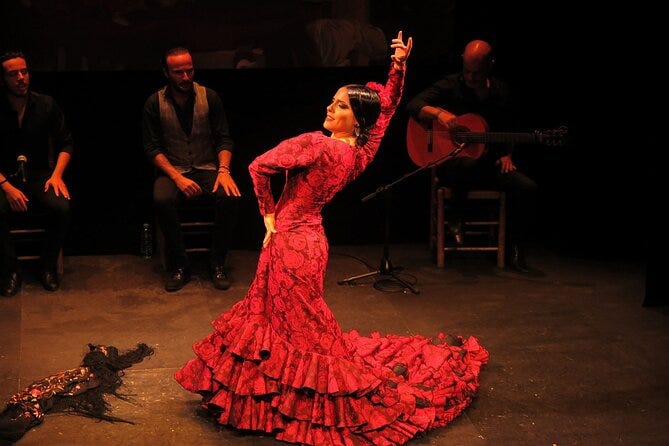
Neither tapas nor flamenco are specifically Catalan, but both are deeply embedded in Barcelona's evening culture. A guided tapas tour through the Gothic Quarter or El Born, stopping at bars that locals actually use, followed by a flamenco performance in the Placa Reial area, is one of the most enjoyable evenings the city offers. The combination of food, wine, and performance over three or four hours is the right pacing.
The Picasso Museum
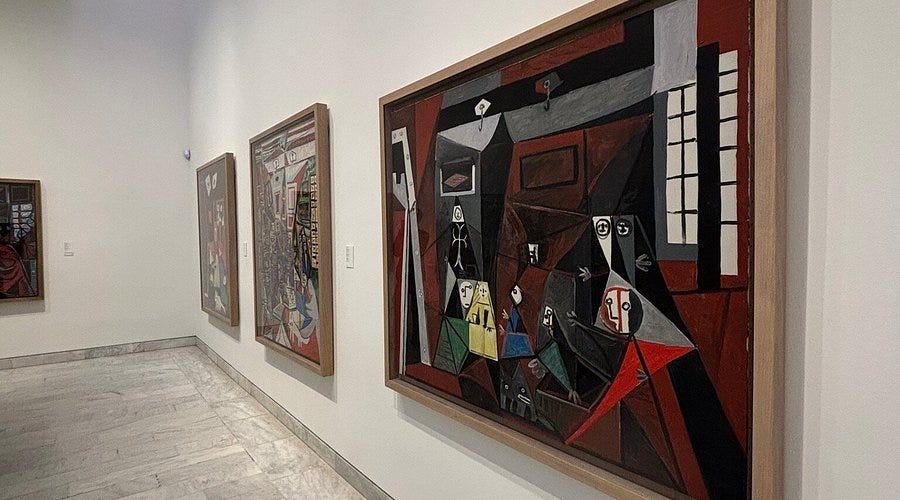
One of the best collections of Picasso's early work in the world, housed in five connected medieval palaces in El Born. The collection is strongest on his Barcelona period, before cubism, and shows a virtuosity that makes his later formal experiments easier to understand. Book timed entry in advance; the museum sells out regularly.
Day trips from Barcelona
Barcelona's location makes it an ideal base for some of the most varied day trips available from any European city: mountains, wine country, medieval towns, and Costa Brava beaches, all within two hours.
Montserrat Monastery
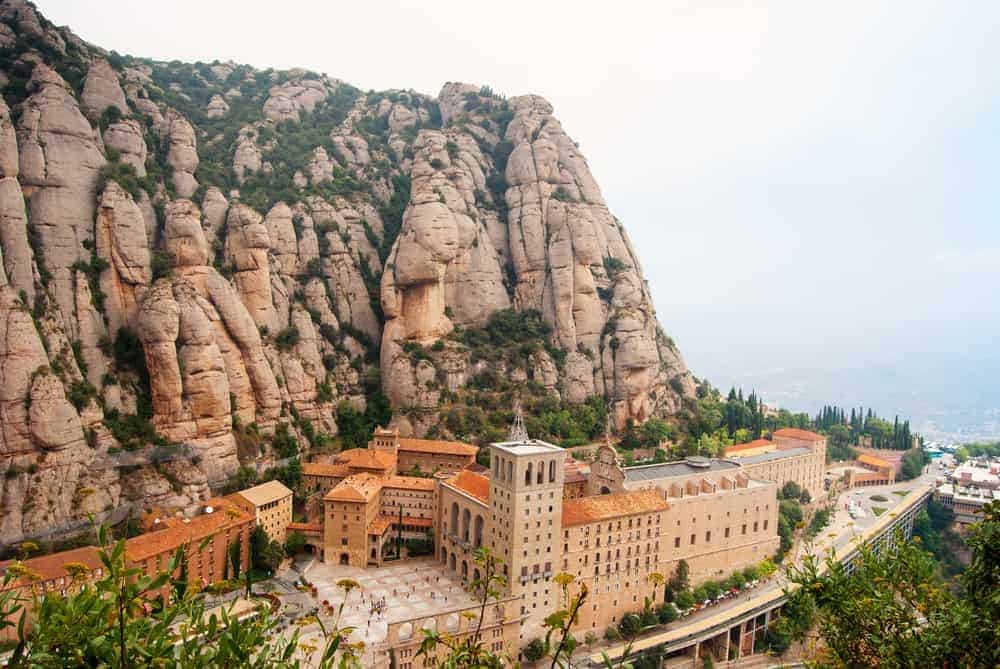
The most visited day trip from Barcelona, and one of the most spectacular landscapes in Catalonia. The serrated mountain massif, rising abruptly from the plain about an hour northwest of the city, is home to a Benedictine monastery that has been a site of pilgrimage since the 12th century. The cogwheel train up the mountain is an experience in itself. Combine with a winery visit in the valleys below for a full day out.
Costa Brava and Girona
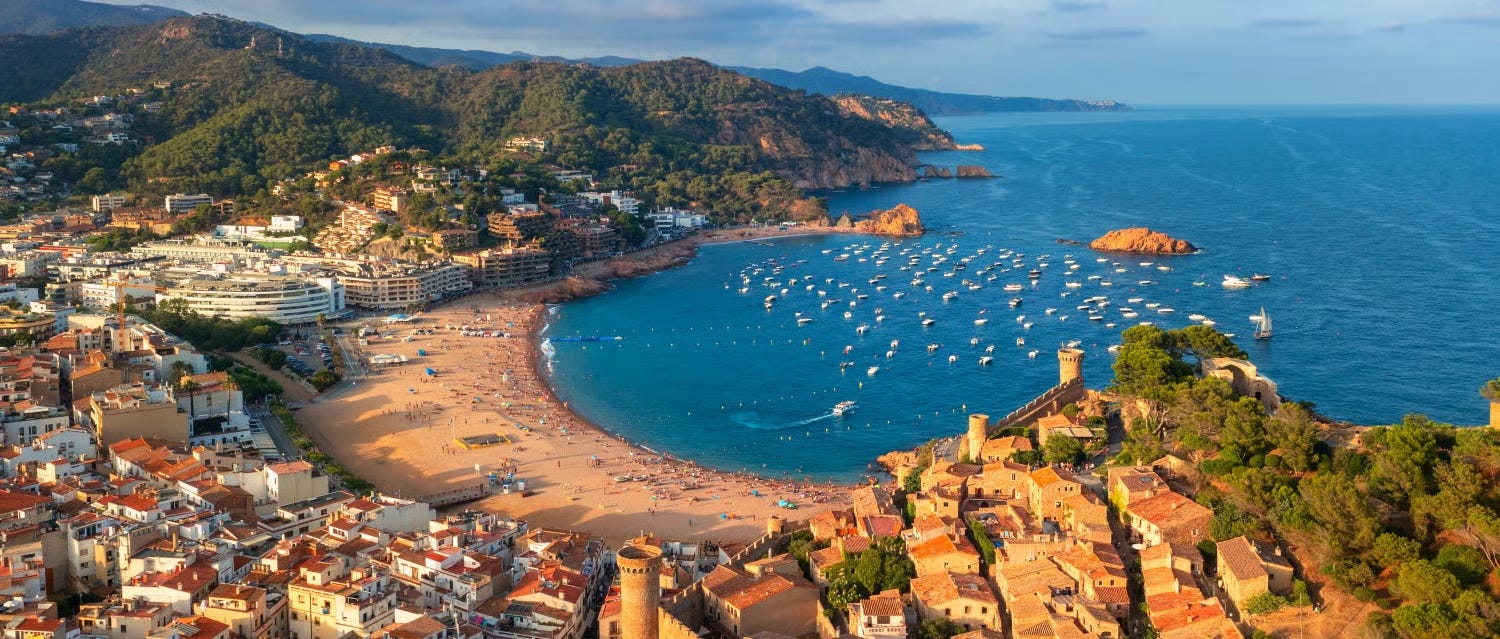
The rugged coastline north of Barcelona, with fishing villages, turquoise coves, and the kind of Mediterranean scenery that inspired Dali to build his house at Cap de Creus. Cadaques, the most beautiful of the coastal villages, is about two hours by car or organized transfer. The Dali Theatre-Museum in Figueres, forty minutes further north, is one of the strangest and most rewarding museums in Europe.
Sitges and Tarragona
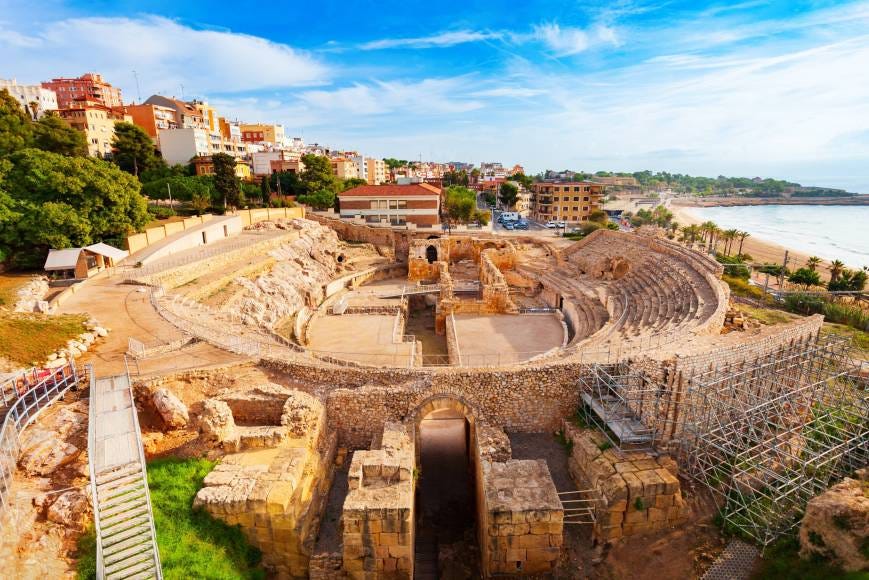
Embark on an unforgettable day trip from Barcelona to explore two of south Catalonia’s most captivating destinations: the historic town of Tarragona and the modernist paradise of Sitges. This guided tour immerses you in Tarragona’s Roman heritage and introduces you to the colorful charm of Sitges, with its artistic streets and stunning coastal views. To end the day, relax at San Sebastian Beach, widely considered one of the best urban beaches in Europe.
When to visit Barcelona
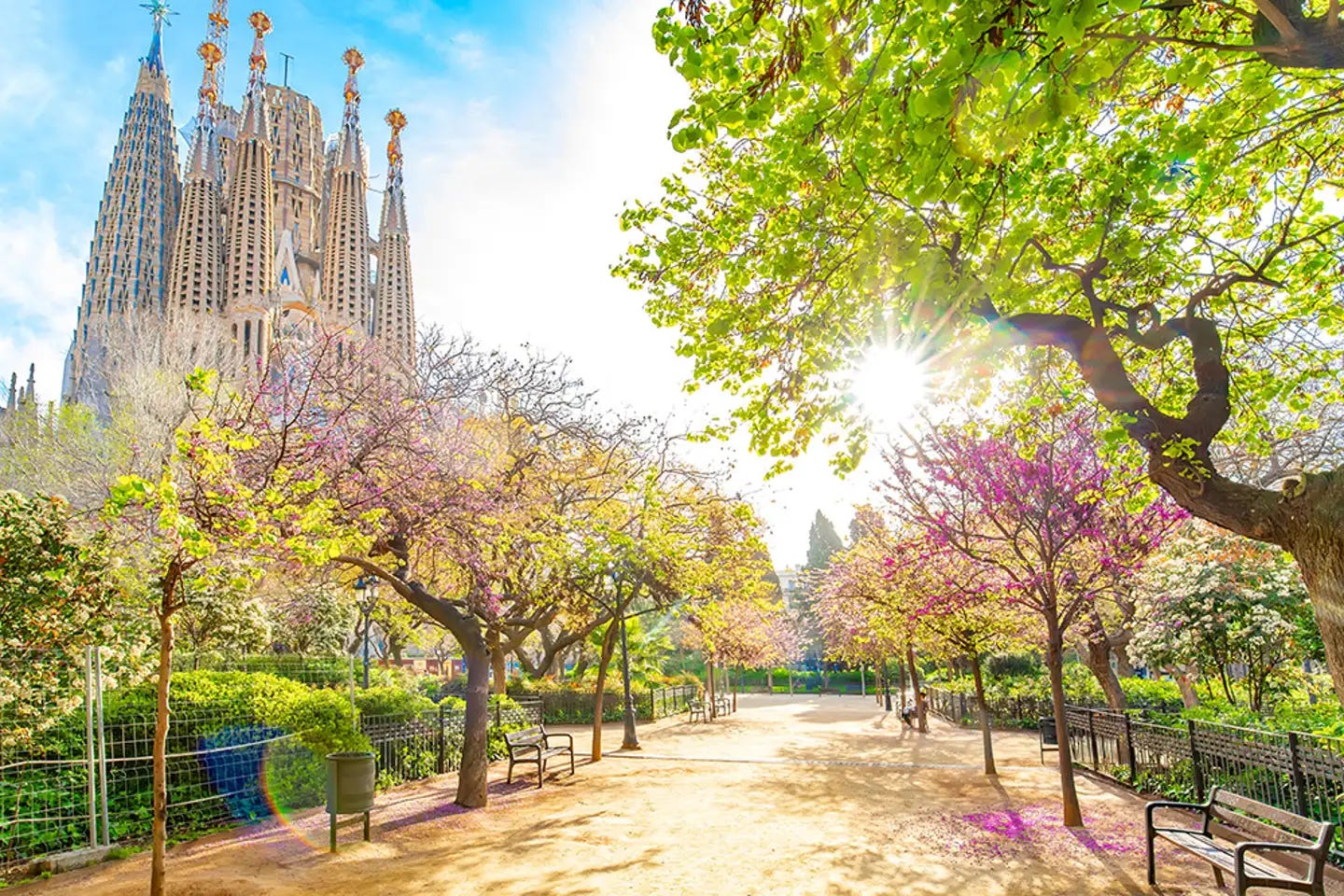
Barcelona is genuinely enjoyable year-round, but the gap between the best and worst seasons is larger here than in Paris or Rome. Summer heat and crowds are the main factors to plan around.
🌸 Spring
April to June. The finest season. Warm enough for the beach from May, comfortable for sightseeing, and the city at its most vibrant without the summer density. June starts to get busy. April and May are close to ideal.
☀️ Summer
July to August. Very hot, extremely busy, and the peak season for Las Ramblas crowds and beach tourism. Barcelona in August feels like a different city: full of tourists, emptied of locals. Book everything well in advance.
🍂 Autumn
September to November. Excellent. The sea is still warm through September, crowds thin after mid-September, temperatures are perfect for walking, and the city returns to its residents. The best kept secret in Barcelona travel.
❄️ Winter
December to March. Mild by northern European standards, rarely cold enough for a coat beyond January. The Christmas markets and New Year celebrations are atmospheric. January and February are quiet, inexpensive, and perfectly good for architecture and food.
How many days to spend in Barcelona
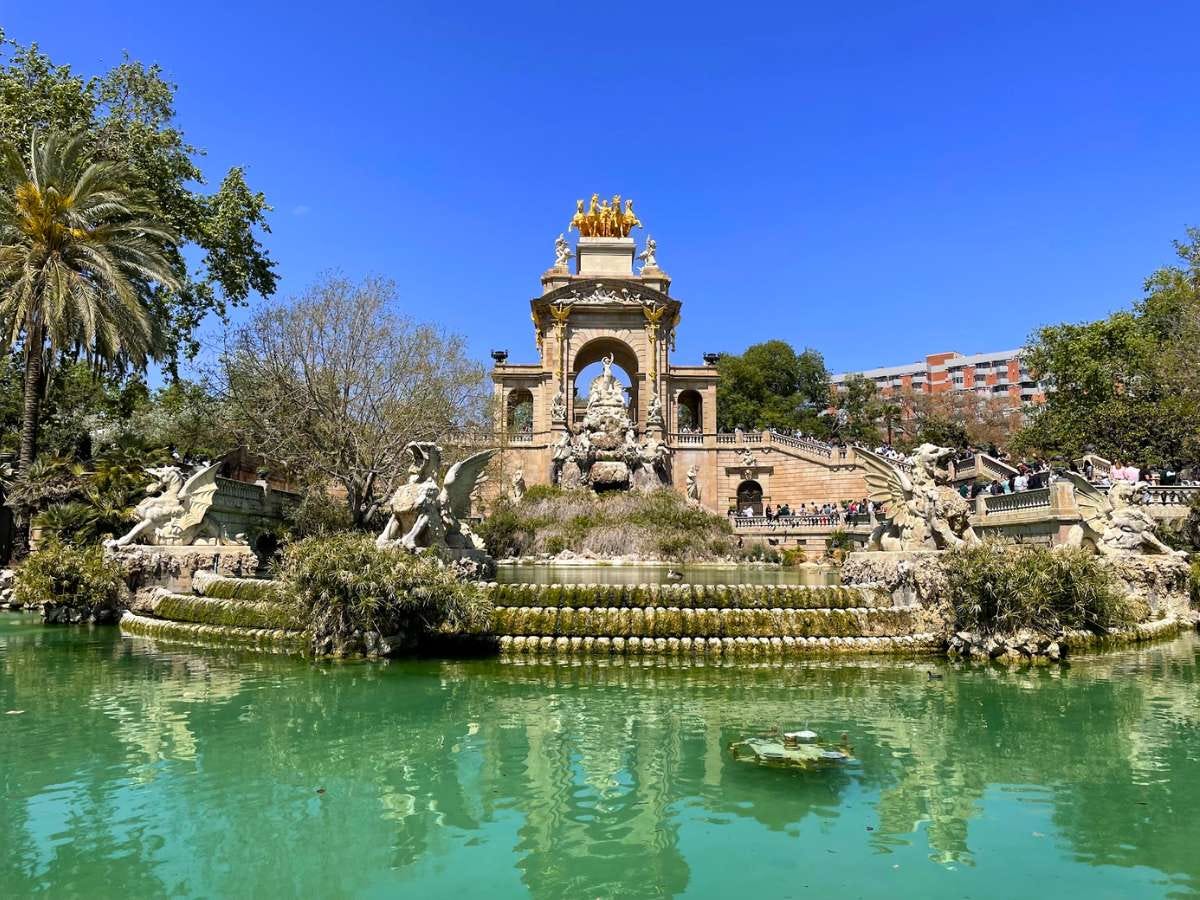
Three days is the minimum to cover the Sagrada Familia, Park Guell, the Gothic Quarter, a Gaudi building on Passeig de Gracia, and the waterfront. Four to five days allows for La Pedrera, the Picasso Museum, a proper evening in El Born, a half day in Gracia, and a day trip to Montserrat or the Costa Brava. A week starts to feel like you are living in the city rather than visiting it, which is when Barcelona is at its best.
Barcelona is one of those cities where the longer you stay, the more you realize you have missed. The architecture is obvious from day one. The neighborhoods, the food culture, and the very particular Catalan character of the place take longer to find.
Suggested 3-day itinerary
Day 1
Sagrada Familia (first entry slot, booked in advance). Take time for both facades and the museum.
Lunch in Gracia. Walk down to Park Guell for the timed entry slot. Explore the free park above.
Aperitivo in Gracia. Dinner in El Born. Walk the neighborhood after dark.
Day 2
Gothic Quarter walking tour. Barcelona Cathedral. Roman walls and temple of Augustus.
Lunch at the Boqueria or in El Born. Picasso Museum in the afternoon.
Tapas and Flamenco evening tour through the Gothic Quarter and Placa Reial.
Day 3
Casa Batllo or La Pedrera on Passeig de Gracia (book first entry). Walk the boulevard.
Lunch in Eixample. Barceloneta beach and waterfront walk. Cable car to Montjuic.
Sunset from Montjuic castle. Magic Fountain if visiting Thursday to Sunday. Dinner in Poblenou.
Where to eat
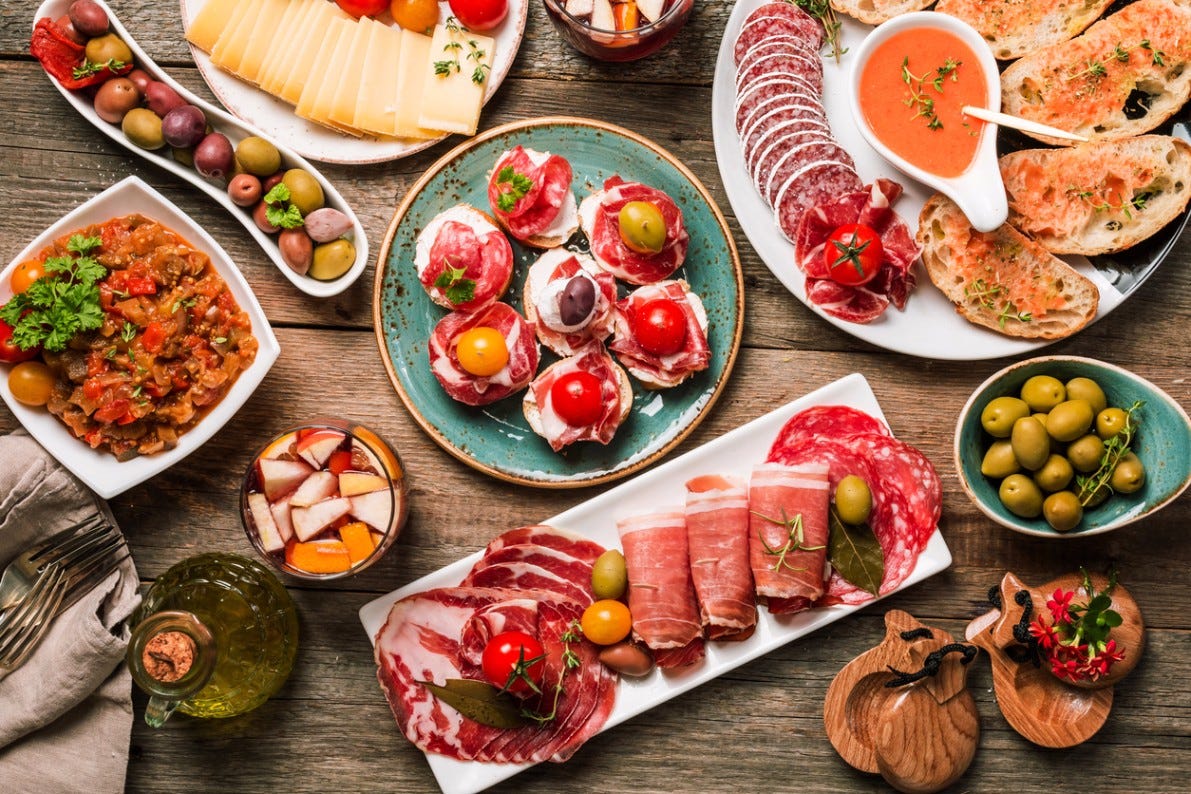
Catalan cuisine is one of the most sophisticated regional food cultures in Europe, and Barcelona is its capital. These recommendations span different budgets and neighborhoods, all chosen for quality and authenticity.
Bar del Pla
Catalan tapas
A reliable El Born favorite for pa amb tomaquet, croquetas, and an excellent selection of local wines. Full most evenings; arrive early or be prepared to wait.
Disfrutar
Avant-garde
Two Michelin stars and consistently ranked among the best restaurants in the world. Run by three alumni of El Bulli. Book several months ahead. Worth every minute of the wait.
El Xampanyet
Seafood
The Barceloneta institution credited with inventing the bombas, the fried potato balls that appear on menus across the city. Cash only, no reservations, arrive when it opens.
El Xampanyet
Wine bar / Tapas
A legendary El Born cava bar that has barely changed in decades. Stand-up tapas, house cava by the glass, and an atmosphere that money cannot manufacture.
Cerveceria Catalana
All-day tapas
One of the best all-day options in the Eixample. Excellent patatas bravas, fresh seafood tapas, and a terrace on one of the neighborhood's best streets.
Bodega Sepulveda
Neighborhood wine bar
A Sant Antoni institution for natural wine and honest Catalan cooking. The kind of place you come back to every night. No frills, no tourists, extraordinary value.
Federal Cafe
Brunch / All-day
The best brunch spot in the Eixample, run by Australians who understood what Barcelona was missing. For mornings after late El Born evenings.
Where to stay
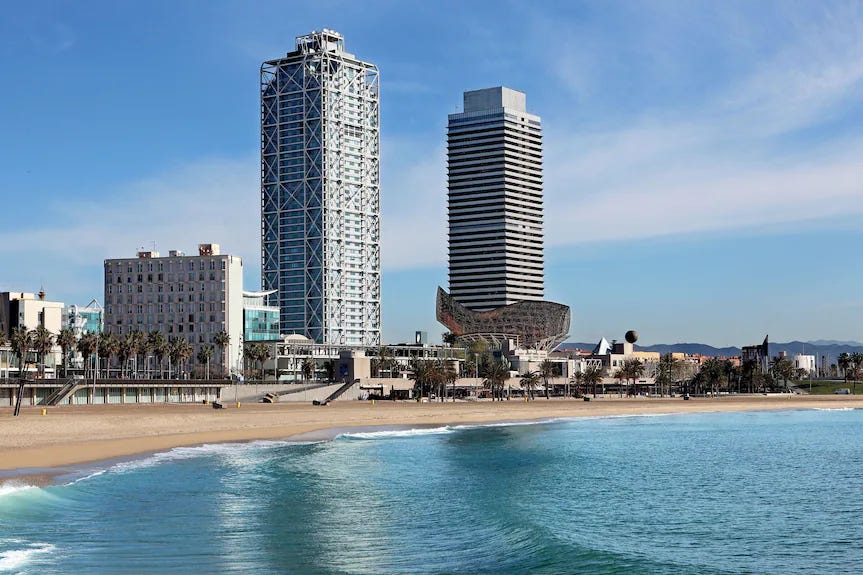
The best neighborhood to stay in Barcelona depends on your priorities. El Born and the Gothic Quarter put you in the middle of the action. Eixample is more comfortable and better connected. Gracia is quieter and more residential. These are reliable options across different budgets.
Hotel Arts Barcelona
Luxury
A Ritz-Carlton property in a tower right on the beach, with a rooftop pool and direct sea views. One of the best luxury addresses in the city for guests who want waterfront access and serious service.
Casa Camper
Mid-range / Boutique
A design hotel in El Raval with a 24-hour free snack bar and a commitment to sustainability that does not compromise on style or comfort. Well-located between El Born and the Gothic Quarter.
El Palauet Living
Luxury
Six private suites in a modernist palazzo on Passeig de Gracia, steps from Casa Batllo. The most intimate luxury option on one of the city's finest addresses.
Hotel Praktik Bakery
Mid-range
An Eixample hotel with a working bakery in the lobby that supplies the breakfast. Simple, well-designed rooms, excellent location, and a concept that somehow works perfectly.
TOC Hostel Barcelona
Budget
One of the best-run hostels in Europe, with a rooftop pool in the Gothic Quarter. Lively atmosphere, clean facilities, and an unbeatable location for the price.
Hotel Neri
Boutique / Mid-range
A 12th-century palace converted into a quiet boutique hotel in the heart of the Gothic Quarter. The rooftop terrace overlooking the medieval street below is a genuine find.
Practical information
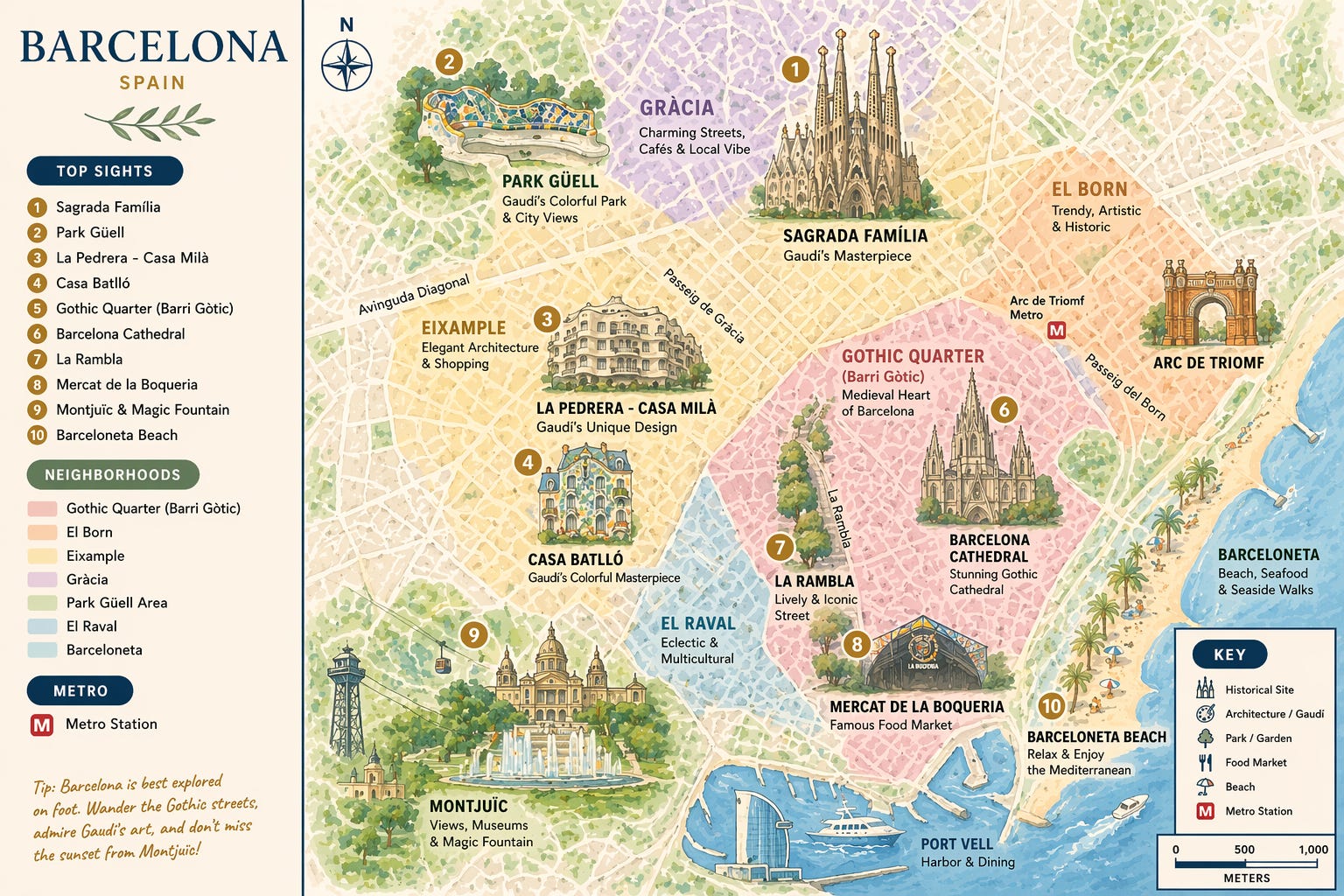
Currency: Euro (EUR). Cards are accepted almost everywhere. Keep some cash for markets, smaller bars, and street food vendors that prefer it.
Language: Catalan is the official language of Catalonia; Spanish is equally present in daily life. English is widely spoken in tourist areas. A greeting in Catalan (bon dia, gracies) is always appreciated and occasionally changes the warmth of the response.
Getting around: The metro covers the city comprehensively and is the fastest way to move between neighborhoods. A T-Casual card (10 trips) offers the best value. The city is also excellent for cycling, with a well-developed Bicing bike-share network.
Internet: A Spanish eSIM or European roaming plan works throughout the city. Wi-Fi is available in most cafes and hotels.
Safety: Barcelona has a higher rate of pickpocketing than most European cities, particularly on Las Ramblas, on the metro, and in the Gothic Quarter. Keep bags in front of you, use inside pockets, and be aware of distraction techniques near the major monuments. Violent crime directed at tourists is rare.
Tipping: Not expected in Catalonia. Rounding up the bill or leaving a euro or two for good service is appreciated. Restaurants that automatically add a service charge should disclose it on the menu.
Dress code: Required for the Sagrada Familia and other religious sites. Shoulders and knees must be covered. The Sagrada Familia explicitly prohibits flip flops. Carry a scarf or light layer if visiting multiple churches.
Reservations: Book the Sagrada Familia, Park Guell, Casa Batllo, and La Pedrera well in advance. The Sagrada Familia in particular sells out days or weeks ahead in high season. Top restaurants (Disfrutar, Tickets) require booking months in advance.
Beach season: The sea is swimmable comfortably from late May through September. October is possible for the brave. The beaches closest to the city center are busy; take the metro or a short taxi north to Badalona or south toward Castelldefels for more space.
How Barcelona fits into a broader Europe trip
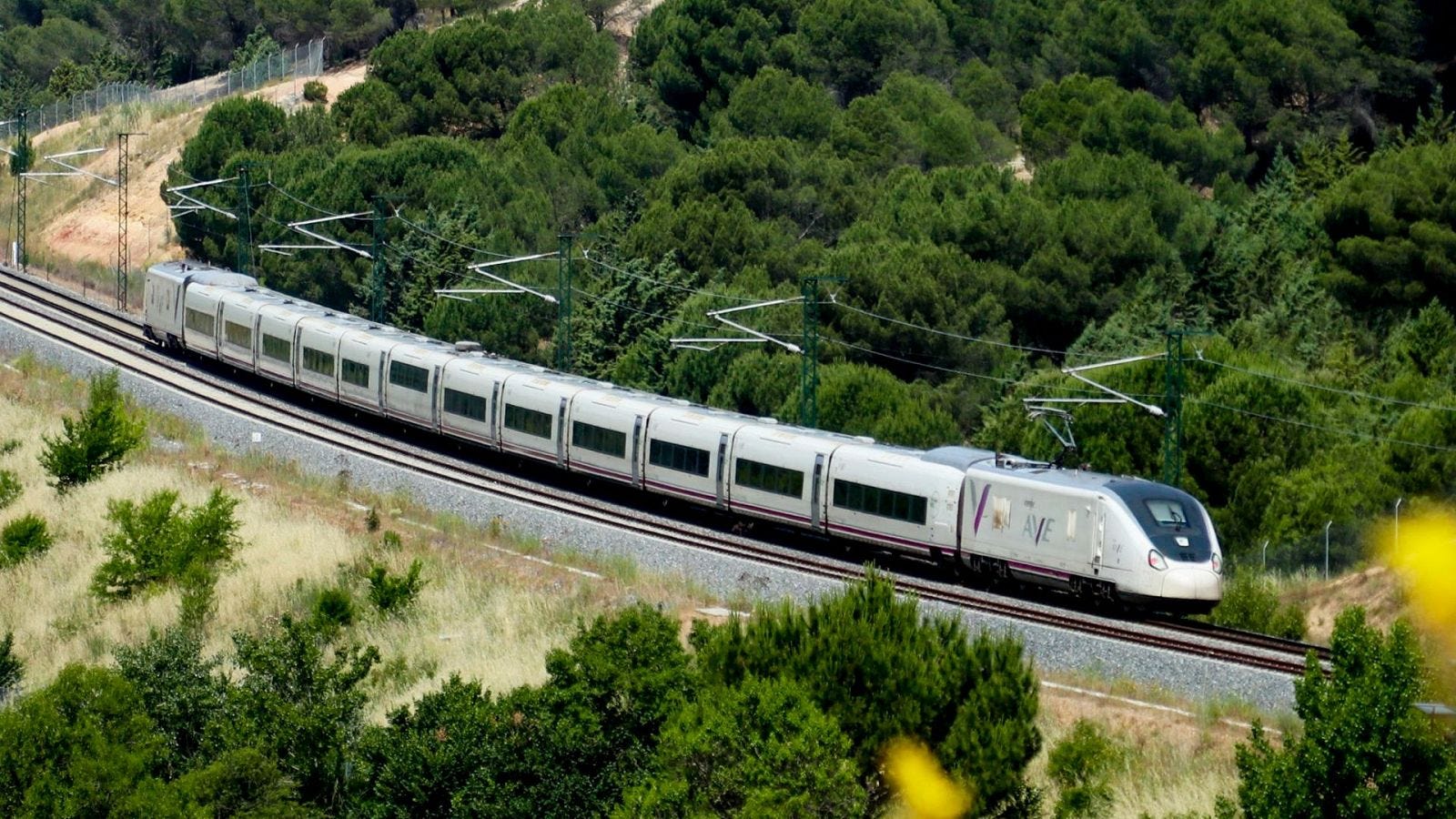
Most travelers to Spain combine Barcelona with at least one other destination. Madrid is the natural counterpoint: two and a half hours by AVE high-speed train, it offers everything Barcelona is not (Castilian rather than Catalan, landlocked, more formal, with the Prado and the Reina Sofia rather than Gaudi). Valencia, ninety minutes south by AVE, adds a third distinct Spanish character along with the best paella in the country.
At a European scale, Barcelona connects easily with the south of France (Marseille is three hours by TGV), with the Costa Brava and Pyrenees to the north, and with the Balearic Islands (Mallorca, Menorca, Ibiza) by ferry or short flight. For travelers with two weeks or more, a Spain rail itinerary that moves between Barcelona, Valencia, and Madrid, with side trips into Andalusia, is one of the finest travel experiences in Europe.
Frequently asked questions
Is Barcelona worth visiting for first-time travelers to Spain?
Yes. Barcelona is the most complete introduction to Spain and covers a range of experiences unavailable anywhere else: Gaudi's architecture, Catalan food culture, beach access, and one of the finest medievalcity centers in Europe.
How many days do you need in Barcelona?
Three days covers the Sagrada Familia, Park Guell, the Gothic Quarter, and a Gaudi building on Passeig de Gracia. Four to five days allows for the Picasso Museum, a day trip, and the slower exploration that makes Barcelona genuinely rewarding.
What is the best time of year to visit Barcelona?
Spring (April to June) and early autumn (September to October) are the two best windows: warm enough for the beach, cool enough for walking all day, and without the summer crowds. September is arguably the best single month to visit.
Is Barcelona safe for tourists?
Barcelona is generally safe but has a well-known pickpocket problem, particularly on Las Ramblas and in the Gothic Quarter. Keep bags secured and valuables out of back pockets. Violent crime directed at tourists is uncommon.
Do I need to book attractions in advance?
Yes, for almost everything. The Sagrada Familia, Park Guell, Casa Batllo, and La Pedrera all require timed tickets. The Sagrada Familia in particular sells out well ahead in summer. Book as soon as your travel dates are confirmed.
Is Barcelona Spanish or Catalan?
Both, and the question matters. Catalonia is an autonomous region with its own language, culture, and strong sense of distinct identity. Barcelona is its capital. Signs are in Catalan first. The food, the festivals, and the political culture are all specifically Catalan, even as Spanish culture is equally present in daily life.
Can you swim at the beaches in Barcelona?
Yes. Barceloneta beach is clean and swimmable from late May through September. For a less crowded experience, the beaches north of the Olympic Port, around Poblenou and Badalona, or south toward Castelldefels are better options during peak summer.
Plan your Barcelona trip with AERIA Voyages
Every traveler's ideal Barcelona itinerary looks different depending on the time available, the interests that matter most, and how you want to move through a city. I help clients build trips that go beyond the standard circuit: a private Gaudi architecture tour, a curated Catalan wine experience in the Penedes, a combination of Barcelona and the Balearic Islands, or a rail journey across Spain. The city rewards planning that is thoughtful rather than exhaustive.
If you are planning a trip to Barcelona and want to talk through the options, I would be glad to help.
Yvan Junior Blanchette
Travel & Cruise Specialist
ÆRIA Voyages📩 yvanblanchette@aeriavoyages.com
📞 1-888-460-3388
🌐 aeriavoyages.com