

The Ultimate PARIS Travel Guide: What to know, where to go, and how to make the most of your visit
Updated 2026 | France | First-time visitors | In-depth travel

Paris is one of the most visited cities on earth, and also one of the most misunderstood. It can look impossibly romantic from the outside, or impossibly crowded, depending on who you ask. Neither impression is the whole truth. My
This guide covers the neighborhoods worth knowing, the experiences that define the city, the practical details you need before you go, and how to plan the right amount of time for the kind of trip you want.
Table of Content
🎙️BEYOND THE HORIZON: TRAVEL AND CRUISE PODCAST

Why Paris is worth visiting
Paris is not simply France's capital. It is the most complete expression of what a great city can be: a place where art, food, history, and everyday life fold together so seamlessly that the result feels effortless, even when it is not. The boulevards are wide. The light is famously flattering. The cafes stay open late. These are not accidents. They are the product of centuries of deliberate urbanism.
What surprises almost every first-time visitor is how livable Paris feels. It is a dense city, but it moves at a human scale. You walk more than you ride. You linger more than you rush. The city rewards curiosity and punishes itineraries that are too tight. The visitors who enjoy it most are the ones who leave room to get slightly lost.
For travelers discovering Europe for the first time, Paris is the natural entry point. It covers the full range of what the continent has to offer and provides a reference point for everything that follows.
The neighborhoods you should know
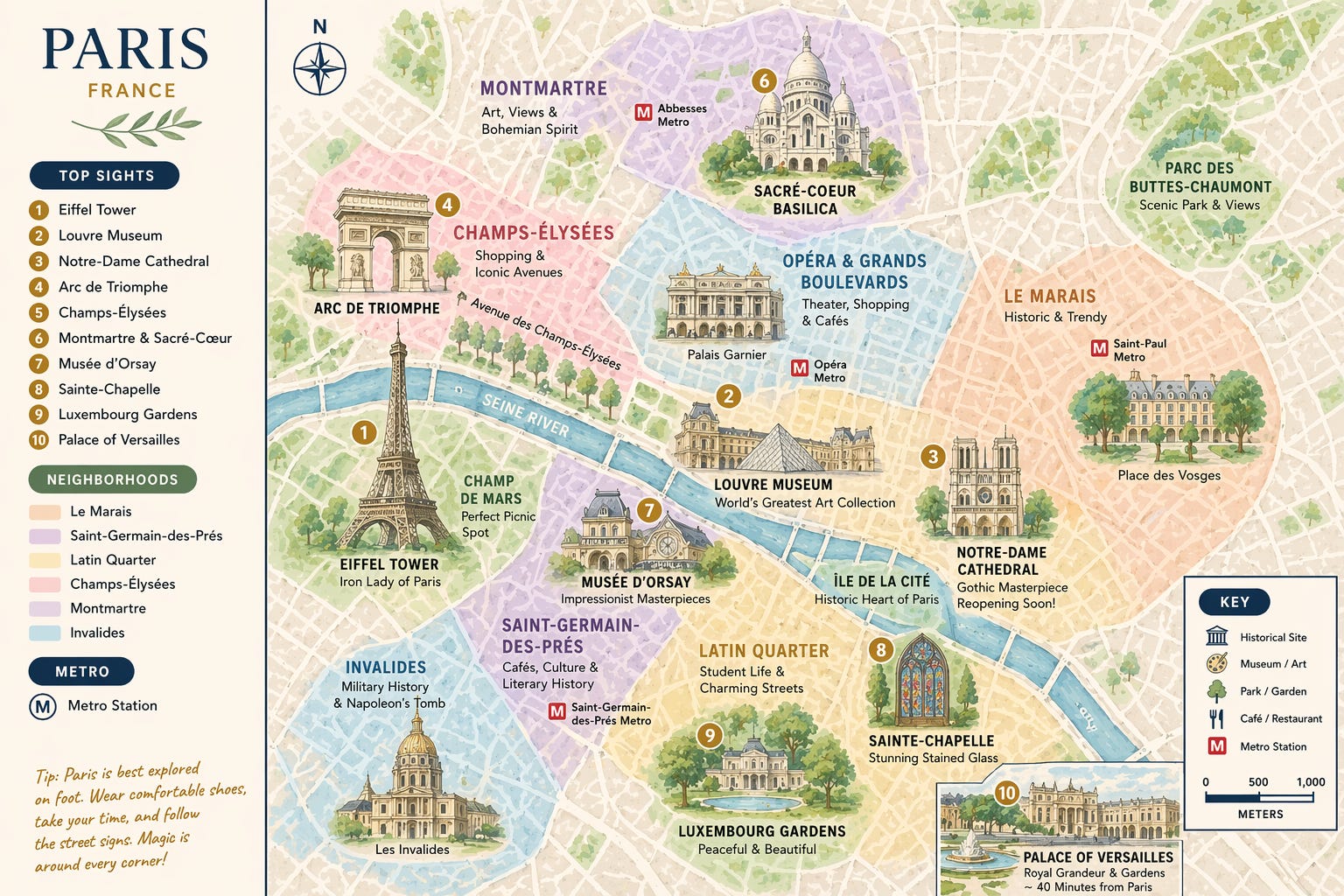
Paris is best understood not as a single city but as a collection of distinct villages, each with its own pace, personality, and purpose. Choosing where to spend time depends on what you are looking for.
Le Marais (3rd and 4th arrondissements)
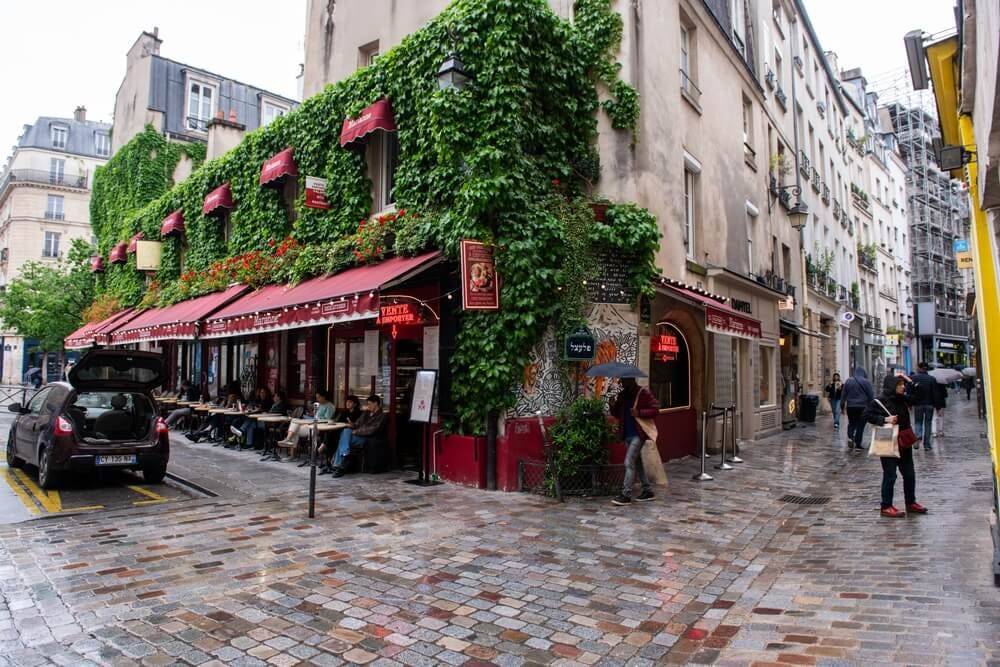
The most versatile neighborhood in Paris. Medieval streets sit alongside contemporary art galleries, independent boutiques, and a cafe culture that draws both locals and visitors in equal measure. The Place des Vosges, the oldest planned square in the city, is its quiet heart. Le Marais is also home to one of Europe's oldest Jewish quarters, with bakeries and delis that have been there for generations. Walk slowly and turn whenever something catches your eye.
Saint-Germain-des-Pres (6th arrondissement)
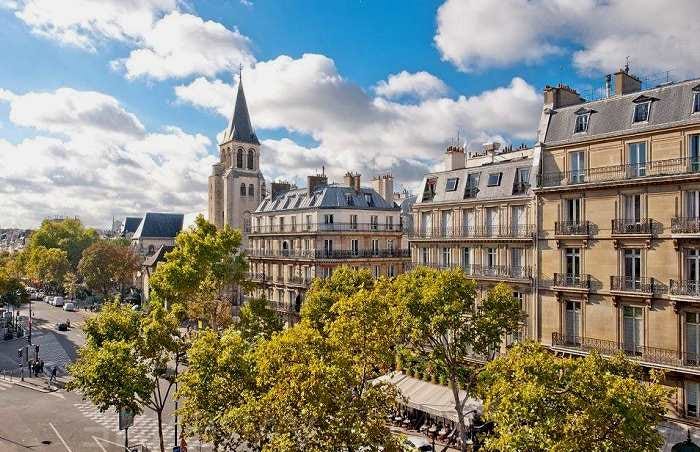
This is the Paris many people carry in their imagination before they arrive: literary cafes, antiquarian bookshops, gallery windows, a certain nonchalant elegance. Cafe de Flore and Les Deux Magots are more tourist landmark than local institution at this point, but they remain part of the landscape. The streets around the Marche Saint-Germain and the rue de Buci offer a more lived-in version of the same spirit. Saint-Germain rewards wandering over planning.
Montmartre (18th arrondissement)
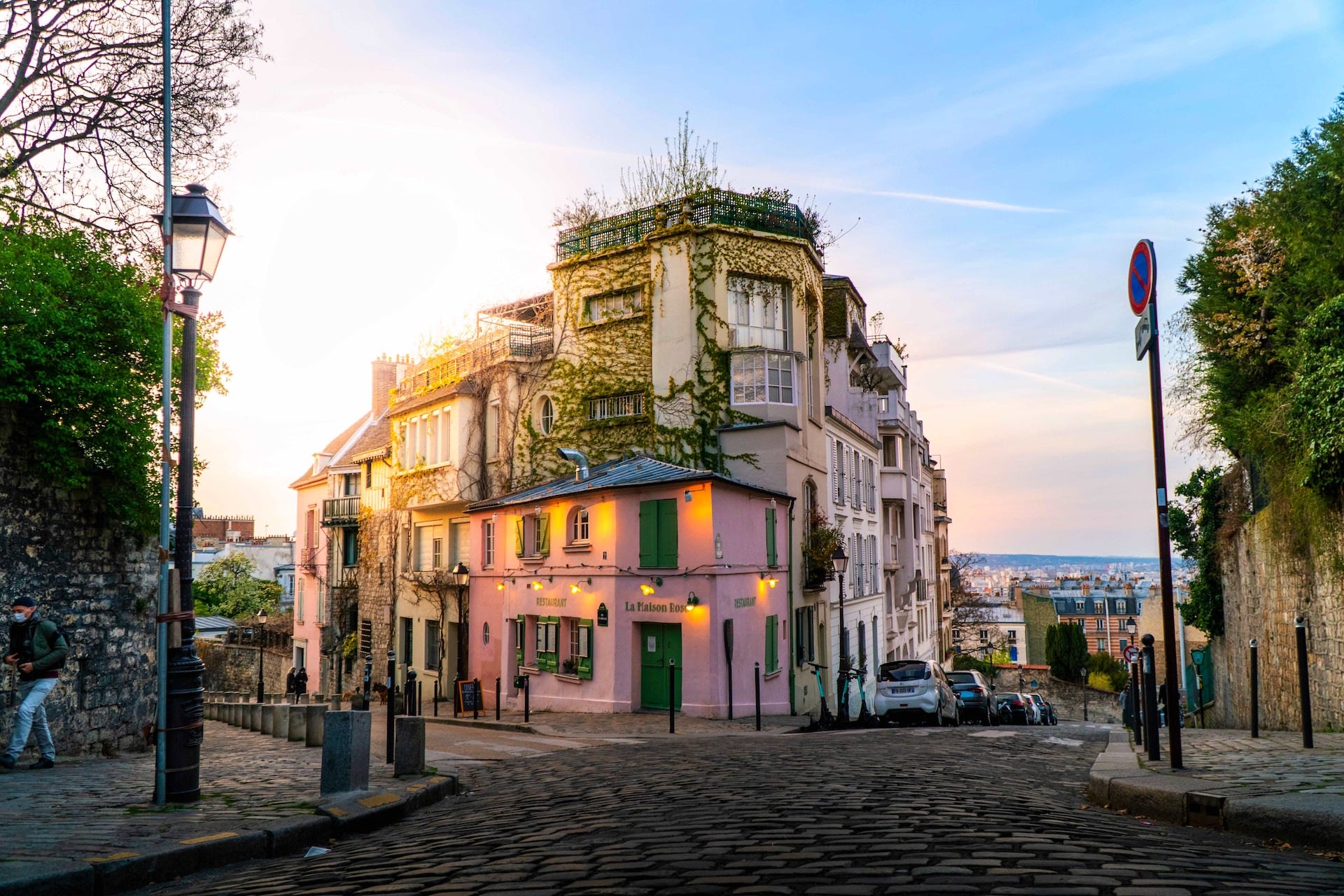
Montmartre asks something of you: the hill requires a climb. The reward is the view from the steps of Sacre-Coeur and a network of lanes that retain something of an older Paris. The Place du Tertre is too tourist-saturated to linger in, but the streets that radiate outward tell a different story: century-old vineyards, quiet squares, artists' studios, very few crowds. Come on a weekday if you can. The neighborhood is at its best before the tour groups arrive.
The Latin Quarter (5th arrondissement)
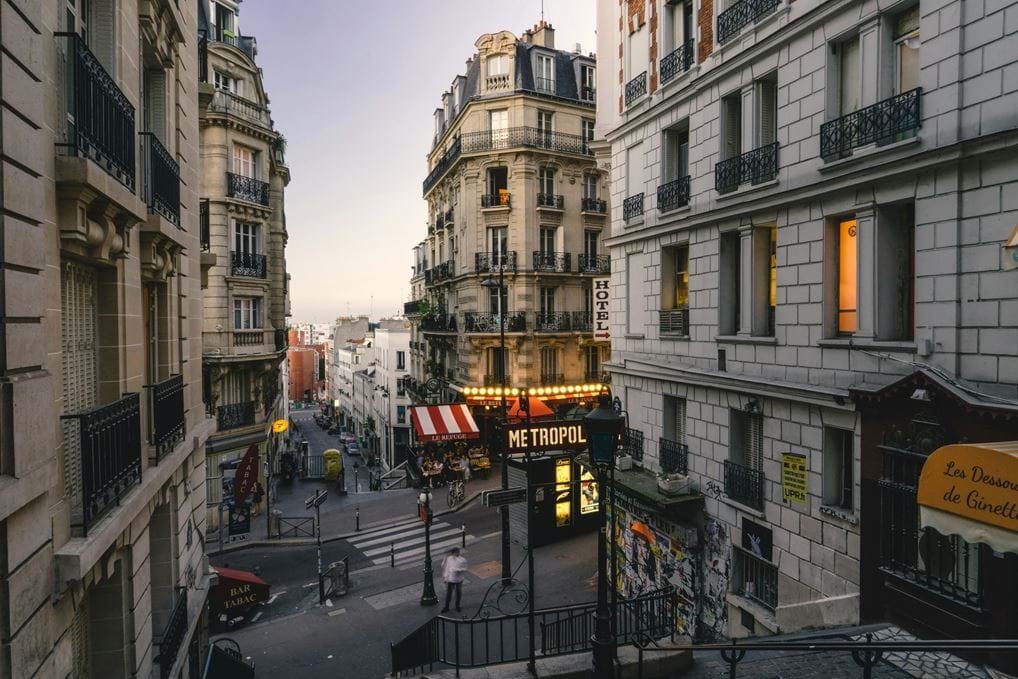
The student heart of Paris, anchored by the Sorbonne and the Pantheon. Prices are more reasonable here, the atmosphere more relaxed, and the bookshops along the Seine quays are among the most beautiful in the city. Shakespeare and Company, the legendary English-language bookstore, sits just across the river from Notre-Dame. This is a neighborhood for slow afternoons, cheap wine, and good conversation.
Canal Saint-Martin (10th arrondissement)
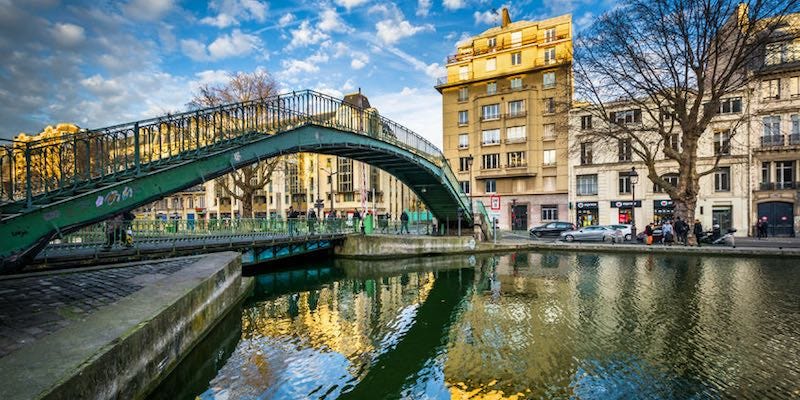
Less visited than the neighborhoods above, and more interesting for it. The Canal Saint-Martin is where Paris shows its contemporary face without performing for tourists. Independent cafes, concept stores, and restaurants packed with locals on weekday evenings. On sunny weekends, the canal banks become a communal living room. Come here to understand how the city actually lives right now.
Activities not to miss
Paris has enough to fill weeks, but a few experiences stand above the rest. These are the ones that define a visit, whether it is your first time or your fifth.
The Eiffel Tower

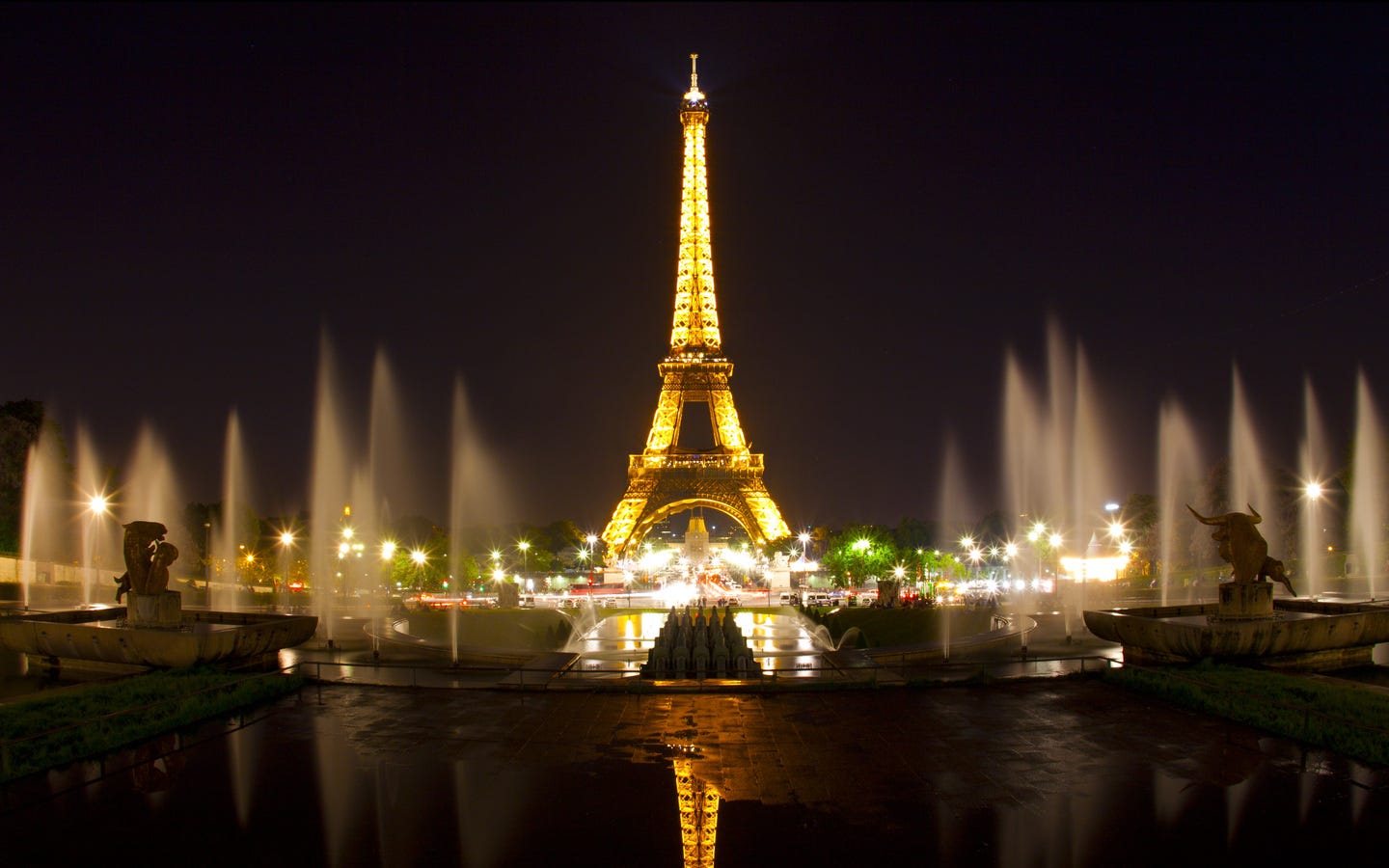
Yes, it is crowded. Yes, the lines are long without a ticket. And yes, it is still worth it, particularly at dusk when the city spreads out below and the tower begins its nightly light show. Book in advance, aim for second floor access at minimum, and go either early morning or early evening to avoid the midday crush.
The Louvre

The world's most visited museum demands a strategy. Do not try to see everything. Choose two or three wings and give them your full attention. The Denon wing, with the Mona Lisa, Venus de Milo, and Winged Victory of Samothrace, covers the most celebrated works. A guided tour is worth it here: the context changes everything.
Seine River Cruise

The best introduction to Paris for a first-time visitor, and a genuinely beautiful experience regardless of how many times you have done it. An evening cruise, when the monuments are lit and the city reflects off the water, is the most memorable version.
Palace of Versailles

Half a day minimum, a full day if the gardens matter to you. The Hall of Mirrors is as spectacular as advertised. The gardens are extraordinary when the fountains run on weekends. Book your entry in advance and take the RER C from central Paris, about 40 minutes.
The Catacombs

One of Paris's most singular experiences. Six million skeletons arranged in deliberate patterns beneath the streets. The atmosphere is unlike anything else in the city, eerie and quietly beautiful in equal measure. Timed-entry tickets sell out days in advance.
Musee d'Orsay

The Louvre's more approachable sibling, housed in a spectacular converted railway station. Home to the world's finest collection of Impressionist painting, including Monet, Renoir, Degas, and Van Gogh. Budget two to three hours and book timed entry to avoid queuing.
Montmartre Walking Tour

The neighborhood makes far more sense with a guide who knows its history: the cabarets, the painters, the bohemian decades before it became what it is today. A good walking tour here is one of the most enjoyable two hours you can spend in Paris.
Day trips from Paris
Paris's rail connections make several major destinations accessible within an hour or two, making day trips genuinely practical rather than exhausting.
Versailles
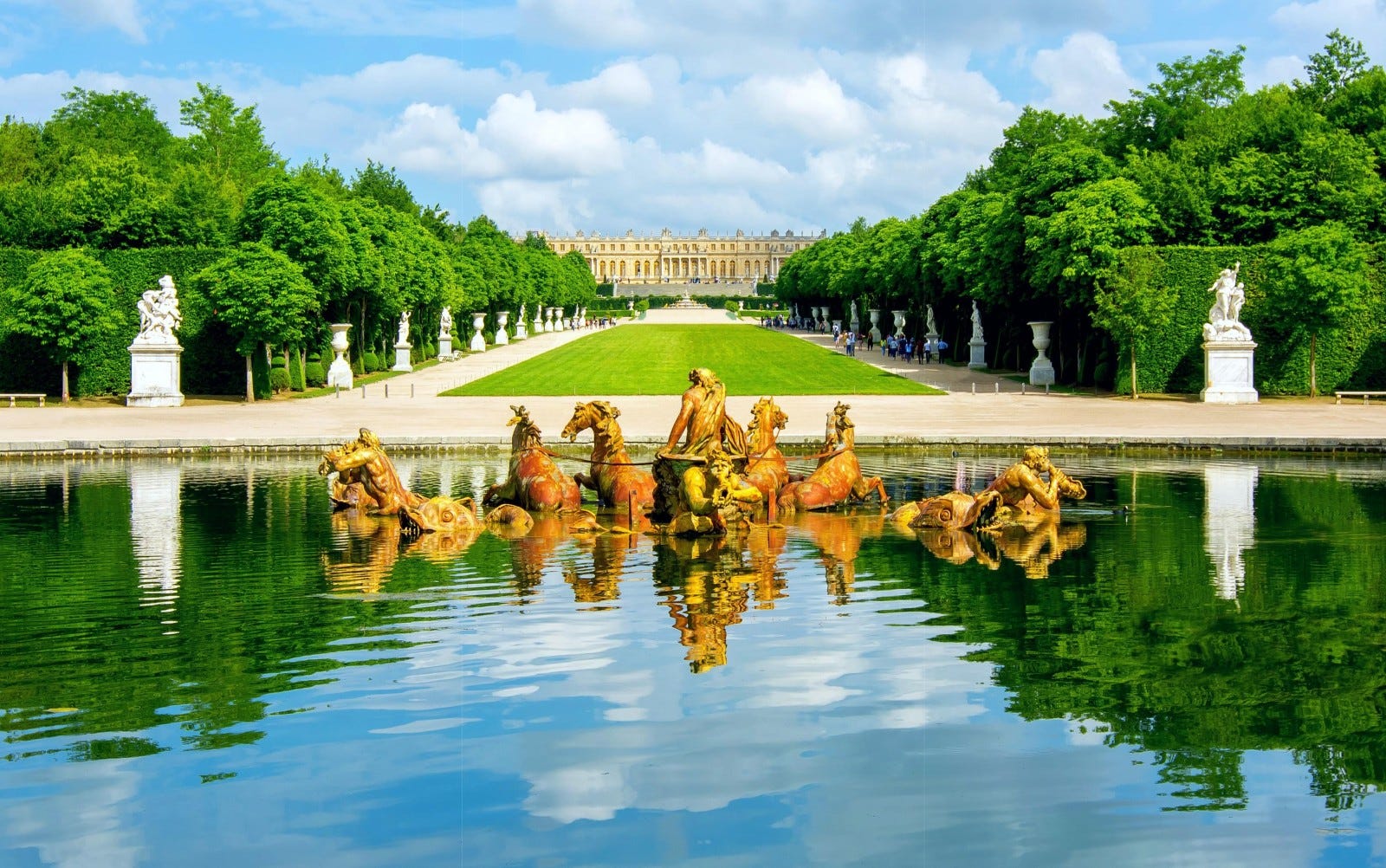
The most visited day trip from Paris, and deservedly so. The palace is extraordinary, the gardens even better. Go on a weekend when the fountains run, or on a Tuesday when crowds are thinner.
Chartres
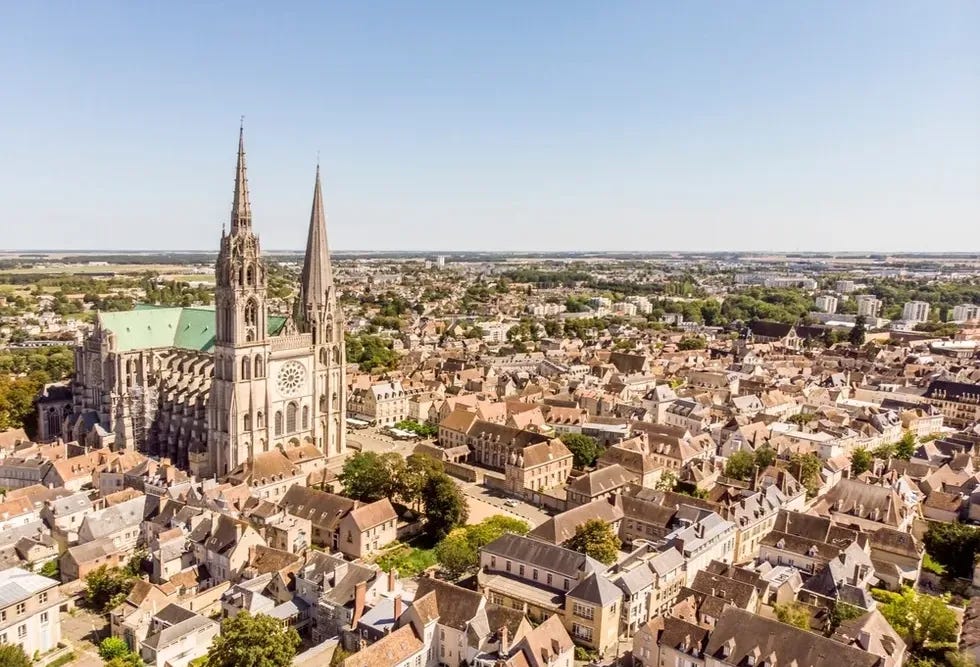
One of the finest Gothic cathedrals in the world, about an hour from Montparnasse by train. The stained glass windows are unmatched anywhere in Europe. Chartres is a quieter, more contemplative day out than Versailles, and often overlooked for exactly that reason.
Champagne Region and Reims

An hour and twenty minutes from Paris by TGV, Reims offers the cathedral where French kings were crowned and cellars where the world's most famous wine has been aging since the 17th century. The great houses, Taittinger, Ruinart, Veuve Clicquot, all offer guided cellar tours. A strong choice for travelers with five days or more.
Loire Valley
The Loire Valley châteaux sit about two hours from Paris by TGV to Tours or Blois. Chambord, Chenonceau, and Amboise are the three most celebrated. A guided day trip is the most efficient option; renting a car gives more flexibility.

When to visit Paris
Paris is a year-round destination with meaningful differences between seasons. The right time to go depends on what matters most to you.
🌸 Spring
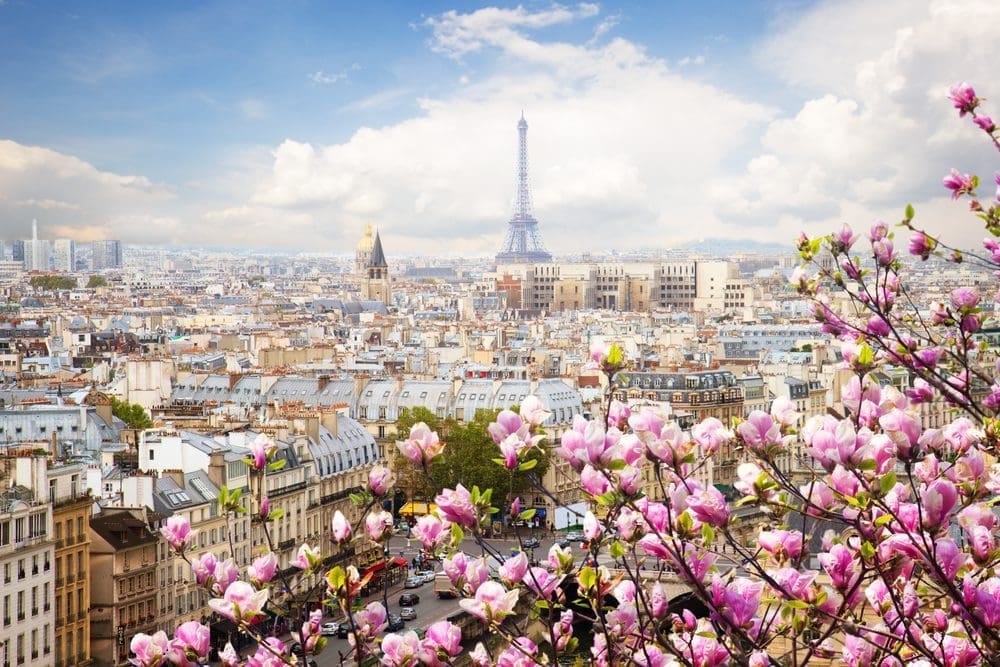
March to May. Mild weather, blooming chestnut trees, terraces reopening. Crowds build through April. The gardens, particularly Luxembourg and the Tuileries, are at their most beautiful. One of the two best times to visit.
☀️ Summer
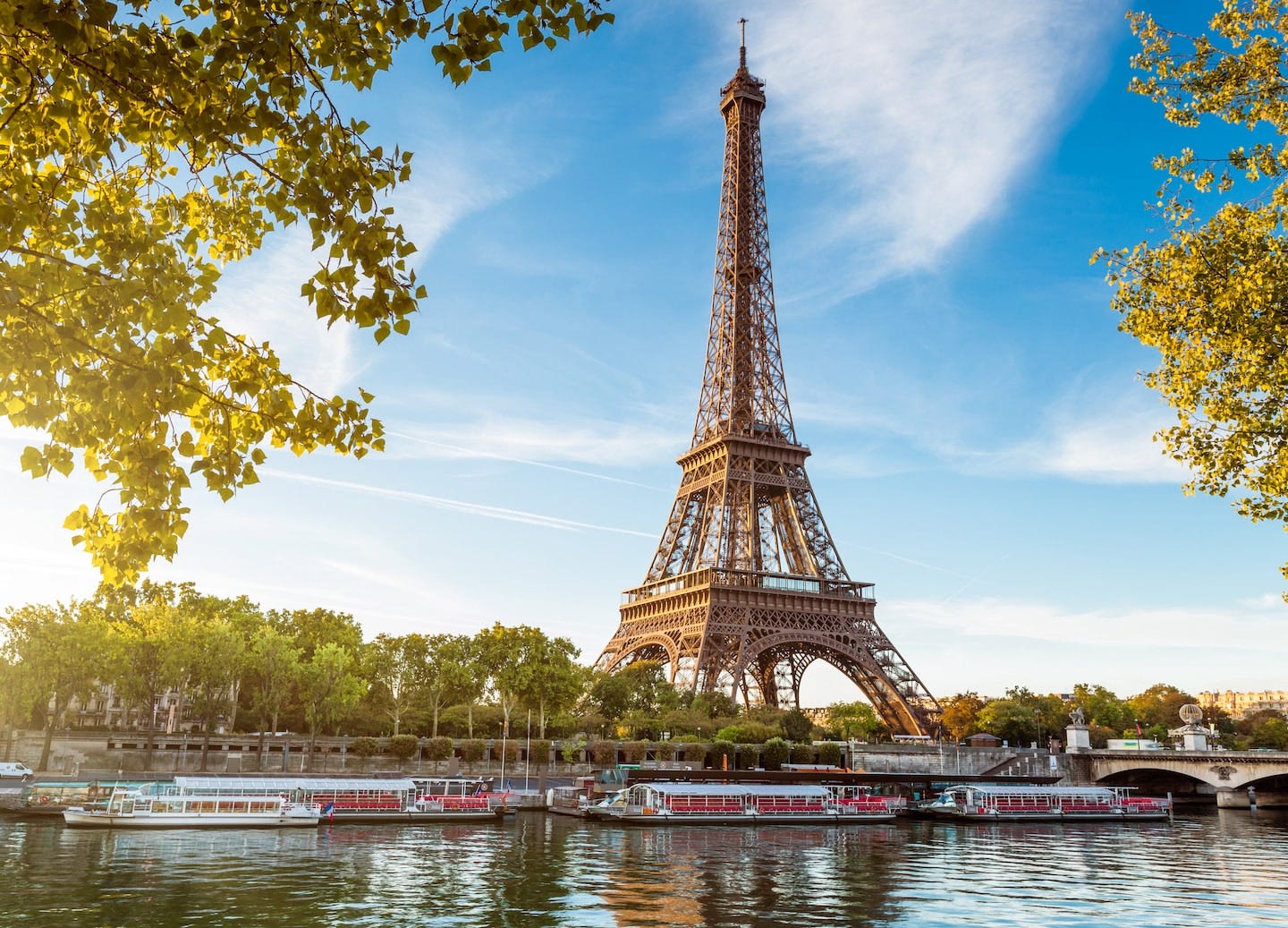
June to August. Hot, lively, and very busy. Many Parisians leave in August, which makes some neighborhoods paradoxically calmer. Long golden light until 10pm, outdoor events, and evening markets. Book everything in advance.
🍂 Autumn
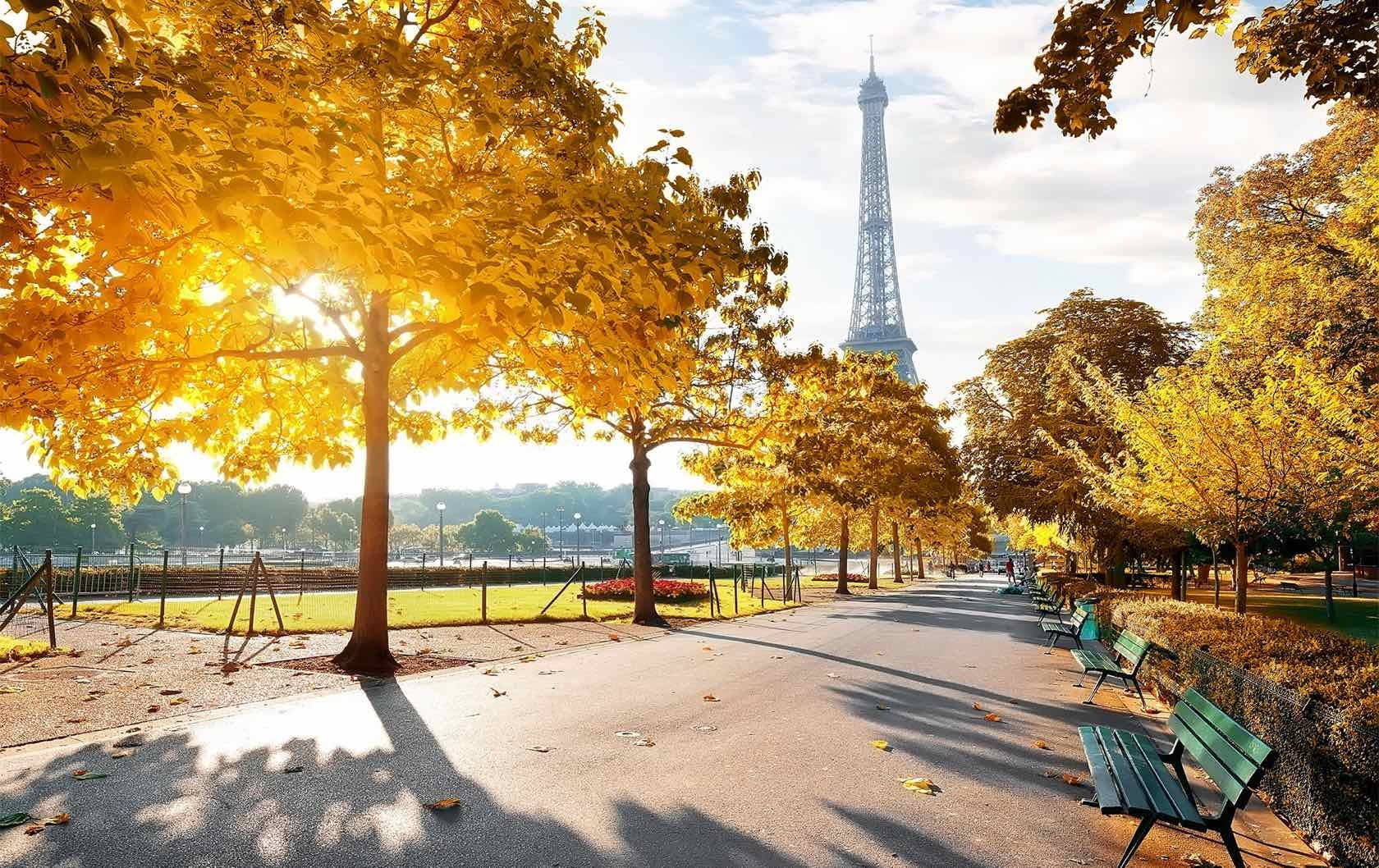
September to November. Arguably the finest season. A golden quality of light specific to Paris in October. Crowds thin after mid-September. Museums, restaurants, and concerts all running at full capacity. The most atmospheric time to visit.
❄️ Winter
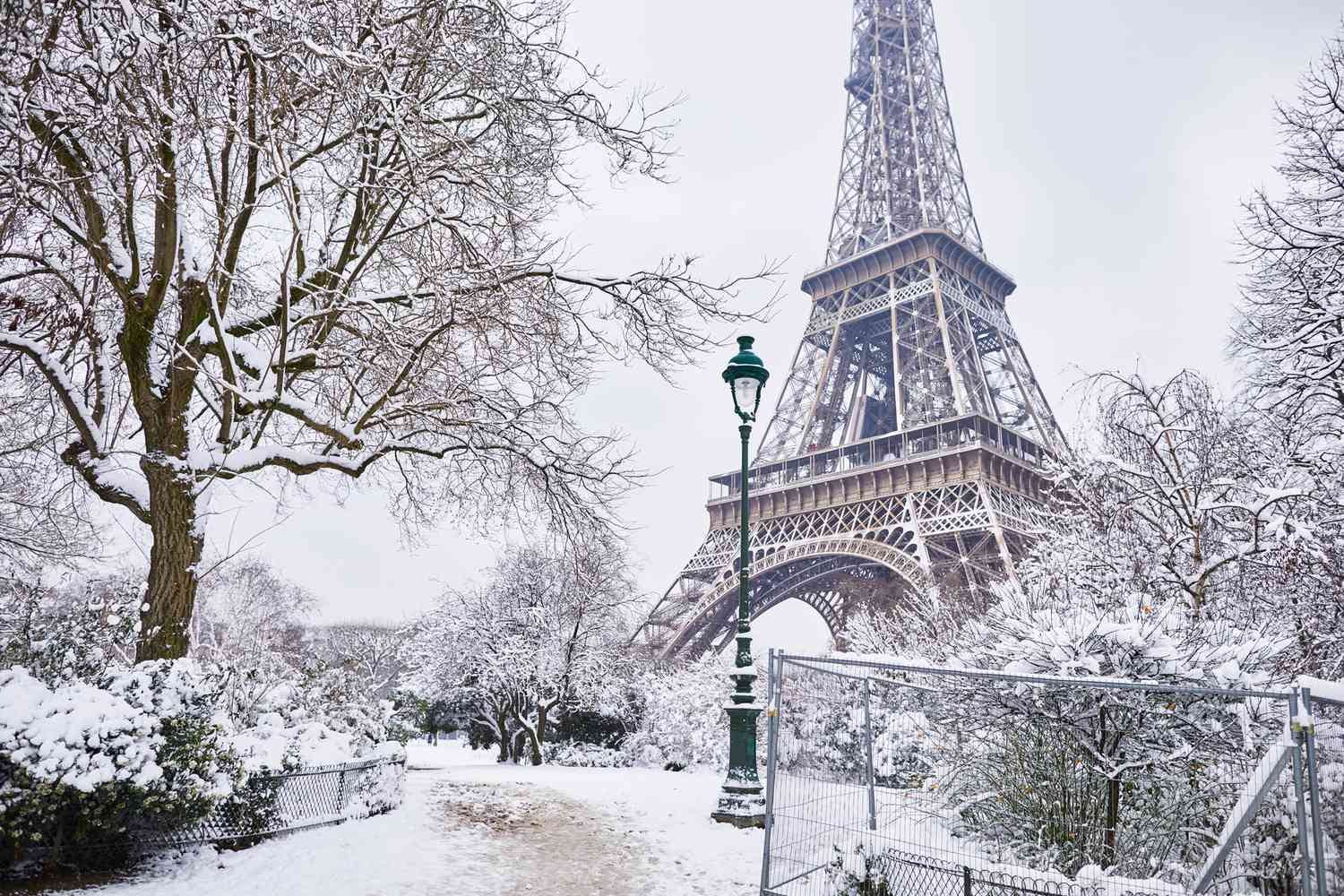
December to February. Paris illuminated for the holidays is a distinct and underrated experience. January and February are the quietest months, with shorter museum queues and easier restaurant reservations.
How many days to spend in Paris
Three days is enough to cover the essential landmarks and get a feel for the city's rhythm. Five days allows for a more considered pace, at least one day trip, and time to move beyond the obvious itinerary. Seven days or more is when Paris begins to reveal its quieter, more personal side.
Paris rewards time. It does not open up quickly. The longer you stay, the more it makes sense, and the more you find yourself wanting to come back.
Suggested 3-day itinerary
Day 1
Eiffel Tower (book first entry slot). Walk Champ-de-Mars.
Seine River Cruise. Lunch near Trocadero. Musee d'Orsay.
Dinner in Saint-Germain. Walk the illuminated quays at night.
Day 2
Louvre (arrive at opening, focus on Denon wing). Coffee in the Tuileries Garden.
Le Marais on foot. Place des Vosges. Browse galleries and boutiques.
Dinner in the Marais. Drinks in the Bastille neighbourhood.
Day 3
Montmartre early. Sacre-Coeur before 9am, then the backstreets and the vineyard.
Latin Quarter and bouquinistes along the Seine. Notre-Dame exterior.
Sunset from Pont Alexandre III. Dinner in Saint-Germain or the 7th.
Where to eat
Paris has more restaurants than any city deserves. These are a starting point across different budgets and styles, chosen for quality and consistency rather than celebrity.
Du Pain et des Idees
Boulangerie
One of the finest bakeries in Paris. The croissants aux amandes and escargot pastries are reason enough to visit the 10th arrondissement.
Septime
Bistronomie
Consistently one of the best meals in Paris. Creative, market-driven cooking in a relaxed room. Book several weeks in advance.
Breizh Cafe
Crepes / Galettes
The best buckwheat galettes in the city, in a tucked-away Marais address. Outstanding cider list to match.
Le Comptoir du Relais
Classic bistro
Saint-Germain institution. Rotisserie chicken, market salads, terrace that fills up by noon. No reservations at lunch.
Frenchie Bar a Vins
Wine bar
Standing room, natural wines, small plates. One of the best evenings in Paris for under 50 euros a head.
Chez L'Ami Jean
Basque bistro
Noisy, generous, unforgettable. The rice pudding at the end of the meal has its own legend. Book well in advance.
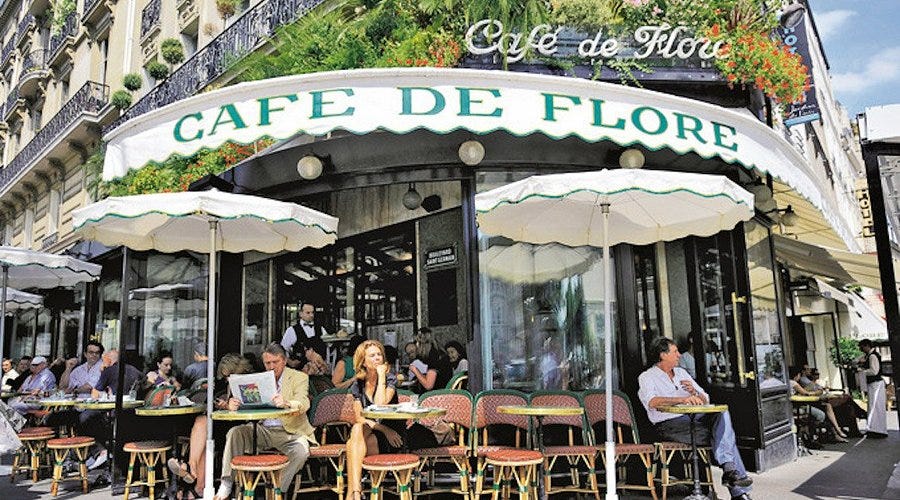
Cafe de Flore
Classic cafe
More expensive than it should be, but the terrace on a quiet weekday morning remains a genuinely Parisian experience.
Where to stay
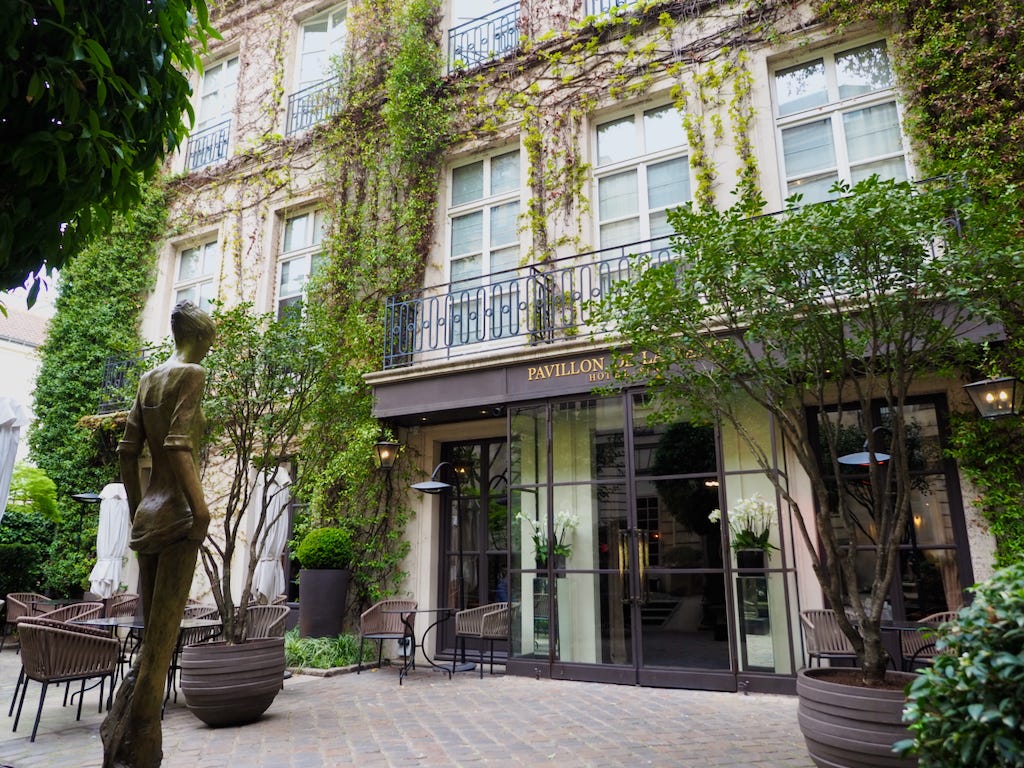
The best Paris neighborhood to stay in depends on your priorities. Le Marais puts you at the center of everything. Saint-Germain is quieter and more residential. The 1st and 2nd arrondissements are the most central. These are reliable options across different budgets.
Hotel du Petit Moulin
Mid-range / Boutique
A converted mustard shop in Le Marais, each room designed differently by Christian Lacroix. Style without pretension.
Pavilion de la Reine
Luxury
Faces the Place des Vosges directly. Elegant, quiet, exceptional breakfast. One of the finest addresses in the city.
Hotel des Grands Boulevards
Mid-range
An Italian restaurant downstairs, a rooftop terrace above, and well-designed rooms in the 2nd arrondissement. Consistently excellent value.
Hotel Henriette
Mid-range / Boutique
A Latin Quarter gem with a plant-filled courtyard. Calm, charming, and genuinely personal service.
Generator Paris
Budget
The best hostel option in the city. Well-located near the Canal Saint-Martin, with a lively bar and clean communal spaces.
Hotel Crayon Rouge
Mid-range
Near the Louvre, colourful and playful design, reasonable rates for the location. A reliable base for first-time visitors.
Practical information
Currency: Euro (EUR). Cards are accepted almost everywhere. Keep some cash for markets, smaller bakeries, and neighbourhood cafes.
Language: French. A few words of courtesy (bonjour, s'il vous plait, merci) go a long way and often change the warmth of the welcome you receive. English is widely understood in tourist areas.
Getting around: The metro covers the city comprehensively. A weekly Navigo pass offers unlimited travel on metro, bus, and RER within Paris. Velib' bikes are excellent for short distances between neighborhoods.
Internet: A French eSIM or European roaming plan is the most convenient option. Most cafes and hotels offer reliable Wi-Fi, but mobile data is essential for navigating.
Safety: Paris is a safe city by any global standard. Pickpockets are active on the metro (particularly line 1) and around the Eiffel Tower and Sacre-Coeur. Keep bags in front of you in crowded areas.
Tipping: Not obligatory. Service is included in the bill by law. Leaving a few euros for exceptional service is appreciated but never expected.
Museum hours: Most national museums close either Monday or Tuesday. The Louvre closes on Tuesdays. The Musee d'Orsay closes on Mondays. Check before you go.
Reservations: Book major attractions (Eiffel Tower, Louvre, Catacombs, Versailles) at least 48 to 72 hours in advance. For popular restaurants, a week or more ahead is wiser
How Paris fits into a broader Europe trip

Most travelers combine Paris with at least one other destination. Within France, the classic pairings are the Loire Valley for châteaux and countryside, Provence for markets and Mediterranean light, and Lyon for arguably the finest food culture in the country. All are accessible by TGV in two hours or less.
At a European scale, Paris connects naturally with Amsterdam (3.5 hours by Thalys), Brussels (1h20 by Eurostar), and London (2h15 via the Channel Tunnel). For travelers with two weeks or more, a rail circuit across two or three countries is one of the most rewarding itineraries available anywhere in Europe.
Frequently asked questions
Is Paris worth visiting for first-time travelers to Europe?
Yes. Paris is the most comprehensive introduction to European travel and covers the full range of what the continent offers. It is also one of the most manageable major cities in Europe to navigate for a first-time visitor.
How many days do you need in Paris?
Three days covers the essential landmarks. Five days allows for a more relaxed pace, a day trip, and time to explore beyond the main tourist circuit. Seven days or more is when the city begins to reveal its quieter, more personal side.
What is the best time of year to visit Paris?
Autumn (September to November) offers the finest combination of weather, atmosphere, and manageable crowds. Spring is beautiful but busy from April onward. Winter is underrated for its intimacy and shorter museum queues. Summer is lively but the most crowded.
Is Paris safe for tourists?
Paris is a safe city overall. Standard awareness in crowded tourist areas is recommended, particularly on the metro and near major monuments. Petty theft is the main concern; violent crime directed at tourists is rare.
Which neighborhoods should first-time visitors prioritize?
Le Marais for its history and energy, Saint-Germain for the classic Parisian atmosphere, Montmartre for the views and village feel, and the Canal Saint-Martin for a more contemporary, local experience.
Can you visit Paris without speaking French?
Yes. English is widely understood in restaurants, museums, hotels, and tourist areas. A few words of French, starting with bonjour, make a noticeable difference to how you are received.
Do I need to book attractions in advance?
For the Eiffel Tower, the Louvre, the Catacombs, and Versailles, advance booking is strongly recommended and often required. Arriving without a ticket means long queues or denied entry at peak times.
Plan your Paris trip with ÆRIA Voyages

Every traveler's ideal Paris itinerary looks different depending on the time available, the experiences that matter most, and the kind of trip you want to have. I help clients build trips that go beyond the standard circuit, whether that means a private Seine dinner cruise, a guided visit to a Champagne cellar, or a curated hotel in a neighborhood that actually feels like Paris.
If you are planning a trip to Paris and want to talk through the options, I would be glad to help.
Yvan Junior Blanchette
Travel & Cruise Specialist
ÆRIA Voyages📩 yvanblanchette@aeriavoyages.com
📞 1-888-460-3388
🌐 aeriavoyages.com