

The Ultimate LONDON Travel Guide: What to know, where to go, and how to make the most of your visit
Updated 2026 | England | First-time visitors | In-depth travel
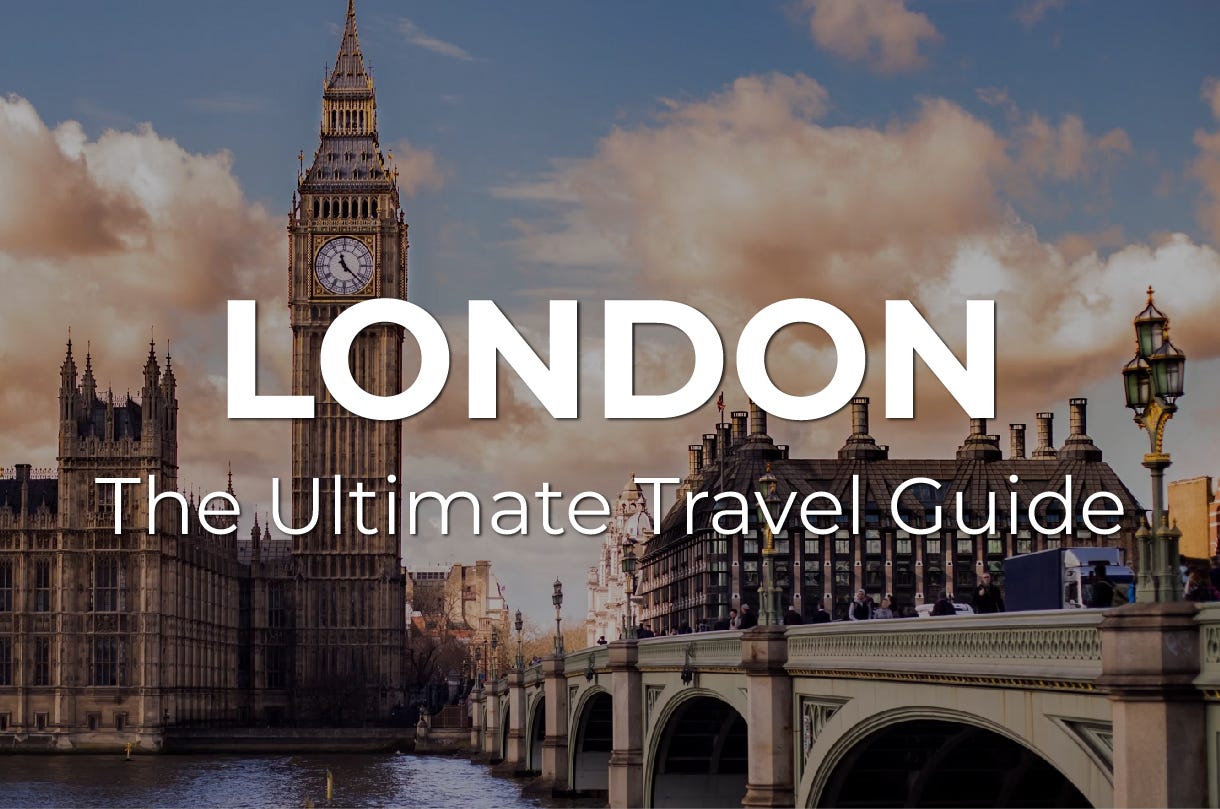
London is not a city that reveals itself quickly. It is vast, layered, and deliberately unhurried about sharing its best parts. The museums are free and extraordinary. The parks are enormous and in the middle of everything. The food, long unfairly maligned, has become one of the most diverse and accomplished in the world.
And beneath the tourist surface of the double-decker buses and the Buckingham Palace photographs, there is a city that runs on its neighborhoods: each one a village with its own character, its own market, its own pub at the center of things.
This guide covers the neighborhoods worth knowing, the experiences that define the city, the practical details you need before you go, and how to plan the right amount of time for the kind of trip you want.
Table of Content
🎙️BEYOND THE HORIZON: TRAVEL AND CRUISE PODCAST

Why London is worth visiting
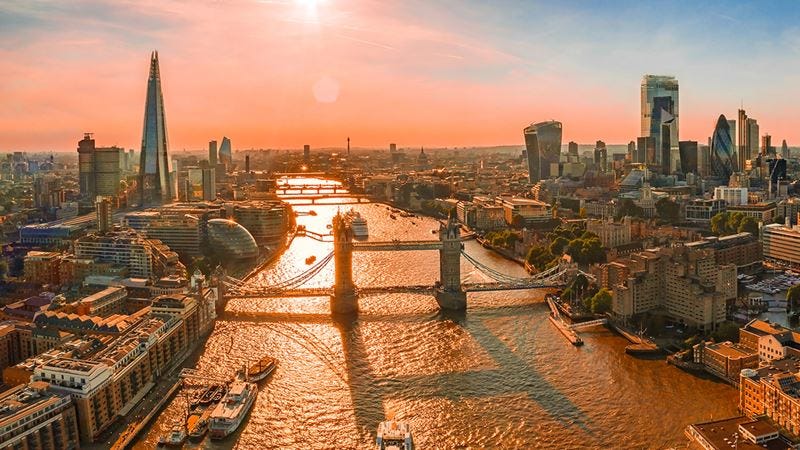
London operates at a scale that takes a day or two to adjust to. It is one of the largest cities in Europe by area and has been continuously building on itself for two thousand years, which means that the Roman walls are still visible in the basement of a modern office building and the medieval street plan of the City survives inside a financial district. The result is a city of remarkable density: history at every turn, but rarely in the manner of a preserved museum piece. London is lived in, opinionated, and very much alive.
The world-class museums, the West End theatre, the Royal Parks, the market culture, and the riverside walk from Westminster to Greenwich represent a range of experiences that no other English-speaking city can match. Add the fact that the National Gallery, the British Museum, the Tate Modern, the Natural History Museum, and the Victoria and Albert Museum are all entirely free, and London becomes one of the most extraordinary value-for-money destinations in Europe for anyone who cares about art, history, and culture.
For travelers visiting England for the first time, London is the natural entry point. It introduces the language, the scale, and the particular character of British life in a way that makes the rest of the country more comprehensible. But it also justifies multiple visits on its own terms, each one revealing neighborhoods and dimensions that the previous one missed.
The neighborhoods you should know
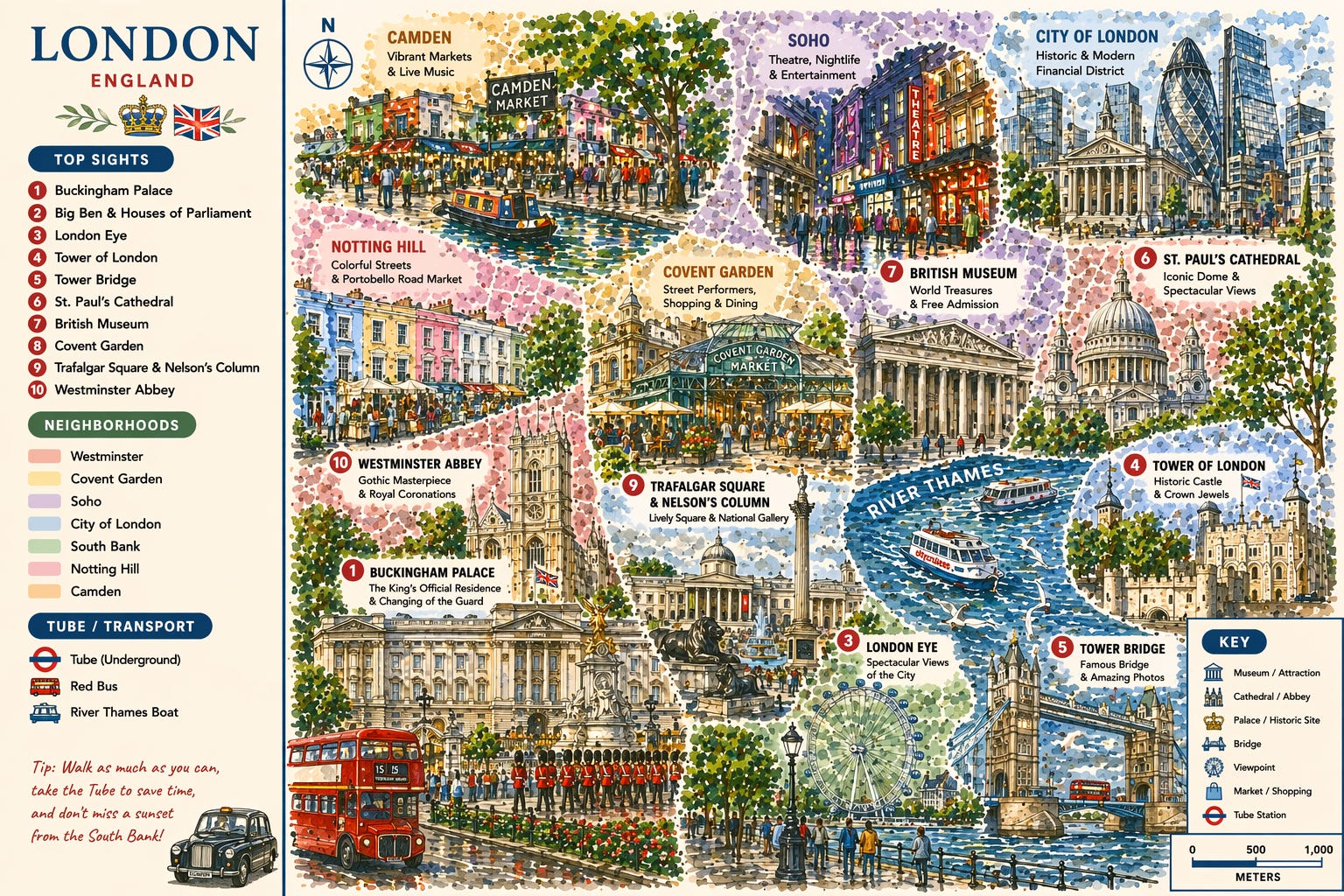
London is too large to understand as a single city. It functions as a collection of villages, each with its own distinct personality, and choosing where to spend time depends on what kind of city you are looking for.
Westminster and the South Bank
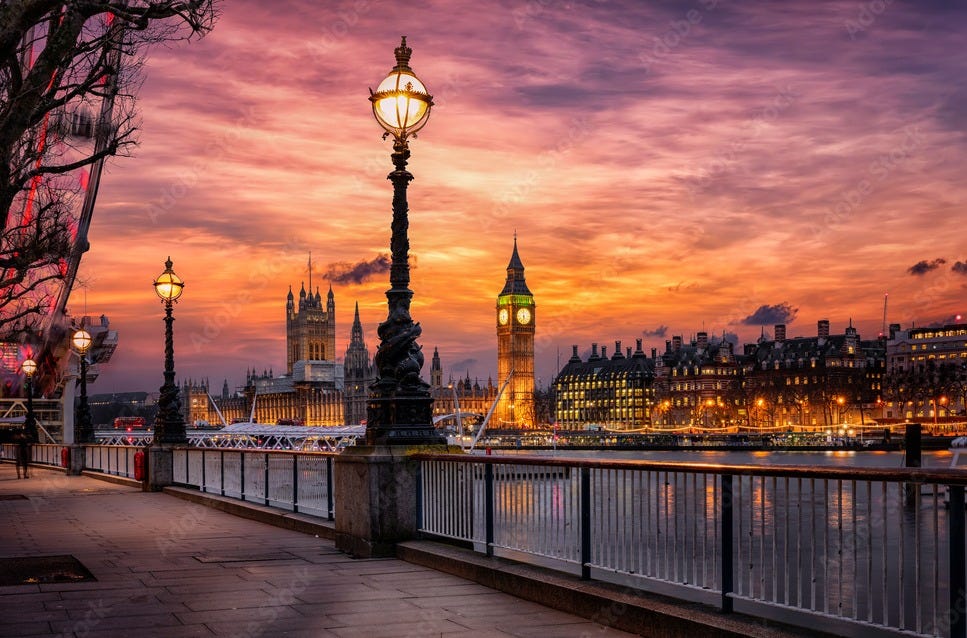
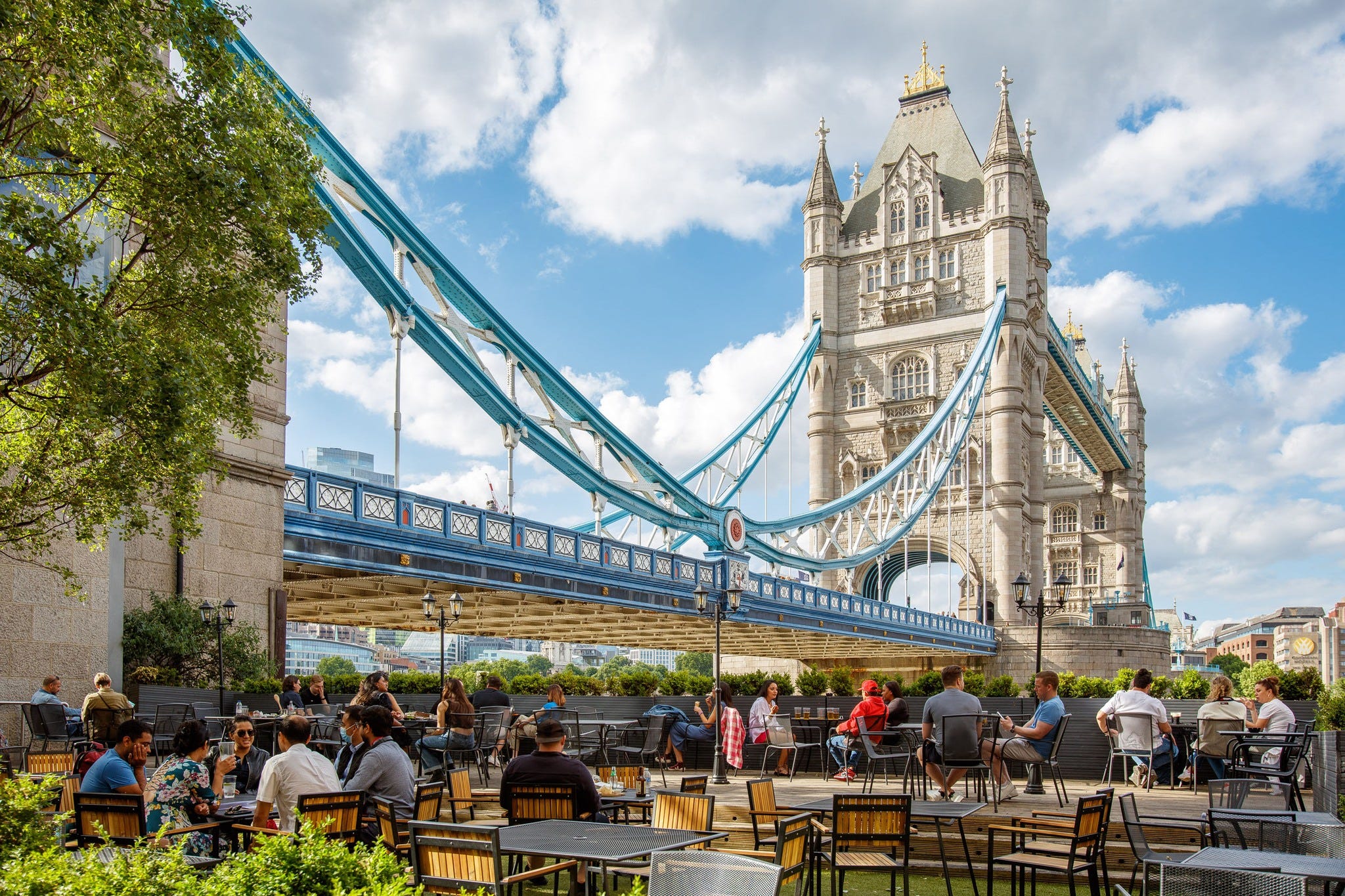
The symbolic and political center of London: Parliament, Big Ben, Westminster Abbey, Buckingham Palace, and the Thames are all here. The South Bank, across the river, offers a completely different experience of the same view: the National Theatre, the Tate Modern in a converted power station, the Globe Theatre, Borough Market, and a riverside walk that is one of the finest in any city. The South Bank is best walked from Westminster Bridge to Tower Bridge, ideally in the late afternoon when the light comes off the Thames.
Covent Garden and the West End
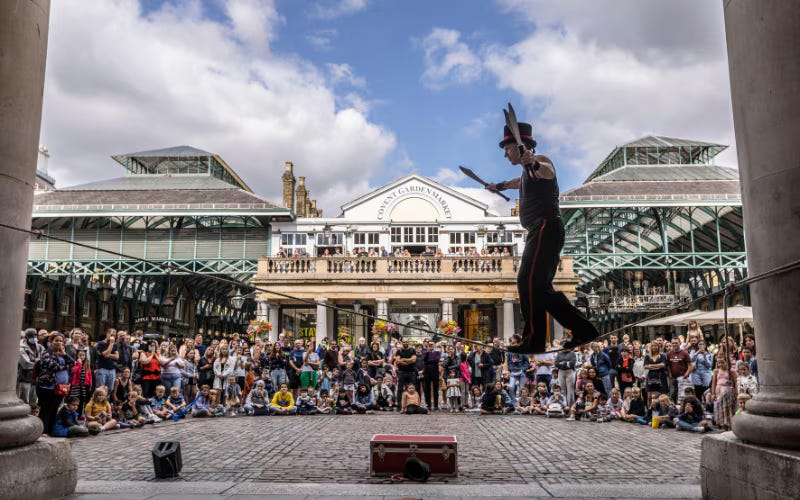
The entertainment and theatrical heart of London. Covent Garden, with its restored Victorian market hall, street performers, and the concentration of good restaurants in the surrounding streets, is the city’s most reliably lively public space. The West End, immediately to the west, hosts the densest concentration of theatre in the world: from long-running musicals in enormous venues to small experimental productions in rooms above pubs. An evening in this part of London, with dinner followed by a show, is the most classic of London experiences.
Shoreditch and Spitalfields
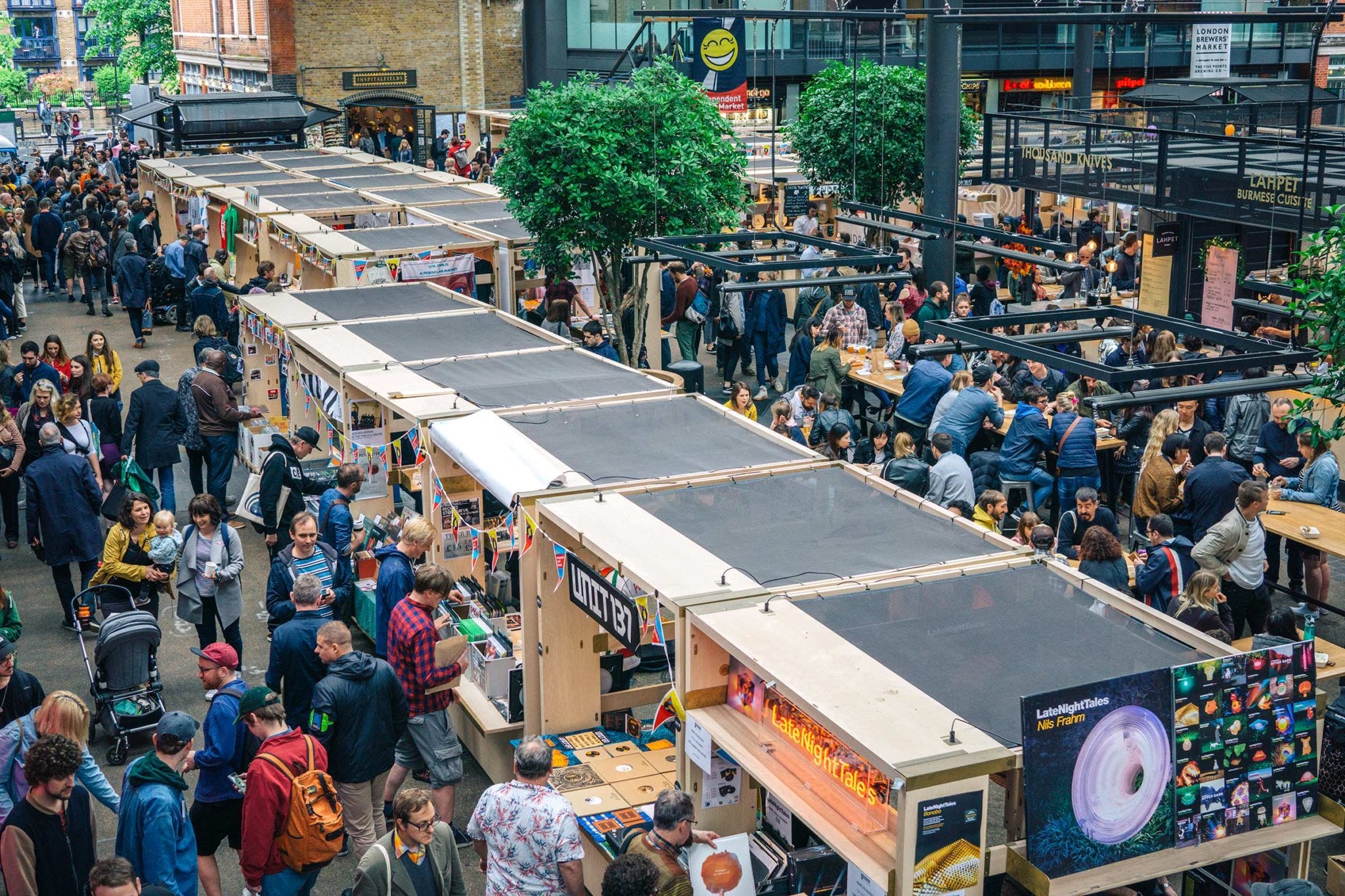
East London’s creative quarter, built on the bones of a textile and immigrant neighborhood that has absorbed successive waves of newcomers for three centuries: Huguenots, Jews, Bangladeshis, and most recently the creative industries. Brick Lane is famous for its curry houses and Sunday market. Spitalfields Market, in a Victorian covered hall, is excellent on weekends. Shoreditch has become one of the most gentrified areas in London while somehow retaining its edge: street art, independent coffee shops, experimental restaurants, and bars that stay open until the small hours.
Notting Hill and Portobello
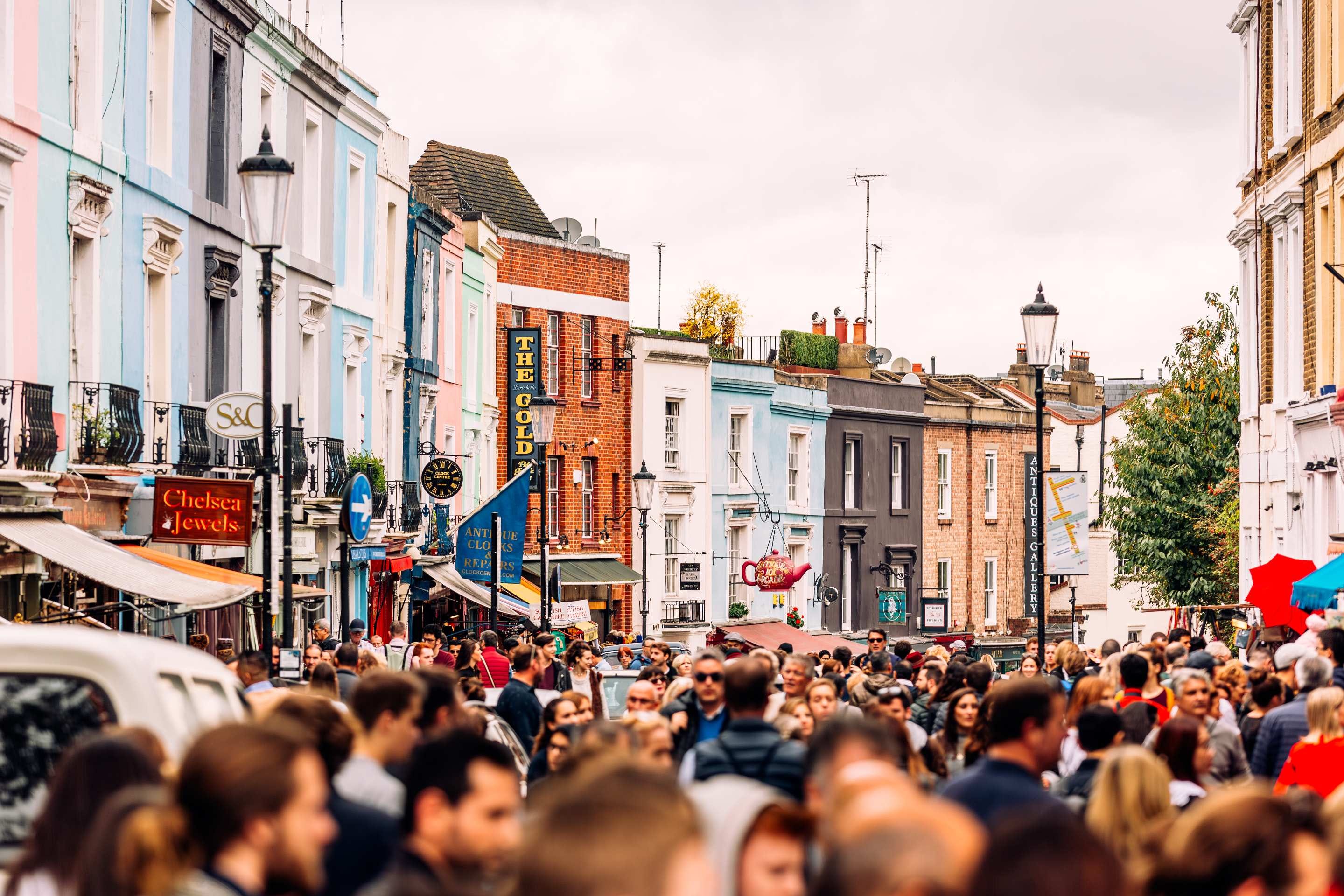
One of the most visually distinctive neighborhoods in London: the pastel-painted terrace houses, the Portobello Road antique and food market (at its best on Saturdays), and the Notting Hill Carnival every August Bank Holiday weekend, the largest street festival in Europe. The neighborhood has been expensive for decades, but the market streets retain a genuine vitality that the property prices have not entirely extinguished.
South Kensington and Chelsea
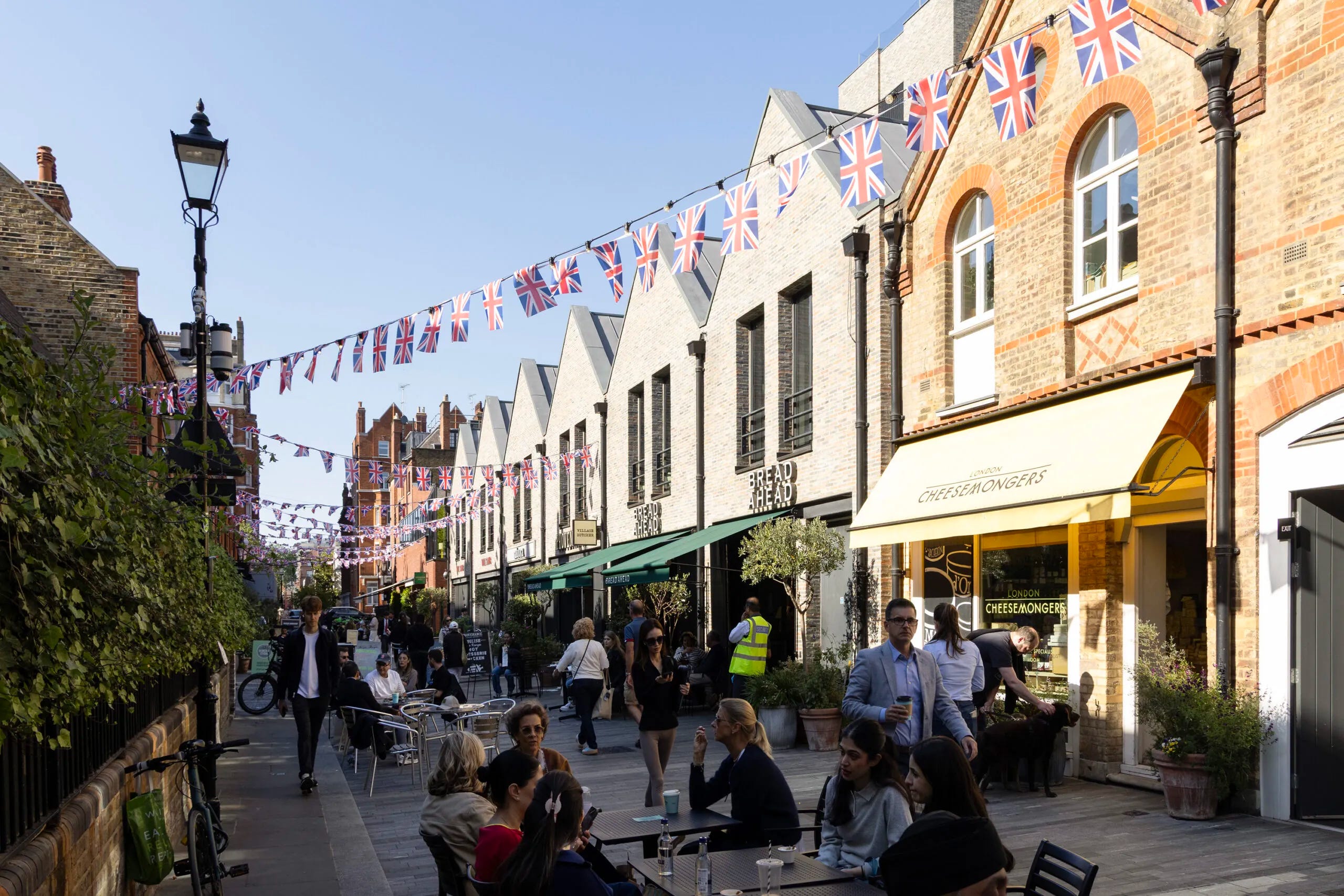
The museum quarter of London: the Natural History Museum, the Victoria and Albert Museum, and the Science Museum are all within five minutes’ walk of each other on Exhibition Road, all free. South Kensington has an unexpectedly strong French character (the French Lycee and the Institut Francais are both here) and excellent cafe and restaurant culture. Chelsea, immediately south, is quieter, residential, and home to the Chelsea Physic Garden and the King’s Road.
Bermondsey and Peckham
The most interesting part of South London for food and culture, and the area that has changed most dramatically over the past decade. Maltby Street Market on weekend mornings is the finest food market in London: small, serious, and not yet overrun. Bermondsey’s converted railway arches contain some of the best independent restaurants and bars in the city. Peckham, further south, has a rooftop bar scene and arts venues that draw the city’s creative class on weekend evenings.
Activities not to miss
London offers more than any reasonable itinerary can contain. These are the experiences that define a visit, across the full range of what the city offers.

The Tower of London and Tower Bridge

The Tower of London is the most complete medieval castle in England and, as a UNESCO World Heritage Site, one of the most significant buildings in British history. The Crown Jewels, displayed in the Jewel House, include the Imperial State Crown with its 2,868 diamonds and the Sovereign’s Sceptre containing the largest cut diamond in the world.
The Yeoman Warder tours, led by the famous Beefeaters, are among the finest guided experiences at any historic site in the country. Tower Bridge, immediately adjacent, offers the glass-floored high-level walkway and an exhibition on the Victorian engineering that built it.
Westminster Abbey and Buckingham Palace

Westminster Abbey has been the site of every English coronation since 1066 and contains the tombs of seventeen monarchs, Chaucer, Dickens, Darwin, Newton, and Stephen Hawking, among many others. The Poet’s Corner alone justifies the entry fee. Buckingham Palace’s Changing of the Guard ceremony, when the guard is changed on the palace forecourt with military precision and a brass band, is one of the most ceremonially British experiences in the city. Check the schedule in advance as it does not run every day.
The British Museum

The largest and most visited museum in the United Kingdom, housing eight million objects spanning the full history of human civilization. The Rosetta Stone, the Elgin Marbles (officially the Parthenon sculptures), the Sutton Hoo helmet, the Lewis Chessmen, and the Lindow Man are among the most significant objects on display. It is completely free. A guided tour is strongly recommended: without context, the scale of the collection is genuinely overwhelming.
The Tate Modern and the South Bank walk

The Tate Modern, housed in the former Bankside Power Station with its enormous Turbine Hall used for major art installations, is the most-visited modern art museum in the world. The permanent collection includes Rothko, Warhol, Picasso, Dali, and the most important works of the 20th century international avant-garde. The South Bank walk from Westminster Bridge past the London Eye, the National Theatre, and the Tate to Tower Bridge is the finest free walk in London and takes about two hours at a relaxed pace.
West End theatre

London’s West End is the theatrical capital of the English-speaking world. On any given evening, more than forty major productions are running simultaneously, from long-running musicals in 2,000-seat theatres to contemporary drama in intimate spaces. Booking in advance for popular shows is essential; same-day discount tickets are available at the TKTS booth in Leicester Square from mid-morning. A West End evening, even for visitors with no particular theatre habit, is one of the most memorable experiences London offers.
Jack the Ripper Walking Tour

The most popular walking tour in London, taking visitors through the streets of Whitechapel where the autumn 1888 murders occurred and the Victorian East End social conditions that framed them. The best guides are genuine Ripperologists with serious historical knowledge; the worst are theatrical but shallow. Either way, the walk covers one of the most atmospheric parts of historic London after dark, and provides genuine insight into Victorian London’s underclass, its policing, and its press.
Borough Market and a proper pub

Borough Market, under the railway arches near London Bridge, is the oldest and most celebrated food market in London, trading on this site since at least the 13th century. The current market is a destination for serious food: farmhouse cheeses, artisan bread, game, charcuterie, fresh fish, and street food from around the world. A Saturday morning at Borough Market, followed by a proper lunch in one of the surrounding pubs, is one of the most authentically London experiences available and costs nothing to enter.
Day trips from London
London’s rail and road network makes several extraordinary destinations accessible within two hours, covering the full range of English history from prehistoric to royal.
Stonehenge and Bath

Two of the most visited sites in England, accessible together in a full day from London. Stonehenge, the 5,000-year-old stone circle on Salisbury Plain, remains one of the most mysterious and moving prehistoric monuments in the world despite the crowds. Bath, the Georgian city built on Roman foundations with its intact Royal Crescent, Circus, and Roman Baths, is arguably the finest intact 18th-century urban environment in Britain. About two hours from London by coach.
Windsor, Oxford and Stonehenge

The classic full-day combination: Windsor Castle, the oldest and largest occupied castle in the world and the official weekend residence of King Charles III; Stonehenge; and Oxford, the university city whose colleges, quadrangles, and medieval streets gave the world some of the most influential literature, science, and political philosophy of the past eight centuries. A long day, but one of the most comprehensive single-day experiences available from any European capital.
Oxford

Forty-five minutes from London Paddington by train and perfectly manageable as a half or full day. Oxford’s thirty-nine colleges, the Bodleian Library, the Ashmolean Museum, and the covered Covered Market together make a city that is arguably more beautiful per square kilometer than any other in England. The Bodleian, one of the oldest libraries in Europe, is the same reading room where Harry Potter was filmed and where C.S. Lewis and J.R.R. Tolkien worked. Walk the city independently or take a guided tour from the train station.
Cambridge

Oxford’s great rival and a genuinely different experience: flatter, more intimate, and centered on the Backs, the green lawns that run along the River Cam behind the colleges. King’s College Chapel, with its fan vaulting and Rubens altarpiece, is the finest Gothic interior in England. Punting on the Cam between the college gardens is the most English afternoon available within an hour of London. About fifty minutes from King’s Cross by train.
Cotswolds

The rolling limestone hills of the Cotswolds, about two hours west of London by coach, contain the most archetypal English village landscapes in the country: honey-colored stone houses, village greens, Norman churches, and hedgerow-bordered lanes that have changed remarkably little since the wool trade made this region prosperous in the 15th century. Bourton-on-the-Water, Burford, Chipping Campden, and Bibury are the most visited villages; any of them justify the journey.
When to visit London
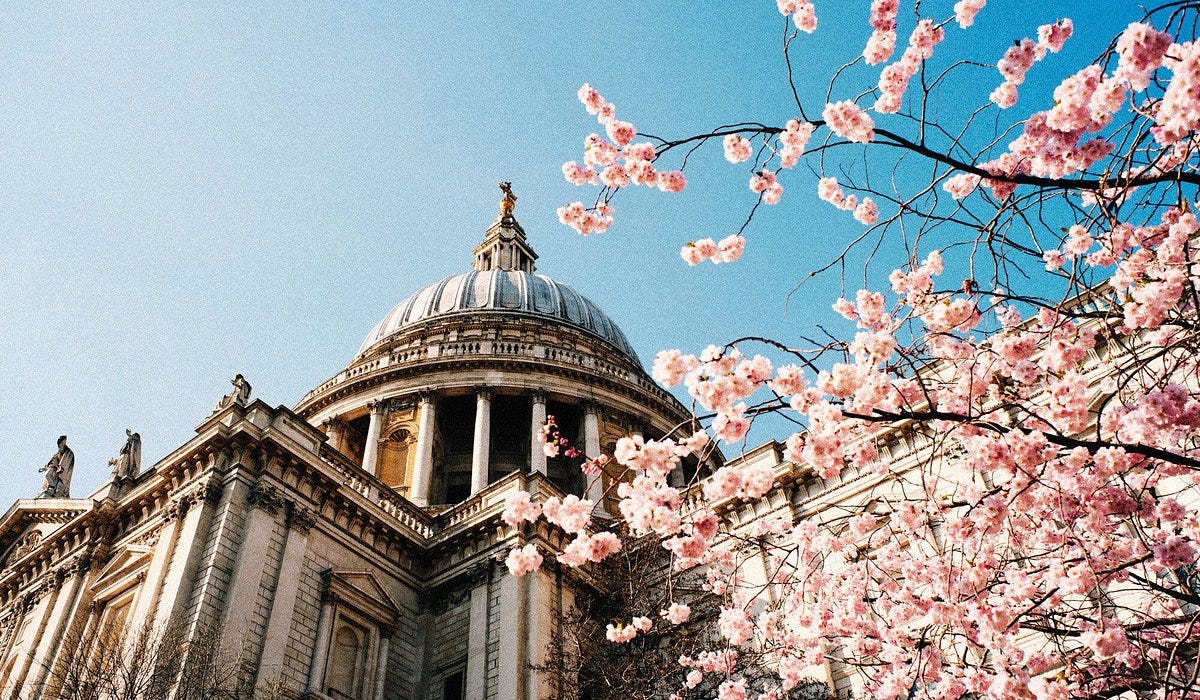
London is a year-round city. The weather is the variable, not the city’s appeal, and the English approach to weather (dress for it and go anyway) is the right one. Summer brings long days and a lively outdoor culture; winter brings Christmas markets, fewer tourists, and a more intimate version of the city.
🌸 Spring (March to May)
The finest season for the city’s parks and gardens: Kew Gardens in April, Hyde Park and Regent’s Park in bloom, the Chelsea Flower Show in late May. Mild temperatures and longer days without the summer crowds. One of the two best times to visit.
☀️ Summer (June to August)
Long days (sunset after 9pm in June), open-air theatre in the parks, Notting Hill Carnival in August, and a city that takes advantage of every hour of daylight. Crowded at the major tourist sites. Book everything in advance. Still the most atmospheric time to be in London.
🍂 Autumn (September to November)
Excellent. Crowds thin, the light is extraordinary in October, and the cultural season at full pitch: theatre, galleries, and the food scene all at their most active. The parks are at their most beautiful in late October when the leaves turn.
❄️ Winter (December to February)
Cold and occasionally grey, but London in December is extraordinary: the Christmas lights on Regent Street and Oxford Street, the markets at Southbank and Hyde Park, and a festive atmosphere that the city does exceptionally well. January and February are quieter and cheaper.
How many days to spend in London
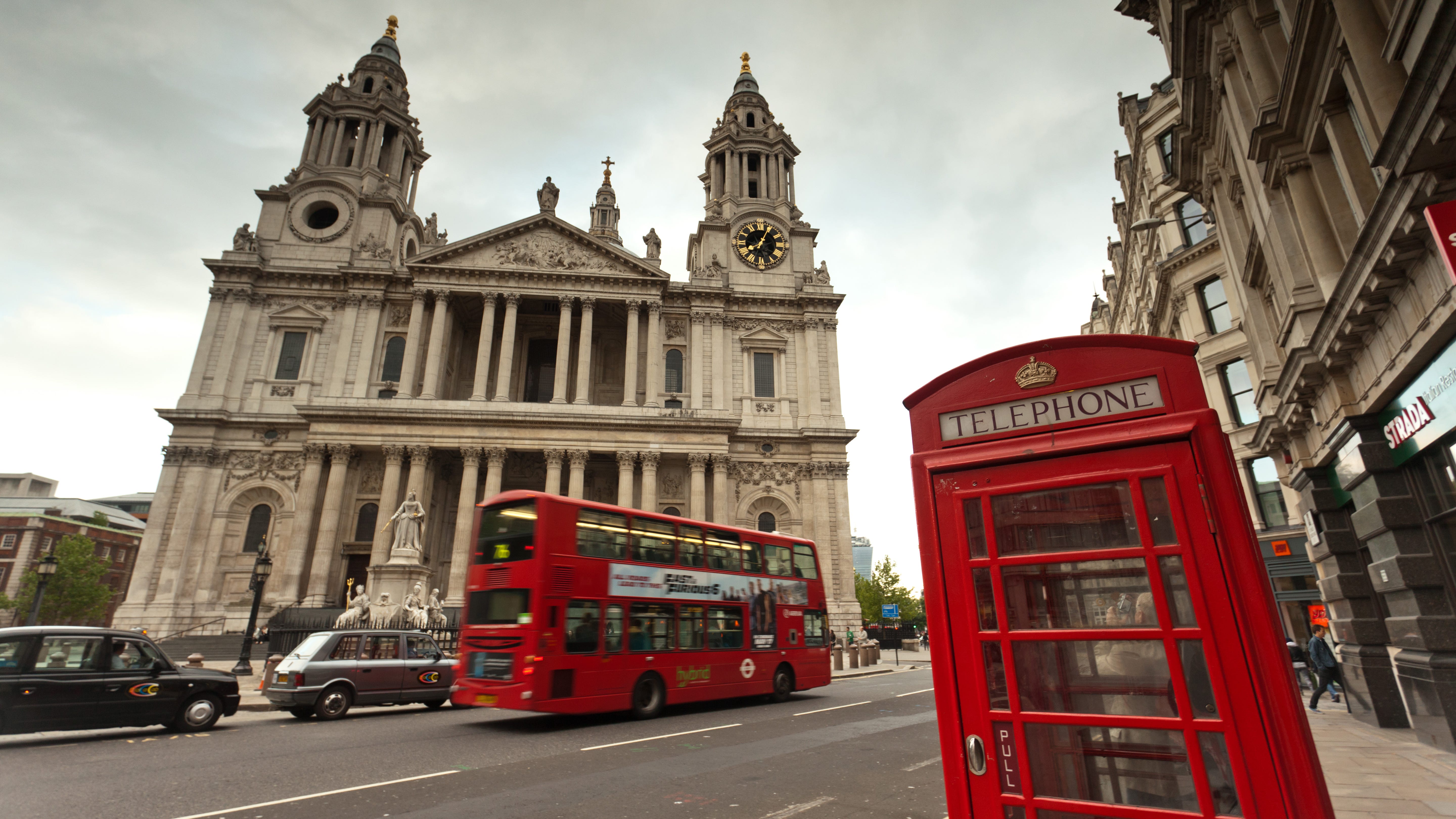
Three days covers Westminster, the South Bank, the Tower of London, the British Museum, and a West End evening at a comfortable pace. Four to five days adds the museums of South Kensington, a market morning, Shoreditch, and a day trip to Oxford or Stonehenge. A week starts to feel like you are beginning to understand how large and varied the city actually is.
London is a city that scales with time. The three-day visit gives you the monuments. The five-day visit gives you the neighborhoods. The week-long visit starts to show you the London that locals know. Every additional day reveals something that the previous ones made you want to find.
Suggested 3-day itinerary
Day 1
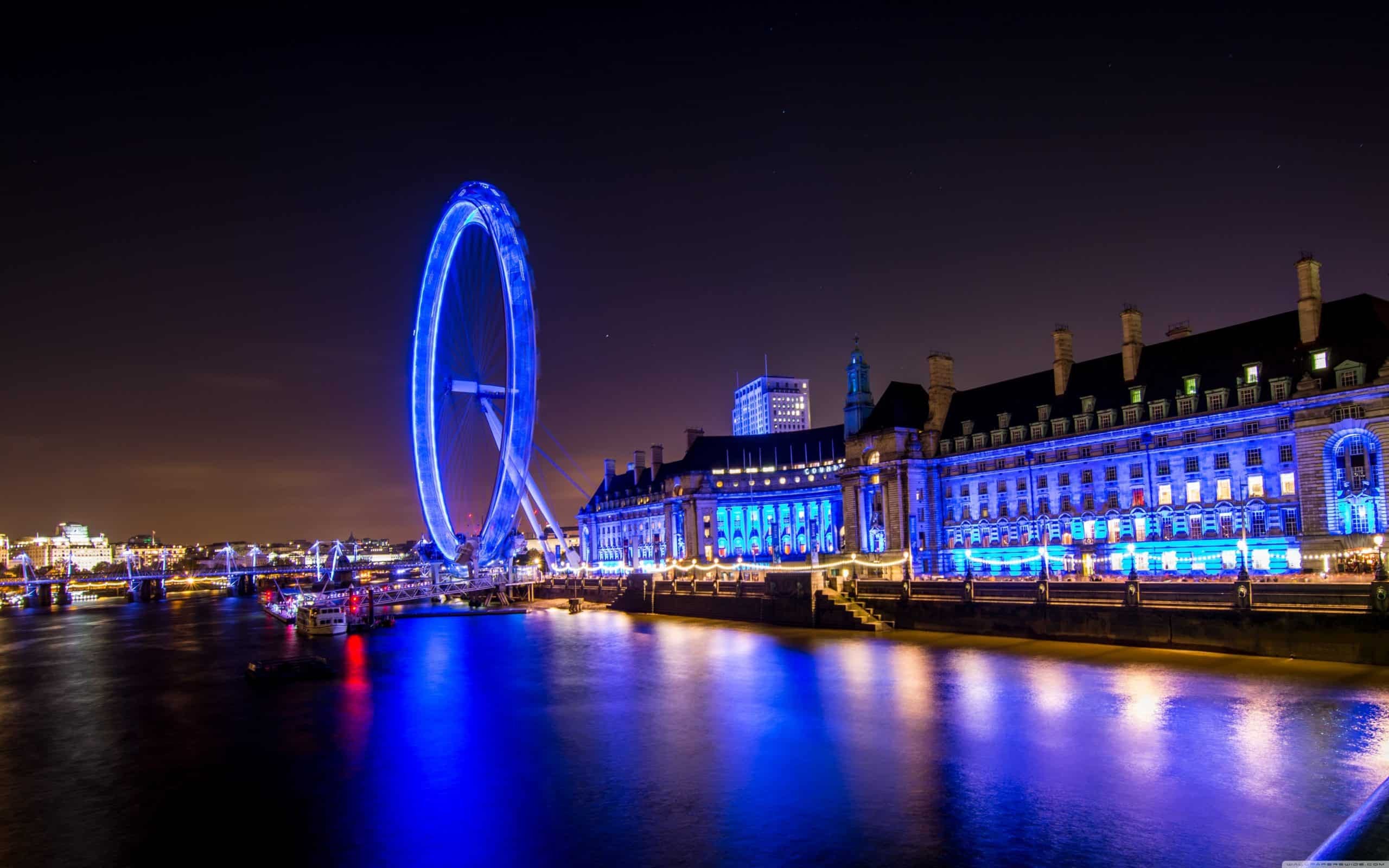
Westminster Abbey. Walk past Parliament and Big Ben. St James’s Park to Buckingham Palace. South Bank walk: London Eye, Tate Modern, Globe Theatre, Millennium Bridge. Borough Market if open. West End dinner in Covent Garden. Theatre show if booked. Drinks in Soho afterward.
Day 2
Tower of London (book first entry). Crown Jewels, Yeoman Warder tour, White Tower. Tower Bridge walk. Lunch in Bermondsey. British Museum in the afternoon (free, no ticket needed). Jack the Ripper walking tour in Whitechapel. Dinner in Shoreditch or Spitalfields.
Day 3
National Gallery (Trafalgar Square, free). Walk to Piccadilly and the Royal Academy. Natural History Museum or V&A in South Kensington (both free). Hyde Park walk. Dinner in Notting Hill or Chelsea. Evening pub in your neighborhood of choice.
Where to eat
London’s food scene is one of the most diverse in the world: the city has more Michelin-starred restaurants than any other outside France, and a street food and market culture that rivals anywhere in Europe. These recommendations span different budgets and styles, all chosen for quality and character.
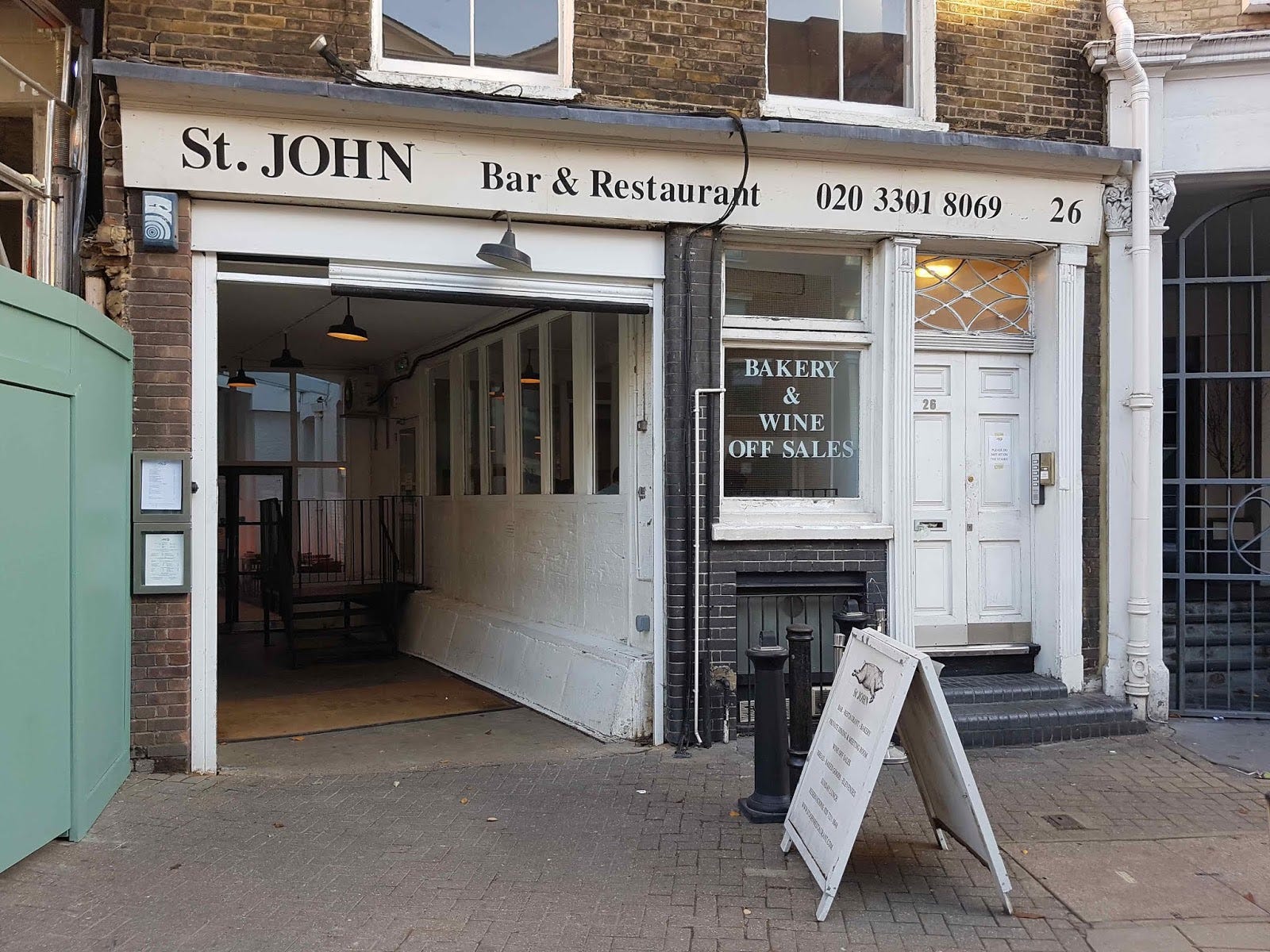
St. John Restaurant
British
The restaurant that revived British cooking in the 1990s. Fergus Henderson’s nose-to-tail philosophy, roast bone marrow with toast and parsley salad, and a wine list of exceptional intelligence. A landmark.
Dishoom
Indian
The most beloved restaurant in London right now, modeled on the old Irani cafes of Bombay. The bacon naan roll at breakfast and the black daal at dinner are two of the most satisfying dishes in the city. Book weeks ahead or queue.
Borough Market
Food market
Saturday morning, arrive by 10am. The finest food market in London for cheese, charcuterie, bread, pastries, and street food. Budget 20 to 30 pounds and eat your way around the stalls.
The Ledbury
Modern European
Two Michelin stars in Notting Hill, serving the kind of food that makes you understand why London became a serious food destination. Brett Graham’s cooking is technically precise and genuinely moving.
Padella
Pasta
A small pasta restaurant under Borough Market with a daily-changing menu of fresh-made pasta dishes at prices that seem implausibly low for the quality. Queue or arrive at opening.
Brat
Wood-fire cooking
Tomos Parry’s Shoreditch restaurant built around a wood-fire grill, serving Basque-influenced British cooking with extraordinary attention to the quality of the ingredients. The whole turbot has become famous.
The Wolseley
Grand cafe
A converted Viennese-style former car showroom on Piccadilly, serving breakfast, afternoon tea, and dinner with impeccable service and a sense of occasion that London does particularly well. Excellent for afternoon tea.
Where to stay
The best area to stay in London for first-time visitors is within easy reach of the Tube, ideally in Zone 1 or 2. Covent Garden and Soho are the most central for walking. South Kensington puts you near the free museums. Shoreditch is best for the food and nightlife of East London. Here are reliable options across different budgets.
Claridge’s
Luxury
The grandest hotel in London and one of the finest in the world: Art Deco interiors, impeccable service, and a sense of occasion that has not diminished in a century. The bar is a destination in itself.
The Ned
Mid-range / Luxury
A former bank building in the City converted into a hotel with nine restaurants, multiple bars, a rooftop pool, and a member’s club atmosphere at hotel prices. One of the most entertaining places to stay in London.
Chiltern Firehouse
Luxury
Andre Balazs’s converted Marylebone fire station with a restaurant that has been the most talked-about in London since opening, and rooms that match the ambition. Book months ahead for both.
The Hoxton, Shoreditch
Mid-range
The original and still the best of the Hoxton brand: an East London hotel that looks and feels like a Shoreditch creative space. Excellent ground-floor restaurant and bar.
Generator London
Budget
The largest and best-designed hostel in London, near King’s Cross. Excellent communal spaces, reliable Wi-Fi, and a central location that works for the Tube to anywhere.
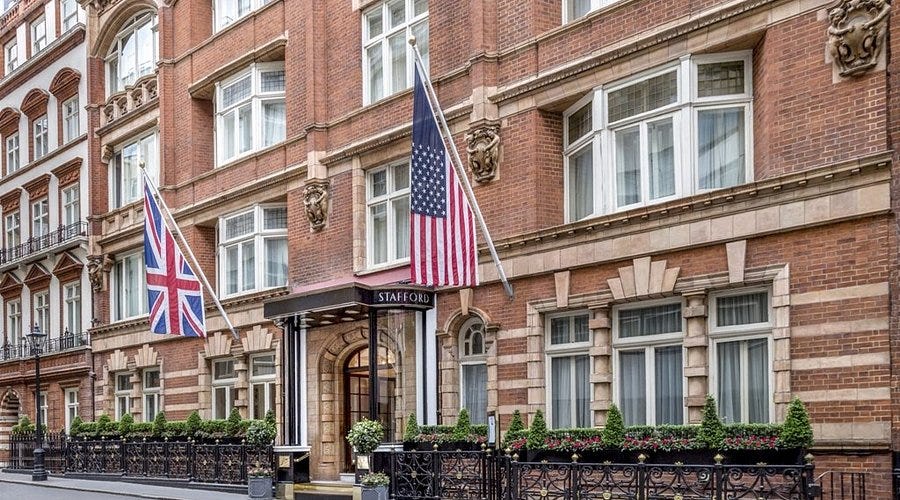
The Stafford London
Boutique / Luxury
A quiet St James’s hotel with a legendary American Bar, a courtyard, and a discretion that sets it apart from the grander properties nearby. One of the finest small luxury hotels in the city.
Practical information
Currency: British pounds sterling (GBP). Cards and contactless payment are accepted almost universally, including on the Tube and buses. Cash is rarely necessary but useful for some markets and older pubs.
Language: English. No translation required, though the British accent and idiom take a day or two to fully calibrate. The speed and humor of London speech are part of the experience.
Getting around: The London Underground (the Tube) is the backbone of the city. Use a contactless bank card or an Oyster card for pay-as-you-go travel: both charge the daily cap automatically, making them significantly cheaper than paper tickets. The Elizabeth line has transformed east-west travel across the city since 2022. Buses are also excellent and let you see the city as you travel.
Free museums: The British Museum, National Gallery, Tate Modern, Tate Britain, National Portrait Gallery, Victoria and Albert Museum, Natural History Museum, Science Museum, and the Museum of London are all entirely free to enter. This is one of the extraordinary and underappreciated facts about London.
Internet: A UK eSIM is the most practical option. Wi-Fi is available across the Tube network (at stations, not between them), in most cafes and hotels, and increasingly in public spaces.
Safety: London is a safe city by global standards. Pickpockets operate on the Tube (particularly on tourist-heavy lines like the Central and Circle lines) and around major attractions. Keep bags in front of you in crowded areas.
Tipping: Not automatic in the UK. Ten to fifteen percent for good restaurant service is standard. Many restaurants add an optional service charge; you can remove it if the service did not merit it. Tipping in pubs for drinks is not customary.
Theatre tickets: Book popular West End shows well in advance. For same-day discounts on a wide range of productions, the TKTS booth in Leicester Square offers up to 50 percent off from mid-morning. The National Theatre and Royal Shakespeare Company offer day seats and returns at reduced prices.
The weather: Pack layers and a light waterproof regardless of the season. London rain is rarely heavy but can arrive without warning at any time of year. This does not stop Londoners from doing anything, and it should not stop you.
How London fits into a broader UK or Europe trip
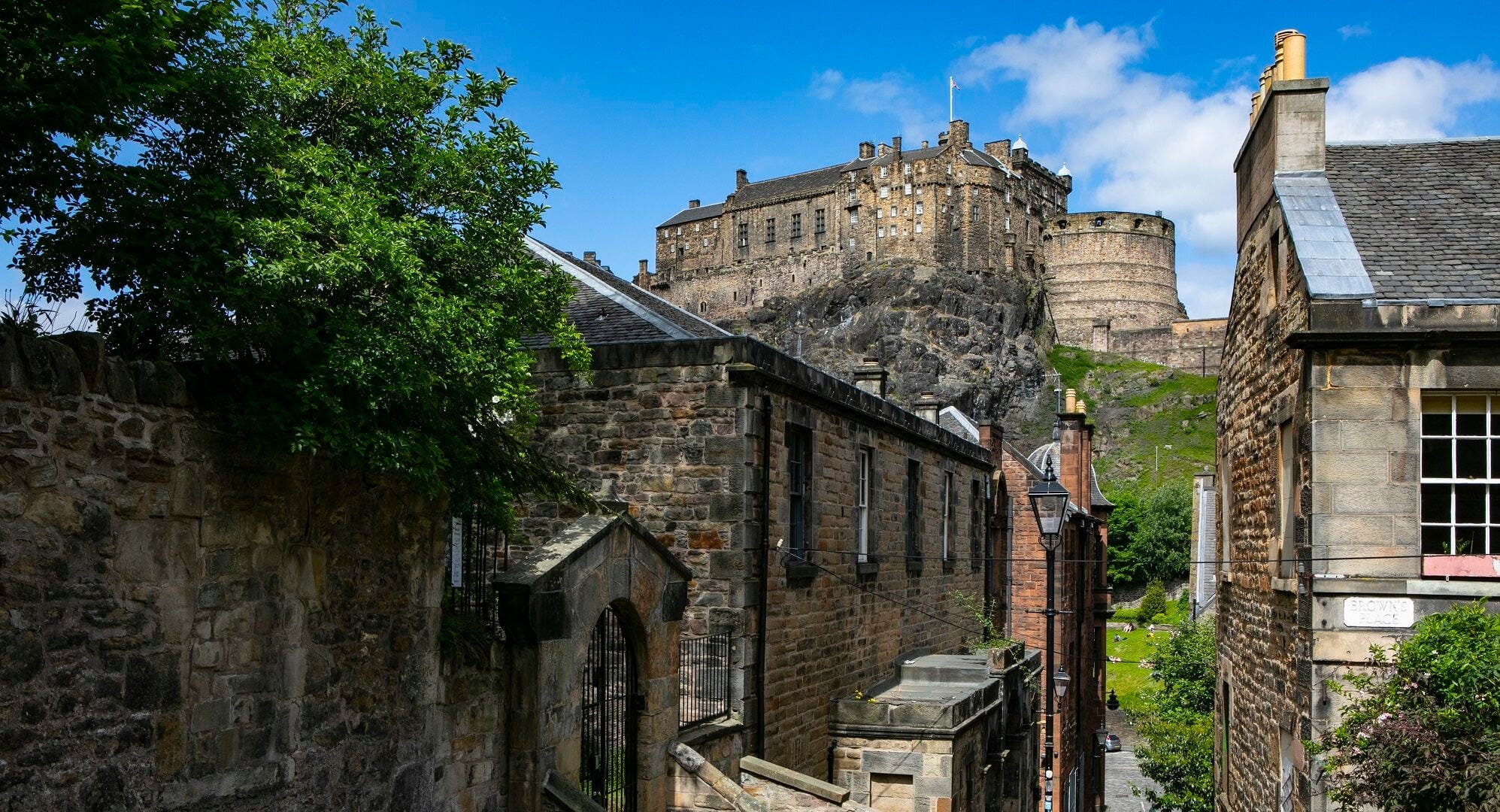
Most travelers combine London with at least one other British destination. Edinburgh, about four and a half hours north by train, is the most natural counterpoint: Scottish, more compact, and extraordinary for its castle, its Old Town, and the annual August Fringe Festival. Bath, two hours west, adds the finest Georgian urban environment in Britain and the Roman Baths. The Lake District and the Yorkshire Dales offer landscape-focused extensions for travelers who want to move beyond the cities.
At a European scale, London connects seamlessly by Eurostar to Paris (two hours fifteen minutes), Brussels (one hour fifty minutes), and Amsterdam (three hours forty-five minutes). The Channel Tunnel makes London a natural hub for a multi-country rail itinerary across northwestern Europe, without the carbon cost or the inconvenience of flying.
Frequently asked questions
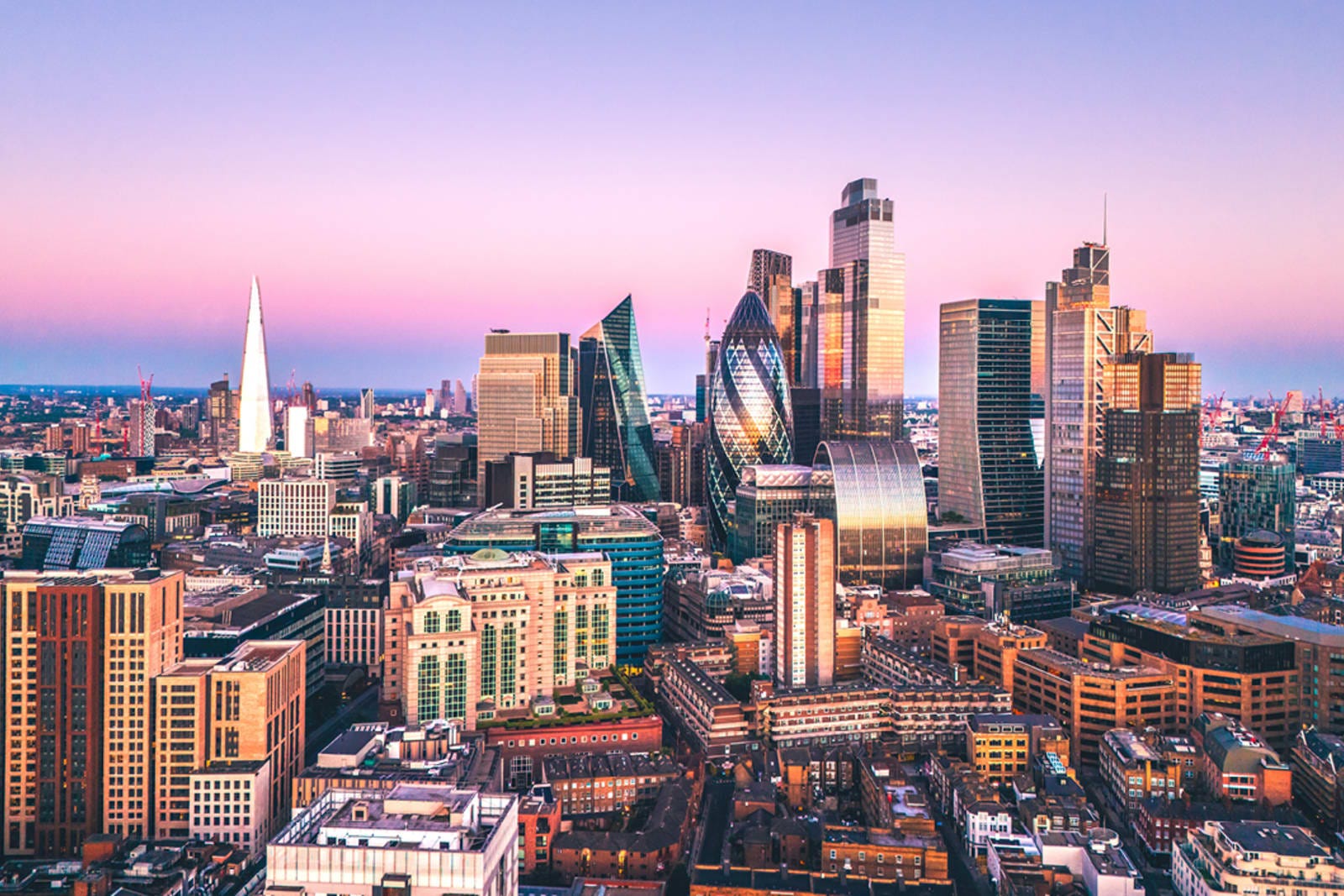
Is London worth visiting for first-time travelers to Europe?
Yes. London is the most accessible entry point to European travel for English-speaking visitors, and it offers a depth of culture, history, and food that justifies a visit on its own terms. The free museums alone represent extraordinary value.
How many days do you need in London?
Three days covers the essential landmarks and a West End evening. Four to five days adds the museum quarter, a market morning, and a day trip outside the city. A week starts to reveal the neighborhoods and the quieter pleasures that make London so compelling on return visits.
What is the best time of year to visit London?
Spring (April to May) and autumn (September to October) offer the most favorable combination of weather, light, and manageable crowds. London in December is extraordinary for the Christmas atmosphere. Summer is lively and long-daylit but crowded at the major sites.
Is London safe for tourists?
London is a safe city overall. Pickpockets operate on the Tube and near tourist attractions. Standard vigilance in crowded public spaces is sufficient. Violent crime directed at tourists is uncommon.
How do I use the London Underground?
Tap your contactless bank card or Oyster card on the yellow reader when entering and exiting each station. The system calculates the cheapest fare automatically and applies a daily cap so you never pay more than a single day’s unlimited travel. Do not buy paper tickets, which are significantly more expensive.
Are the free museums really free?
Yes, entirely. The British Museum, National Gallery, Tate Modern, Natural History Museum, Victoria and Albert Museum, and several others charge no admission for their permanent collections. Some temporary exhibitions have a fee, but the permanent collections are genuinely free and completely worth extended visits.
What should I not miss in London?
The Tower of London and Crown Jewels, a South Bank walk from Westminster to Tower Bridge, the British Museum, Westminster Abbey, a West End show, and a Saturday morning at Borough Market. These cover the essential range and will give you a foundation for every subsequent visit.
Plan your London trip with AERIA Voyages
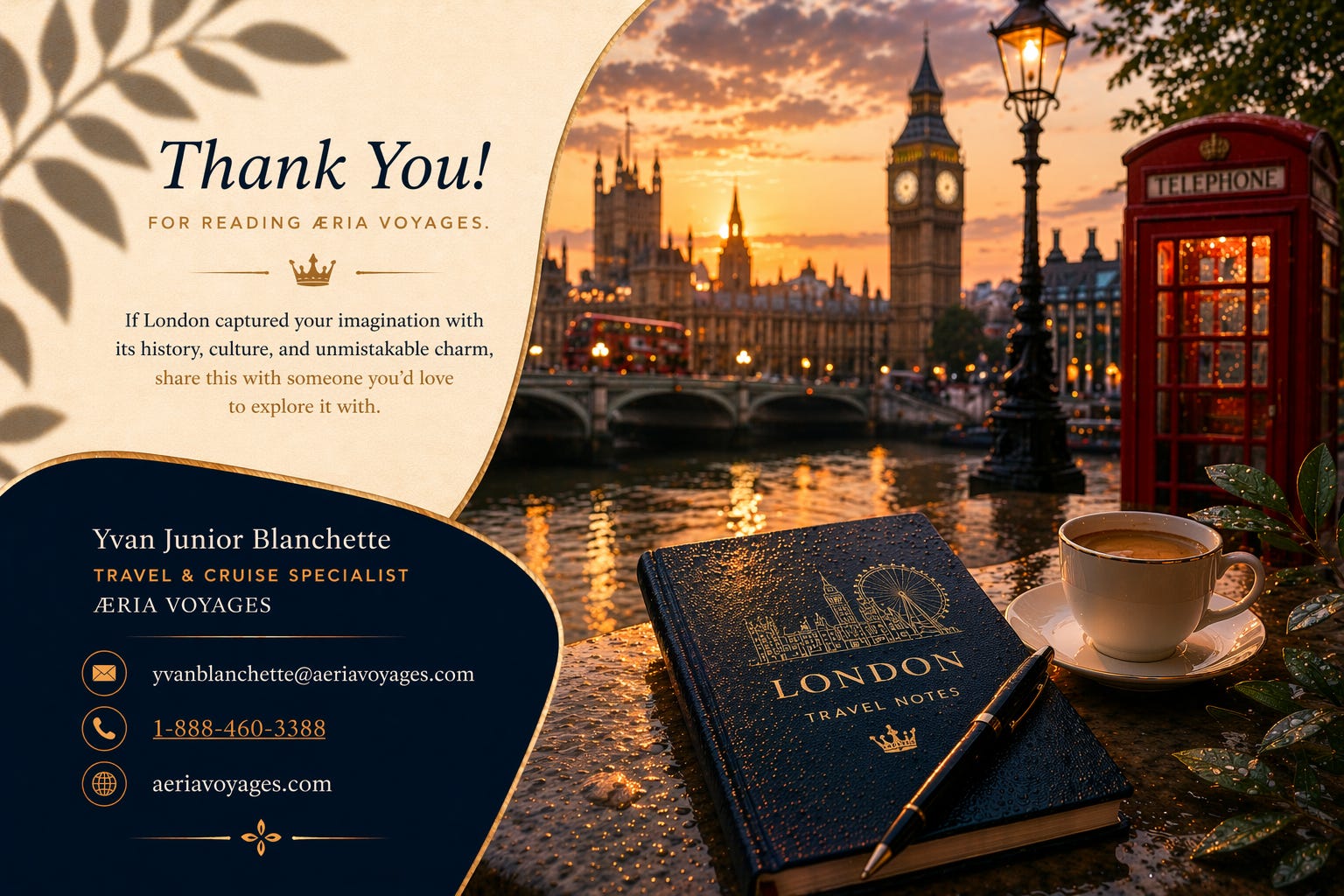
Every traveler’s ideal London itinerary looks different depending on the time available, the interests that matter most, and whether you want to stay in the city or use it as a base for England and beyond.
I help clients build trips that go beyond the standard circuit: a private morning at the Tower of London before opening, a curated Cotswolds drive combining manor houses and village pubs, a Eurostar-connected itinerary linking London and Paris, or a cruise departing from Southampton that begins with days in the city.
If you are planning a trip to London and want to talk through the options, I would be glad to help.
Yvan Junior Blanchette
Travel & Cruise Specialist
ÆRIA Voyages📩 yvanblanchette@aeriavoyages.com
📞 1-888-460-3388
🌐 aeriavoyages.com